
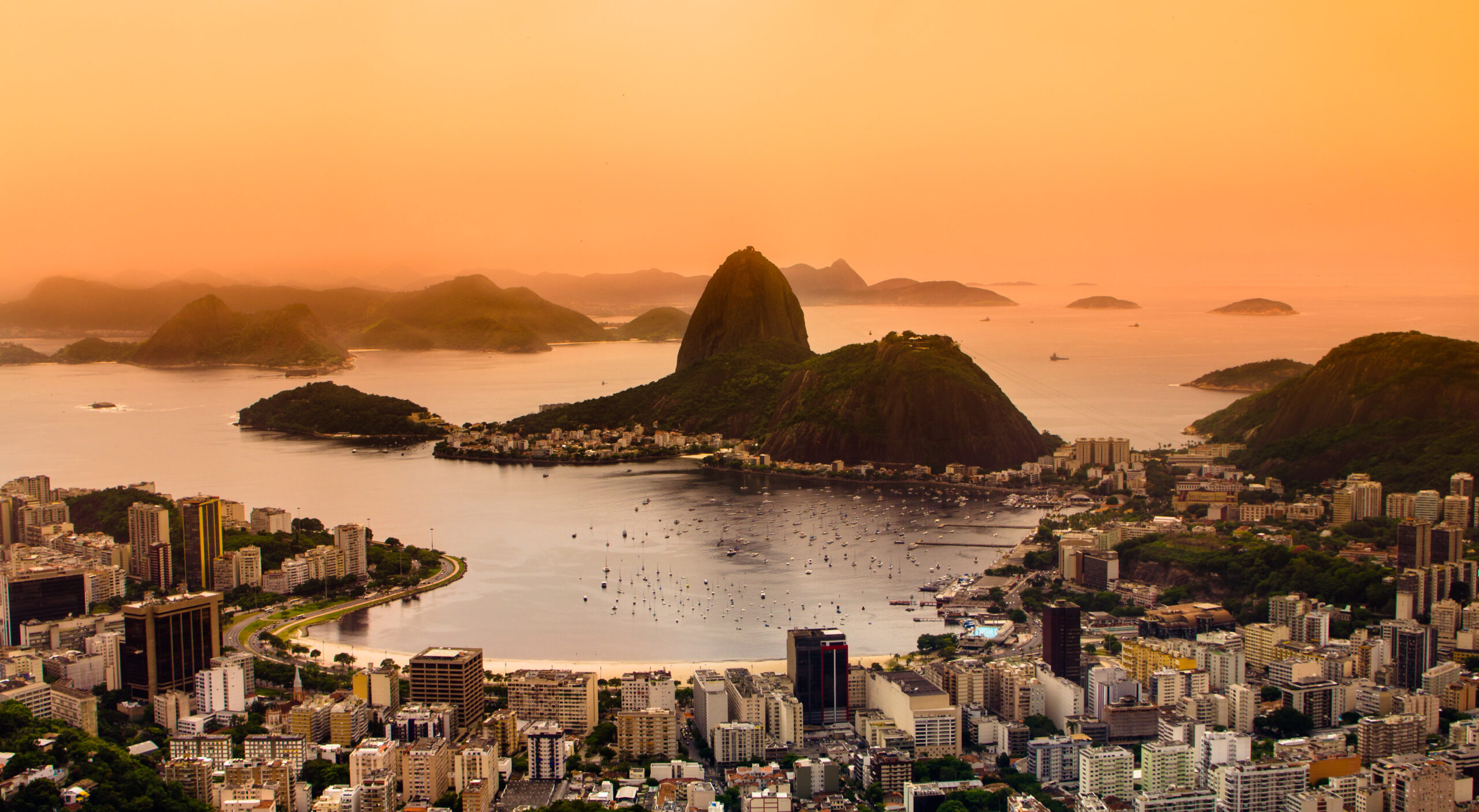
Travelers in the know have long hailed Rio de Janeiro as a mystical playground of sand, samba, and glitter—but now it seems the secret’s out. Everyone’s talking about Brazil, and there’s no cooler place to be than Rio.
Case in point: National Geographic named Rio one of the best places in the world to travel in 2026, yet cited everything but Carnaval and beaches. Museum reopenings, new hiking trails, and a food scene that’s finally earning international acclaim have thrust the city onto travel’s hot list, and we’ve already been feeling the effects.
Brazil has already welcomed over seven million international visitors this year, a historic record led by none other than Rio. The surge has brought back a sense of movement in the city reminiscent of the 2016 Olympic Games. The energy, for one, is palpable. Restaurants in Rio’s touristy Zona Sul neighborhood are full and spilling onto the sidewalks, the hum of conversation blending Portuguese, Spanish, English, and French on any given night.
Yet the boom is spreading beyond the typical shores of Copacabana: A string of tourist-carrying mototaxis can be seen going up the Vidigal favela daily, and a new wave of bakeries, cafés, and bars are moving into neighborhoods known for their eclectic, more local vibe, like Centro and Botafogo.
With all due respect to the grandest Carnival celebration on Earth, in 2026, there will be plenty more reasons to visit Rio—let me tell you why.
Nat Geo Lists Rio as One of the Top Places to Travel to in 2026
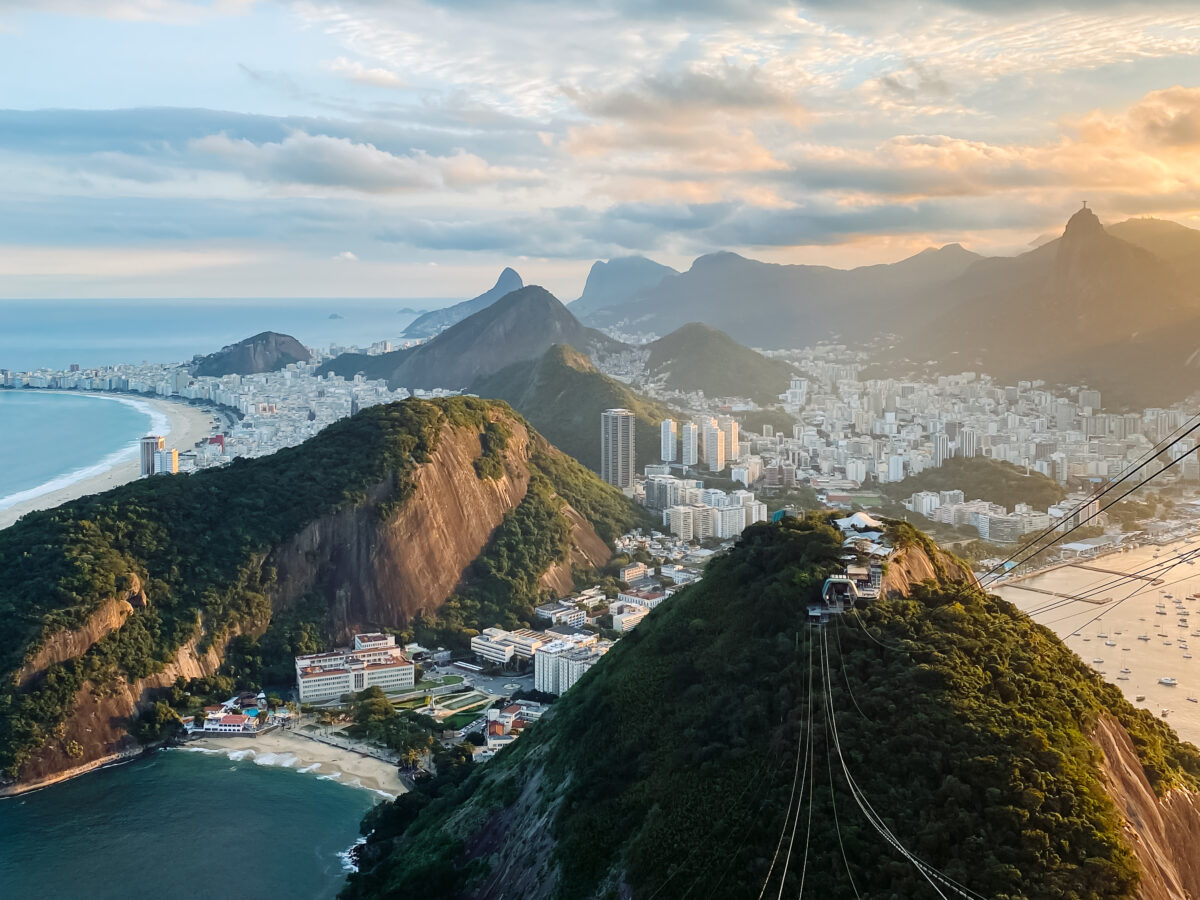
As National Geographic put it, Rio is having a moment.
After the devastating 2018 fire that destroyed the 207-year-old National Museum of Brazil, the institution is pushing for a second temporary reopening in 2026 and a full reopening by 2028. Meanwhile, the National Museum of Fine Arts plans to fully reopen in late 2026, following a temporary exhibit by Brazilian photographer Vicente de Mello.
Meanwhile, the legendary Copacabana Palace will undergo its biggest renovation in history, with plans to unveil a fresh new annex with expanded suites and a new spa next year. Then there’s the big, splashy Todo Mundo no Rio concert, the one that brought Lady Gaga and 2 million of her fans to Copacabana sands this year. The massive event is returning next year, with rumors of Beyoncé or Rihanna headlining.
A new hiking trail was also mentioned, alluding to the Paineiras–Corcovado Trail that recently inaugurated a safer route connecting the visitor center to the summit, featuring a glass-walled lookout over Lagoa Rodrigo de Freitas and the city’s southern beaches. Yet there’s plenty of overlooked hiking trails to add to the mix, so much so that Rio has also just been declared the best city in the world for hiking.
The dining scene—long overshadowed by the bigger metropolis of São Paulo—is steadily growing into its own. Michelin, for one, is paying attention: Rio now has seven Michelin-starred spots, including two new 2025 additions. Not to mention the countless new openings that stay off the list, from sidewalk sushi hangouts to vinyl-spinning bars serving pizza by the slice, and café chains multiplying across the city.
For me, it feels like Rio isn’t just having a moment. It’s redefining its identity in the world of travel.
Beyond Rio: Where to Go in 2026
A trip to Rio can always be paired with a little something extra. Brazil’s coastline has endless corners worth discovering—from colonial towns to bohemian fishing villages and far-flung islands that take just enough effort to reach. Here’s where to go next year.
Paraty, Rio de Janeiro
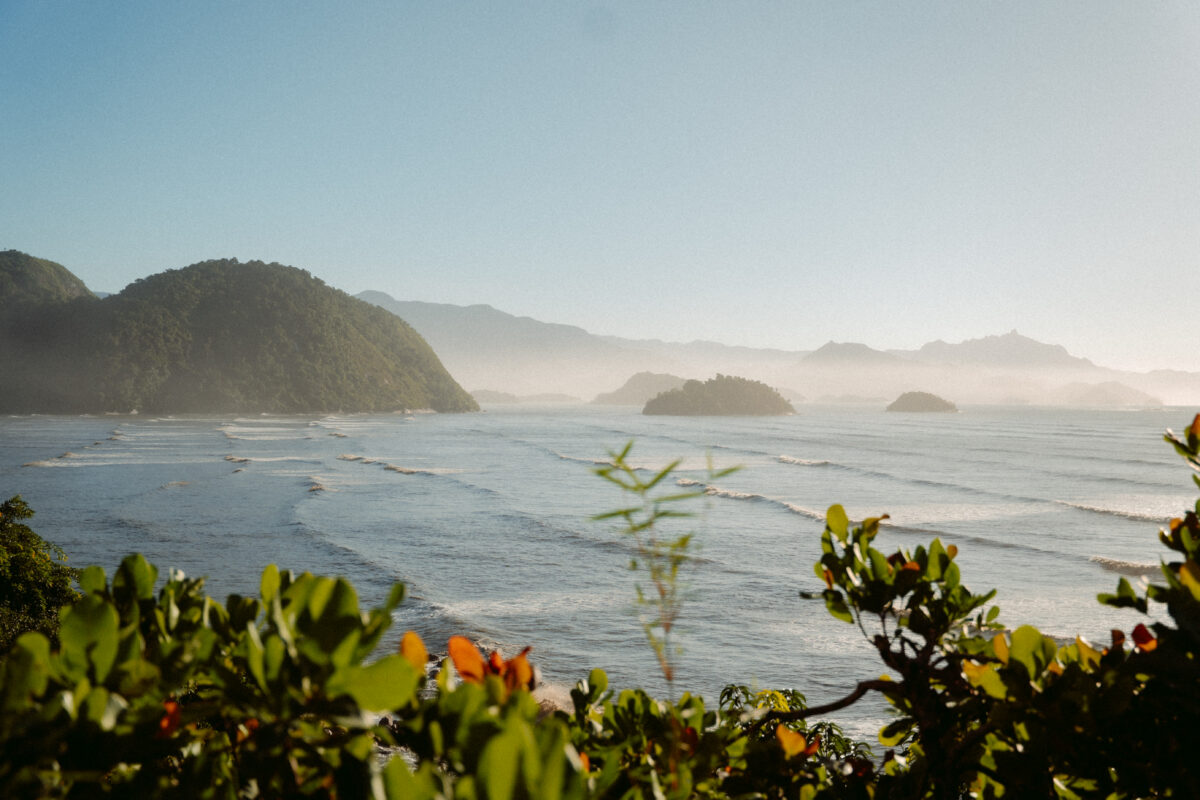
A few hours south of Rio, Paraty feels like stepping back in time. Its cobblestoned streets are lined with whitewashed houses, colorful doors, and art galleries tucked inside historically intact houses. Between its thriving restaurant scene, nearby waterfalls, and island-hopping tours, this colonial town strikes a perfect balance between art, history, and beach time.
Trancoso & Caraíva, Bahia
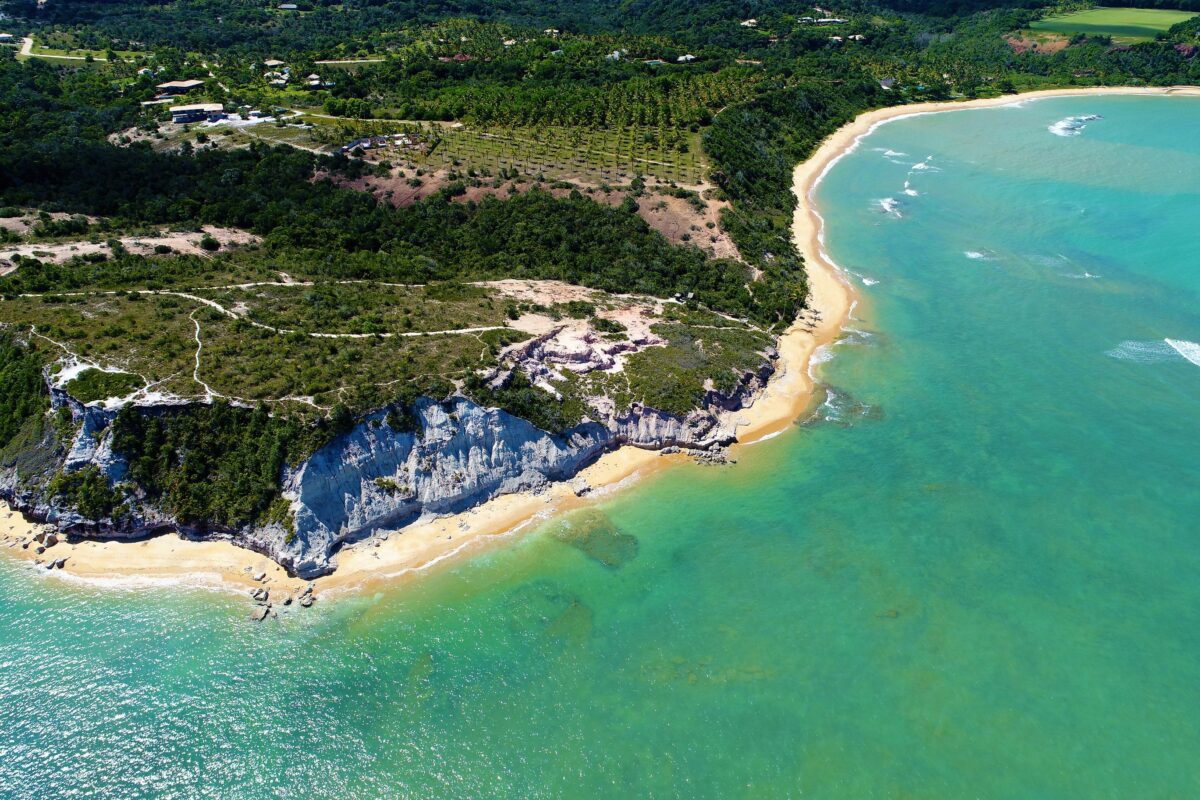
Bahia’s southern coast is pure magic—and these two neighboring towns capture it best. Trancoso, with its chic boutique hotels like Uxua Casa Hotel & Spa, often ranked among the world’s best, and perfectly curated boho-style restaurants, is the epitome of barefoot luxury.
A quick car or bus ride and a short river crossing later, you’ll find yourself in Caraíva, where the pace slows down even more. No cars, no Wi-Fi, and beach bars serving caipirinhas inside giant cacao fruit. Together, they represent Brazil at its most effortlessly beautiful.
Jericoacoara, Ceará
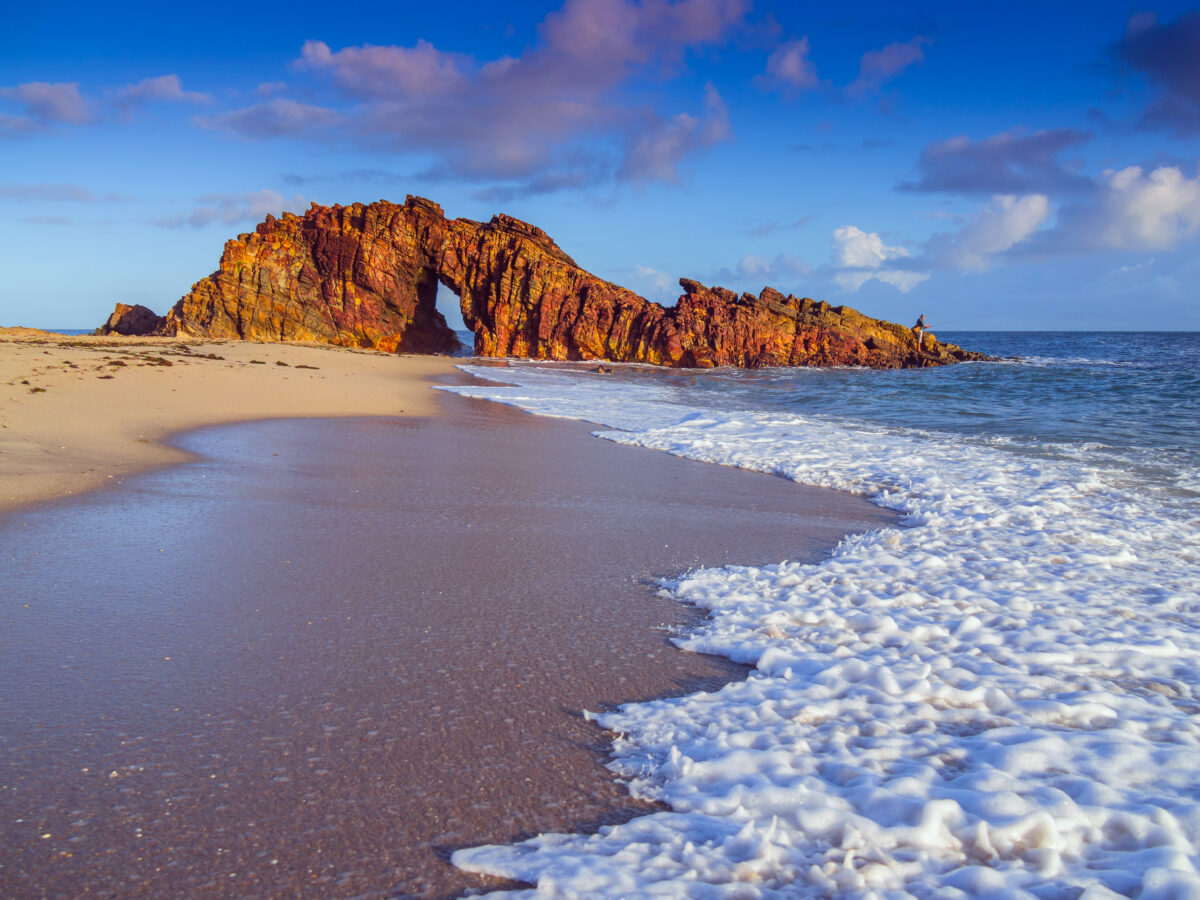
Once a remote fishing village, “Jeri” has transformed into Brazil’s kitesurfing capital. It’s long been a destination for lovers of the sport—a laid-back paradise of sand streets, wind, and sun. Rumor has it that Preá, just next door, is the new place to be, so perhaps the time to go is now, before everyone else finds out. Watch the sunset from the famous sand dunes, sip a fresh coconut from a beach hammock, and join travelers from around the world chasing the perfect gust of wind. With easier flight connections and growing international buzz, this stretch of coast looks especially promising for 2026.
Lençóis Maranhenses, Maranhão
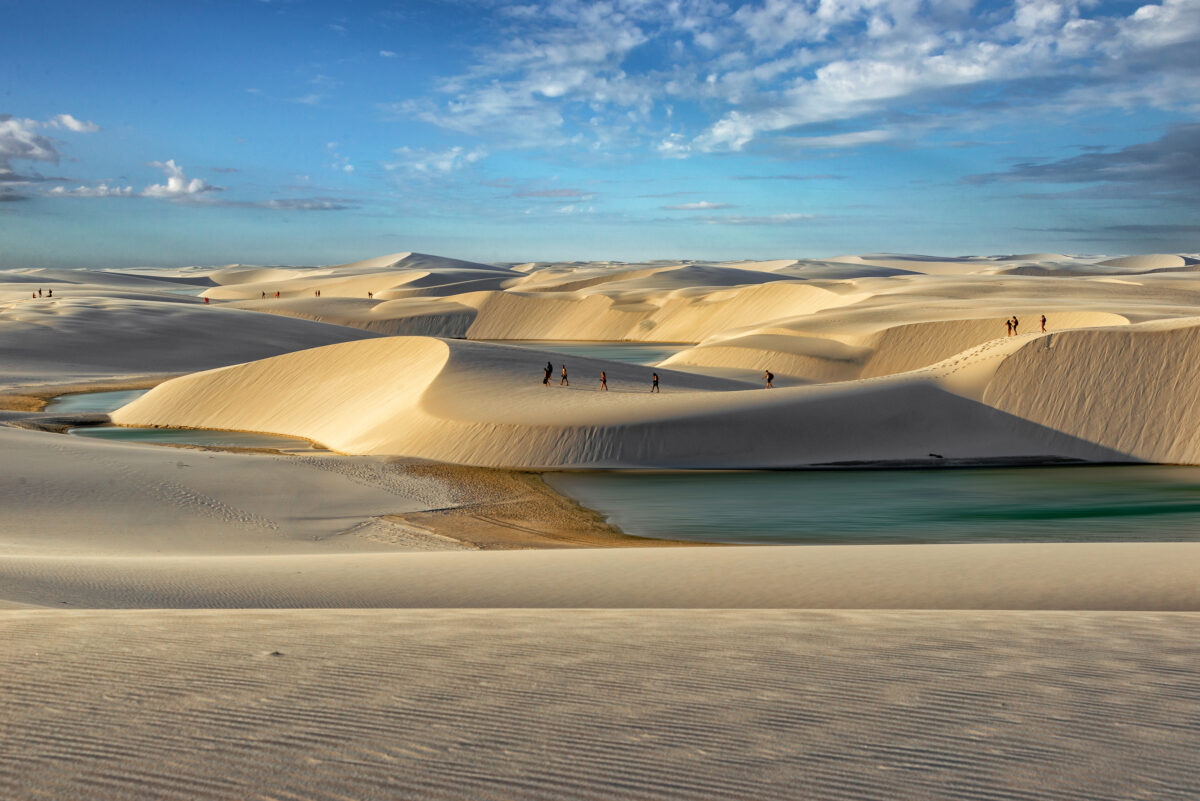
While not a beach in the traditional sense, Lençóis Maranhenses might just be the most surreal landscape in Brazil. Imagine an endless sea of white dunes splattered with big, deep turquoise lagoons that appear only during the rainy season. You can swim, hike, or ride a 4×4 across the dunes. My take? Do the three-day crossing for full immersion. It’s not the easiest place to get to, but believe me when I tell you: It’s worth it.
Fernando de Noronha, Pernambuco
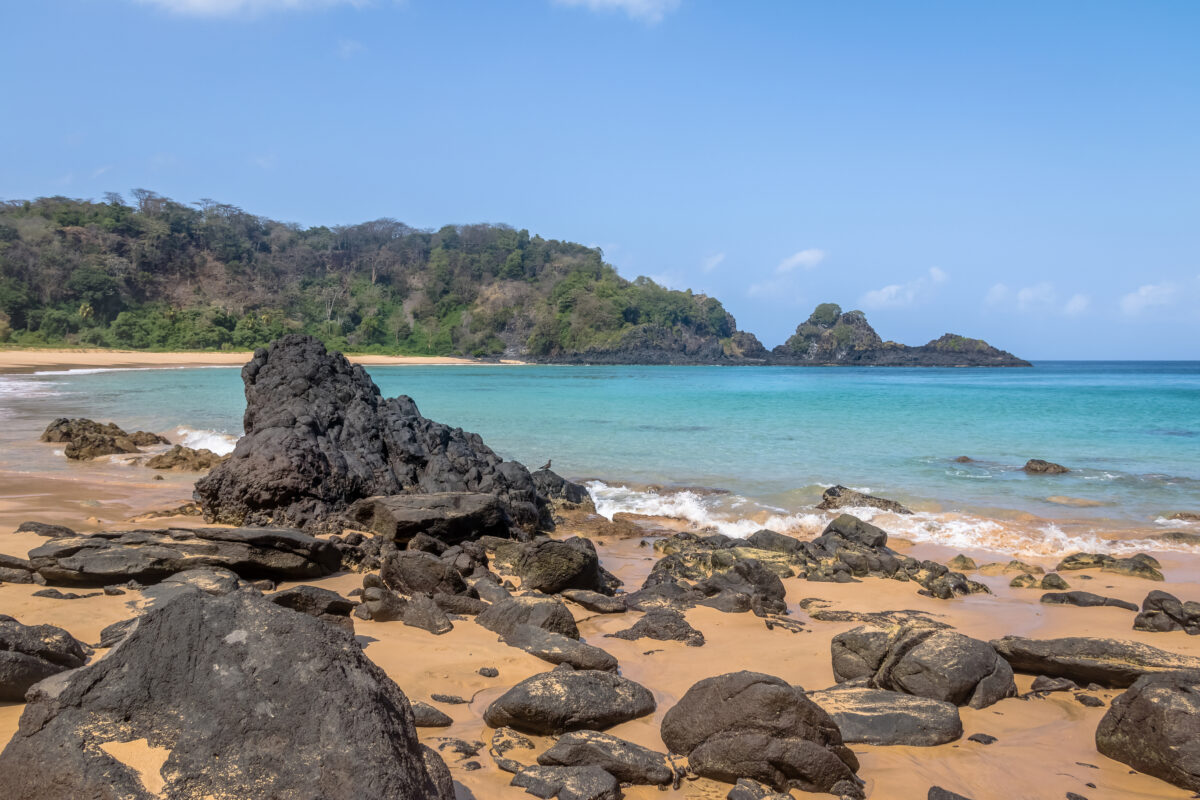
No list would be complete without Fernando Noronha. This volcanic island, with its crystal-clear waters and thriving marine life, is often called Brazil’s most beautiful destination—and rightly so. A UNESCO World Heritage Site, it offers some of the best diving and snorkeling in the world. Visitor limits keep it pristine, giving it a rep as the ultimate Brazilian paradise. And that it is.
The Pantanal, Mato Grosso do Sul
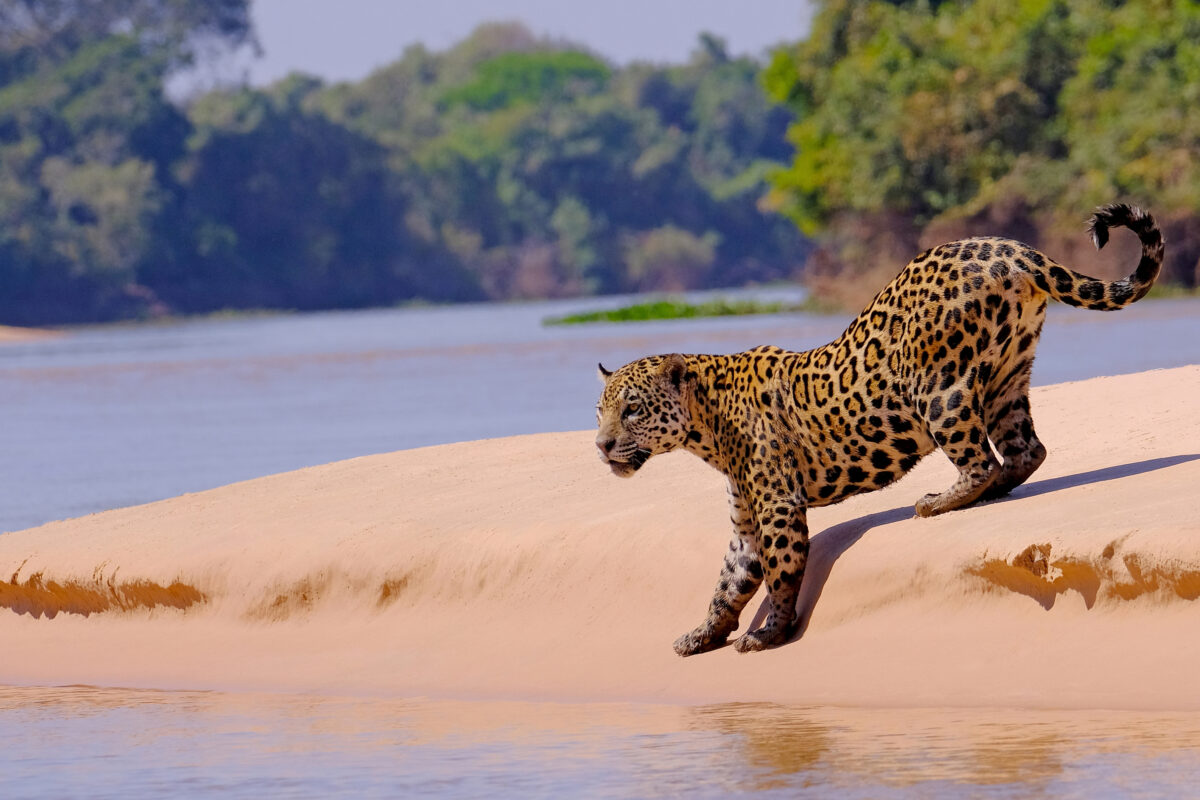
The Pantanal is the world’s largest tropical wetland, and for that reason alone, it deserves a mention. It’s one of the best places on Earth for wildlife viewing, with jaguars, capybaras, caimans, and hundreds of bird species calling it home. New eco-lodges and responsible tour operators are helping travelers experience the landscape sustainably, making 2026 a defining year for conservation-focused travel in this wild territory.
Florianopolis, Santa Catarina
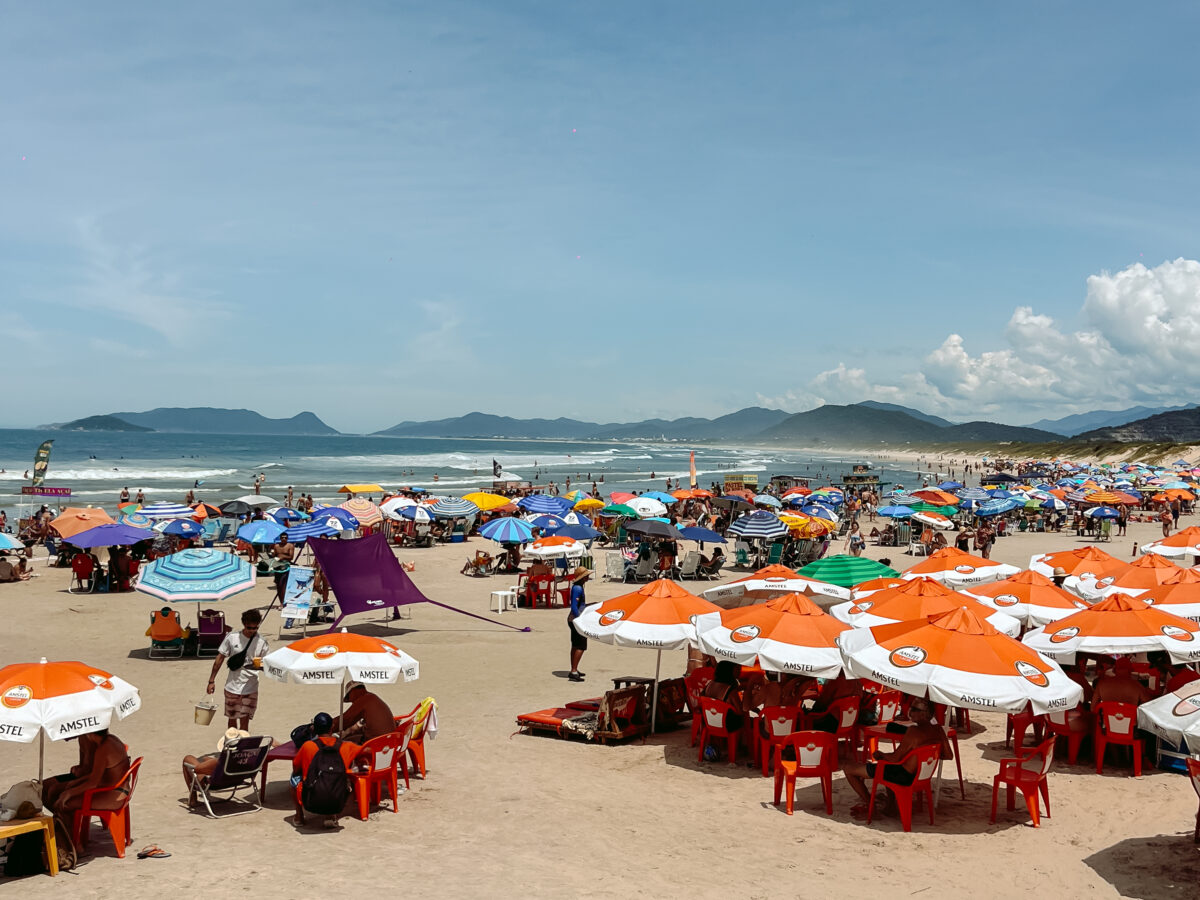
With more than 40 beaches, I like to say the island city of Florianópolis is the antidote to Rio’s far more chaotic shores. Perhaps it’s because “Floripa,” as locals call it, is home to some of the best surf in the country—and surfers bring with them a special kind of laid-back energy that permeates everything around them. Hence, the island’s growing food and wellness scene, which, ironically, is balanced by a thriving startup community. This is probably why the island has become a favorite among the digital nomad community—and why so many of them end up staying far longer than they initially intended to.
Best Time to Visit Brazil in 2026
With Brazil’s size and diversity, there really is no bad time to visit. It just depends on where you’re headed.
For Rio, Bahia, and the Northeast coast, the dry season (May to October) brings sunny skies and warm beach days. The Amazon and Pantanal are best explored between June and October, when lower water levels make wildlife viewing easier. In the South, including Florianópolis, expect cooler weather from June to August.
If you’re chasing the country’s most iconic celebrations, Carnival takes over Rio and Salvador in February or March, depending on the official dates.
Whatever brings you to Brazil in 2026, know that this country’s moment is just getting started.