
Some beach towns go beyond just sand and surf. The best ones have a soul—maybe narrow streets that twist unexpectedly, cafés where locals linger over morning coffee, shops run by families who’ve been there for generations. These are places where the beach is just the beginning, and the town itself is what ends up really sticking with you.
I’ve spent my fair share of time chasing coastlines around the world and I’ve learned that the most charming beach towns share a few things in common: walkable streets that invite wandering, architecture that tells a story, and that elusive quality where tourism hasn’t completely overrun local life. These are the places you’ll want to return to year after year, where each visit reveals something new. Here are the most charming beach towns worth exploring in 2026.
Polignano a Mare, Italy
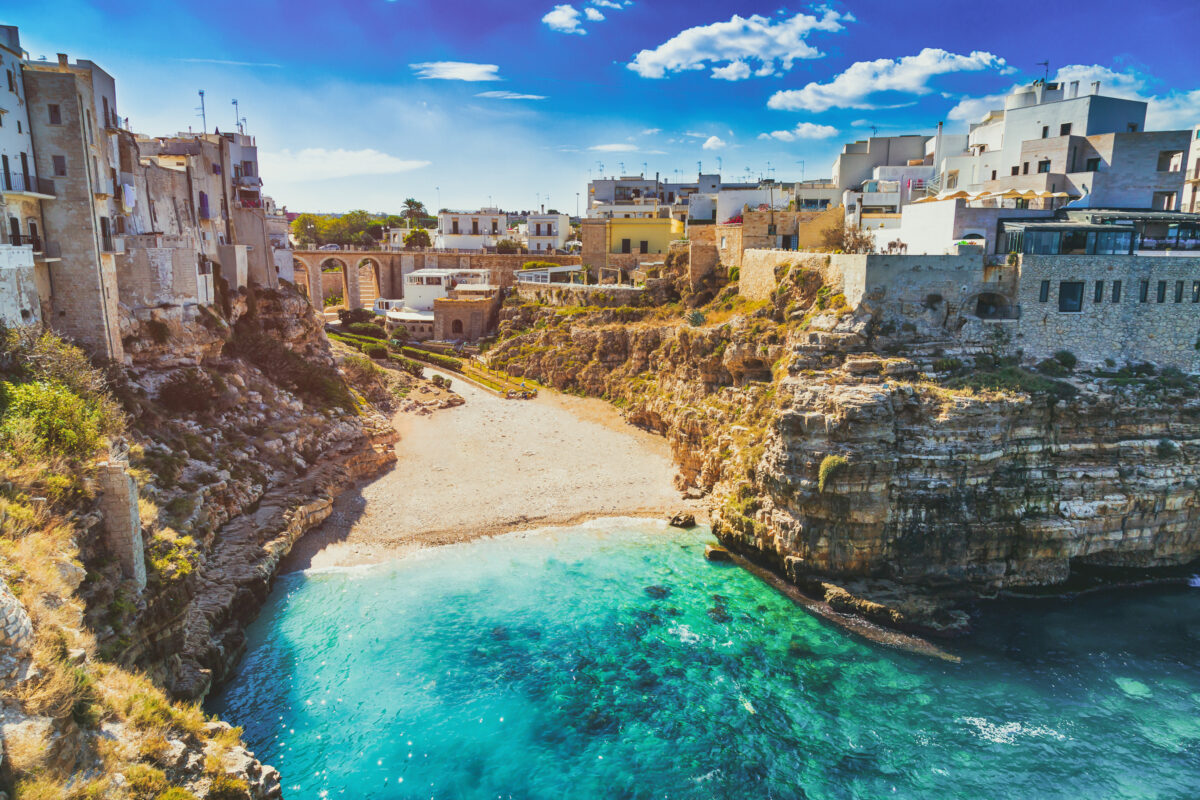
Polignano a Mare looks like it was designed by someone with a flair for the theatrical. White buildings tumble toward the Adriatic, their walls glowing golden in the late afternoon sun, while below, caves carved by millennia of waves create hidden grottoes perfect for cliff diving.
The old town is a maze of whitewashed alleyways barely wide enough for two people to pass, opening suddenly onto terraces with heart-stopping views. Cala Porto Beach sits tucked between towering cliffs, creating an intimate swimming cove that feels like a secret even though it’s right in the town center.
Family-run trattorias still serve traditional Pugliese dishes—orecchiette with turnip greens, fresh burrata, seafood caught that morning. The town comes alive in the evening when locals gather in the piazzas and the sunset paints the cliffs in shades of rose and amber.
Mendocino, California
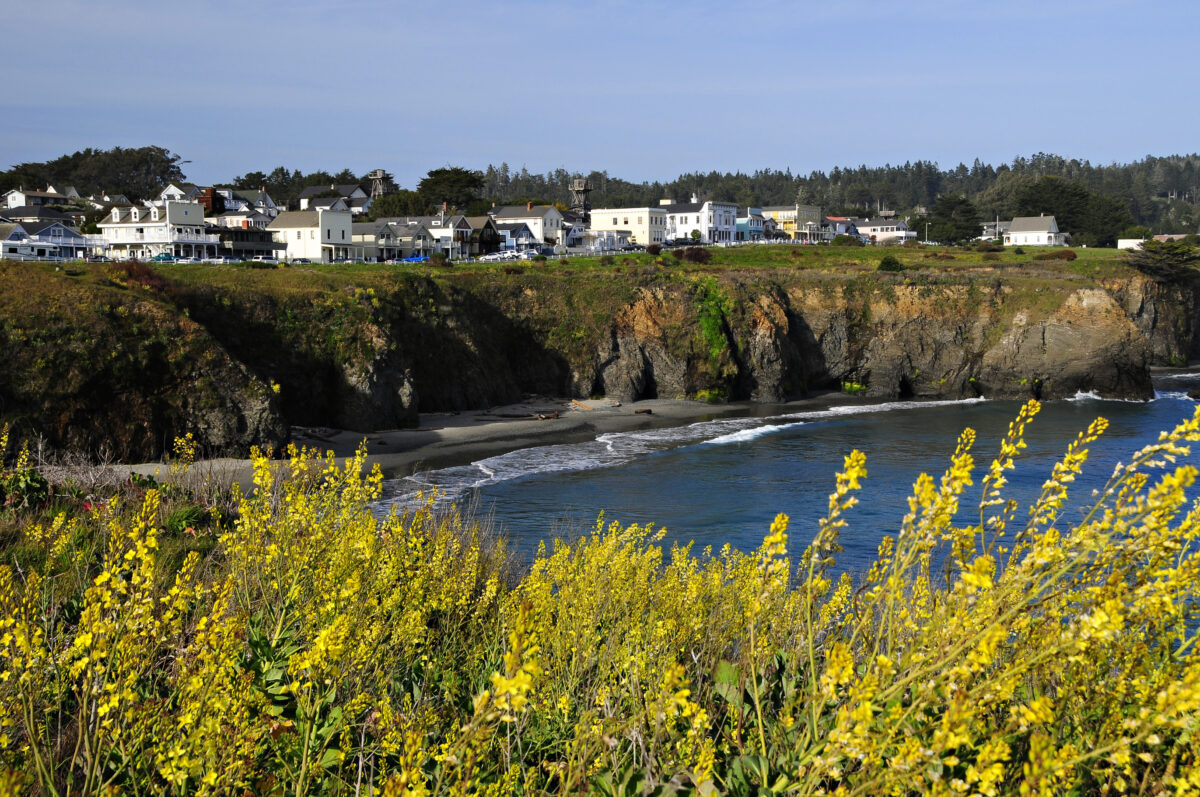
On rugged Northern California headlands three hours north of San Francisco, Mendocino feels like a preserved slice of New England transported to the Pacific Coast. Victorian saltbox cottages and water towers dot clifftops overlooking wild beaches strewn with driftwood, while the town itself has resisted chain stores and maintained its artist-colony atmosphere since the 1950s.
One side of town opens to dramatic coastal trails through headland state parks, tidepools teeming with colorful marine life, and beaches where seals haul out on offshore rocks. The other side features galleries showcasing local artists, bookshops perfect for browsing, and restaurants serving dishes crafted from ingredients grown in the surrounding farms and pulled fresh from the ocean.
Roquebrune-Cap-Martin, France
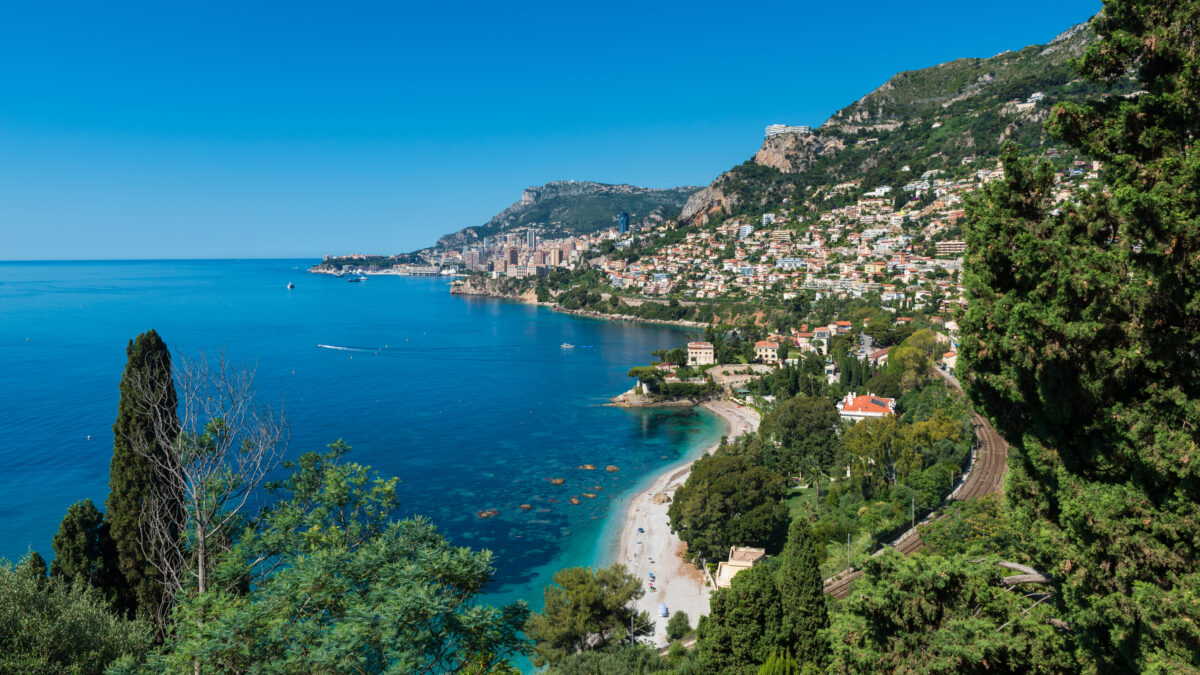
Between Monte Carlo and Menton on the quieter eastern stretch of the Côte d’Azur, Roquebrune-Cap-Martin offers Riviera elegance without the overwhelming crowds. This is the French Riviera as it used to be.
The medieval village of Roquebrune perches high on its hillside, a maze of cobblestone lanes and stone archways dating back centuries. The 10th-century château towers above, offering panoramic views across the Mediterranean. Below, the Cap Martin peninsula juts into impossibly blue water, ringed by pebbled beaches and rocky coves where the swimming is sublime.
Architect Le Corbusier designed his cabin here and famously swam from these shores until the day he died. Writer W.B. Yeats and designer Coco Chanel also found inspiration in this corner of the coast. That creative energy still lingers in the galleries and cafés.
The coastline remains beautifully unspoiled compared to flashier Riviera neighbors. You can walk the coastal path, swim from private beaches, or simply sit at a seaside café watching yachts drift past, feeling utterly content.
Carmel-by-the-Sea, California
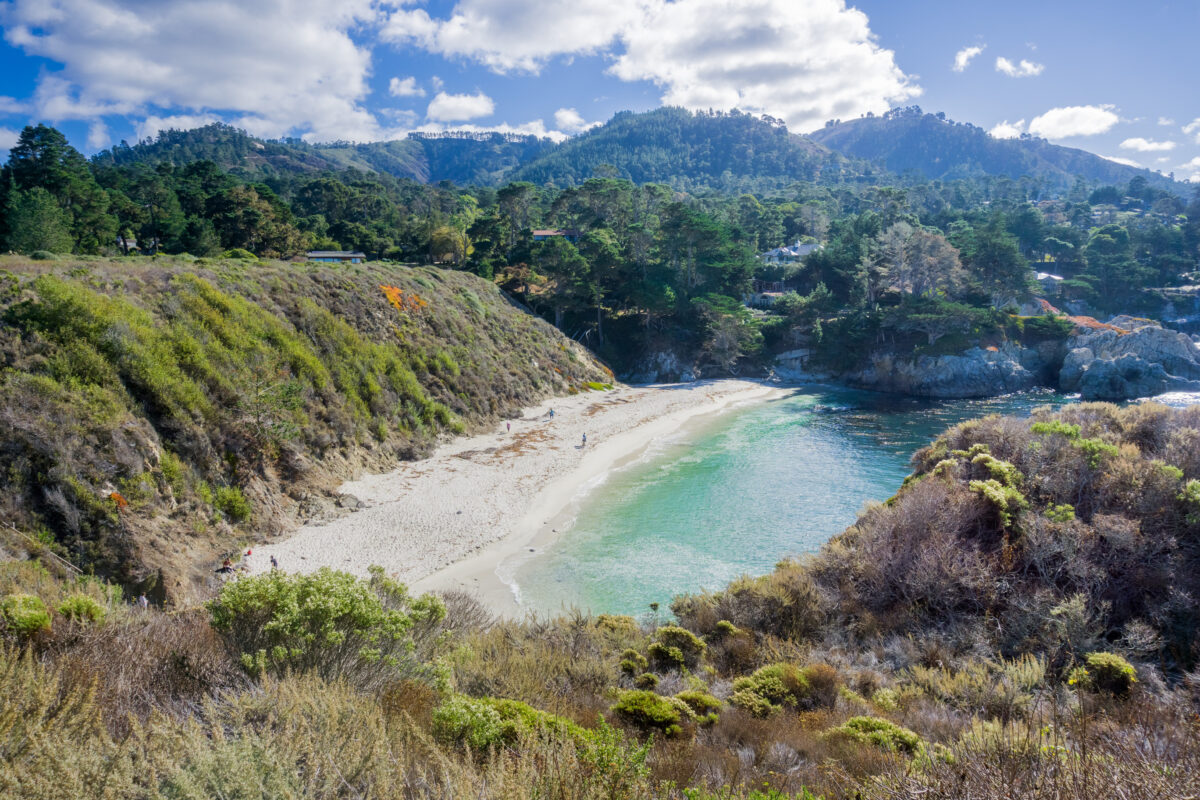
Just south of Monterey on California’s Central Coast, Carmel-by-the-Sea has cultivated an intentionally storybook atmosphere since its founding as an artist colony in the early 1900s. Whimsical cottages inspired by fairy tales create a village that feels deliberately apart from the modern world.
The town has strict rules that have preserved its character—no chain restaurants, no neon signs, no parking meters. What you get instead are independent galleries, boutique shops, intimate restaurants, and a walkable downtown.
Carmel Beach curves in a perfect white-sand crescent at the foot of town, where cypress trees twisted by coastal winds frame views of turquoise water. Dogs run off-leash on the sand (this is one of California’s most dog-friendly towns) and sunset brings crowds to watch the light paint the sky.
Comporta, Portugal
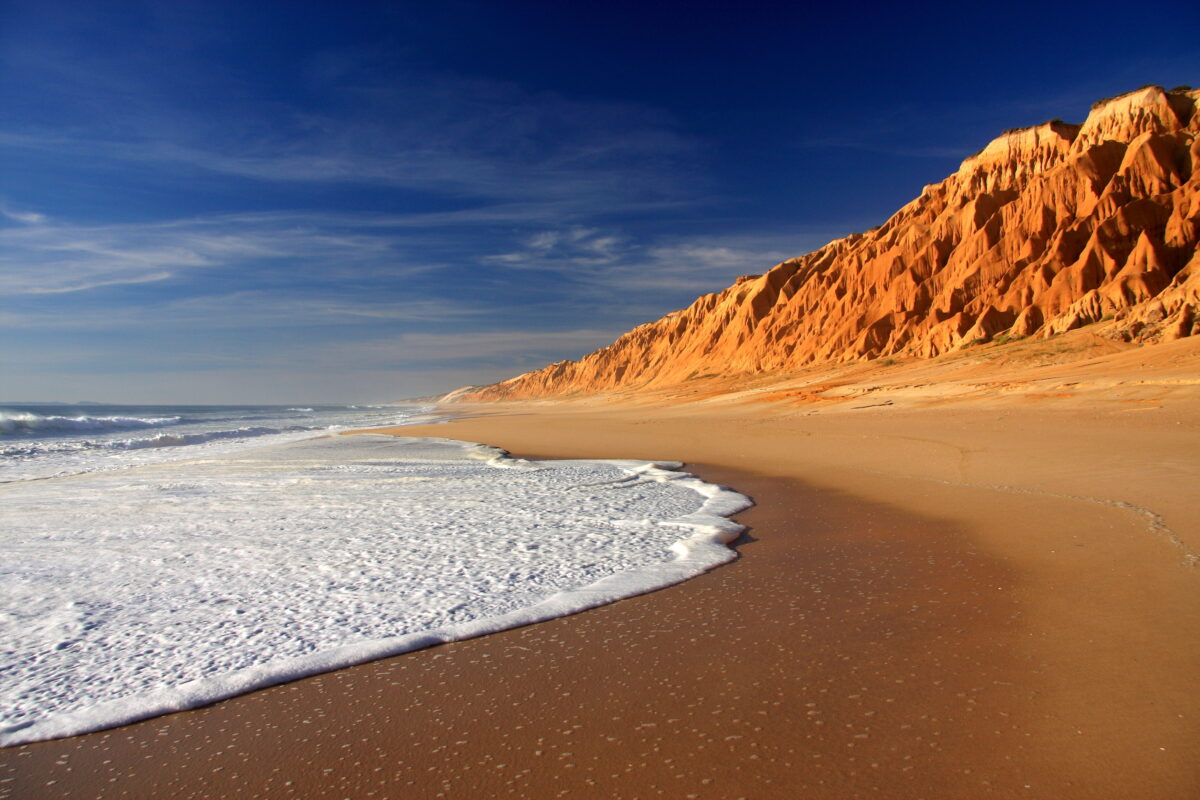
Just an hour south of Lisbon on Portugal’s western coast, you’ll find Comporta. The beaches here stretch for miles—soft white sand backed by dunes and pine forests, with Atlantic waves perfect for surfing. Praia do Pego and Praia da Comporta offer different scenes, but both deliver an incredible sense of space and natural beauty,
Instead of high-rise hotels, you’ll find boutique properties tucked into the landscape, beach clubs that emphasize natural materials and a more relaxed ambiance, and restaurants serving exceptional seafood.
Rent a bike and explore the network of paths through rice paddies and along the coast. The flat terrain and gorgeous scenery make cycling the perfect way to discover the area.
Capitola, California
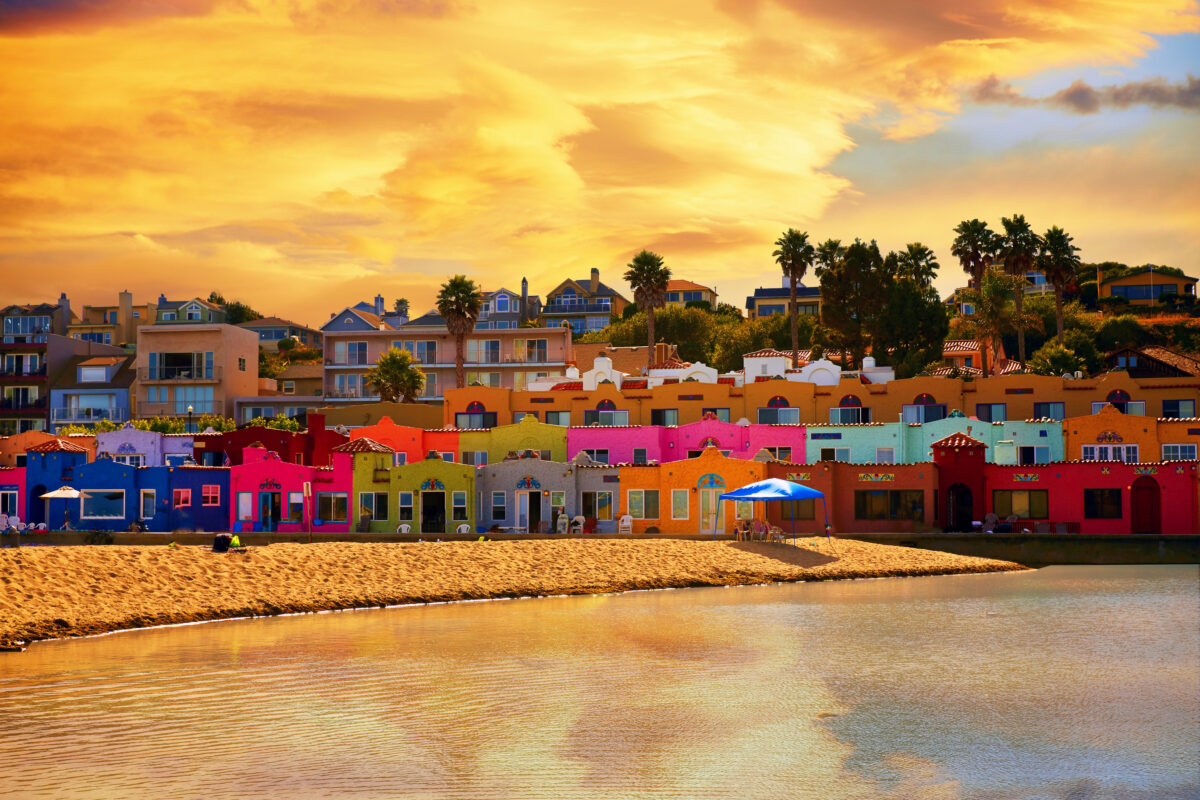
Six miles east of Santa Cruz, Capitola offers a California beach town experience with a distinctly European sensibility. Colorful Mediterranean-style houses march down to Soquel Creek where it meets the Pacific, creating one of California’s most photographed beach scenes.
The Esplanade wraps around the beach, lined with restaurants, cafés, and shops housed in adorable and quirky pastel buildings. Unlike many California beach towns that sprawl along highways, Capitola maintains a compact, walkable village atmosphere. You can park once and spend the day wandering between beaches, shops, and dining without ever getting back in your car.
The beach itself curves gently around the bay, offering gentler surf than nearby Santa Cruz and making it ideal for families. Overall, Capitola just has that genuine small-town charm with community festivals and local artists abound.
Nerja, Spain
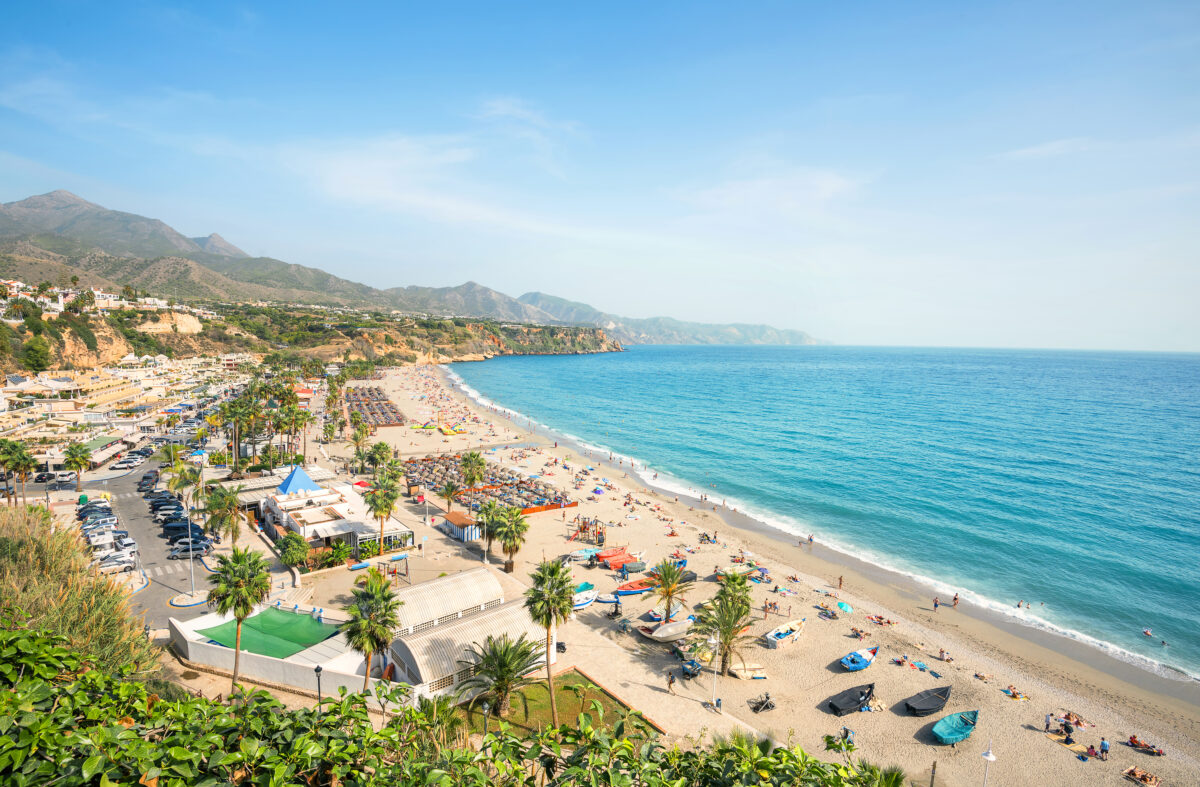
An hour east of Málaga on Spain’s Costa del Sol, Nerja manages to maintain its authentic Andalusian character. The whitewashed buildings and narrow streets deliver that quintessential Spanish pueblo blanco aesthetic, while the Balcón de Europa—a dramatic cliff-top promenade—offers incredible views.
What keeps Nerja charming is that locals still outnumber visitors, and the town functions as a thriving community. Morning markets fill up with locals, neighborhood bars serve tapas to regulars, and the pace of life follows a rhythm set by generations.
The beaches here vary beautifully—some backed by cliffs, others spreading wide with dark sand, but all offer clear Mediterranean waters. Just east of town, the Caves of Nerja present cathedral-like caverns filled with stalactites, hosting occasional concerts that take advantage of the extraordinary acoustics.
Hydra, Greece
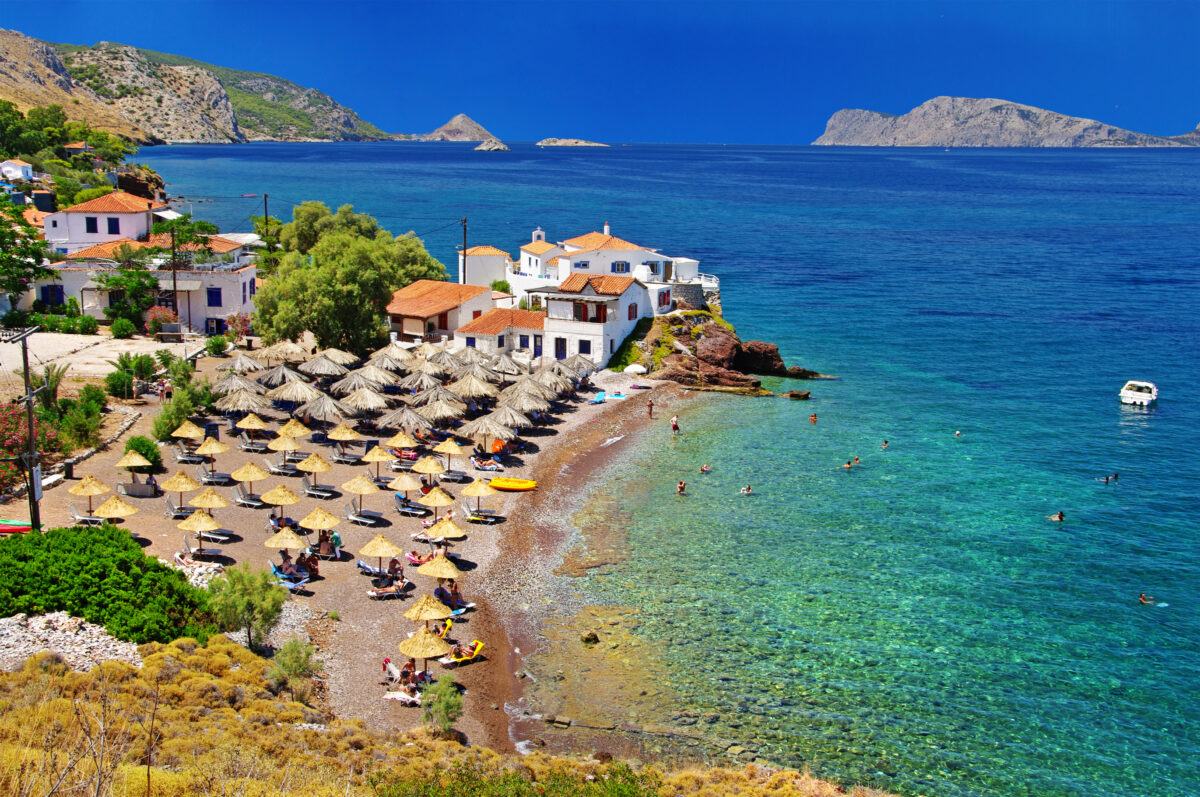
Just 90 minutes by ferry from Athens, Hydra feels worlds away from mainland Greece. Cars and motorbikes are banned, creating an atmosphere that has attracted artists and writers since the 1950s.
The horseshoe-shaped harbor is backed by stacked stone houses climbing the hillside, their doors and shutters painted in shades of blue and green. Narrow staircases and donkey paths connect different levels of the town, rewarding those willing to climb with stunning views and quiet corners perfect for getting lost.
Swimming happens from the rocks rather than sandy beaches. Each swimming area has its own character and following, from the busy rocks near town to quieter coves requiring a hike to reach.
Hydra’s art scene thrives in galleries scattered throughout the town, and waterfront cafés provide perfect perches for watching harbor life unfold. The island maintains strict building codes that preserve its architectural character, ensuring it looks much as it did when Leonard Cohen lived here in the 1960s.
Dhermi, Albania
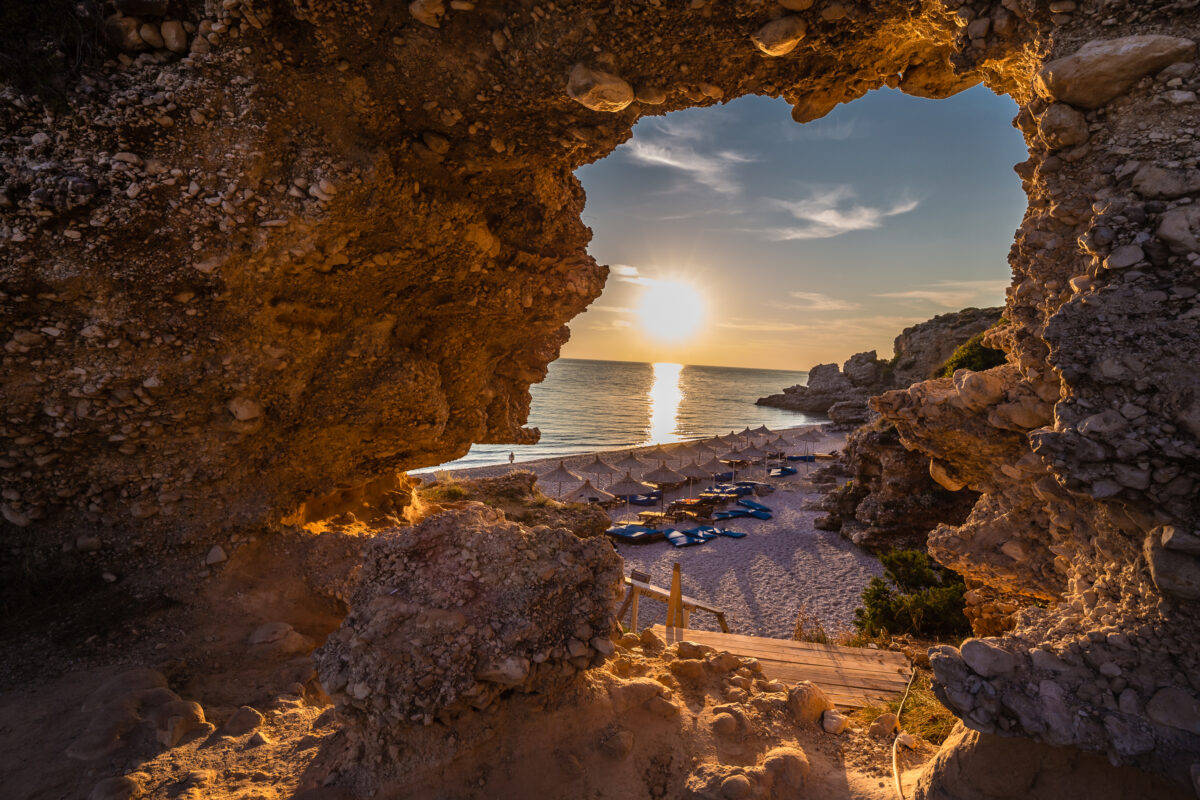
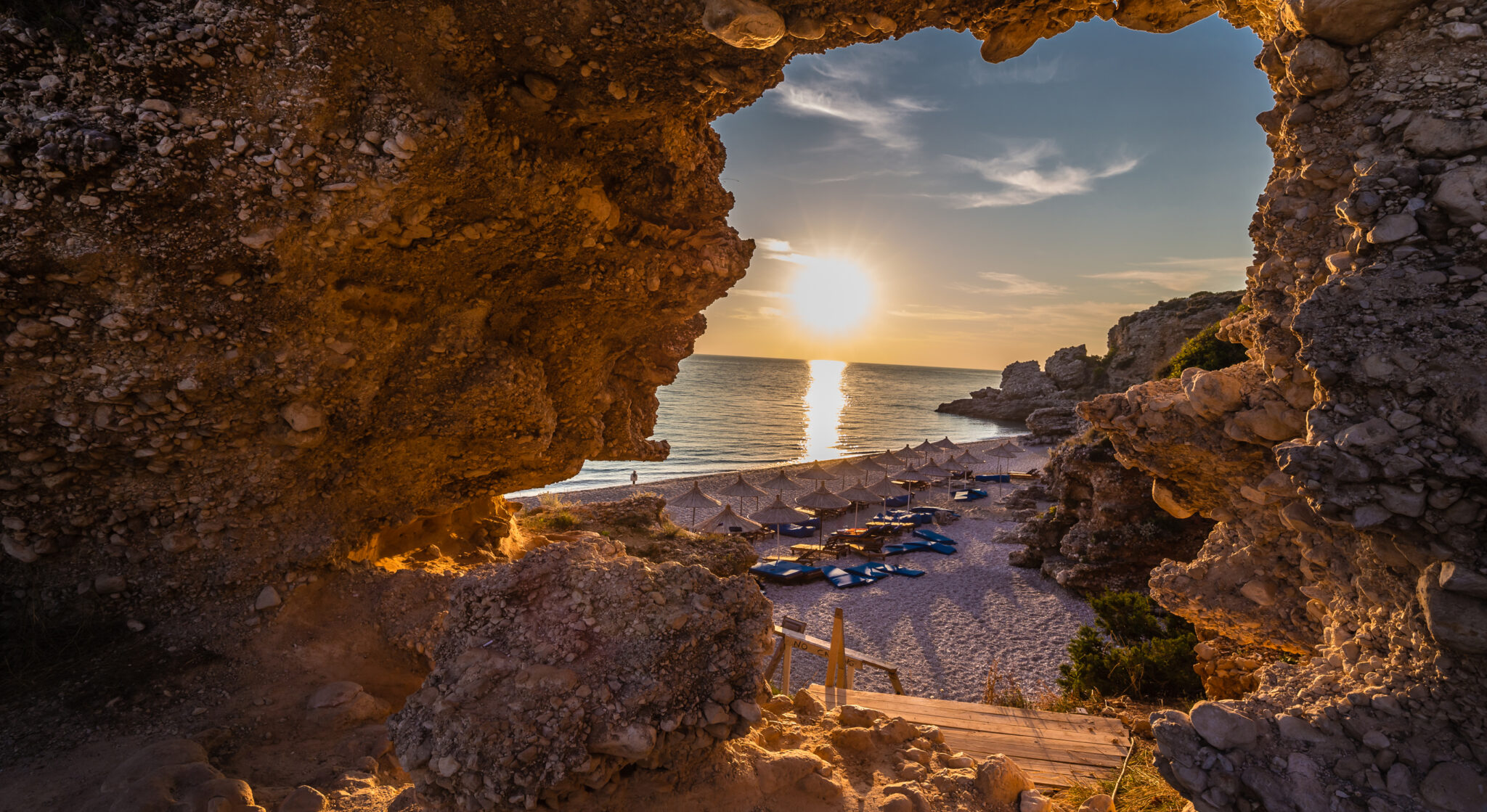
Still flying under most travelers’ radar, Dhermi on Albania’s Ionian coast offers something increasingly rare in Mediterranean beach towns—genuine undiscovered charm at prices that won’t drain your vacation budget. Stone houses sit tucked into olive groves above beaches that stretch for miles with minimal development.
The water here rivals anywhere in Greece, impossibly clear turquoise that makes you understand why ancient civilizations fought over this coastline. The beaches alternate between pebble and sand, backed by mountains that plunge dramatically to the sea.
Tourism is growing in Albania but hasn’t transformed the town’s character. You’ll still find locals selling fresh byrek and tave kosi from street stands, morning markets with produce from nearby farms, and restaurants where the fish was caught that morning.
Explore the old village above the beach, where traditional stone houses are being carefully restored (the views from up here are spectacular too).
Vis, Croatia
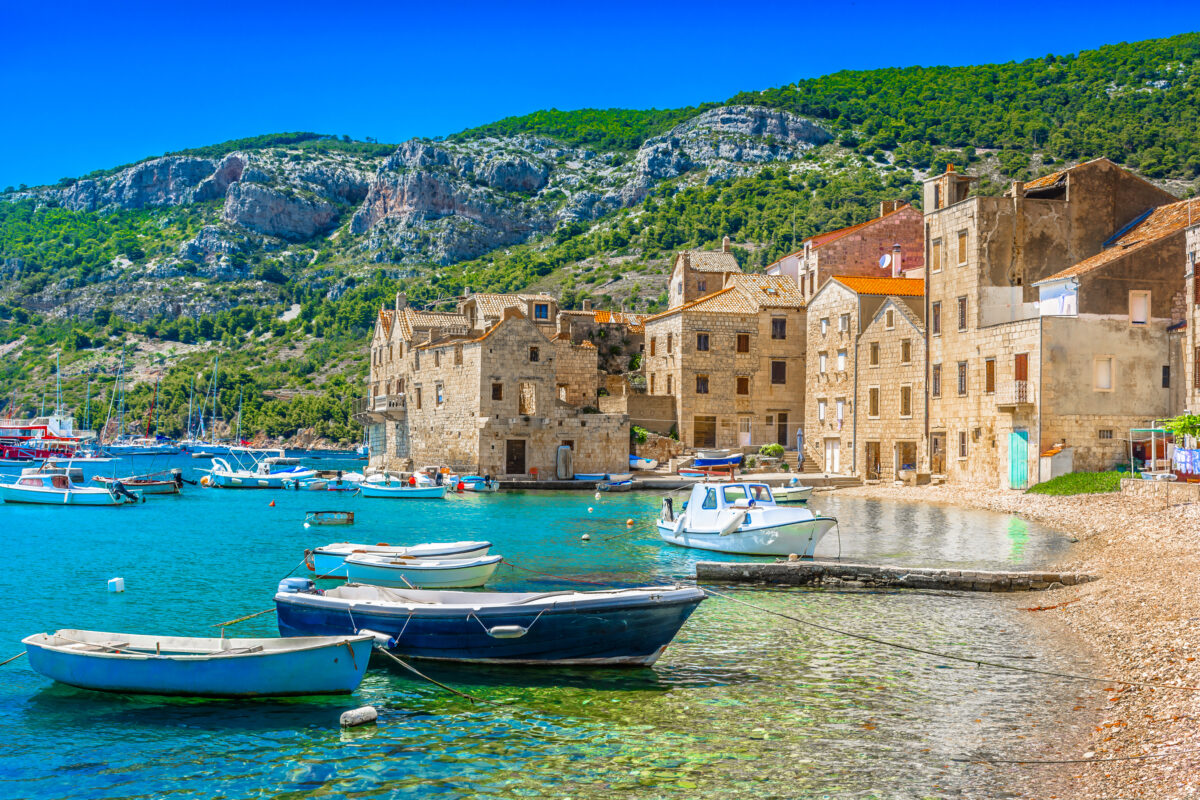
For over 40 years, the island of Vis served as a Yugoslav military base, completely closed to tourists and foreign visitors. That isolation preserved something remarkable—when Croatia gained independence in 1991 and the island finally reopened, Vis remained frozen in time, maintaining an authenticity that other Dalmatian islands had already lost to development.
Vis has been described as the last natural paradise of the eastern Mediterranean, and the comparison holds true. The island features pedestrian villages stretching along the sea, narrow streets lined with lovingly renovated palazzos, small squares and a long promenade where families gather at dusk, all radiating old-world charm without the crowds that overwhelm neighboring islands.
The island boasts over 100 beaches—many kept secret by locals who have no desire to suffer the tourist crush affecting places like Hvar. Stiniva beach has been voted as the most beautiful beach in Europe several years in a row, with white pebbles nestled between dramatic limestone cliffs that form an almost complete circle with only a narrow opening to the sea.
Vis Town and Komiža, the island’s two main settlements, offer different scenes. Vis Town delivers Venetian architecture around a stunning harbor, with waterfront restaurants serving fresh fish and wines produced on the island for thousands of years. Komiža on the western coast provides a more traditional fishing village feel, where fishing boats still dominate the harbor.
Small konobas (traditional taverns converted from wine cellars) dot both towns, serving dishes like viška pogača (traditional flatbread) and octopus under the bell. The island’s wine tradition dates back to ancient Greek settlers, and family-run vineyards welcome visitors for tastings.
Getting here requires commitment—it’s over two hours by ferry from Split—but that journey filters out day-trippers and preserves the island’s character. The remoteness that once kept Vis isolated now protects it from overtourism while making it feel like a genuine discovery.