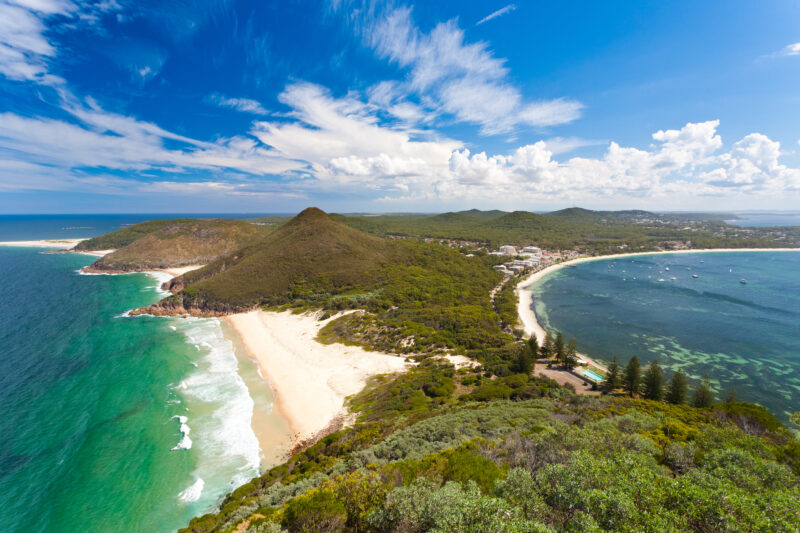

Lying off the northeast coast of Newfoundland, almost directly across the Atlantic from Ireland, Fogo is a place that feels like it’s stuck in a lost time. Almost other-worldly, it’s humorously referred to as one of the “four corners of the flat earth,” a designation associated with the local history and landscape of the Canadian Flat Earth Society.
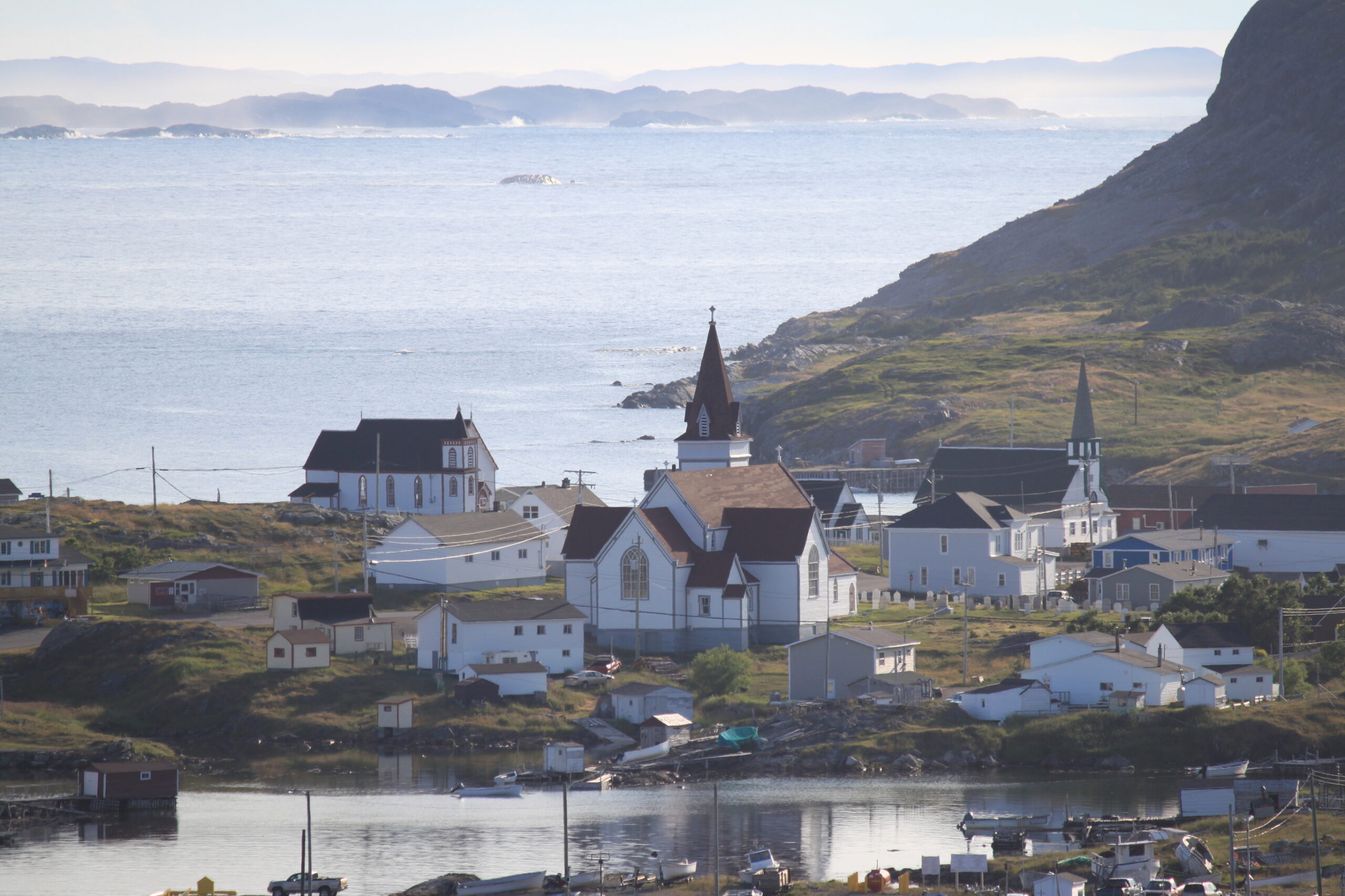
Ireland, the Caribbean, or the Edge of the Earth?
Fogo is wonderfully different. If you like quirky and aren’t looking to spend your days relaxing under the sun or taking dips in warm waters, you’re bound to love it here.
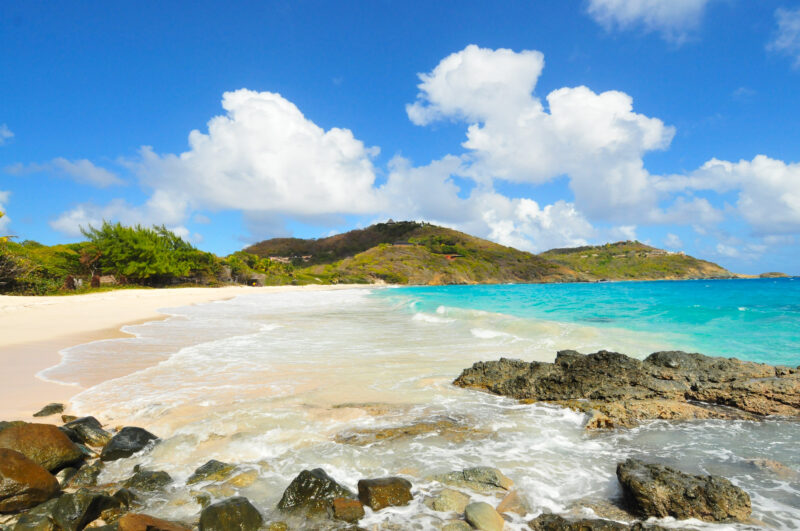
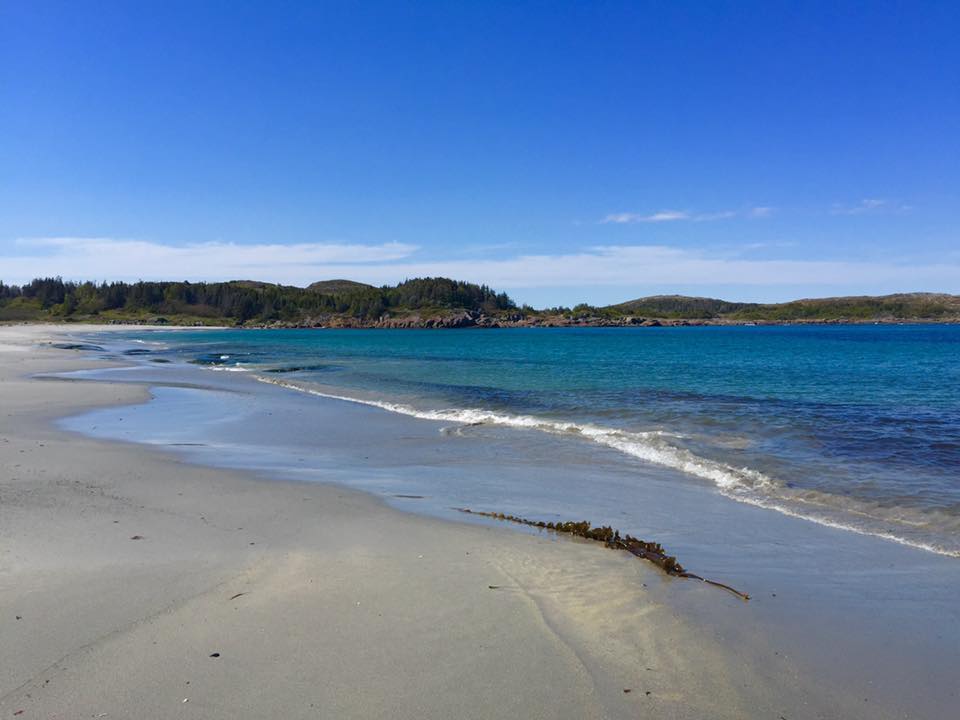
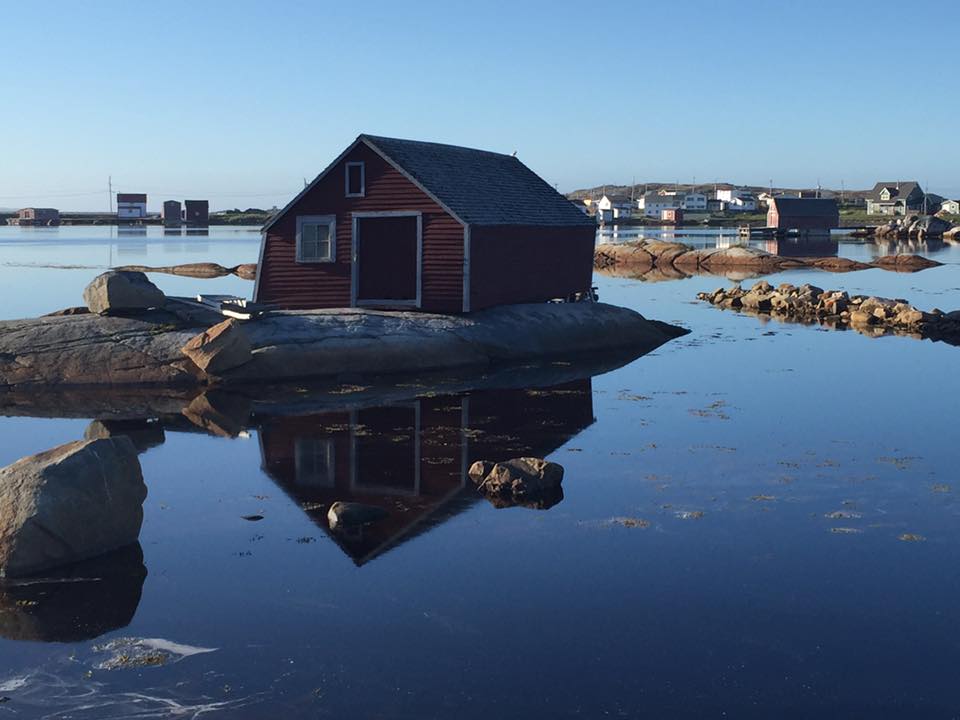
Arriving by ferry from Farewell on the mainland, you might think you’ve entered some kind of fantasy world. There are 11 unique communities like Tilting, a traditional village where Irish families settled in the early 18th century, a heritage so strong today you can still hear the Irish brogues of the locals. Old wooden docks lead to vibrant red fishing rooms, and nearby, there is a pristine, white sandy beach lapped by pale turquoise waters that feels as if you’ve been transported to the Caribbean. That is, at least until you dip your toes in.

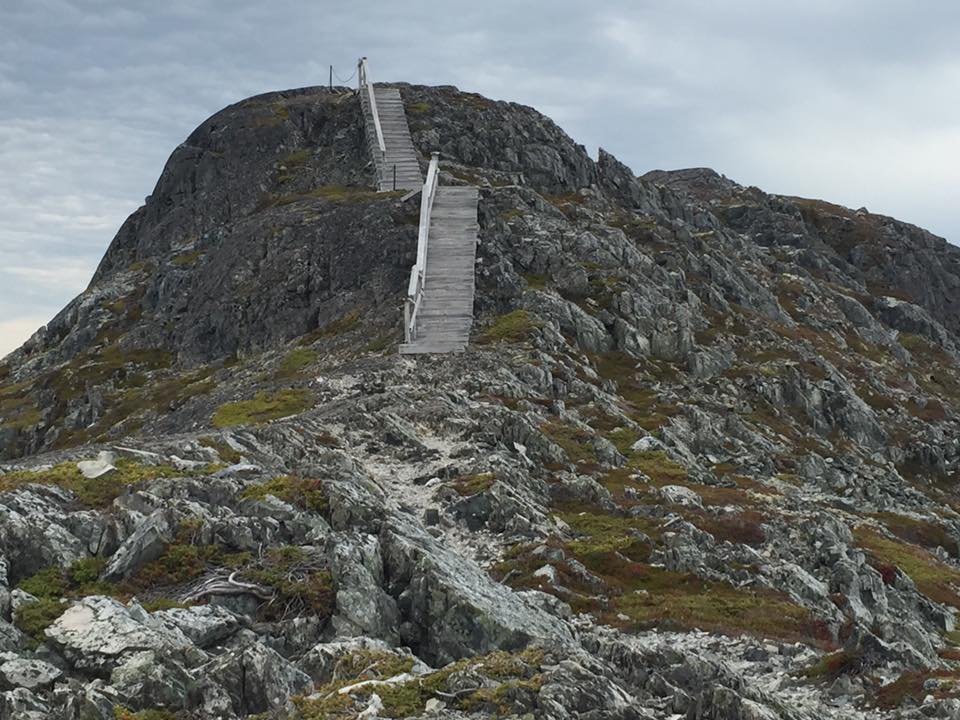
Scenic hiking trails wind to panoramic views that, in late spring and early summer, can include blue-tinged icebergs looking like works of art floating across the North Atlantic. Brimstone Head Trail is just .7 miles long, though it’s steep, with stairs ascending the rocky outcrop. At the top, you’ll find a sign marking the spot of one of the so-called four corners of the Flat Earth. It’s also a perfect vantage point for sunset watching. Anywhere on the island, keep an eye out for the resident herd of caribou. Along the coast in the summer, there’s a good chance that you’ll see the spout of a whale or two, or even a breach.
The Modern Side of Fogo
While Fogo can be a place to experience traditional island life, it’s also got a very modern side. In fact, some say it’s undergoing an “artistic awakening.” There have long been tiny art studios and galleries where you can watch locals paint the landscapes out their windows, but today, Fogo is a true cultural destination, thanks to creative residents like artist Elísabet Gunnarsdóttir, architect Todd Saunders, and social entrepreneur Zita Cobb. The trio is behind a series of four artists’ studios known as Fogo Island Arts, an international artist residency program, with their works displayed at the Fogo Island Gallery, found at Fogo Island Inn.
The World-Famous Fogo Island Inn
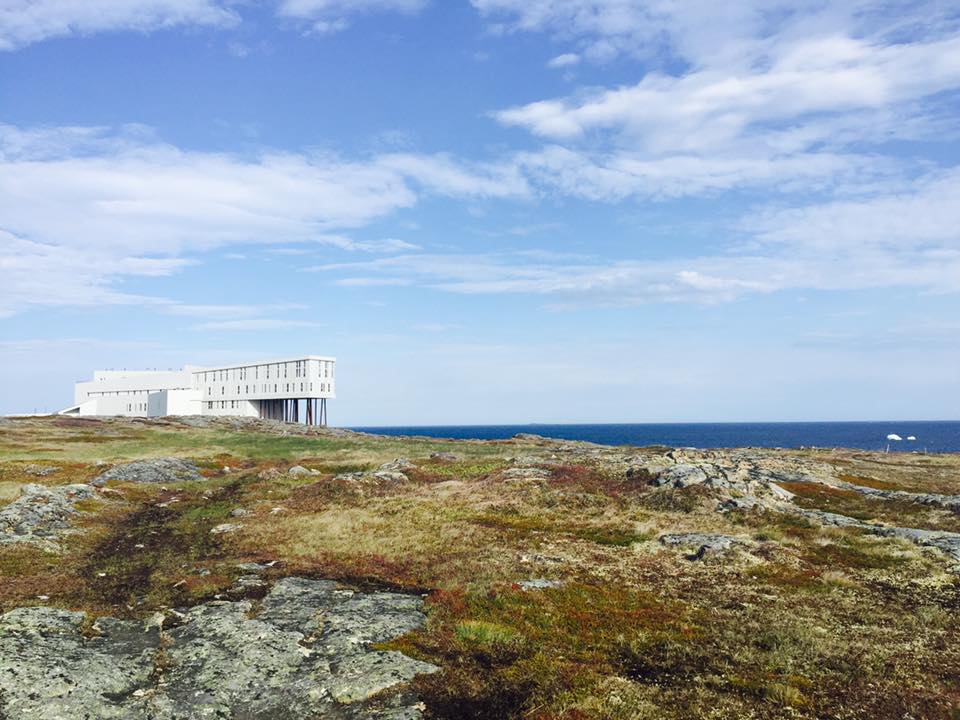
Fogo Island Inn stands out, looking as if some massive UFO landed onto the barren, rocky landscape. While architecturally stunning, at first glance, it might appear like a blight on the island, but a closer look is likely to change your mind. Nearly all the furnishings at Fogo Island Inn were created right on Fogo. In fact, the concept was designed to help improve the lives of residents, with the property the brain-child of native islander Zita Cobb.
Set along the shores of Joe Batt’s Arm, floor-to-ceiling windows showcase views of the crashing waves and endless blue waters beyond. Binoculars are provided for spotting whales and icebergs, while wood-stove fireplaces are ideal for cuddling next to. Venture into the elements out on the rooftop, where you’ll find hot tubs for relaxing in bubbling warm waters while surrounded by the incredible scenery.
Life doesn’t get much better than this, but it does come at a high price, making the inn popular among the rich and famous who come to take advantage of the privacy and seclusion, including actress Gwyneth Paltrow and former Canadian Prime Minister Justin Trudeau. For those who don’t have the cash, it’s worth visiting the inn just to browse the art and furnishings, and perhaps for lunch.
When to Go
There’s a reason to visit Fogo in every season. Late spring/early summer (May and June) is ideal for iceberg spotting. If you come during the second half of June, there’s a good chance you’ll see icebergs and whales. Summer is the peak time for visitors, and when the highest concentration of humpbacks is around. Dishes feature fresh-caught seafood and the season’s first berries like bakeapples, island-farmed vegetables like fennel, greens, and potatoes. Wildflowers like dandelion petals and lilac, and wild mushrooms, even make an appearance on plates.
Fall brings a blanket of color to the stark landscapes, along with an even more tranquil atmosphere. By winter, the silence is only broken by the occasional snowmobile whizzing across the snow. Indoor gatherings are popular mingling now as the wind whistles outside while glistening icicles brighten the endless sea of white.