
Carnival in Brazil is often referred to as the biggest party on earth—and I can confirm it certainly feels that way. It’s a dazzling explosion of music, samba, and glitter, drawing millions of locals and tourists alike to the streets of several cities across the country.
Yet before it became a bucket list event worth traveling for, Carnival was rooted in ancient traditions. The word itself comes from Latin, carnis levare, meaning “remove the meat,” a reference to the Catholic tradition of abstaining from indulgences during Lent. Brazil’s Carnival, like others around the world, was historically tied to the Christian calendar.
Over time, it evolved into something uniquely Brazilian: an unapologetic celebration of culture and expression. From samba parades to street parties, every region has its own way of celebrating. The biggest and most well-known festivities happen in Rio de Janeiro, São Paulo, and Salvador. Let me guide you in how to best experience it all, no matter which city you choose.
When is Carnival?
Carnival in 2027 falls between February 5 and February 13, culminating on Carnival Tuesday, right before Ash Wednesday.
The official Rio parades will take place from February 5 to February 13, with the Champion’s Parade on Saturday, February 13. Yet festivities often begin weeks in advance, especially in cities with major street Carnival traditions.
Best Places to Celebrate Carnival in Brazil
Here’s what to expect from the three main Carnival destinations in Brazil.
Rio de Janeiro (RJ)
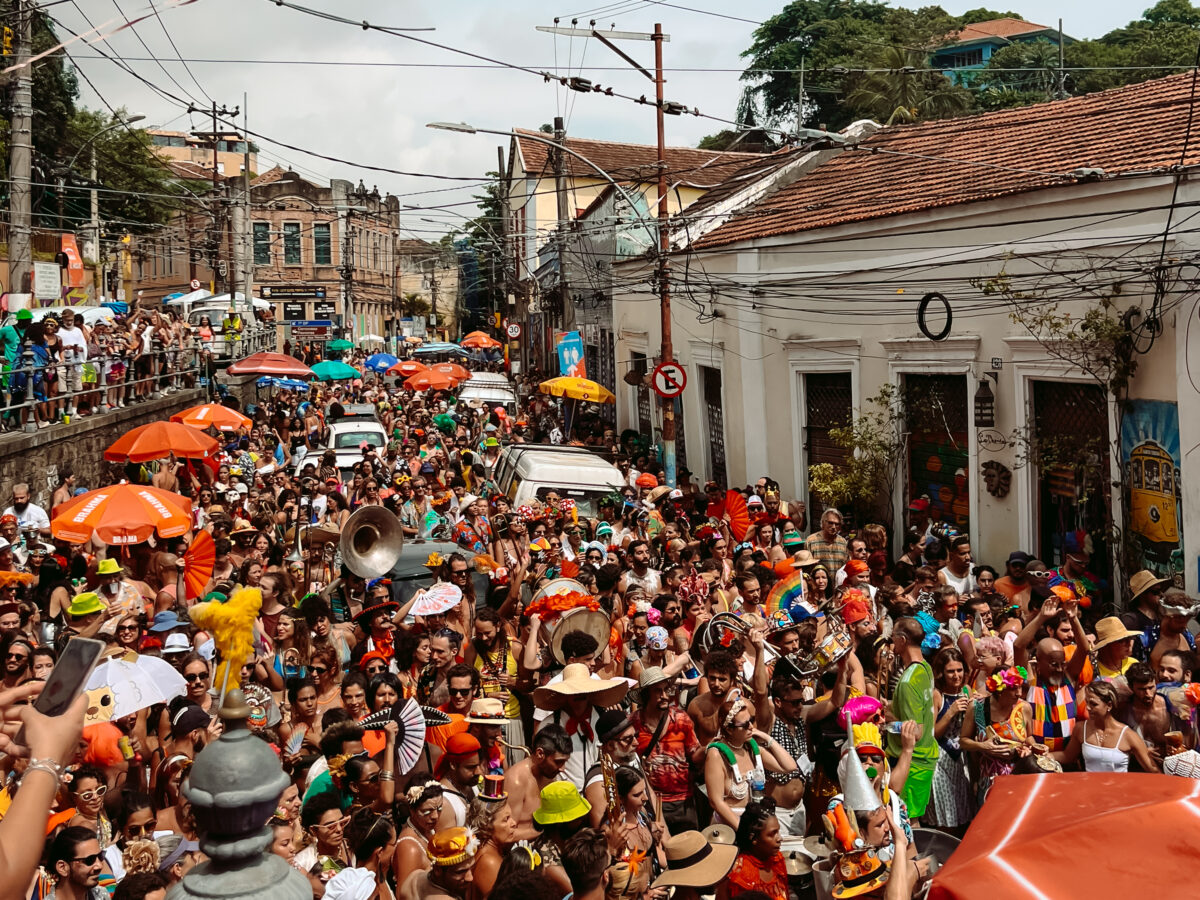
If there’s one place that embodies the soul of Brazilian Carnival, it’s Rio de Janeiro. Here, the celebration unfolds on two grand stages: the world-famous Sambadrome parades and the endlessly creative street blocos, where locals and visitors dance shoulder to shoulder under the beaming carioca sun.
At the Marquês de Sapucaí Sambadrome, samba schools like Mangueira and Beija-Flor compete in a spectacle of glittering floats and booming drumlines. These schools rehearse year-round to deliver jaw-dropping performances, often themed around current social issues. You can catch the show from affordable bleachers or all-you-can-eat camarotes (VIP boxes) packed with celebrities and open bars.
Street Carnival: Where Rio Comes Alive
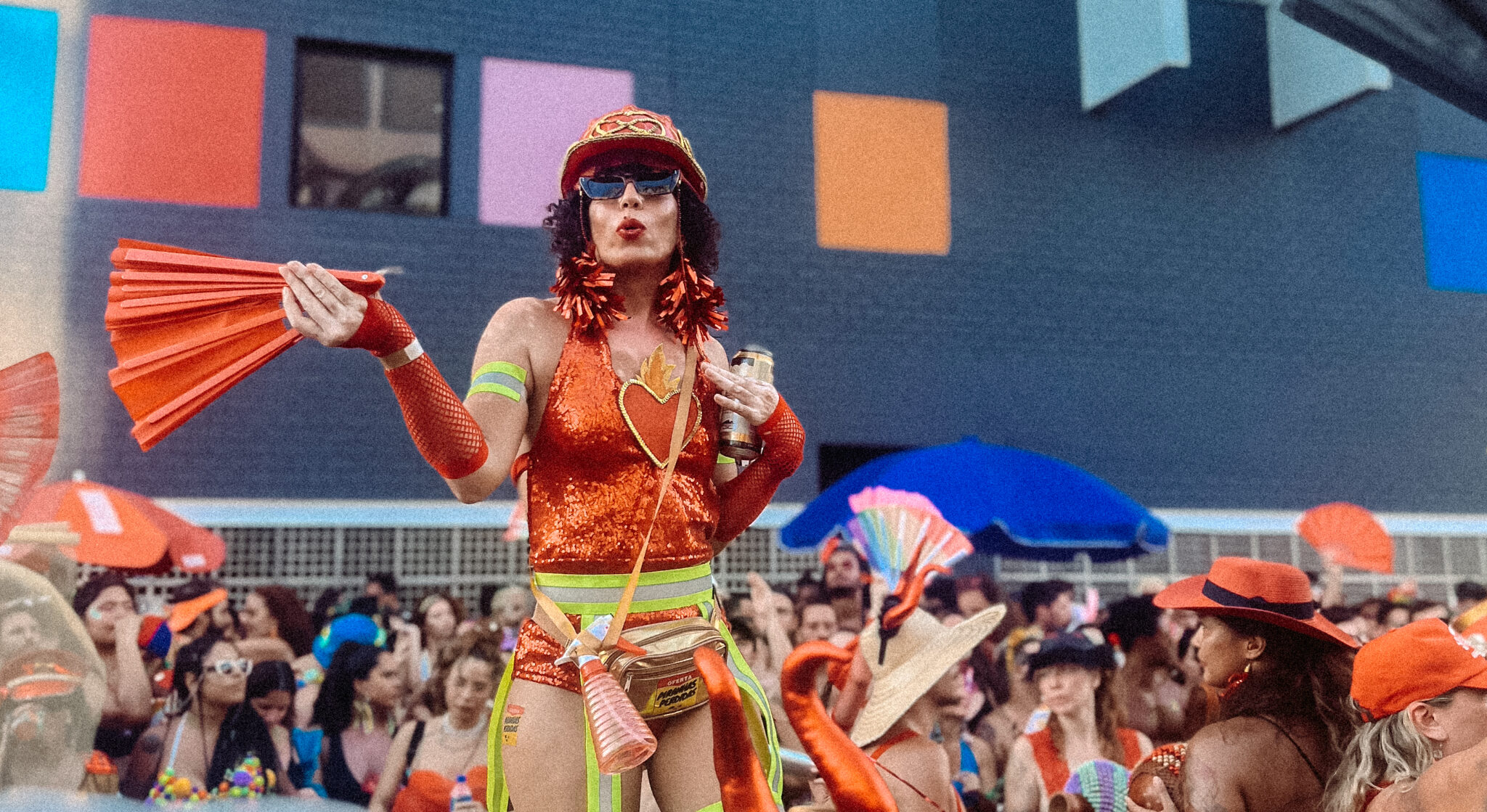
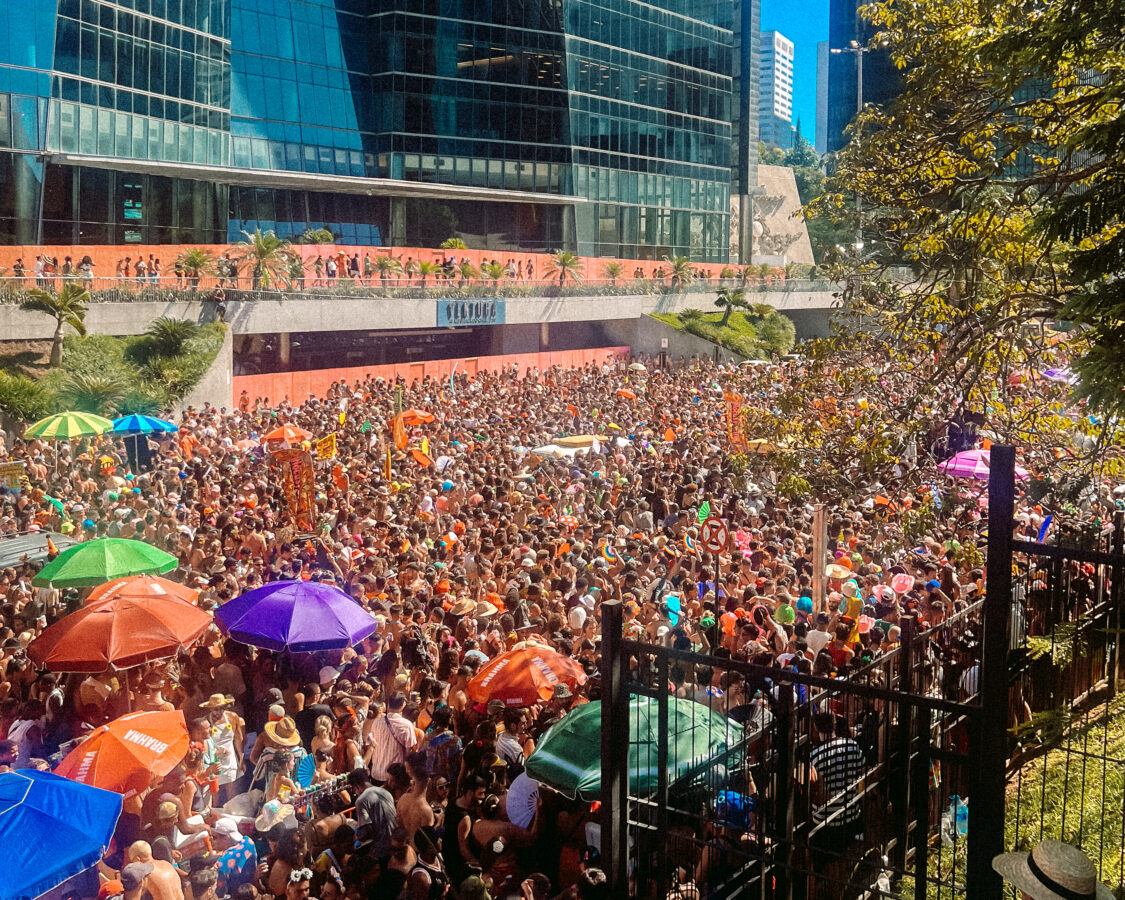
Rio’s bloco culture is what makes its Carnival truly democratic. In 2027, up to 500 official street parties will flood neighborhoods from downtown to the hills. These blocos are free, open-air parades led by local musicians, each with its own theme, style, and following.
But Rio’s street Carnival is just as legendary. In 2027, up to 500 official blocos will parade through the city. These are open-to-all street bands, formed by friends and musicians, where anyone can join in and dance through the streets. Each bloco has its own theme—like the jungle-inspired Amigos da Onça (Friends of the Jaguar) or pastel-toned, love-themed Amores Líquidos (Liquid Loves). Every neighborhood turns into a party, with locals tossing water from balconies and joining the fun.
The Carnival Season Here Unfolds in Three Waves
- Pre-Carnival (weekend before): Arguably the most energetic, when locals are still in town.
- Carnival Weekend (Fri–Tue): Nonstop action with themed parades, parties, and packed streets.
- Post-Carnival (weekend after): A chance to catch what you missed or keep the party going.
Popular Rio de Janeiro Blocos
- Boi Tolo: An unstructured mega-bloco that kicks off early and grows huge fast.
- Céu na Terra: A lively Santa Teresa favorite, known for brass bands and whimsical costumes.
- Amigos da Onça: Jungle-themed and wild, with drummers, dancers, and glitter everywhere.
- Amores Líquidos: Dreamy and pastel-colored, a bloc of pure Rio joy.
Planning Tips
- Treat it like an over-the-top Halloween. Wear a costume that includes glitter, and you’ll blend right in.
- Leave valuables at home and bring only what you need in a fanny pack or crossbody bag.
- Use the metro to move between neighborhoods. Traffic is restricted, and streets are often closed.
- Bring cash for water, beer, and caipirinhas sold out of coolers on the street.
- Avoid the blocos in Copacabana, Ipanema, and Leme. They’re also the most crowded and can get chaotic fast. For a more authentic and enjoyable experience, follow the locals inland to Santa Teresa, Glória, and Centro.
São Paulo (SP)
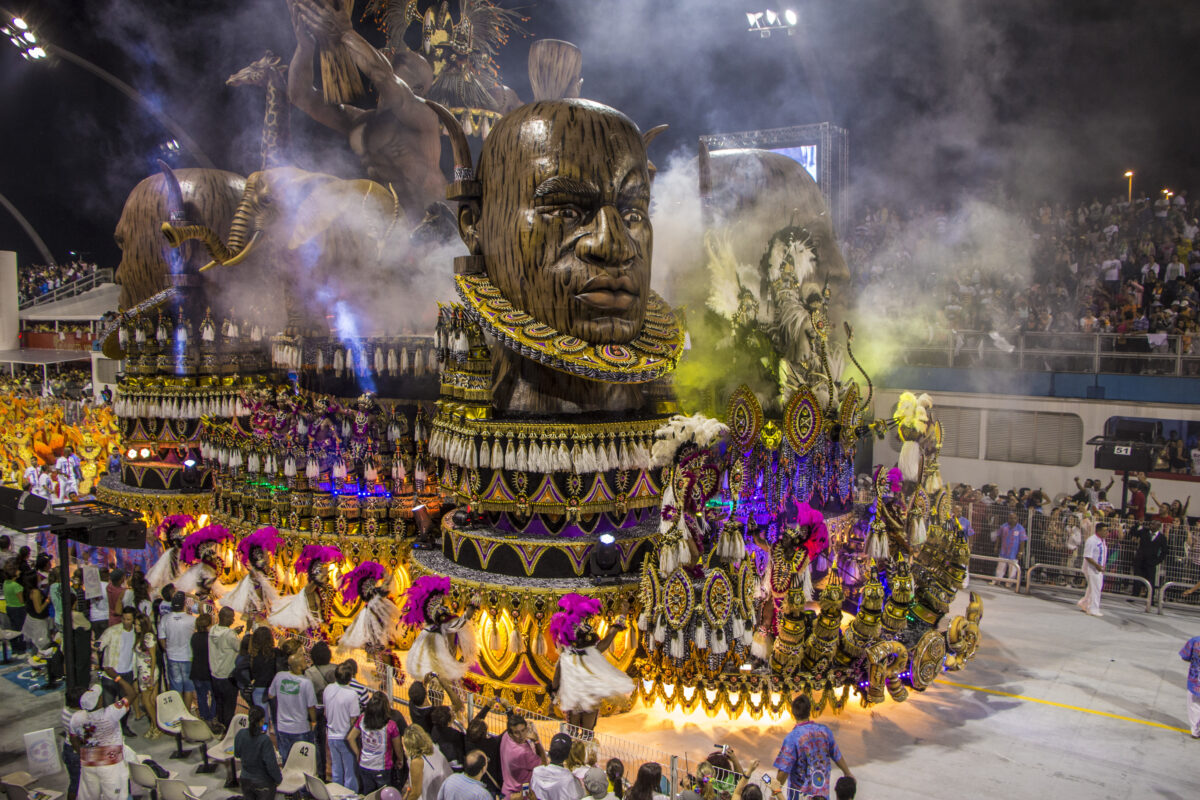
Once seen as a Carnival outsider, São Paulo has reinvented itself as an exciting urban alternative to Rio. Today, the capital throws one of the country’s biggest parties, mixing massive street blocos, a thriving LGBTQIA+ scene, and high-production samba parades at the Anhembi Sambadrome.
The Anhembi Sambadrome hosts the city’s top samba schools like Vai-Vai and Gaviões da Fiel. The top 16 schools parade across Friday and Saturday of Carnival weekend, with results announced Tuesday and the Champions’ Parade the following weekend. Soaring floats, themed performances, and heart-thumping percussion rival Rio’s grandeur, but with easier ticket access and slightly less chaos.
Tickets range from budget bleachers to open-bar VIP boxes, including popular options like Bar Brahma and Camarote 011, offering food, drink, and live shows.
Street Carnival: Over 500 Blocos Across the City
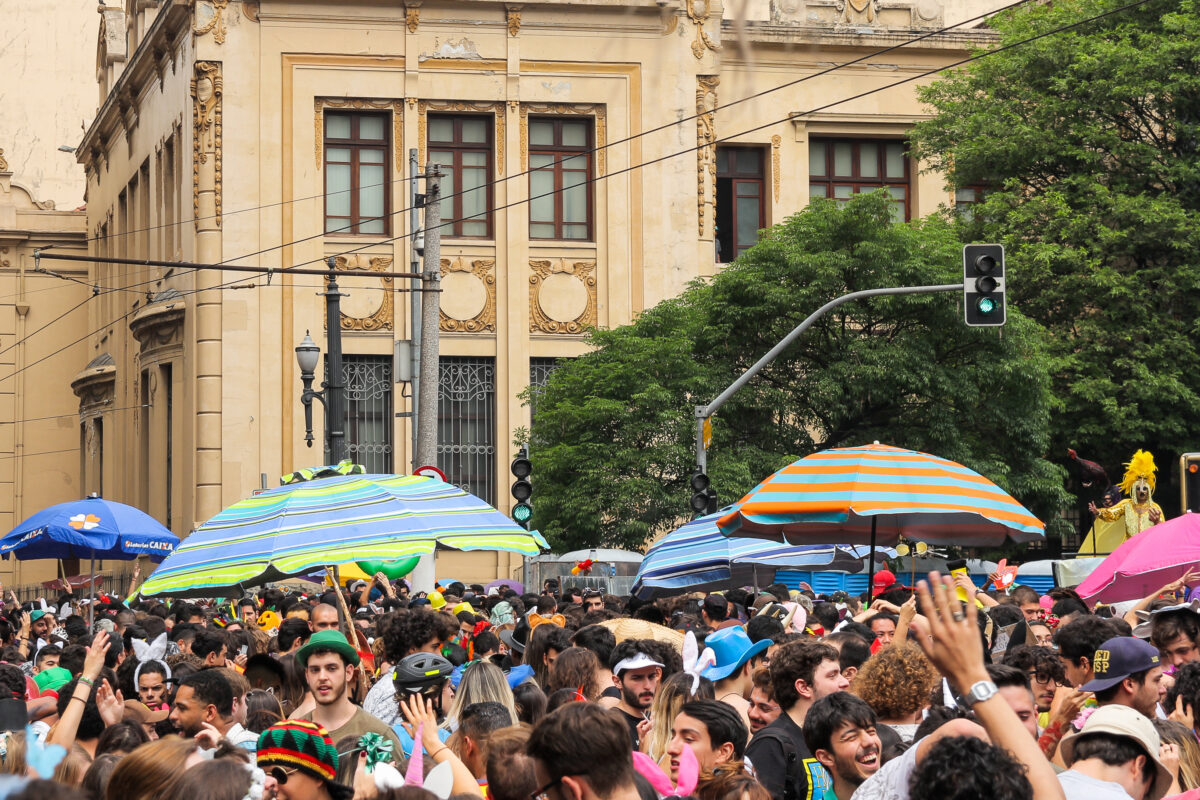
But the real magic of São Paulo’s Carnival happens in the streets. In 2026 alone, over 600 official blocos took over neighborhoods across the capital, attracting more than 16 million revelers. These parades are free and open to all, from mega-blocos like Agrada Gregos and Bloco da Pabllo to niche parades celebrating famous artists like Caetano Veloso.
Popular São Paulo Blocos
Acadêmicos do Baixo Augusta, Tarado Ni Você, Bicho Maluco Beleza with Alceu Valença, MinhoQueens, Ritaleena, Bloco da Favorita, and Meu Santo é Pop.
Planning Tips
- Most blocos happen during the day, wrapping up by early evening.
- Use the metro system to get around—it’s clean, reliable, and helps avoid gridlock.
- For last-minute costume accessories, hit up Rua 25 de Março, one of the largest open-air shopping malls in Latin America, which is packed with glitter, wings, tiaras, and everything you need for Carnival.
Salvador (BA)
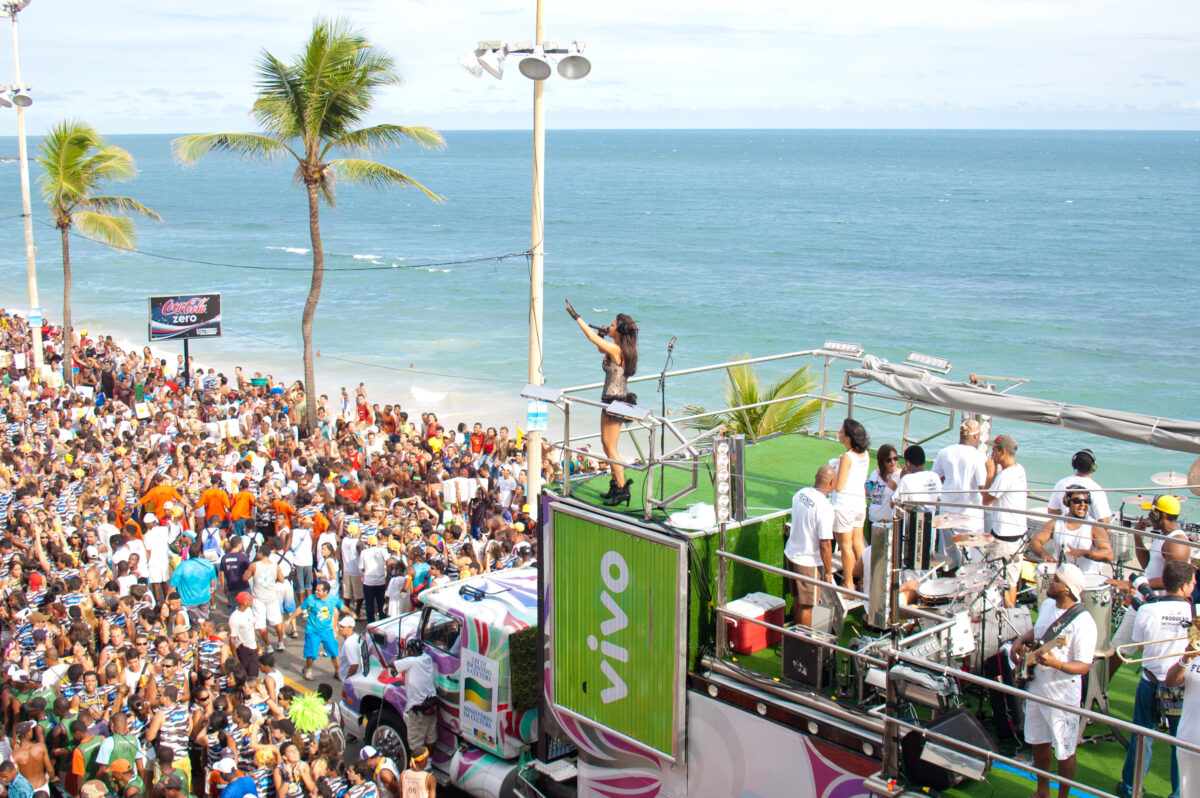
Salvador, Bahia, holds a Guinness World Record for the largest street party on Earth, all thanks to its electric Carnival celebrations. Unlike Rio or São Paulo, there are no samba parades in arenas. Carnival in Salvador happens entirely in the streets, with massive sound trucks, known as trios elétricos, taking center stage.
If you’ve never seen one before, imagine a massive, custom-built truck rolling through the streets, stacked with speakers and topped with a full-blown stage. Atop, you’ll find Brazil’s biggest stars like Ivete Sangalo and Claudia Leitte hyping up the crowd with high-energy performances. While the musical focus in Rio is samba, here the attention turns toward axé music, a fusion of Afro-Brazilian rhythms. It’s fast, upbeat, and made for dancing in the streets.
The Circuit System: Where the Magic Happens
Carnival in Salvador revolves around a set of routes called circuitos, each with a distinct vibe:
- Circuito Dodô (Barra-Ondina): The most famous, with seaside views and high-energy performances by top artists.
- Circuito Osmar (Campo Grande): A more traditional, culturally rich route passing historic buildings in the city center.
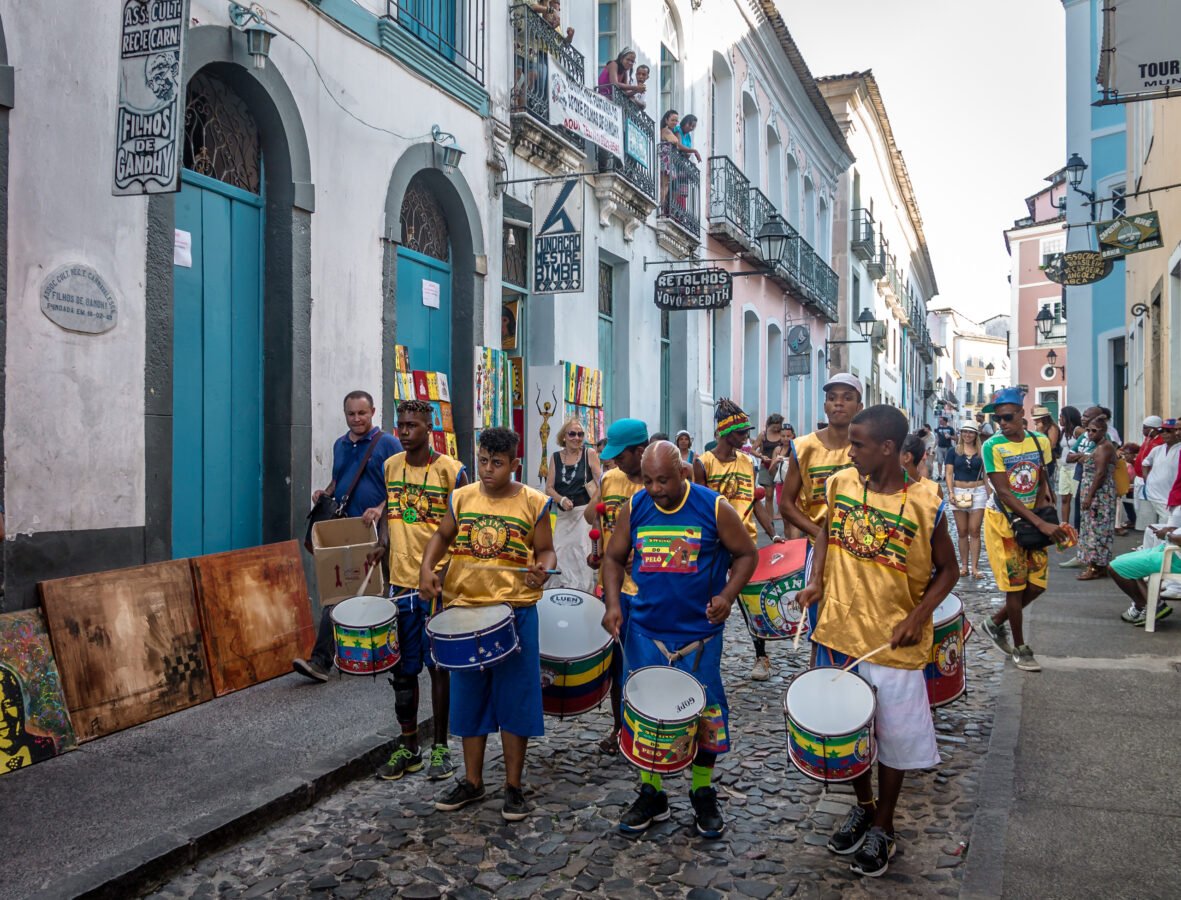
- Circuito Batatinha (Pelourinho): Ideal for families, with no trio elétrico trucks, just fanfare bands and Afro-blocos like Olodum.
Each night, dozens of blocos hit the circuits, each led by a trio elétrico. Some are free (called pipoca); others require a ticket (abadá) to enter the roped-off area.
Popular Salvador Blocos
Bloco Camaleão led by Bell Marques; Bloco Coruja commanded by Ivete Sangalo, Brazil’s queen of axé; and Bloco Largadinho, led by Claudia Leitte.
Planning Tips
- Carnival lasts six to ten days, with some blocos parading multiple times.
- Each show can last 4–5 hours, with music ranging from axé to samba-reggae to pop.
- For a mix of comfort and festivity, opt for a camarote with open bar, food, beauty lounges, and direct views of the action.
- Want to go free? Just join the pipoca crowd and follow the music.
- Don’t skip the pre-Carnival parties.
Honorable Mentions
For travelers wanting to experience a Carnival off the beaten tourist track, here are three fantastic, culturally-rich parties to join in other parts of Brazil.
Recife (PE)
Recife’s Carnival is a high-energy celebration also rooted in Afro-Brazilian traditions. Cultural events and epic free concerts focus on the local genre, “frevo.” Expect colorful costumes and a lot of regional pride, like the Noite dos Tambores Silenciosos, a moving tribute to enslaved Africans who died in prison.
Olinda (PE)
Next door to Recife, Olinda offers a more grassroots, bohemian take on Carnival. Its cobblestone streets fill with that same frevo music, plus dancers, brass bands, and over 500 blocos. The city is famous for its giant puppets honoring cultural icons that parade through the streets.
Belo Horizonte (MG)
Belo Horizonte is Brazil’s fastest-growing Carnival scene. Expect quirky street blocos that embrace social and political commentary. Most of the fun is free and decentralized, taking over the entire city with something for everyone.