
With 2026 just around the corner, CN Traveler asked its expert contributors to nominate the destinations on their radar, making a mark when it comes to everything from culture and conservation efforts to exciting new hotel openings around the world.
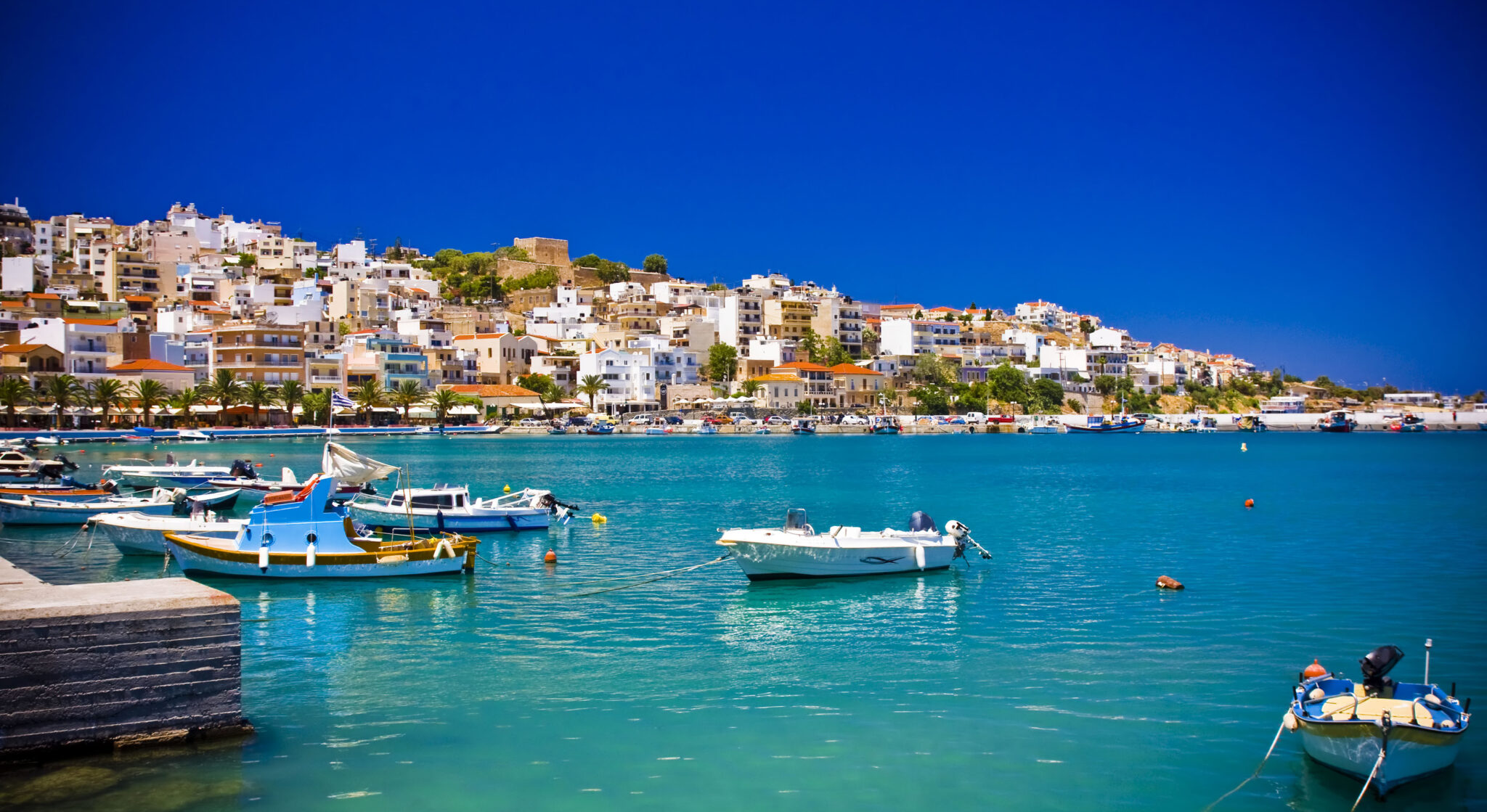
Narrowing down the many options, the publication also looked at the spots that are “making waves on each continent,” including Best Places to Go in Europe. Not surprisingly, Crete made the cut. The largest island in Greece is next year’s European Region of Gastronomy, a foodie paradise that also offers beautiful sandy beaches, rugged mountains, and intriguing historical sites.
A Destination for Food Lovers
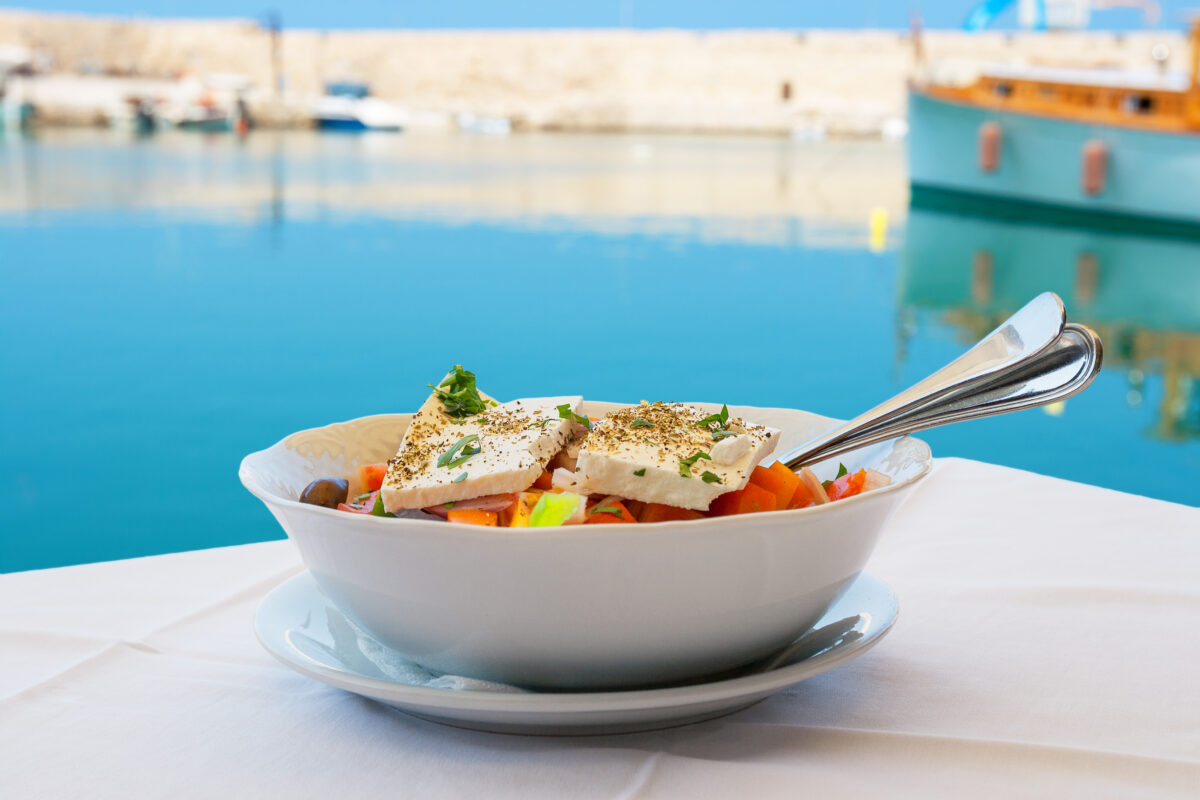
Long before the Mediterranean diet became a trendy term, Cretans were taking advantage of all that the island and sea had to offer for their delicious, health-boosting meals. As CN Traveler notes, they “love to forage for their supper.” Farm- and sea-to-table is a way of life here, likely one of the reasons many islanders live to be well over 100 years old.
Today, foodies are increasingly drawn to Crete for its simple but mouthwatering dishes like fresh sea bass with wild greens sprinkled with fresh lemon juice and sea salt, or juicy lamb ribs cooked in honey. The island even has its own special bees, known for producing particularly tasty honeys. Try it drizzled on a slice of Gruyere, a popular Cretan dessert.
Food tours are popular for sampling a variety of local bites everywhere from open-air markets to traditional tavernas. But you might want to plan your visit around the Cretan Diet Festival in Rethymnon, held over the first week of July, with many of the island’s dishes showcased here. No matter where or when you go to sample the cuisine, there’s sure to be plenty of Cretan wine to go with it, with wine production dating back to the Bronze Age Minoans.
Historic Highlights
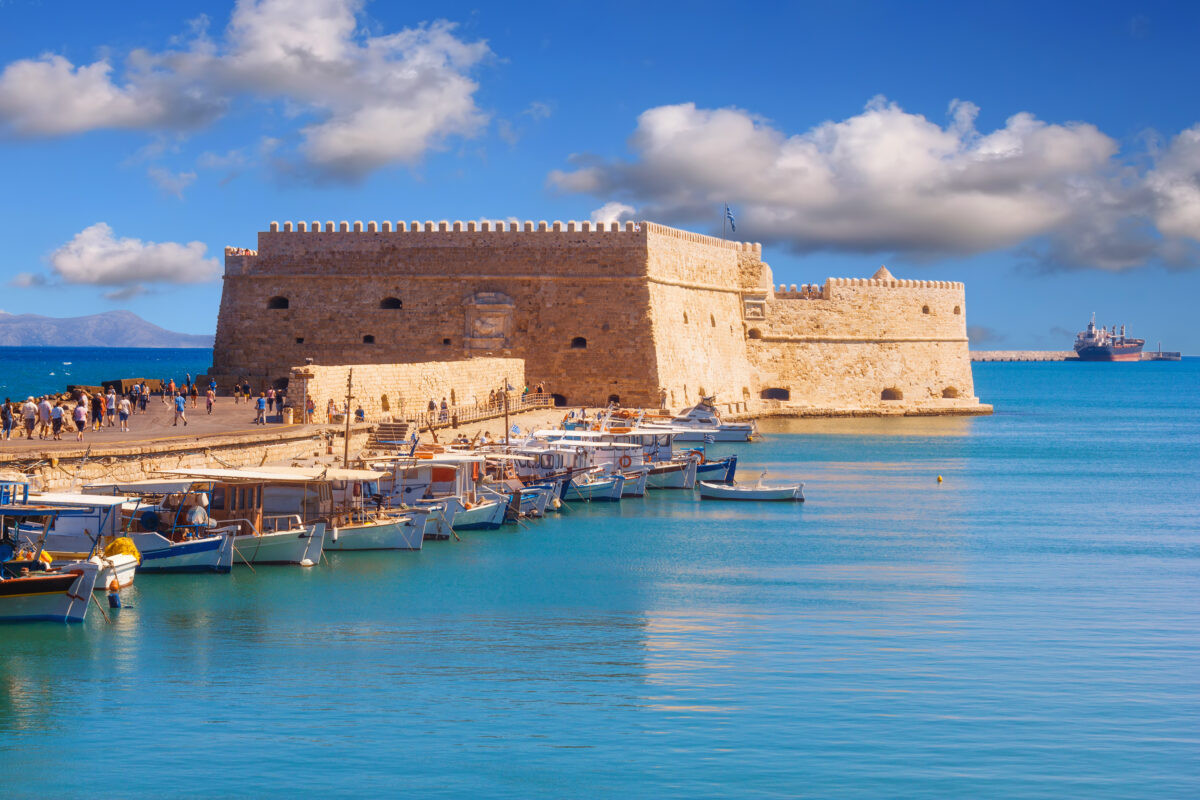
The Palace of Knossos is a top attraction among history enthusiasts as the former Minoan capital of Crete, built around 2000 BC. You’ll get a good glimpse of the civilization during its peak from 1700 to 1450 BC—in fact, you can still see the terracotta pipes used to distribute the water supply and the sanitation drainage system, along with some impressive frescoes and towering columns. In the city of Heraklion nearby, the Heraklion Archaeological Museum holds many of the finds from the palace.
The romantic city of Chania is not only a perennial favorite, but it’s filled with influences from the island’s Venetian past, from the Venetian castle and harbor to the 16th-century walls.
The Beaches
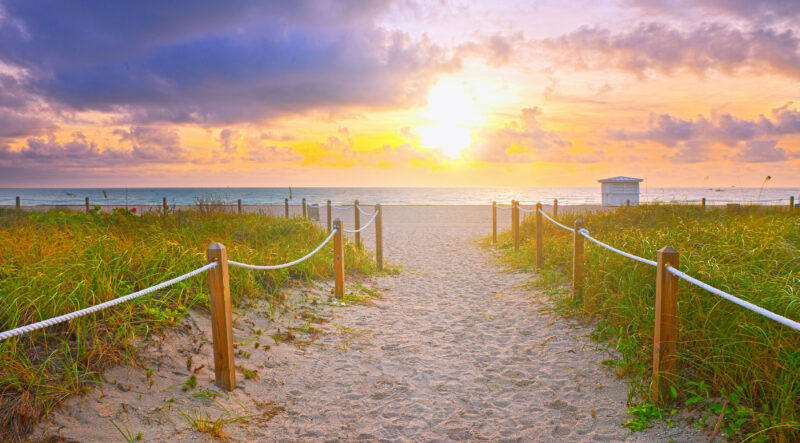
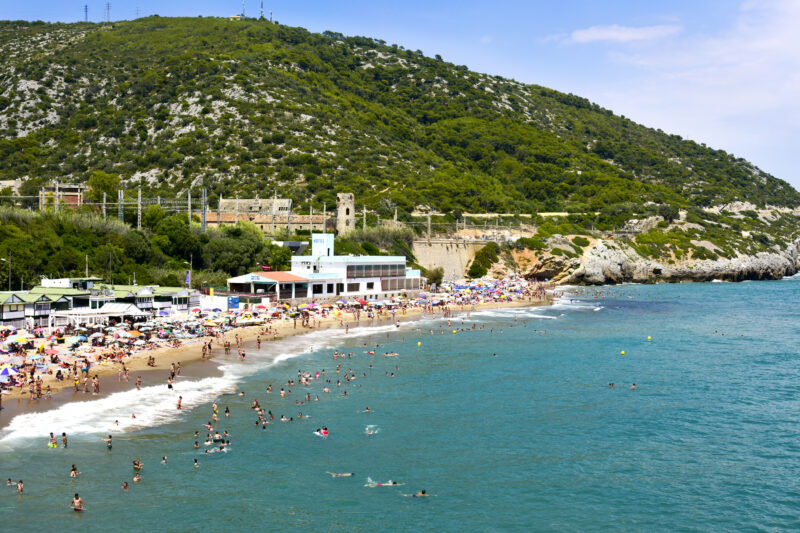
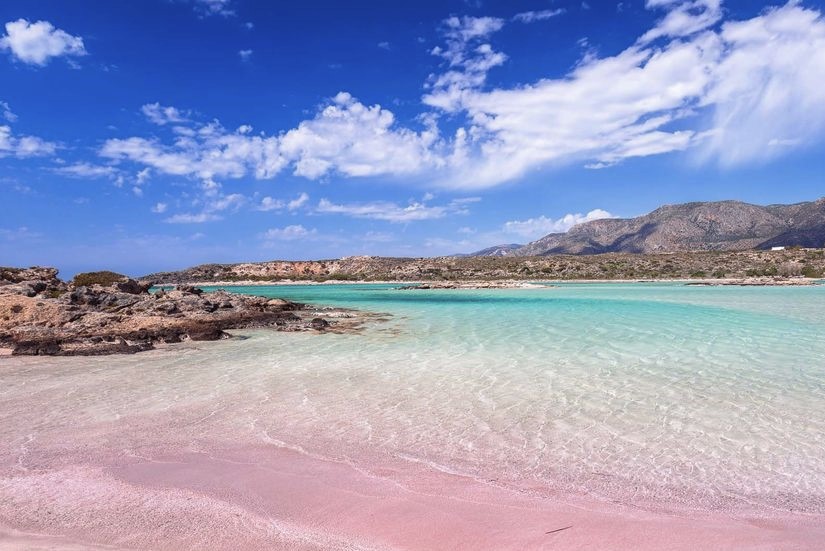
Of course, you probably want to spend some time on the beautiful beaches, and Crete has plenty of them. As we covered earlier this year here at Beach.com, Tripadvisor even named one of Crete’s beaches as the world’s most beautiful. Elafonissi, along the southwest coast, is a stretch with pristine white and pink-hued sands, “stunningly contrasted by brilliant blue water.” But Balos is impressive too, accessed via a boat tour or a short but steep hike along a rugged .85-mile trail. Get there early in the morning before the day trippers arrive, and you might just have it all to yourself.
Some of the other favorites include the wide, golden sands of Falassarna on the west coast, Matala Beach on the south coast with caves carved into the cliffs, and Voulisma, with chalk-white sands and turquoise waters near Agios Nikolaos on the northeastern coast.