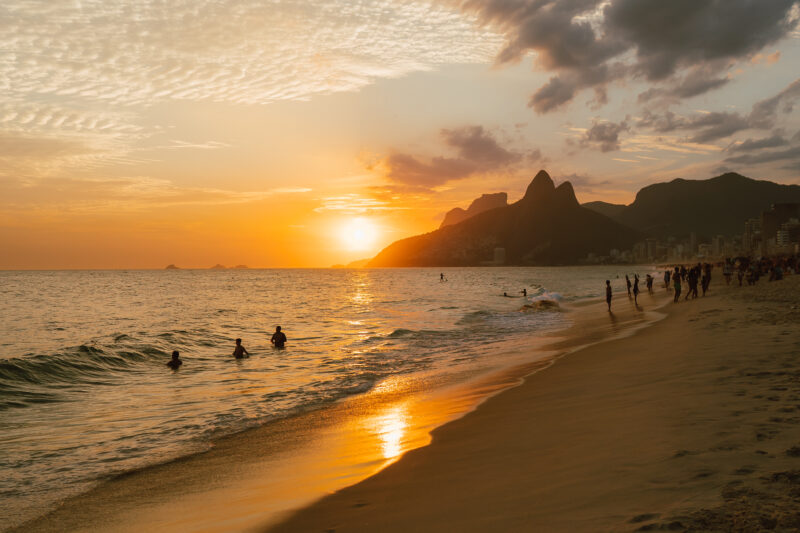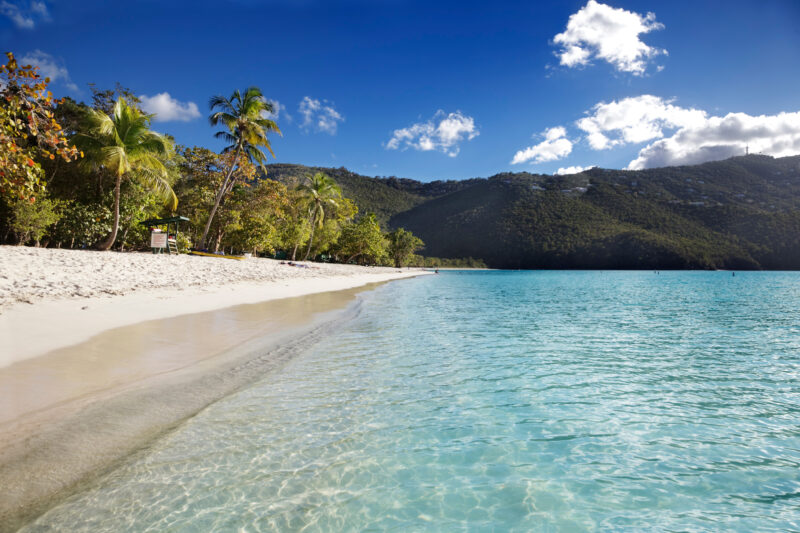

Tulum used to be a sleepy fishing village where dirt roads led to white-sand beaches and thatched-roof cabanas, and visitors gathered around cenotes and Mayan ruins rather than beach clubs. The original appeal was simple: untouched Caribbean beauty, bohemian vibes, wellness culture, and that elusive feeling of discovering something before everyone else knew about it.
I traveled to Tulum and left with a sour taste in my mouth. Walking through town, I was shocked at the high cost of everything—coffee, meals, accommodations—all priced for influencers and trust-fund travelers. While just nearby, families lived in poverty, construction workers tirelessly built high-rises and luxury hotels. The stark inequality was, for me, impossible to ignore and made me genuinely sad.
During the pandemic, Tulum exploded. Digital nomads flooded in, construction boomed, and what was once an off-grid paradise transformed into something else entirely. Infrastructure couldn’t handle the growth—water, waste, and power systems became overwhelmed. Previously free beaches began charging for access. The authentic local culture that made Tulum special got increasingly buried under expensive beach clubs and imported aesthetics.
The “Tulum aesthetic”—that carefully curated boho-chic minimalism with natural materials, flowing linens, and wellness culture—became so commodified that it lost its soul. The place started feeling more like Disneyland for adults.
Tourism and social media caused these problems in the first place. Every viral Instagram post, every “hidden gem” article, every influencer sharing their Tulum experience contributed to the overtourism that destroyed what made it special in the first place. I’m aware that creating a list like this could make me part of the problem—directing crowds to new places that might eventually suffer the same fate.
But I believe spreading tourism across multiple destinations is better than concentrating it in one place until it collapses under the pressure. These alternatives already have visitors; the question is whether we can learn from Tulum’s mistakes and travel more responsibly. Visit during shoulder seasons, stay longer to contribute meaningfully to local economies, support locally-owned businesses, respect environmental protections, and remember these are real communities, not just backdrops for content.
That original Tulum magic still exists. You just have to know where to look. These destinations deliver the bohemian surf-yoga-wellness vibe, laid-back beach culture, and authentic local flavor that drew people to Tulum in the first place—without the overtourism, inflated prices, or infrastructure nightmares. Whether you’re drawn to Mexico‘s Pacific coast, Central America, or corners of Europe and Asia where the spirit lives on, here’s where to go instead.
Sayulita, Mexico
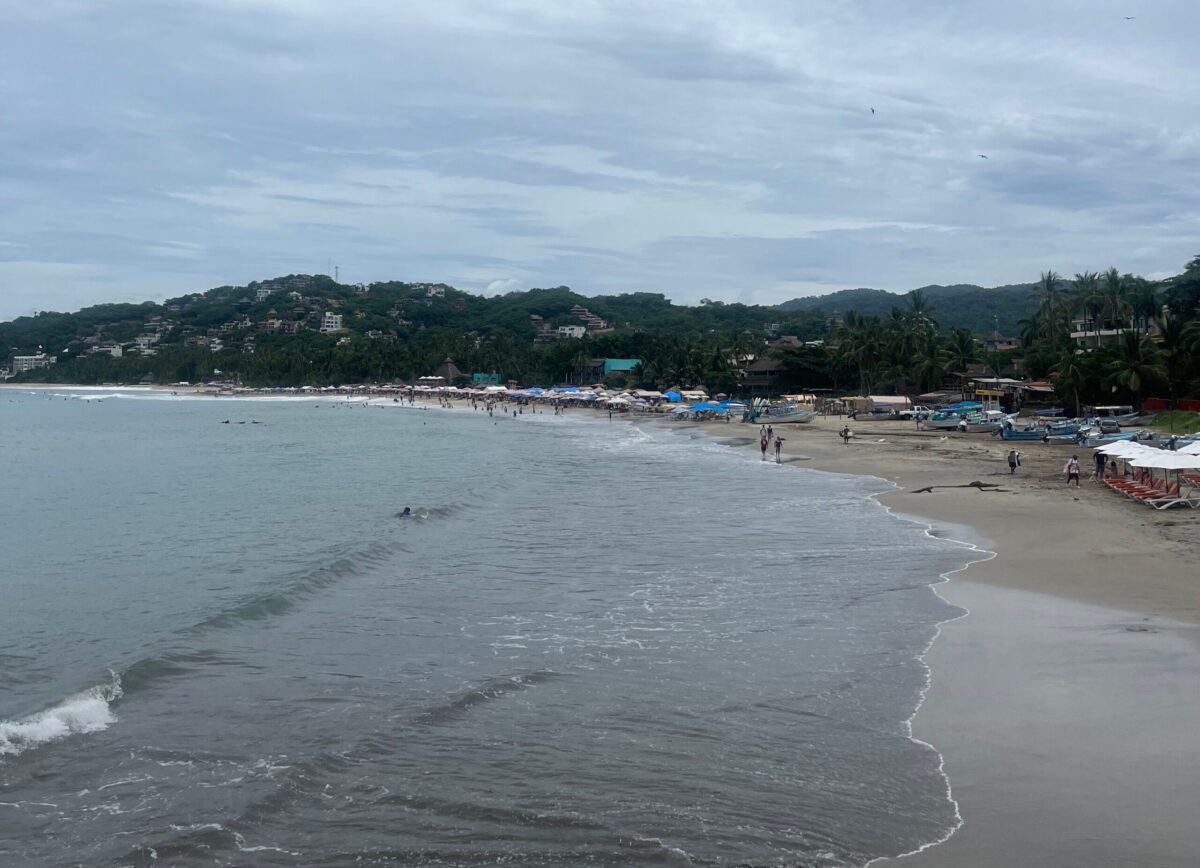
An hour north of Puerto Vallarta on Mexico’s Pacific coast, Sayulita transformed from a sleepy fishing village into a relaxed surf hotspot while maintaining its bohemian character. This is what Tulum should have been (growth managed thoughtfully enough to keep the soul intact). It’s designated as a Pueblo Mágico, Mexico’s recognition of culturally significant towns, which helps protect its character.
I’ve spent a decent amount of time in Sayulita, and what strikes me most is how it’s managed to grow without losing itself. Colorful wall murals, handmade crafts, and barefoot street musicians define the vibe. The cobblestone village center hosts art galleries, artisan shops, and a strong creative community of locals and expats who genuinely love living here. The main beach offers waves suitable for all surfing levels, while nearby spots like Playa Carricitos provide more challenging breaks.
Yes, tourism has discovered it, but visitors who stay longer than a couple days understand what makes it special—it reveals its charm gradually. Morning markets still cater to locals, family-run restaurants serve traditional food alongside innovative cuisine, and the pace follows island time rather than influencer schedules.
The yoga scene thrives here, too. Studios offer everything from community classes to specialized workshops, and you’re as likely to practice next to a local as a visitor. Whale watching season runs December through April, when humpback whales arrive to breed, and dolphins frequently play in the surf.
Mazunte, Mexico
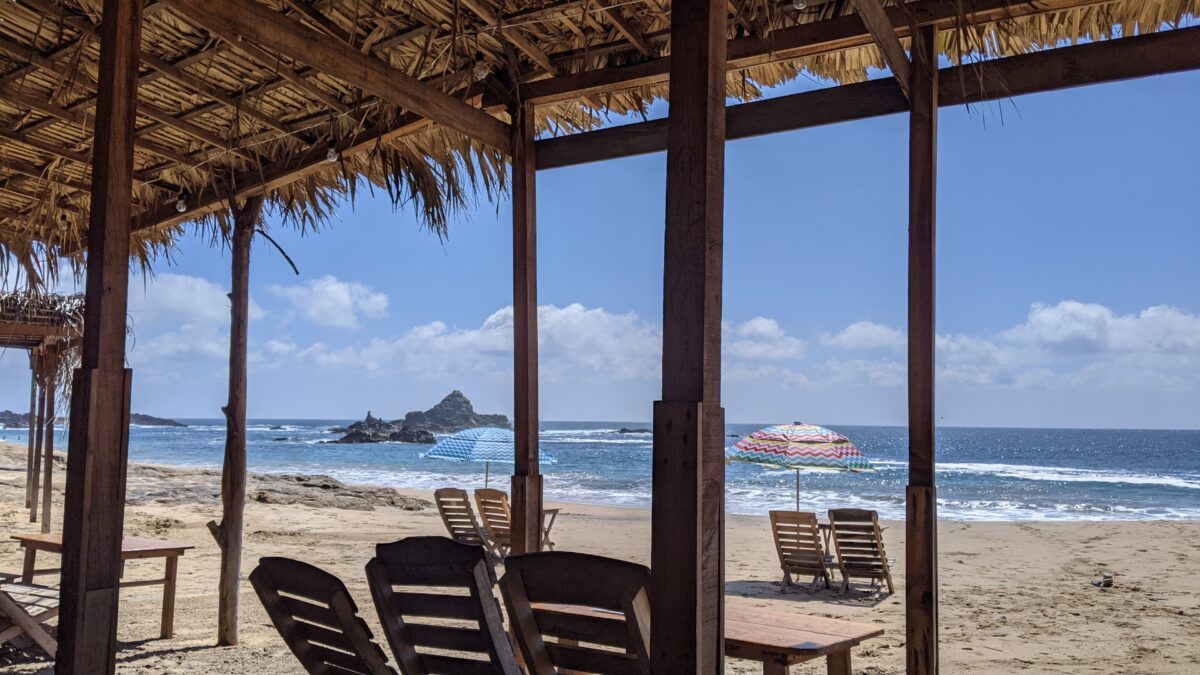
Further down Oaxaca’s Pacific coast, Mazunte remains delightfully undiscovered. This tiny village once depended on sea turtle hunting until conservation efforts transformed it into an ecological sanctuary. That environmental consciousness defines the town’s character today.
The power went out during my visit here, which apparently happens regularly, and the ATMs stopped working. I almost had to sleep on the beach because I couldn’t pay for accommodation or get a ride back. The wifi is terrible to nonexistent, and the infrastructure is genuinely rustic. But if you can embrace that level of remoteness, there’s something so special here.
The beaches stretch long and wild, backed by jungle rather than development. Playa Mazunte offers gentler waves perfect for beginners, while nearby Punta Cometa—the southernmost point of Oaxaca—provides epic sunset views. Zipolite, just next door, attracts a clothing-optional crowd and delivers consistent surf.
Small eco-lodges built from local materials dot the coastline, restaurants emphasize organic ingredients and vegetarian options, and the turtle conservation center educates visitors about marine protection. The vibe skews toward conscious travelers, yogis, and people seeking genuine disconnection.
The Mexican National Turtle Center anchors the town’s identity. Visiting teaches you about seven of Mexico’s eight sea turtle species and supports ongoing conservation work.
Local Tip: Bring cash—lots of it—and don’t count on ATMs or consistent power. Stay during the week if possible, as weekends bring crowds from Oaxaca City. The shoulder seasons (May-June and September-October) offer warm weather, manageable tourism, and lower prices.
Santa Teresa, Costa Rica
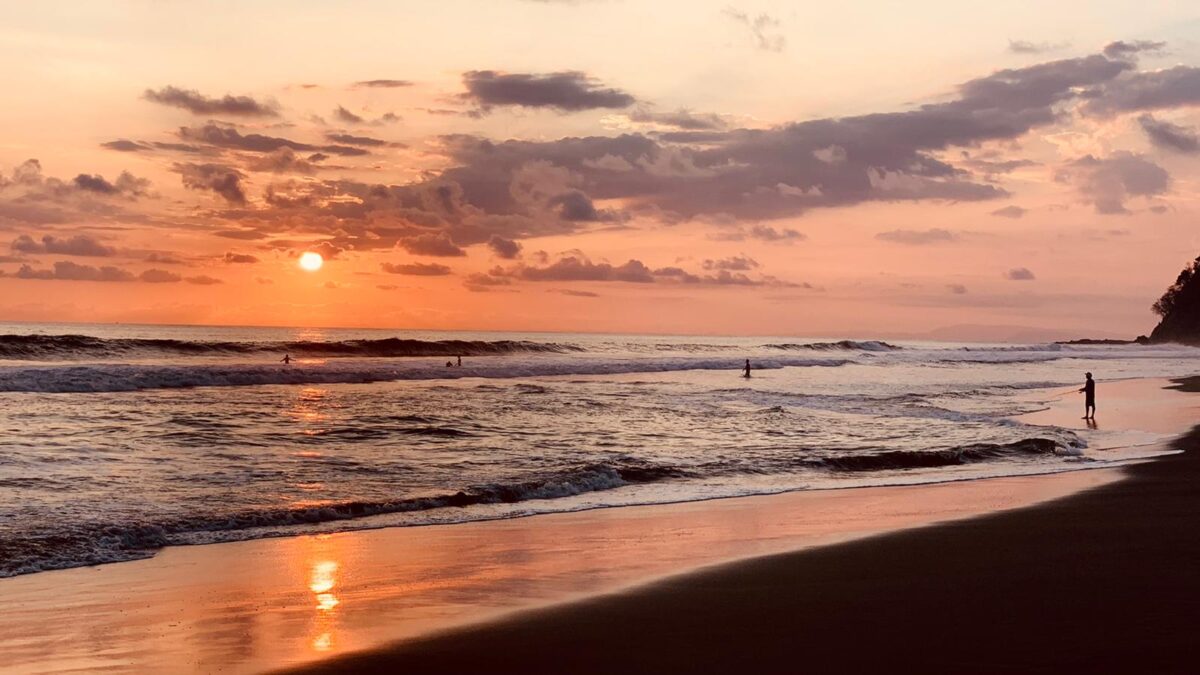
Santa Teresa on Costa Rica‘s Nicoya Peninsula ranks among the world’s top surfing destinations, known for consistent waves and vibrant surf culture. But it’s the holistic wellness scene woven throughout that creates the complete experience Tulum once promised.
Having visited Santa Teresa, I can tell you it delivers what Tulum advertises but no longer provides. The town pulses with laid-back, open-hearted energy attracting yogis, healers, surfers, and creatives globally. It’s common to see travelers walking to yoga class with mats slung over shoulders, fresh juice in hand, ready for an afternoon surf session. The beaches—Playa Santa Teresa, Playa Hermosa, Playa Carmen—offer different wave conditions suitable for all levels.
The area has grown significantly but managed development better than Tulum. Instead of high-rise hotels, you’ll find boutique properties tucked into the jungle, beach clubs emphasizing natural materials over manufactured luxury, and restaurants where excellent food doesn’t always require emptying your wallet. Cabo Blanco Nature Reserve, Costa Rica’s first protected area, sits nearby with hiking trails through lush forests.
Getting here involves either the ferry from Puntarenas or flying into Tambor, then driving through lush countryside. The journey becomes part of the adventure, filtering out those seeking only convenience.
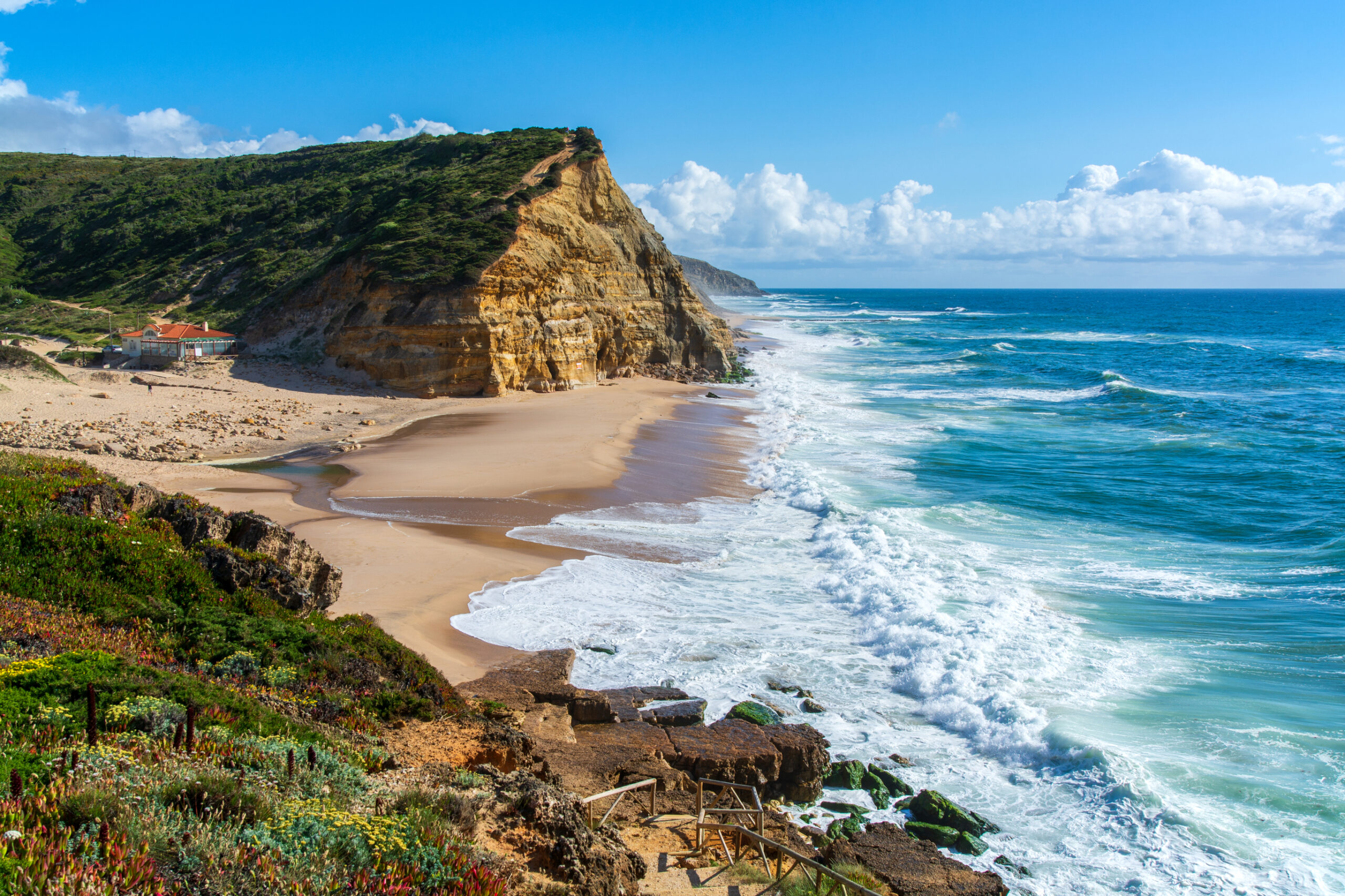
Ericeira, Portugal
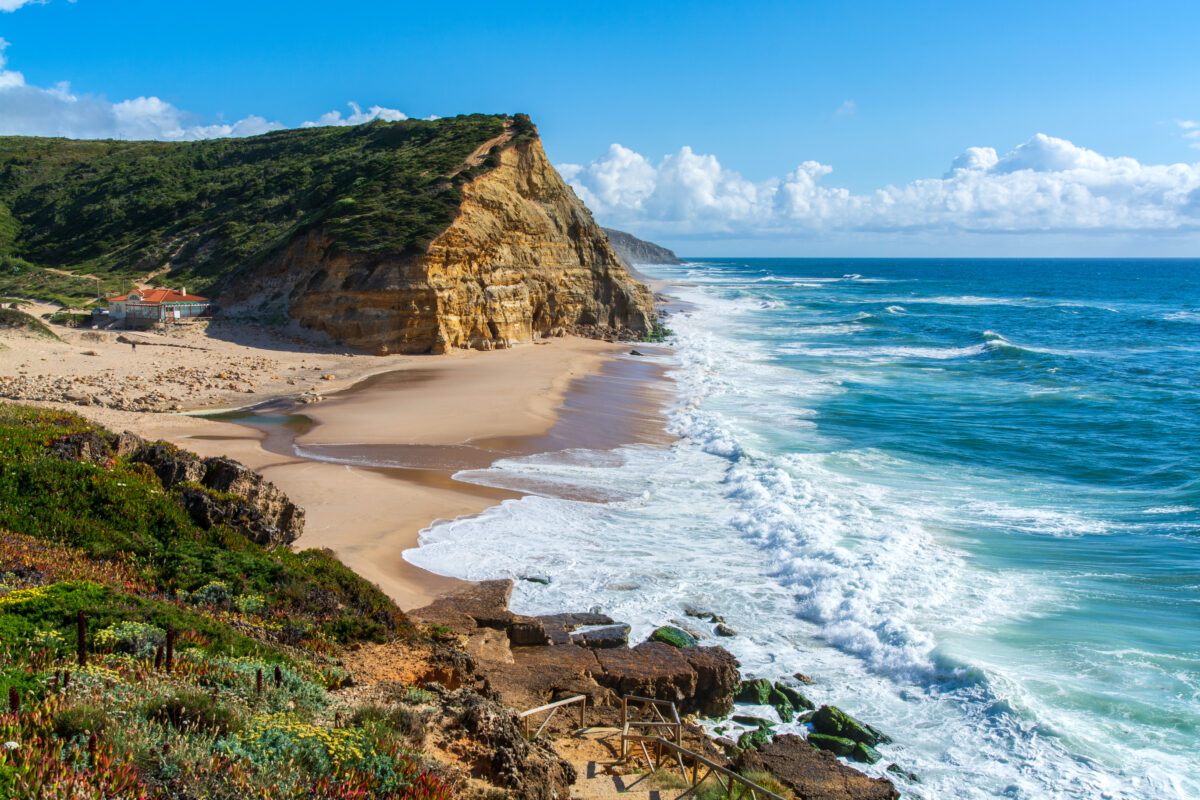
The waves here attract serious surfers year-round. Coxos delivers powerful reef breaks for experts, Ribeira d’Ilhas hosts international competitions, and Foz do Lizandro provides beginner-friendly beach breaks. But Ericeira never feels like it exists only for surf tourism—it’s a functioning Portuguese town where fishermen still haul morning catches and grandmothers gather in cafés.
The Old Town charms with narrow cobblestone streets, blue-trimmed buildings, and seafood restaurants where octopus rice and percebes (barnacles) showcase Atlantic flavors. Sunset from the clifftop promenade paints the whitewashed walls golden, and the overall aesthetic delivers that Mediterranean beauty Tulum’s Caribbean setting provided.
You can day-trip from Lisbon but staying longer really reveals the town’s rhythm—morning surf sessions, long lunches, afternoon exploration, evening gatherings where locals and visitors mix naturally. Prices remain reasonable by European standards, and Portuguese hospitality creates welcoming rather than transactional atmospheres.
Tarifa, Spain
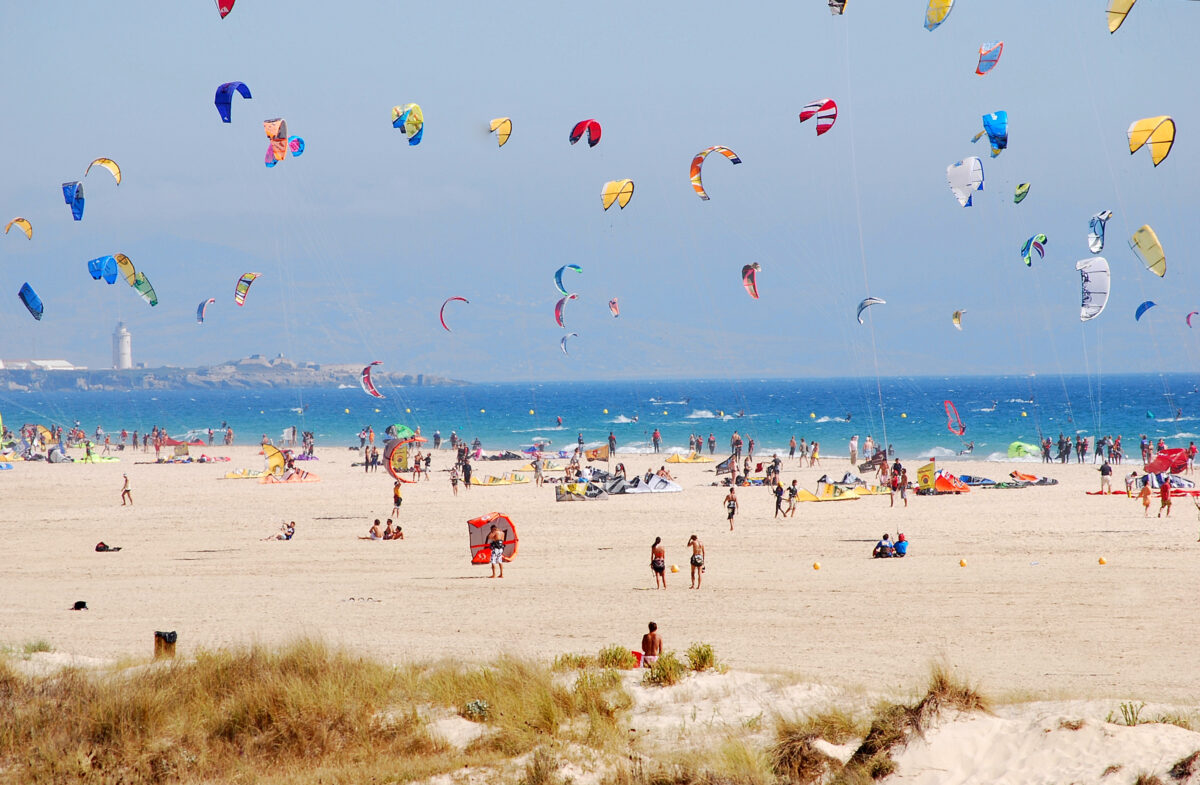
Often called the “Bali of Europe,” Spain’s southernmost point sits where the Mediterranean meets the Atlantic, creating conditions that have made it a global hub for wind surfing, yoga, and bohemian culture. Tarifa delivers that Tulum energy—wellness scene, laid-back beach bars, creative community—but with European infrastructure and North African mystique just a ferry ride away.
The Old Town features whitewashed buildings, Moorish architecture remnants, and winding streets opening onto plazas perfect for lingering over tapas and wine. Just across the Strait of Gibraltar, Africa visible on clear days adds exotic atmosphere without leaving Europe. The beaches stretch for kilometers—Playa de los Lances, Playa Chica, Playa de Valdevaqueros—each offering different conditions and vibes.
Tarifa’s bohemian scene developed organically around the wind and surf sports community. Small boutiques sell handcrafted goods, beach bars lean toward natural materials and relaxed aesthetics, and yoga studios dot the coastline offering everything from beachfront vinyasa to sound healing sessions.
A 35-minute ferry takes you to Tangier, and just down the coast sits Taghazout—Morocco’s answer to Tulum with its own thriving surf-yoga scene, colorful buildings, and North African flavor. You can base yourself in Tarifa and experience two continents, multiple cultures, and endless surf breaks all within a single trip.
Lombok, Indonesia
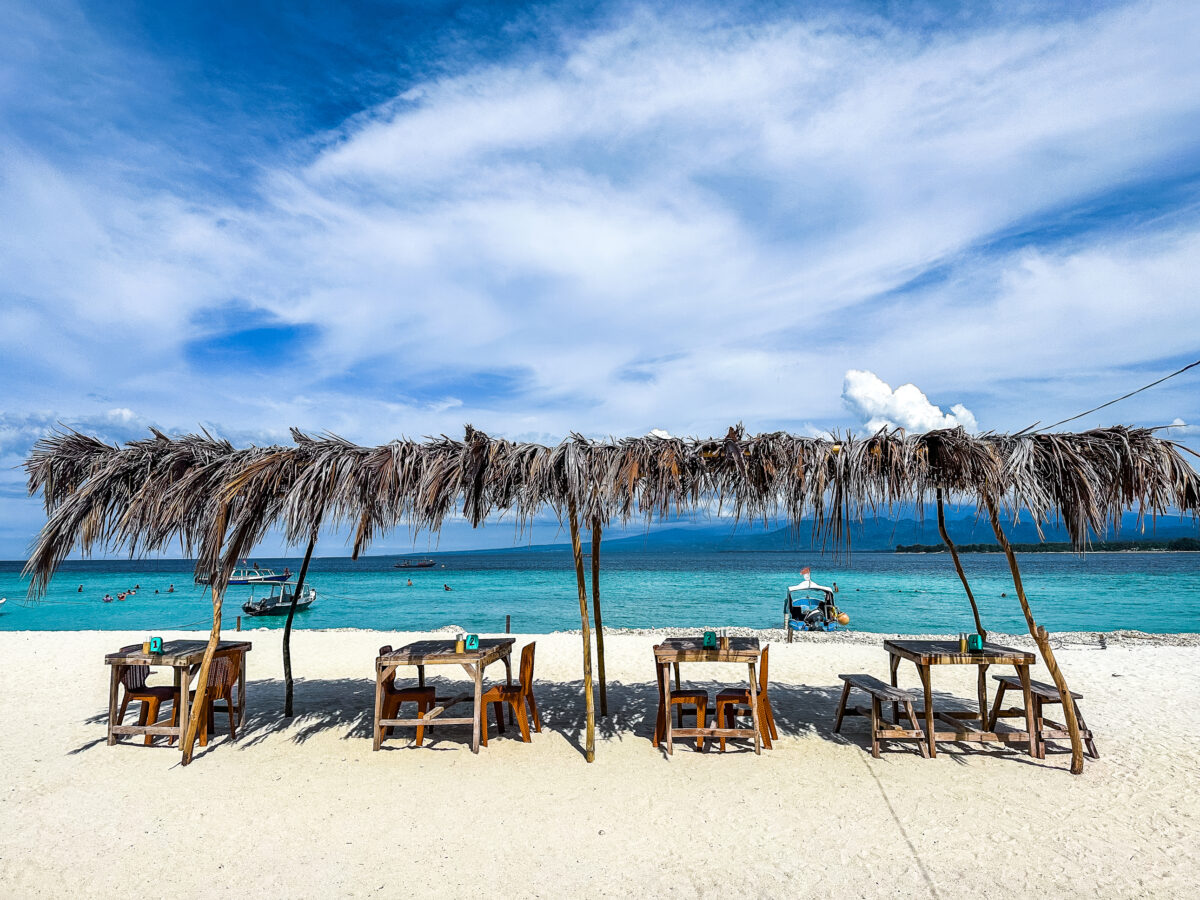
Bali‘s neighbor Lombok remains wonderfully underdeveloped by comparison, offering the tropical Indonesian experience without the overwhelming tourism. The Gili Islands off Lombok’s northwest coast—Gili Trawangan, Gili Meno, Gili Air—provide car-free paradise where bicycles and horse-drawn carts handle transportation.
Each Gili offers distinct character. Trawangan delivers the liveliest scene with beach parties and social energy, Meno emphasizes tranquility perfect for honeymoons and meditation retreats, and Air strikes the balance between activity and relaxation. All three feature powder-white sand, turquoise water, and coral reefs teeming with marine life just offshore.
The yoga and wellness scene here rivals Bali’s but without the crowds. Beachfront studios offer sunrise practice with ocean breezes, sound healing sessions happen under the stars, and the overall pace encourages rest rather than scheduled relaxation. Indonesian hospitality creates genuinely warm atmospheres, and prices remain remarkably affordable.
Surfing happens on Lombok’s southern coast—Desert Point delivers one of the world’s longest left-hand barrels, Selong Belanak offers beginner-friendly waves and stunning scenery, and Mawun Beach provides a protected bay perfect for learning. Mount Rinjani’s volcanic peak dominates the interior, offering challenging trekking for those wanting adventure beyond beaches.
FAQs
Why are people skipping Tulum?
Overcrowding, prices that have caught up with European resort towns, and safety concerns that have received coverage in recent years. The version of Tulum that attracted independent travelers is largely gone. What’s replaced it works for some visitors, but the people this article is written for are mostly looking elsewhere now.
What is the best alternative to Tulum in Mexico?
Mazunte on the Oaxaca coast is the closest equivalent to what Tulum used to be: small, inexpensive, with raw Pacific scenery and a nice traveler scene. It’s harder to get to, which is most of the reason it’s still worth going. The Oaxaca beaches guide covers the surrounding coast in more detail, and the broader Mexico guide is useful if you’re still deciding on a base.
Which Tulum alternative is best for surfers?
Santa Teresa in Costa Rica, thanks to its consistent beach breaks, surf schools, and a pace of life that feels like Tulum did before. It draws a similar crowd without the infrastructure problems, and the surf is good.