
There’s something to be said for travel destinations where you can enjoy all the conveniences and creature comforts of home. Think fast, reliable Wi-Fi so you can post all your photos to socials; familiar chain stores and restaurants; and the peace of mind knowing if you run out of something important, you can just run down to the corner store and buy it.
However, those destinations also come with their downsides. They’re more likely to come with crowds, for one. Additionally, while trips to locales like these do come with a certain level of ease, sometimes you really just want to unplug from your daily life. You don’t want anyone to be able to easily reach you at a moment’s notice. You want seclusion! You want peace!
And when you do, and if it’s a beachy spot that provides the backdrop for your daydreams, these are the 7 places—from lesser-visited isles to full-on uninhabited protected lands—in the Caribbean you’re going to want to visit.
Tobago Cays Marine Park
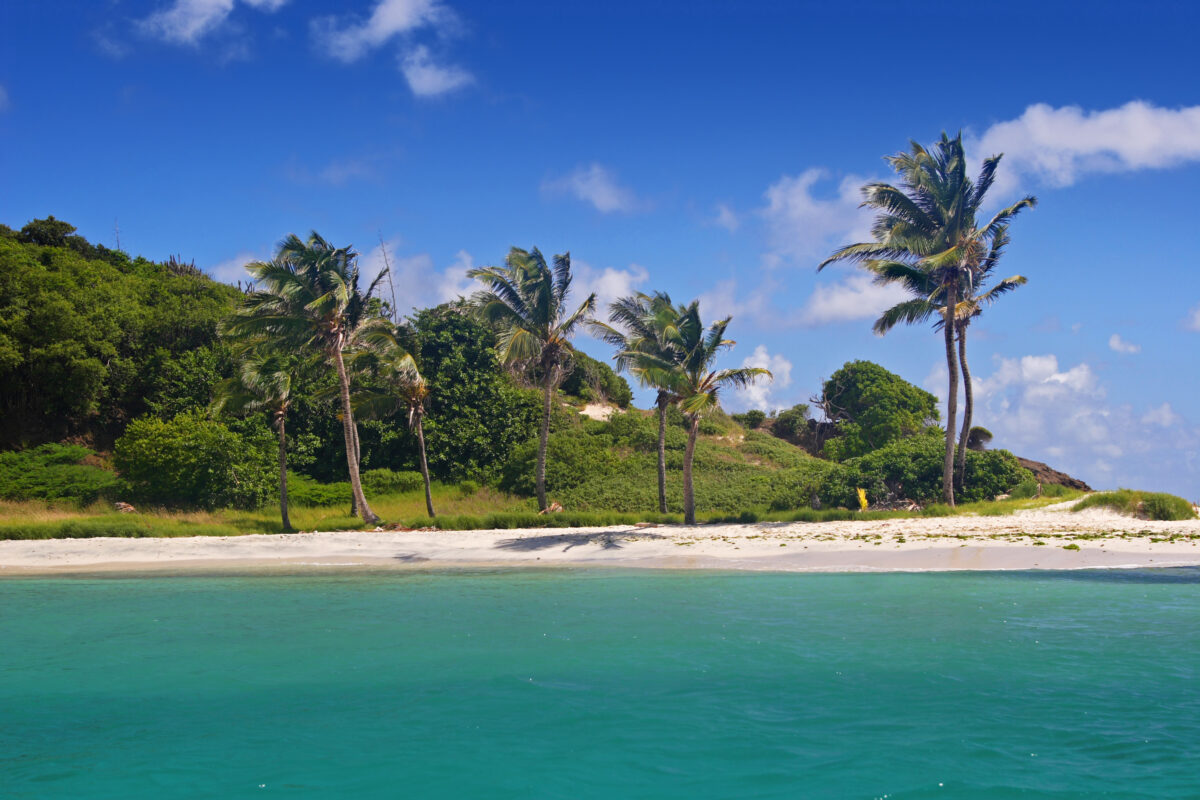
A part of St Vincent & the Grenadines, Tobago Cays Marine Park is a collection of five, uninhabited islands—and if any of them look familiar, it could just be that you recognize the beach from “Pirates of the Caribbean: Curse of the Black Pearl.” One of the cays made an appearance as the beach on which characters Jack Sparrow and Elizabeth Swann are abandoned by pirates.
The islands are accessible by boat and, even though they’re not inhabited, locals come over from other islands to offer services such as food, drinks, and tours. Snorkeling is the highlight here, and you’re bound to spot some sea turtles.
Buck Island
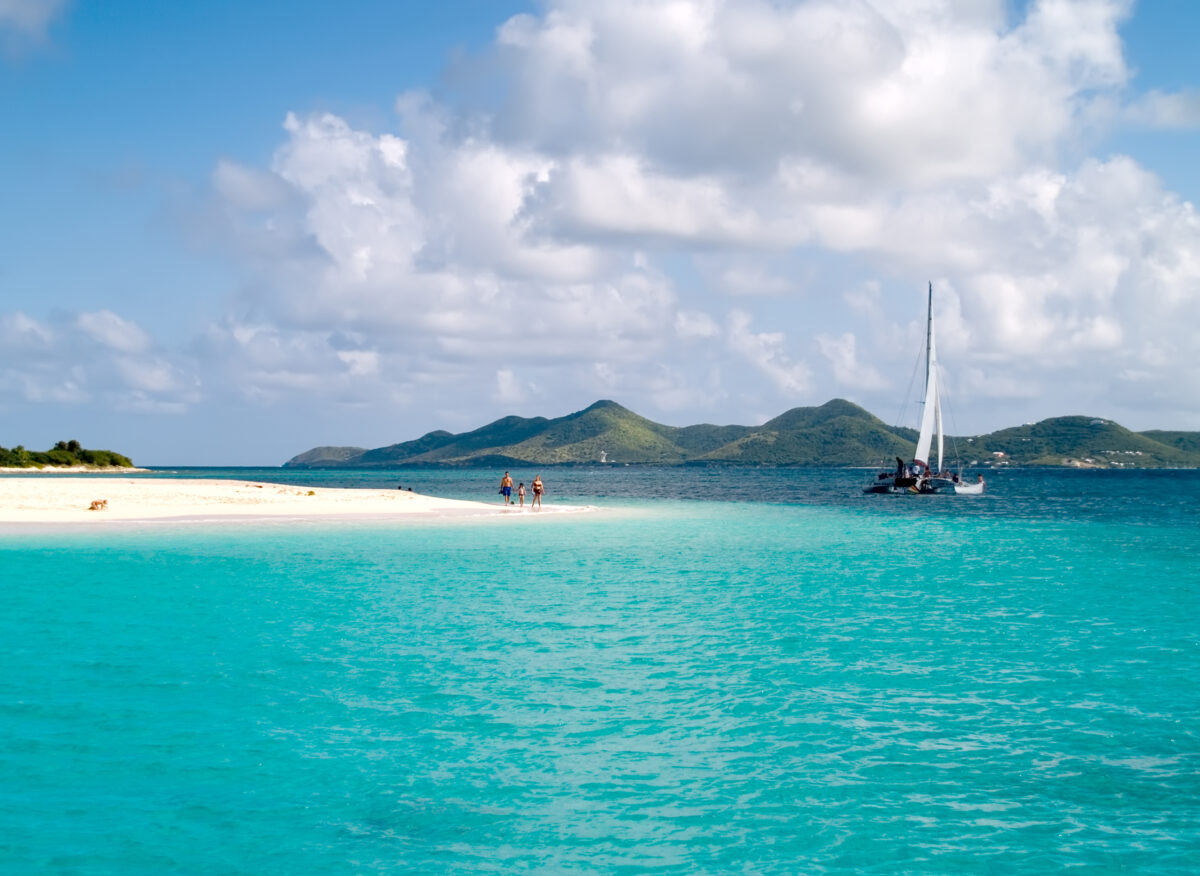
Buck Island is part of the broader Buck Island Reef National Monument, a National Park Service-overseen stop in the US Virgin Islands, right off St Croix. Looking at the US Territory, St Croix is already a good choice for those looking for fewer crowds and less tourist infrastructure, as it’s the least busy of the three main islands, which also include St Thomas and St John. However, to take your seclusion a step further, you can head off to Buck Island, where tourism is limited and you can’t just show up. You can only get there by boat and you’ll have to make your travel plans in advance.
There’s no visitor services on the island, and no accessible facilities. However, if you can look past the lack of amenities, you’ll find plenty, plenty more to love. The site is a mix of nearly 20,000 acres of both water and dry land. You can walk the trails on the island, which take you to various beaches and through a tropical dry rainforest. Then, be sure to check out the snorkeling scene. Hundreds of different kinds of fish and numerous sea turtles call these waters home.
Jost Van Dyke
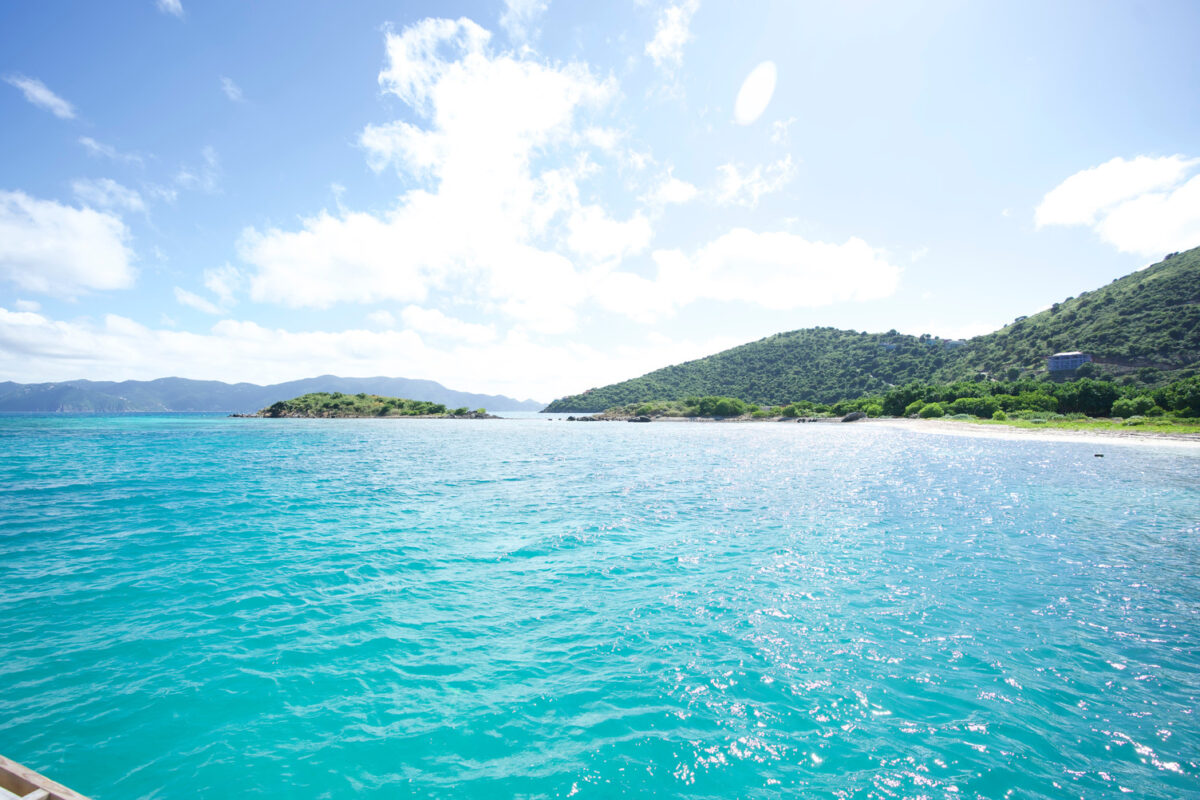
Part of the British Virgin Islands, Jost Van Dyke is low-key and low-stress. It’s also budget-friendly (at least compared to the adjacent islands) and offers a wealth of things to do, despite its small size. Explore the island’s culinary scene, inspired by its rich cultural heritage. Absolutely be sure to grab a Painkiller. You know this cocktail, but did you know that it hails from the island’s Soggy Dollar Bar? Visit archaeological sites and, of course, be sure to spend plenty of time on the beaches.
In contrast to some of the other spots on this list, Jost Van Dyke can offer both party and luxury experiences, so it’s a little more built up for those who don’t quite want to abandon it all for an uninhabited island with no cell service. However, when you tell your non-jet-setting friends where you’re headed for vacation, they’re still likely to ask you where in the world this island can be found.
For the smallest number of fellow travelers on the beach possible, though, try the East Shore. Its greatest claim to fame is the Bubbly Pool, a natural hot spring of sorts, but otherwise it’s less developed.
Saba
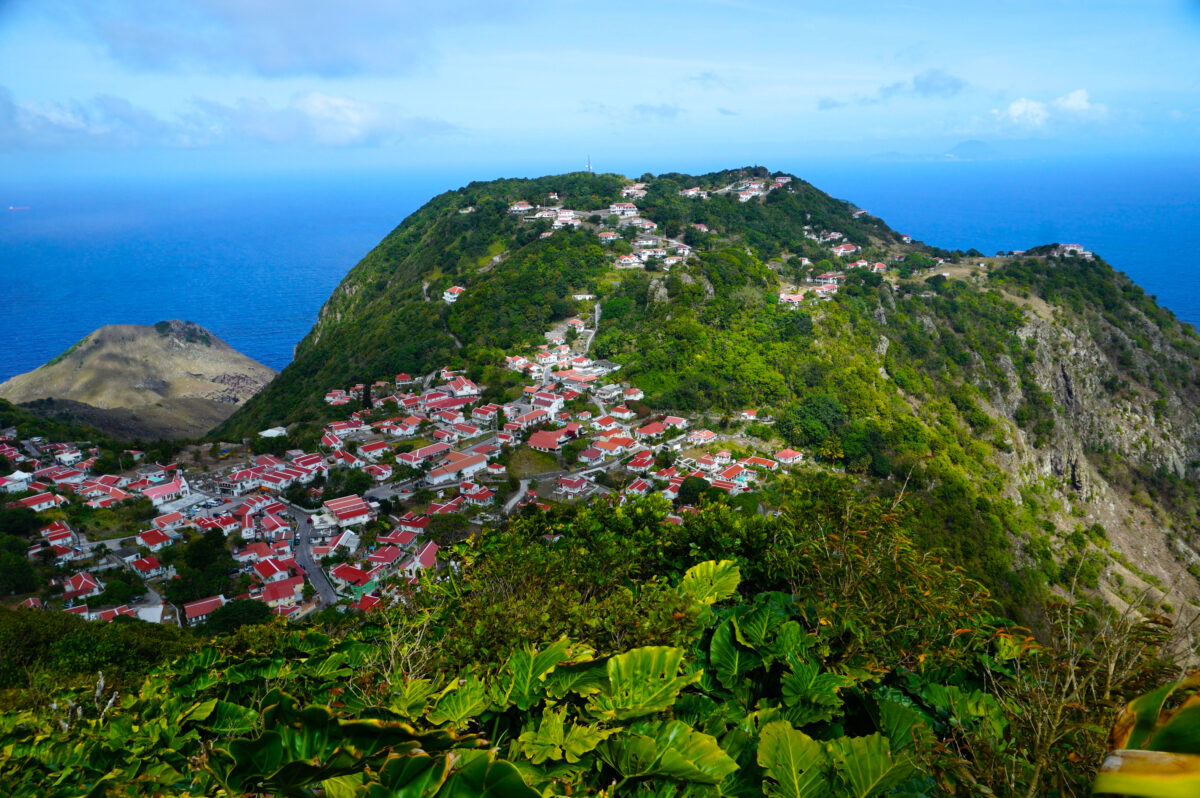
Part of the Dutch Caribbean and located a bit between St Kitts & Nevis and Anguilla, Saba measures in at only five square miles and has just about 2,000 residents. You’ll have to take either a short flight that lands on the world’s shortest commercial runway or a ferry ride to get there. Don’t arrive without a plan, though; the island has limited hotel rooms. Once you land, there are a handful of absolute-must experiences to add to your itinerary.
To start, travel up Saba’s road. Yes, that’s right. Singular. There’s just one road on Saba. Aptly called The Road, it connects all the main spots that you might need to reach. It’s twisty, turn-y and considered a feat of engineering. (…Okay, so since it’s the only road, you’re not going to need to add it to your itinerary, per se—but it’s still pretty cool and worth making a note of before you arrive.)
Otherwise, consider going on a diving excursion (shark encounters aren’t out of the question). If you prefer to stay above ground, go for a hike on one of the island’s 20 trails. The trails come in a range of lengths and levels of difficulty, and many offer stellar views. Shopping and museums are also on tap.
Caye Caulker
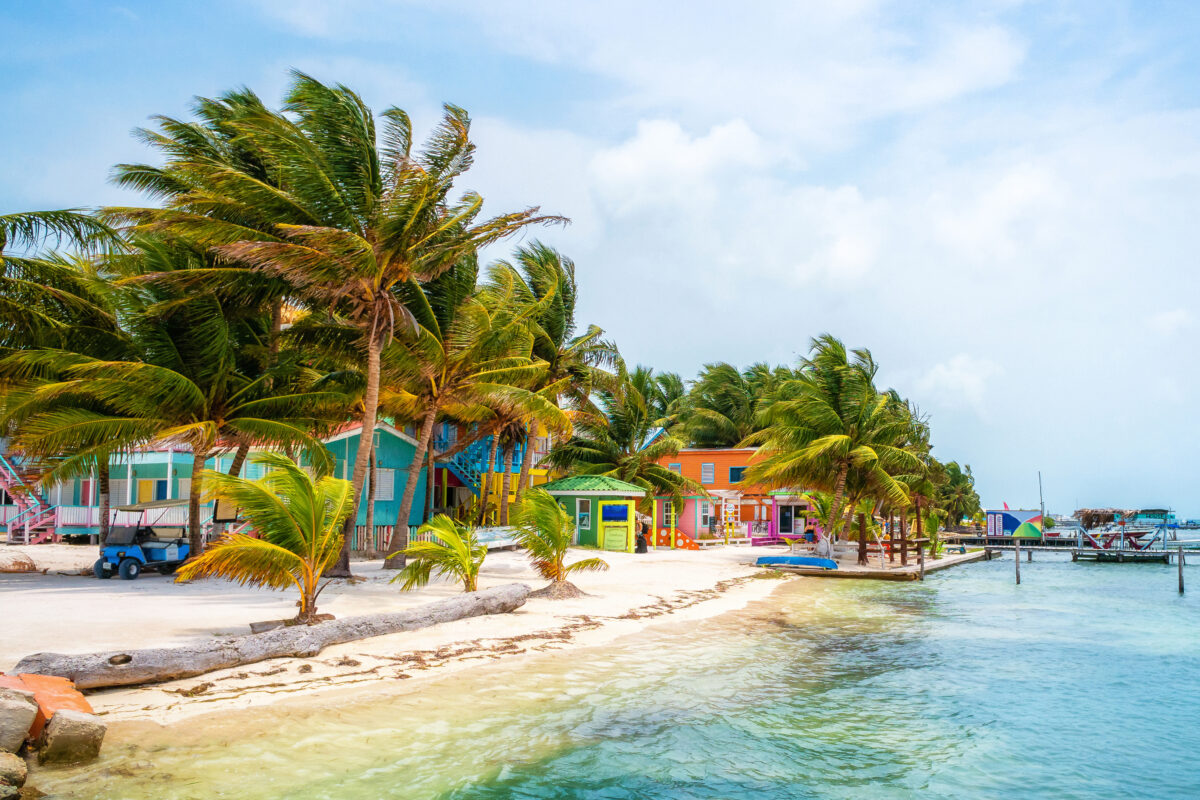
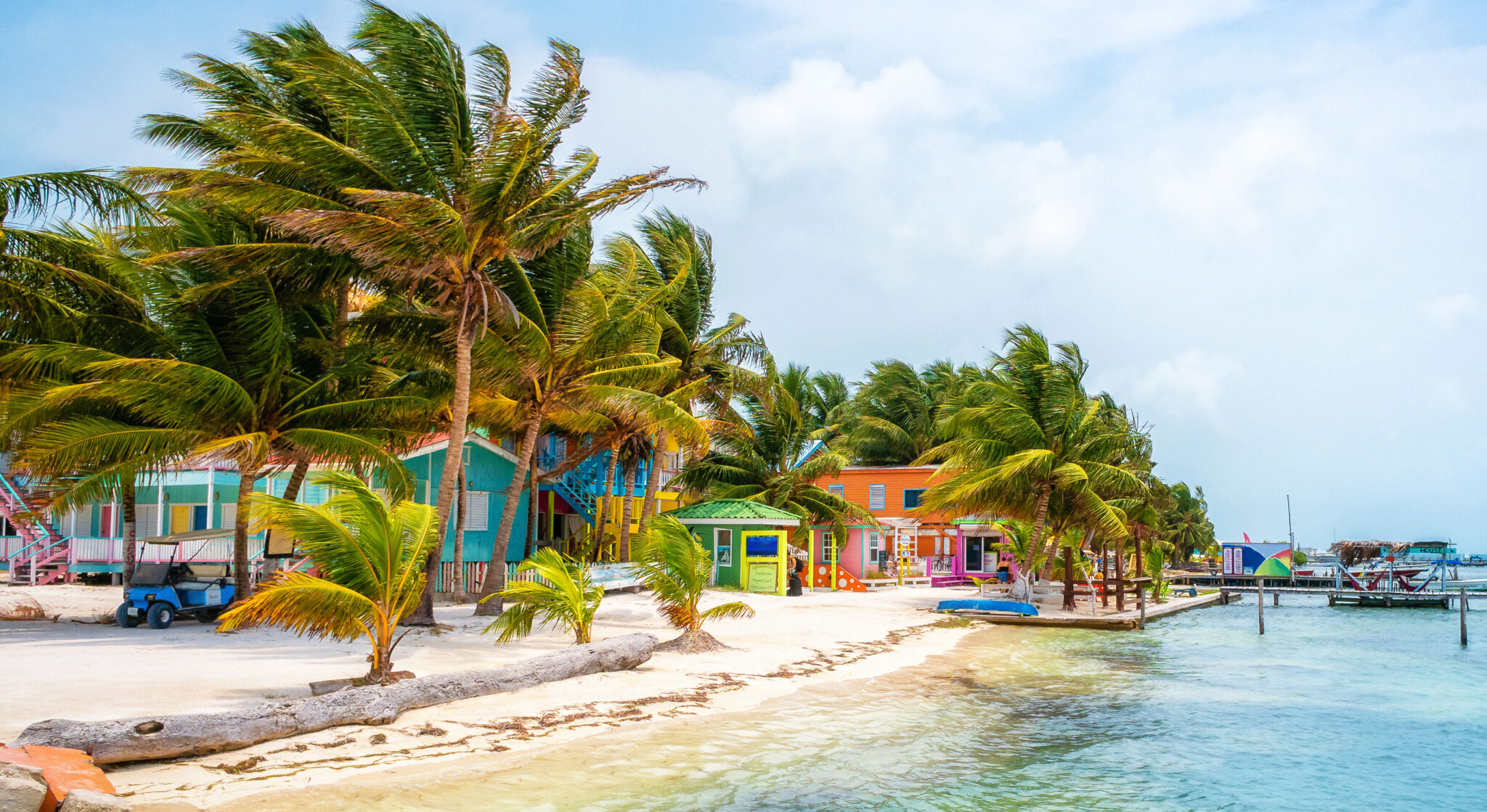
Caye Caulker is the less-crowded version of Ambergris Caye, in Belize. Minimally crowded and small, as well as relatively budget friendly, the island measures in at under 6 miles long and there are no cars on the island. As is the case on Saba, there are minimal roads, so getting around should be a breeze. You can rent your own golf cart or bike, or have someone drive you around in a golf cart, taxi-style.
Do note that Caye Caulker is technically split into two, with the two sides separated by a tiny strip of water known as The Split, which you can boat or swim across. The northern, separated side of the island is even more secluded, so head there if you want even more elbow room.
There are a handful of accommodation options and, once you’re settled in, your options for what to do include snorkeling the Belize Barrier Reef (the second largest in the world), taking a sunset cruise or paddling. You can even hop a short flight to Belize’s famous Blue Hole.
Little Corn Island
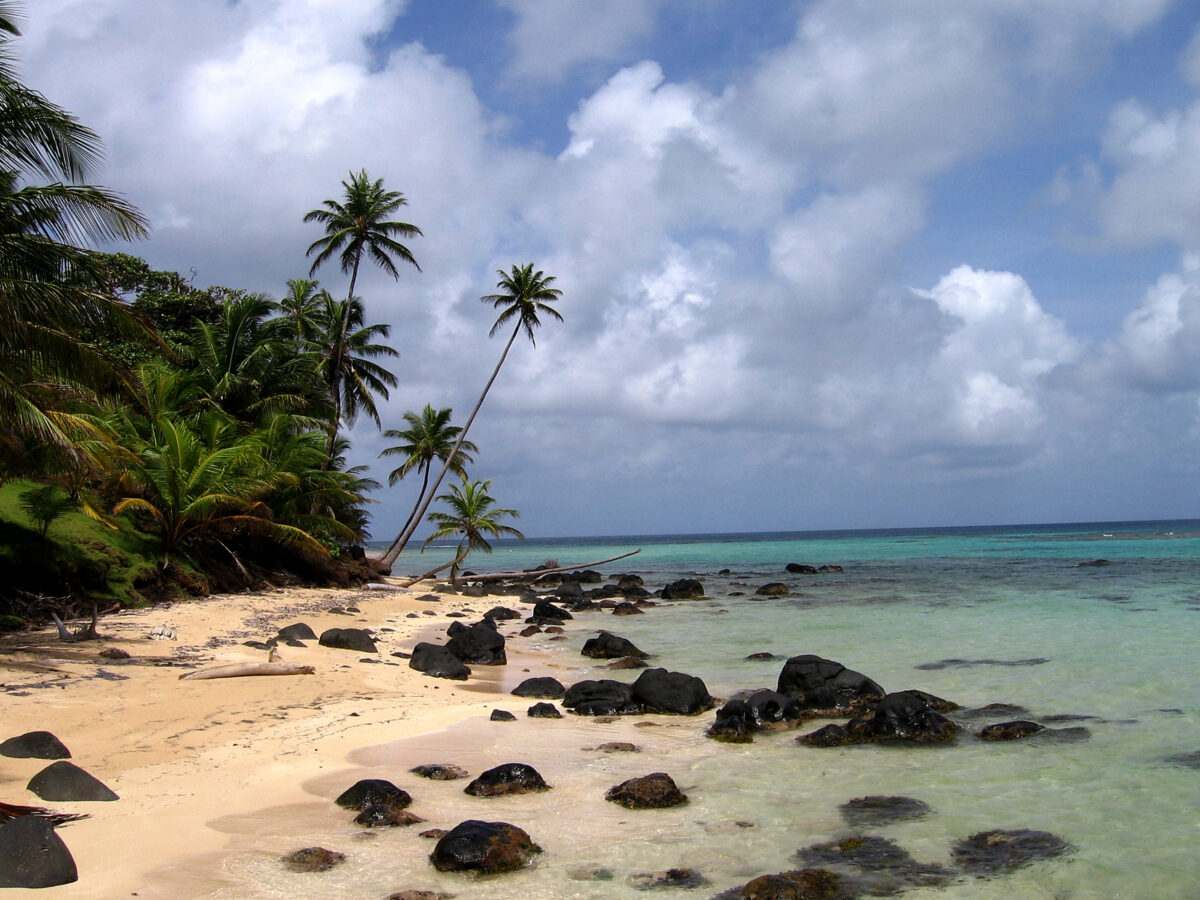
Part of Nicaragua and situated 50 miles out into the Caribbean, Little Corn Island is only reachable by boat and also has no cars or paved roads. There’s also not a lot of other infrastructure or amenities, despite the 800-odd residents and few hundred tourists on the island at any given time. There are no ATMs on the island and the electricity isn’t always reliably available either. As such, Wi-Fi is spotty, too, so you’ll want to invest in a SIM card before you arrive.
The good news? All of this means that you can truly log out of work and no one can make you feel even a tad guilty about it. The island is about 1.5 square miles, but a lot of what travelers love about this destination isn’t on land—it’s all about the water. Top activities include sailing, paddling, fishing, snorkeling, and kitesurfing. Of course, you can’t ignore the beaches, either. You’ll have a few options for accommodations, as well as dining.
Cayman Brac
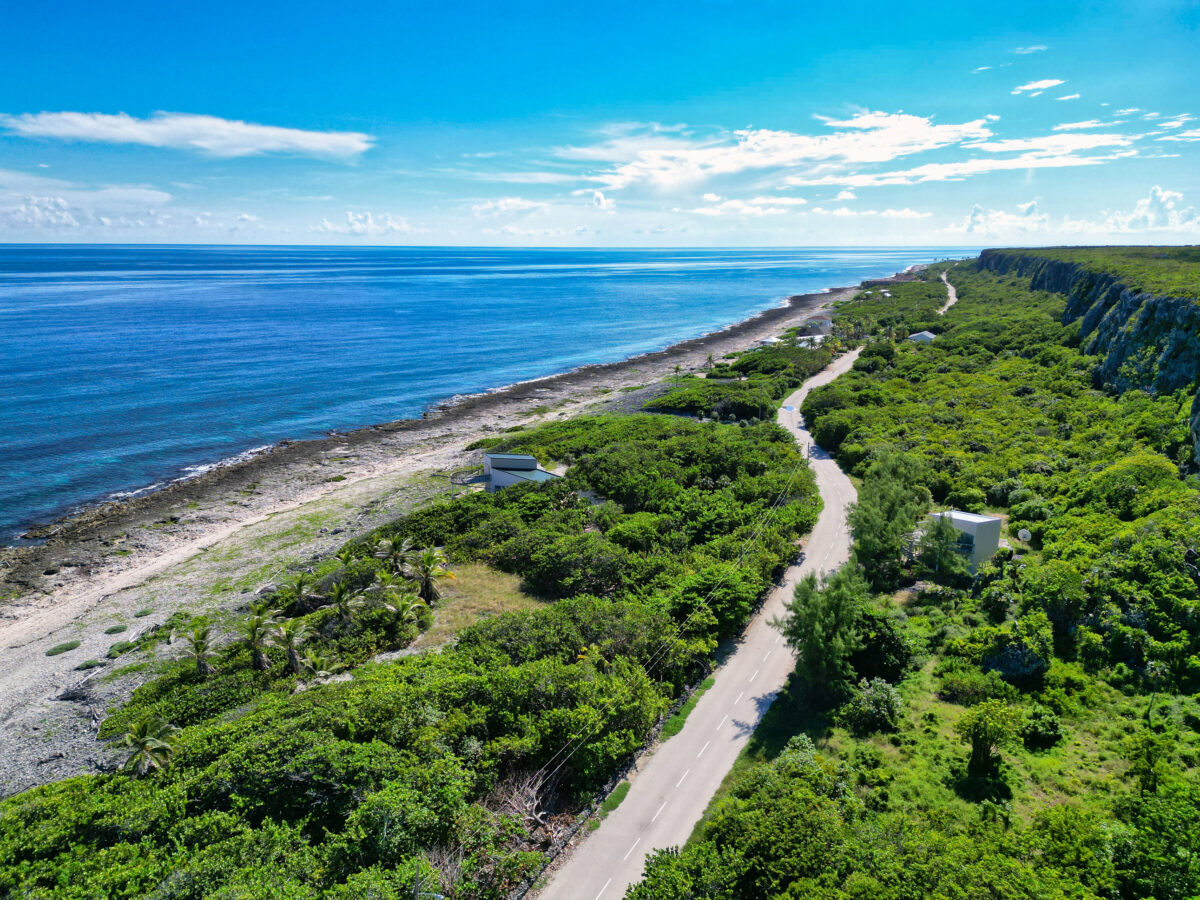
Cayman Brac lies to the northeast of Grand Cayman, but is separated by Little Cayman. If you like the idea of visiting the Cayman Islands, but aren’t a fan of the crowded resort settings that are par for the course on Grand Cayman, this is where you want to go.
Generally quiet and uncrowded, Cayman Brac is a little more built up than, say, Little Corn Island. For those who don’t like the thought of taking multiple flights to get to an island, including a final flight in a puddle jumper, and then even possibly taking a ferry, they’ll be glad to know that Cayman Brac boasts its own international airport, with direct flights from the mainland U.S. offered by American Airlines, Delta Air Lines, Southwest, and United.
(But, don’t worry, it’s not too built up here—there are still no stoplights across the entire island.)
Hiking, caving, snorkeling, rock climbing, and beach-going are all popular options. For those interested in the island’s cultural side, points of interest include the Cayman Brac Museum, Heritage House, and Cayman Brac Lighthouse.