


I’m a southerner by birth... and early beach education.
I grew up believing that a good beach meant gentle heat, predictable sand, and the faint promise of an ice cream nearby. Northern England didn’t feature in that picture at all.
Then I moved north and stayed for four years. I dated northerners, which meant weekend plans were rarely optional and often involved long drives, flasks of tea, and the phrase, “You’ll love this one, just wait.”
They were right.
What I found were beaches that felt vast and spectacular. Places where the sand stretches so far it resets your sense of scale, where castles, cliffs, and dunes do more of the talking than sun loungers ever could.
These aren’t beaches designed for ticking off between sightseeing stops. They’re places to walk, think, breathe, and come back to again and again in different weather.
I’ve seen northern beaches in blazing sun, sideways rain, and mist so thick it erased the horizon. Every version worked. These are the best beaches in northern England, shaped by time, tide and mood, and the ones that completely changed how I think about what makes a beach truly great.
Bamburgh Beach, Northumberland
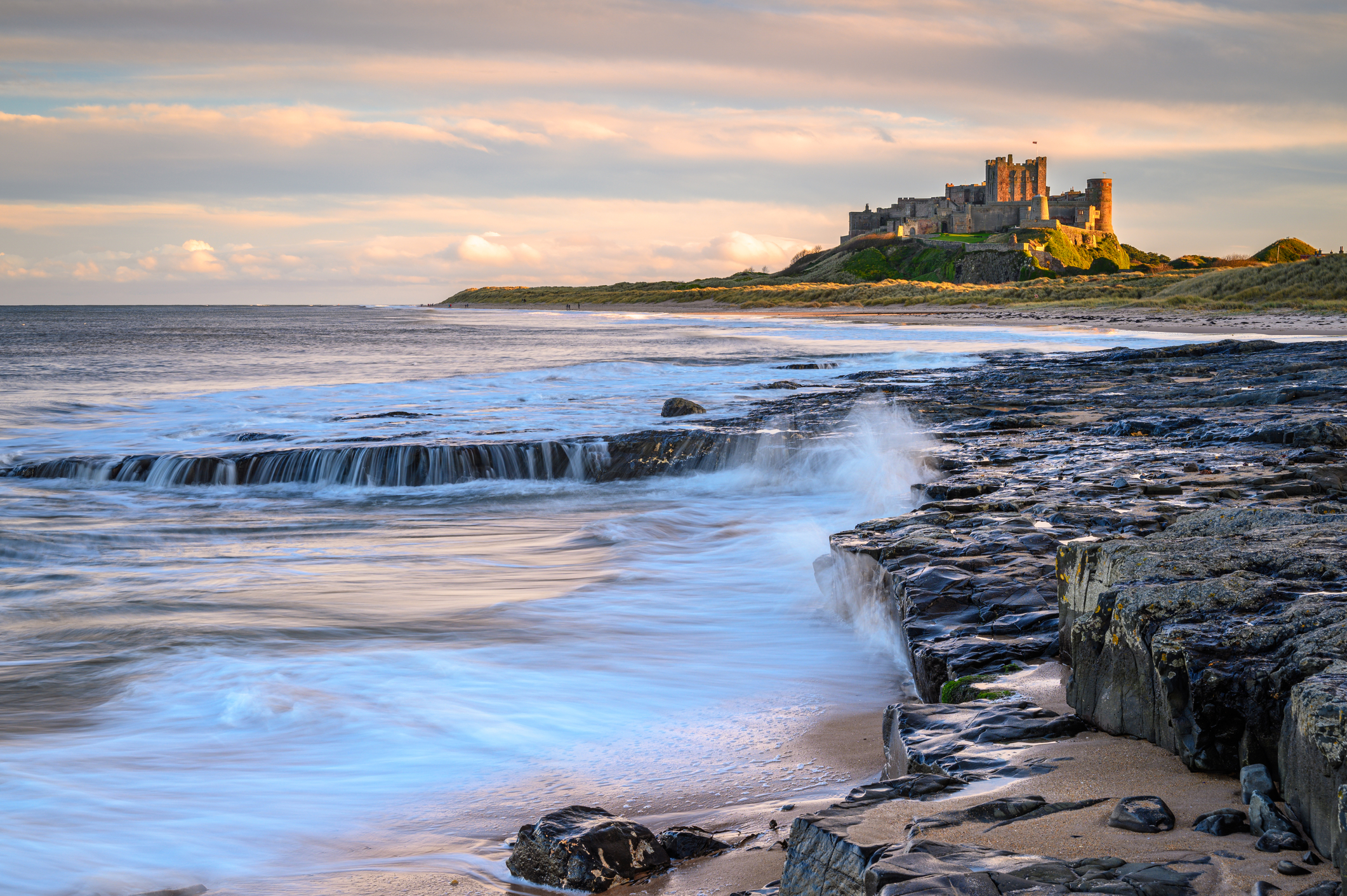
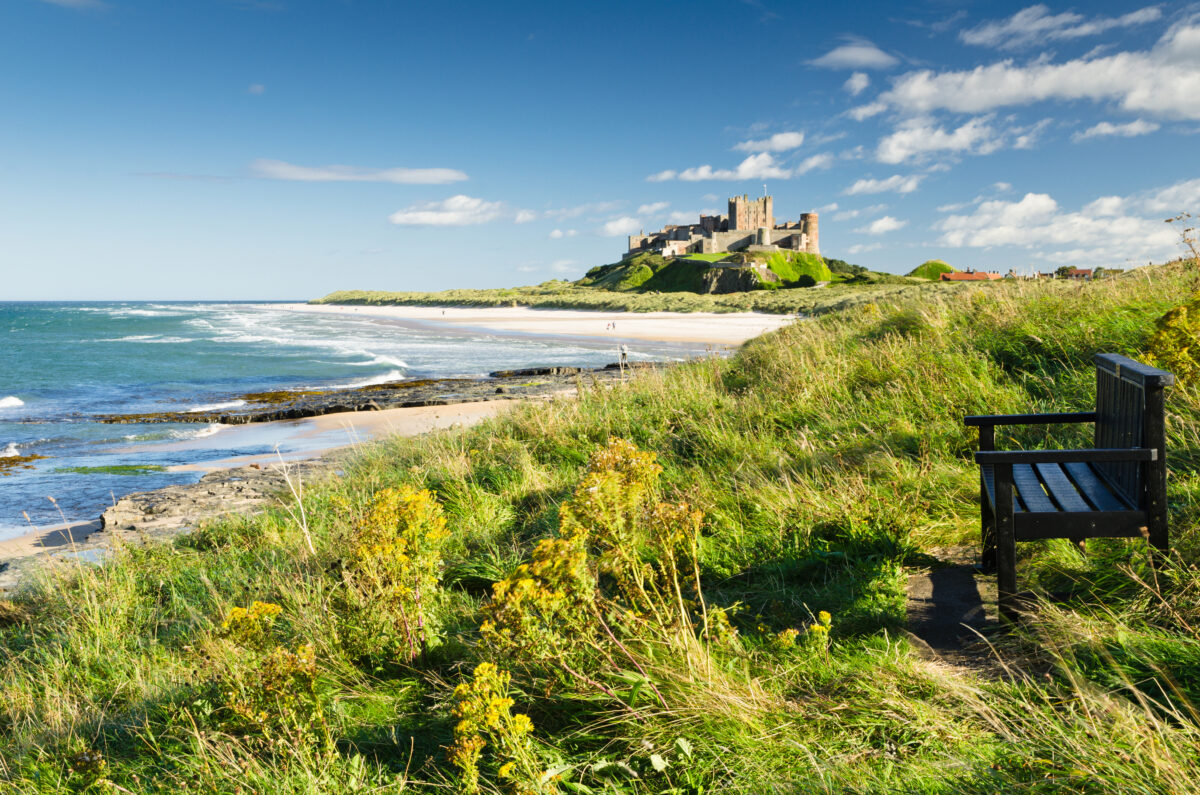
There’s a reason Bamburgh Beach is the beach people mention first, and usually with a slightly reverent tone. The first time I went, I remember stopping mid-walk just to take it all in. Miles of pale sand, a huge open sky, and Bamburgh Castle rising up behind it all like something out of a film set.
What makes this beach so special is the sense of scale. Even on a warm summer day, it never feels busy. You can walk for ages without passing another person, especially if you head away from the main access points. At low tide, the beach feels almost endless, the sand firm and perfect for long, aimless walks with the sound of the sea rolling in beside you.
I’ve been here in bright sunshine and in blustery, dramatic weather, and both versions are equally compelling. It’s not a beach that demands you sit still. It invites movement. Walking, watching the light change, turning back just one more time to look at the castle before heading home.
If you’re visiting northern England for the first time and want a beach that immediately explains why people love this coastline so much, Bamburgh is it.
Embleton Bay, Northumberland
Just down the coast from Bamburgh, Embleton Bay offers the same sense of drama with a little less attention. This is where I go when I want the Northumberland coastline at its most peaceful, without sacrificing any of the beauty.
The beach is wide and open, with soft sand underfoot and the ruined silhouette of Dunstanburgh Castle sitting quietly in the distance. It’s less immediately theatrical than Bamburgh, but that’s part of the appeal. The atmosphere here feels calmer, more introspective, as if the beach is content to reveal itself slowly.
I love walking this stretch at a steady pace, letting the landscape unfold rather than rushing towards a focal point. On quieter days, it can feel like you have the whole place to yourself, just you, the sound of the waves, and the wind moving through the grass-covered dunes.
Embleton Bay is ideal if you’ve already seen the headline beaches and want something a little more understated. It’s restorative rather than impressive, the kind of place that stays with you long after you’ve left.
Formby Beach, Merseyside
Formby Beach feels completely different to anything else on this list, which is exactly why it left such a strong impression on me.
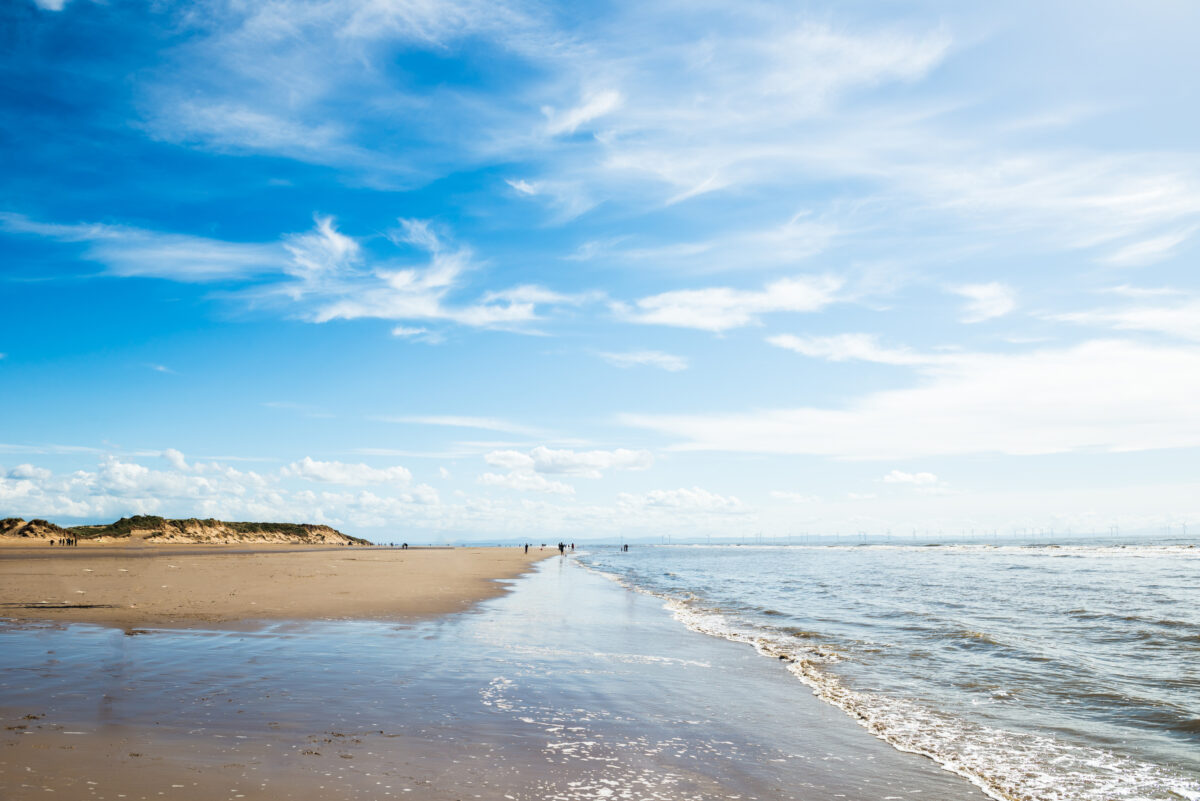
Instead of cliffs or castles, this stretch of coast is defined by rolling sand dunes and pinewoods that run right up to the shore, creating a landscape that feels soft, shifting, and quietly immersive.
The approach to the beach is part of the experience. You wind through woodland paths before the dunes open up and the sea suddenly appears. The beach itself is wide and flat, especially at low tide, with huge skies and constantly changing light. It never quite looks the same twice.
Formby is also a protected nature reserve and home to one of the UK’s last populations of red squirrels.
Even if you don’t spot one, there’s a strong sense of being in a cared-for, living landscape rather than a traditional seaside spot. I like coming early in the morning or later in the day, when the dunes catch the light and the beach feels expansive and calm. It’s an easy day trip, but one that feels surprisingly transportive.
Saltburn-by-the-Sea, North Yorkshire
Saltburn-by-the-Sea was one of the beaches that really challenged my southern assumptions. Yes, it has a pier and a proud Victorian backbone, but it also has a creative, slightly rugged energy that keeps it feeling current rather than nostalgic.
The beach itself is long, sandy, and backed by cliffs, with a broad horizon that makes even short walks feel refreshing. There’s a well-established surf scene here, and watching surfers bobbing in the water adds movement and rhythm to the view, even on colder days. The pier stretching out into the sea gives the whole place a sense of balance and scale.
What I love most about Saltburn is how seamlessly the town and beach work together. You can spend the morning walking along the shore, ride the historic cliff tramway back up, then settle into one of the cafés for something warm. It’s a place that feels lived-in rather than polished, which makes it all the more appealing.
Robin Hood’s Bay, North Yorkshire
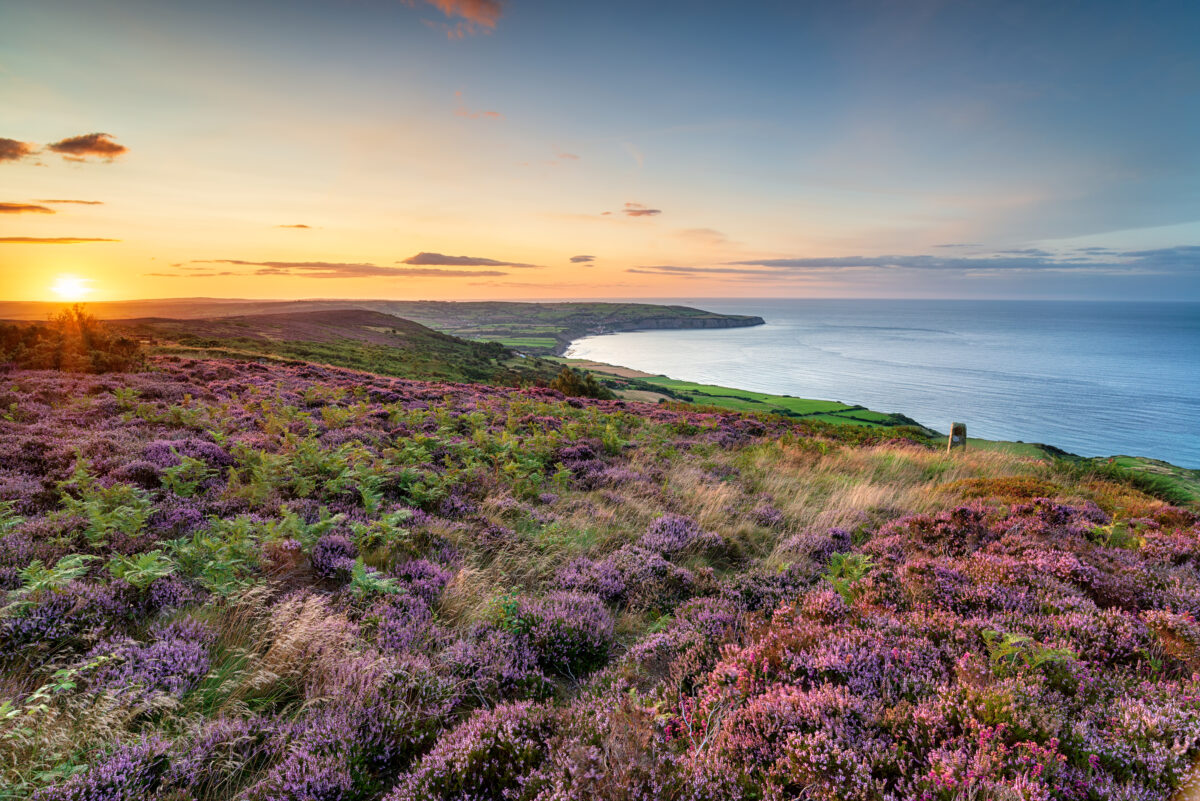
The first time I went to Robin Hood’s Bay, I remember thinking it felt like a place you stumble upon rather than arrive at. The village spills steeply down towards the sea, with narrow streets and tightly packed cottages that suddenly open out onto a broad, textured shoreline.
This is a beach that completely changes with the tide. At low tide, the sea pulls far back, revealing rock pools, rippled sand, and long stretches perfect for wandering. It’s a brilliant spot for fossil hunting or simply moving slowly, stopping often to look down rather than out. At high tide, the beach feels more compact and dramatic, with waves pushing right up towards the village edge.
What makes Robin Hood’s Bay so memorable is its sense of character. It doesn’t try to be easy or polished. You earn your time here by walking down, and then back up again, and that effort somehow deepens the experience. I always linger longer than planned, usually finishing with a slow walk back through the village as the light softens and the sea changes colour.
St Bees Beach, Cumbria
St Bees Beach sits at the edge of the Lake District and feels shaped by both sea and land. It’s a quieter, more introspective beach than many others on this list, defined by red sandstone cliffs and a wide, open stretch of pebbles and sand.
This isn’t a beach I come to with a plan. It’s a place for slowing down, for sitting and watching the light shift across the water, for long pauses rather than long walks. The atmosphere is calm and almost meditative, especially outside of peak summer when the beach can feel entirely your own.
St Bees is also known as the starting or finishing point of the Coast to Coast walk, and there’s a subtle sense of transition here, of journeys beginning or ending at the water’s edge. I love it most in the evening, when the cliffs glow warm in the low sun and the sea feels endless.
It’s understated, powerful and moving, the kind of beach that doesn’t shout for attention but stays with you long after you’ve left.
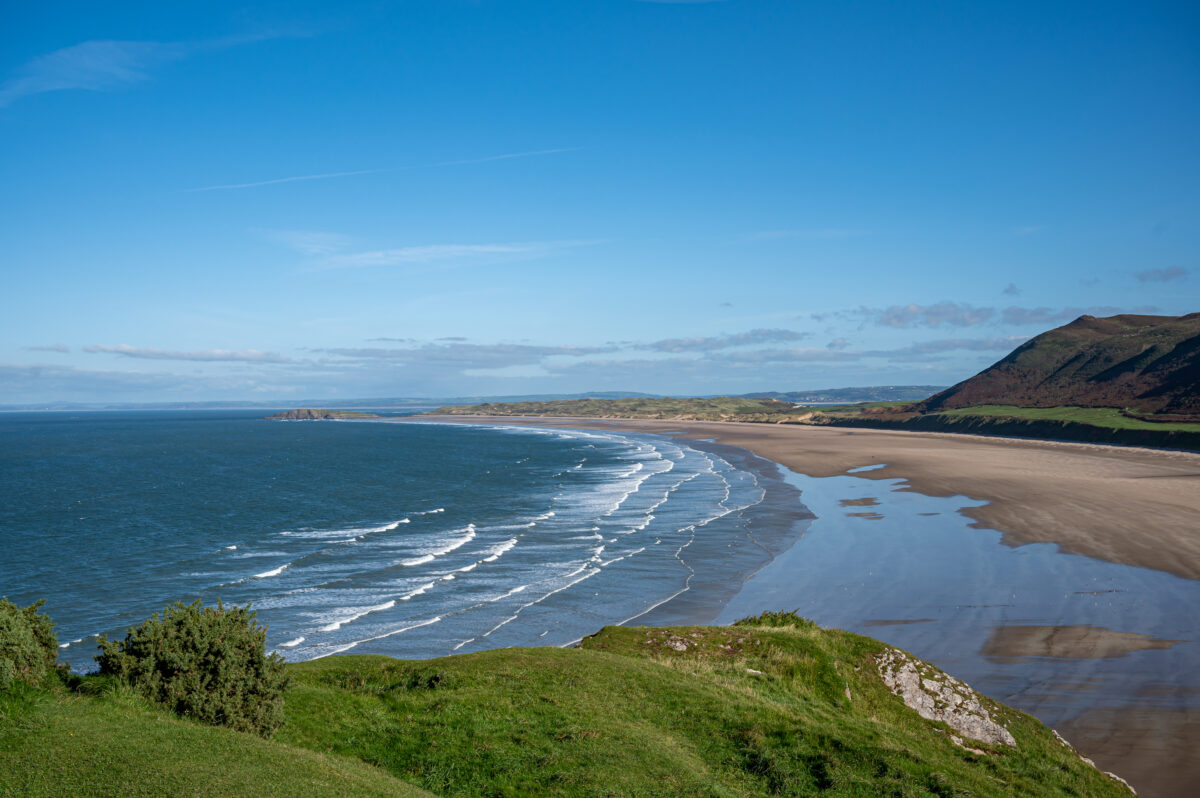
Rhossili Bay, Gower Peninsula
If there’s one beach on this list that recalibrates what you think a beach can be, it’s Rhossili Bay. The first time I stood at the viewpoint and looked down over the curve of sand, I remember feeling momentarily quieted by it. The scale is immense.
The bay stretches on for miles, framed by cliffs and open Atlantic skies, and it feels powerful in a way that’s hard to put into words.
This is not a beach for popping down with a towel and a quick dip. It’s a beach for walking, for letting the weather do its thing, for watching the tide pull back and reveal details you didn’t notice on the way in. At low tide, the remains of the Helvetia shipwreck emerge from the sand, a reminder of how raw and changeable this coastline really is.
Wind is almost always part of the experience here, but it only adds to the drama. I’ve been on calm, sunlit days and on blustery ones where the air feels electric, and both felt equally right. Rhossili doesn’t ask you to relax. It asks you to pay attention. And once you’ve been, it has a habit of ruining other beaches for you.
What to Know Before Visiting Northern Beaches
A quick caveat: Northern beaches reward a slightly different mindset to their southern counterparts!
Timing matters, but flexibility matters more. Late May through September offers the best balance of light, warmth, and access, although some of my favourite days have been in early spring and early autumn when the beaches feel almost entirely empty. Shoulder season is where the magic often lives.
Tides play a huge role here. At low tide, beaches can stretch seemingly forever, revealing sandbars, rock pools, and long walking routes that disappear again a few hours later. It’s always worth checking tide times before you go, especially if you’re planning a long walk or visiting a more rugged stretch of coast.
Wind is part of the experience rather than something to fight against. A good jacket, layers, and sturdy shoes will get you far. The water is cold year-round, but there’s a strong wild swimming culture if you’re prepared. Facilities vary wildly too. Some beaches come with cafés and bathrooms, others come with nothing but sky and sea. That contrast is exactly the point.