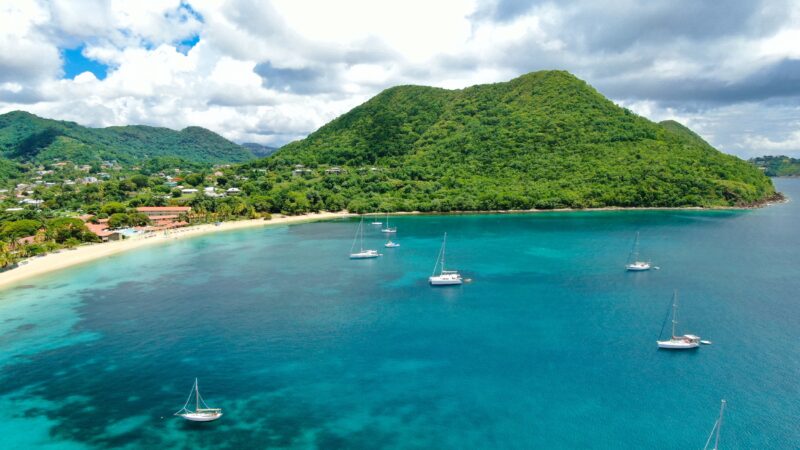

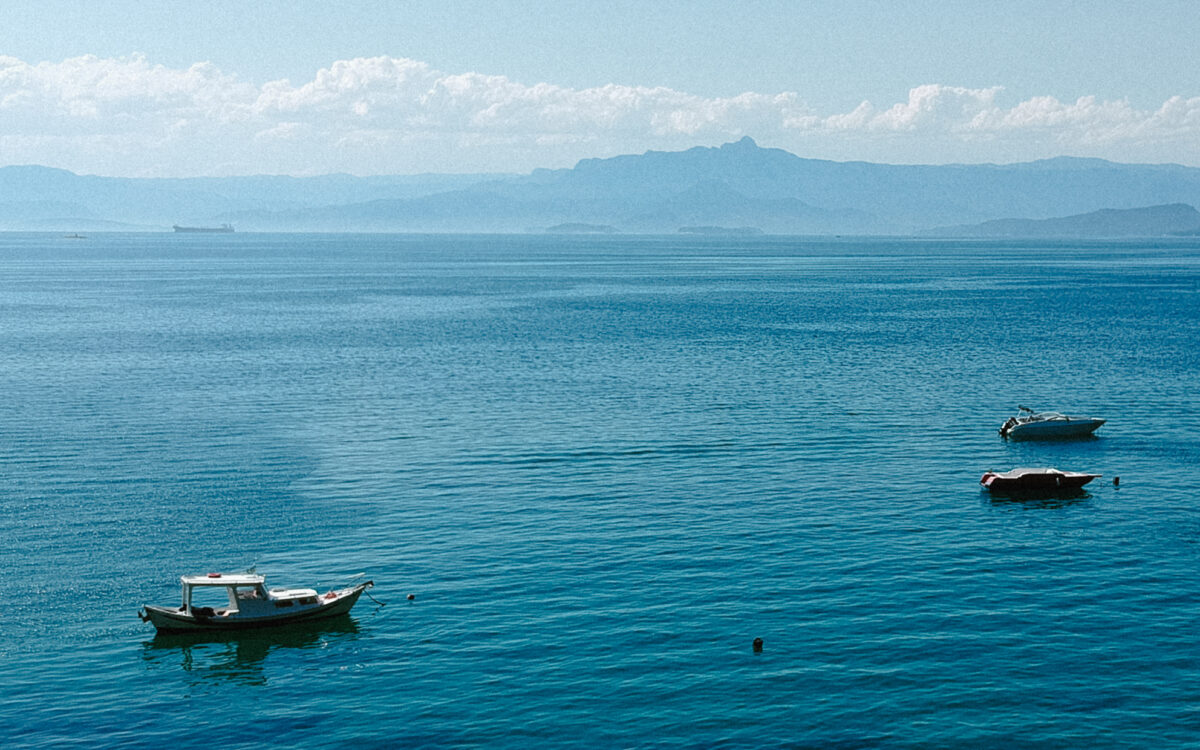
If you take a car and head about two hours west of Rio de Janeiro along the coast, then hop on a speedboat, you’ll arrive on a mountainous island draped in green—something that feels straight out of a Jurassic Park movie. As soon as you leave the mainland, the forest-covered mountains in the distance start growing in size. The boat jumps up and down, shaken by the waves that seem to grow equally in size. And the water turns impossibly blue.
Soon you arrive in Ilha Grande, whose name translates to “Big Island.” Stepping onto this island feels like hitting a reset button: there are no cars, the roads are unpaved, and there’s no real agenda beyond beaches and whatever the weather allows that day. This three-day itinerary is for travelers who want to escape the city of Rio without going too far.
What to Know Before Going
Ilha Grande is easy to reach, making it one of the most common weekend getaways for locals and visitors alike in Rio. But there are a few things you should know before you visit.
To start, the weather in Ilha Grande is unpredictable at best, and rain is, unfortunately, part of the experience. It rains more during the summer months, from October to March, while the weather becomes more stable—and the island less crowded—from April to September. Often in the summer, the days start sunny with rain rolling in later in the afternoon, meaning you’ll still get enough sunshine to explore the island.
Vila do Abraão is the best base for most visitors. It’s where you’ll arrive by boat, and also from where most tours depart. There are nicer and more secluded beaches to stay in throughout the island, but they’re harder to access and often have little to no infrastructure.
Keep in mind that there are no cars on Ilha Grande. Everything is done on foot in Abraão, while beaches farther away can be reached by boat or hiking trails. There are also no ATMs on the island. Most places accept cards, but carrying some cash helps, especially for negotiating boat trips. My final tip: Don’t forget your insect repellent, and make sure your yellow fever vaccine is up to date.
How to Get to Ilha Grande From Rio de Janeiro
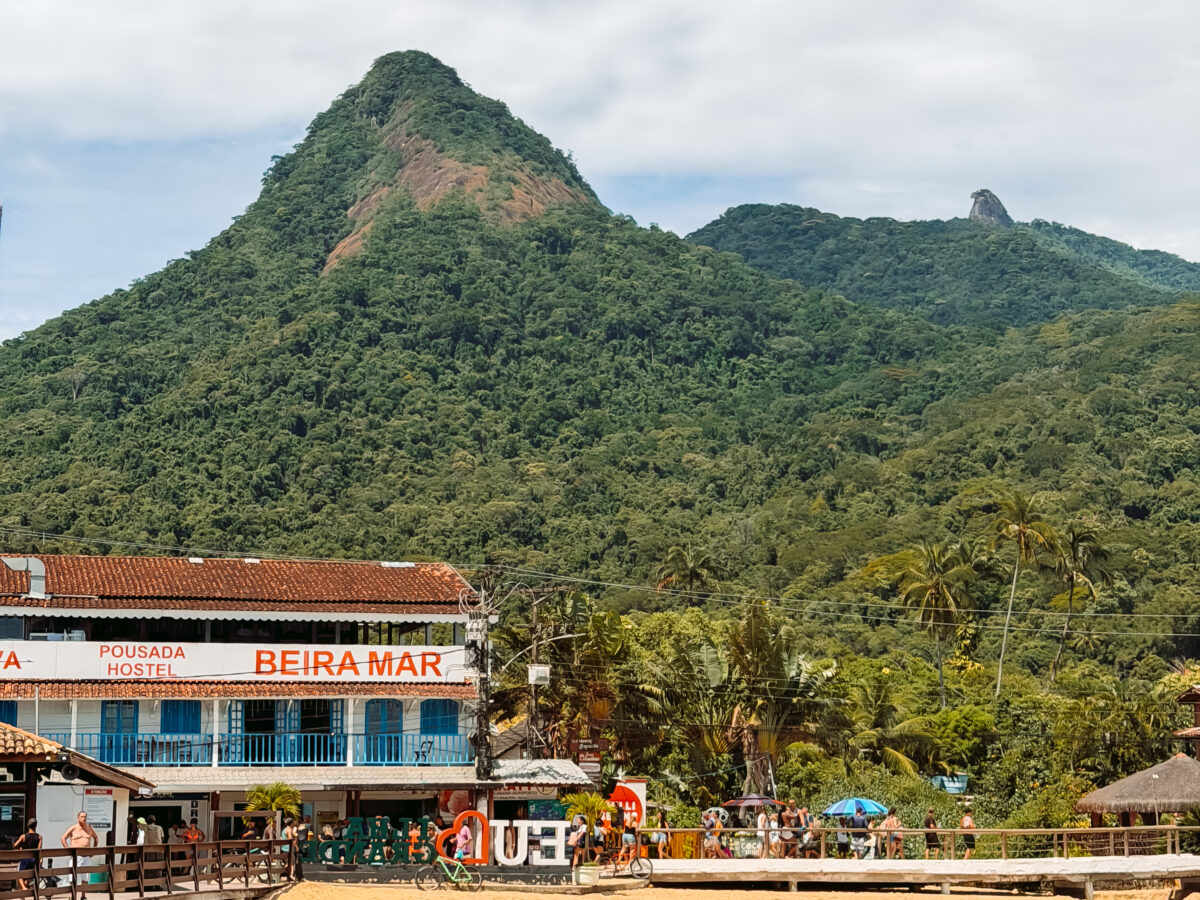
Getting to Ilha Grande from Rio de Janeiro is quite simple. First, you’ll need to drive to Conceição de Jacareí in the town of Mangaratiba, and from there you’ll take a speedboat over to the island.
To get to Conceição de Jacareí, you can either rent a car, take an Uber, or book a transfer with an operator like Top Transfer. During my most recent visit, I chose the third option since I was traveling solo. The shared van picked me up in Copacabana in the morning and dropped me off at the port within 2 hours. The boat crossing to Ilha Grande was included in my transfer price, making the journey quick and efficient.
If you’re taking an Uber, you can book your speedboat separately online or at the port when you arrive. The fast boats run multiple times a day, and the crossing takes about 20 minutes. The public ferry is a cheaper but slower option with limited hours of operation.
The boats all travel to Vila do Abraão, the main village on the island, where you’ll find the biggest selection of hotels, bars, and restaurants.
How to Spend 3 Days in Ilha Grande
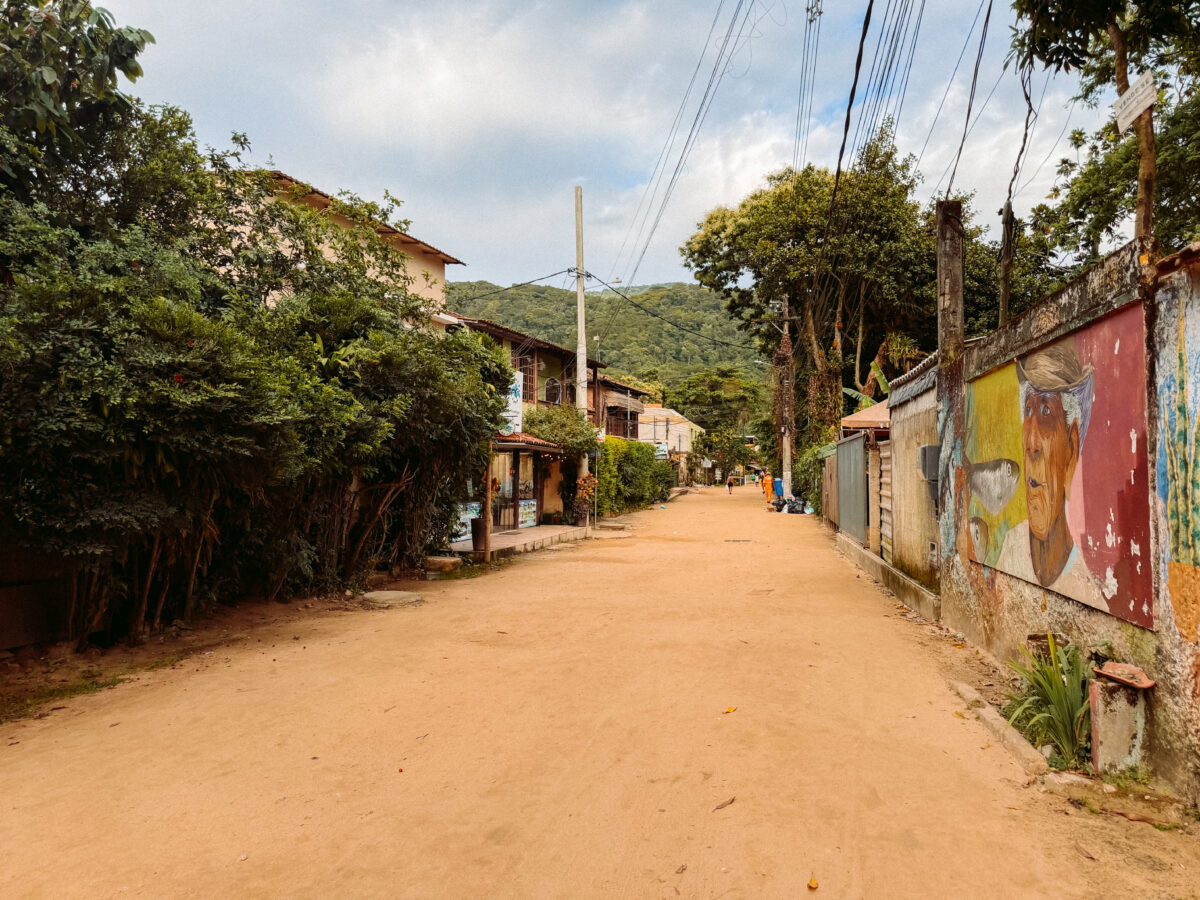
While you can find a couple of luxurious stays here and there, Ilha Grande is very much laidback. A trip here is more about being barefoot and in touch with nature than anything else. I’ve been to Ilha Grande three times over the past five years, and I pretty much always follow this exact itinerary. And yes, I’ll return for a fourth and fifth time around!
Day 1: Arrive and Explore Local Beaches
Day one starts in Vila do Abraão, the island’s main village. Check into your hotel or drop off your bags and start exploring. Walk through the sandy streets, slowly visiting the local shops selling artisanal jewellery and Brazilian beachwear.
Head over to the port area, and you’ll see plenty of plastic tables and chairs set up on the sand. Choose the one with the best view and order your first caipirinha, Brazil’s national drink made with cachaça, sugar, and lime.
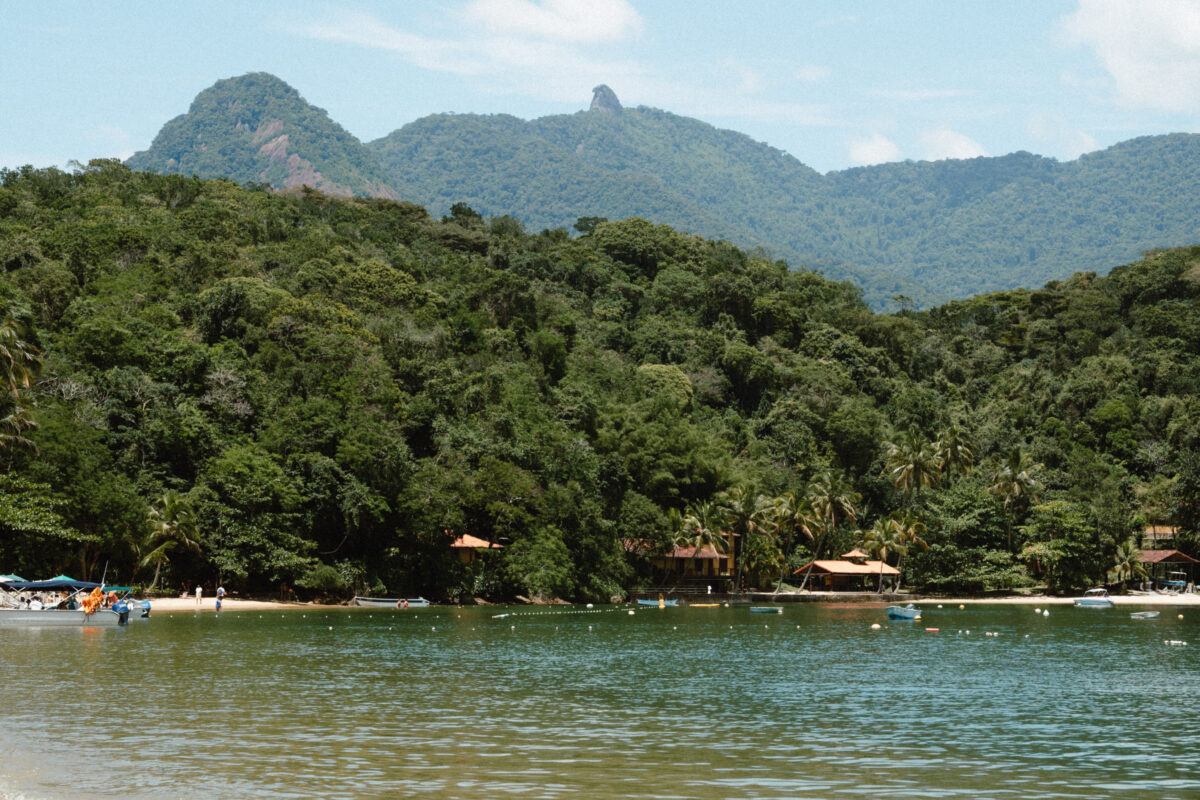
From there, walk to the far left end of the beach and follow the path to Praia Preta, the closest beach to the village. Its sand is darker, almost golden-black, due to natural mineral deposits. The water here is often crystal-clear, and it’s a quieter alternative to the main village beach.
Nearby, you’ll also find the ruins of the old Lazareto, which used to be a quarantine hospital and prison. There are no beach bars or kiosks here, which makes it an especially peaceful spot. One small detail worth noting: the river that meets the ocean here forms a natural freshwater pool where you can swim.
End the day at Praia da Júlia, a fun and social beach at the other end of the village. Grab some food at the beach bar and stay for sunset. The spot is also known for live music and parties later in the evening.
Day 2: Boat Tour
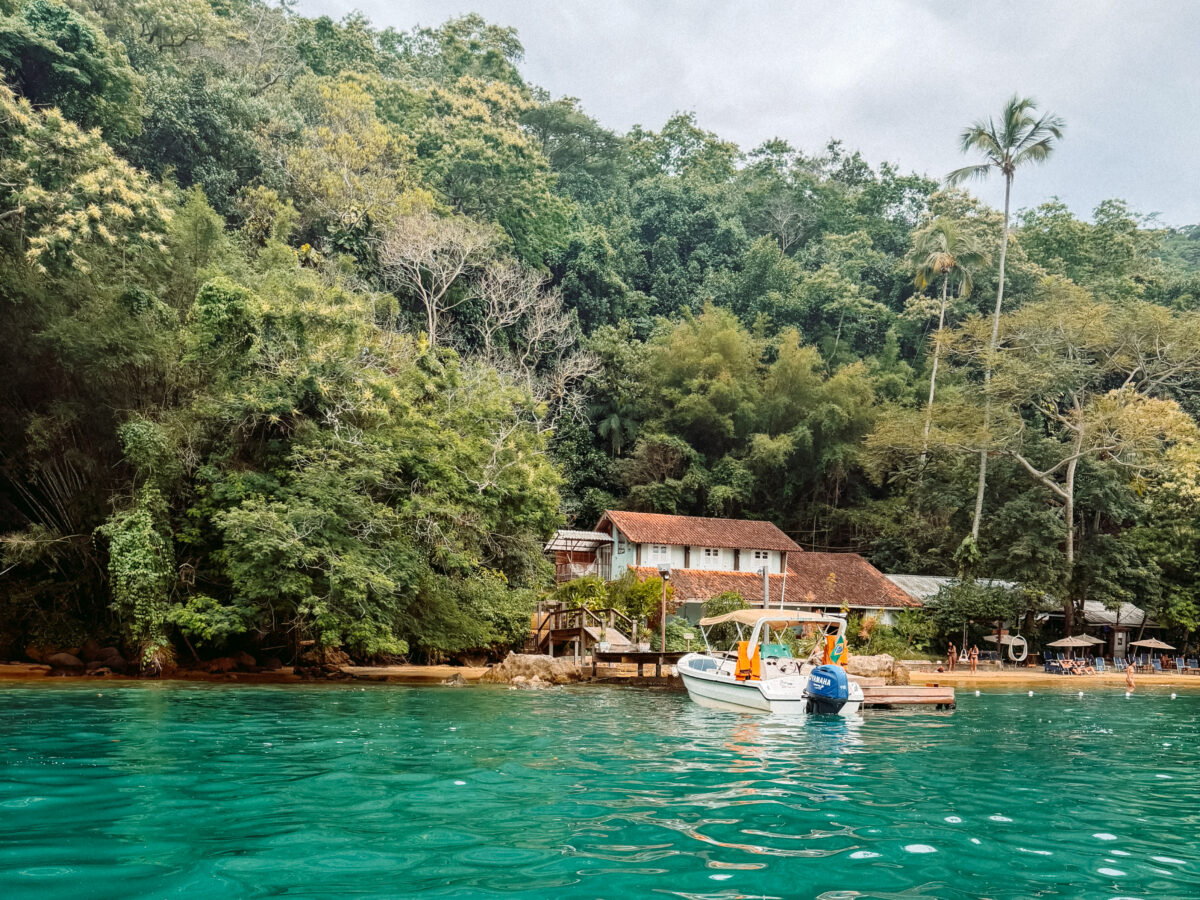
A boat tour is the best way to see Ilha Grande’s most beautiful beaches. There are several classic routes, including Meia Volta (half-island tour), Volta à Ilha (full-island tour), and Ilhas Paradisíacas (a tour that visits smaller nearby islands). You’ll visit several beaches and stop at a local waterfront restaurant for lunch. Each route varies slightly depending on sea conditions, but all offer an excellent overview of the island.
If possible, book a private or semi-private boat and request an early departure, around 8 a.m. The beaches get very crowded during high season, so if you can get out before the rest of the tour boats, you’ll have a more peaceful experience. The tours typically last all day—here are a few of the best beaches they stop at:
- Lagoa Azul: One of the island’s most famous snorkeling spots, with clear, calm water and a lot of colorful fish.
- Lagoa Verde: Similar to Lagoa Azul, but often less crowded and equally suitable for snorkeling.
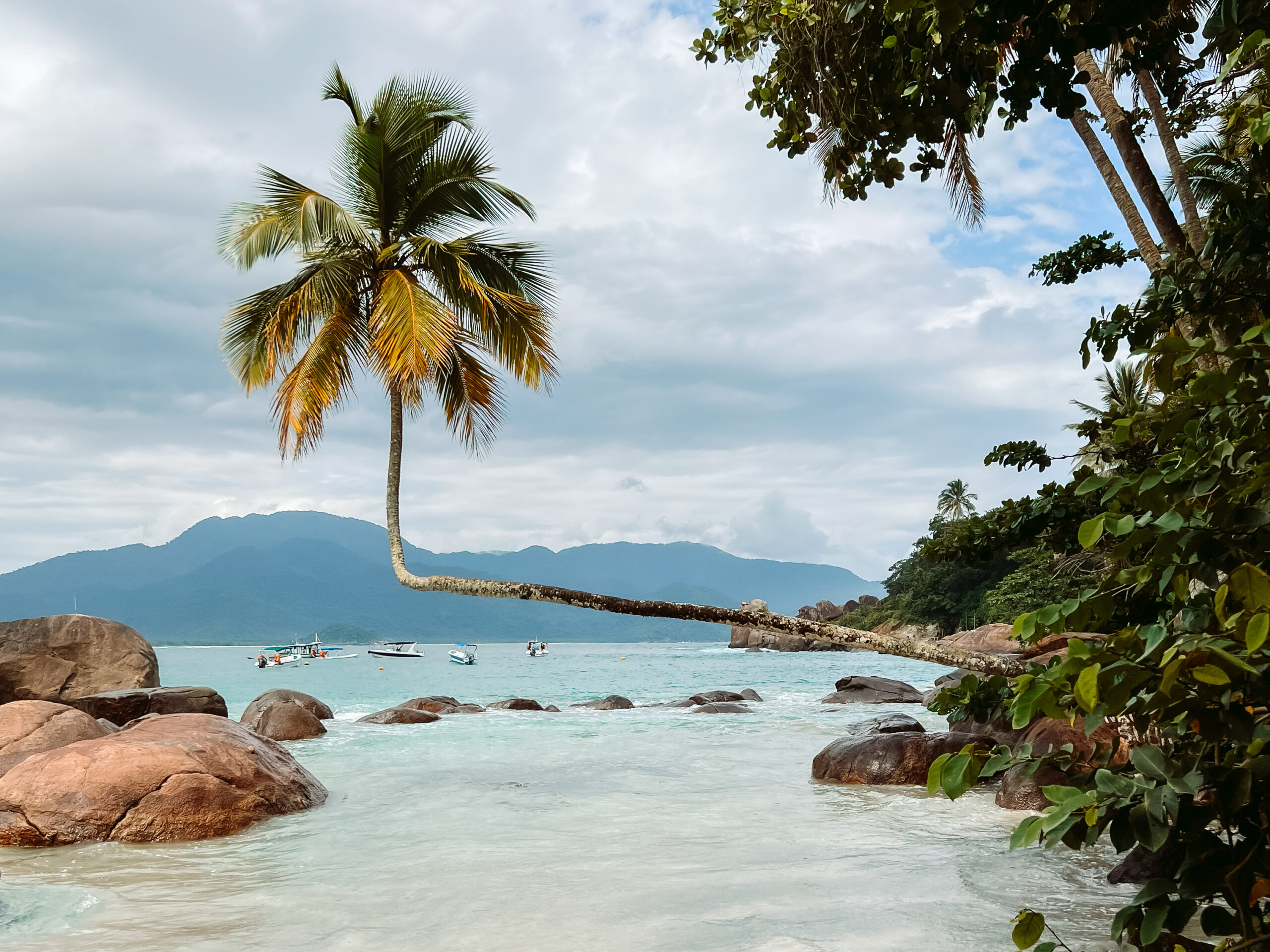
- Praia do Aventureiro: A remote beach known for its iconic leaning palm tree and wild, untouched feel. It’s my personal favorite.
- Cachadaço: Famous for its natural pools formed by rocks, ideal for swimming and snorkeling.
- Parnaioca: A long, secluded beach backed by rainforest, with a river meeting the sea.
- Praia dos Meros: Clear waters and excellent visibility for snorkeling.
- Ilhas Botinas: Two small islands with emerald water, often considered some of the prettiest stops in the region.
- Praia do Dentista: A favorite on the Ilhas Paradisíacas route, known for its turquoise water and white sand.
Back in Abraão, keep dinner simple. Banana da Terra is a very homey, local restaurant with deep roots on the island. For something casual by the beach, Steak n’ Beach is another solid option, especially their affordable fish dishes. I enjoyed my dinner at Las Sorrentinas during my last visit; it serves only one dish: sorrentinos, a large, deliciously chewy Argentine ravioli.
Day 3: Lopes Mendes (or a Slower Alternative)
I have two suggestions for your third day on the island.
The first is to grab a taxi boat to Lopes Mendes Beach, one of the island’s most famous. It’s a long stretch of sand backed by green forest, with absolutely no infrastructure. There are consistent waves for surfers, while the left side of the beach is calmer and better for swimming. It’s one of the most affordable and rewarding experiences on the island, and you’ll still be back in time to pack and catch your return boat.
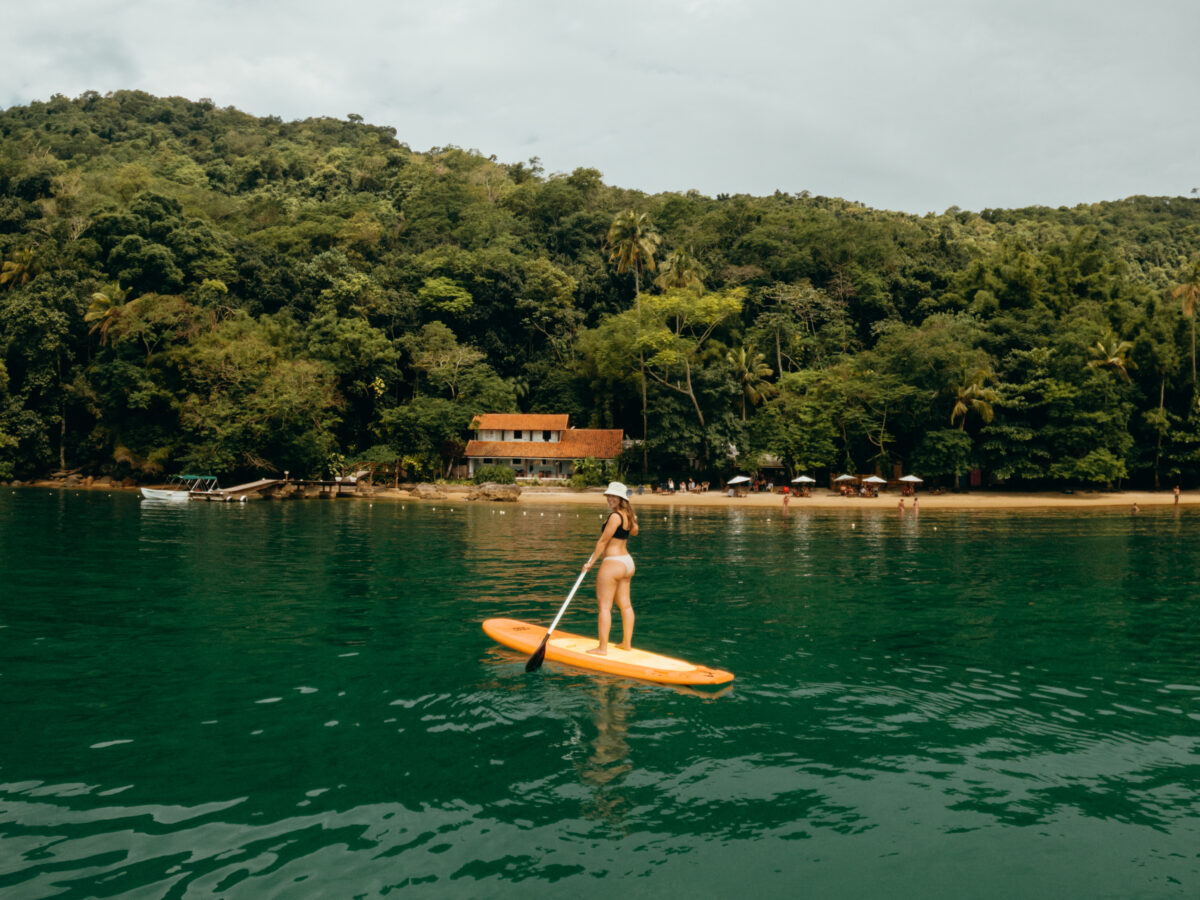
If you’re craving something quieter, consider Abraãozinho instead. It’s a smaller beach, just a 5-minute boat ride away from the main village. My favorite spot there is in front of Bonito Paraíso, a boutique hotel property with its own restaurant and beach bar. I’ve actually stayed at the hotel twice, and both times had a lovely experience. There are waterfront bungalows and more rooms up the hill in the jungle, making it the ideal place to escape the bustle of the main town center and completely disconnect.
Even if you’re not a guest, you can still grab a lounge chair in front of the bar and order food and drinks from the hotel. It’s a wonderful way to spend your last few hours on the island.
Where to stay
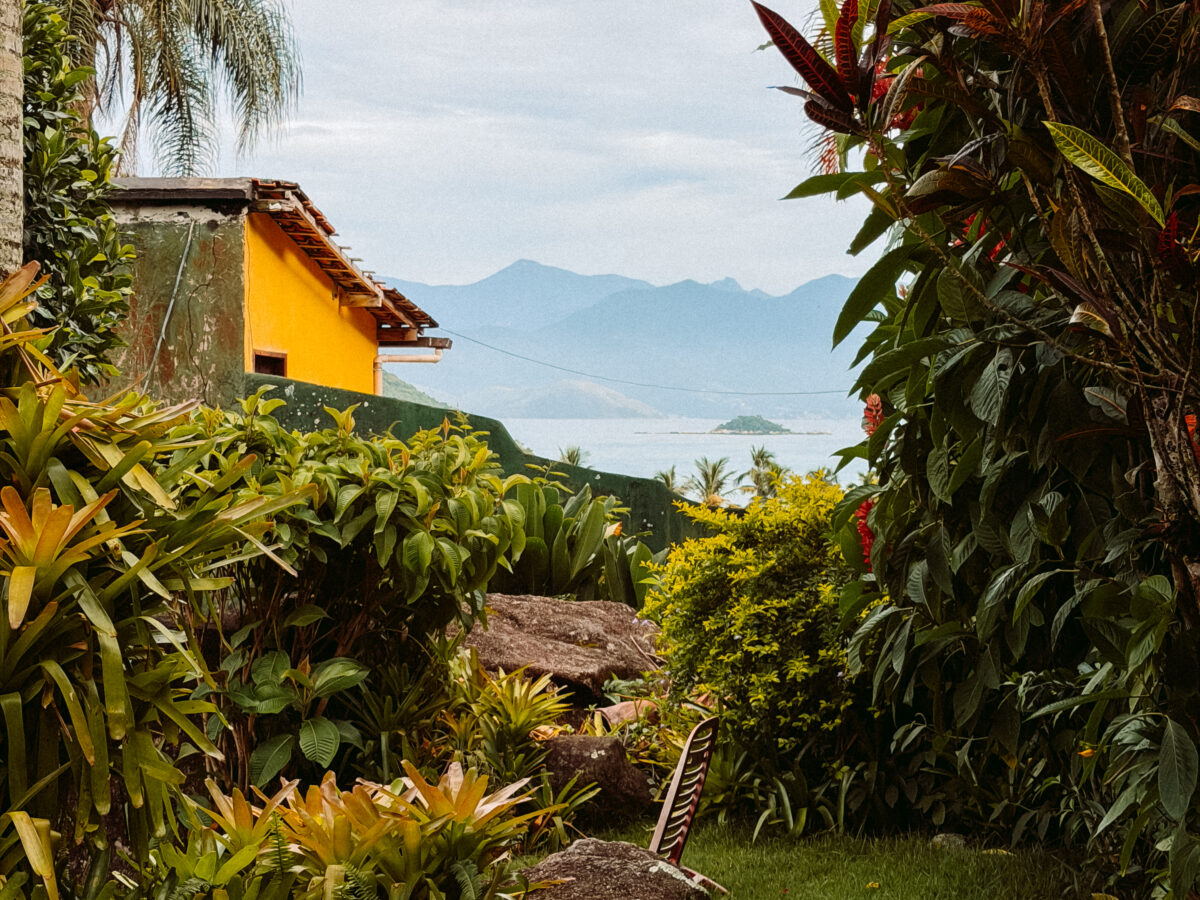
Pousada Naturalia: A quiet stay just outside Vila do Abraão, with rustic rooms, sea views, private terraces with hammocks, and breakfast included.
Pousada Casablanca: Centrally located near the main port beach, offering comfortable rooms, balconies, and a generous breakfast buffet with vegan and gluten-free options.
Pousada dos Meros: A family-friendly option within walking distance of the village center, with beachy rooms, on-site restaurant, and private balconies with hammocks.
Bonito Paraíso: A secluded eco-lodge on Abraãozinho beach with its own bar and restaurant on site.