
Portugal’s coastline is legendary for golden beaches, dramatic cliffs, and charming seaside towns.
From the rugged cliffs of the Alentejo to hidden fishing villages in the north, these towns offer stunning beaches, fresh seafood, and a taste of authentic Portuguese life.
Vila Nova de Milfontes
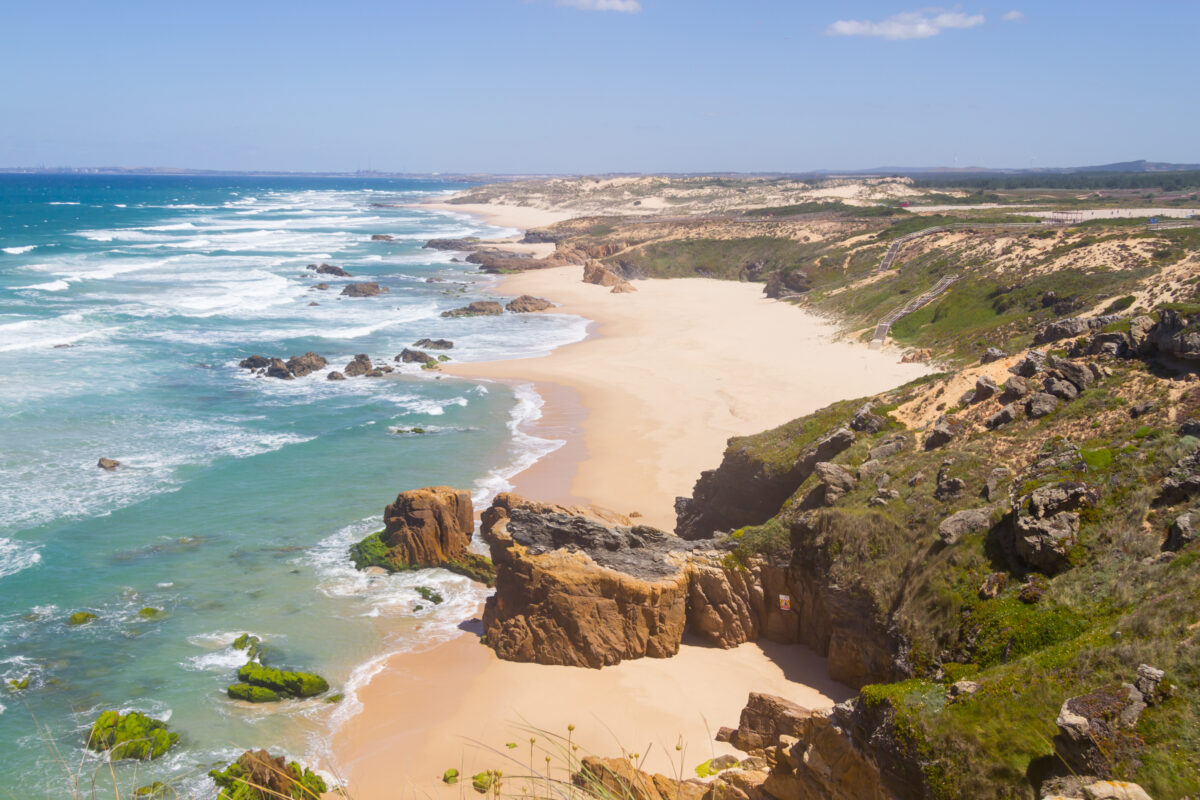
The Mira River runs into the Atlantic here, and the town sits right at that junction, which means you get the wild ocean on one side and calm estuary water on the other. When the Atlantic is too rough to swim, Praia da Franquia on the river side stays sheltered and calm. When you want waves, Malhão beach is a short ride north.
The whole area falls within the protected Southwest Alentejo and Vicentine Coast Natural Par, so the coastline around it stays wild. The old ivy-covered Forte de São Clemente at the river mouth was built in 1599 to defend the town from Barbary pirates. The small tascas near the waterfront are the move for dinner: clams in white wine and garlic, grilled fish, and strong local wine. This is also one of those places where the Portuguese themselves go on holiday, which is usually a reliable signal.
Zambujeira do Mar
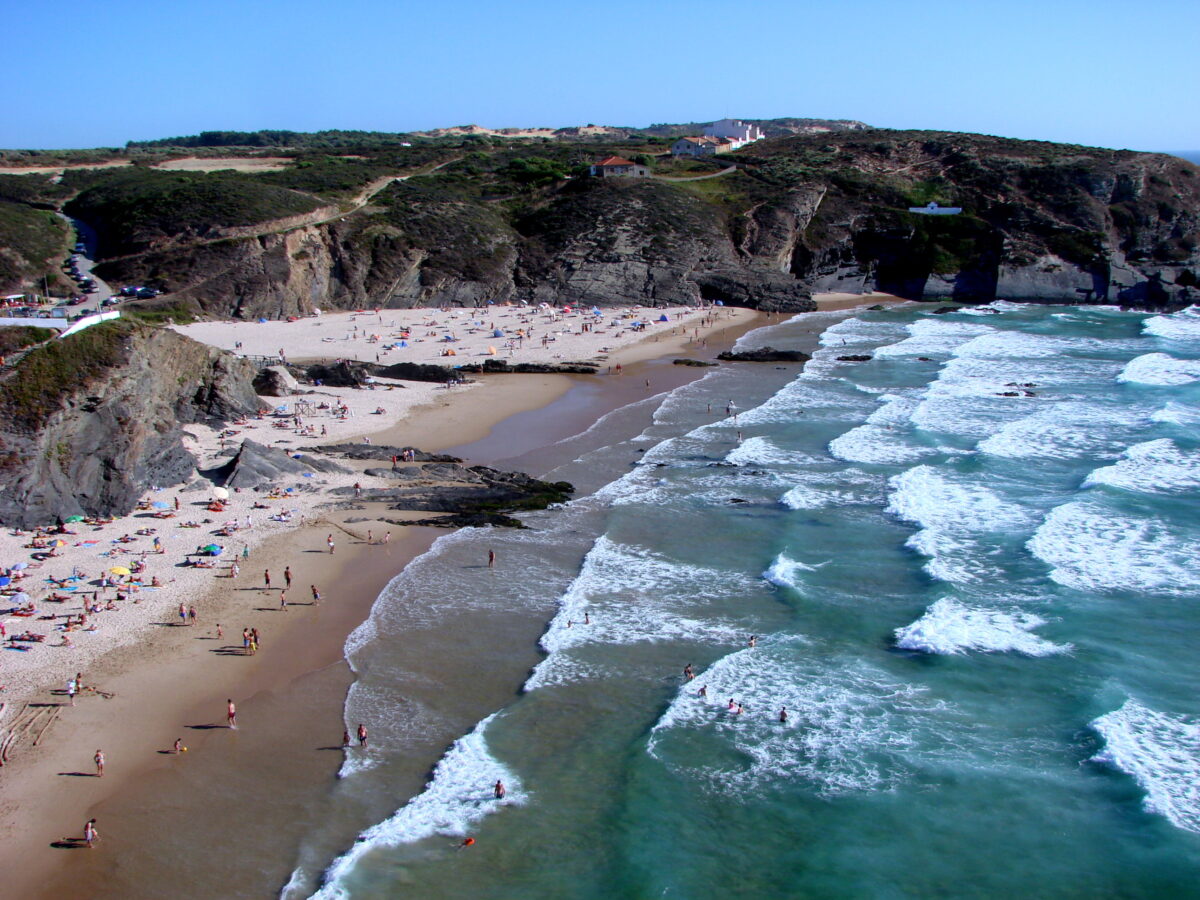
Atop cliffs with sweeping Atlantic views, Zambujeira do Mar is dramatic yet intimate. Its whitewashed houses, quiet streets, and cozy cafés create a slow, relaxed vibe. Below the cliffs, Praia do Carvalhal and Praia dos Alteirinhos are often empty even in high season, perfect for a private beach day.
Seafood is a highlight here, from grilled fish to hearty stews brimming with shrimp, clams, and fresh vegetables. Dining at a cliffside restaurant with the sun setting over the ocean is an experience you won’t forget. Trails along the cliffs and coastal paths connect hidden coves, ideal for hiking, photography, and a little adventure before heading back to town for dinner.
Zambujeira also hosts small summer festivals, drawing locals more than tourists, so it maintains a quiet charm and authentic Portuguese energy outside festival days.
Porto Covo
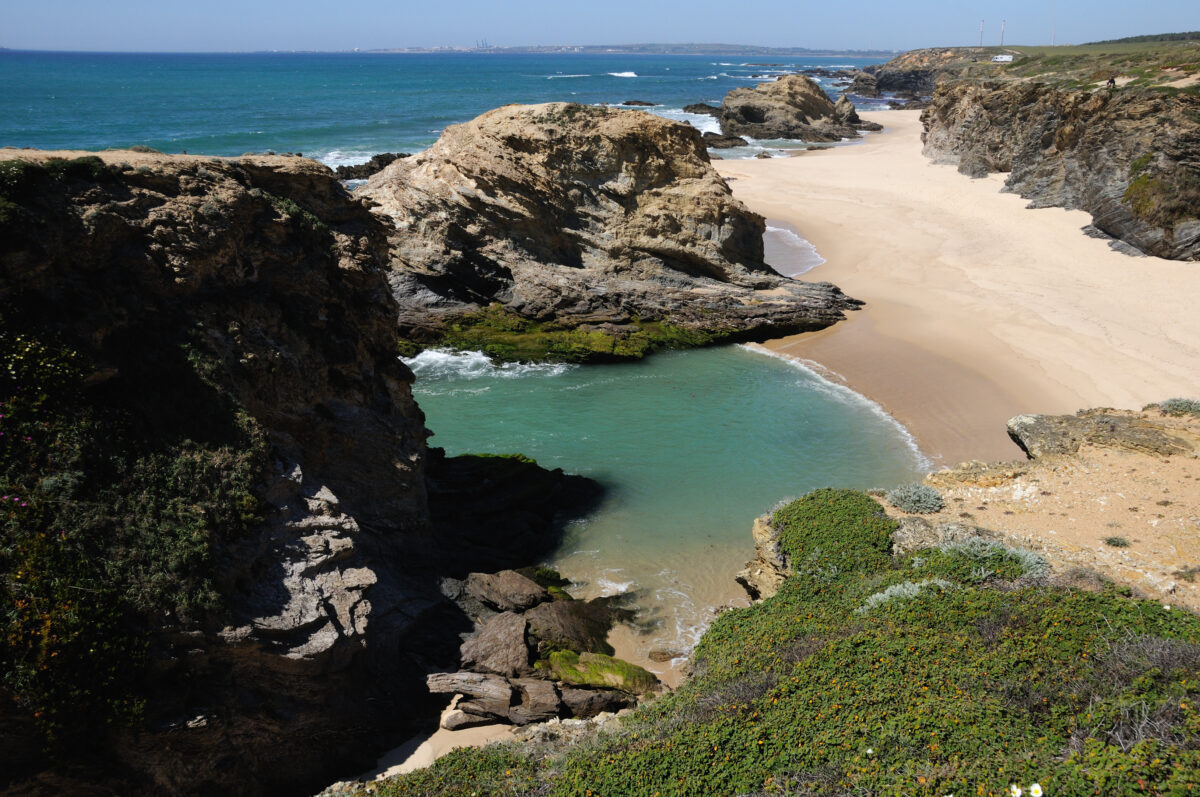
Small enough to feel too quiet for some (but that’s kind of the point). The harbor has colorful boats, the streets are cobbled and narrow, and Praia dos Buizinhos is excellent for a morning swim before anyone else arrives. From here you can kayak along the Costa Vicentina cliffs and feel like you’re in the middle of nowhere.
The town also connects to the Rota Vicentina hiking trail network, one of the finest coastal walking routes in Europe. If you have a couple of days and good shoes, sections of it are unforgettable. Evenings are for clams in olive oil and whatever the local restaurant recommends.
São Torpes
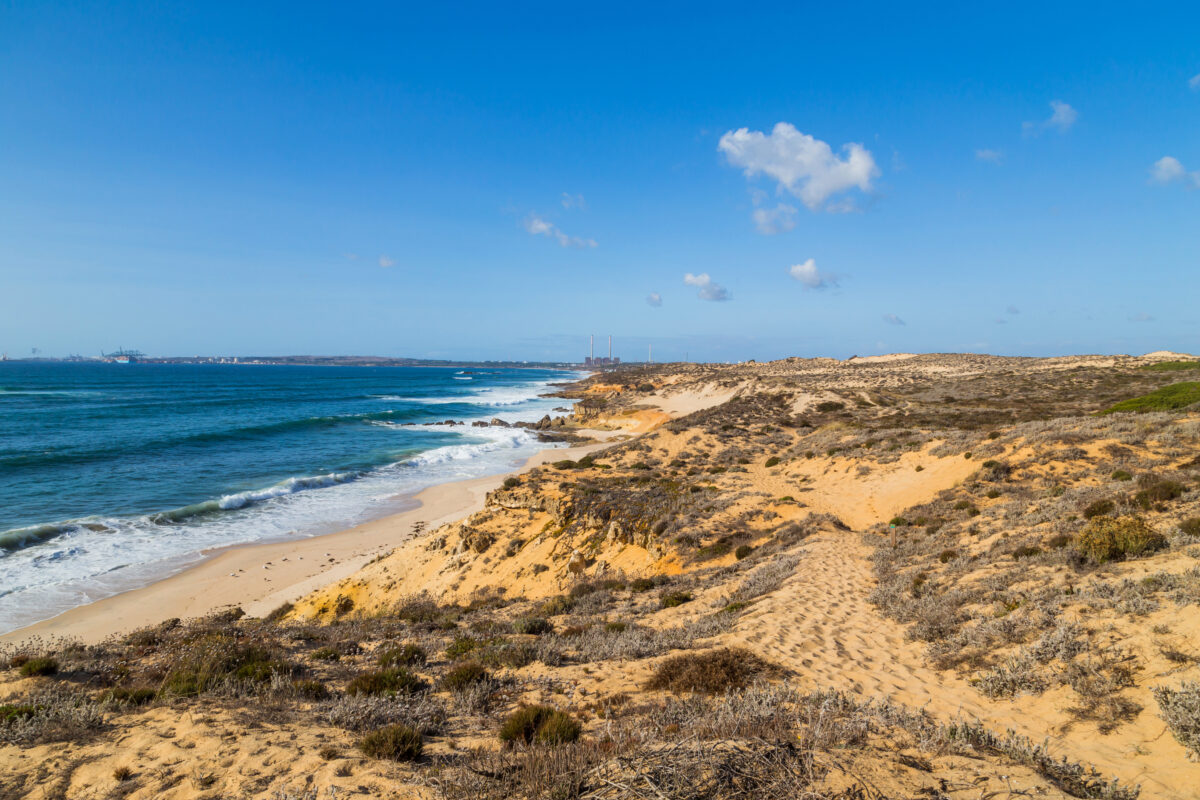
Famous for its long sandy beach and gentle waves, São Torpes is understated but welcoming. Low-rise houses, small cafés, and a few surf schools give the town a relaxed vibe. Early morning walks along the sand are peaceful, and the beach is wide enough for a game of beach volleyball or a jog.
Surfing is beginner-friendly here, with manageable waves and plenty of local instructors. Small beach bars serve drinks for sunset views, and dunes and wildflower fields nearby offer quiet escapes from the coastline.
Viana do Castelo
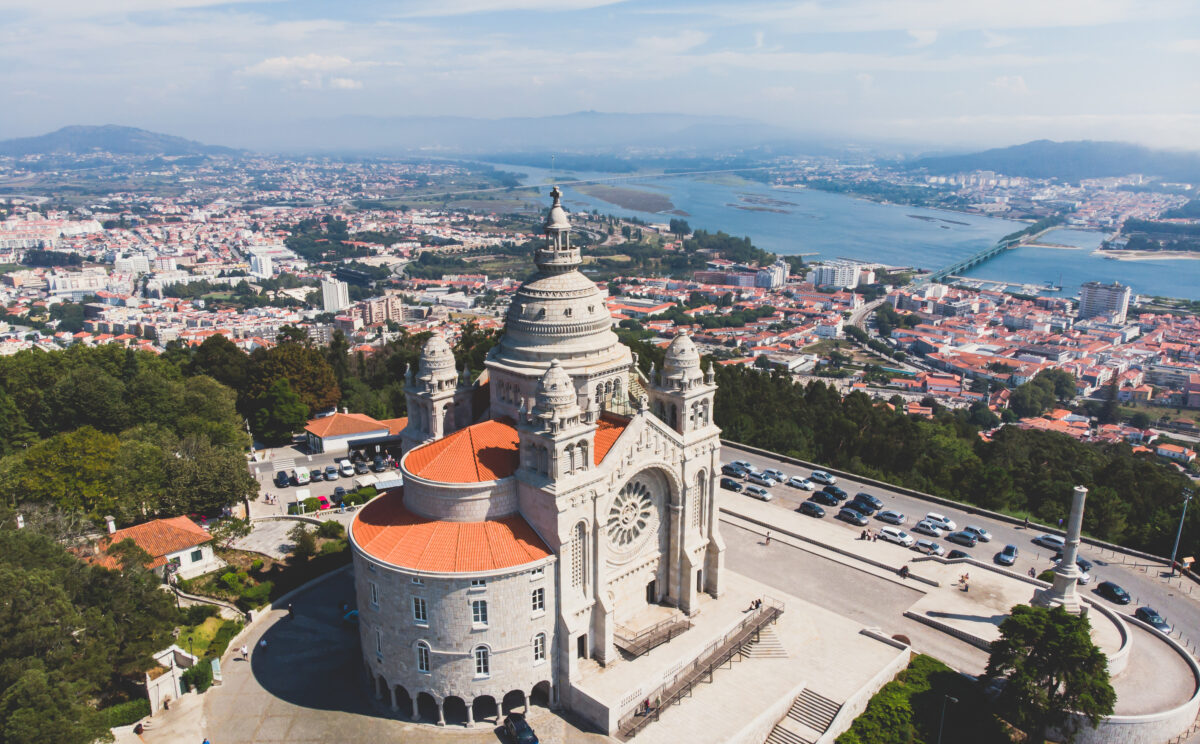
Most people drive straight through on the way to or from Galicia. That’s a mistake. The old town is really quite beautiful with elegant squares and 19th-century architecture that’s been well looked after. Praia do Cabedelo is across the Lima River (a short ferry from the pier near Praça da Liberdade), wide, golden, and popular with kitesurfers. Climb to the Santa Luzia Sanctuary at golden hour for panoramic views over the city and the Atlantic as it’s one of the better viewpoints in northern Portugal.
In August, the Festival of Nossa Senhora d’Agonia takes over the city, with religious processions both at sea and through the streets, folk dancing, traditional costumes, and fireworks launched from the old Eiffel-designed bridge (entirely worth timing a visit around).
Esposende
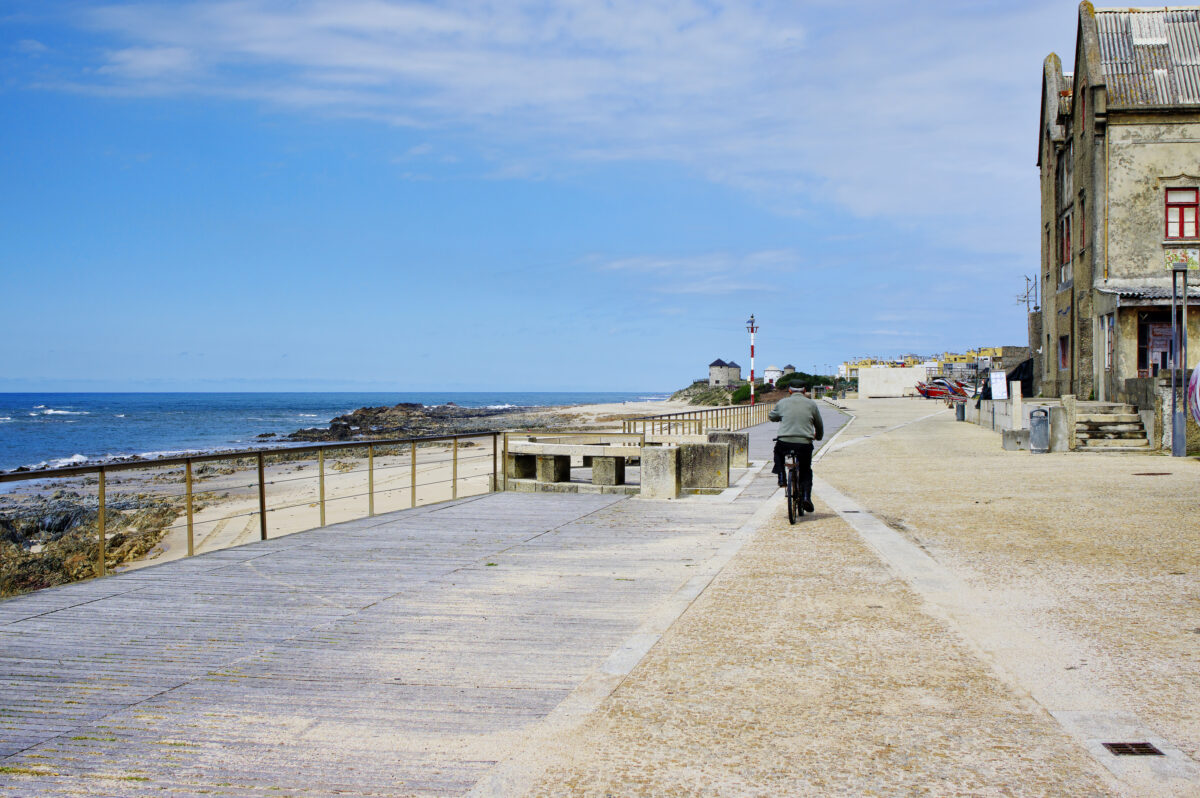
Long stretches of sand backed by pine forests, cycling paths, and essentially no posturing. It sits at the mouth of the Cávado River estuary, which gives it the same dual character as Milfontes: calm river swimming on one side, proper Atlantic beach on the other. The Esposende Natural Reserve is a good spot for watching migratory birds in spring. The perfect spot for a couple of days of doing very little, very intentionally.
Apúlia
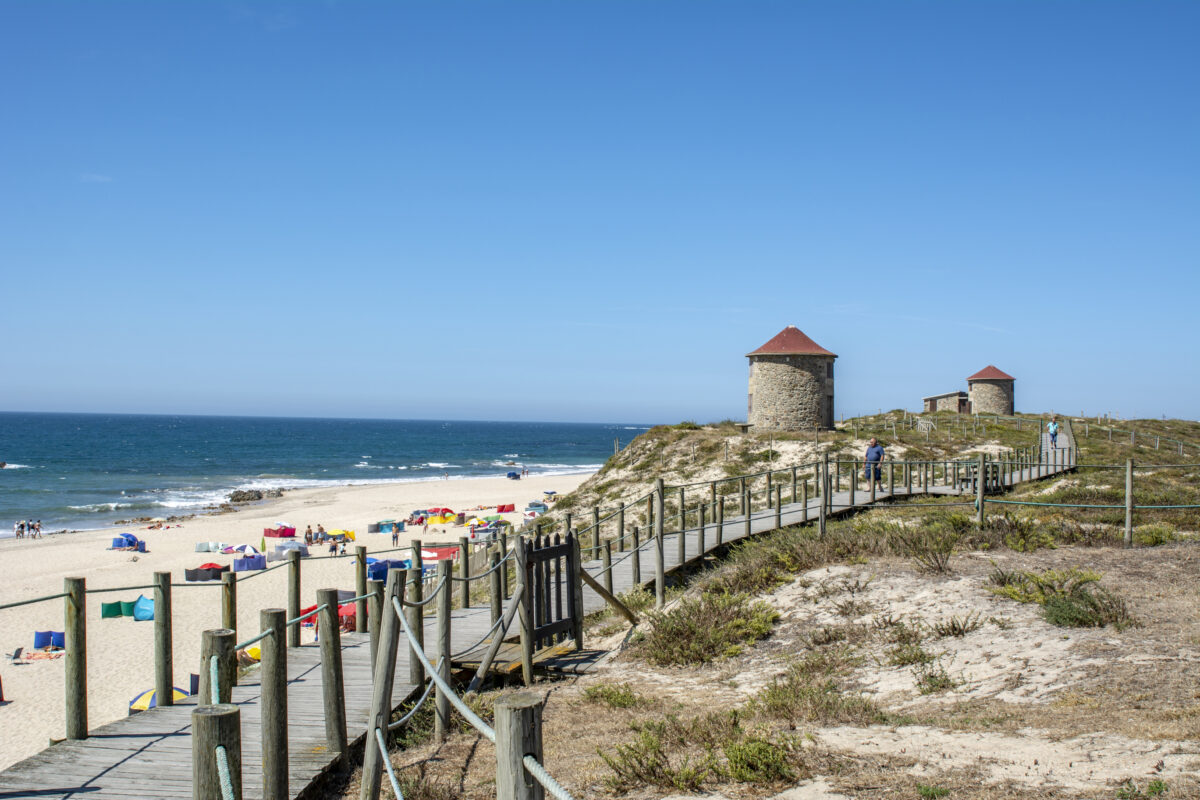
A tiny fishing village near Esposende with an unusual character known for its traditional windmills, some of which have been restored and are still operational, standing right on the coast with Atlantic views. The beaches are uncrowded, the tidal pools are worth exploring at low tide, and the seafood is excellent. You might have the sand entirely to yourself.
Cabo Mondego
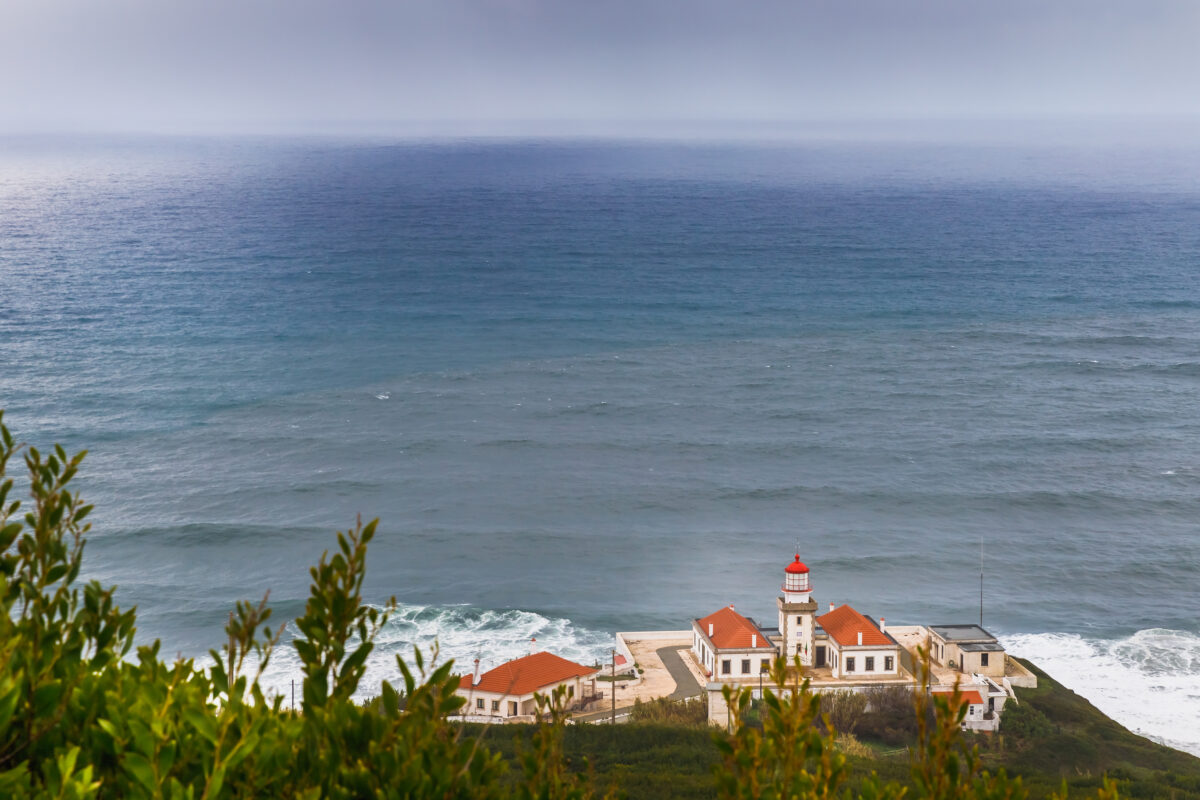
Not necessarily a town but more of a rugged cape near Figueira da Foz (though very much worth the stop). Jagged cliffs, dramatic Atlantic views, and a beach that’s consistently quieter than anything nearby. Good for a picnic, a long walk, and watching waves break against the rocks. A few small cafés are nearby. Cabo Mondego works well as a detour on a central coast road trip; the drive along the cape itself is scenic enough to justify it alone.
Odeceixe
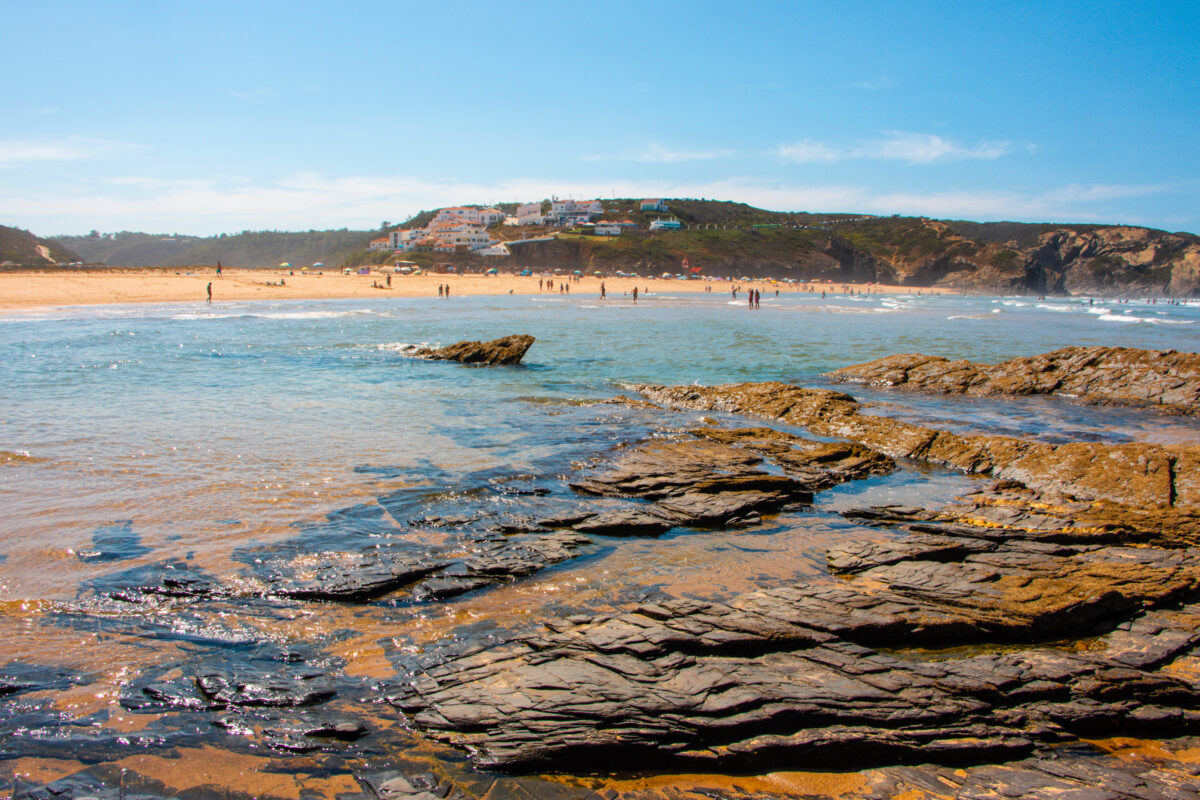
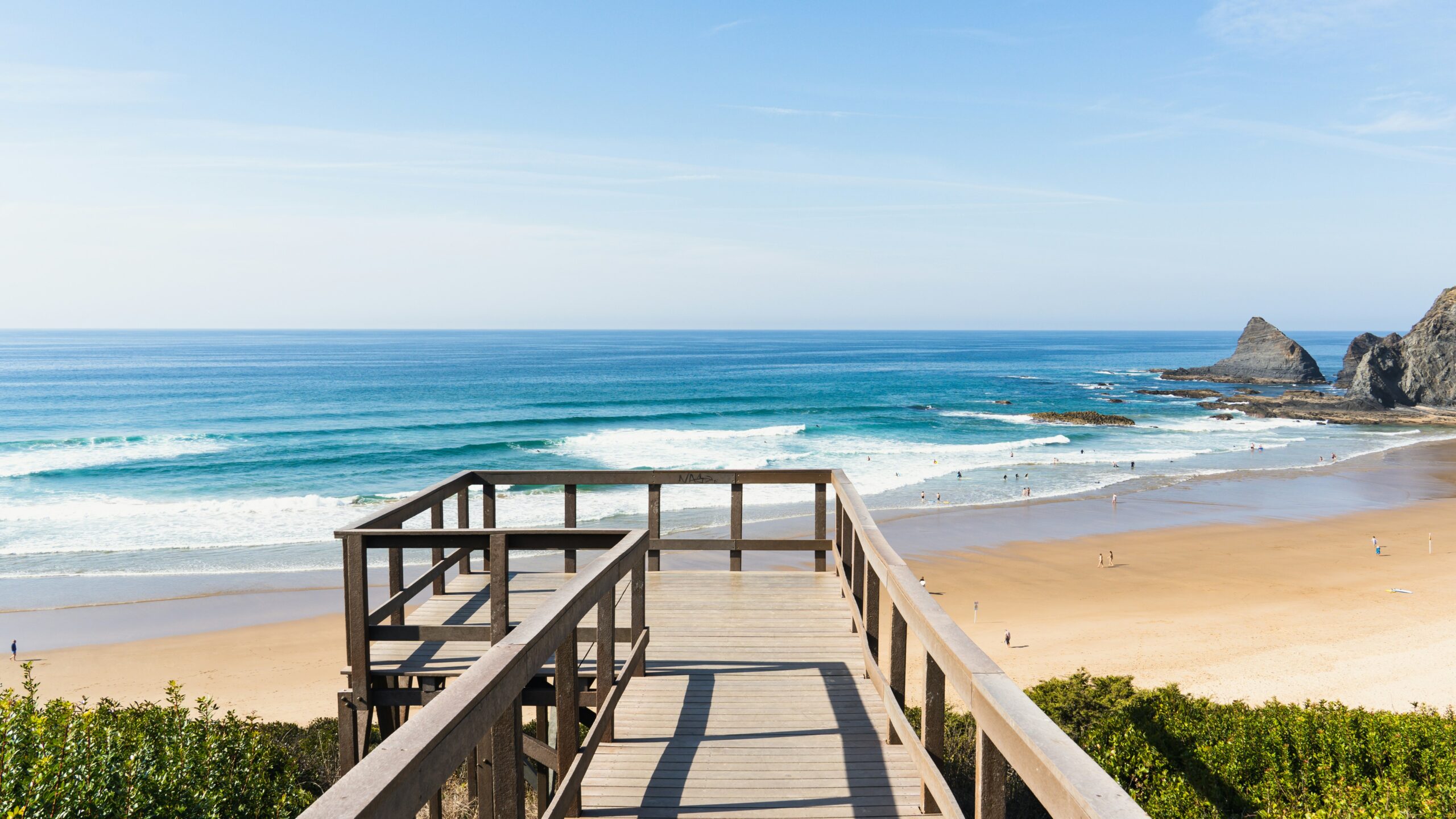
Where the Rio Odeceixe meets the ocean, creating a sheltered beach that’s close to perfect. The riverside is calm enough for kids; cross the sandbar, and you’ve got proper Atlantic surf. The village above is small and pretty with pastel houses, artisan shops, and good food.
You can paddleboard on the river mouth at low tide, when the sandbars appear. It sits right on the border between the Alentejo and the Algarve, which means it gets overlooked by visitors coming from either direction—which is your gain.
Calheta, Madeira
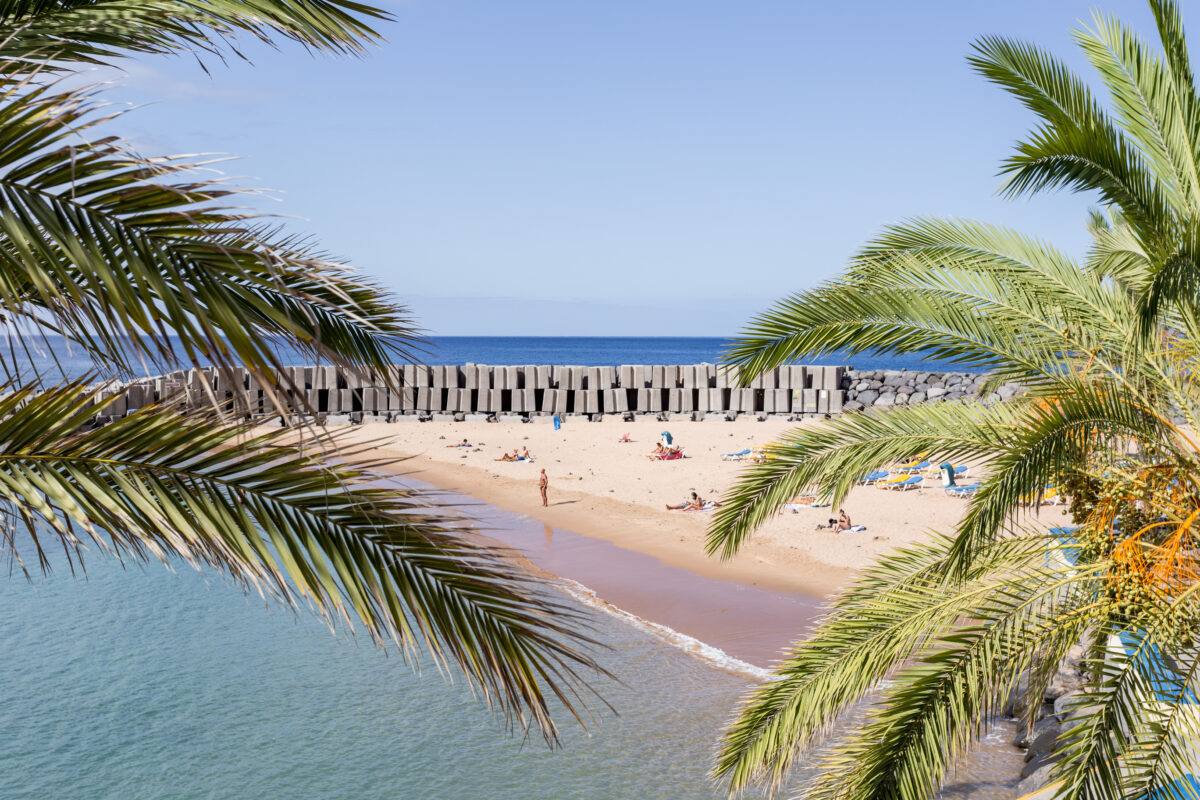
One of the few places on Madeira with golden sand (imported, but no less enjoyable). You can look forward to calm water, a relaxed promenade, and good grilled fish. A quiet contrast to busier Funchal, with cliffside hikes nearby for when you want to earn the afternoon swim.
Mosteiros, São Miguel, Azores
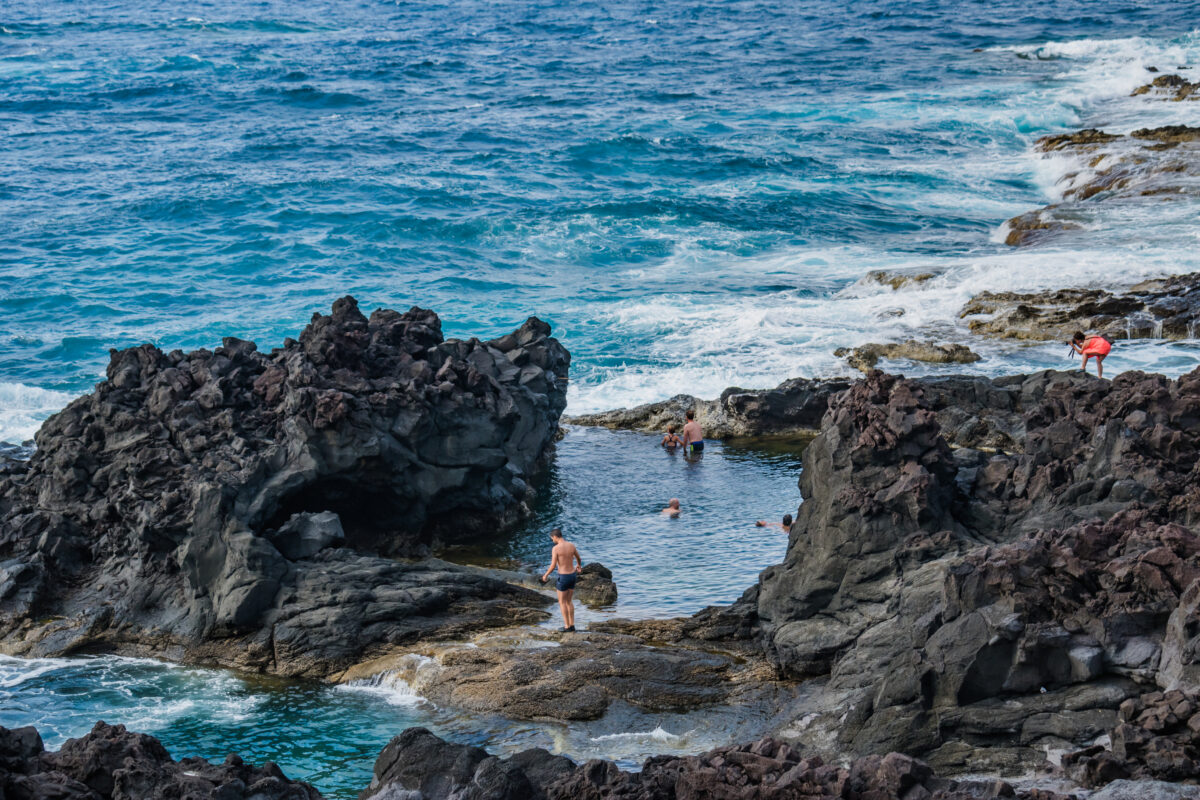
Mosteiros, São Miguel is something else entirely. The beach sits on the northwest coast of the island, framed by black volcanic sand, dramatic rock formations, and four distinctive islets rising from the sea—remnants of ancient eruptions. Natural swimming pools are carved into the lava flows along the shore, filled and refreshed by Atlantic waves rolling in over the rocks. The sunset here—dark rocks, four islets silhouetted against the sky, the Atlantic going orange—is one of the better ones in Portugal.
Aljezur
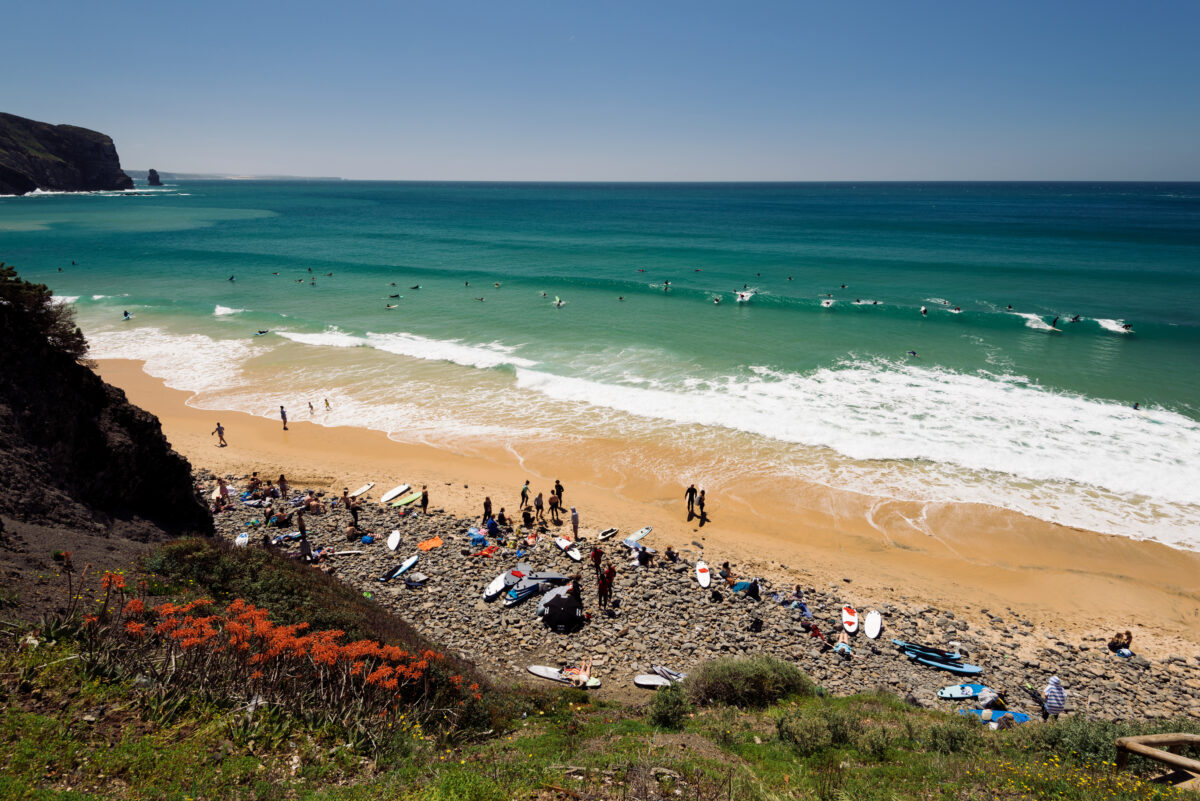
The Algarve’s west coast gets far less attention than the south, which means beaches like Praia da Amoreira and Praia de Arrifana stay uncrowded. Aljezur’s Moorish castle dates to the 10th century and sits on a hilltop above the old town, just a quick climb for a good view before heading to the coast. The surf is excellent here, attracting serious wave-chasers from across Europe, and the cliffs at sunset are every bit as dramatic as anything further east, with a fraction of the crowd.
Vila do Bispo
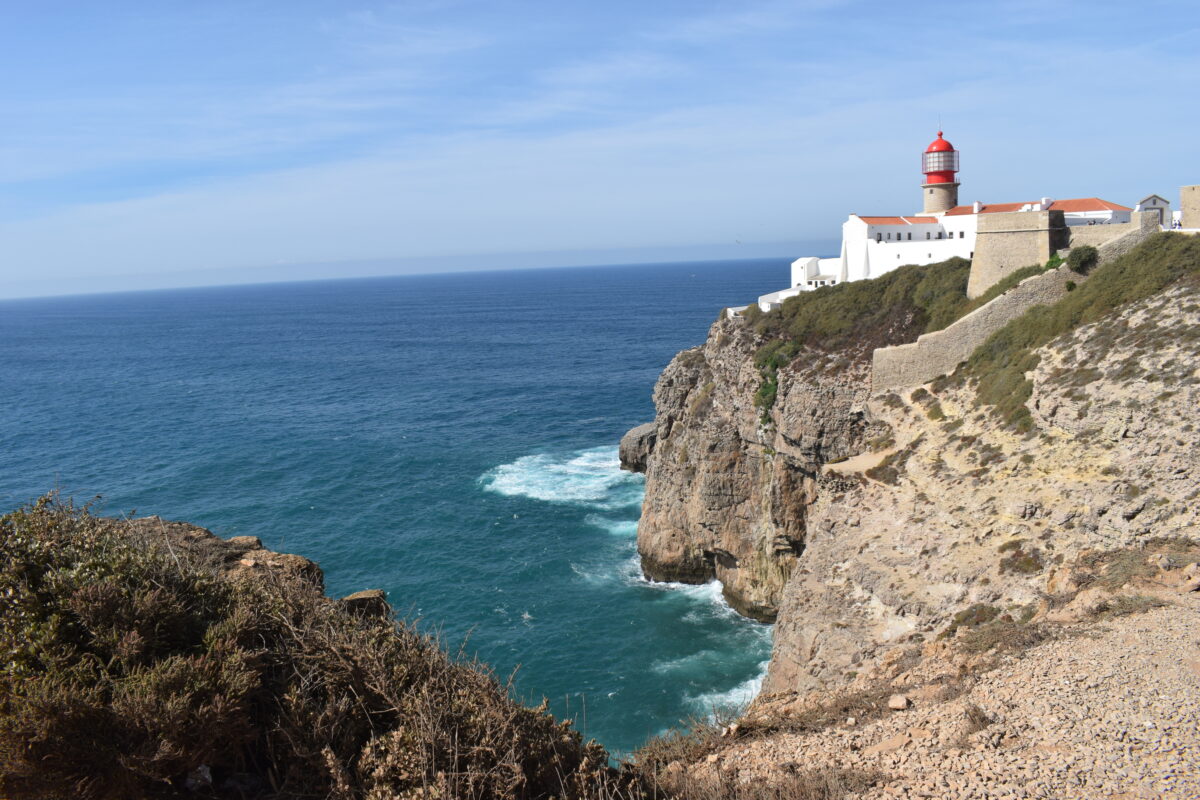
As far west as the Algarve gets (and the Portuguese used to call the headland at nearby Sagres o fim do mundo, the end of the world). Standing at Castelejo or Cordoama, you can feel why. Both beaches are wild, scenic, and the kind of beautiful that photographs don’t quite capture. Vila do Bispo calls itself the Barnacle Capital, which sounds eccentric until you try the percebes pulled fresh from the rocks—eaten warm, with Atlantic salt still on them, washed down with local wine. Even in peak summer, crowds are minimal here.