
I got my scuba diving certification in 2018 on a small island in Thailand—but I haven’t strapped on a tank since then. Other adventures took over, and, admittedly, so did the fear of not remembering everything I learned. But after researching Brazil’s dive sites for this guide, I can confidently say this might be the year I start exploring my home base from another angle.
When people think of diving, they usually think of Southeast Asia, the Caribbean, and a long list of places before the name “Brazil” even surfaces. Yet the country’s more than 7,000 kilometers of coastline make it one of the most diverse diving destinations in South America. The underwater landscape here is graced with dozens of shipwrecks, volcanic islands, coral reef systems, and even crystal-clear freshwater caves.
The variety of sites provides ideal conditions for both beginner and experienced divers, or for someone like me, who earned their license years ago and is finally ready to dust off the gear again. This guide breaks down the best diving spots in Brazil, from the island paradise of Fernando de Noronha to the flooded caves of Bonito.
Fernando de Noronha (Pernambuco)
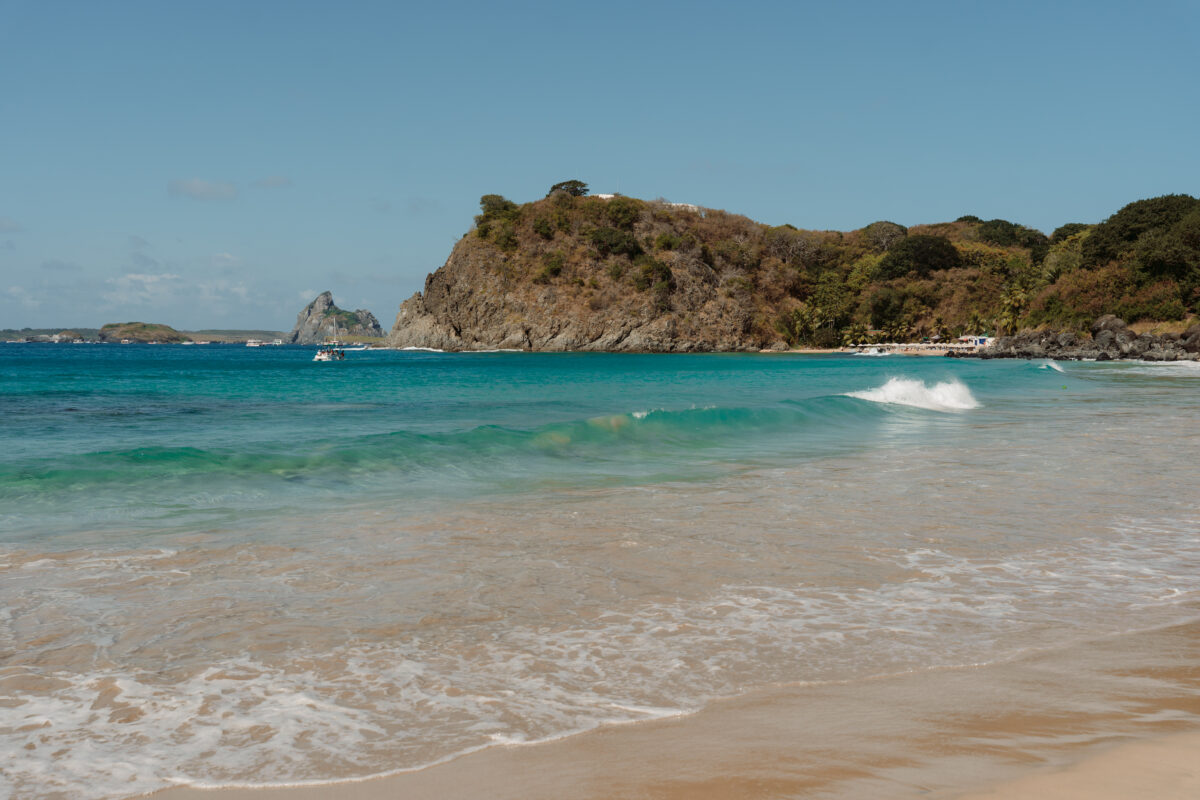
Located about 350 kilometers off Brazil’s Northeast coast, Fernando de Noronha is easily Brazil’s most iconic diving spot. The archipelago consists of 21 volcanic islands—though only the main island is inhabited—and has been a UNESCO World Heritage Site since 2001. Its emerald waters regularly offer visibility of up to 30 meters (and sometimes more), creating some of the clearest diving conditions in South America.
Strict visitor limits and environmental protections help preserve the island’s marine ecosystem, which is thriving with sharks, sting rays, and sea turtles. I’ve seen all three during a simple walk on the beach, so I can just imagine how rich the experience must be while underwater.
When to Go
The best water visibility typically happens from August to December, when the sea is calm. September is often cited as the best month for marine-life sightings, and July to December overlaps with the green turtle breeding season.
Highlights
- Volcanic rock formations and underwater caves (notably Ponta da Sapata)
- Shipwreck diving at Corveta V17 (65 meters deep, advanced only)
- Marine life includes stingrays, green and hawksbill turtles, barracudas, lemon sharks and nurse sharks, Moray eels, octopuses, spinner dolphins, and over 150 reef fish species
What to Consider: Environmental Preservation Tax (charged per day); separate Marine National Park ticket required for protected sites; advanced dives like Corveta V17 require proper certification and equipment; flights connect via Recife, Natal, or São Paulo.
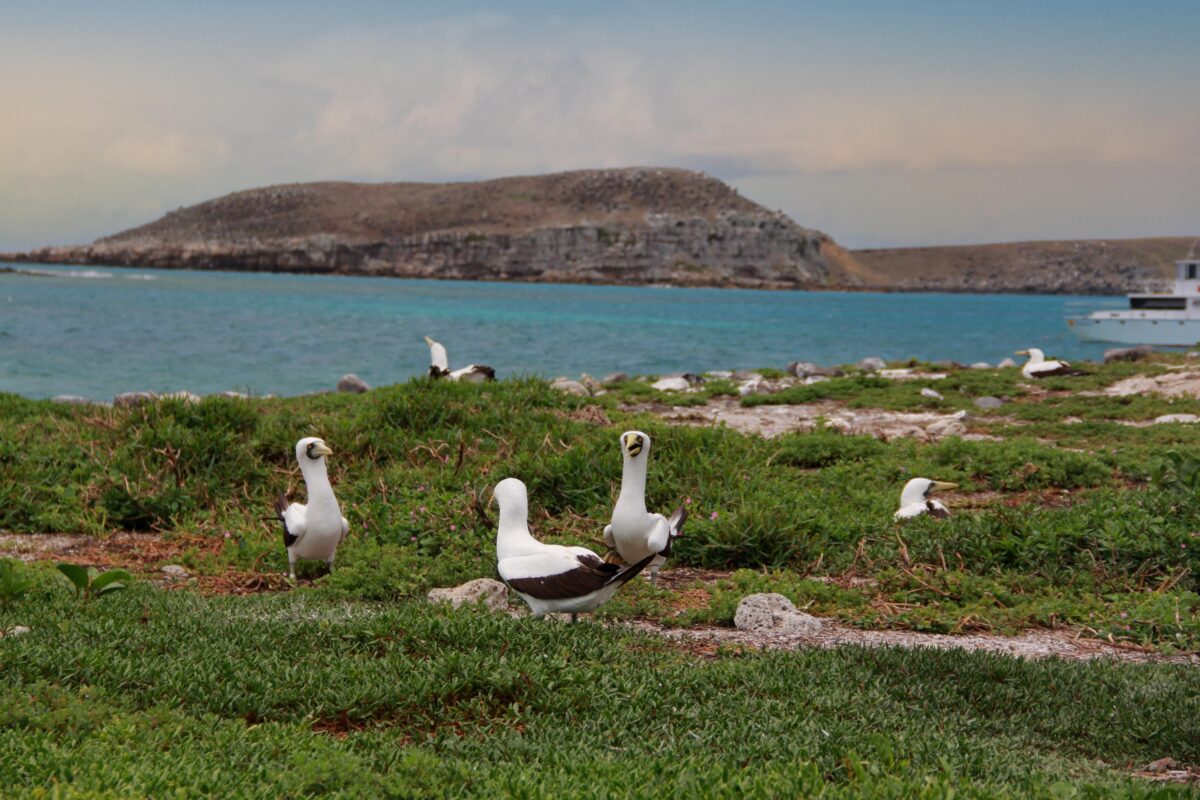
Abrolhos Marine National Park (Bahia)
I confess I had never heard of Abrolhos Marine National Park, yet now I’m very curious to visit. Located about 70 kilometers off the southern coast of Bahia, Abrolhos is Brazil’s first marine park and home to the largest coral reef system in the South Atlantic. It’s an archipelago made up of five islands, famous for its unique mushroom-shaped coral formations known as chapeirões that rise dramatically from the seafloor. Its relatively shallow waters make it accessible for divers of all levels, making it an interesting spot to pair with a longer trip to Bahia.
When to Go
Abrolhos is best between December and February, when underwater visibility is typically at its strongest (around 10 to 20 meters). But if spotting big marine life is your thing, know that humpback whales migrate through the region between June and November.
Highlights
- 19+ coral species
- Chapeirões coral structures
- Marine life includes colorful schools of fish, Moray eels, sea turtles, and humpback whales (seasonal)
- Several historic shipwrecks, including the famous Rosalina British cargo ship
What to Consider: Access is by boat from the city of Caravelas; protected marine park regulations apply; strong destination for underwater photography due to coral structures and visibility.
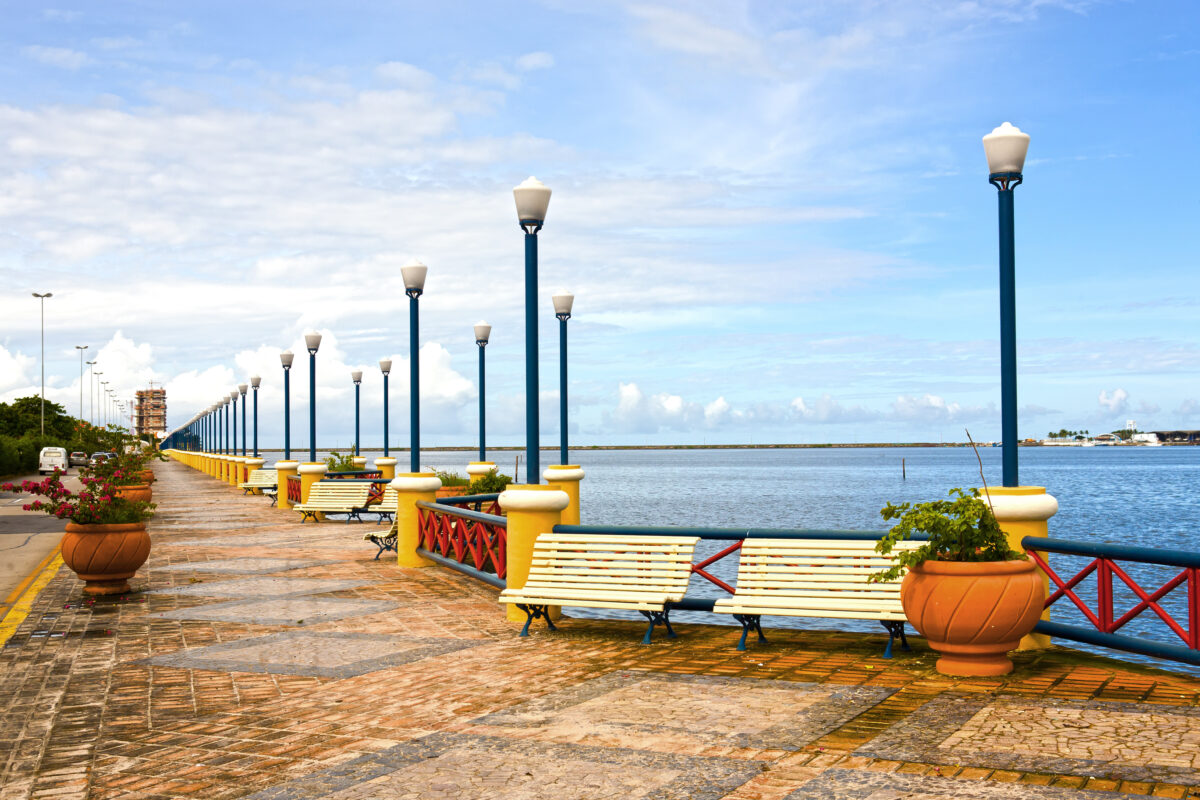
Recife (Pernambuco)
Recife is a major coastal city in northeastern Brazil and the capital of the state of Pernambuco. Its name comes from the reef wall that lines much of its coastline, which historically protected the harbor. Today, Recife is known as Brazil’s shipwreck capital, with more than 26 vessels resting offshore, many of which have become artificial reefs teeming with marine life.
The region is also widely known for sharks along its coastline, which are part of the broader marine ecosystem that makes these waters so biologically active. For divers, the combination of historic wrecks, reef structures, and large marine species creates one of Brazil’s most distinctive underwater landscapes.
When to Go
The best time to dive in Recife is from September to March, when the weather is dry, the waters are warm, and visibility often reaches 15 to 30 meters.
Highlights
- Dozens of shipwrecks offshore
- Artificial reefs
- Marine life includes large sea turtles, sharks, rays, moray eels, and groupers
- Strong wreck-diving diversity for different certification levels
What to Consider: The region is widely known for sharks; ideal for divers interested in big marine life and maritime history.
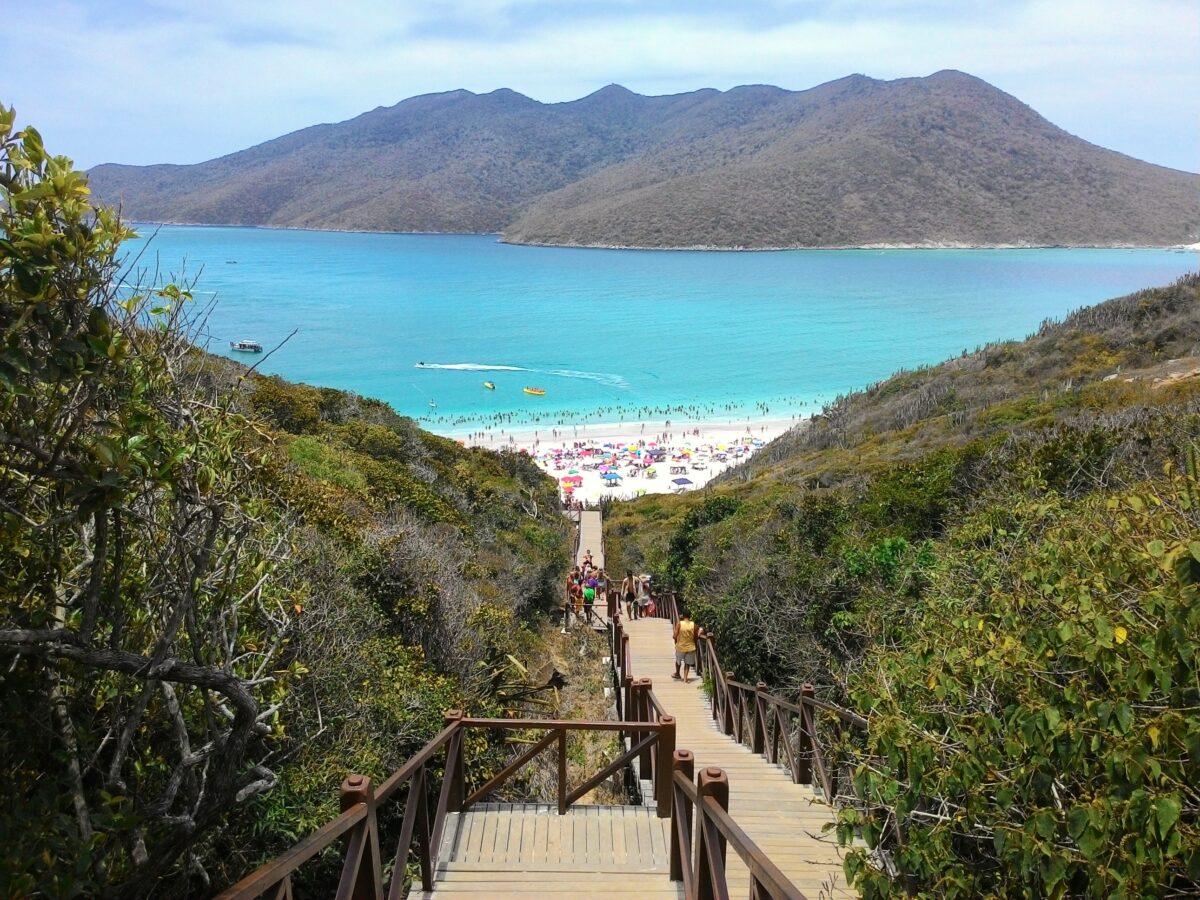
Arraial do Cabo (Rio de Janeiro)
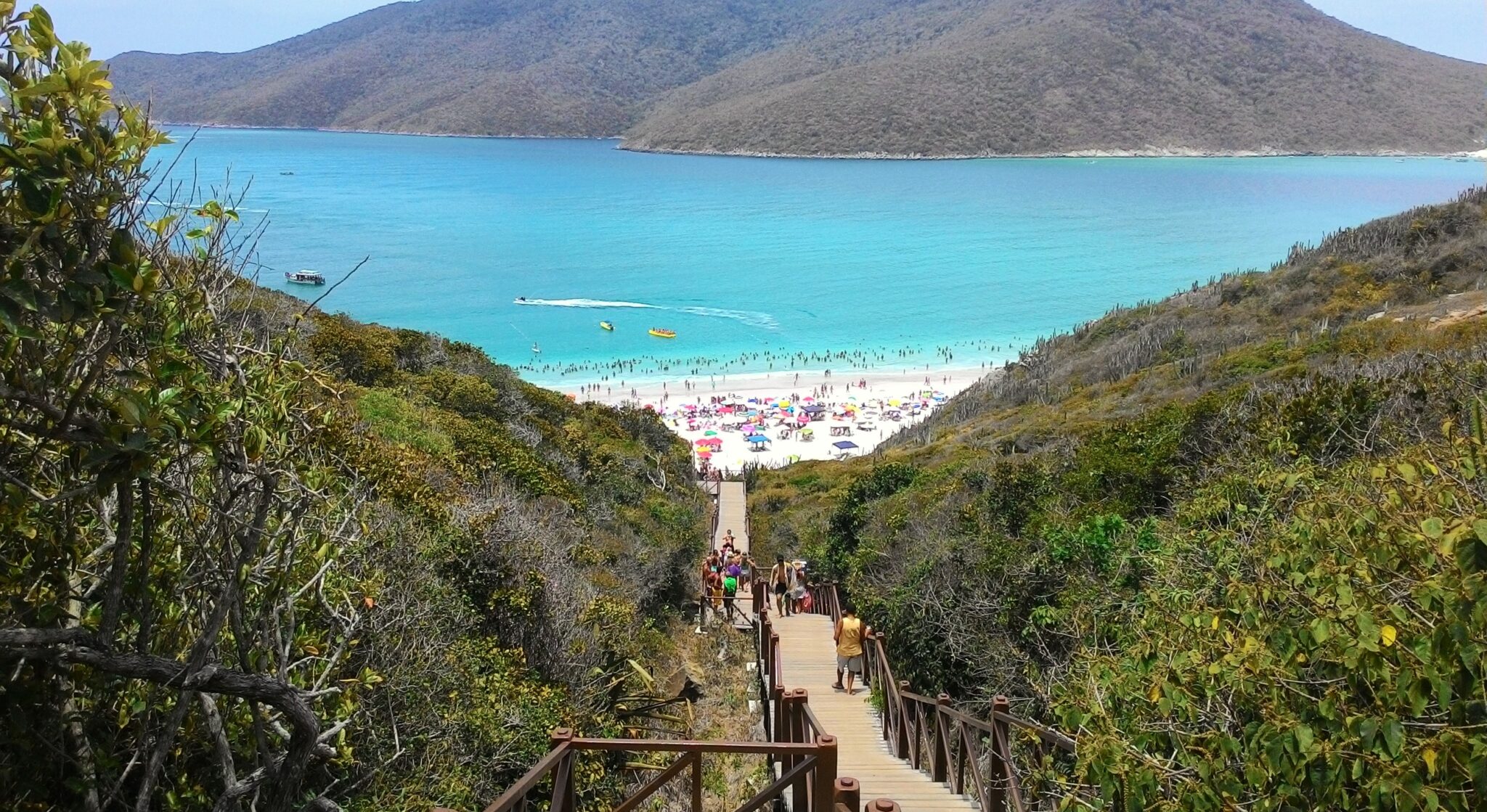
About three hours from Rio de Janeiro, Arraial do Cabo is often referred to as the “Brazilian Caribbean” thanks to its white-sand beaches and Gatorade-blue bays. But beneath the surface, it’s known as the best place to dive in the state of Rio. Here, warm and cold ocean currents meet, creating nutrient-rich waters that support an impressive variety of marine life. With calm, shallow conditions and little currents, it’s especially appealing for beginners and PADI courses.
When to Go
Diving is possible year-round in Arraial do Cabo. From May to August, there’s also the chance to spot humpback whales and orcas during dive or whale-watching excursions.
Highlights
- Marine life includes green, hawksbill, and leatherback turtles, parrotfish, angelfish, trumpetfish, southern stingrays, and nudibranchs
- Brain, lettuce, and soft corals
- Historic wrecks from the 1600s
- Gruta Azul (underwater rock formations)
What to Consider: Accessible from Rio’s Galeão Airport; many travelers stay in Búzios or Cabo Frio; strong infrastructure of certified dive operators; good option for beginners; day trips from Rio de Janeiro available.
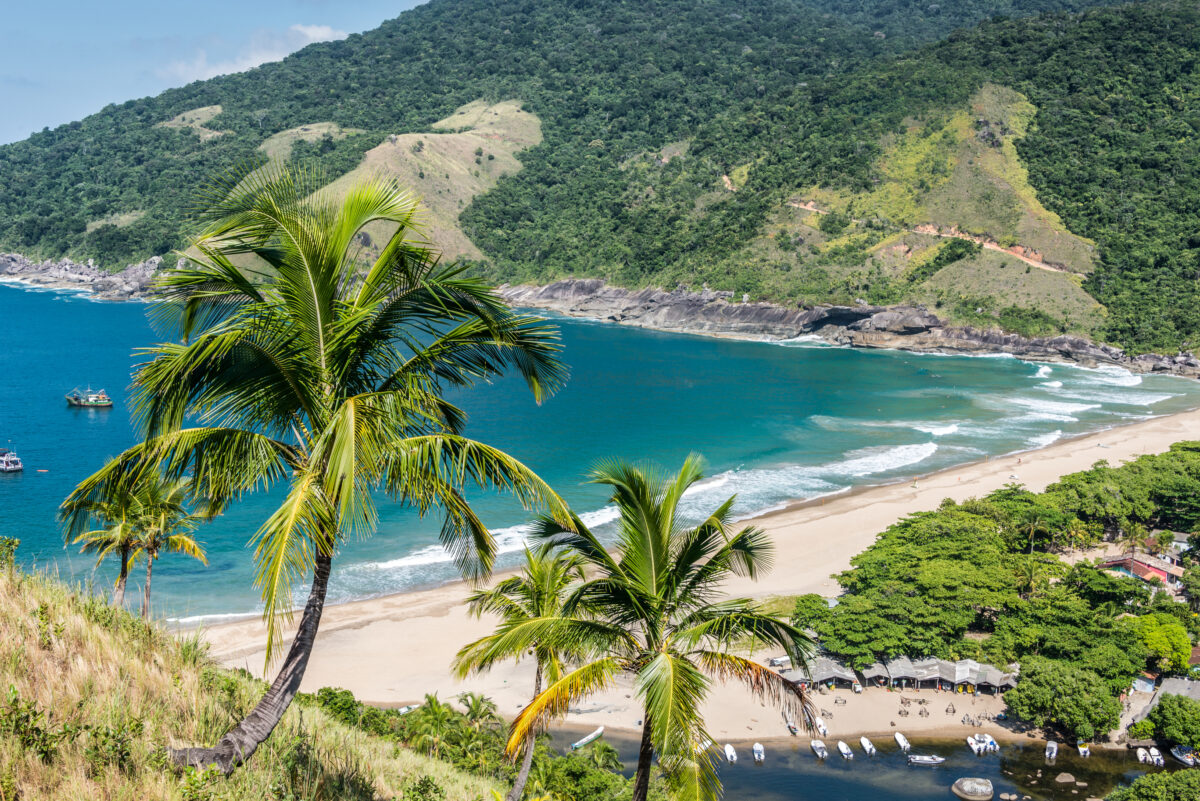
Ilhabela (São Paulo)
Ilhabela sits off the coast of São Paulo state in southeastern Brazil and also has its fair share of shipwrecks. It’s one of the country’s biggest islands and offers more than 20 dive sites, including shipwrecks, underwater caves, and deep reefs. It’s the kind of place you could spend several days diving without repeating the same profile. Numerous wrecks now serve as artificial reefs, creating a vibrant underwater landscape ranging from beginner-friendly to advanced.
When to Go
The best time to dive in Ilhabela is from October to April, when the sea is clear and warm. The summer (December to March) brings calmer seas and lively marine activity, but it’s also the most crowded. October, November, and April offer good conditions with fewer visitors.
Highlights
- Marine life includes octopuses, lobsters, and reef fish
- Dartagnan wreck (25 meters deep) and Aymoré wreck (shallow, popular with beginners)
- Ilha das Cabras (beginner-friendly; seahorses)
- Rocky walls and underwater caves
- Advanced dives at Alcatrazes (accredited operators required)
What to Consider: Some areas like Alcatrazes require accredited operators; strong focus on shipwreck diving.
Ilha Grande / Angra dos Reis (Rio de Janeiro)
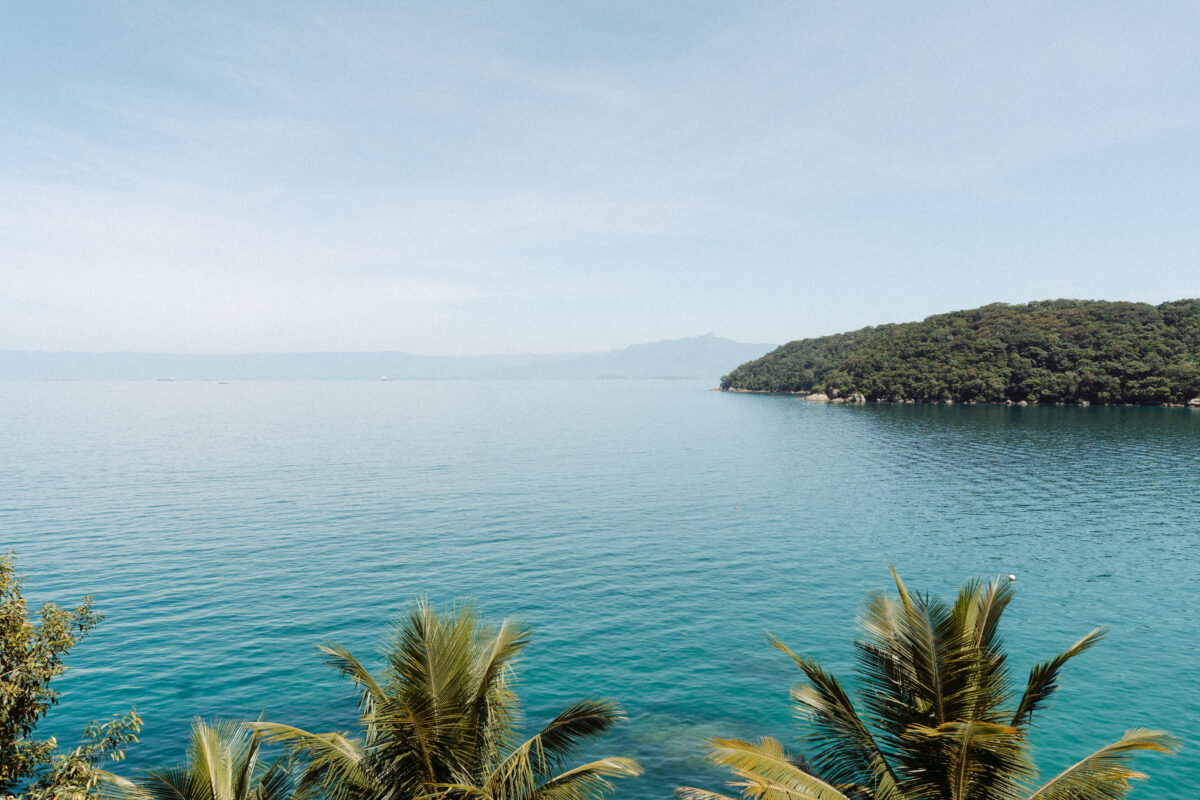
Ilha Grande is the largest island in the Angra dos Reis region along Rio de Janeiro’s southern coastline, part of what’s known as the Green Coast. Known for its clear, warm waters and protected bays, it often attracts travelers looking for a quieter beach trip compared to Rio’s busy urban coast.
Underwater, the region offers visibility ranging from 6 to 20 meters and water temperatures between 20°C and 25°C. The island’s reefs and historic shipwrecks house a diverse amount of marine life like turtles, schools of fish, and crustaceans. Shallow sites like Lagoa Azul and Praia Vermelha Point are ideal for beginners and first-time divers, while more advanced sites include the Pinguino shipwreck, the Helicopter Wreck, and the scattered remains of the Vapor Califórnia.
When to Go
Diving in Ilha Grande is possible year-round, but morning outings are ideal for calmer seas and better visibility, with water temperatures typically ranging between 20°C and 25°C. The rainy season typically runs from December to March, during Brazil’s summer months, when days start out sunny and end in rainstorms.
Highlights
- Ilhas Botinas for clear waters
- The submerged Gruta do Acaiá featuring a dramatic fluorescent-light effect inside the cave
- Reefs and marine-life-rich wrecks
What to Consider: Some sites require guided access; mix of beginner-friendly bays and advanced dives; ideal for divers seeking variety in one region.
Bonito (Mato Grosso do Sul)
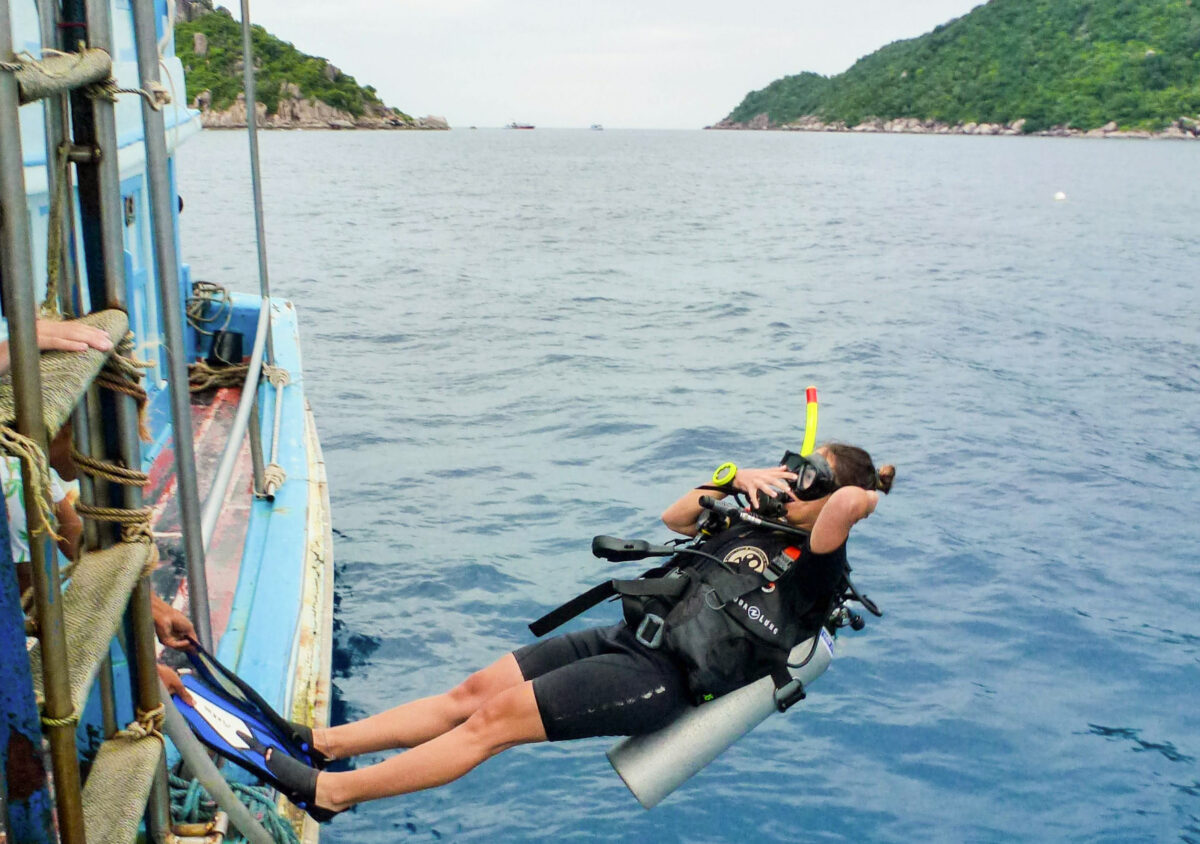
Bonito is the biggest surprise on this list because it isn’t on a coast at all. Located inland in the state of Mato Grosso do Sul, it’s considered one of the top destinations in Brazil for ecotourism, famous for its crystal-clear rivers and flooded caves. Here you’ll swap out coral reefs and shipwrecks for limestone formations, stalactites, and visibility that can exceed 30 meters. It’s a completely different diving experience centered on exploring flooded caves and snorkeling in rivers in exceptionally clear water.
When to Go
Go between May and September for crystal-clear rivers and perfect diving conditions.
Highlights
- Abismo Anhumas (flooded cave with stalactites and stalagmites)
- The rivers Rio Sucuri and Rio da Prata
- Crystal-clear freshwater systems
- Unique inland biodiversity
What to Consider: Freshwater (not ocean) diving; specific sites like Abismo Anhumas require booking in advance; ideal to pair with other activities like waterfalls, caves, and river snorkeling.