
| Beach type | White sand · Horseshoe bay · Calm Caribbean water |
| Access | Ferry from Ceiba (45–60 min) · Short flight · Taxi or golf cart to beach |
| Entry permit | $2 per person beach fee · $5 parking |
| Crowds | Moderate year-round · Busy Holy Week and summer weekends · Quiet on winter weekdays |
| Best for | Swimming · Snorkeling · Camping · Family beach days |
| Facilities | Lifeguards · Restrooms · Showers · Changing rooms · Kiosks · Chair and umbrella hire · Camping area |
| Lifeguard | Yes |
| Dogs allowed | No |
The Beach
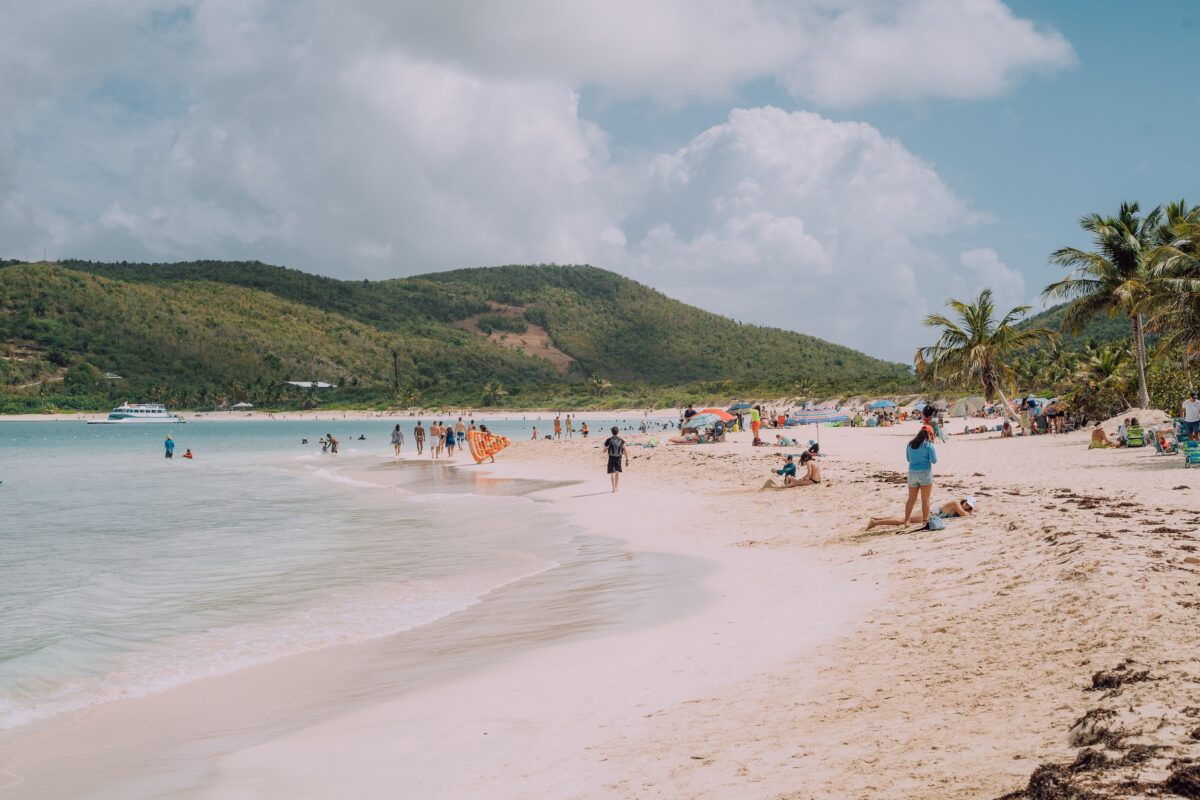
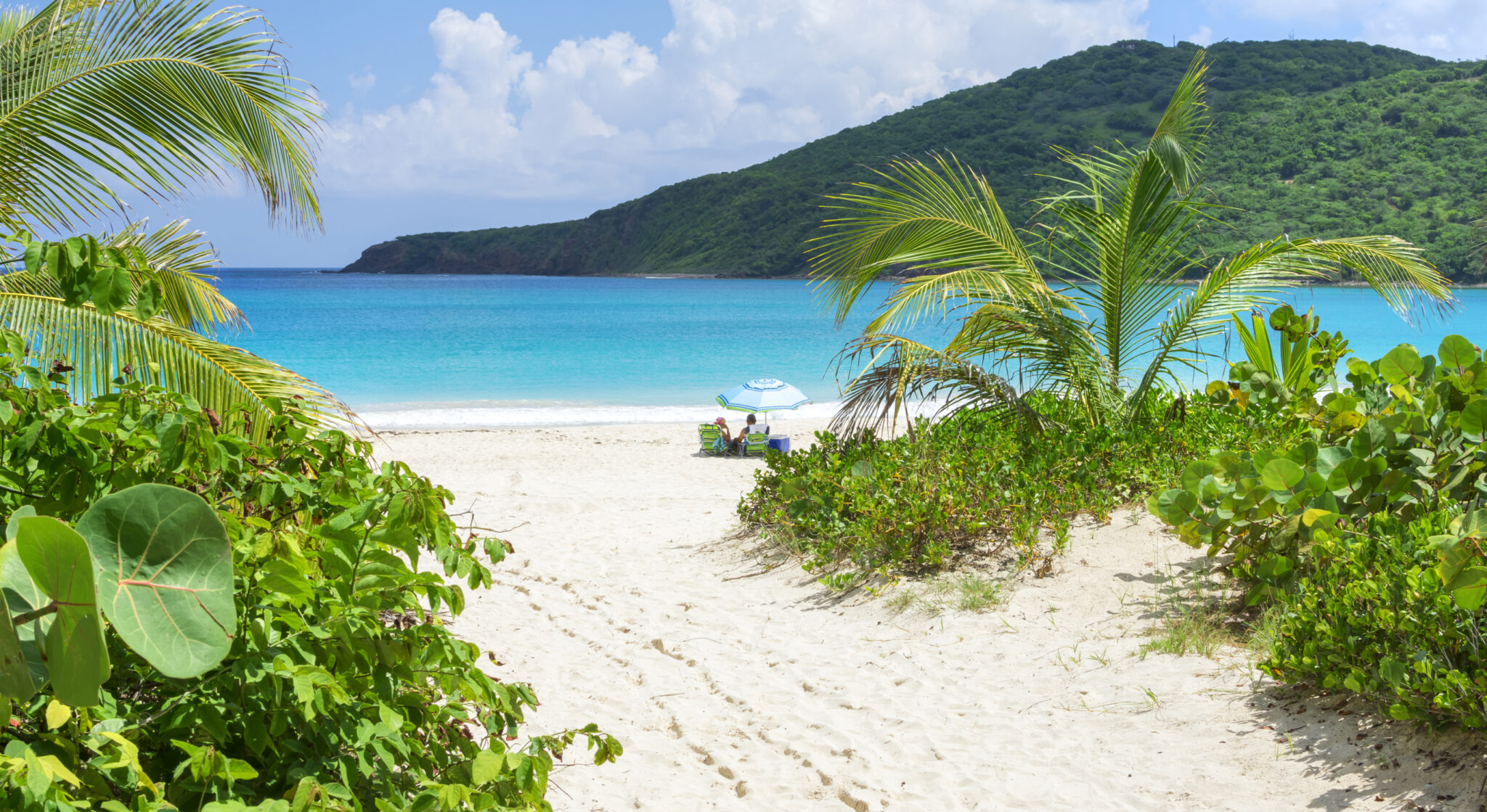
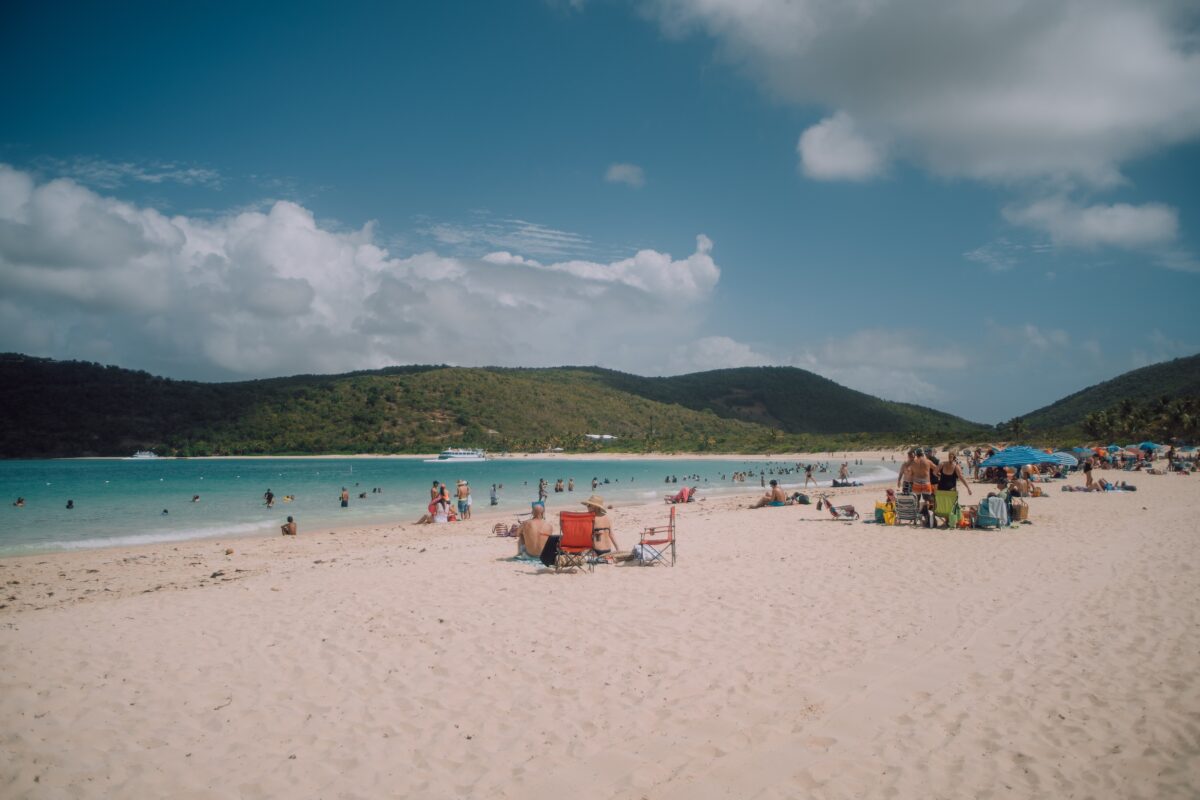
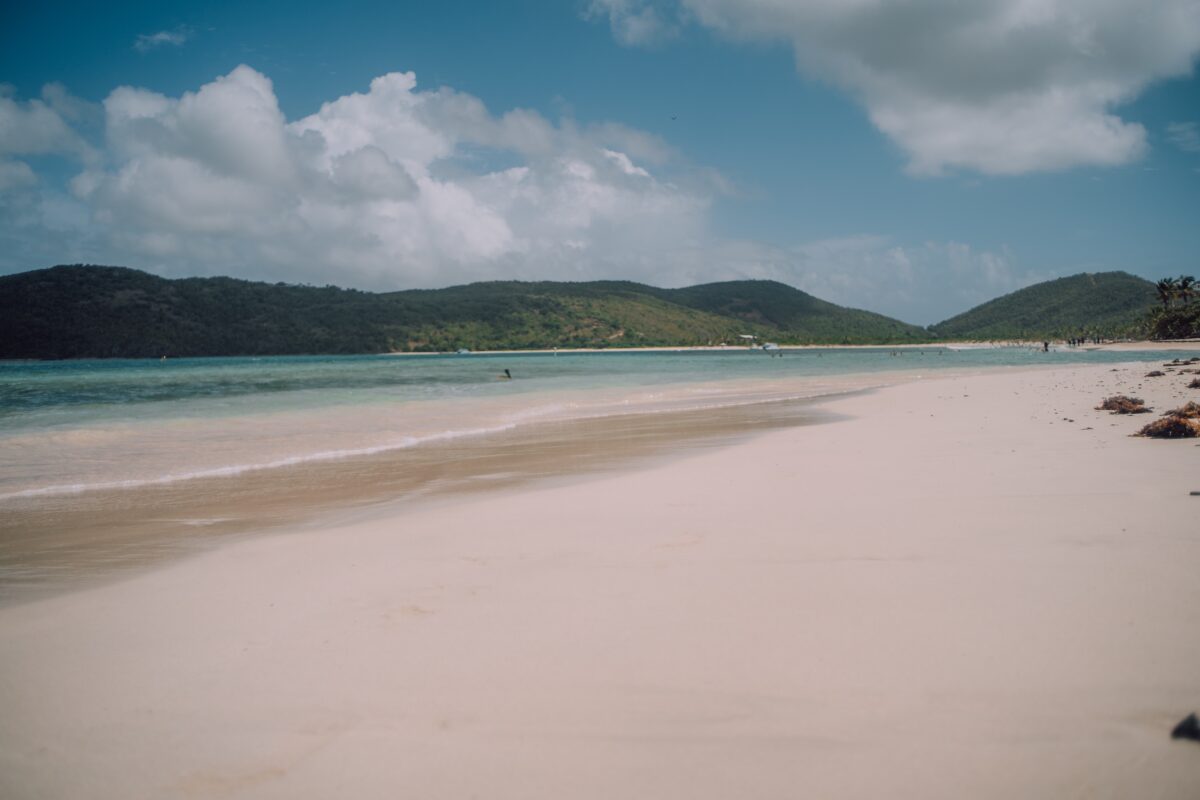
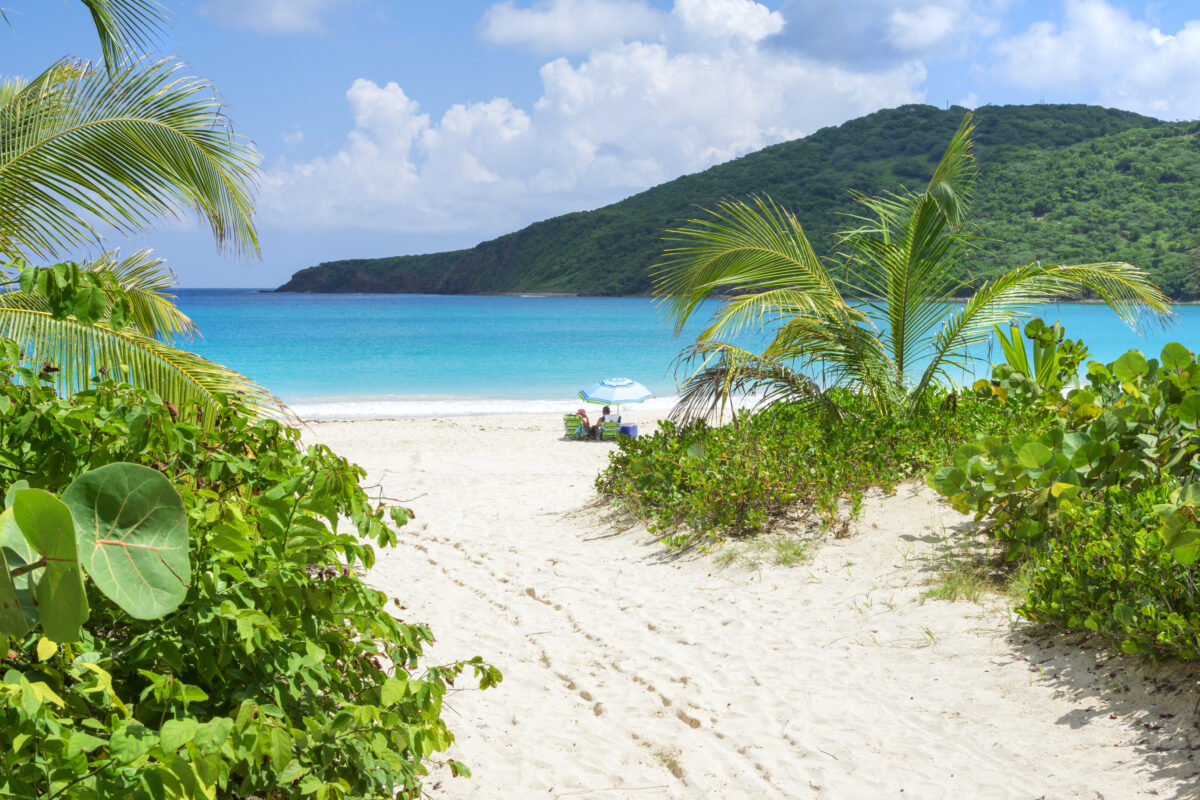
Flamenco Beach sits on the northwestern shore of Culebra, a small island 17 miles off the east coast of mainland Puerto Rico, and it arrives in your field of view as you crest the hill on the road. A horseshoe of white sand, roughly a mile end to end, curves around a bay that is sheltered enough to keep the water nearly flat. The colour of the water—deep turquoise shifting to pale glass in the shallows—registers as almost implausible from above (if you’re arriving by plane, you’ll fly directly over it).
The sand is fine, pale, and consistently described by visitors as powder. The bay is protected by a reef roughly a quarter-mile offshore, which keeps the waves gentle and the swimming conditions reliable. On a weekday in winter, the scale of the beach means you can walk for fifteen minutes without passing another person. On a Puerto Rican holiday, the same beach absorbs a large crowd without becoming chaotic because the horseshoe is simply wide enough.
At the western end of the beach sit two rusting M4 Sherman tanks. They are covered in layers of graffiti applied and repainted over fifty years, and they are among the most photographed objects in Puerto Rico.
Why It Made Our World’s Best Beaches List
The water clarity is exceptional. This is a beach where snorkeling is done directly from shore, with no boat required. Parrotfish, blue tang, angelfish, and occasional sea turtles are present in the reef system that flanks both ends of the horseshoe.
It’s three minutes from an airport. Benjamin Rivera Noriega Airport, Culebra’s small airstrip, sits less than a mile from the beach—the third-closest airport-to-beach proximity in our entire study. Despite this, Culebra receives a fraction of the tourism of Vieques or the Puerto Rican mainland. The infrastructure gap between what’s here and how few people know it is part of what keeps the beach in the condition it’s in.
The tanks. Military relics on tropical beaches are not unknown, but Flamenco’s M4 Shermans have been fully absorbed into the beach’s identity—covered in fifty years of accumulated graffiti, half-sunk into the sand at the water’s edge.
How to Get There
Nearest airports: Benjamin Rivera Noriega Airport (CPX) on Culebra itself, less than a mile from the beach. From the mainland, Ceiba Airport (RVR) is roughly an hour and a half’s drive from San Juan and offers short-haul propeller flights to Culebra with Air Flamenco and Cape Air (approximately $45 to $90 one way; 15 minutes in the air). Isla Grande Airport (SIG) in San Juan also has flights to Culebra for approximately $90 one way. Check availability and book ahead as these are small aircraft on limited schedules.
By ferry from Ceiba: The standard route for budget travelers and those combining Culebra with a wider Puerto Rico trip. The Ceiba Ferry Terminal is roughly one to one and a half hours by car from San Juan. Ferry tickets cost $2.25 per person each way and can be purchased in advance at puertoricoferry.com. Crossing time is 45 to 60 minutes.
Ceiba to San Juan: The most cost-effective combination for day-trippers from San Juan is to fly one way and ferry the other. Doing both in the same day is logistically tight but achievable with an early start.
From Culebra ferry terminal to beach: Taxi vans wait at the dock and run directly to Flamenco Beach for around $3 to $5 per person. Golf cart rentals are available in Dewey, Culebra’s main town, for those who want to explore the island’s other beaches during their visit. The beach is 2.5 miles from the terminal (a long walk in the heat, but manageable in the early morning).
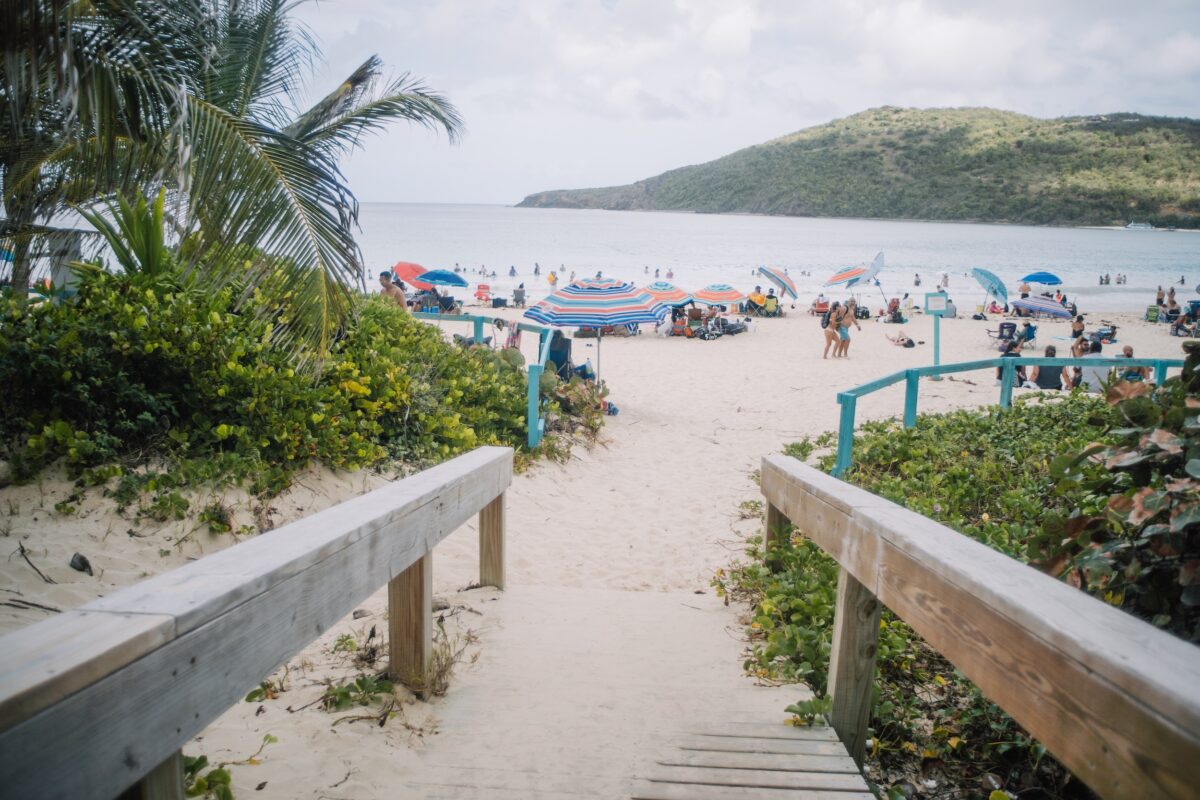
Entry requirements: No visa or passport required for US citizens, as Culebra is a US territory. A small beach access fee of $2 per person applies at the gate, which is open from 7am to 5:30pm. Parking costs $5 per vehicle. Glass containers are not permitted on the beach, and coolers are checked at entry.
Best Time to Visit
Recommended: April through June.
April through June is Flamenco’s optimal three-month window. The main North American tourist season has wound down, hurricane season hasn’t started, and the water temperature and clarity are at their best. Prices for accommodation on Culebra are lower, ferry queues are shorter, and the beach is noticeably quieter. May and June in particular offer conditions that rival peak season at a fraction of the crowd level.
Dry season (December through April): Peak season. Weather is reliable, water is calm, and visibility is excellent. The heaviest concentrations of visitors fall during Holy Week (Semana Santa) and the Christmas to New Year window, when the beach can become crowded by Flamenco’s standards. Outside those spikes, winter weekdays are relaxed.
Shoulder (April through June, and again September through November): The most underrated times to visit. April and May sit between the two busy periods. September and October are quieter still, though hurricane season requires a weather check before booking travel.
Hurricane season (June through November): Culebra sits in the Atlantic hurricane belt (hurricane Maria in 2017 caused significant damage to the island). Most years between June and November pass without a direct hit, but travel insurance and flexibility on dates are advisable. Seas can be rough even in non-hurricane conditions, occasionally affecting ferry service and snorkeling visibility.
Things to Do at Flamenco Beach
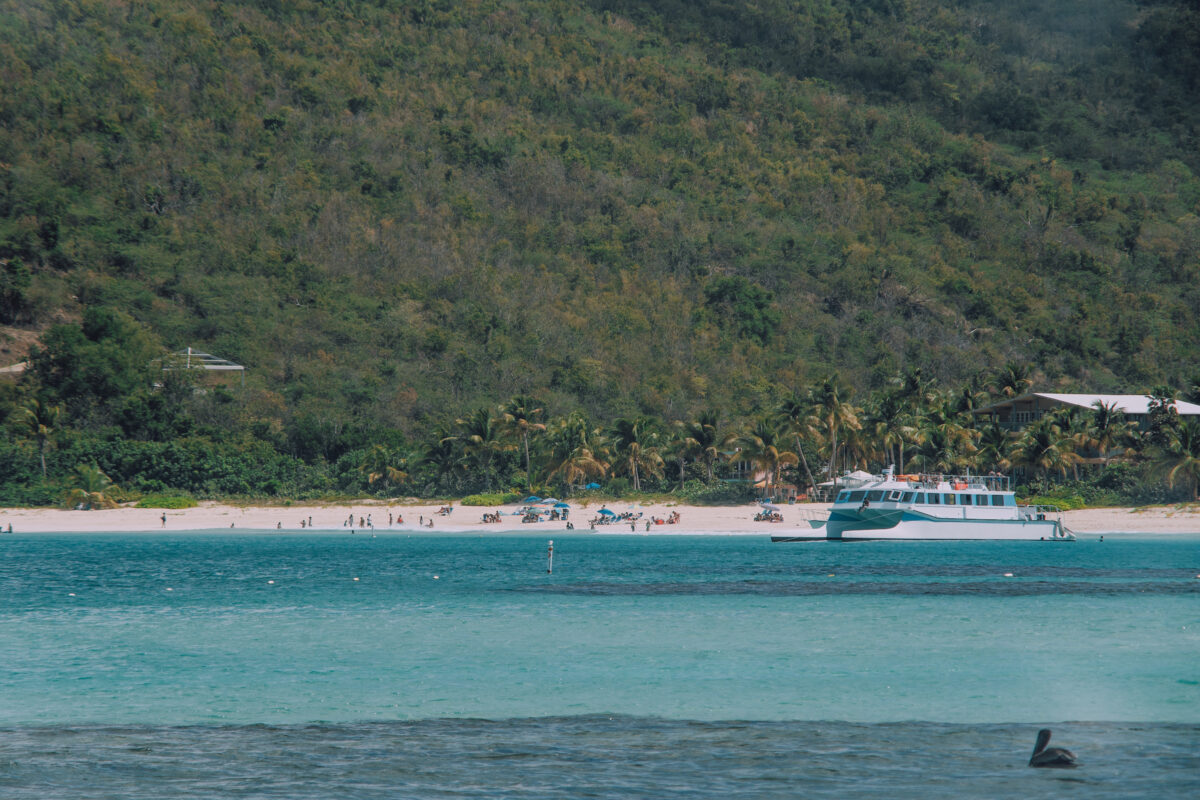
Swimming: The reef a quarter-mile offshore acts as a natural breakwater, keeping the bay calm across most conditions. Entry is from sand, the gradient is gentle, and the water is warm year-round. The far right end of the horseshoe has an exceptionally shallow area—ankle to knee depth for a significant distance—that works well for small children. Red flags are occasionally raised in winter when north swells push in.
Snorkeling: The snorkeling at Flamenco is among the most accessible reef snorkeling at any of the world’s top-ranked beaches, with no boat required. The northern section of the bay offers the richest marine life, where the reef comes closest to shore. Parrotfish, angelfish, blue tang, and sergeant majors are consistent presences; sea turtles appear less predictably. Snorkel gear rents from beach kiosks for around $10 to $15. For more advanced snorkeling, Carlos Rosario Beach (reachable via a short trail from the western end of Flamenco) is one of the best snorkeling sites in the Caribbean and sees a fraction of the visitors.
The tanks: Walk to the western end of the beach and you’ll find two M4 Sherman tanks sitting at the water’s edge. Both are covered in decades of layered graffiti, repainted continuously since the Navy left in 1975.
Camping: Designated camping sites are available directly on the beach, making Flamenco one of the few world-class beaches where this is possible. Sites require advance reservation through the Puerto Rico Department of Natural Resources (DRNA). Basic facilities are available on site. The camping area closes at 6pm for new arrivals, but the beach remains accessible through the night for those already camped. The low-season months of May and June are the best time to camp (quieter, cooler evenings, and uncrowded mornings).
Carlos Rosario Beach trail: From the western end of Flamenco, a short coastal trail leads to Carlos Rosario, a smaller, wilder beach within the Luis Peña Nature Reserve that is considered among Puerto Rico’s finest snorkeling sites. There are no facilities, so make sure you bring food and water.
Culebrita day trip: The uninhabited island of Culebrita sits a short water taxi ride from Culebra’s main dock. It has six small beaches, a historic lighthouse, and snorkeling conditions that several experienced divers rate above Flamenco itself. Book a water taxi through operators at the ferry dock.
Where to Stay Near Flamenco Beach
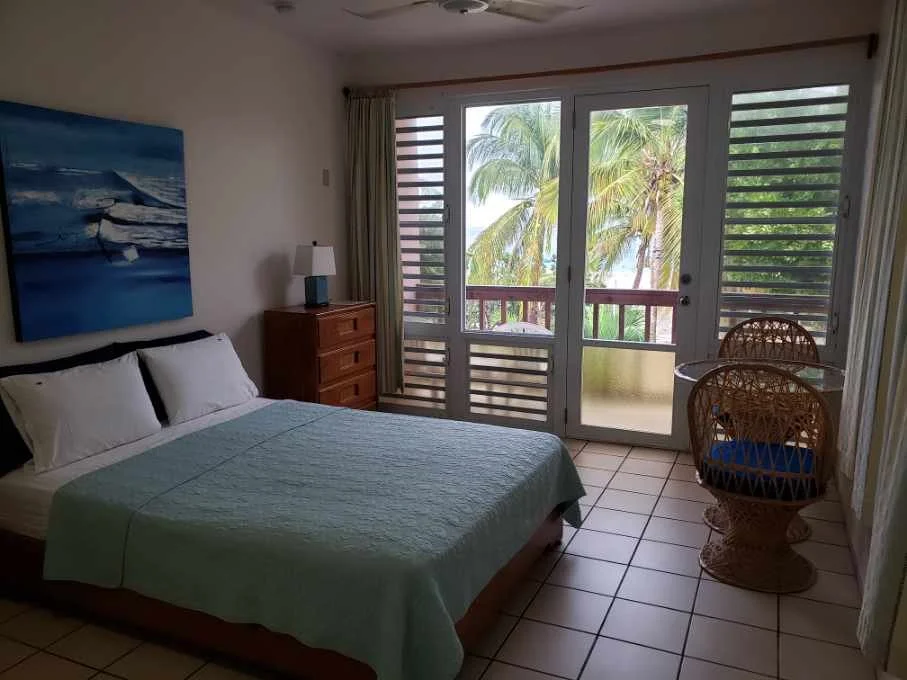
Culebra has no major hotel chains and no luxury resorts, which is a deliberate consequence of the island’s conservation status and community resistance to large-scale development. What exists instead is a collection of guesthouses, rental villas, and a small number of boutique properties, most within ten minutes of the beach.
Club Seabourne: The closest thing to a boutique hotel on the island. Hillside setting above Fulladoza Bay, with a pool and a well-regarded on-site restaurant. Popular with couples and honeymooners.
Villa Flamenco Beach: Basic but well-located villas with kitchenettes, a short drive from the beach. Good value for self-catering groups.
Camping on Flamenco Beach: For those who want to wake up directly on the beach. Reserve through the DRNA in advance, as sites fill quickly around holidays.
Airbnb and vacation rentals: The most practical option for families or groups. Culebra has a healthy inventory of rental properties across the island, most concentrated in and around Dewey.
Nearby Beaches
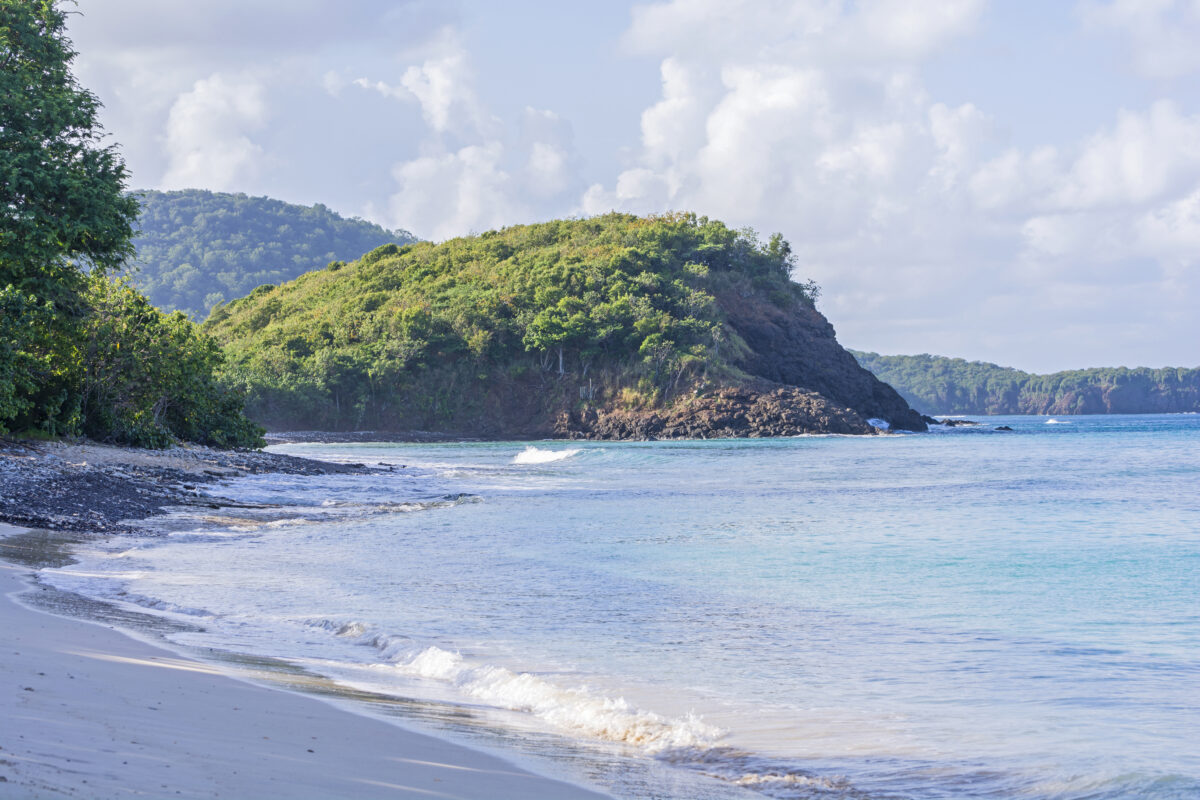
Culebra’s other beaches are less developed and less visited than Flamenco, which in several cases makes them better for specific purposes.
Carlos Rosario Beach: Accessible by trail from Flamenco’s western end, or by kayak. No facilities and less crowds. The snorkeling here is widely considered the best on the island, with a dense reef and high marine diversity that rewards anyone with a mask and fins.
Playa Zoni: On Culebra’s remote eastern tip, about 20 minutes by golf cart or car. Faces east toward the British Virgin Islands. Long, wild, and almost always empty. The best beach on the island for solitude.
Culebrita (Playa Tortuga): A 15-minute water taxi from Culebra’s dock. An uninhabited island with a 19th-century lighthouse, six beaches, and snorkeling with manta rays and sea turtles. No facilities so bring everything you need. The purest escape in the area.
Conservation and Responsible Travel
Flamenco Beach sits within the Culebra National Wildlife Refuge, one of the oldest wildlife reserves in the United States, established in 1909. The refuge protects mangroves, wetlands, seagrass beds, and forested areas across Culebra and its surrounding cays.
A few things worth keeping in mind when you visit:
- No glass containers are allowed anywhere on the beach, and coolers are inspected at the entrance gate.
- Sea turtles—hawksbill, leatherback, and green—nest and feed in the waters around Culebra. Don’t approach nesting turtles or hatchlings on the beach, and don’t touch turtles you encounter while snorkeling.
- Don’t stand on, touch, or collect coral. The reef system around Culebra is under pressure from warming and bleaching events, and physical damage from snorkelers is an additional and entirely avoidable stressor.
- Use reef-safe sunscreen only. Standard chemical sunscreens are harmful to coral, and the difference is meaningful in a bay this size with this volume of visitors.
- Each summer, over 50,000 seabirds nest on the Flamenco Peninsula. During nesting season, stay on marked paths near the dunes and don’t disturb nesting areas.
- The tanks are protected historical features.
FAQs
Do I need a passport to visit Flamenco Beach?
No. Culebra is a municipality of Puerto Rico, which is a US territory. US citizens need only a government-issued photo ID. International visitors entering through Puerto Rico use their standard US entry documentation, and no additional visa is required for nationals of countries that participate in the Visa Waiver Program.
How do I get from San Juan to Flamenco Beach?
The standard route is to drive or take a taxi to Ceiba (approximately one hour and 30 minutes from San Juan), take the ferry to Culebra ($2.25 each way, roughly 45 to 60 minutes), then a taxi van from the Culebra ferry terminal to the beach ($3 to $5 per person). A faster alternative is a short-haul flight from Isla Grande Airport in San Juan to Culebra’s Benjamin Rivera Noriega Airport, roughly 15 minutes in the air with Air Flamenco or Cape Air, from around $90 one way. Book flights well ahead, as the aircraft are small and routes fill up.
Can you camp at Flamenco Beach?
Yes. There is a designated camping area at the beach, managed by Puerto Rico’s Department of Natural Resources (DRNA). Advance reservation is required and strongly recommended, as sites book out around holidays and peak weekends. Basic facilities are available on site. The camping gate closes at 6pm for new arrivals, so plan your ferry or flight accordingly.
Is there food and drink available at the beach?
Yes, though the options are basic. Beach kiosks sell snacks, drinks, and simple food throughout the day. For a proper meal, you’ll want to head into Dewey, Culebra’s main town, which has a small but decent selection of restaurants. Most visitors bring a cooler with food and drinks for the day—just make sure everything is in non-glass containers, as glass is prohibited on the beach and coolers are checked at the gate.
What’s the best way to get around Culebra once I arrive?
Golf cart rental is the most popular and practical option. Carts are available in Dewey and give you the flexibility to reach the island’s other beaches, including Playa Zoni and the trailhead for Carlos Rosario, at your own pace. Taxi vans also operate fixed routes between the ferry terminal and the main beaches. The island is small enough that nothing feels particularly far, but the heat makes walking less appealing in the middle of the day.
Is Flamenco Beach suitable for families with young children?
Very much so. The shallow, calm water and sandy entry make it one of the more family-friendly beaches in the Caribbean. The far right end of the horseshoe is particularly shallow and stays that way for a good distance out, which is ideal for young children. Lifeguards are on duty during posted hours in season, and the beach facilities include restrooms, showers, and changing rooms. The main thing to plan around is the entry fee and the prohibition on glass, so pack accordingly.