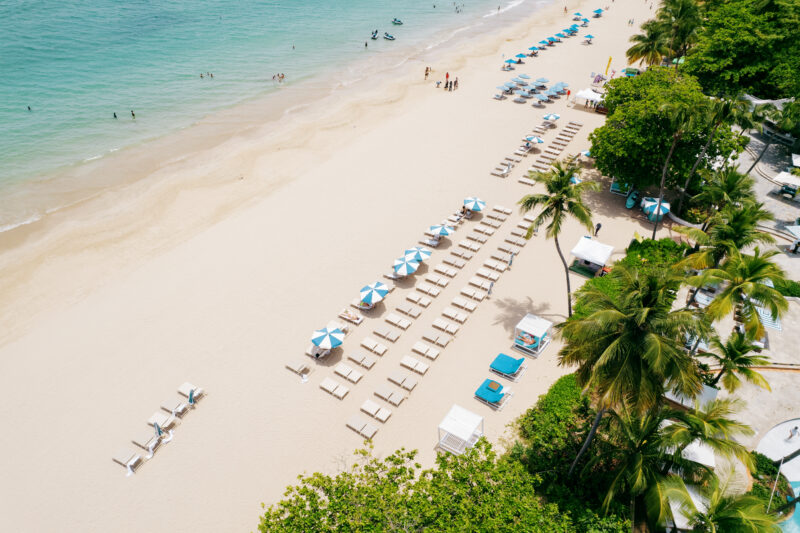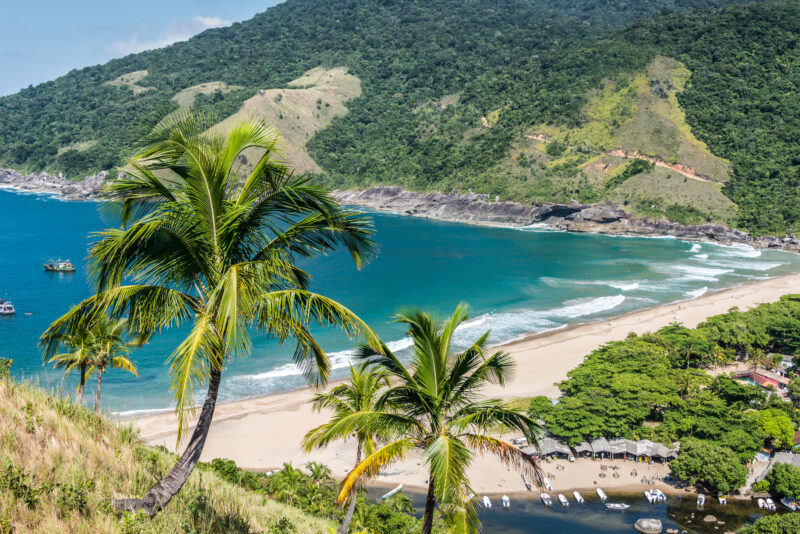

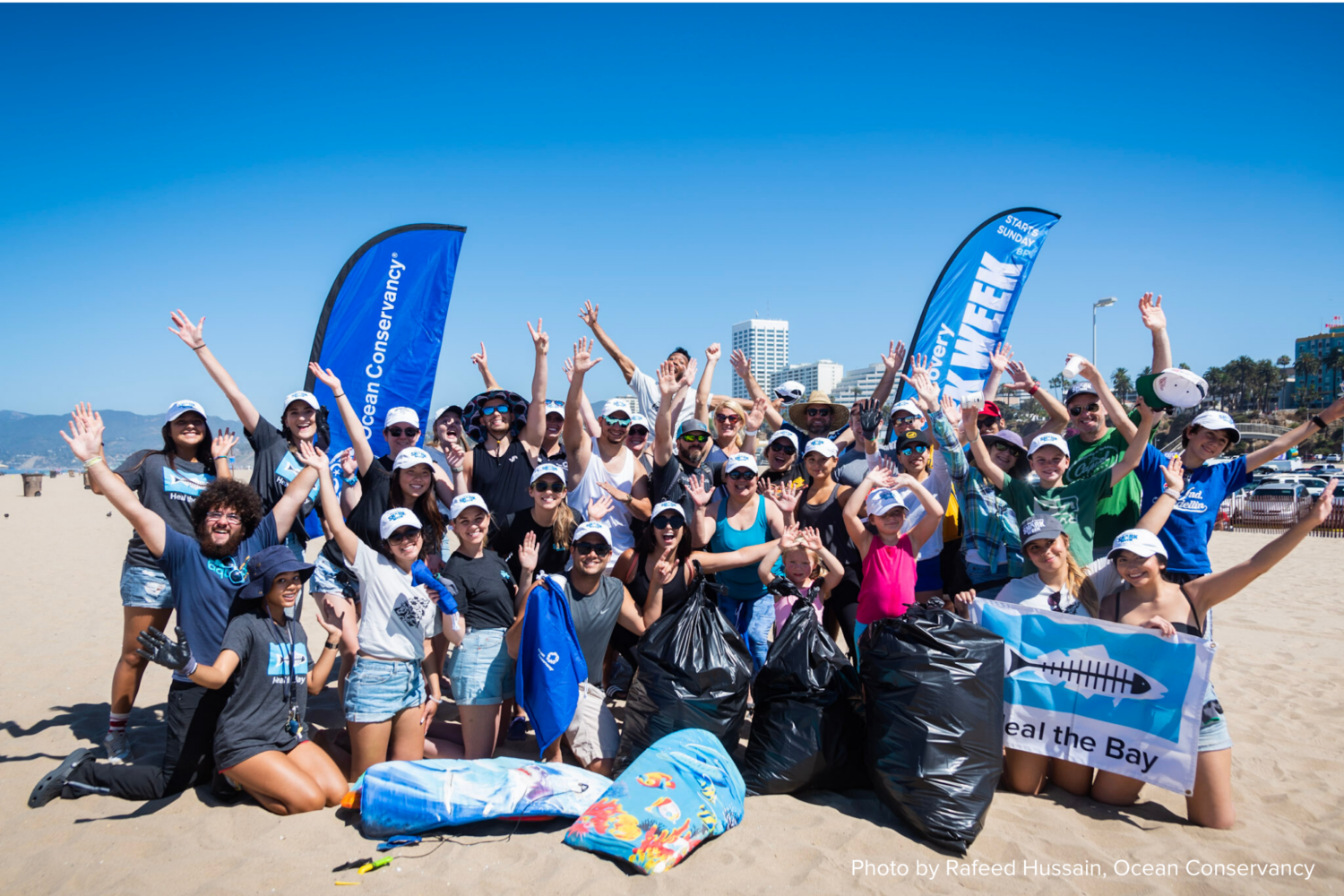
The United States has one of the longest coastlines in the world, spanning over 95,000 miles. Its coastal areas not only provide popular vacation spots for enjoying nature and outdoor activities, but they’re also home to nearly 40% of the population. Protecting our shorelines from harmful impacts like plastic pollution and destructive fishing practices is critical for safeguarding human life and the lives of countless animal species. Healthy coastal ecosystems can even lessen the impact of hurricanes and rising sea levels through natural barriers such as coral reefs, dunes, and wetlands, while also preserving maritime economies.
In recent years, many nonprofit groups have been established to help save and protect our coastal areas for many generations to come. One of the best ways to contribute to their efforts is to volunteer or donate to any of these top conservation organizations.
Surfrider Foundation
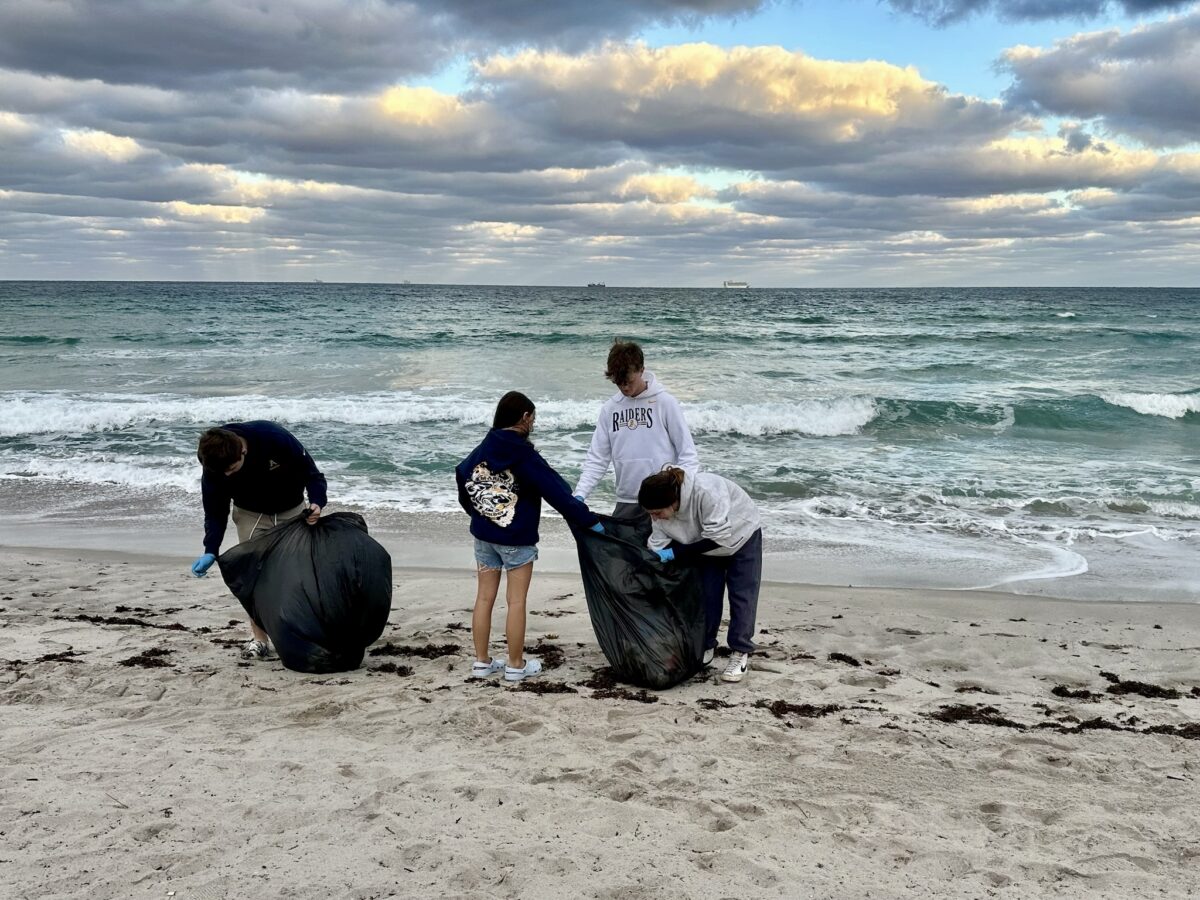
Established over four decades ago in Malibu, California, the Surfrider Foundation has become the country’s most recognizable non-profit coastal protection organization. It all began as a protest by a group of surfers against construction and environmental damage at Surfrider Beach. Today, it includes over 200 chapters and student clubs dedicated to protecting the world’s oceans and beaches through water quality testing, beach cleanups, and campaigns against plastic pollution and offshore drilling.
You don’t have to be a surfer to help out. There are many ways to get involved, from asking your Congressional representatives to protect our coasts from new offshore oil and gas drilling to taking part in fundraising events.
OC Coastkeeper
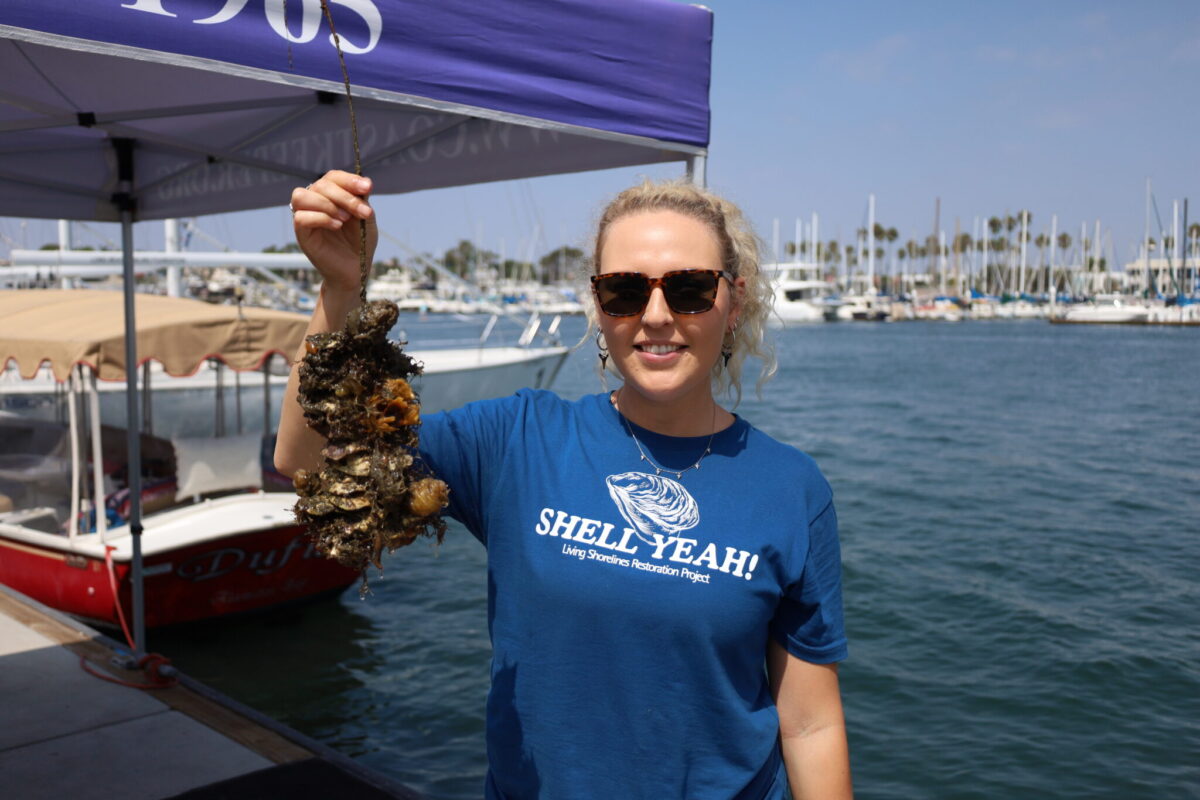
Orange County-based nonprofit Coastkeeper is dedicated to protecting and restoring fresh and saltwater ecosystems. The organization aims to ensure all waters in the region are swimmable, drinkable, and fishable through restoration, advocacy, education, and litigation, including legal fights against the US Coast Guard and Army Corps of Engineers. Localized initiatives are helping to achieve this. Just a few include restoring marine habitats like kelp forests and eelgrass beds, tracking human activities in Marine Protected Areas (MPAs), and holding polluters accountable.
There are many ways to assist Coastkeeper’s efforts, including making financial contributions and volunteering. Take part in community beach cleanups, become an MPA to monitor beach usage, or help with fieldwork that contributes to restoration.
Pacific Whale Foundation
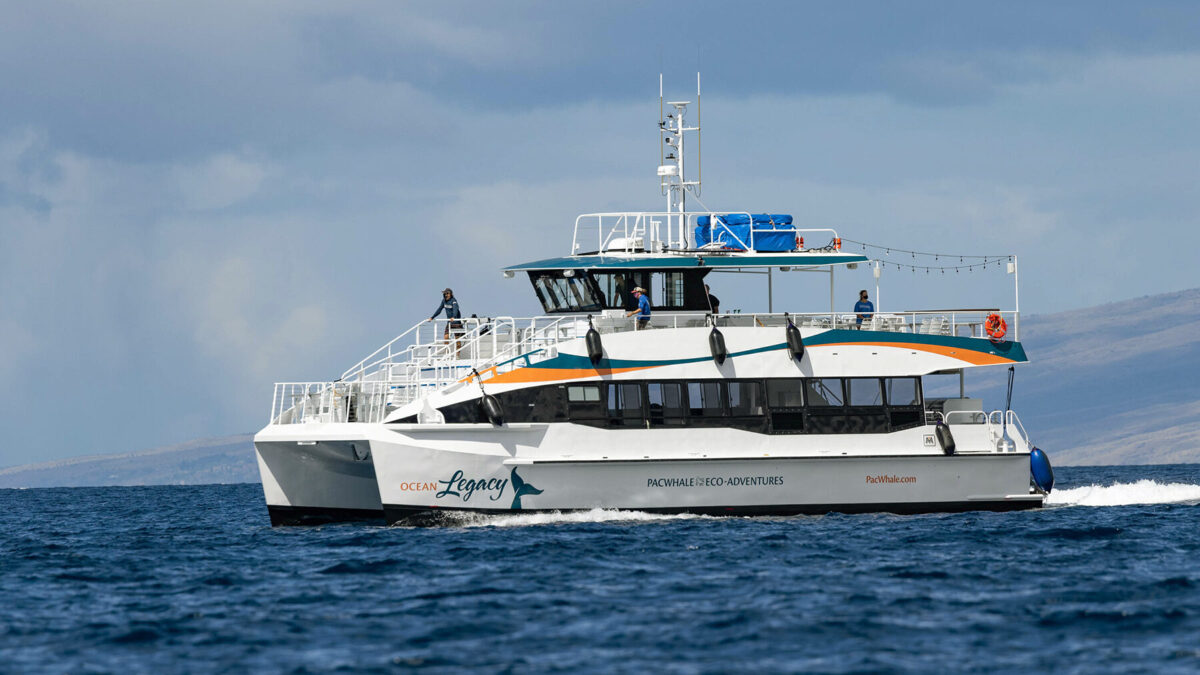
Founded in 1980, the Pacific Whale Foundation (PWF) is a non-profit organization that protects Hawaii’s marine ecosystems through ocean advocacy, community education, and marine research. While its primary base is in Maui, it also operates international conservation programs and research in Australia and Ecuador. PWF works to protect coastal land, oceans, and inhabitants through its Rapid Response Volunteer Team, which removes old fishing gear, plastics, and other harmful marine debris. It also focuses on research projects that mitigate major threats to whales and dolphins and actively advocates for sustainable coastal planning, preventing development that threatens critical ecosystems like Olowalu Reef.
PWF hosts fundraising events and offers volunteer opportunities, including beach cleanups, throughout the year. Through PacWhale Eco-Adventures, visitors can join ecotours and whale watching excursions, with profits supporting its ongoing ocean protection efforts.
Orca Network
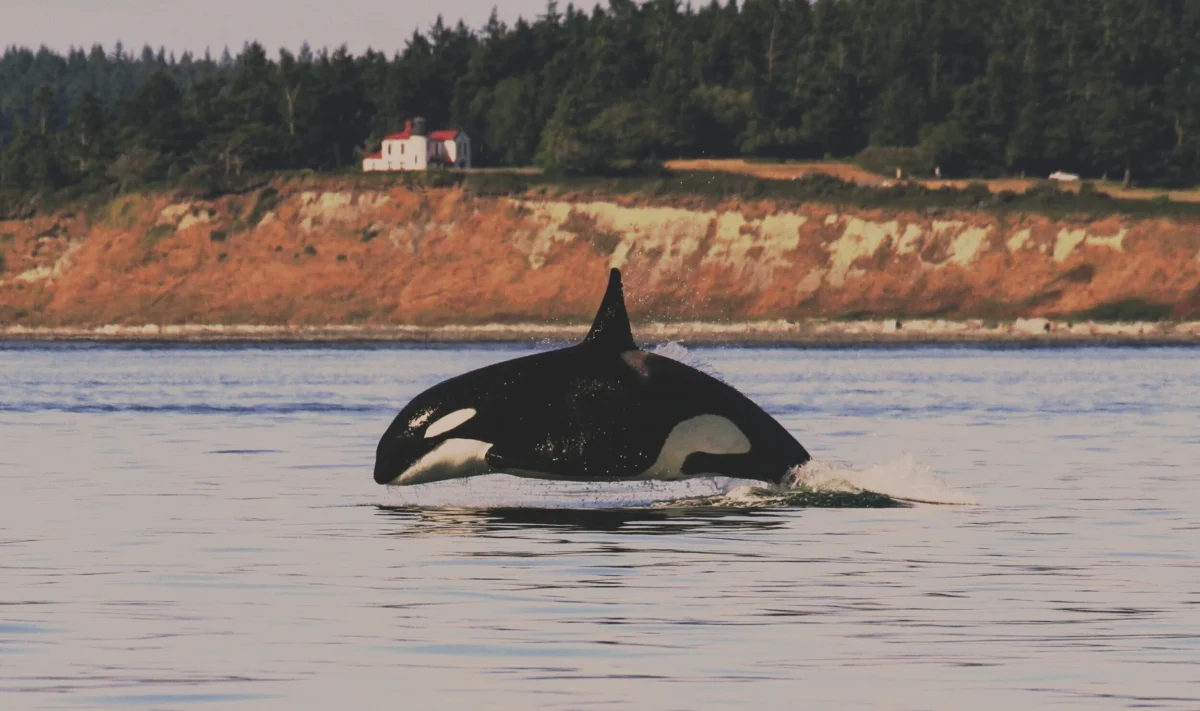
Orca Network is based on Whidbey Island, Washington, the infamous site of a series of orca captures in the 1960s and 1970s, when the animals were herded, trapped, and mothers and babies separated to serve as entertainment in marine parks like SeaWorld. This non-profit does great work helping to protect the Salish Sea and its marine life, particularly orcas. It may be one of the smaller organizations on this list, but it plays a key role in advocating for endangered Southern Resident orcas, with less than 75 remaining today. The population is precarious due to a severe decline in Chinook salmon (their primary food source), toxic chemical pollution, and underwater noise from boat traffic that disrupts communication and hunting.
These hard-working volunteers help to enforce protective vessel laws and advocate for the restoration of critical salmon habitats through citizen science, real-time tracking, and public education. At its Langley Whale Center, an educational hub on the island, visitors can learn more about orca biology and the threats facing the Salish Sea. Volunteer opportunities are available through this center, the Whale Sightings Network, and the Marine Mammal Stranding Network. There are a variety of ways to donate, including employer charitable match programs.
The Ocean Foundation
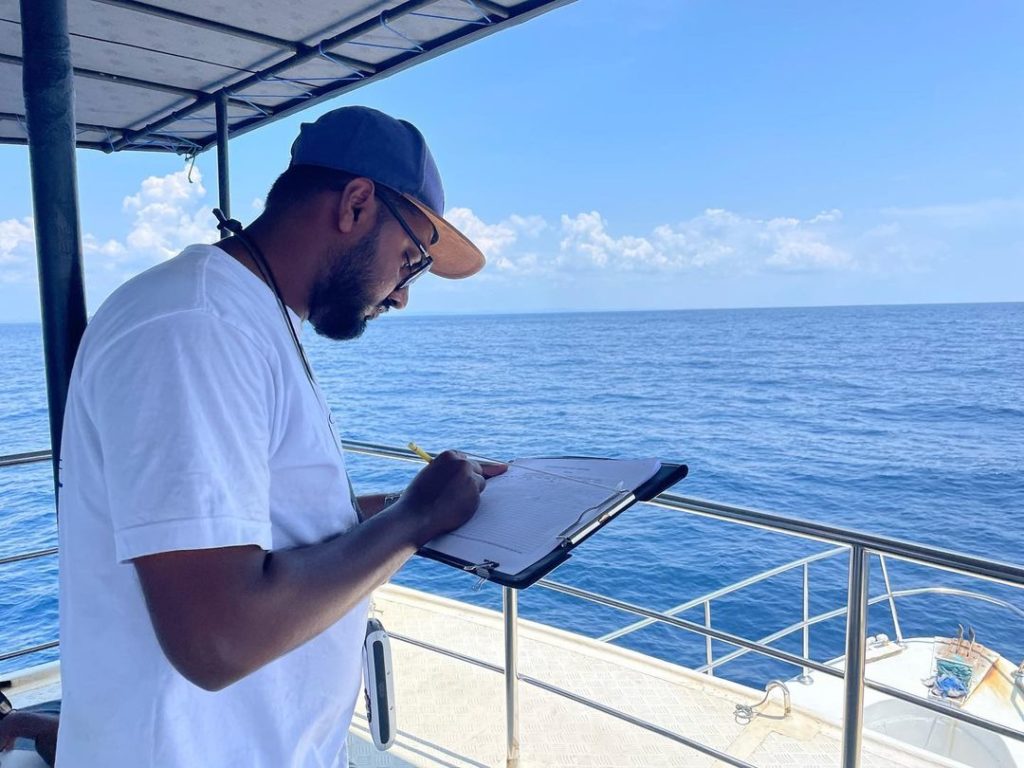
Based in Washington DC, The Ocean Foundation is self-described as the “only community foundation for the ocean.” What that means is that the organization fiscally sponsors and funds ocean projects around the world, currently more than 55 projects across 25 countries. Its mission is to improve global ocean health, climate resilience, and the blue economy (referring to sustainable use of ocean and coastal resources to drive economic growth, create jobs, and support livelihoods while protecting the long-term health of marine ecosystems).
The Ocean Foundation runs its own initiatives to address plastic pollution, blue carbon, and ocean science equity. To get involved, there are company sponsorship programs, opportunities to donate or help through regional volunteer opportunities.
Ocean Conservancy
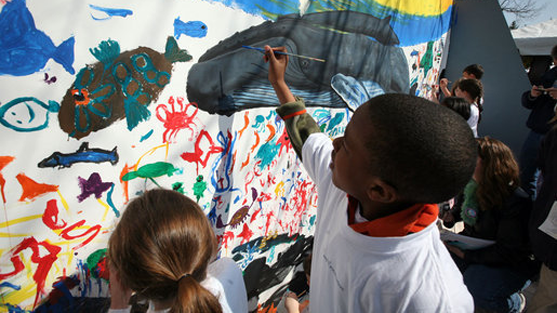
One of the largest global ocean protection organizations, the Ocean Conservancy was founded in 1972. It aims to reduce human impact on ocean ecosystems, protect marine habitats, and restore sustainable fisheries by advocating for evidence-based policies, tackling climate change, and leading the massive International Coastal Cleanup, the largest volunteer event of its kind.
The annual cleanups draw millions of volunteers from across the globe to collect and document trash that litters coastlines. Participation can take place anywhere in the world by using this map to find a cleanup in your region. Or simply head out with friends or family to pick up litter at a beach nearby. Don’t live near the coast? Even picking up trash at a local park or a city sidewalk can help prevent it from getting into waterways.
Heal the Bay
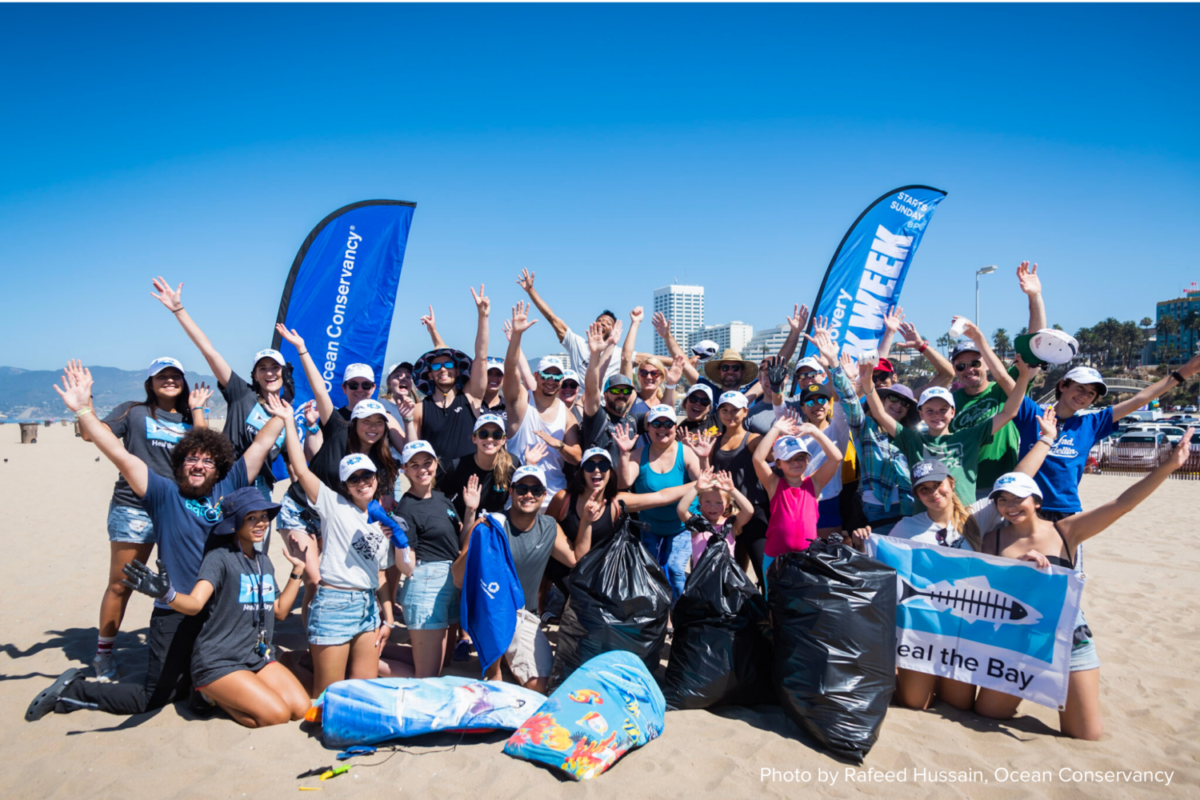
Based in Los Angeles, Heal the Bay is an environmental nonprofit group dedicated to making the area’s coastal waters and watersheds healthy, safe, and clean. It was founded in 1985 and relies on thousands of volunteers for community cleanups to remove trash and debris from the coast and local neighborhoods. To date, volunteers have removed over four million pieces of trash from the L.A. coastline.
Heal the Bay is particularly known for its annual Beach Report Cards, published by every media outlet in L.A. The reports grade the water quality at hundreds of beaches across the state, helping the public choose the best spots for safe swimming. Those who live in the area can join one of the monthly Nothin’ But Sand Beach Cleanups. Donations, Corporate Cleanups, and the Adopt-a-Beach program are just a few of the other ways to help.
The Nature Conservancy
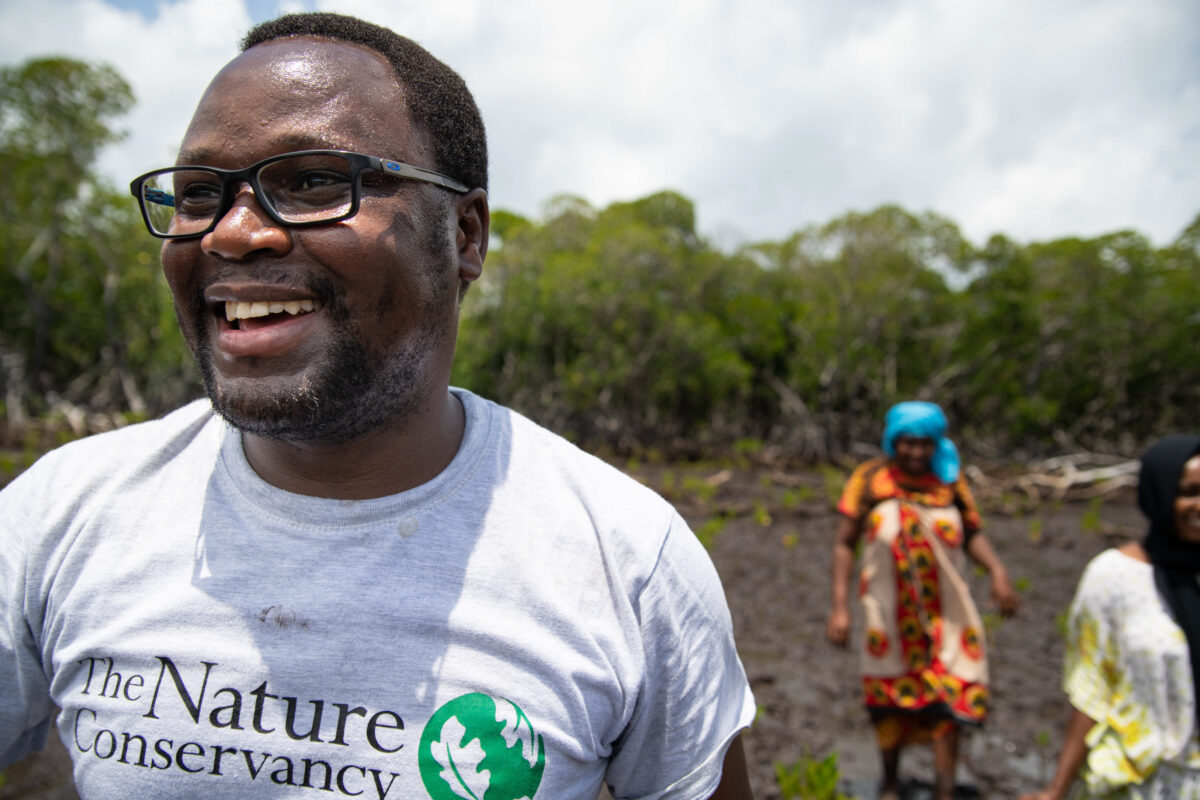
Established in 1951, The Nature Conservancy is one of the world’s oldest and most respected conservation organizations. It works to protect ecologically important waterways and lands through members, scientists, and staff in more than 80 countries and territories, including America’s coastlines and coral reefs. Nature-based, scientific solutions such as restoring tidal marshes, mangroves, and oyster reefs are used to buffer storm surges, absorb wave energy, and secure critical habitats for marine life.
The Nature Conservancy offers helpful information for those who want to “speak up for nature” by contacting elected officials, along with lists of volunteer opportunities.
American Littoral Society
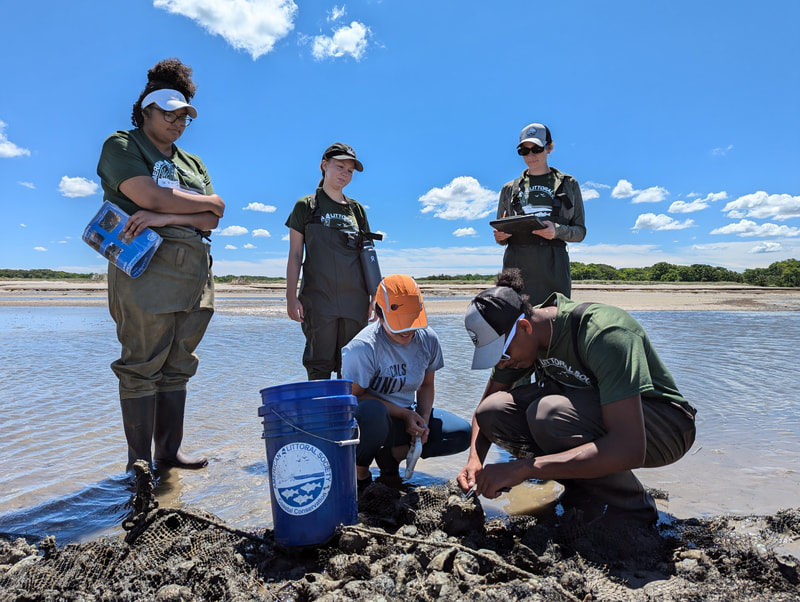
The American Littoral Society promotes the study and conservation of marine life and habitat. Primarily focused on the New York and New Jersey coastlines, it was established in 1961 to restore ecologically healthy, resilient coastal habitats in the Delaware Bay region and along the Atlantic. Projects include beach cleanups, beach and dune restoration, dune grass planting, and more. Volunteers are needed to monitor our oyster reefs for biodiversity, educate children, help with fundraisers, and more.
Oceana
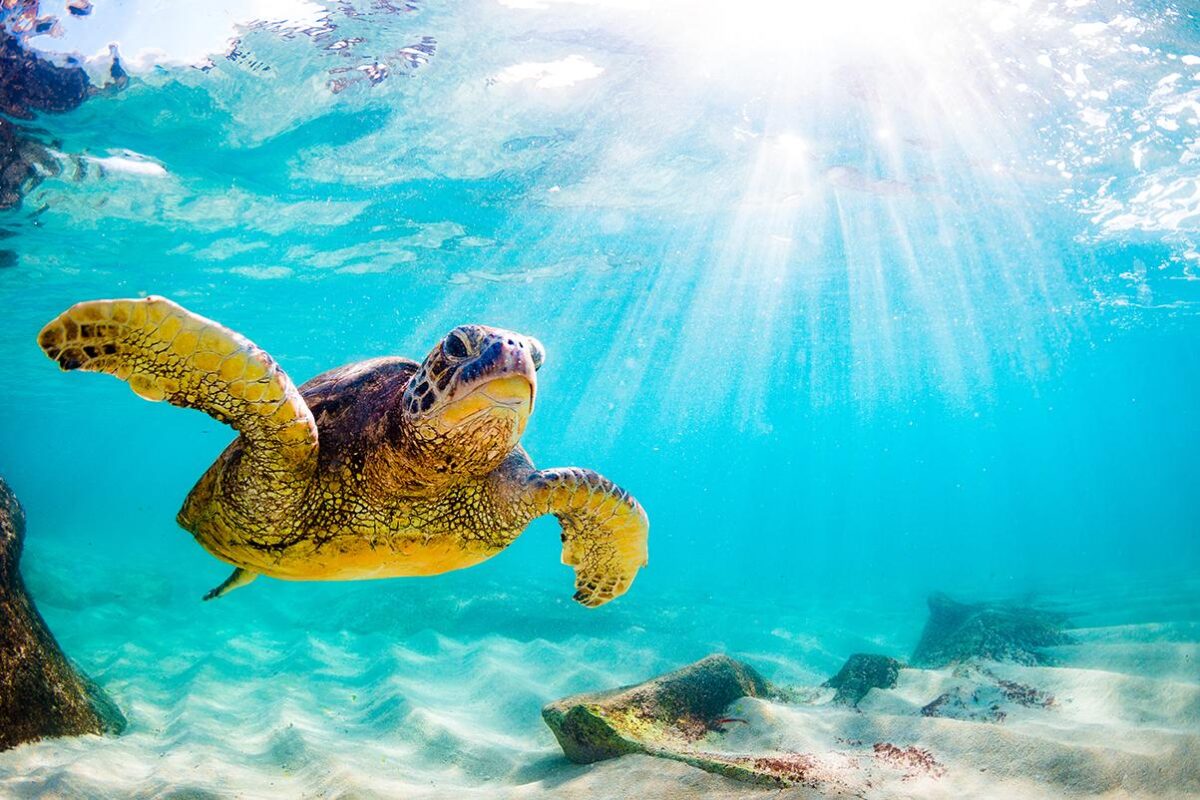
Oceana is one of the world’s largest international advocacy organizations, solely focused on ocean conservation. It focuses on persuading policymakers to protect and restore our oceans from plastic, offshore drilling, overfishing, and other harmful activities. Campaigns include partnering with small-scale fishing communities to support their voices in national policy decisions, protect and strengthen livelihoods, and increase local access to fish. It also embarks on expeditions to bring areas in critical need of protection to life by gathering scientific data and documenting unique habitats through photos and videos.
Supporting Oceana is primarily done through donations that allow it to advocate for policies that help protect our oceans. There is also an online store for purchasing Oceana gear or symbolically adopting a marine animal.
Clean Ocean Action
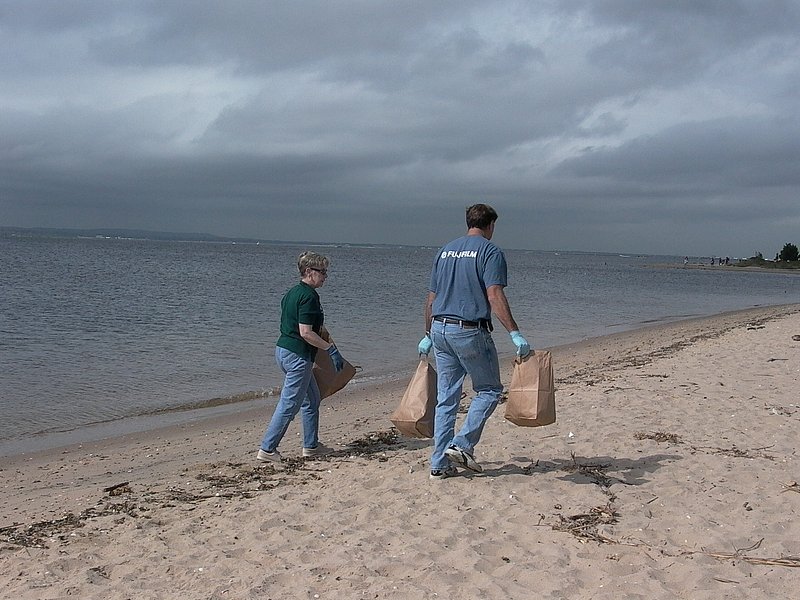
Based in New Jersey, although focused on the Mid-Atlantic coast, including the quality of marine waters off both New Jersey and New York, Clean Ocean Action (COA) is a non-profit that’s been fighting ocean dumping and offshore drilling since 1984. It uses a combination of citizen action, education, political action, and research to empower others to protect the ocean. Just some of its successful campaigns have included protecting coasts from oil and gas drilling from Maine to Florida, improving laws that protect public health at swimming beaches, and reducing trash, including plastics, that pollute waterways and harm marine life.
To help COA, donate, inquire about employer donation-matching programs, or volunteer, with opportunities including everything from monitoring water quality to educating the public.
WILDCOAST
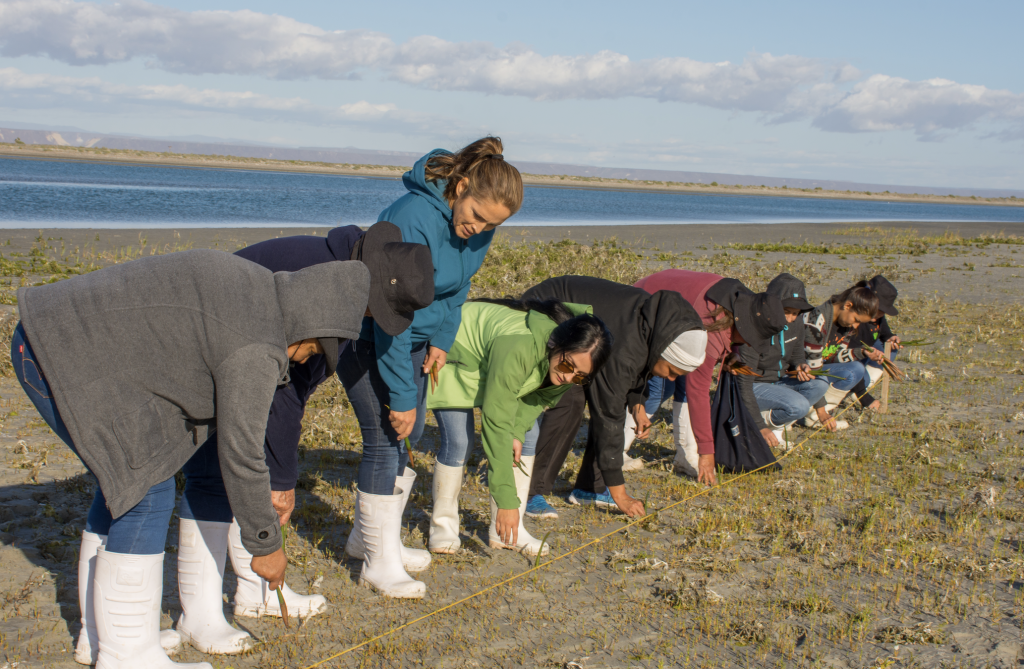
WILDCOAST is an international team focused on conserving the coastlines, mangrove forests, islands, coral reefs, gray whale lagoons, coastal wetlands, and open ocean ecosystems in the U.S. and Mexico. The organization establishes and manages protected areas, advocates for strong conservation policies, and partners with communities to engage them in protecting our coasts and wildlife. To get involved, donate, purchase branded gear, or volunteer for everything from helping to protect sea turtle nests to clearing trash from waterways.