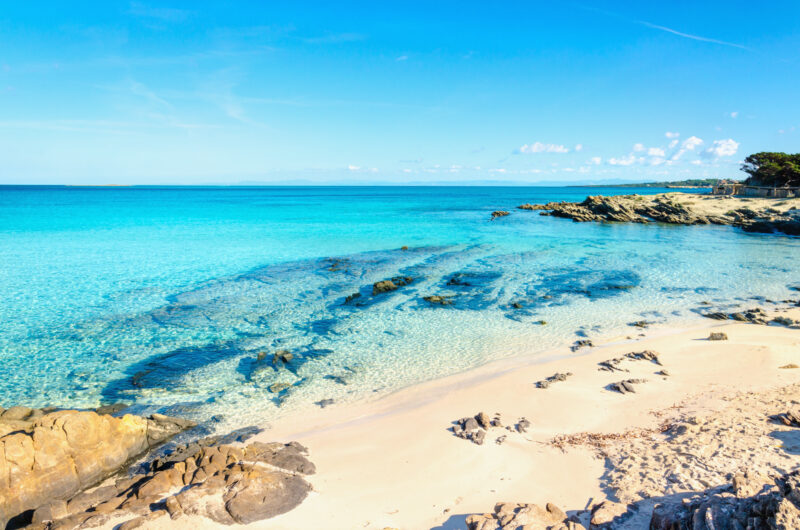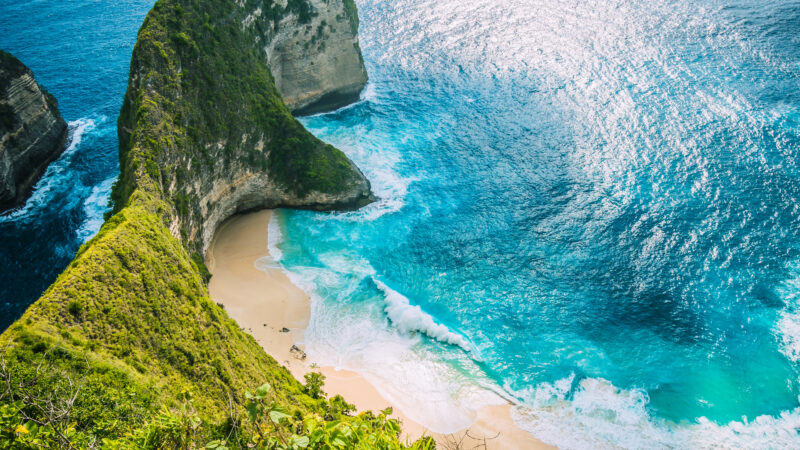

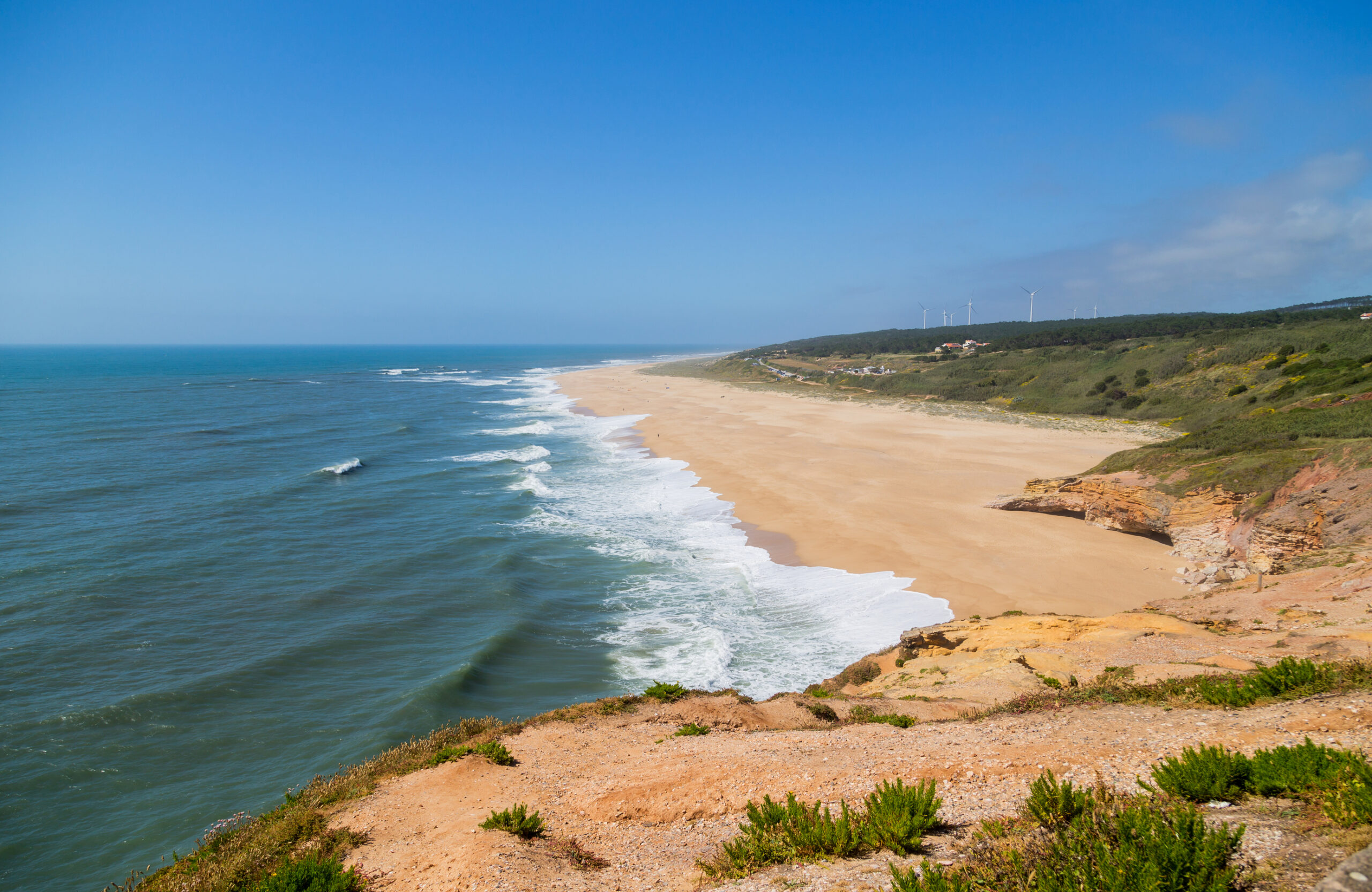
Most people know the Algarve. The cliffside coves and golden rock formations. But about 93 miles north of Lisbon, running all the way up toward Porto along Portugal’s central Atlantic coast, there’s a different stretch of shoreline. The Silver Coast, or Costa de Prata, has been hiding in plain sight for decades: wide, windswept, wild, and almost entirely uncrowded.
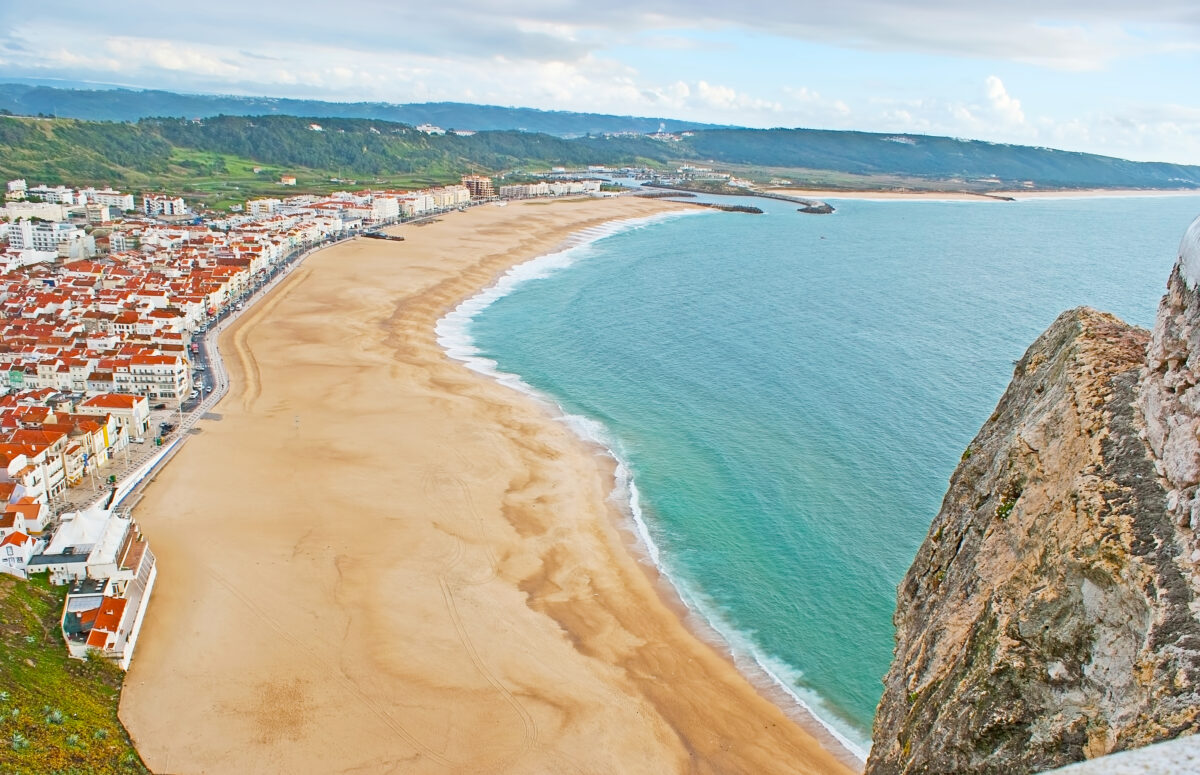
What Is the Silver Coast?
The Costa de Prata is a roughly 155-mile stretch of Atlantic coastline running along central-western Portugal, from just north of Lisbon to just south of Porto. Its name comes from the silvery shimmer of the ocean and the pale, fine-grained sand that lines its beaches.
Where the Algarve is warm, manicured, and well-trodden, the Silver Coast is raw. Pine forests back up against dunes. Fishing villages still operate the way they have for years. Waves arrive with serious Atlantic force. And the towns along the way—Nazaré, Peniche, Óbidos, São Martinho do Porto, Ericeira—each have their own character, history, and reason to visit.
Portugal’s national tourism strategy for 2025–2030 has explicitly identified the Silver Coast as a priority destination, aiming to draw visitors away from overcrowded hotspots and deeper into the country’s regional richness. Investment is flowing into transport links, nature-based tourism infrastructure, and digital-nomad-friendly facilities. The region is being positioned as a year-round destination, so not just a summer beach bolt, but a place worth building a trip around.
It’s still early days, which means now is a good time to go.
The Beaches
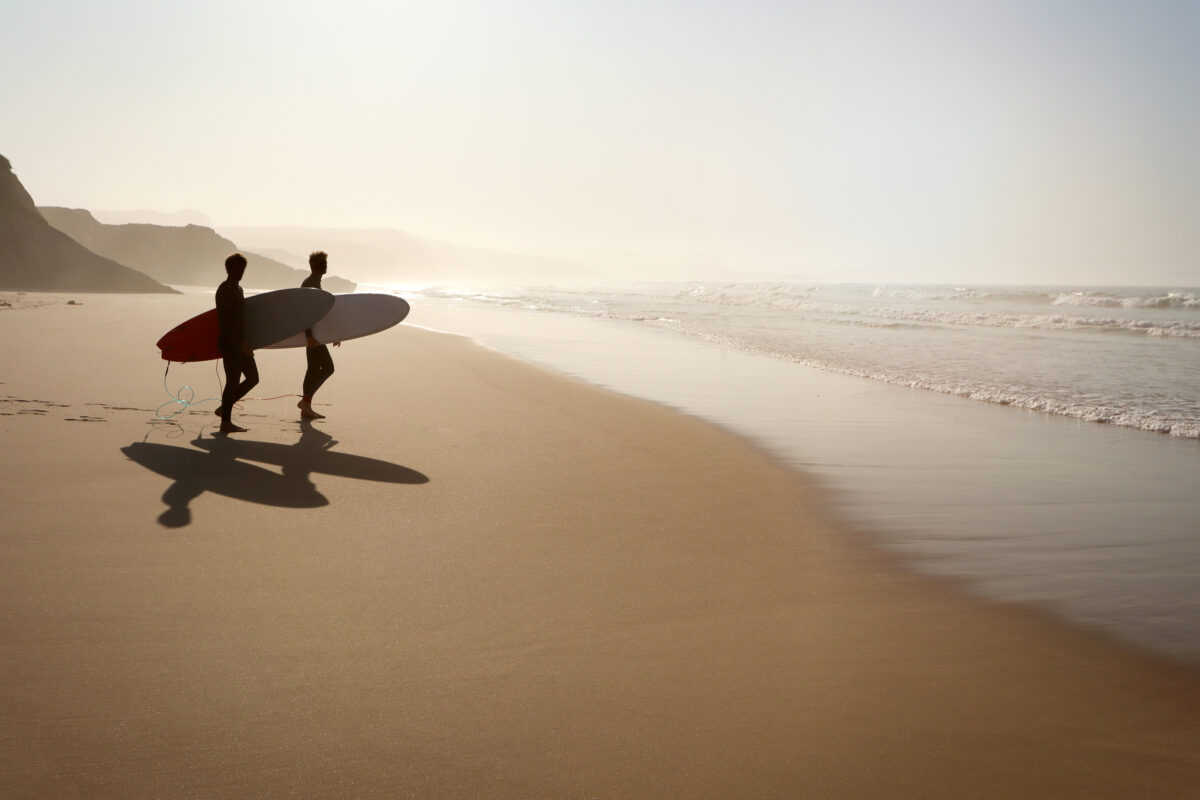
The Silver Coast’s beaches aren’t quiet little coves. They’re vast, open, Atlantic-facing stretches of sand that get serious weather, big waves, and crazy wind. That’s precisely why surfers have been coming here for years (and why everyone else is starting to follow).
Praia do Norte, Nazaré
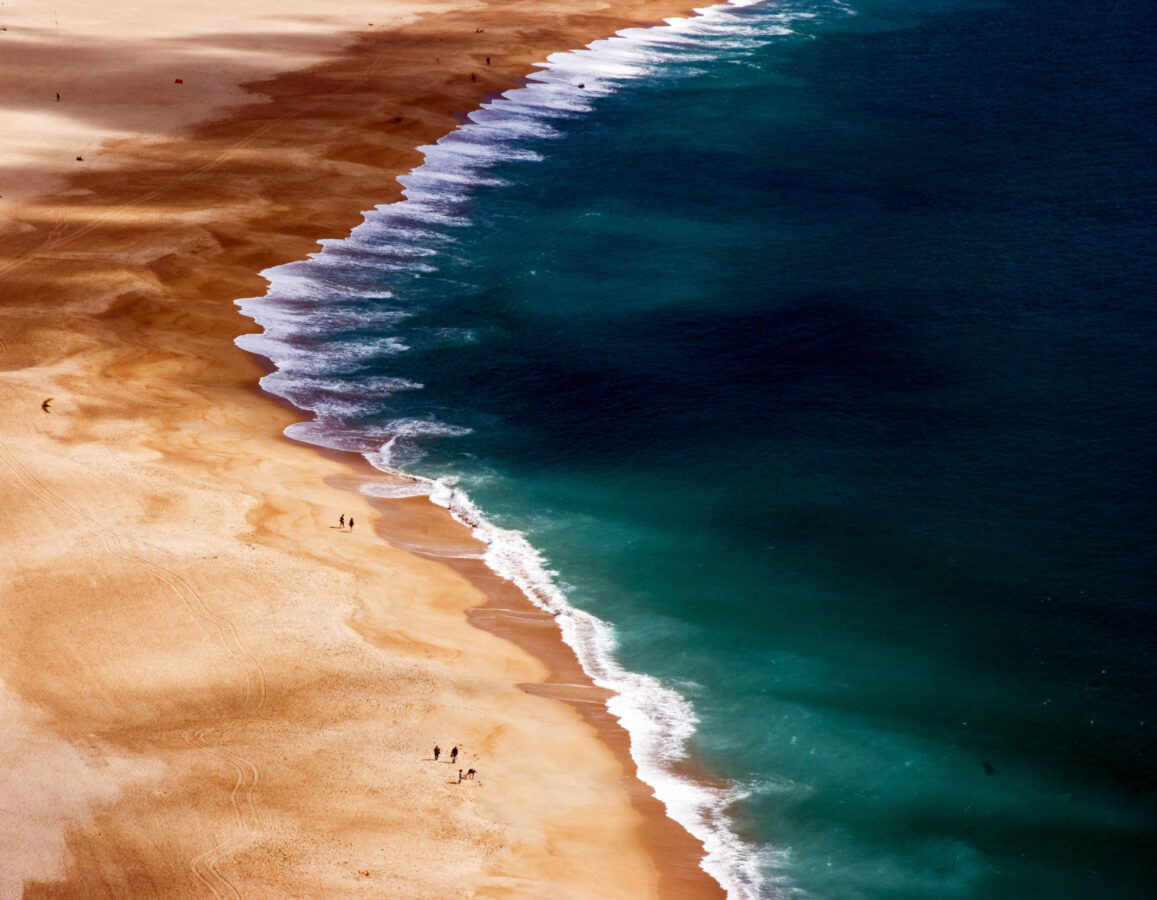
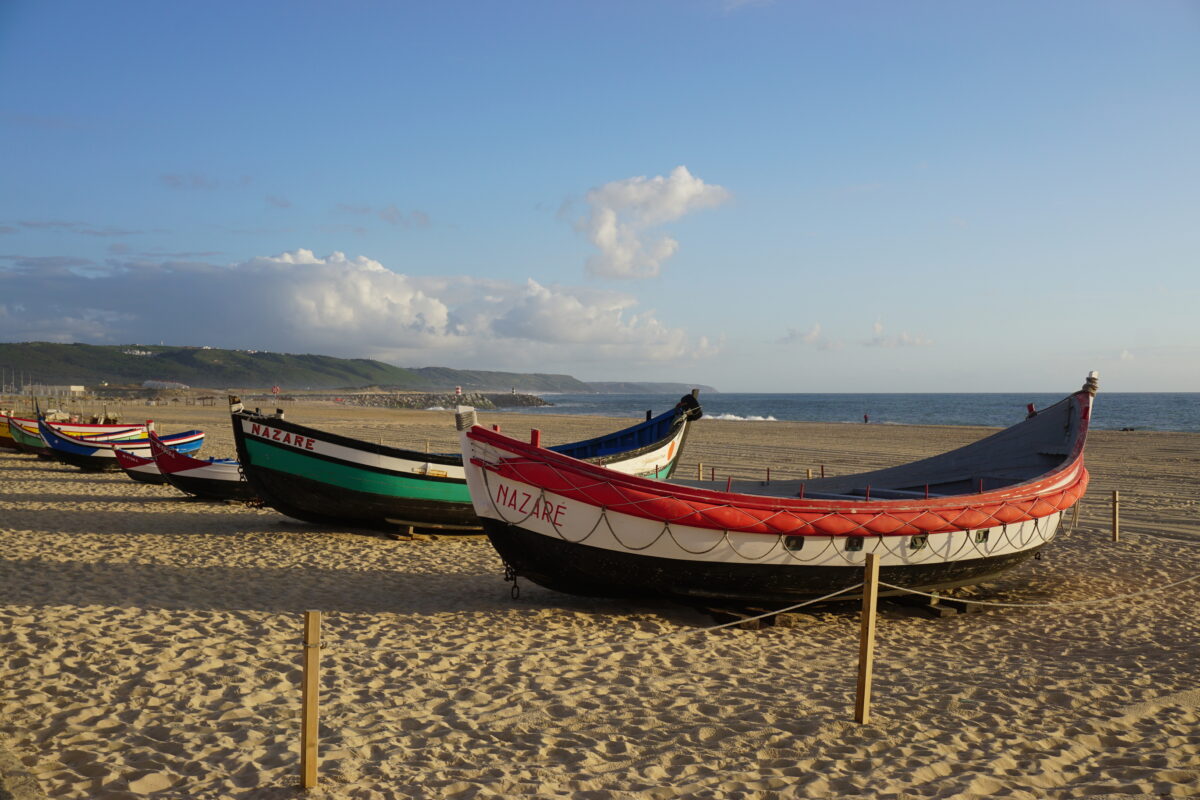
Perhaps the most famous stretch of sand on the entire coast, it’s home to the biggest surfable waves on the planet. In winter, Portuguese big-wave surfers and visiting professionals chase swells that can reach nearly 100 feet. In summer, the beach calms to something more accessible, and the town in front of it is a charming mix of seafood restaurants and beach umbrella rentals. The clifftop suburb of Sítio, reachable by funicular, offers one of the best coastal views in Portugal.
Supertubos Beach, Peniche
One of the most respected surf breaks in Europe, regularly hosting World Surf League competitions. The wave here forms a near-perfect hollow tube which is punishing for beginners, but sublime for anyone who knows what they’re doing. Peniche itself is a working fishing town on a small peninsula, with a fortress that once served as a political prison under the Salazar dictatorship and is now a museum. It has the feel of somewhere that hasn’t yet been polished for tourists.
Foz do Arelho
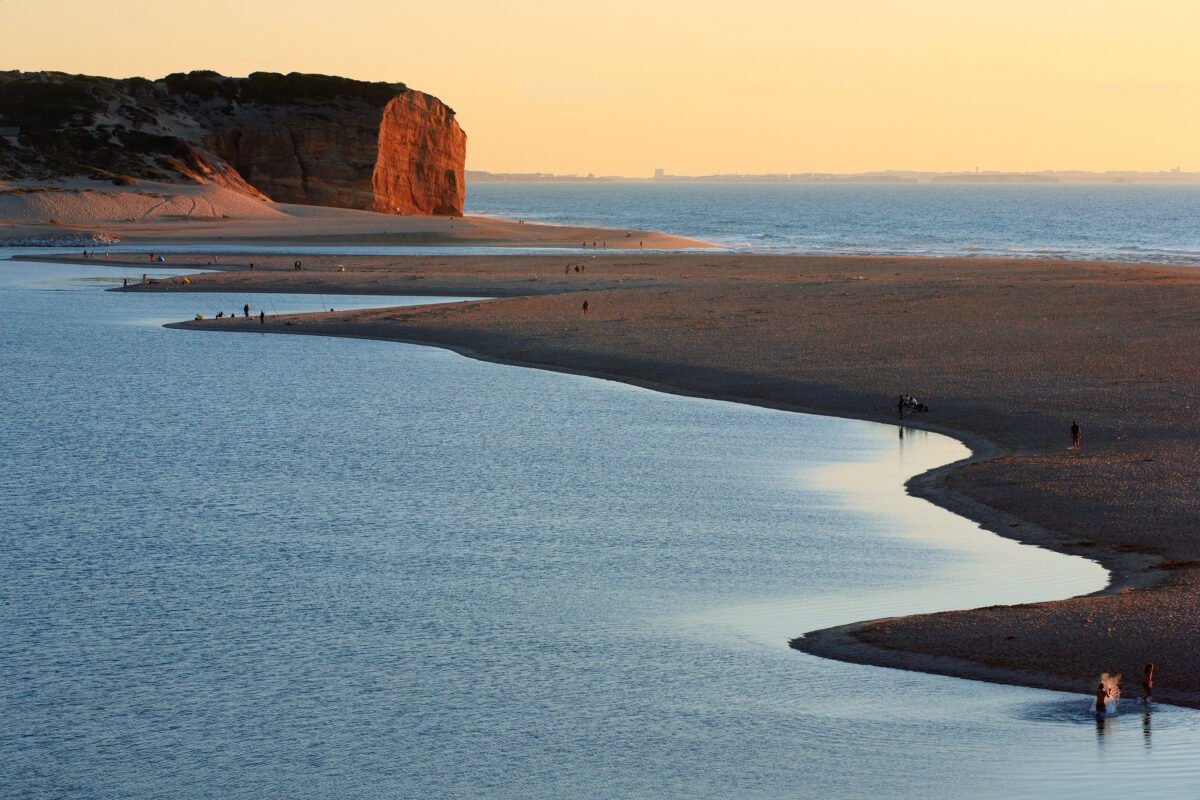
Sits at the junction of the Óbidos Lagoon and the Atlantic, offering two completely different swimming experiences in the same spot: the open ocean on one side, and the calmer, slightly warmer lagoon on the other. The cliffs framing the scene and a strip of beach bars and restaurants make it a favorite with Portuguese families who’ve been coming here for generations.
São Martinho do Porto
The Silver Coast’s answer to a family-friendly beach. Its sheltered, horseshoe-shaped bay means gentle waves and calm water (which is a rarity along this stretch of coast). The town has been a fashionable seaside destination since the 19th century, when Portuguese nobility summered here, and it still has that unhurried, sun-drenched atmosphere that’s getting harder to find elsewhere in Europe.
Praia de Ribeira d’Ilhas, Ericeira
The surf beach that put Ericeira on the map. Ericeira is the only place in Europe to hold the designation of a World Surfing Reserve (a protected stretch of coastline recognized for its exceptional wave quality and surf culture). The town itself is small, white-walled, and perched on a cliff above the ocean, with excellent seafood restaurants and a local atmosphere that hasn’t yet been swallowed by tourism.
Beyond the Sand
What makes the Silver Coast more than just a beach destination is everything just inland from it. Within an hour’s drive of most points along the coast, you can be standing inside a walled medieval town, exploring a Gothic monastery, or hiking through ancient pine forest.
Óbidos
Perhaps the most visited inland stop—a completely walled medieval town with cobblestone streets, whitewashed houses trimmed in blue and yellow, and a 12th-century castle that’s now a luxury hotel. The town is famous for ginjinha, a cherry liqueur traditionally served in a small chocolate cup, and hosts an annual medieval market and chocolate festival that draw visitors from across Europe. Many travellers combine Óbidos with a coastal stop in Nazaré or Peniche for a natural two-day itinerary.
Alcobaça Monastery and Batalha Monastery
Both UNESCO World Heritage Sites, and both extraordinary. Alcobaça contains the tombs of Portugal’s first kings; Batalha—a Gothic masterpiece—was built to celebrate Portugal’s victory at the Battle of Aljubarrota in 1385. Neither is overly touristed compared to equivalents elsewhere in Europe.
The Berlengas Islands
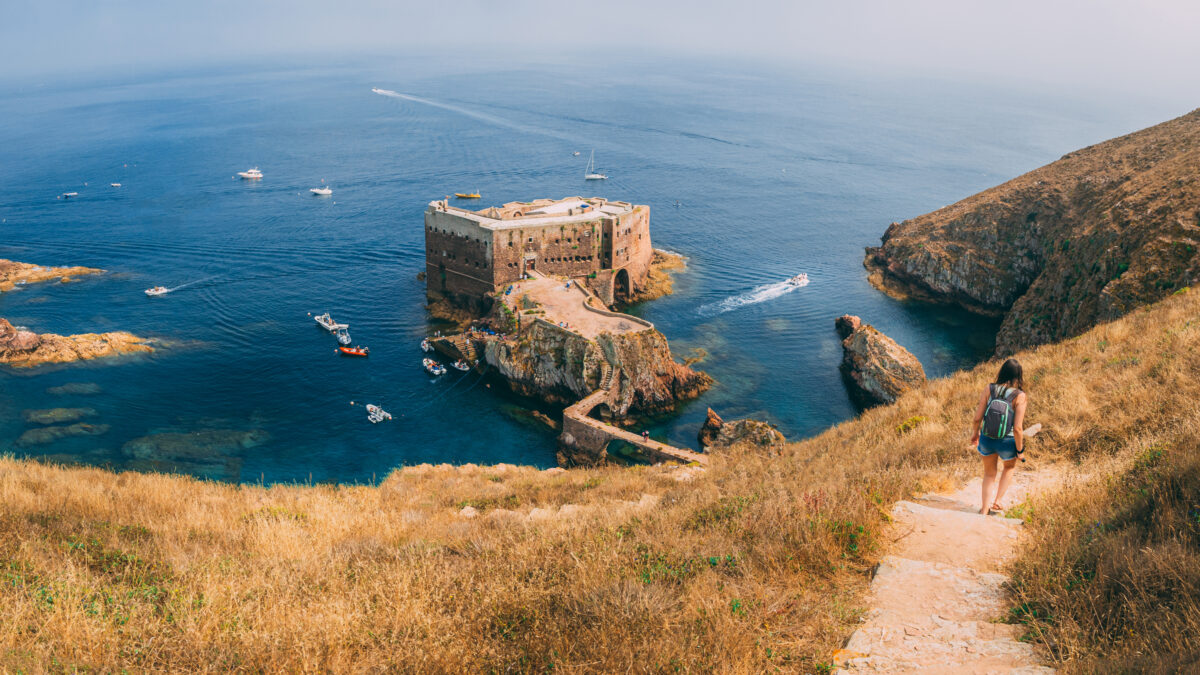
A short ferry ride from Peniche, are a protected UNESCO Biosphere Reserve with electric blue water, sea caves, a 17th-century fortress, and some of the best snorkelling in Portugal. Access is deliberately limited to 550 visitors per day, which keeps it pretty pristine. Book the ferry well in advance.
Aveiro
At the northern end of the coast, Aveiro is often called the Venice of Portugal; a city built around canals plied by brightly painted moliceiro boats. It’s charming, authentic, and far less crowded than its Italian counterpart.
Why Now?
The Algarve’s best beach towns—Lagos, Albufeira, Vilamoura—now deal with the same pressures as Barcelona or the Amalfi Coast: high prices, summer crowds, and an experience increasingly shaped around tourism rather than local life. The Silver Coast hasn’t got there yet.
Prices along the coast are still affordable by Western European standards. A meal of fresh grilled fish in Peniche or Nazaré costs a fraction of what you’d pay in Faro or Cascais. Accommodation options range from simple guesthouses and surf hostels to a handful of design hotels and golf resorts that are starting to put the region on the luxury travel radar. Real estate prices, though rising, are still well below the Algarve, which is why the region is also drawing a wave of expats, retirees, and remote workers looking for Atlantic views without the premium.
The Silver Coast has somehow escaped the relentless march of mass tourism that claimed the Algarve decades ago. That won’t last forever. But for now, the Silver Coast remains one of Europe’s great coastal secrets: wide open, genuinely wild, and very much worth finding before everyone else does.
*With this comes the responsibility to shop local, learn basic Portuguese phrases and always treat the locals with respect. Remember, you are just a visitor here.
Getting There & Getting Around
The Silver Coast is most easily accessed via Lisbon, which has excellent international connections. From Lisbon, the main coastal towns are reachable by car in one to two hours. A rental car is strongly recommended. While buses connect the larger towns, many of the best beaches and inland villages are only practical with your own transport.
Peniche is about 90 minutes from Lisbon. Nazaré is around two hours. Ericeira, the most southern surf town, is under an hour. The drive along the coast on smaller roads, rather than the A8 motorway, is one of the great scenic drives in Western Europe.