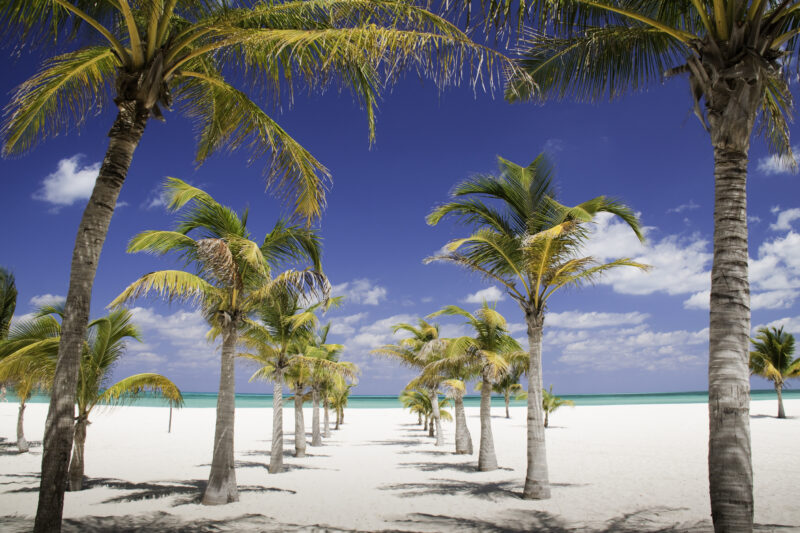

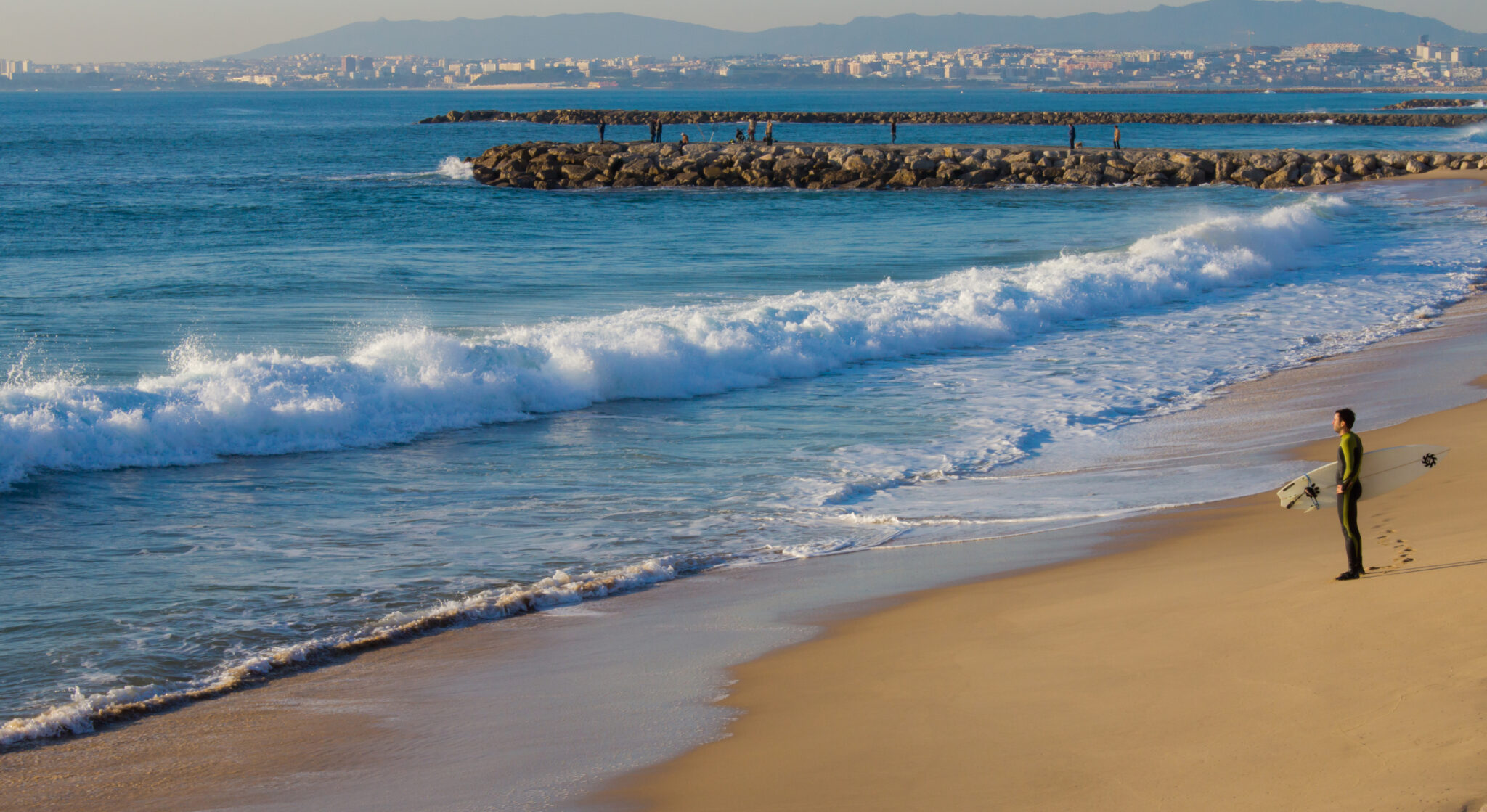
Thirty minutes south of Lisbon and a world away from its cobblestones and trams, Costa da Caparica stretches out over 16 miles of Atlantic coastline, wide sands, and steady waves that pull surfers in. On summer weekends, it feels like half the city crosses the 25 de Abril Bridge. But once you arrive, it makes perfect sense.
I actually spent my birthday this year at Ocean Beach Bar, and it perfectly captured what this stretch of coast is about: long beach days that effortlessly turn into music-filled evenings with the Atlantic right in front of you. In summer, that energy only builds, with beach bars hosting regular DJ sets, pop-up events, and festivals that run all along the shoreline.
This is part beach town, part surf strip, part open-air living room. A place where days blur into long lunches, saltwater swims, and sunset beers you didn’t quite plan on having. This guide covers everything you need to know to make the most of it.
Getting There from Lisbon
There are a few ways to make the crossing.
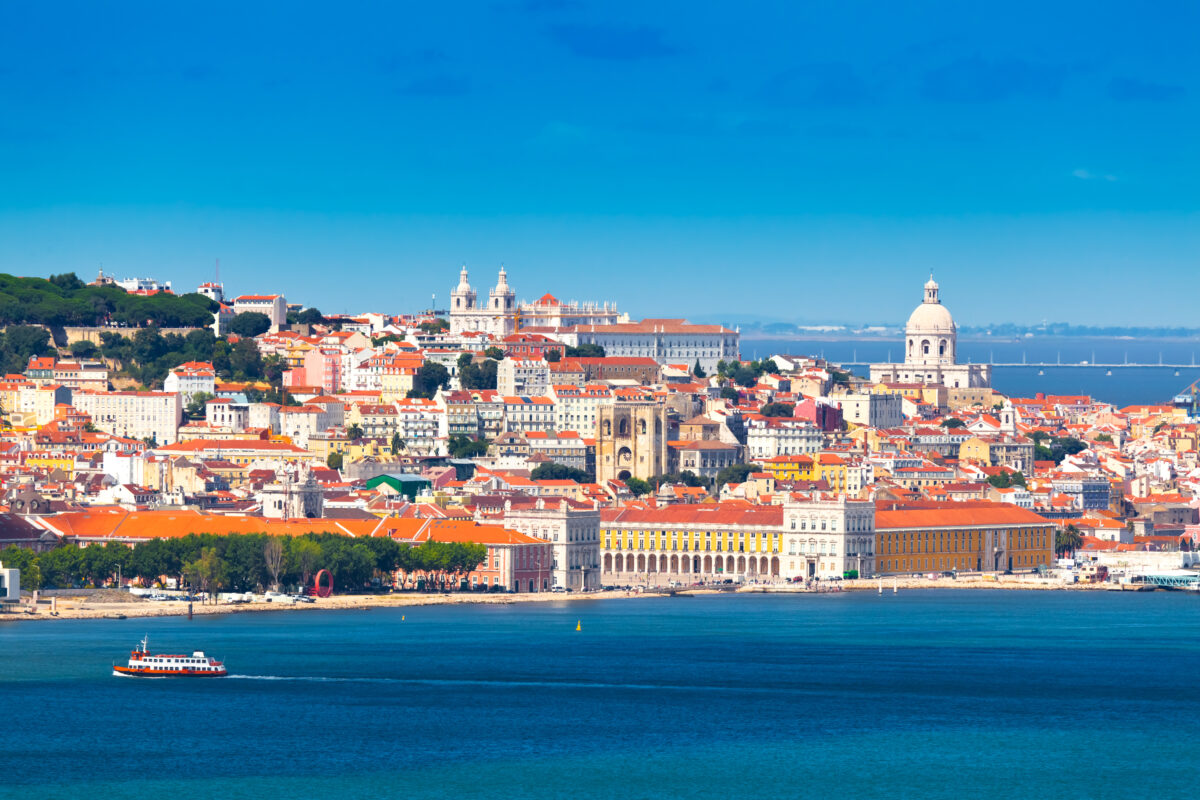
The ferry and bus combination is the most scenic option, especially if you’re based near Baixa or Bairro Alto. Take the Transtejo ferry from Cais do Sodré across the Tagus to Cacilhas (a short ten-minute ride). The views back toward Lisbon are worth the trip alone. From Cacilhas, connect to bus 3022 or 3011 to Costa da Caparica. The 3022 runs frequently and takes around 43 minutes, while the 3011 is slightly less regular but drops you closer to the beach itself. It also neatly avoids bridge traffic, which can turn a simple crossing into a really long wait.
The direct bus (3710) departs from Avenida Padre Manuel Nóbrega near Areeiro and runs at least twice an hour, increasing to every 15 minutes at peak times. The journey costs around €2.60 and takes roughly 55 minutes in normal traffic—though summer Saturdays tend to have their own interpretation of “normal.” Check Carris Metropolitana for live updates before you go.
By car, it’s about 20 minutes via the 25 de Abril Bridge, though parking in high season rewards early arrival.
By Uber or taxi, expect €25–€35 and a similar 20-minute ride, so it’s a straightforward option if you’re travelling light or splitting the fare.
Choosing Your Beach
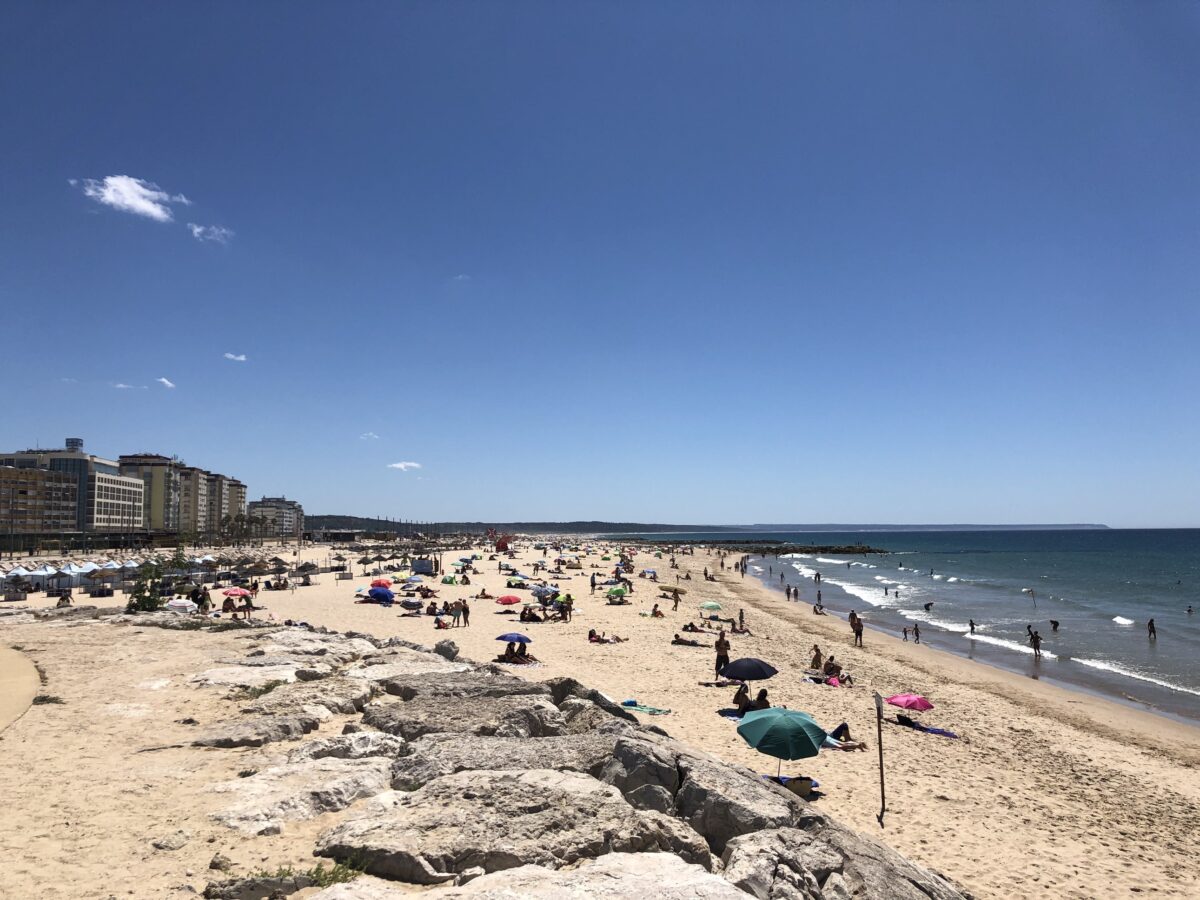
Costa da Caparica isn’t one beach but a continuous stretch.
The northern beaches, closest to town, are the most accessible and social. Praia de São João is the easy all-rounder—family-friendly, well-serviced, and popular with beginner surfers. Praia Nova sits at the end of Rua dos Pescadores and naturally draws more footfall simply by location.
The Transpraia train, a narrow-gauge coastal line, usually runs along part of the shoreline in summer, stopping at multiple beaches. It’s worth checking locally whether it’s operating, as service has been inconsistent in recent years.
Further south, everything opens up. Crowds thin, wind picks up, and the coastline feels wilder. Praia do CDS (Centro Desportivo de Surf) has long been a dedicated surf zone. Praia da Morena, Praia do Castelo, and Praia da Princesa each offer their own stretch of sand and surf, with more space to simply exist in between swims.
At the far southern end near Fonte da Telha, you’ll find well-known naturist beaches, clearly marked and long established.
Surfing
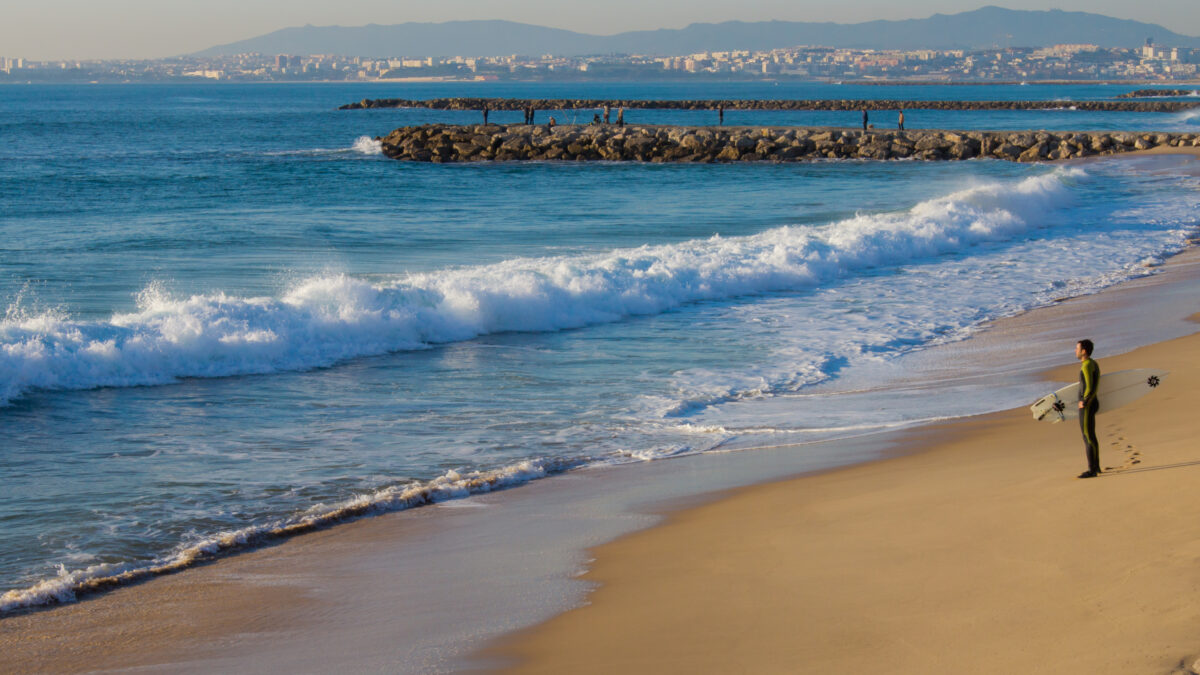
Costa da Caparica is one of the more reliable surf destinations on Europe’s Atlantic edge. The waves are consistent, shaped by long ocean swells that roll in year-round. Autumn and winter bring the most power, while summer tends to soften things into something more beginner-friendly.
For newcomers, there’s no shortage of surf schools along the coast, particularly around Praia de São João and the northern beaches. A few of the most well-known include Caparica Surf Academy, Go Surf Lisboa Surf School, and GetWet Surfcamp, all of which run beginner-friendly lessons with equipment included. The wide sandy breaks here make it one of the easiest places near Lisbon to learn.
If you want something more immersive, surf camps are a big part of the Caparica experience. Places like Surfhouse Caparica combine daily lessons with accommodation, community dinners, and a built-in social scene that tends to attract solo travelers and longer-stay visitors.
More experienced surfers tend to drift south toward Praia do CDS and Praia da Morena, where the breaks are more consistent and the lineup feels more spacious. Kitesurfing and windsurfing also have a strong presence here thanks to dependable afternoon winds.
If you’re travelling light, board and wetsuit rentals are easy to find along the main beaches, and instructors are usually happy to point you toward the day’s best conditions.
Beach Bars and Restaurants
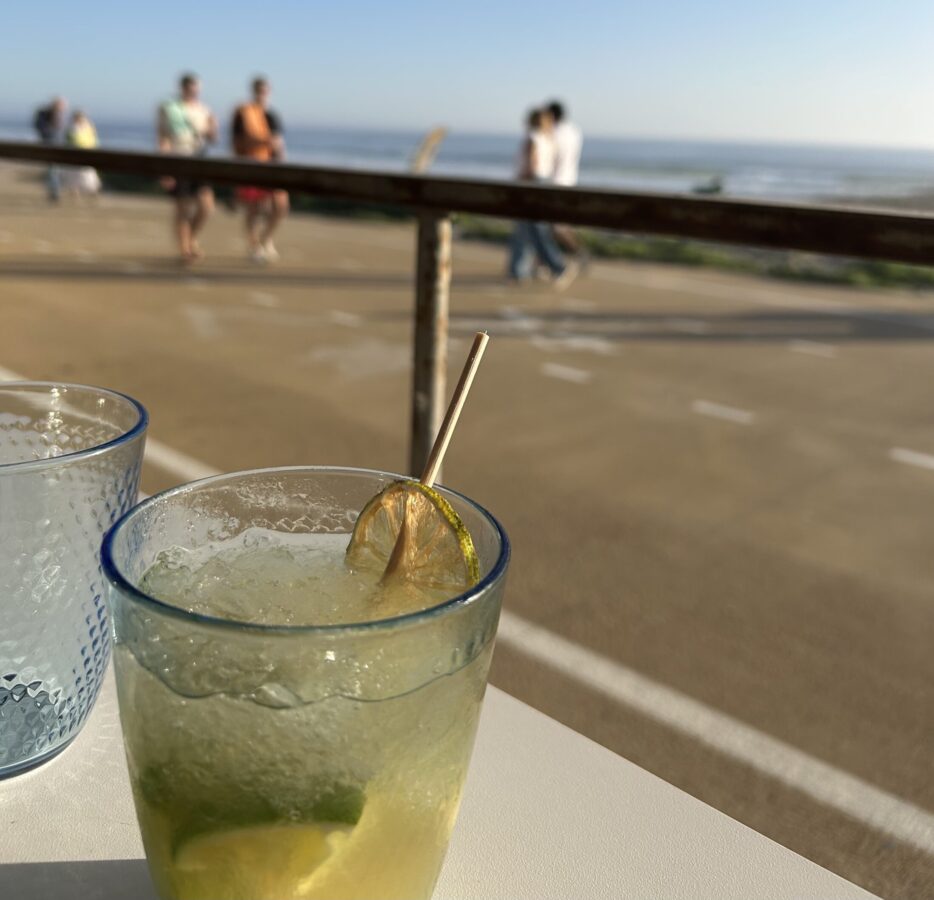
This is where Costa da Caparica excels (in my opinion). The range and quality of eating and drinking along this coast is considerably better than a casual look at the map might suggest.
Kailua has built a loyal following for good reason. Think soft cushions, tropical-leaning interiors, and an expansive terrace facing the Atlantic. The menu is wide-ranging—Portuguese staples alongside Italian, Mexican, and Thai influences—with cocktails and fresh juices equally at home on the table.
Irmão sits at the opposite end of the spectrum: social, music-led, and intentionally unhurried. Days drift between swims, shaded drinks, and long conversations, before DJs take over as the afternoon slides into evening.
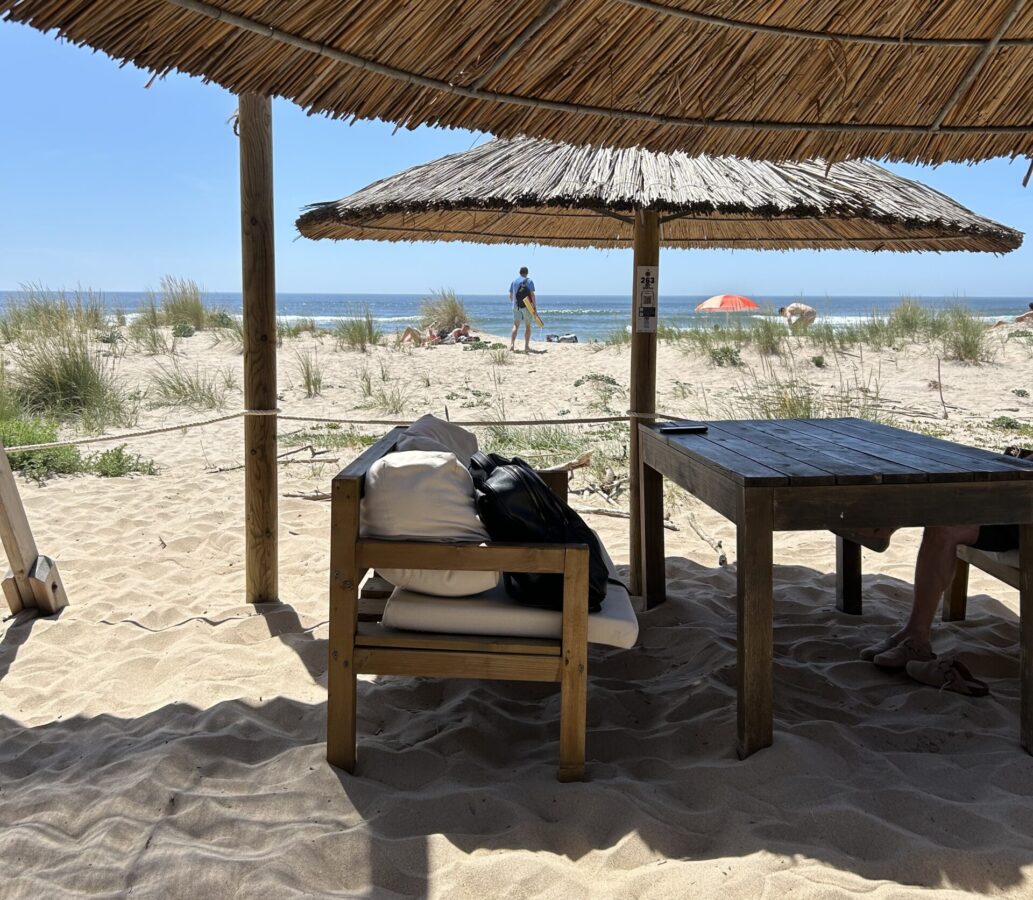
Ocean Beach Bar is one of the easiest places to lose track of time here (where I came for my birthday). Tables sit right in the sand. It’s relaxed, unfussy, and very much designed for long afternoons that roll into sunset. The passion fruit sangria alone is reason enough to stay longer than planned.
Praia Princesa Beach Club offers something more polished. Grilled fish, clams, and seasonal plates come with a slightly more refined touch, and sunsets often come with a soundtrack courtesy of visiting DJs.
For something more local and straightforward, the restaurants around Rua dos Pescadores keep things classic with fresh seafood, grilled fish, cold beer, and decent prices. O Barbas and Sentido do Mar are long-standing favorites.
When to Go
Summer (June through September) is peak season, when the coastline feels fully awake. Beaches are busy, bars stay open late, and weekends bring a steady flow of Lisbon locals. July and August are the busiest months, while early June and September offer a slightly more breathable version of the same energy.
Outside of summer, Autumn and winter bring bigger waves, fewer crowds, and a quieter, more local rhythm that belongs almost entirely to surfers and regulars.
Water temperatures are comfortable through summer, typically reaching the low-to-mid twenties celsius, though the Atlantic is rarely warm enough to skip a wetsuit for long. Afternoon winds are common along the entire coast—ideal for kitesurfing, and something to factor in if you’re not.
Practical Notes
Lifeguards are present on most of the main beaches throughout the summer season, and rental equipment (sunbeds, umbrellas, surf boards, and wetsuits) is widely available. The northern beaches are more accessible for people with reduced mobility, while the wilder southern stretches require a bit more commitment to reach.
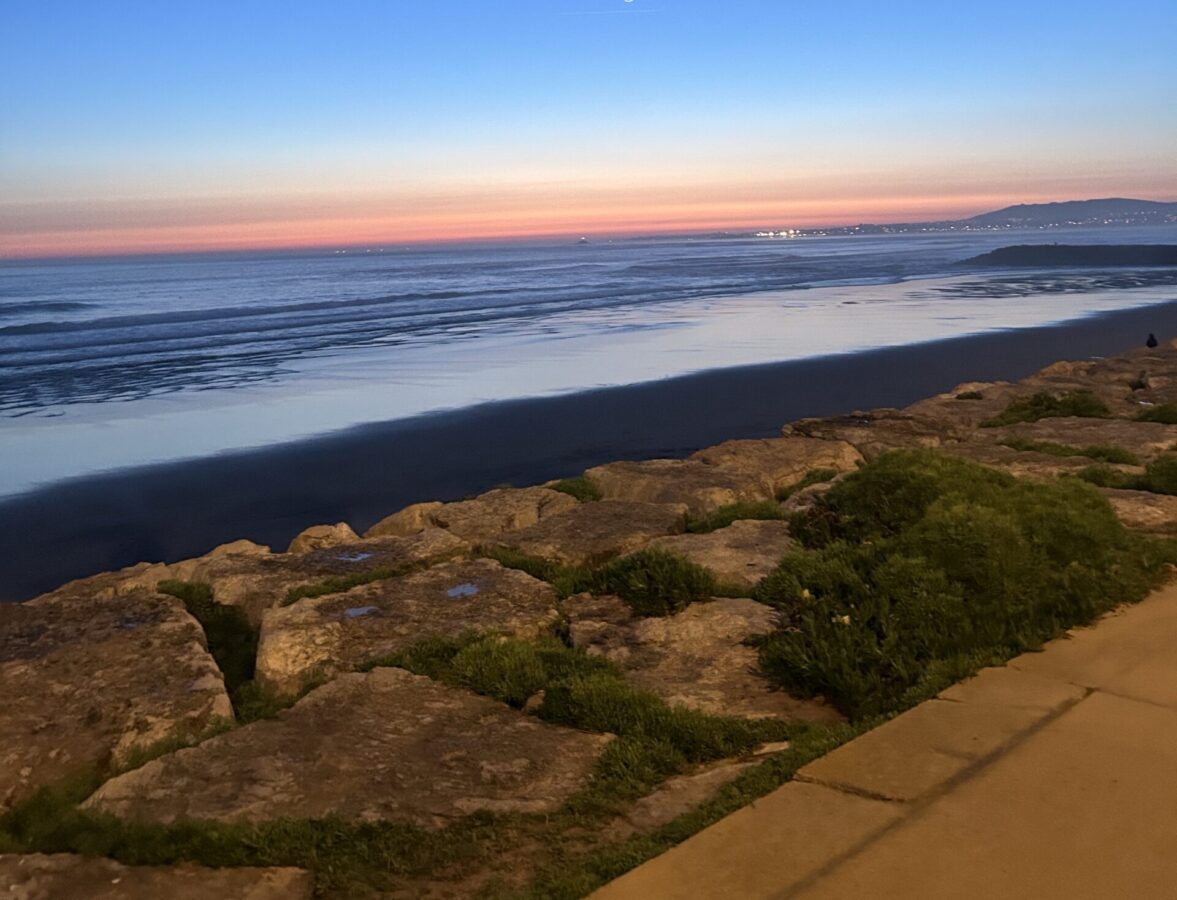
The town of Costa da Caparica itself has a pleasant promenade running along the northern shore, a handful of cafés on Rua dos Pescadores worth stopping at for an ice cream or a coffee, and accommodation ranging from campsites to holiday apartments. It is not where you come for architecture or history. It is where you come for the sea.
That is, ultimately, the whole point. Costa da Caparica does one thing and does it exceptionally well: it gives Lisbon a coastline to breathe in, and gives anyone willing to make the short crossing a proper Atlantic beach day, without the fuss of flying somewhere to find one.