
California’s beaches and coastal waters are among its most treasured natural assets. They support remarkable biodiversity, recreational opportunities, local economies, and the well-being of millions of residents and visitors. From restoring fragile habitats, protecting wildlife, and combating pollution to advocating for sustainable ocean policies, many organizations play a vital role in helping to preserve these ecosystems for future generations.
If you’d like to support some of the leading conservation groups in California dedicated to protecting our beaches and marine life, whether by volunteering, donating, or something else, this list is a great place to start.
Surfrider Foundation California Chapters
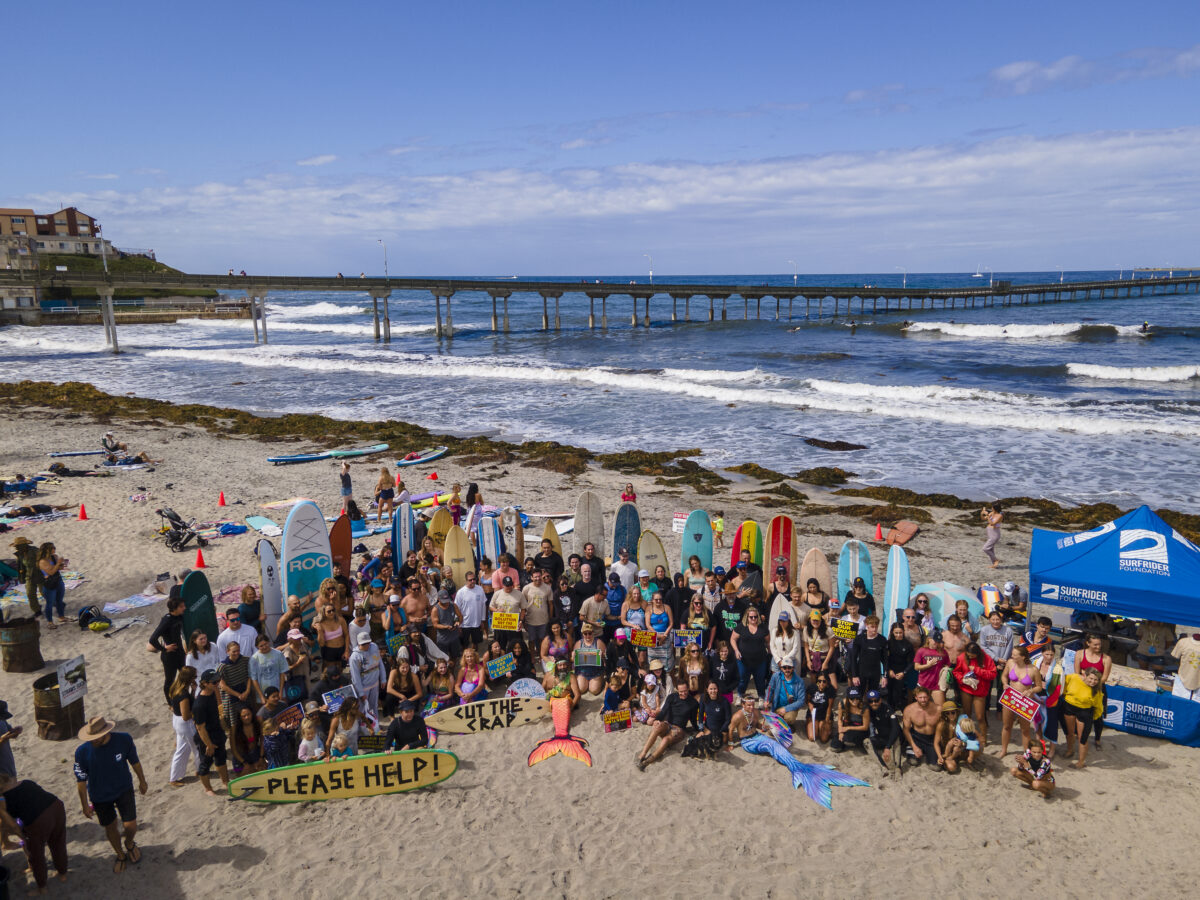
Founded by a group of surfers in Malibu in 1984, today Surfrider has dozens of California chapters, from San Diego to Humboldt County. One of the largest non-profit grassroots organizations with a volunteer-activist network, it all began as a protest against environmental and construction damage at Surfrider Beach. The organization is fighting to reduce plastic pollution, protect our coasts and oceans, and ensure we have clean water. It includes more than 200 chapters and student clubs, with 40 different campaigns in California alone. Beach cleanups, water quality testing, and active campaigns to fight plastic pollution and harmful activities like offshore drilling are just a few of the ways Surfrider is making a positive impact.
Surfers and non-surfers alike can help the cause. Volunteer, join fundraising events, and contact your Congressional representatives to ask them to take action to protect California’s coast.
Heal the Bay
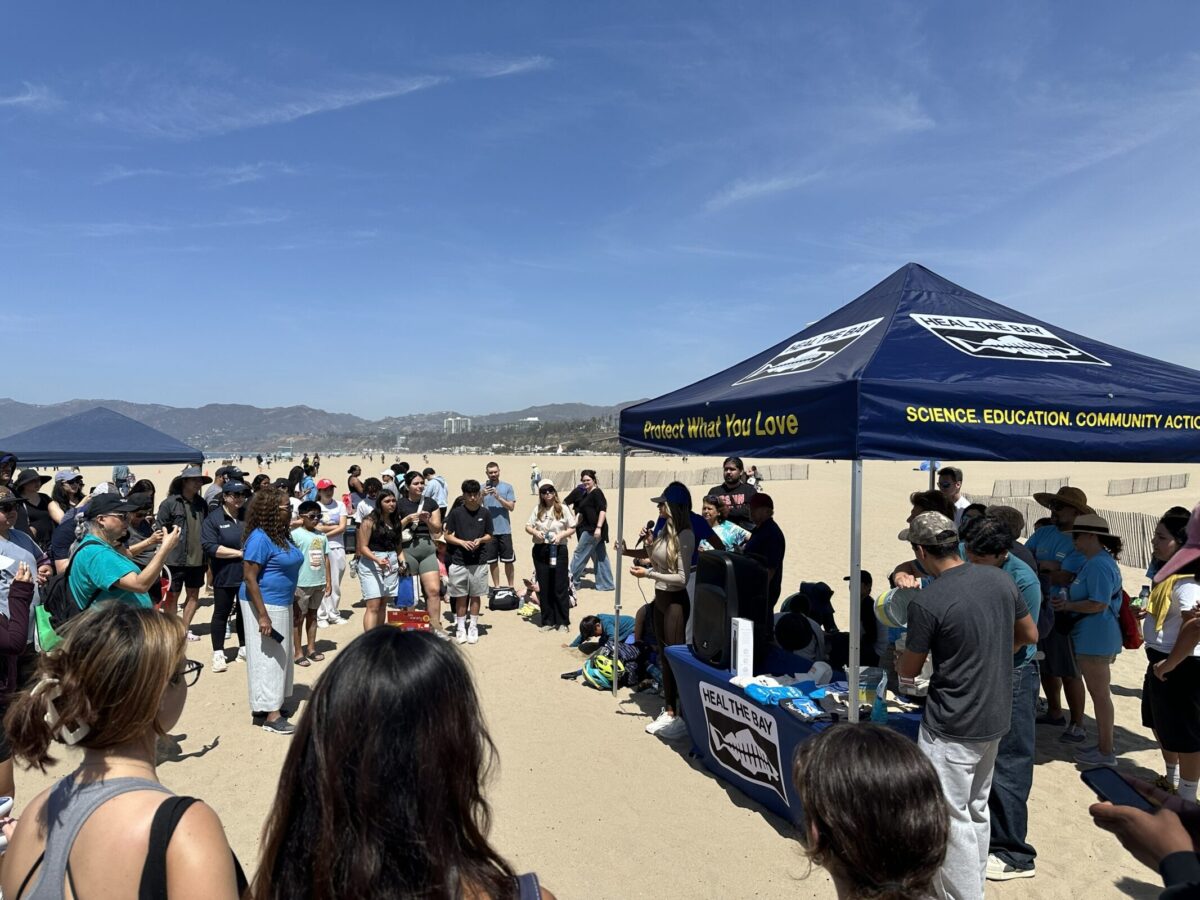
Heal the Bay is a nonprofit environmental group based in Los Angeles. If it sounds familiar, that’s probably because it releases an annual Beach Report Card every summer that grades hundreds of beaches in California with an A through F, something that’s published by all the major outlets in the state. The grades refer to water quality, allowing the public to pick the safest beaches for swimming while avoiding those that receive a poor rating.
The organization was founded in 1985 and relies heavily on volunteers who clean up trash and other debris from beaches and neighborhoods. You can help by taking part in the monthly Nothin’ But Sand Beach Cleanups, by “adopting a beach,” asking your employer to participate in the Corporate Cleanups, donating, and more.
OC Coastkeeper
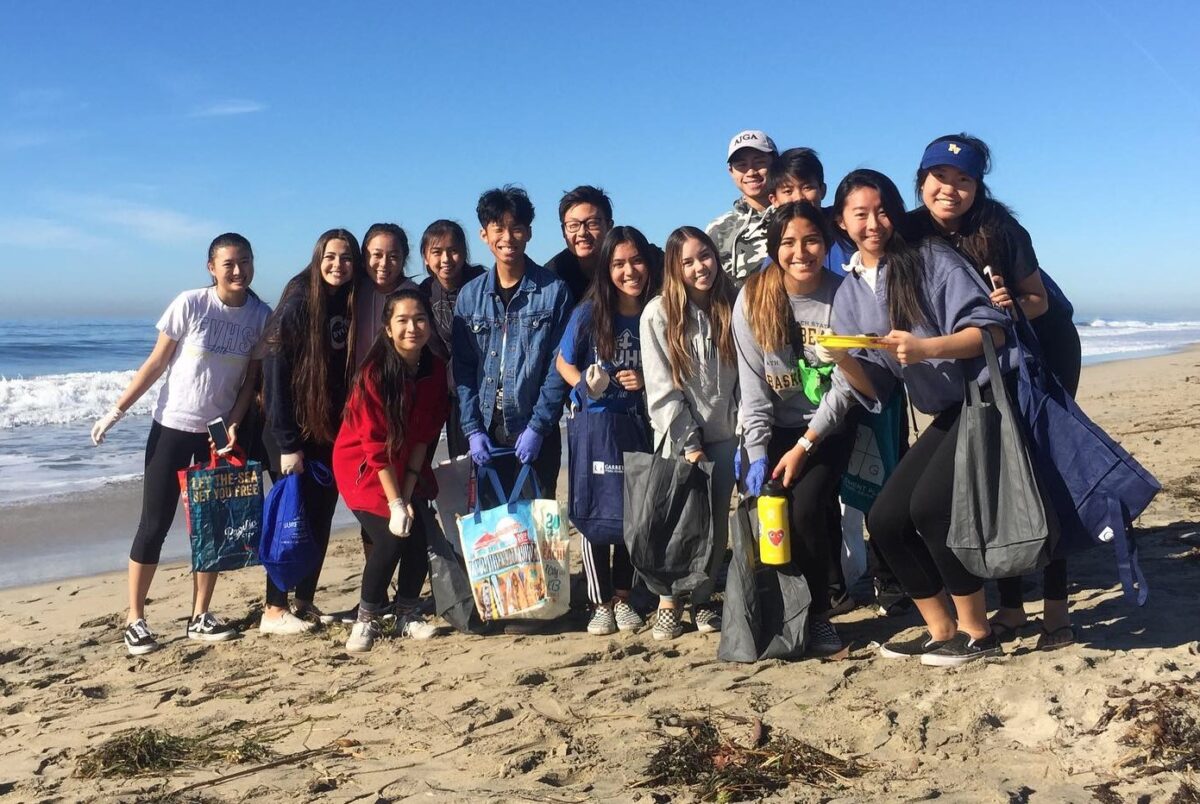
The nonprofit organization OC Coastkeeper is based in Orange County. Its mission is to protect and restore fresh and saltwater ecosystems, ensuring the region’s waters are drinkable, fishable, and swimmable through restoration, education, litigation, and advocacy. It’s renowned for taking on legal fights such as suing the Army Corps of Engineers and the US Coast Guard. Some of its localized initiatives include tracking human activities in Marine Protected Areas, restoring marine habitats such as eelgrass beds and kelp forests, and holding polluters accountable. It also hosts community programs like Kids Ocean Day and oyster shell recycling.
Those who want to get involved can donate or volunteer by joining community beach cleanups, becoming an MPA to monitor beach usage, and helping with fieldwork that contributes to restoration works.
San Diego Coastkeeper
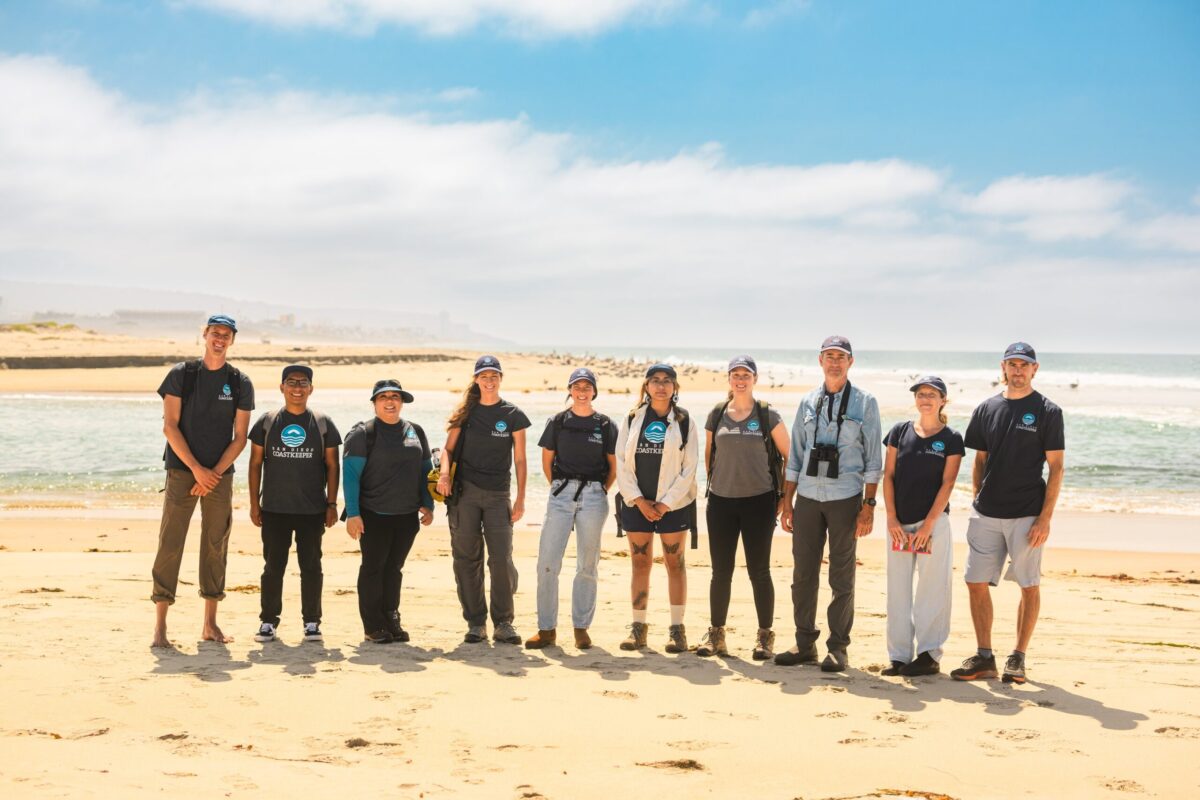
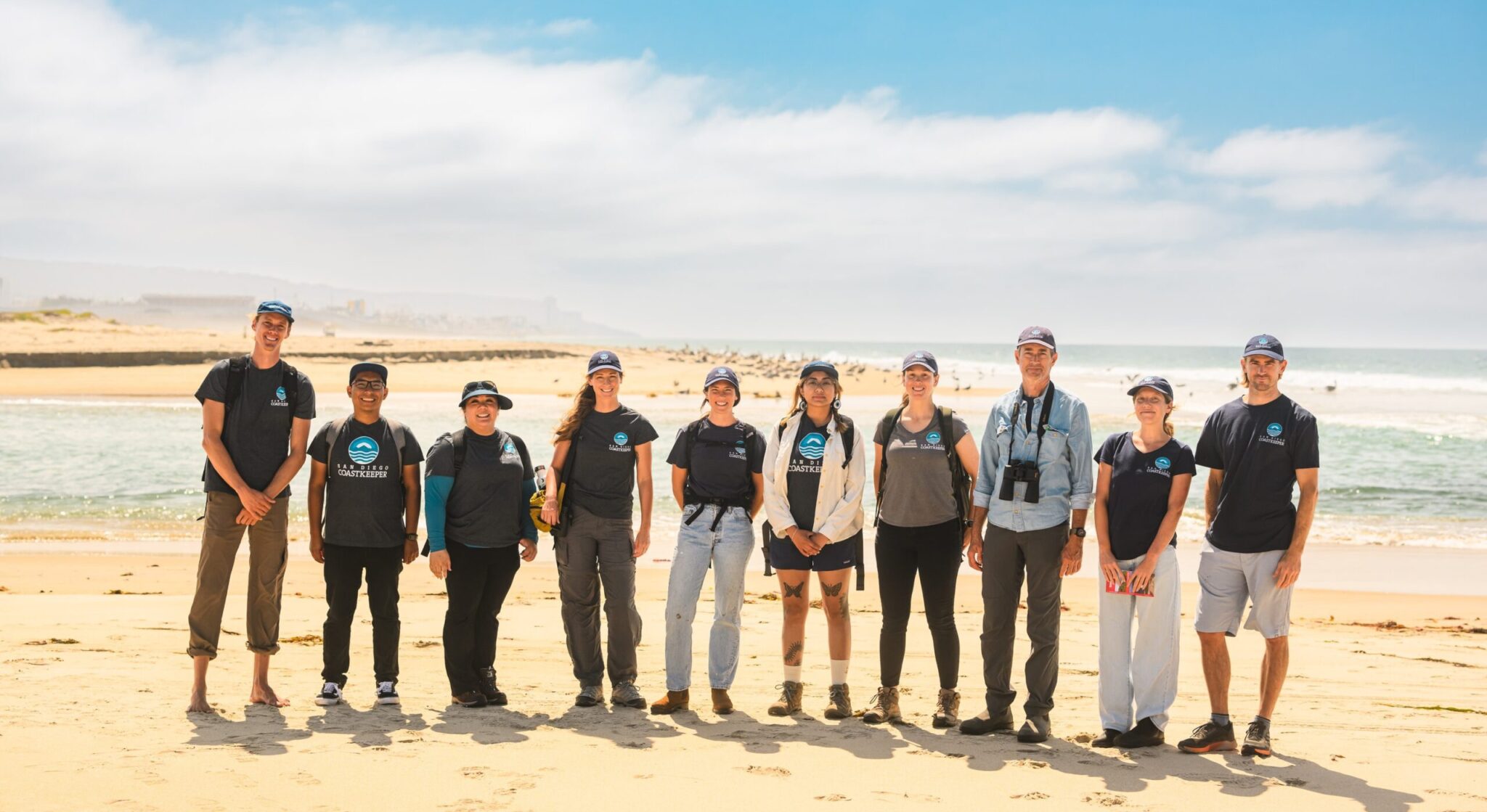
San Diego Coastkeeper protects and restores drinkable, fishable, and swimmable waters in San Diego Bay and the surrounding coastal watersheds. Part of the Waterkeeper Alliance, Coastkeeper has been a partner of Surfrider Foundation’s San Diego Chapter since 2007. The organizations work together to collect data on debris at beach cleanups.
Coastkeeper also trains community volunteers on how to conduct monthly water quality samples. These samples can provide key data for determining water quality issues while informing decision-makers so that they can be resolved. It uses a “One Water” approach, incorporating a variety of projects such as wastewater recycling, stormwater capture, and habitat restoration, designed to reduce pollution, improve water supplies, and the health of both the environment and local communities.
Bay Foundation
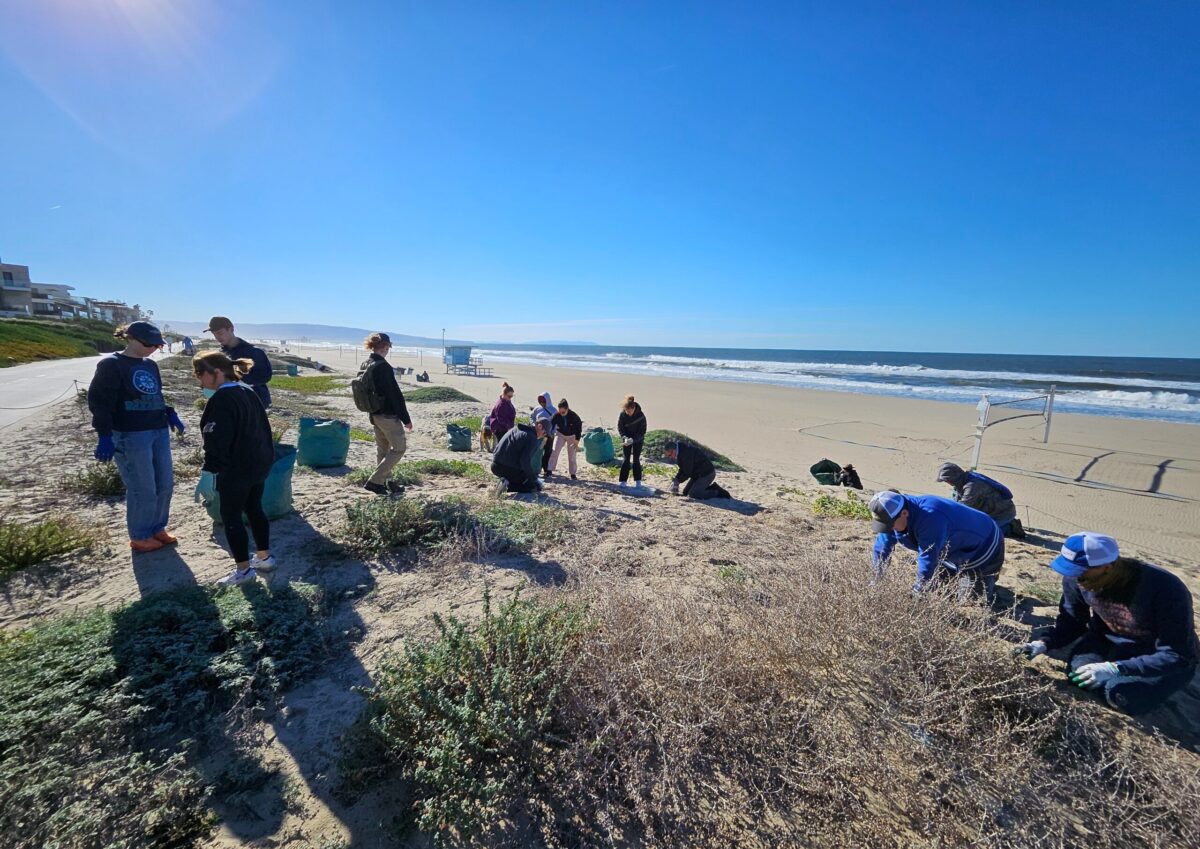
Founded in 1990 to restore and enhance Santa Monica Bay and local coastal waters, The Bay Foundation is a Santa Monica Bay-focused nonprofit dedicated to implementing innovative, nature-based solutions along the Southern California coast. Its work restoring wetlands through the Ballona Wetlands restoration project is one of the region’s largest coastal habitat restoration efforts. The foundation is also renowned as a world leader when it comes to restoring kelp forests. They provide critical habitat and food for more than 700 marine species, including abalone, California spiny lobster, kelp bass, and marine mammals. Sea otters, sea lions, seals, and even whales often rely on kelp forests as a thick canopy for shelter.
Volunteers can make a significant difference by educating boaters about pollution prevention, maintaining community compost bins, helping to restore the wetlands, dunes, beaches, and more. If you’re a diver, you can join the Ocean Resilience Program dive team to help the bay and its inhabitants.
California Coastal Commission
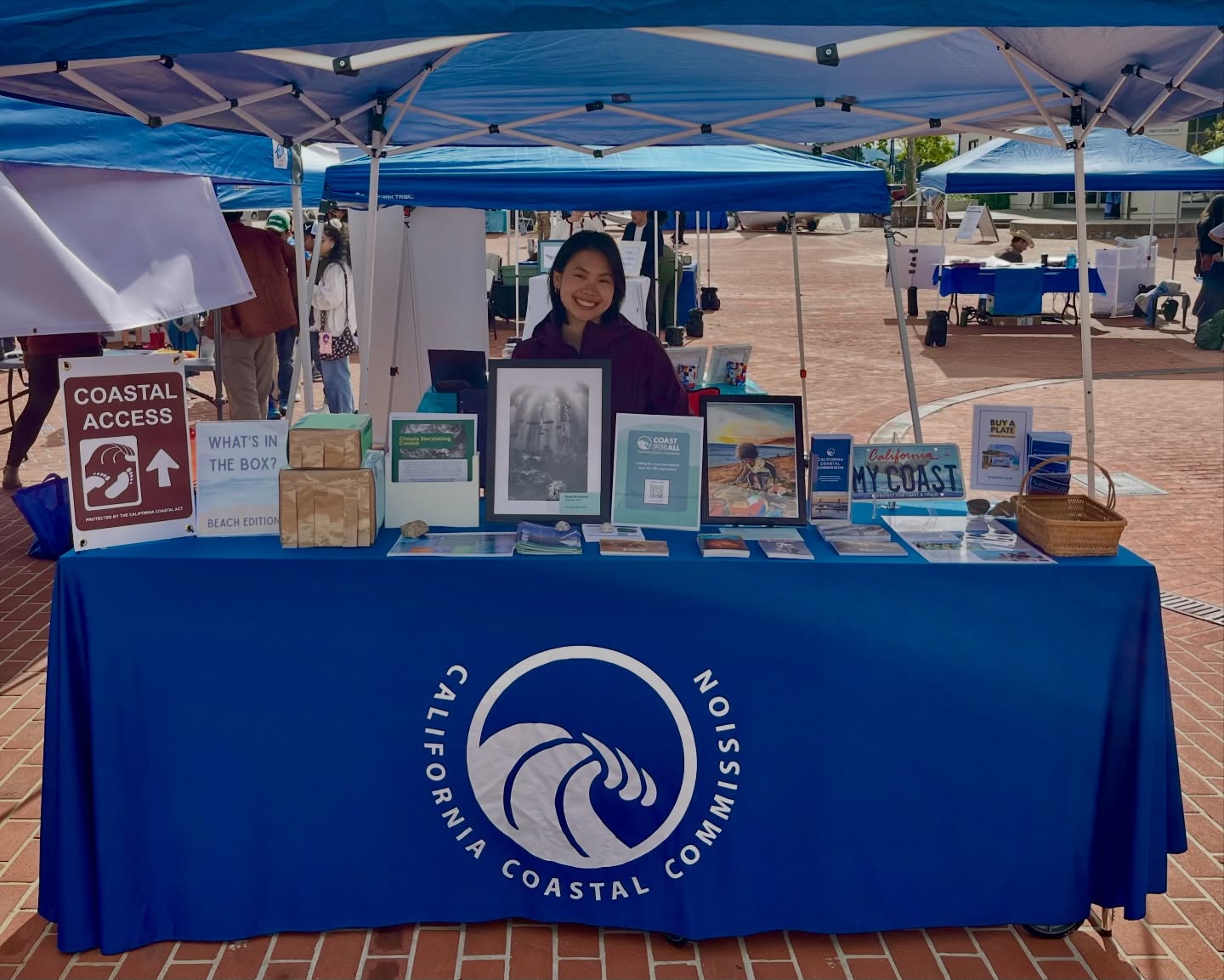
The California Coastal Commission was established in 1972 by the Proposition 20 voter initiative. It was made permanent when the California Coastal Act of 1976 was adopted. While it’s not a nonprofit, it is a stage agency anchor that’s committed to protecting and enhancing the coast and ocean as the regulatory body overseeing all development along the state’s coastline. It does so through the careful regulation and planning of land and water use in its coastal zone, ensuring environmentally sustainable development.
The commission encourages residents to care for their favorite beaches through year-round statewide beach cleanups. Anyone can volunteer to clean its adoptable beaches. It also hosts an outreach and education program called Boating Clean and Green to promote environmentally sound boating practices to marine businesses and boaters.
California State Coastal Conservancy
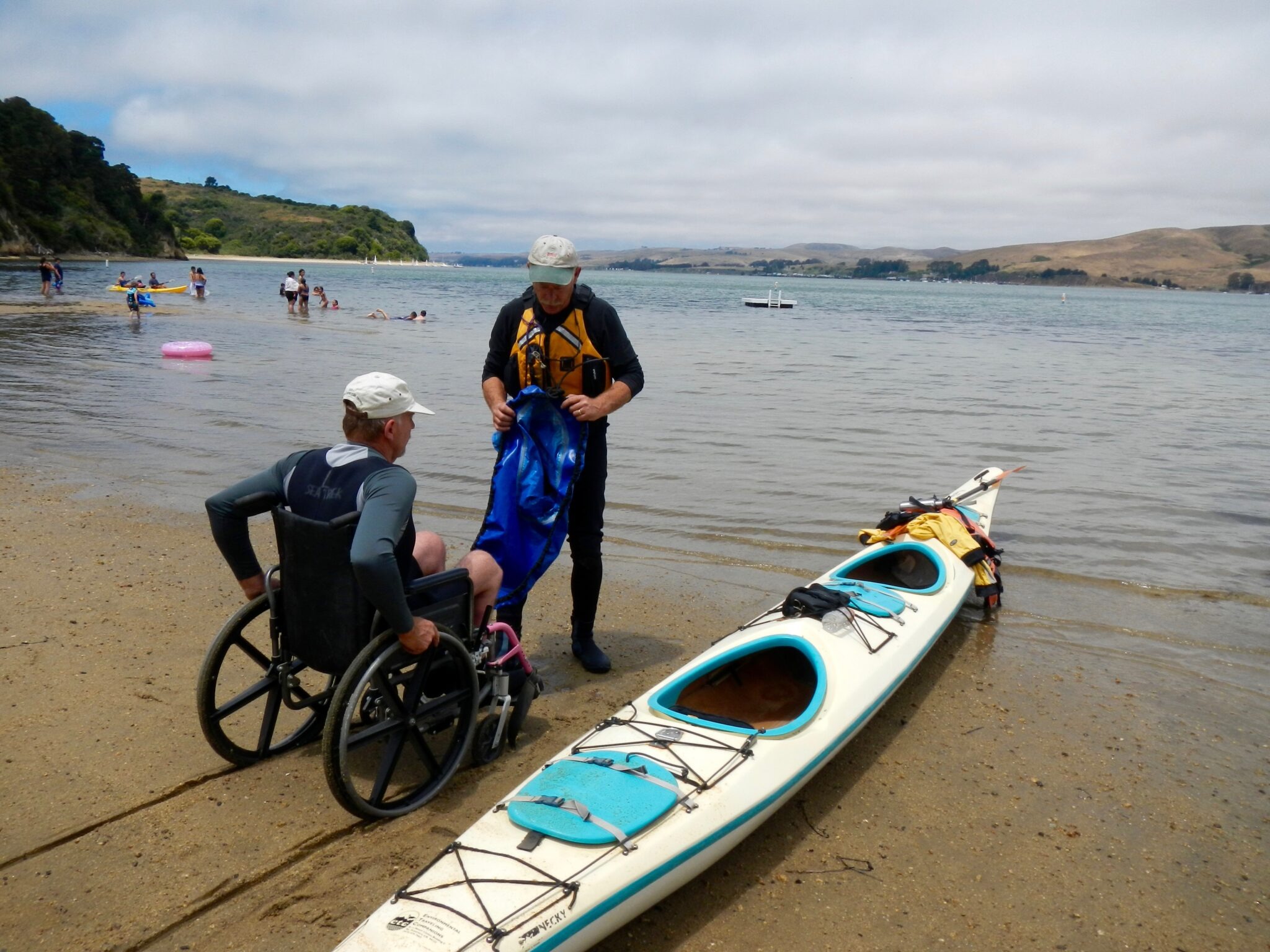
The California State Coastal Conservancy was established in 1976 to protect and improve the scenic natural beauty of the coast. A state agency, it helps communities prepare for climate change and funds trail access, habitat restoration, and land acquisition, providing people with easier access to the outdoors, including parklands and beaches. The organization also plays a part in sustaining local economies around San Francisco Bay and California’s entire coast. A major grant source for coastal projects, the organization works closely with many of the nonprofits on this list.
Save Our Shores
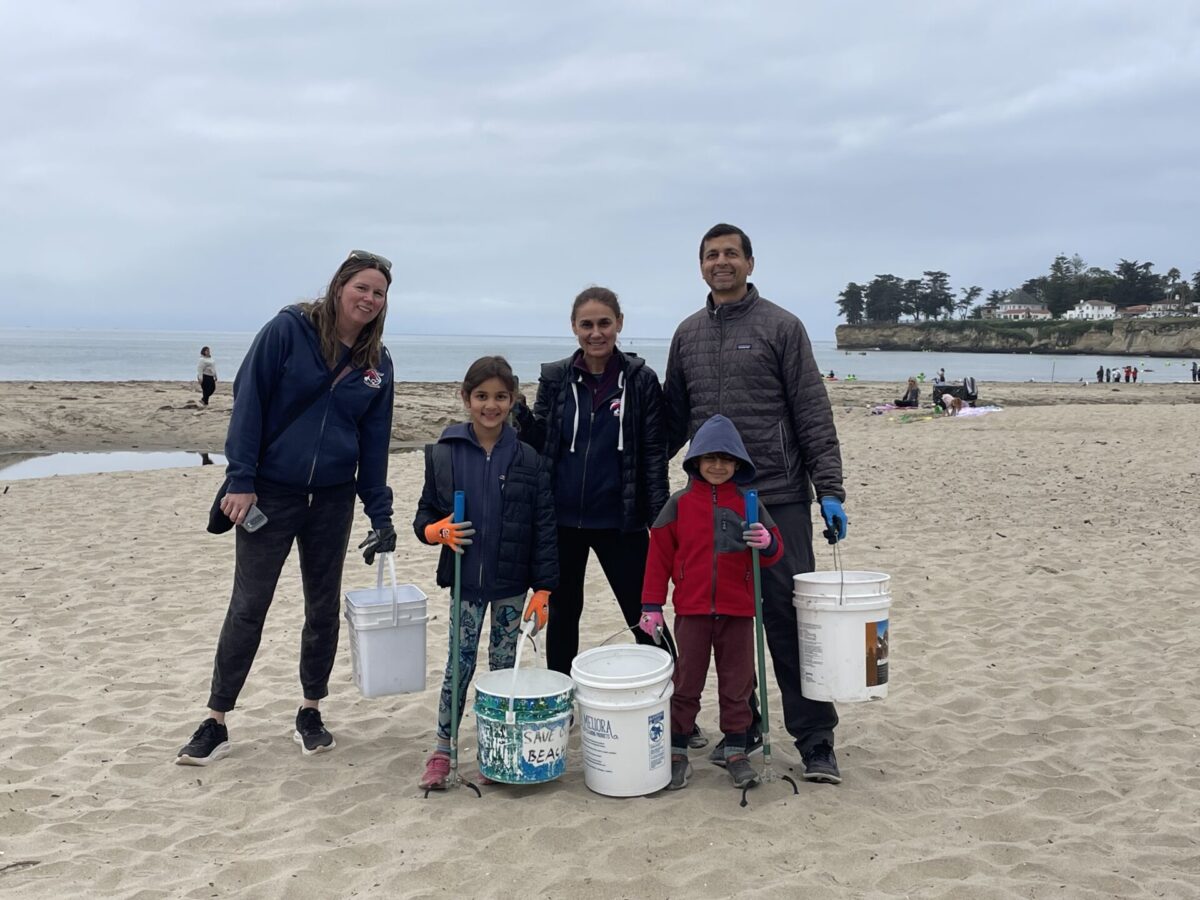
Based in Santa Cruz, Save Our Shores focuses on Monterey Bay with the help of strong community engagement. It runs one of the most active waterway and beach cleanup programs in Northern California, helping to protect and preserve the health of the bay and the region’s coast through outreach, advocacy, and education to create lasting change. The group hosts roughly 200 cleanups every year, drawing thousands of members throughout the community to volunteer. It also offers educational programs in schools to empower the next generation to take action. To date, it’s kept more than half a million pounds of trash out of Monterey Bay.
People can get involved by joining its cleanups to remove trash and debris from the beaches and helping to increase awareness of how humans are impacting the environment. Of course, donations are another way to help its cause.
Reef Check California
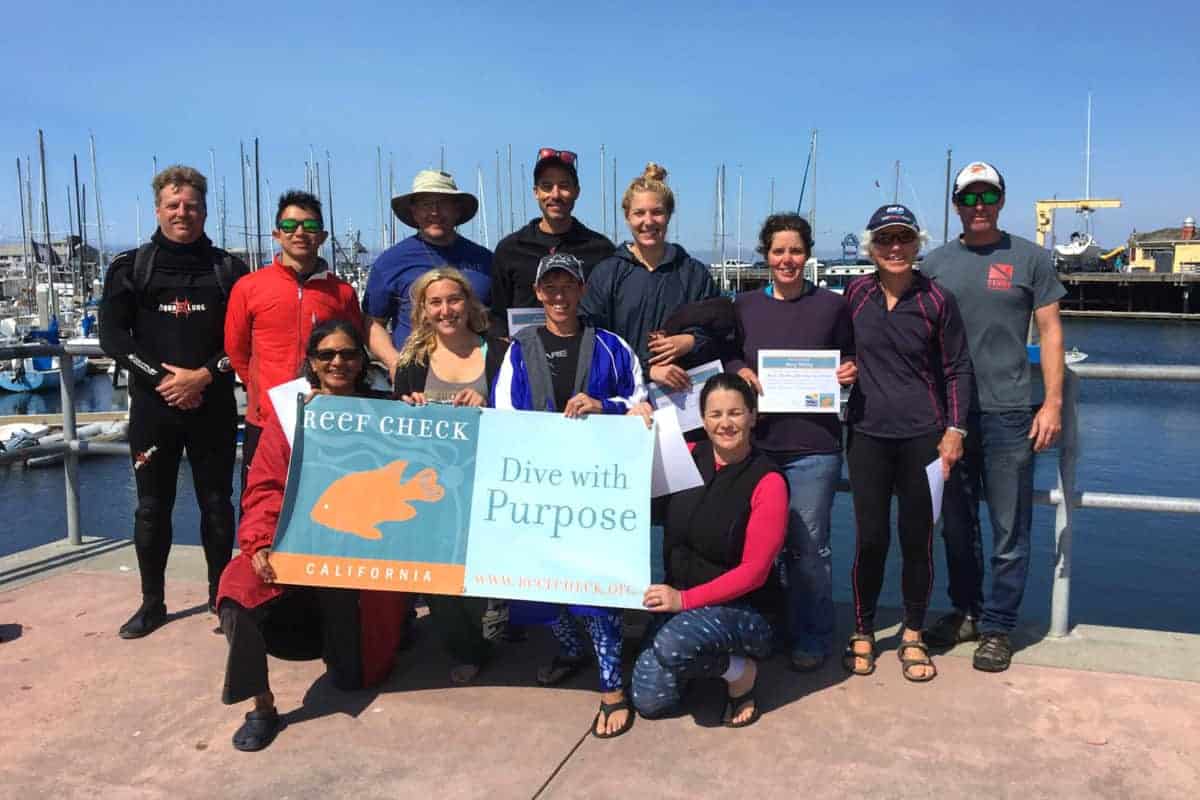
Reef Check is a UCLA-based citizen science program that monitors the health of the state’s kelp reef ecosystems while empowering others to save our oceans and reefs. Founded in 1996, the international non-profit has its headquarters in California, with one of its main projects involving snorkelers and divers who collect data on rocky reefs, spanning from the Oregon state border to the Channel Islands off the Southern California coast. Its work goes well beyond, however, by training and organizing teams of local volunteer citizen scientist divers. To date, there are teams in more than 40 countries and territories, promoting stewardship of sustainable reef communities across the globe. People can help by volunteering their time, becoming a Reef Check member, or even joining the Adopt-A-Reef program to support its community-based monitoring and conservation of our reefs and kelp forests.
Monterey Bay Aquarium
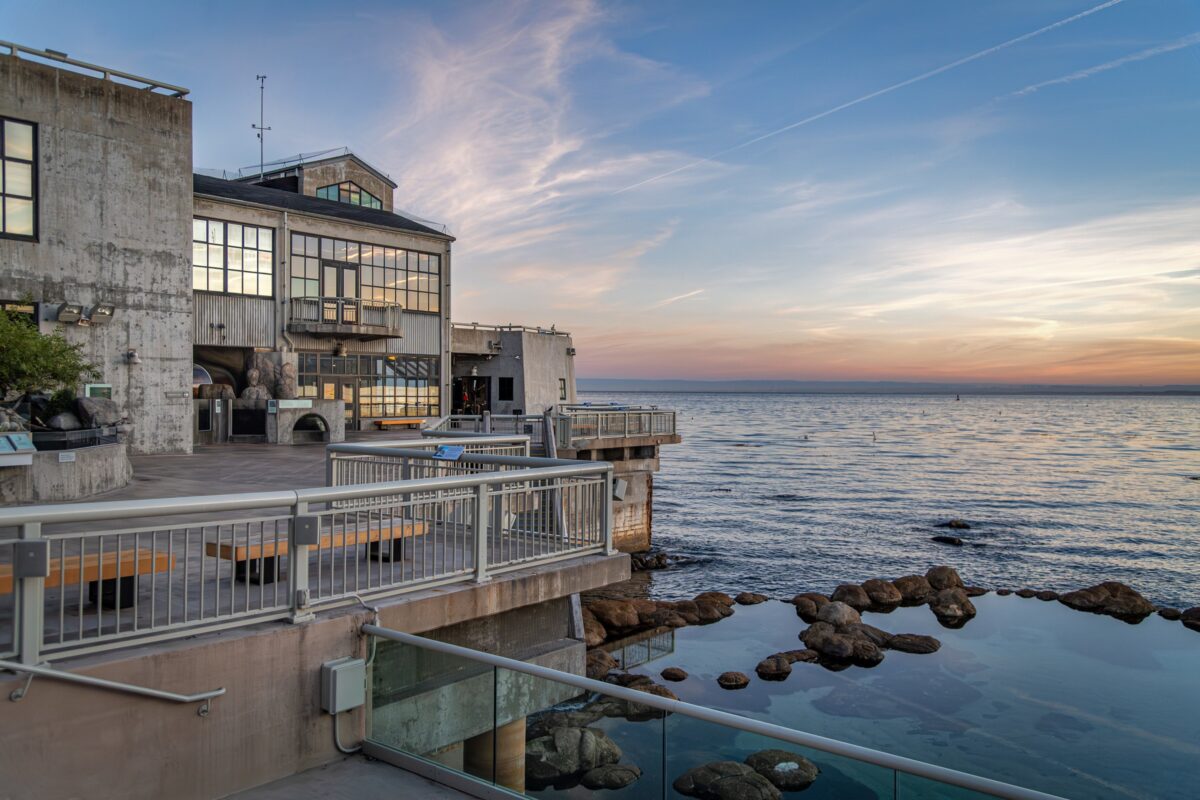
The Monterey Bay Aquarium is widely regarded as one of the best of its kind, attracting two million visitors annually. Not only is it popular with those who come to see its marine life, but it’s also one of the most recognized ocean conservation institutions in the world. It educates the public through conservation stories and solutions, such as lessons on the effects of global warming and plastic pollution. Its team engages in local, state, national, and global campaigns that are aimed at preventing offshore drilling, reducing plastic pollution, and supporting sustainable seafood and energy practices.
The aquarium’s research contributions work to protect sharks, bluefin tuna, and sea otters, which include developing regulations to help restore threatened species. It is especially renowned for its Sea Otter program, working with the California coast’s vulnerable population of southern sea otters. It even pioneered a new approach to wildlife recovery by pairing orphaned pups with experienced surrogate mothers. The pups learn essential survival skills before being released back into the wild to boost the threatened population and strengthen coastal ecosystems, including eelgrass meadows and kelp forests. People can get involved by supporting legislation to reduce single-use plastics and contacting elected officials to request improvement in recycling and waste management systems.
Laguna Ocean Foundation
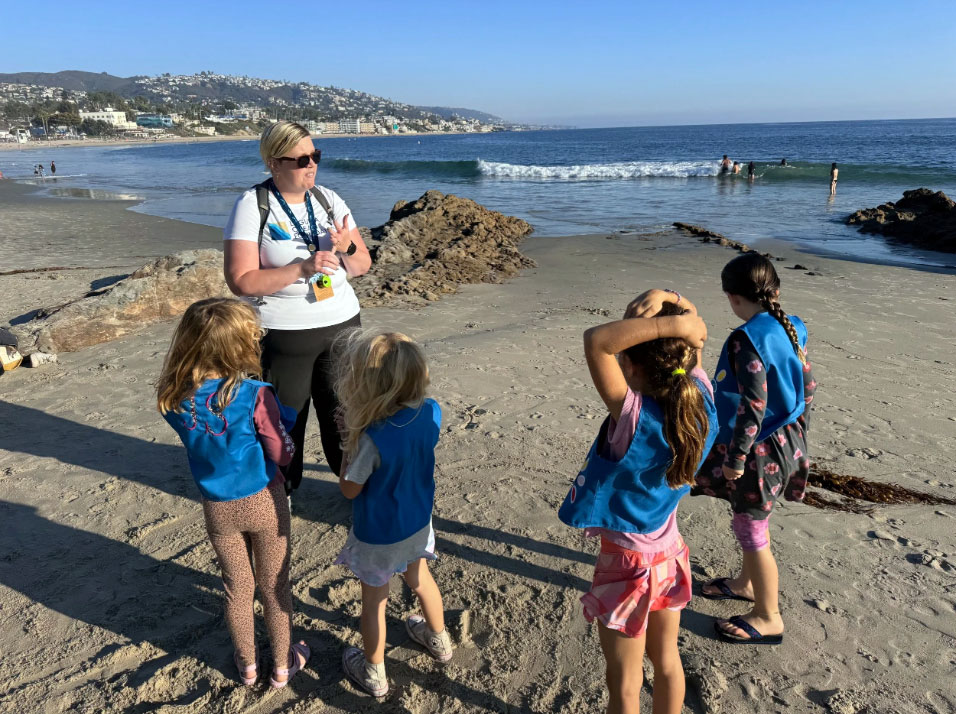
The sandy coves tucked between intertidal points in Laguna Beach have long attracted creative types, including artists. With an increasing number of visitors coming to enjoy the area’s beaches and tide pools, local residents passionate about the environment established the Laguna Ocean Foundation in 2003.
The foundation specializes in restoring marine habitats through community outreach, conservation science, and education to keep local coastal ecosystems thriving. While it’s dedicated to sustainable ocean ecosystems throughout the Laguna Coast, it offers outreach and education to all of Orange County. Watch for special events that often include hands-on activities, beach cleanups, tidepool tours, walking tours, and even bird and marine mammal spotting.