
I was supposed to spend three days in Koh Samui. That was the plan, anyway. I was a few weeks into a two-month-long trip around Thailand, and Koh Samui was just meant to be a quick stop before I moved on.
Then three days became five, five became ten, and somewhere in there the idea of leaving started to feel too sad to properly consider.
I eventually did leave, but only to explore other parts of Thailand. And at the end of that trip, before my flight home, I circled back.
I’ve been twice now, and I’ll be honest: I have a particular attachment to this island that goes beyond its beaches. I have friends who ended up working there, which means I’ve seen parts of it that most tourists don’t. Here’s everything you need to know before you go!
When to Go
This is important, because Koh Samui has its own weather system that doesn’t follow the rest of Thailand. While Phuket and the Andaman coast get their monsoon from May to October, Koh Samui’s rainy season runs from October through December, sometimes nudging into January. The rest of the year is largely warm, sunny, and very swimmable.
The sweet spot is December to April. February and March are statistically the driest and sunniest months, with temperatures sitting comfortably around 26-28°C. The sea is calm and clear, visibility for diving is at its best, and you get long bright days with very little rain. This is peak season, so prices are higher and popular beaches like Chaweng fill up—but it’s peak season for a reason.
May through September is the shoulder season and a seriously underrated time to visit. The rest of Thailand is in monsoon, but Koh Samui stays mostly sunny with warm seas. July and August in particular are lively with European summer holidaymakers, and you’ll find great accommodation deals compared to the December-March rush.
October and November are the months to avoid if you can. November is the wettest month of the year, with rainfall that can be pretty disruptive to beach plans. That said, if you do find yourself there in the rain (as I have) the island has more than enough going on to fill your time, and rates drop significantly.
How to Get There
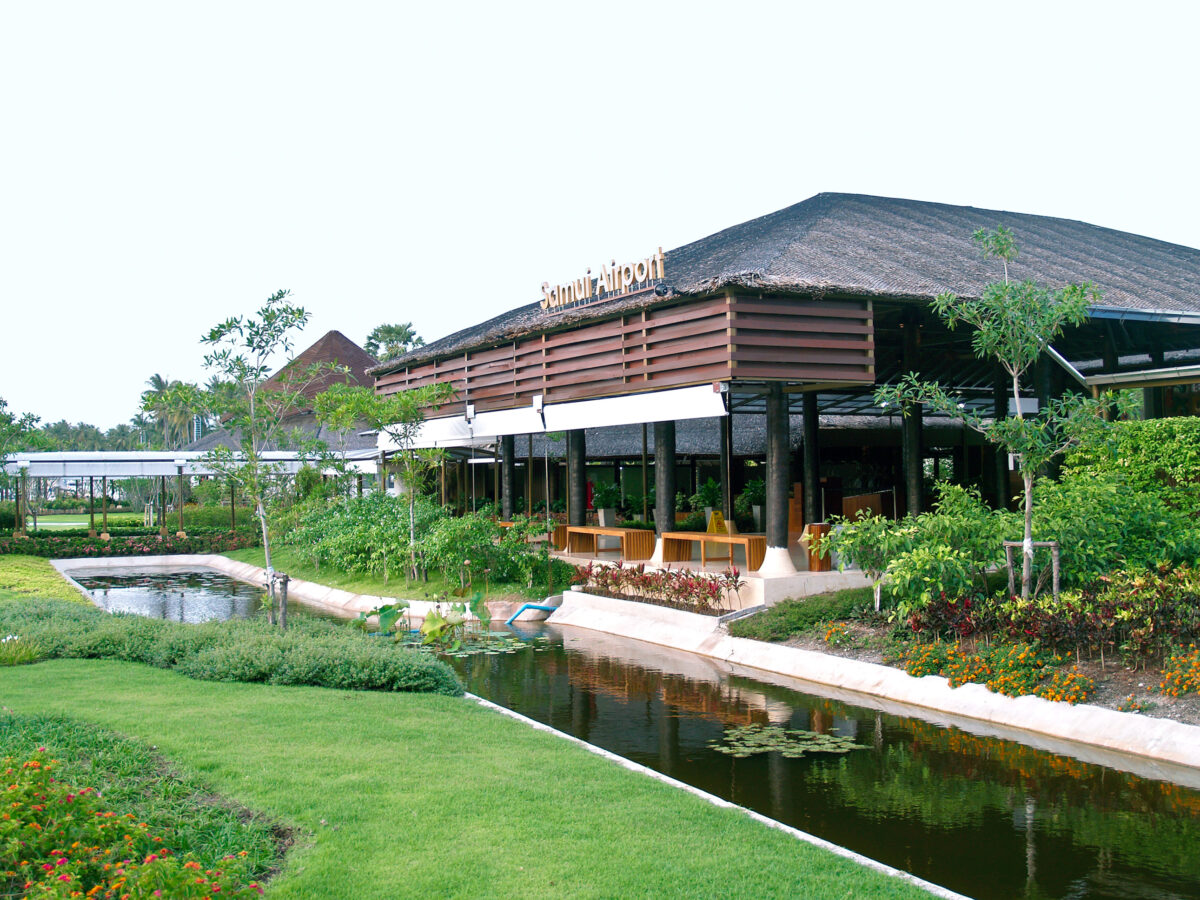
Koh Samui has its own (tiny, seriously cute) airport, which is one of the things that makes it so much more accessible than many of Thailand’s other islands. Bangkok Airways operates the majority of flights from Bangkok’s Suvarnabhumi Airport, and the journey takes about an hour and 20 minutes.
It’s not the cheapest option, but it’s fast and direct. Flights also run from Chiang Mai, Phuket, and a handful of international routes from Singapore and other regional hubs.
The alternative is to take an overnight train or bus from Bangkok to Surat Thani on the mainland, then catch a ferry across to Koh Samui. It’s a longer journey—around 10 to 12 hours in total—but it’s significantly cheaper and quite an experience if you have the time.
The ferry crossing from Donsak Pier takes about 90 minutes and the views as you approach the island are worth it. Most guesthouses and hotels will help you arrange this combination when you book.
Once on the island, the easiest way to get around is to rent a scooter. They’re widely available, inexpensive (usually around 200-300 baht per day), and give you the freedom to beach-hop at your own pace.
If you’re not comfortable on two wheels, songthaews (red pickup trucks that operate as shared taxis on fixed routes around the ring road) are a good option. Private taxis exist too, but always negotiate the price before you get in.
Where to Stay
The island is divided into distinct areas, each with a different character, and where you base yourself will shape the whole trip.
Chaweng is the most developed and most central–long beach, full nightlife, every restaurant and shop you could need, and the kind of energy that doesn’t really wind down. It’s great for first-time visitors who want everything on their doorstep, but it can feel overwhelming if you’re after something quieter.
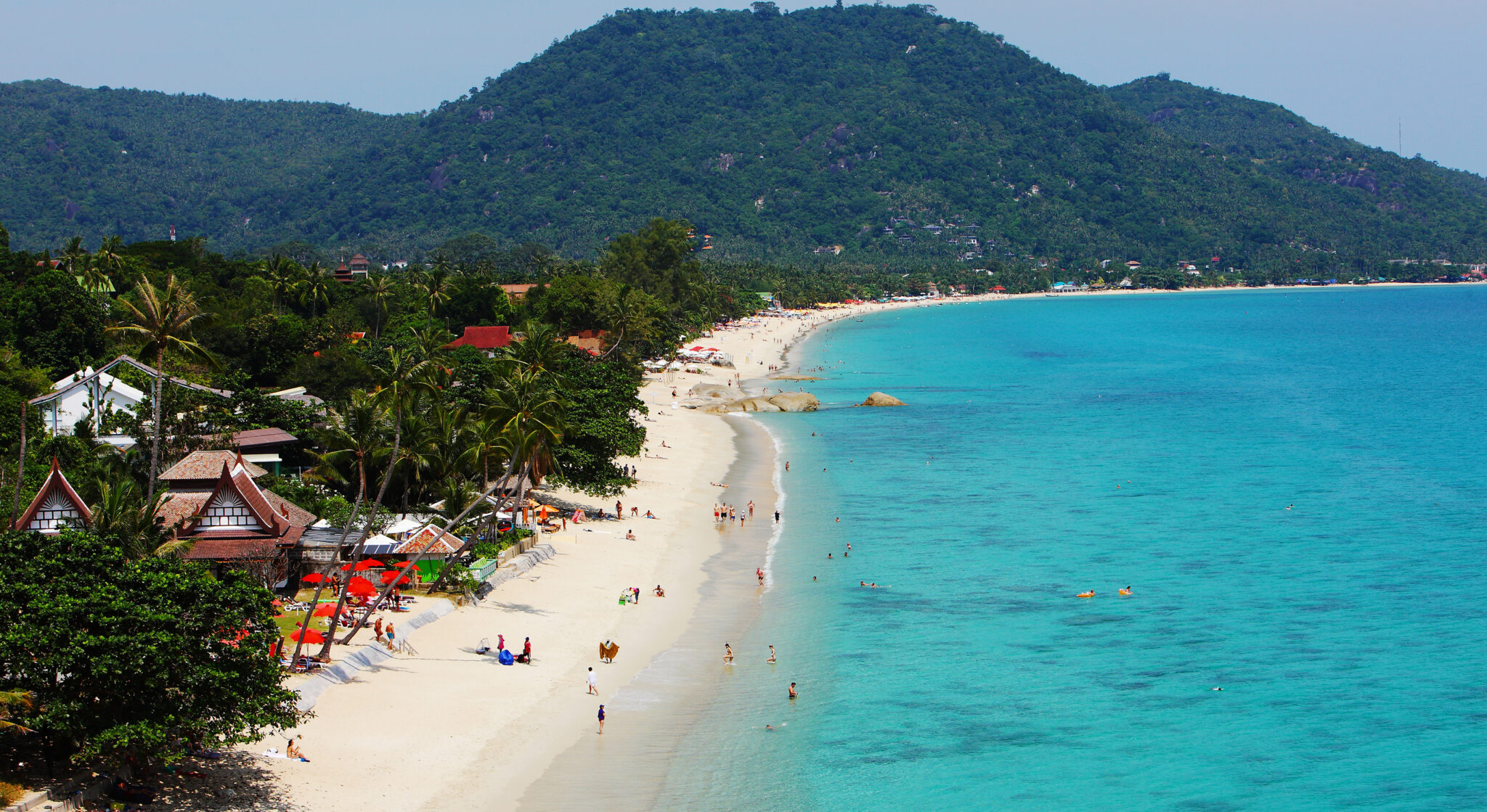
Lamai is my preference. It’s slightly further south, with a long sandy beach that’s less frenetic than Chaweng, a decent strip of restaurants and bars, and a more relaxed crowd. It’s still lively enough that you won’t feel like you’re missing out, but you can actually hear yourself think.
Bophut, on the north coast, is where Fisherman’s Village is located—a beautiful stretch of restored wooden shop-houses that fills up with a Friday night market selling crafts, street food, and local produce.
The beach here is quieter and the accommodation tends towards boutique and mid-range. The Anantara Bophut resort is excellent. Hansar Samui is another strong option if you want something a little more design-led.
For total peace and a local feel, the north and west coasts, Mae Nam and Lipa Noi, are where to go. Mae Nam has some of the clearest water on the island and very little tourist infrastructure, which is either a selling point or a drawback depending on what you’re after. Lipa Noi on the west coast is calm, slow-paced, and catches the best sunsets on the island.
What to Do
The obvious answer is the beaches and the water, and I don’t want to undersell that. The diving here is world-class, particularly if you take a day trip across to nearby Koh Tao, which is one of the best dive sites in the whole of Southeast Asia for encounters with whale sharks and manta rays. I saw my first ever whale sharks here a few years ago.
Several operators run day trips from Koh Samui, and if you have dive-instructor friends who happen to be based on the island, well, that helps too. Even if you’re not a diver, snorkeling trips to Koh Tan just off the southern coast offer brilliant visibility and coral gardens that haven’t been totally overrun.
One stop that’s worth going out of your way for is Koh Mudsum, better known to most visitors as Pig Island. It’s a tiny, largely undeveloped island just off the south coast where a small colony of pigs has taken up residence on the beach, wandering in and out of the shallows and generally doing exactly what they please.
It sounds gimmicky (and it absolutely is) but it’s also one of those joyful experiences that sticks with you. You can book a spot on a commercial group trip from the main piers, which is the easiest option.
But the better move—cheaper, more flexible, and frankly more fun—is to head down to the fishing boats on the south coast and speak directly to the fishermen. Negotiate a private boat across and you’ll likely pay a fraction of what the tour operators charge, with the added bonus of going on your own schedule.
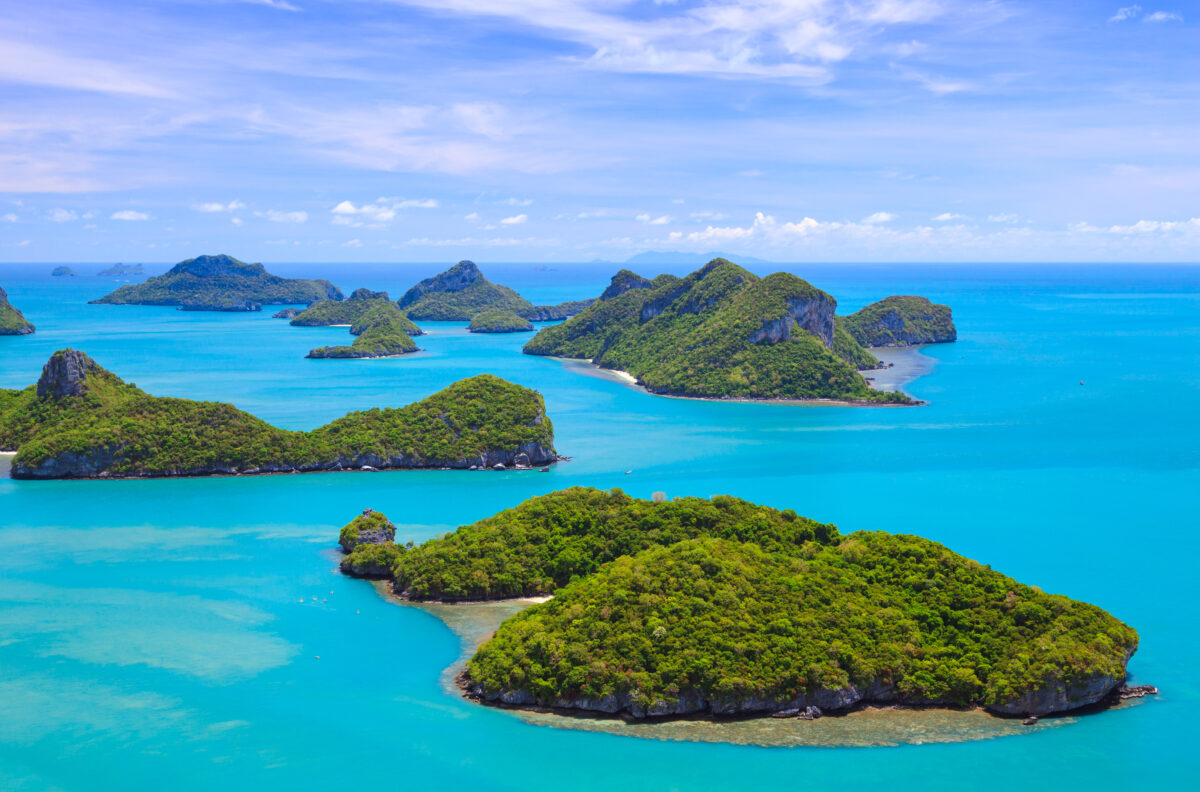
The other best day trip from the island is to Ang Thong National Marine Park, an archipelago of 42 limestone islands rising from the Gulf of Thailand in formations that look almost too dramatic to be real. Most tours include snorkeling, a hike to a viewpoint, and a visit to the emerald lagoon, and it’s consistently one of the most spectacular things I’ve done in Thailand.
For temple visits, the Big Buddha (Wat Phra Yai ) is a 12-meter golden statue on a small rocky island connected to the northeast coast by a causeway.
It’s one of the island’s defining landmarks and worth the visit, particularly early in the morning before the tour groups arrive. The nearby Wat Plai Laem, with its multi-armed goddess statue rising out of a lake, is more visually interesting in my view and far less visited.
The Secret Buddha Garden, hidden in the hills above Lamai, is a beautifully strange collection of stone sculptures tucked into the jungle – one of those places you’d never find without being pointed in the right direction. Get there on a scooter, take the winding road up, and carve out an hour to wander.
For food, I’d steer you towards the local markets over the tourist strips whenever possible. The Fisherman’s Village Friday Night Market in Bophut is the best on the island. The floating market near Chaweng is a more touristy version but still fun. For a proper local meal, find your way to a simple Thai kitchen away from the beach road and order whatever’s in the pots that day.
The Essentials
Thailand operates a visa exemption for many nationalities—including US and most EU passport holders—for stays of up to 30 days, no visa required. Check the latest requirements for your specific passport before you travel, as these policies do change.
Currency is Thai Baht. Cash is still king on the island, particularly for smaller vendors, market stalls, and scooter rentals. ATMs are everywhere but charge a withdrawal fee of around 200-220 baht per transaction, so it’s worth withdrawing larger amounts less often.
The island has three hospitals: Bangkok Samui Hospital, Samui International Hospital, and Thai International Bandon Hospital. They all cater to international visitors and are all genuinely well-equipped. Travel insurance that covers medical evacuation is still worth having.
A few practical notes: always negotiate taxi prices before you get in. Dress modestly when visiting temples (shoulders and knees covered). And if you rent a scooter, wear a helmet, not just because the roads can be unpredictable, but because the island’s main ring road moves fast and the tropical downpours when they come can appear with very little warning!