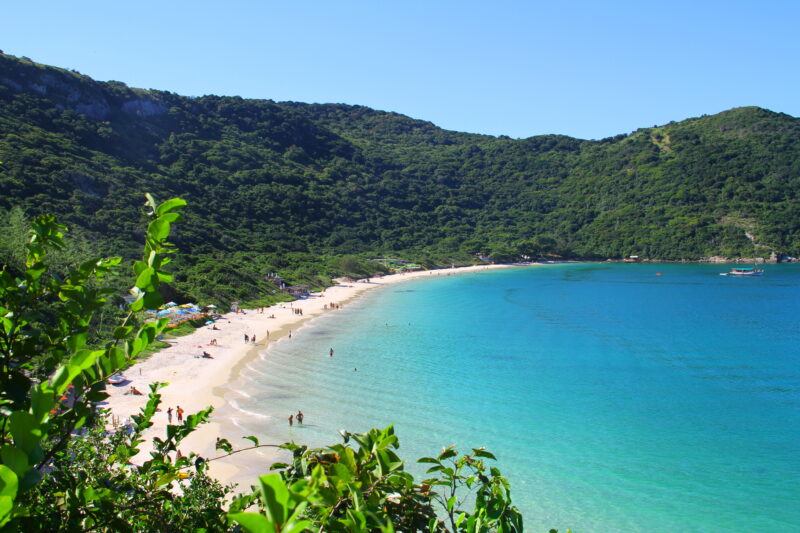

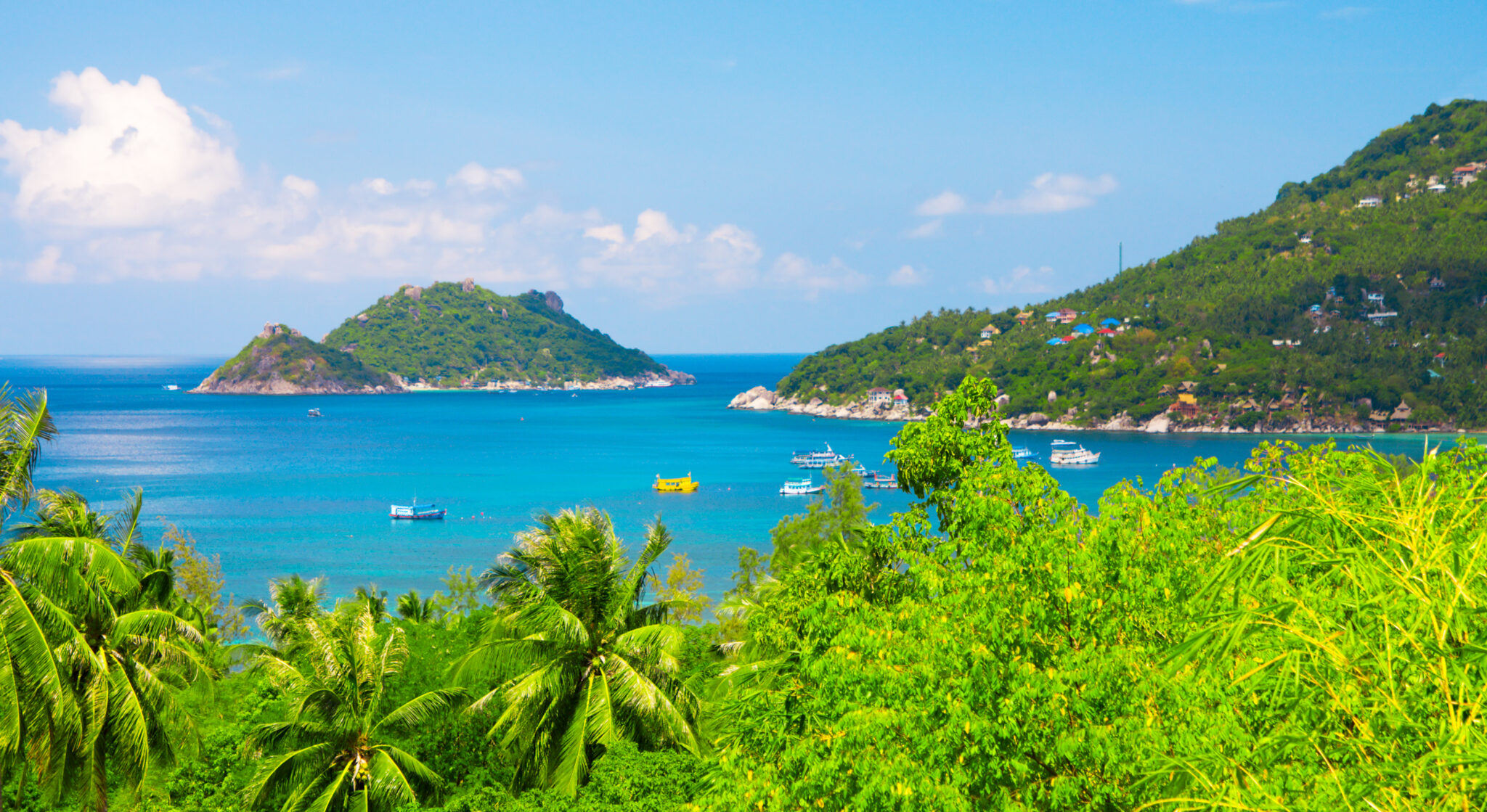
Some places earn their reputation and some places exceed it. Koh Tao exceeds it by a long way (and I say that as someone who went in skeptical).
I have friends who work as dive instructors there, and for months they’d been telling me to make the trip. The problem is that Koh Tao involves a real commitment to get to as there’s no airport.
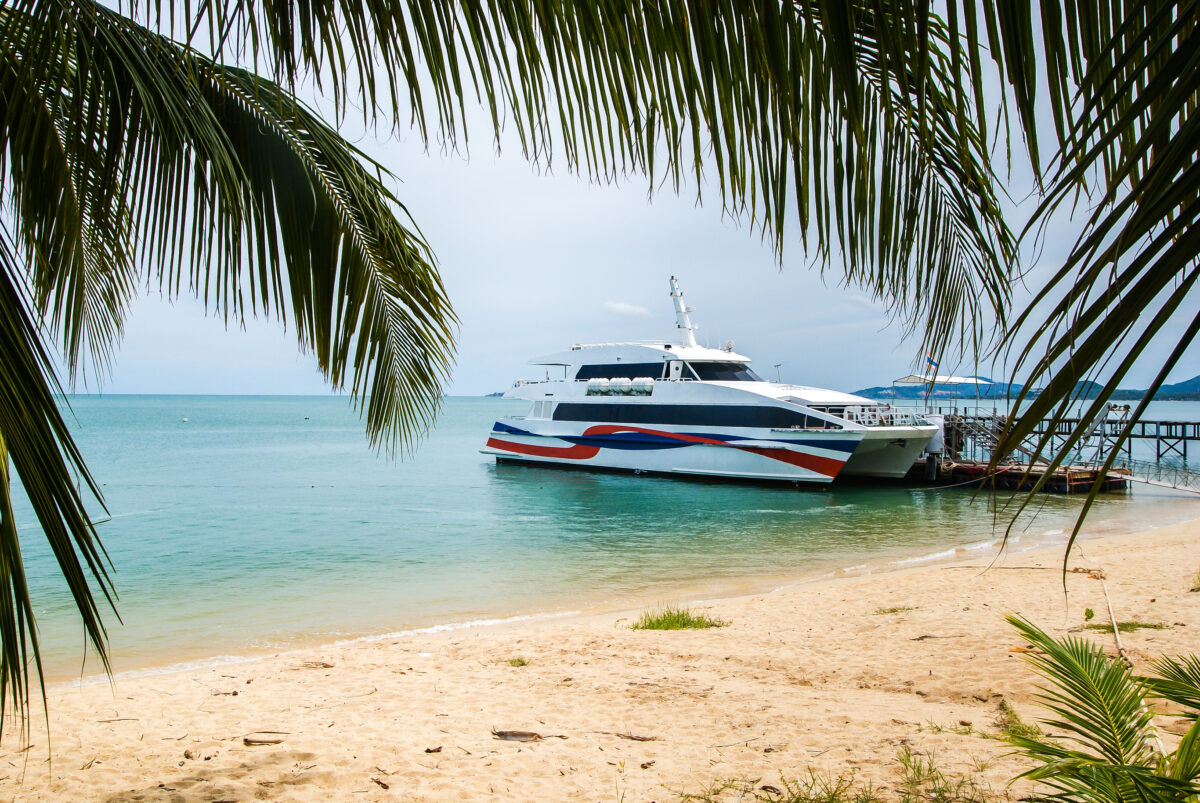
The only way in is by ferry, and from the mainland that means a bus or overnight train to the coast, then a long haul north by boat through the Gulf of Thailand, stopping at Koh Samui, then Koh Phangan, before the island finally comes into view. It takes the better part of a day from Bangkok. My friends told me it was worth every minute; I didn’t fully believe them until I got there.
Koh Tao is my favorite place in Thailand—and I’ve been to a lot of Thailand! I’ve visited Chiang Mai and Bangkok and Krabi and Koh Samui, which I also love deeply.
Partly it’s the size: small enough to feel like your own private world, big enough to keep revealing new corners. Partly it’s the community, the mix of long-term dive instructors and wide-eyed first-timers and people who arrived for a week and never left.
Here’s everything you need to know before you go!
How to Get There
You have to want to get to Koh Tao. It doesn’t reward the half-committed. The quickest route is to fly into Koh Samui and take the high-speed catamaran north.
Lomprayah and Songserm both run this route daily, the crossing takes around two to two and a half hours with a stop at Koh Phangan, and it’s comfortable enough. Expect to pay more for this option as you’re paying for the convenience of the flight into Samui.
The more adventurous route, and the one I’d recommend if you have the time, is the overnight train from Bangkok to Surat Thani on the mainland, then a ferry from Chumphon or Donsak Pier.
Book a sleeper berth, bring a book and some snacks, and you’ll arrive rested and having saved yourself both a night’s accommodation and a significant chunk of cash. The full journey takes around 10 to 12 hours, but you’re traveling through the night, so it doesn’t feel like lost time.
Once you arrive at Mae Haad Pier, everything is close. Koh Tao is a small island.
A scooter will set you back around 200 baht a day and open up every corner of it. If you’re staying at Ban’s Diving Resort (which is where I always stay), they run a shuttle from the pier (confirm this when you book and save yourself the negotiation with the vehicle drivers who meet every ferry).
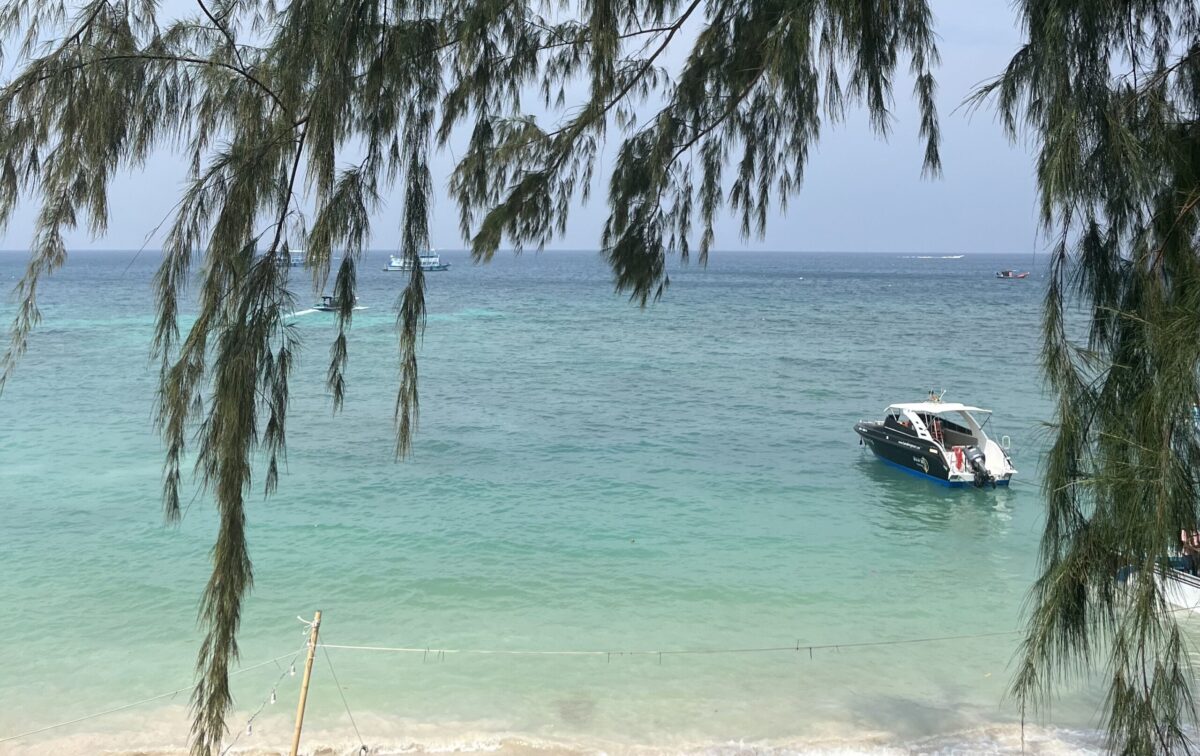
Where to Stay
I stayed at Ban’s Diving Resort on Sairee Beach and wouldn’t change that decision. It’s the most famous diving operation on the island. They claim to have certified more divers than any other dive center in the world, and staying there puts you right in the middle of everything.
The resort runs from the beachfront up into the hillside, with four swimming pools, a beachfront restaurant, the Fish Bowl Bar on the sand, a spa, a coffee house, and a convenience store open around the clock. The Darawan Restaurant up on the hill is great for dinner. Rooms range from basic to private hillside villas with pools, which means it works for most budgets.
A practical note: some rooms are a long, steep walk up from the beach. There’s a golf cart shuttle that runs throughout the day and it’s efficient enough, but if you’re planning multiple trips a day to the dive boats, ask for something lower down when you book.
For something slightly more removed from Sairee’s party energy, Chalok Baan Kao Bay in the south is worth considering—more secluded beaches, calmer water, and a less frenetic atmosphere while still being close enough to access the dive schools. Mae Haad, near the ferry pier, is convenient if you’re arriving late or leaving early and want to minimize transfers.
Why Most People Visit Koh Tao: The Diving
Koh Tao has been called the diving capital of Southeast Asia and it’s not an overstatement.
More people learn to dive here than almost anywhere else on the planet. The warm, clear water, the variety of sites from shallow reefs to deep offshore pinnacles, and the sheer concentration of schools have made it a global destination for first-time divers and serious underwater photographers alike.
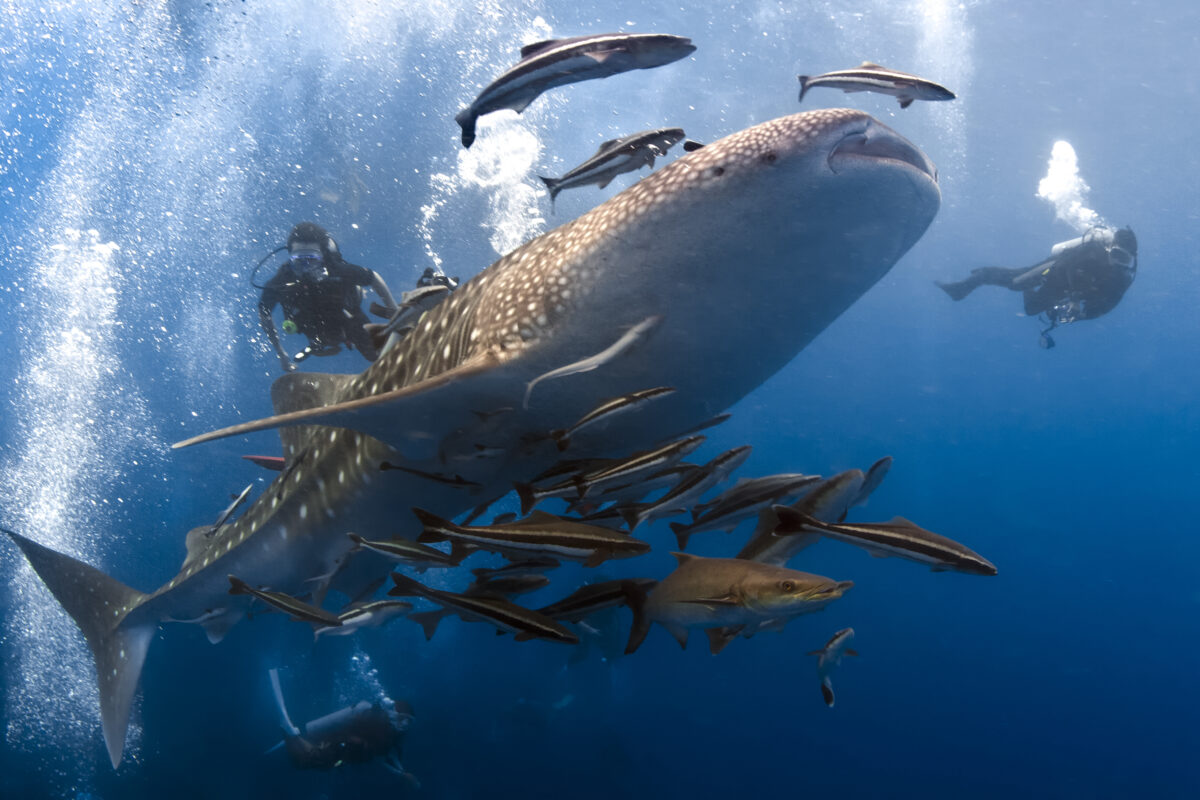
The headline site is Chumphon Pinnacle, about 12km offshore to the northwest. This is where the whale sharks come. Granite formations rising from 30 metres, carpeted in anemones, surrounded by thousands of fusiliers, schools of barracuda and trevally, grey reef sharks patrolling the edges. Visibility out here can stretch to 20 metres and beyond.
Southwest Pinnacle is similarly spectacular: a series of submerged rock formations about 13km southwest of the island, with stingrays in the boulder sections, giant groupers in the overhangs, and that same chance of a whale shark encounter.
Sail Rock, halfway between Koh Tao and Koh Phangan, is a full-day trip and one of the most famous dives in the Gulf of Thailand—a dramatic vertical chimney swim-through, massive schooling fish, and bull sharks if you’re lucky.
If you don’t have your certification yet, this is the best place to get it. A PADI Open Water course runs over three to four days and costs a fraction of what you’d pay in Europe or Australia.
Ban’s, Big Blue (who I also dive with), and Crystal Dive are among the most respected schools on the island, with small group sizes, instructors who have done this long enough to be properly good at it, and boats that go out multiple times a day.
Even if you’ve already decided diving isn’t for you, the snorkeling alone justifies the trip. A boat tour around Koh Nang Yuan—three tiny islands connected by a sandbar just off the northwest coast—will change your mind about what snorkeling can be.
Whale shark sightings happen year-round at Koh Tao but peak between March and May, when nutrient-rich currents draw them into the offshore pinnacles. If this is a bucket list item, plan your trip around that window. And be patient; nobody can guarantee a sighting, but the people who keep showing up tend to be the ones who get lucky.
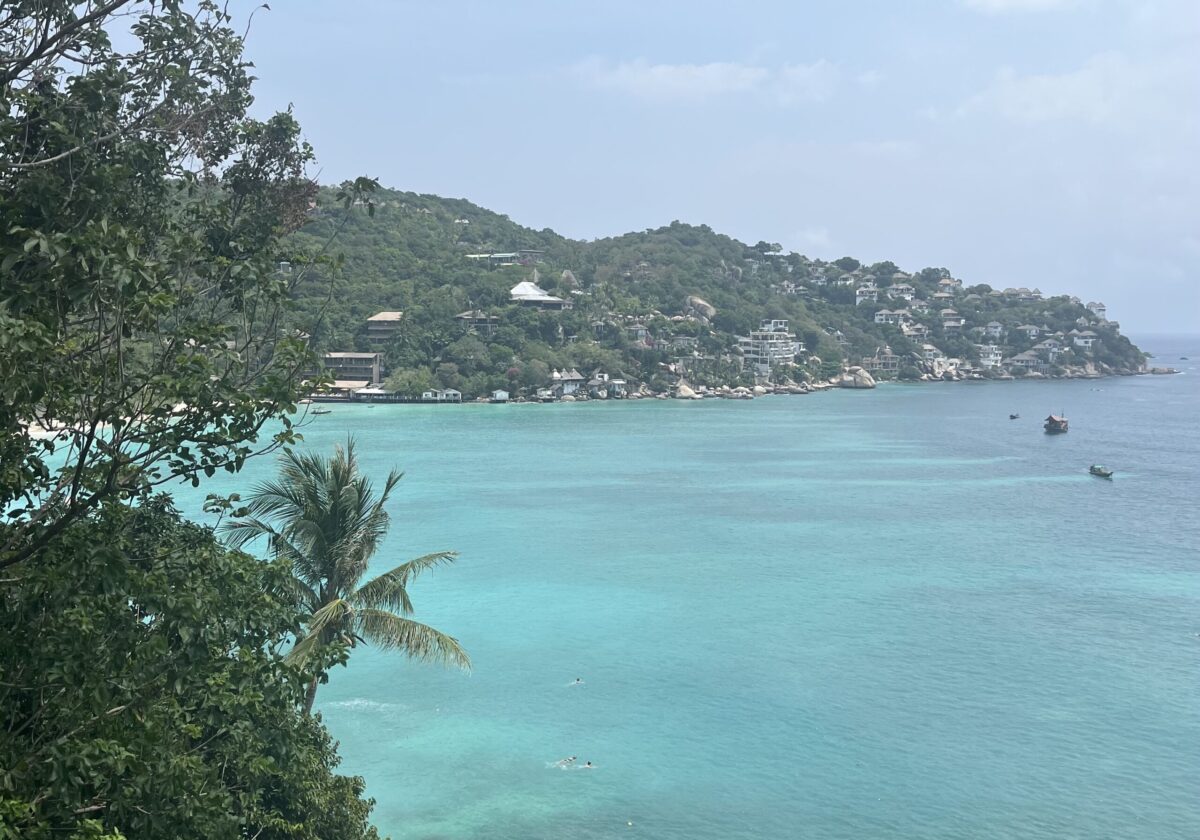
What to Do Besides Diving
Koh Tao is small enough that you’ll naturally see most of it on a scooter, and I’d encourage a full lap of the island at least once. The east coast bays (Aow Leuk and Tanote Bay in particular) are beautiful, dramatically quieter than Sairee, and have some of the best shore snorkeling on the island.
The John Suwan viewpoint above Freedom Beach in the south involves a short hike and delivers a panoramic view that justifies every step. Koh Nang Yuan, accessible by boat, has a 250 baht entry fee and a ban on plastic bottles to protect the reef (both entirely reasonable given how spectacular it is).
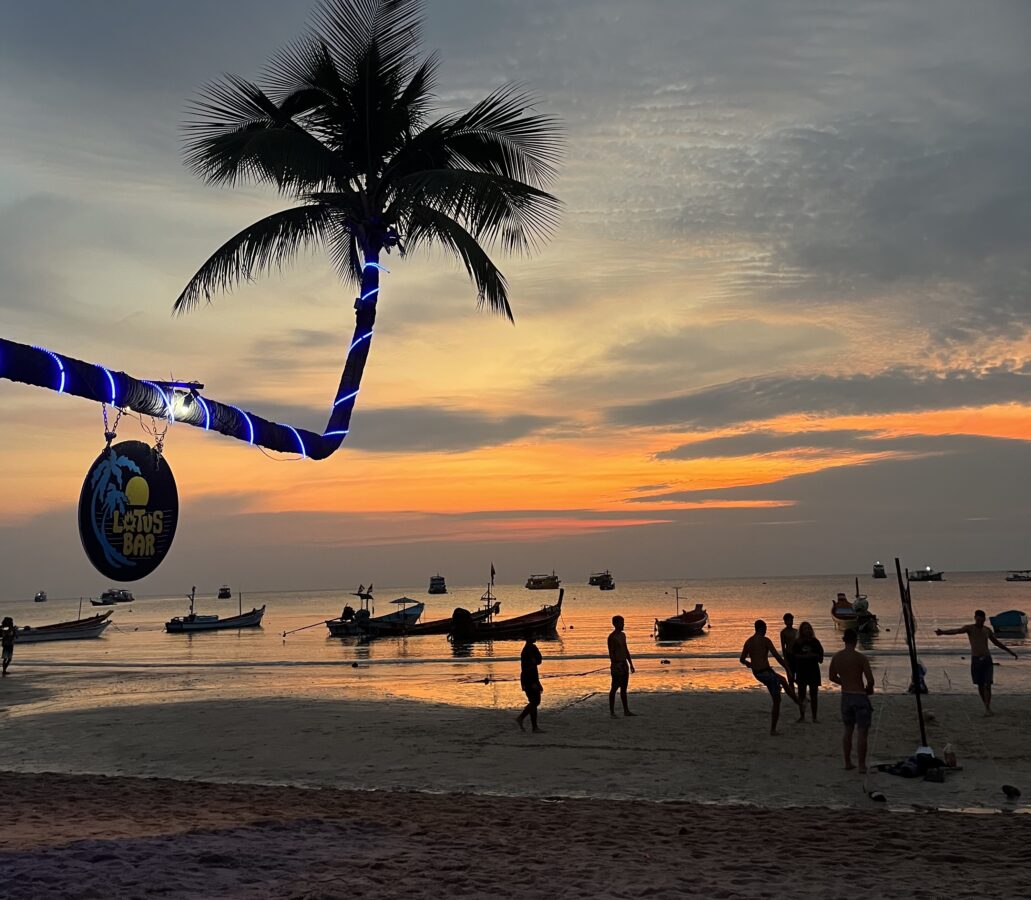
Sairee Beach itself has everything you need for land-based evenings: a long strip of restaurants, bars, and street food vendors that comes alive after the dive boats come in.
The sunset from a beach bar stool on the west-facing shore, watched with a cold beer after a day in the water, is one of those simple pleasures that doesn’t get old. Barracuda Rooftop Bar is a reliable spot for that specific combination of view and cold drink.
When to Visit
Unlike the Andaman coast, Koh Tao doesn’t get the southwest monsoon. That means while Phuket and Krabi are getting rained on between May and October, Koh Tao is largely sunny and swimmable—making it one of the best places to be in Thailand during European summer.
December to April is dry season and peak season. February and March are the sunniest months, with the calmest seas and best diving visibility.
Expect higher prices and busier boats. July and August are lively with summer holidaymakers and the weather holds well. October and November are the months to avoid. Koh Tao’s own rainy season peaks then, and November in particular can be rough enough to affect offshore diving significantly.
What to Know Before You Go
US and most EU passport holders enter Thailand visa-free for up to 30 days (but check current requirements for your specific passport before you travel).
Cash is essential. ATMs on the island exist but can run out, especially after busy ferry arrivals. Bring Thai baht from the mainland or withdraw more than you think you’ll need on arrival. Standard ATM fees run around 200-220 baht per transaction.
If you’re diving, check your travel insurance carefully. Standard policies typically exclude scuba diving, or cap it at shallow recreational depths. Upgrade your policy if needed—decompression sickness is rare but serious, and the nearest hyperbaric chamber is on Koh Samui.
Koh Tao now has its own immigration office too, meaning you can extend your visa without making the trip back to Samui *a recent change and a useful one!
The journey to Koh Tao is part of the experience. Embrace it rather than fight it. And when you finally pull into Mae Haad Pier and see the water for the first time, you’ll understand immediately why my friends never left.