
There are more than 500 islands off the coast of Ireland, 80 of which are considered “significant,” with only 23 that are inhabited. Many are easily reachable by ferry, bringing the opportunity to experience a different side of the country. These are places where traditions still run deep and time seems to slow.
With family in the Emerald Isle, I’ve been visiting for decades now, but I still haven’t explored them all. That said, I’ve managed to experience many, some of which I’ve fallen head over heels with, returning again and again.
From Achill’s windswept beauty to the Aran Islands with their wave-battered cliffs, and cinematic Skellig Michael, there’s an island to entice nearly every type of traveler. Whether you’re drawn by the wild landscapes, history, or the chance to experience more authentic old-world Ireland, these stunning islands are well worth putting on your itinerary.
Achill Island, County Mayo
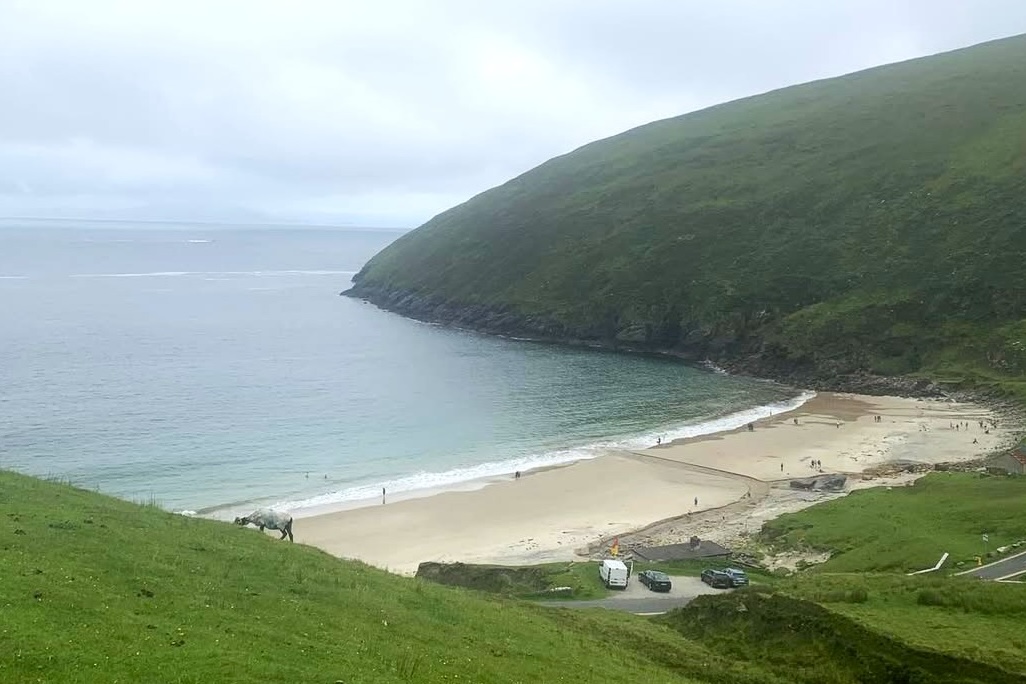
Located off the northwest coast in County Mayo, connected to the mainland by bridge, Achill is Ireland’s largest island, and it might be its most beautiful too. You might have caught a glimpse of what’s inspired countless artists and writers in 2022’s “The Banshees of Inisherin.” The spectacular landscapes include dramatic cliffs, lush mountains, and coves with white sandy beaches lapped by turquoise water. There are five Blue Flag-certified beaches (testifying to the excellent water quality that meets strict international standards for cleanliness and safety). All are ideal for refreshing dips in the summer. Plus, miles and miles of scenic trails provide a wealth of opportunities for hikers and cyclists.
History enthusiasts will find plenty too, including ancient forts and the remains of a 16th-century tower house owned by “Pirate Queen” Grace O’Malley. A collection of stone cottages tells the story of Achill’s abandoned farming community, the deserted village of Slievemore. After a day of exploring, head to one of the pubs for fresh seafood chowder or steamed mussels, a pint, and a traditional music session.
Valentia Island, County Kerry
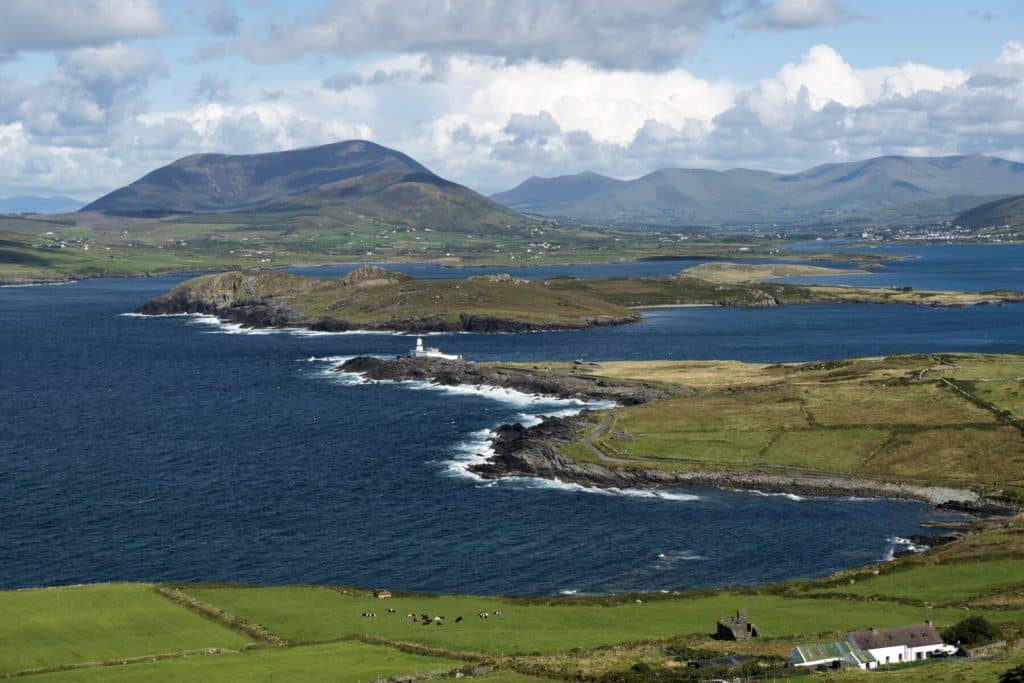
Idea for a side trip when traveling the famous Ring of Kerry, Valentia Island lies just off the Iveragh Peninsula, linked to the mainland by a bridge in the colorful village of Portmagee. It’s a small island but offers a lot, including well-preserved pre-Christian remains and the Tetrapod Trackway, the most extensive of the world’s four Devonian trackways. It includes fossilized footprints believed to be between 350 and 370 million years old, representing the transition of life from water to land. Valentia was also the site of the very first transatlantic phone line, which stretched through the ocean from Newfoundland, the easternmost province of Canada.
To take in the breathtaking scenery, follow the 4.3-mile Bray Head Loop starting from the west end of the island, climbing to Bray Tower at the top. From there, your reward is a panoramic view of the Atlantic, Puffin Island, the Skellig Islands, and Portmagee.
Skellig Island, County Kerry
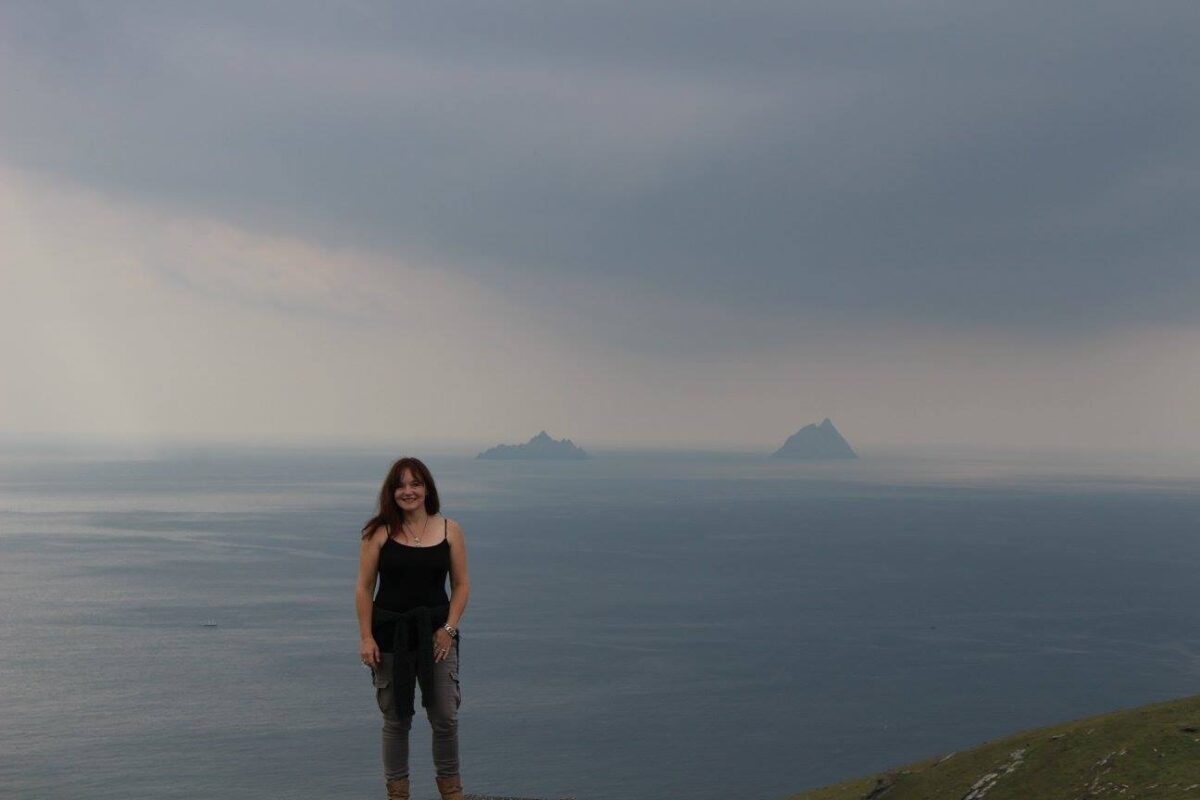
If you’re looking for a two-in-one, Skellig Island combines perfectly with Valentia. You won’t be able to spend the night there, but you can take a boat tour from nearby Portmagee. The craggy, windswept island is located eight miles off the Kerry coast, topped with a cluster of 6th-century UNESCO-listed beehive-shaped stone huts that were part of a monastic settlement. Early Christian monks once withdrew from civilization to live here in pursuit of a greater union with God. It also served as fictional Ahch-To in several Star Wars films, including The Force Awakens, The Last Jedi, and The Rise of Skywalker.
Boat tours are generally available between May and September, when conditions allow, as this area of the Atlantic can be treacherous. Once there, you’ll need to climb 600 steps to the monastic remains, but it’s worth the effort for this bucket-list experience. Along the way, keep an eye out for all sorts of sea birds, including cormorants, gannets, guillemots, and puffins.
Clare Island, County Mayo
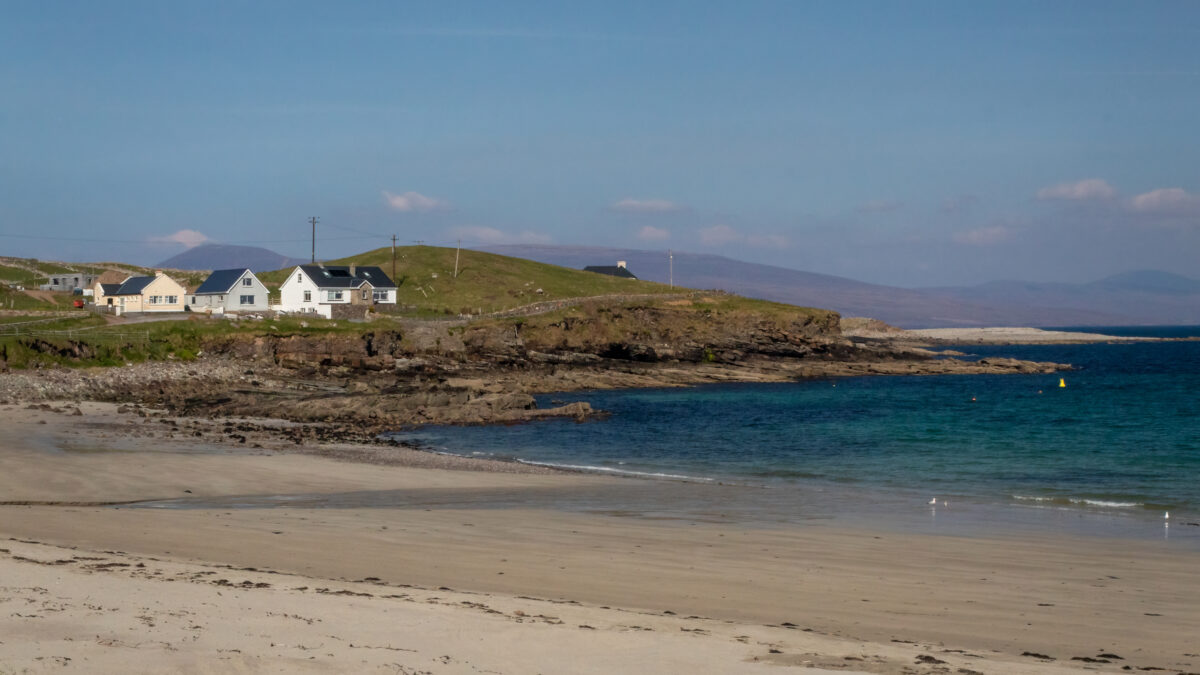
Located off the coast of County Mayo, you’ll need to take a ferry to reach Clare Island. It operates year-round, departing from Roonagh Quay near Louisburgh for the 15- to 20-minute ride. There are only around 150 residents here, but you’ll find plenty of things to do. Outdoor enthusiasts can enjoy everything from hiking the network of trails to cycling, birdwatching, and swimming. Beneath the lighthouse at the northeast side of the island, you’ll find a sheltered cove for tranquil dips.
There’s plenty of history to explore too, from holy wells and megalithic tombs to a rare medieval wall and paintings at the Clare Island Abbey. In fact, it’s rumored that the aforementioned “Pirate Queen” Grace O’Malley was baptized, married, and buried here. In the evening, you might experience authentic Irish culture with a traditional music session, frequently hosted by the local community.
Inishmore Island, County Galway
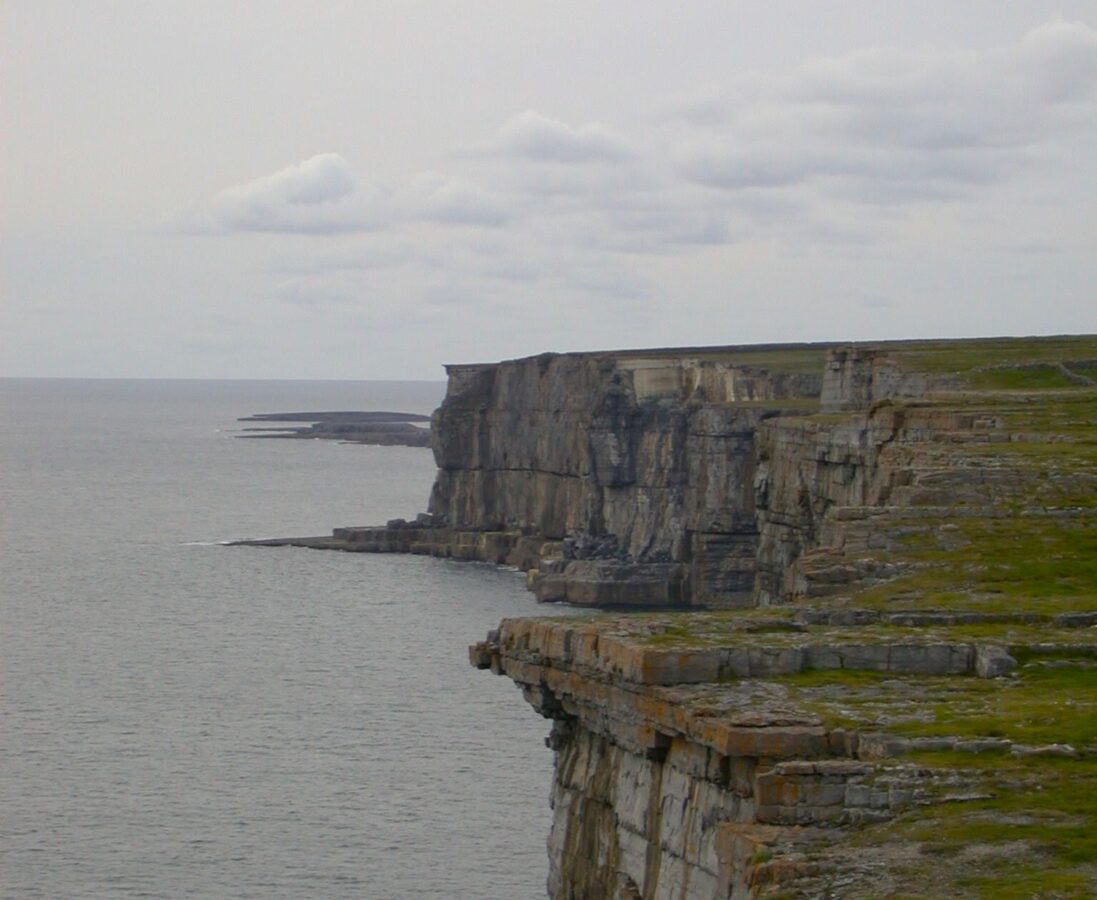
Inishmore (officially Inis Mor) is the largest of the three Aran Islands, located off the Galway Coast. Take the ferry from Rossaveal (a shorter and less often canceled journey than the ferry from Doolin) to enter a place that seems like old-world Ireland. Irish is spoken as the first language, although residents are typically fluent in English, while rich traditions still endure. You’ll see the famous and intricate Aran sweaters, with family-specific stitching that originated here, and you might hear a unique style of song known as sean-nós. Pubs commonly host traditional music sessions along with set dancing.
There are multiple attractions, including the ancient fort of Dun Aonghasa. Dramatically perched at the edge of a 328-foot-high cliff, it dates to around 1100 BC. Nearby, you’ll find the medieval ruins of the Seven Churches, a group of early Christian churches, and a natural pool called the Worm Hole.
Inisheer Island, County Galway
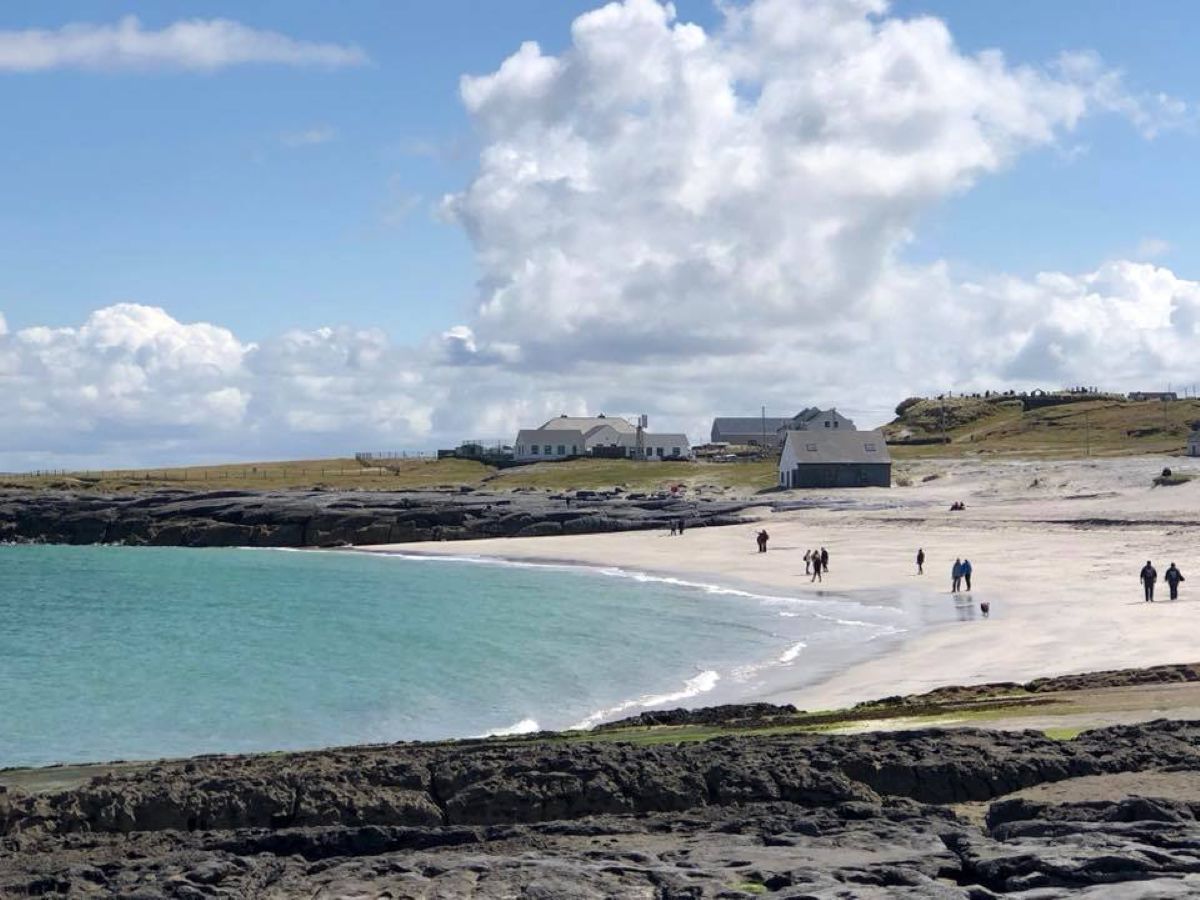
Inisheer (Inis Oírr) Island is the smallest of the Aran Islands. It has the same old-world feel as Inishmore, but it doesn’t attract nearly as many tourists. While it’s only two square miles in size, Inisheer is my favorite island to visit. The first thing you’re likely to notice is the postcard-perfect white sandy beach that looks as if it should be in the Caribbean. It’s just to your left when disembarking the ferry.
Beyond time at the beach, you might wander along the paths that wind through the maze of stone fences to visit the ruins of O’Brien’s Castle, crumbling ancient churches, and a rusted old shipwreck. The Plassey was famously featured in the opening of the popular Irish TV show “Father Ted.” If you want to explore the old-fashioned way, there are pony and car drivers who offer guided tours.
Garnish Island, County Cork
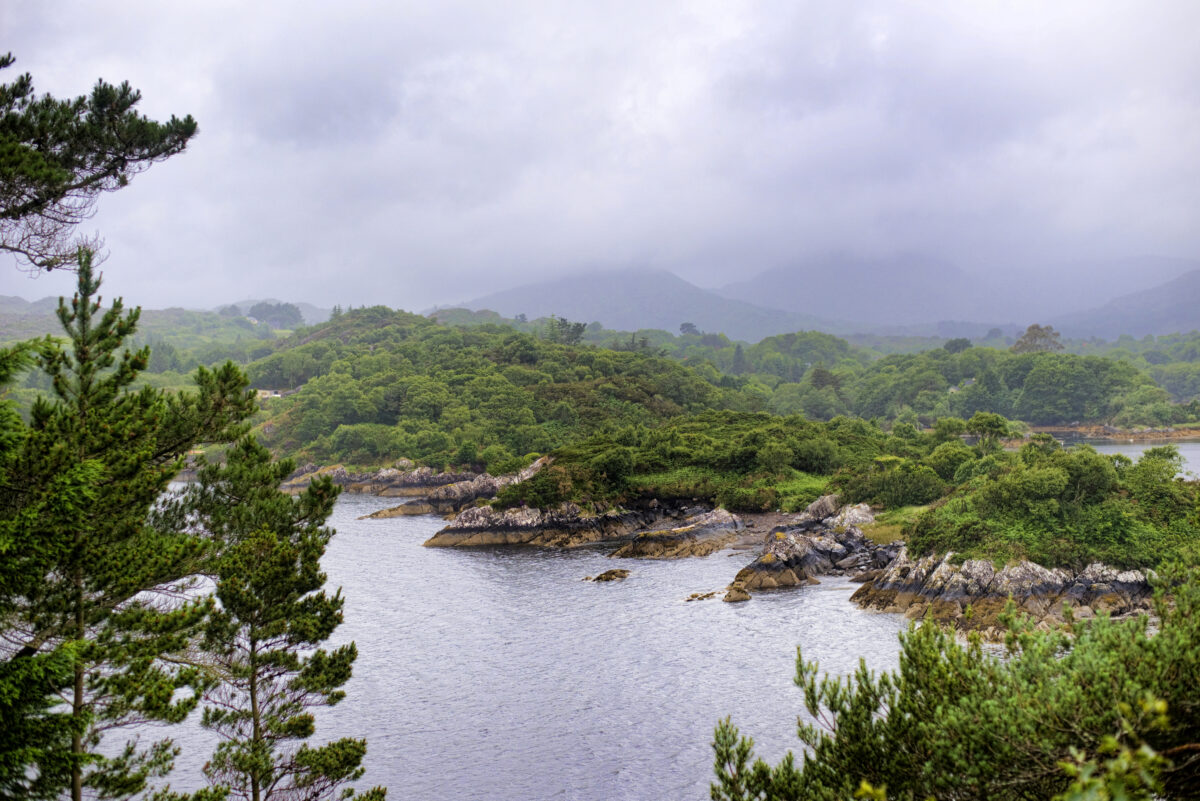
Garnish Island (Illnacullin) is known as the “garden island.” It’s renowned for its Italianate gardens designed in the early 20th century, complete with a sunken pool and colonnades, along with a romantic walled garden. With a unique microclimate, you’ll see many plants you probably wouldn’t expect, with a blend of exotic, sub-tropical, and rugged Irish landscapes, including the island’s coastline. The warm, sheltered environment even allows fauna from New Zealand, Chile, and the Southern Hemisphere to thrive. In May and June, you’ll see rhododendrons and azaleas, and by mid-summer, vibrant herbaceous plants.
Into history? Check out the 1805 Martello Tower. It also offers panoramic views of the Caha Mountains and Bantry Bay. Plus, the journey by ferry from Glengarrif usually detours past a colony of some 250 harbour seals that like to lounge on the rocks.
Great Blasket Island, County Kerry
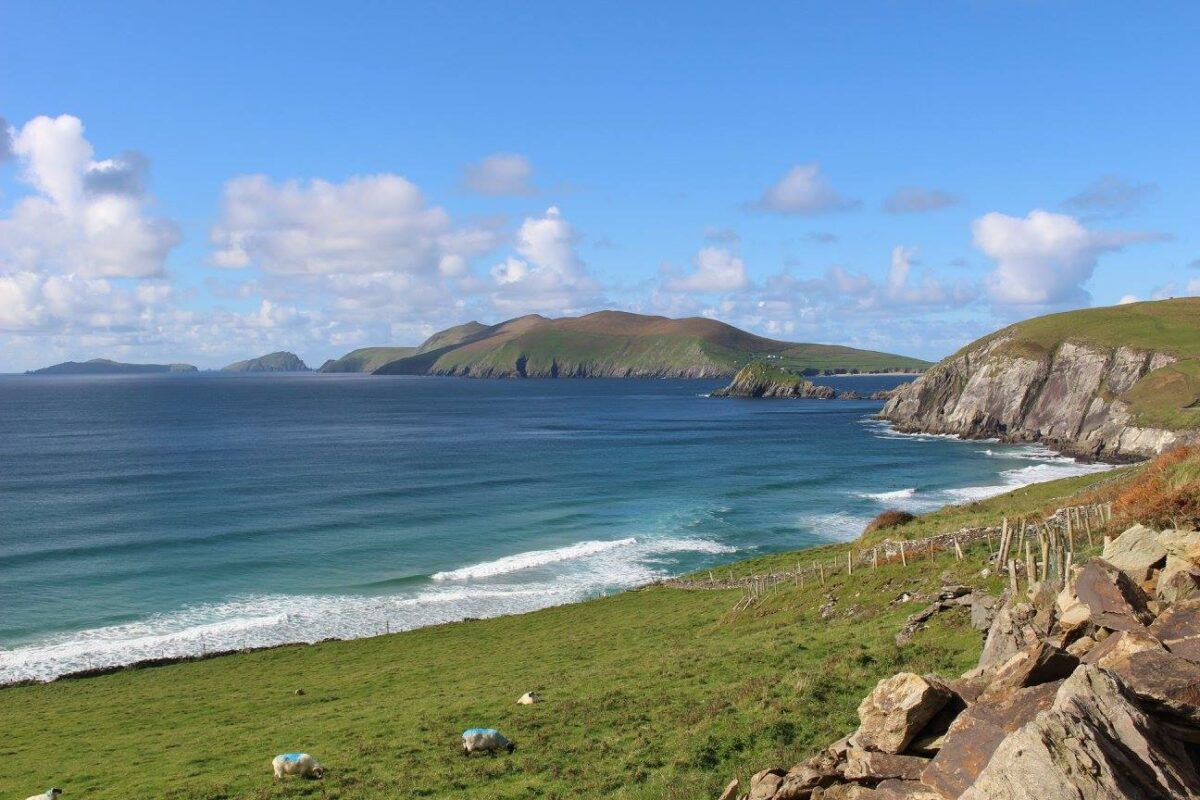
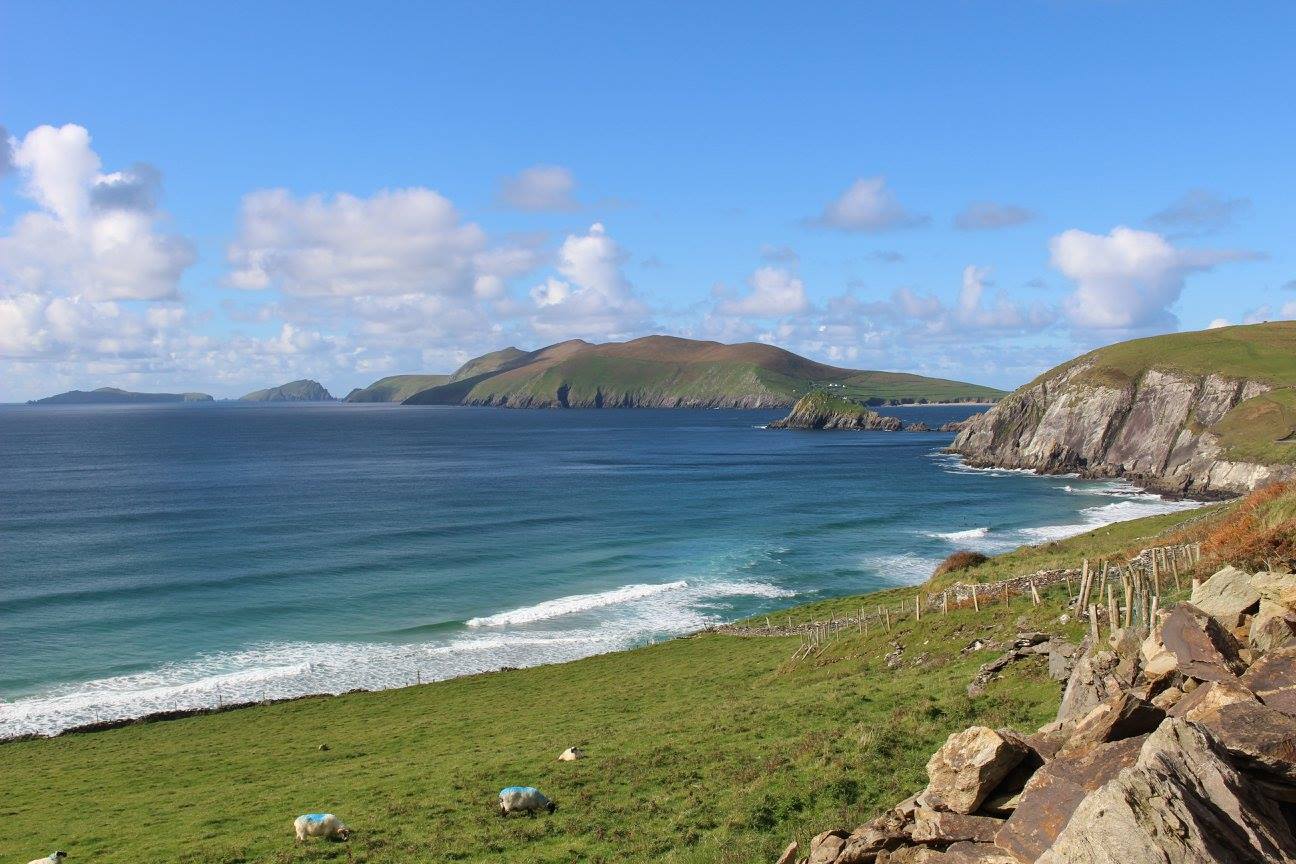
The Blasket Islands lie just off Ireland’s southwest coast near the town of Dingle. Great Blasket is the main island and the largest in the archipelago. While it’s uninhabited today, with the last residents leaving in the 1950s, there are many remnants from the former Irish-speaking community. On the eastern end of the island, there’s a collection of stone cottages that represent a 400-year history of habitation. You can also see the home of Tomás Ó Criomhthain, the author of The Islandman, 13th-century castle ruins, and the remains of the national school and post office.
You’ll find numerous trails that lead to scenic viewpoints overlooking unspoiled beaches, dramatic cliffs, and the Atlantic. They also provide the perfect vantage point for watching dolphins, seals, humpback, minke, and fin whales that might pass by. Most visit on day trips as there are no hotels, but it is possible to spend the night in basic self-catering accommodation without electricity.
Inishbofin Island
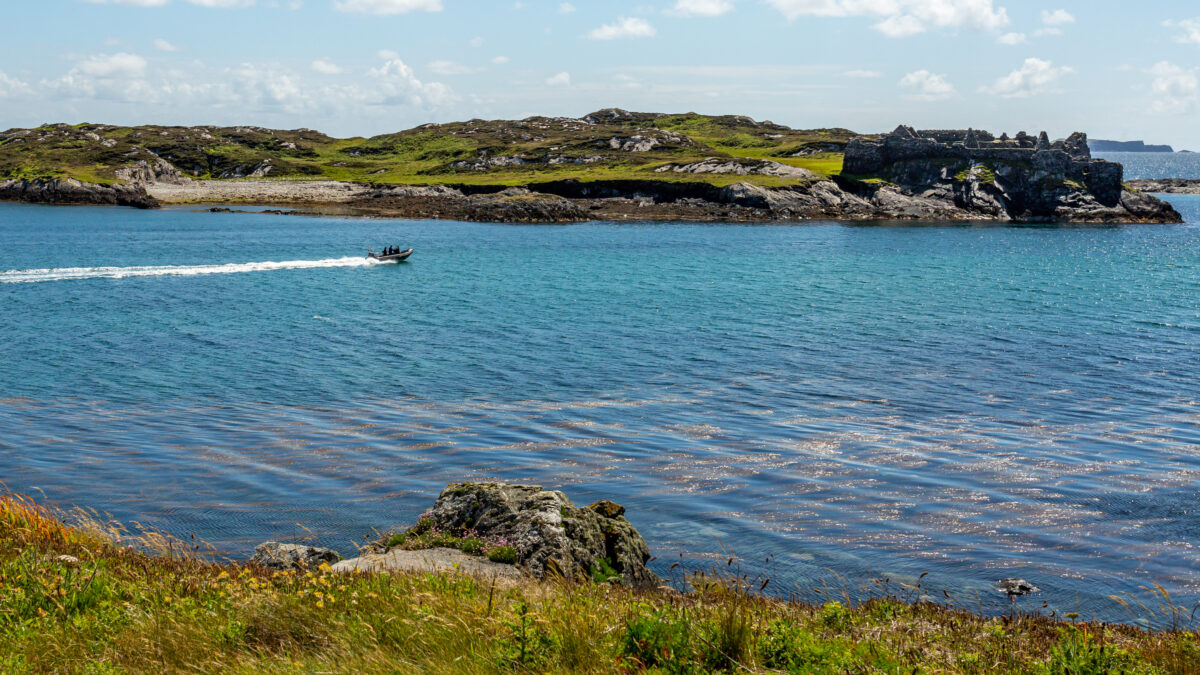
Inishbofin was Ireland’s first “Leave No Trace Island.” Located along the Wild Atlantic Way, it’s steeped in history and natural beauty. Discover beautiful sandy beaches with crystal-clear blue waters, such as East End and Dumhach. Both have received the Green Coast Award for environmental excellence. Cromwell’s Barracks is one of the most intriguing landmarks. The atmospheric ruins of the 17th-century fortress used as a prison for Catholic clergy during Oliver Cromwell’s campaign sit on a tidal island just off the main harbor. At low tide, you can even walk across the seabed to explore it on foot. Just be sure to make your return before the tide starts to rise, or the path will be impassable.
There are also several walking loops for viewing St. Colman’s 14th-century chapel, seal colonies, and the Dún More Cliffs. Head to The Stags for a glorious sunset over the Atlantic and then sample the vibrant nightlife, including live Irish music.
Tory Island, County Donegal
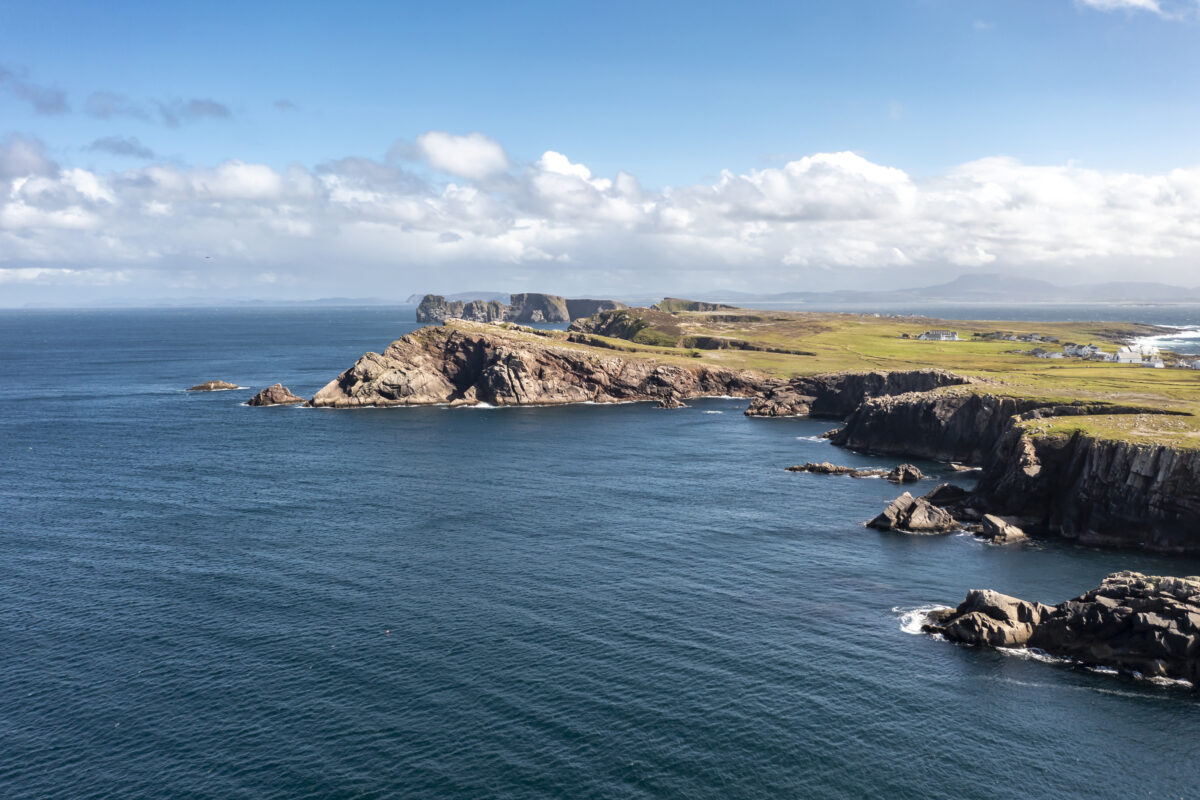
Just 1.5 miles wide and about 2.5 miles long, with a population of only around 150, Tory Island lies off the northwest coast of County Donegal. It may be tiny, but this remote island offers postcard-perfect beaches and a rich cultural and historical heritage. Like the Aran Islands, it’s part of the Gaeltacht region. That means you’re likely to hear Irish spoken, although the locals speak English too.
Nature lovers can hike the scenic coastal paths and visit the North Lighthouse for a panoramic view of the ocean and mainland Ireland. Tory is also popular for diving. Home to the Mevagh Dive Centre, its guided diving sessions can bring you to explore a 19th-century Royal Navy shipwreck. To delve into the culture, be sure to check out the works by local artists at the Tory Island Artists’ Gallery. If you visit in July, you can also attend the annual Earagail Arts Festival. The Tory Island Hotel is the only hotel on the island, serving as a hub of activity, offering regular live music in the bar, Irish dance lessons, and more.