


I grew up spending my summer holidays in Gran Canaria because my family really loved it there, so I’ve been lucky enough to explore a lot of the island over the years.
And even now, when I spend winters in Europe, it’s one of the places I keep coming back to without thinking twice.
The weather is some of the best you’ll find in Europe year-round, but what I love most is how varied the beaches are. You’ve got everything from big, buzzing resort stretches to wild, untouched coves that feel like you’ve accidentally stumbled into another world.
These are the beaches I’ve actually gone back to again and again, depending on the kind of day I want!
Playa de Las Canteras (Las Palmas)
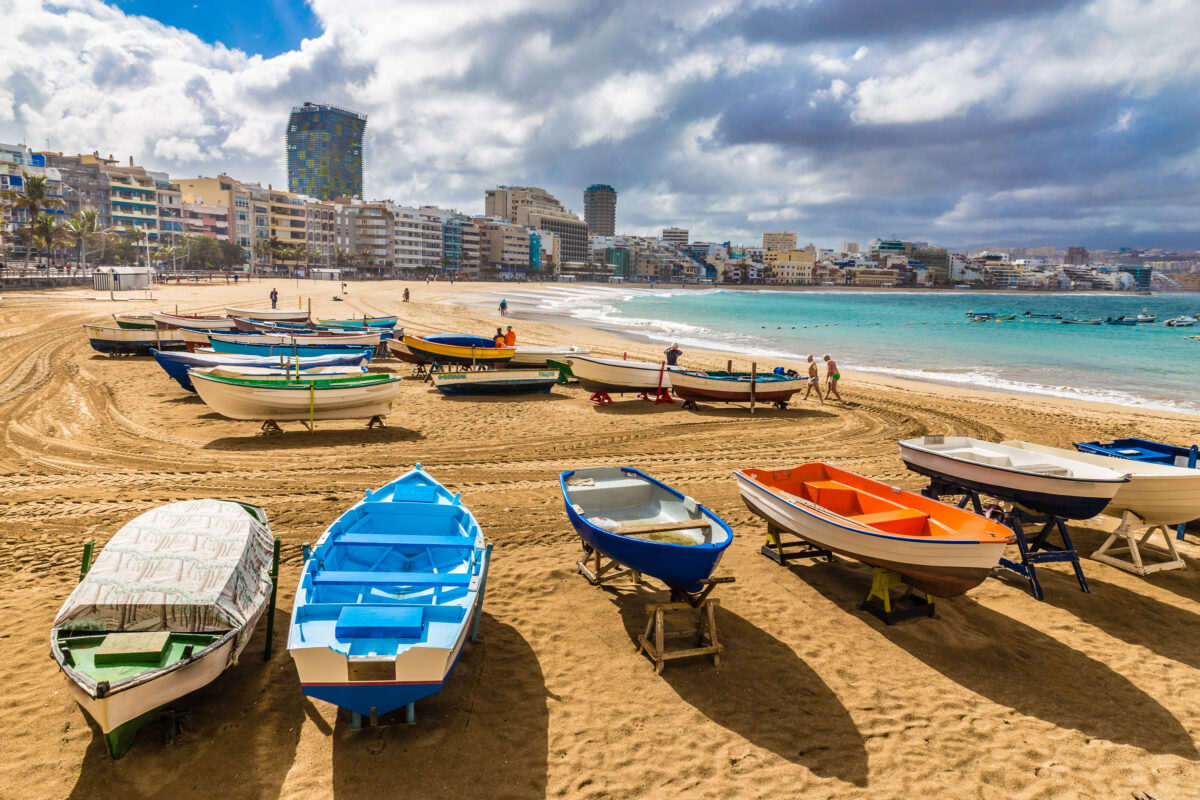
Las Canteras is the beach I always end up missing if I stay away from Las Palmas too long. It runs along the city’s coastline, but it doesn’t feel overly urban in the way you might expect. There’s a natural volcanic reef just offshore that protects the water, so it’s calm enough for swimming most of the year.
I love how much life is here. Locals are out walking, surfing, having long lunches along the promenade—it feels lived-in in the best way. It’s also one of the most reliable spots for a beach day in winter.
My best tip: check the tide before you go. At low tide, the beach practically doubles in size and reveals shallow lagoons that are perfect for floating around in.
Maspalomas Beach
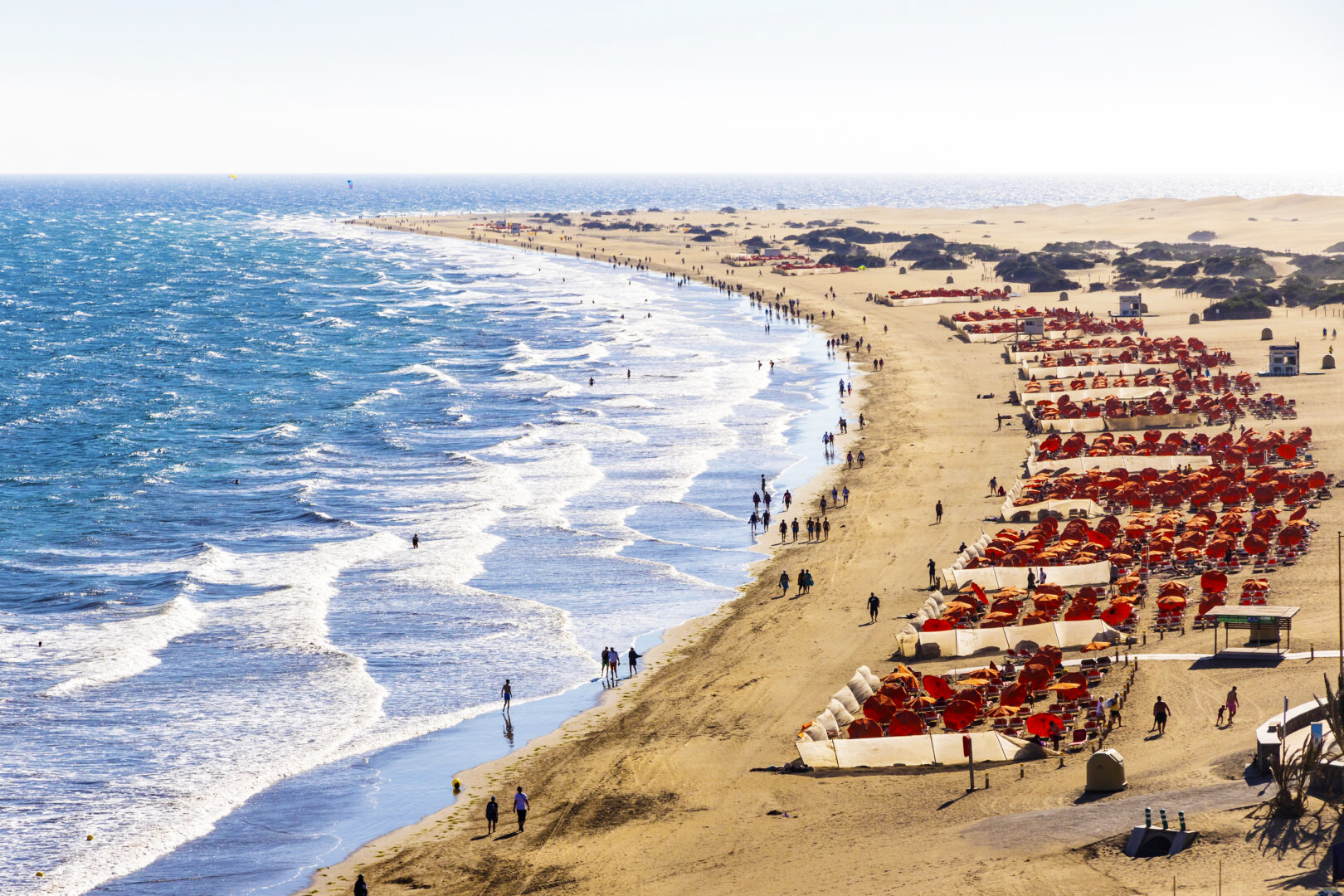
Maspalomas is one of those places that actually looks like a film set. You’ve got this huge stretch of golden sand backed by rolling dunes that feel more like a desert than an island beach.
It’s big enough that you can always find your own space, even in peak season. Parts of it are clothing-optional, but it’s all very relaxed and unbothered.
And make sure to walk out into the dunes just before sunset. Most people stay near the shore, but if you go a little further in, it gets completely quiet and the light over the sand is unreal.
Playa del Inglés
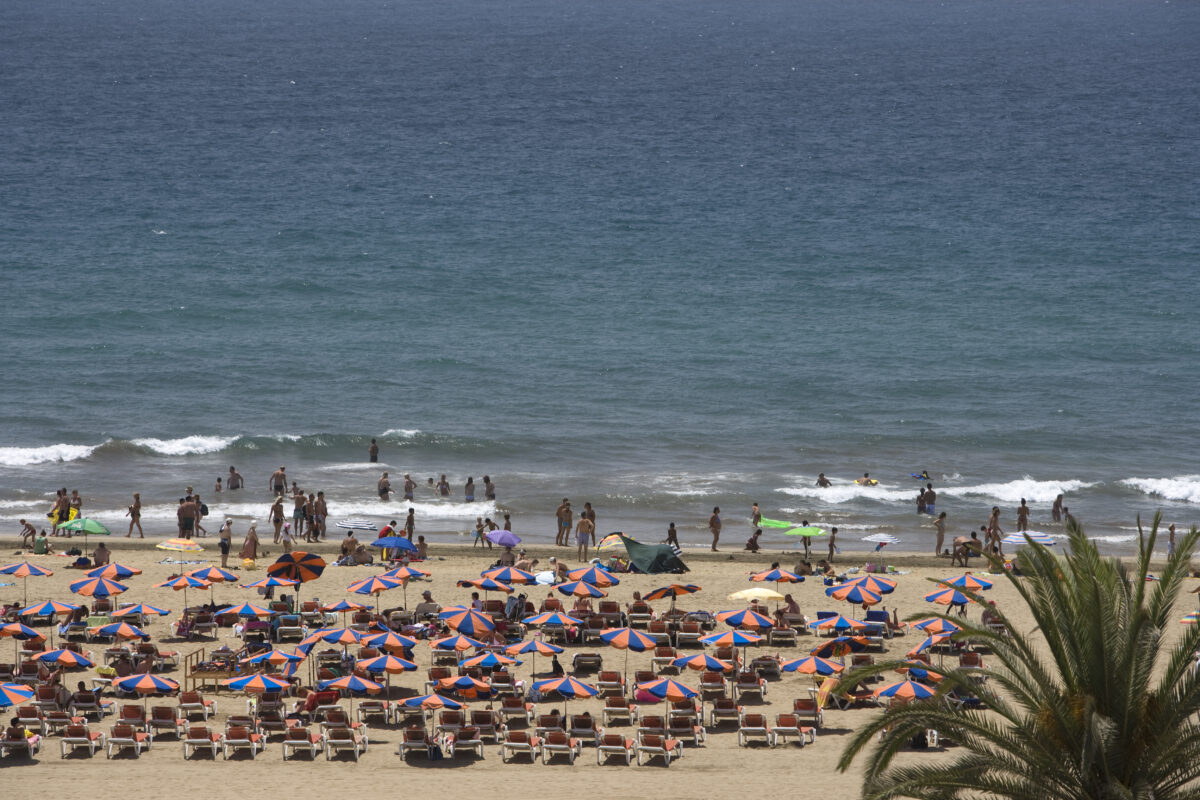
Right next to Maspalomas, Playa del Inglés has a completely different energy. It’s busier, more social, and has that classic holiday buzz with beach bars, volleyball nets, and music drifting in the background.
It’s not the place for quiet solitude, but it’s great if you want a proper beach day with options for food, drinks, and people-watching.
One tip: the further east you walk, the calmer it gets. Most people cluster near the central access points, so you can actually find long stretches of quieter sand if you keep going.
Playa de Amadores
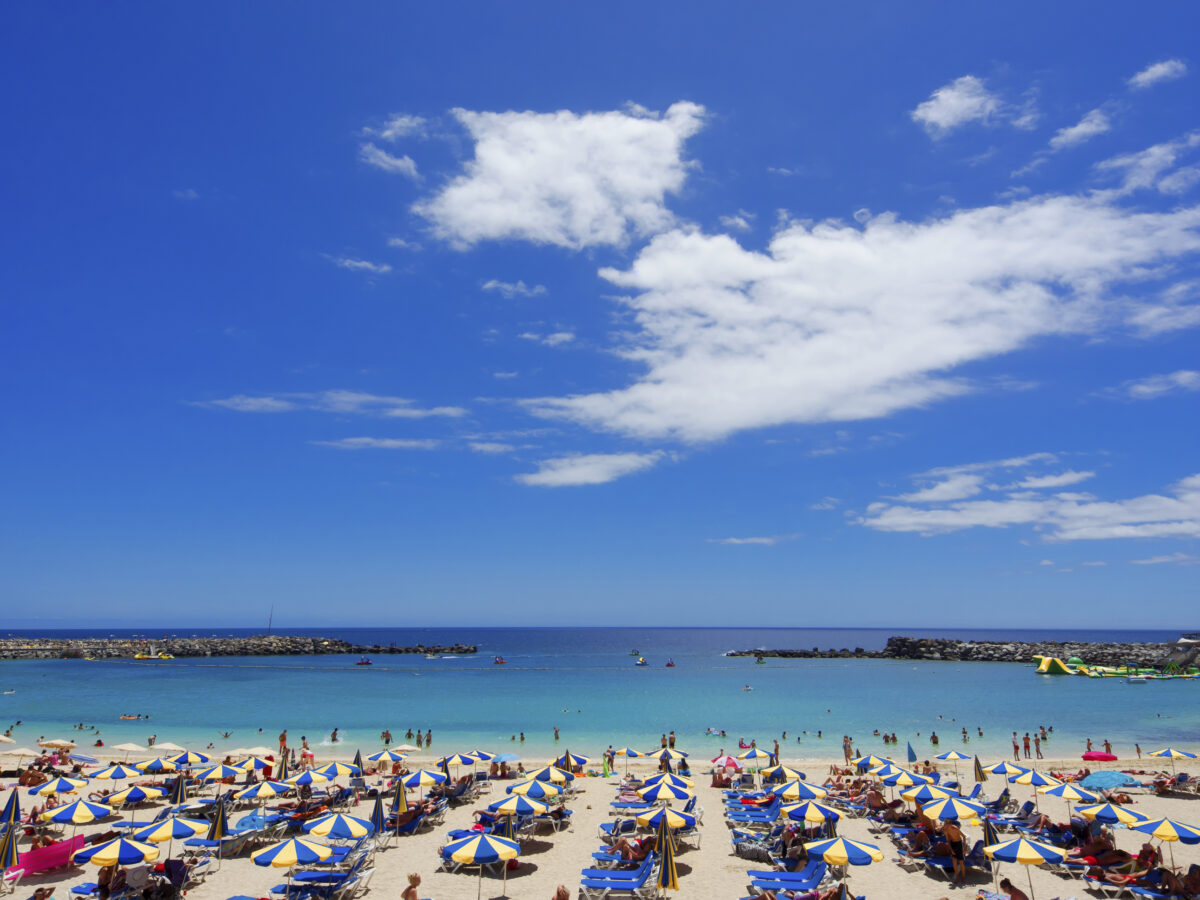
Amadores is almost suspiciously perfect-looking. The water is that soft turquoise colour you usually associate with the Caribbean, and the beach is sheltered enough that it stays incredibly calm.
It’s very family-friendly and clearly designed for comfort, but I don’t say that in a bad way. Sometimes you just want an easy beach day where everything feels smooth.
I recommend to go early in the morning. Before the pedal boats and sun loungers fully take over, the water is completely glassy and still.
Anfi del Mar
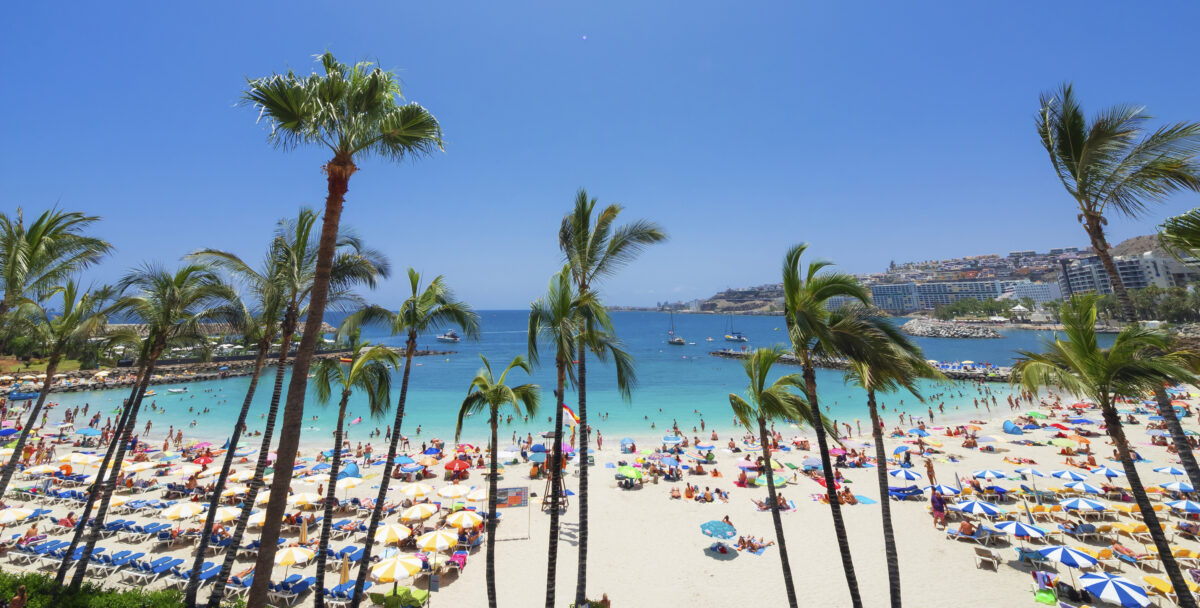
Anfi feels like a little slice of imported paradise. White sand, palm trees, and clear water that almost doesn’t look real for the Atlantic.
It’s a bit more manicured than other beaches on the island, but it’s undeniably beautiful and great for a relaxed swim day.
Keep in mind: if you’re a confident swimmer, you can paddle out towards the tiny offshore island at low tide. It’s not something most people bother doing, which makes it feel a bit like a hidden bonus.
Puerto Rico Beach
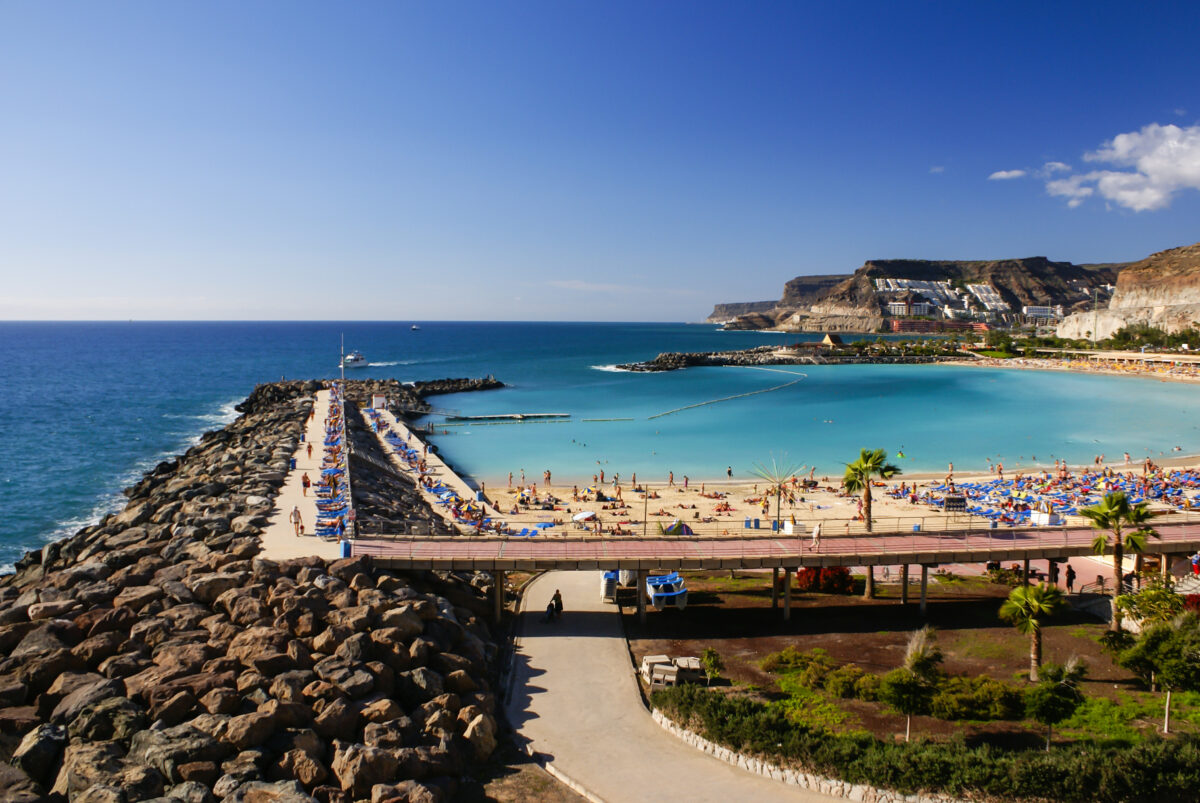
Puerto Rico is one of the main harbour beaches, so it has a constant flow of boats coming and going. It’s very set up for tourism, with loads of excursions leaving from here.
It’s not the most dramatic beach on the island, but it’s incredibly convenient and a great base if you want to mix beach time with activities.
Inside tip: book an early morning boat trip from here if you can—the sea is usually calmer, and you’ve got a better chance of spotting dolphins.
Playa de Mogán
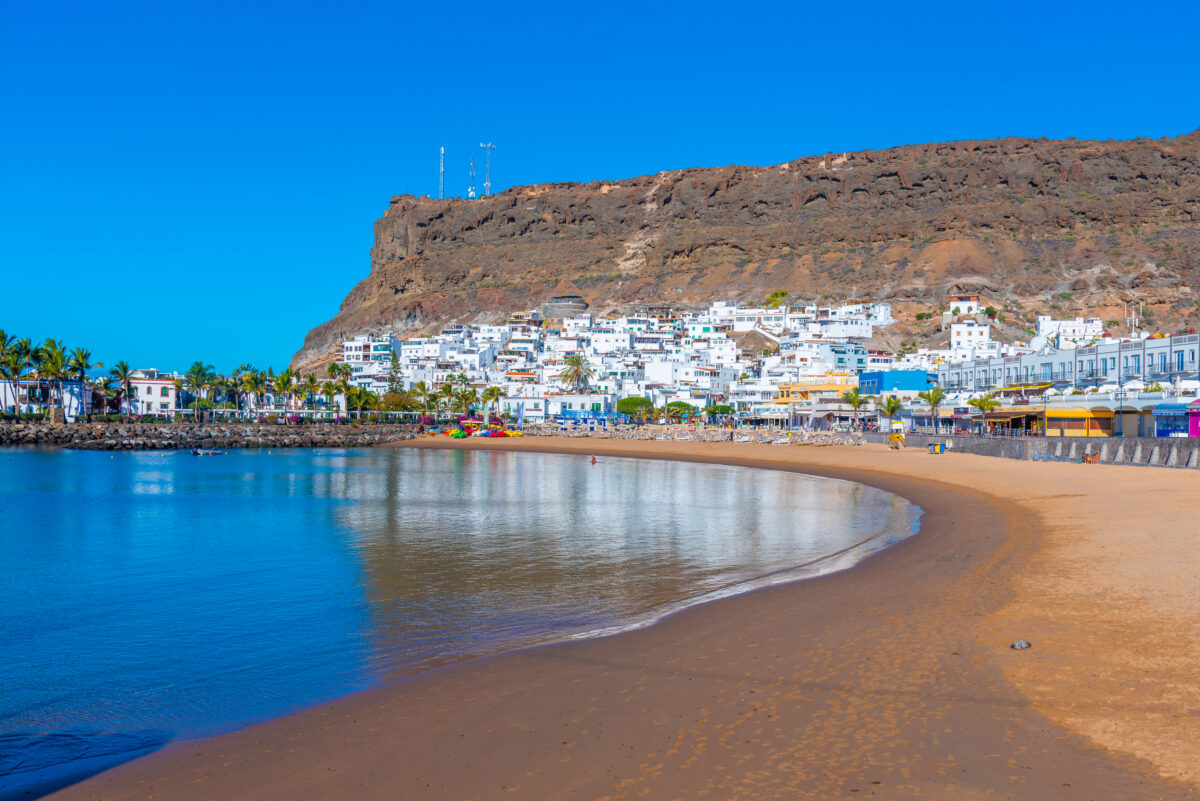
Playa de Mogán might be one of the prettiest beach settings in Gran Canaria. The whole area feels like a small coastal village with canals, whitewashed buildings, and a very calm rhythm to life.
The beach itself is sheltered, so the water stays very swimmable. If you’re here for a long weekend, Fridays are market days and the area gets busy quickly. Either go early or come later in the afternoon when things start to quiet down again.
San Agustín Beach
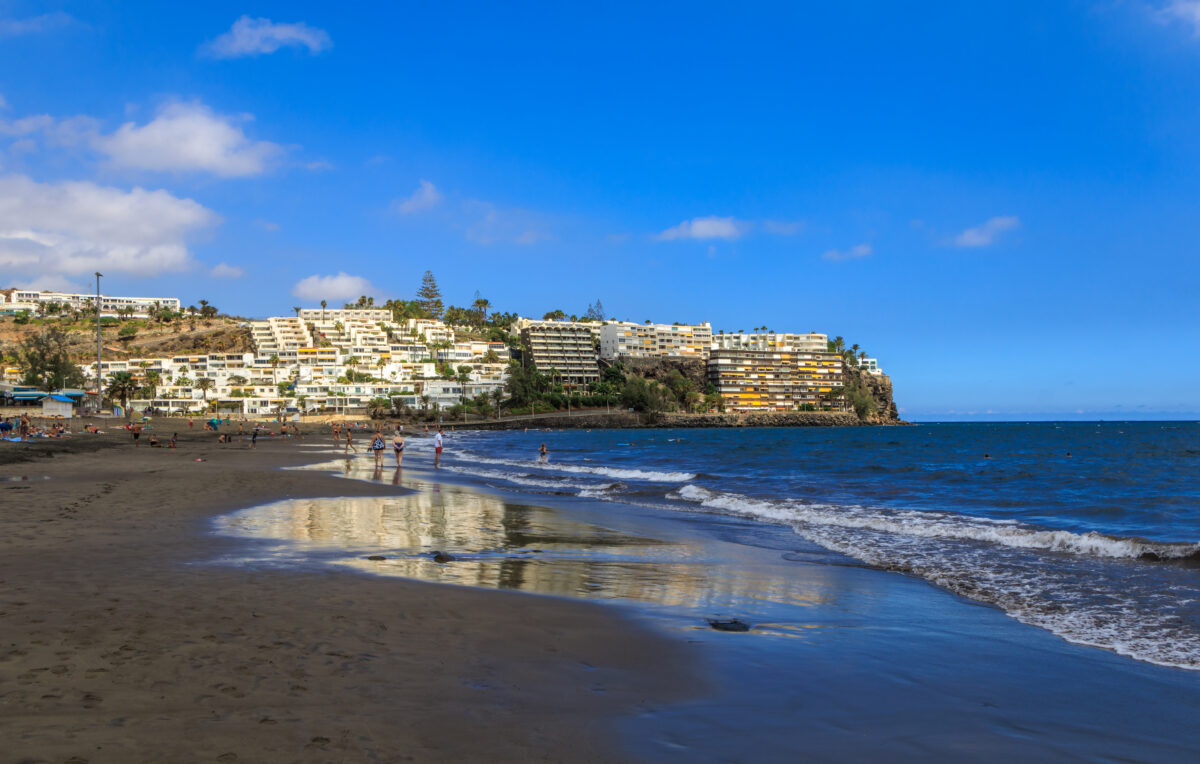
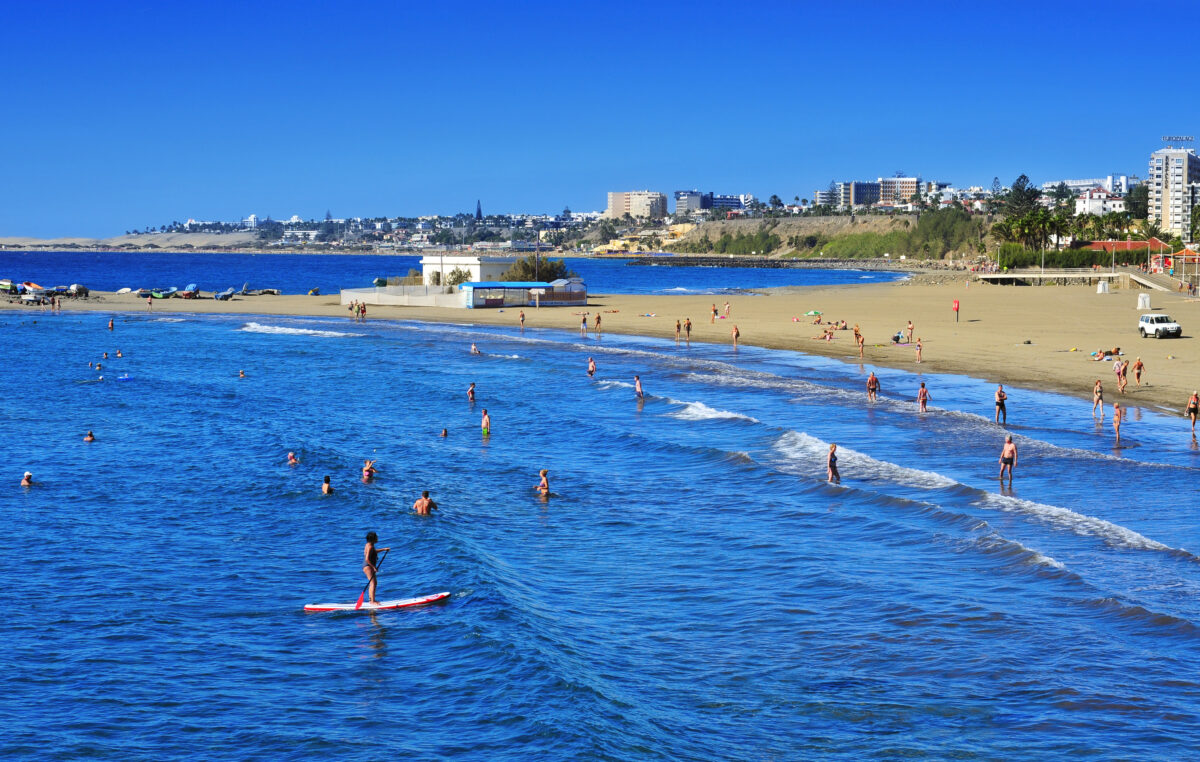
San Agustín feels more low-key compared to nearby Playa del Inglés. It’s darker sand, fewer crowds, and a generally more local feel.
It’s one of my favourite places for a slower beach day where you’re not really doing much other than swimming, reading, and watching the water.
I personally think that sunrise here is super underrated. It’s one of the calmest times on the southern coast, and you’ll often have huge stretches almost entirely to yourself.
Playa de Sardina del Norte
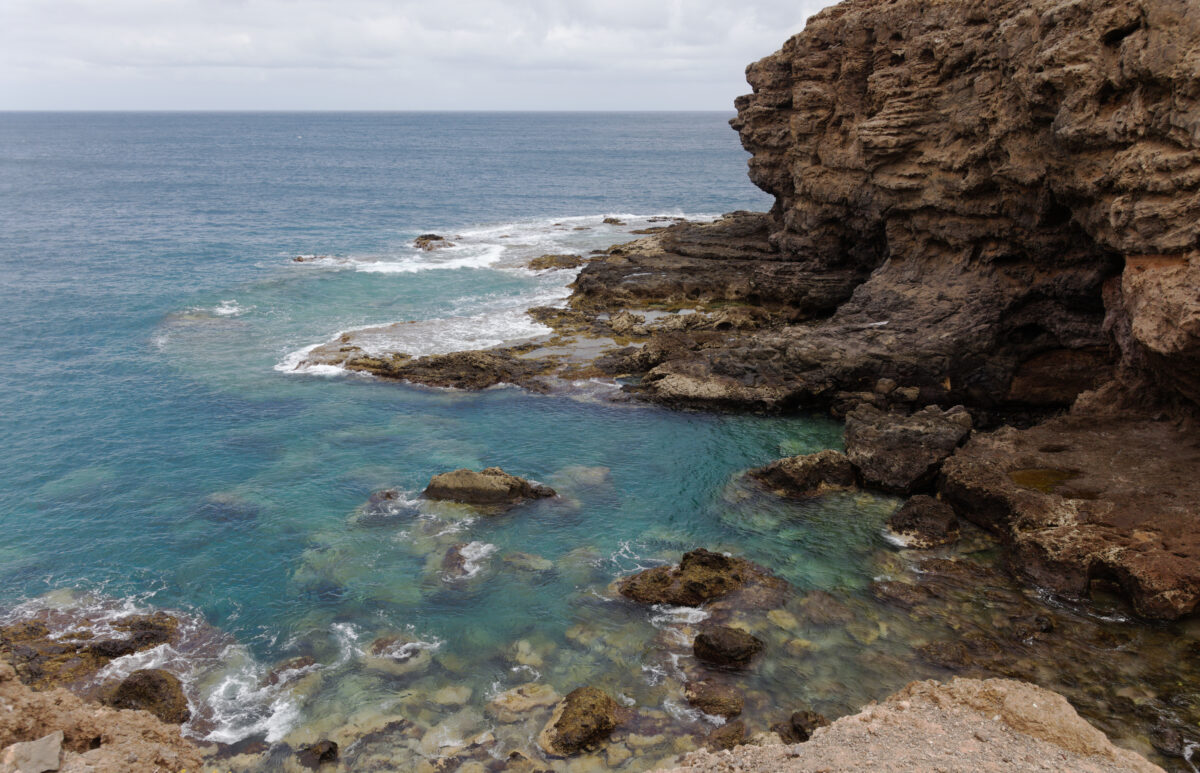
This one feels like a different version of Gran Canaria altogether. Up in the north, Sardina del Norte is a small fishing village beach with incredibly clear water and a much more authentic feel.
It’s one of the best snorkelling spots on the island if the sea is calm. One important thing to remember (a mistake I made the first time!)—bring everything you need with you. There aren’t many facilities, which is exactly what keeps it so peaceful.
Güigüi Beach
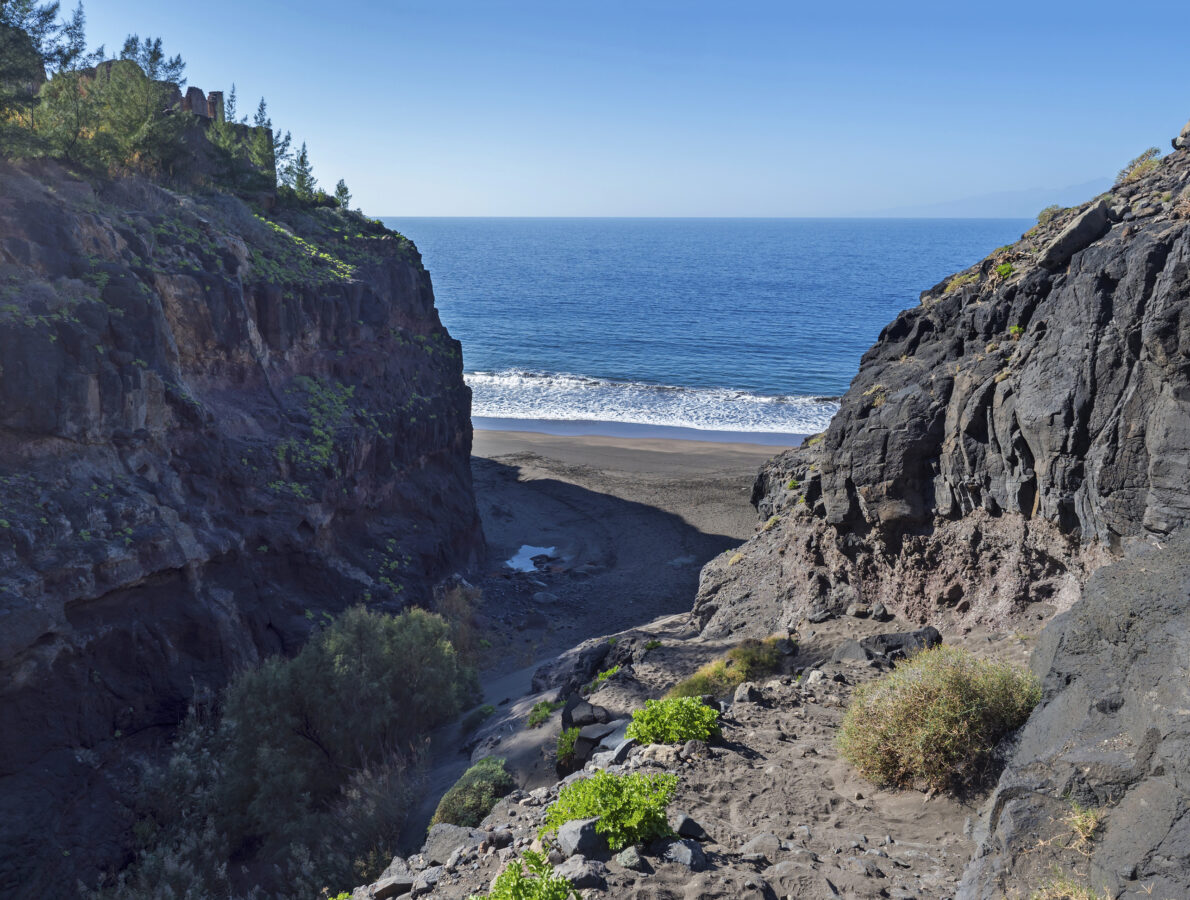
Güigüi is not an easy beach to get to, and that’s the point. You either hike in or take a boat, and both options make you feel like you’ve properly earned it.
When you arrive, it feels completely untouched. No sunbeds, no bars, only raw coastline and open space. But don’t underestimate how remote it is. Bring water, snacks, and sun protection because there is nothing available once you’re there.
Playa de las Nieves (Agaete)
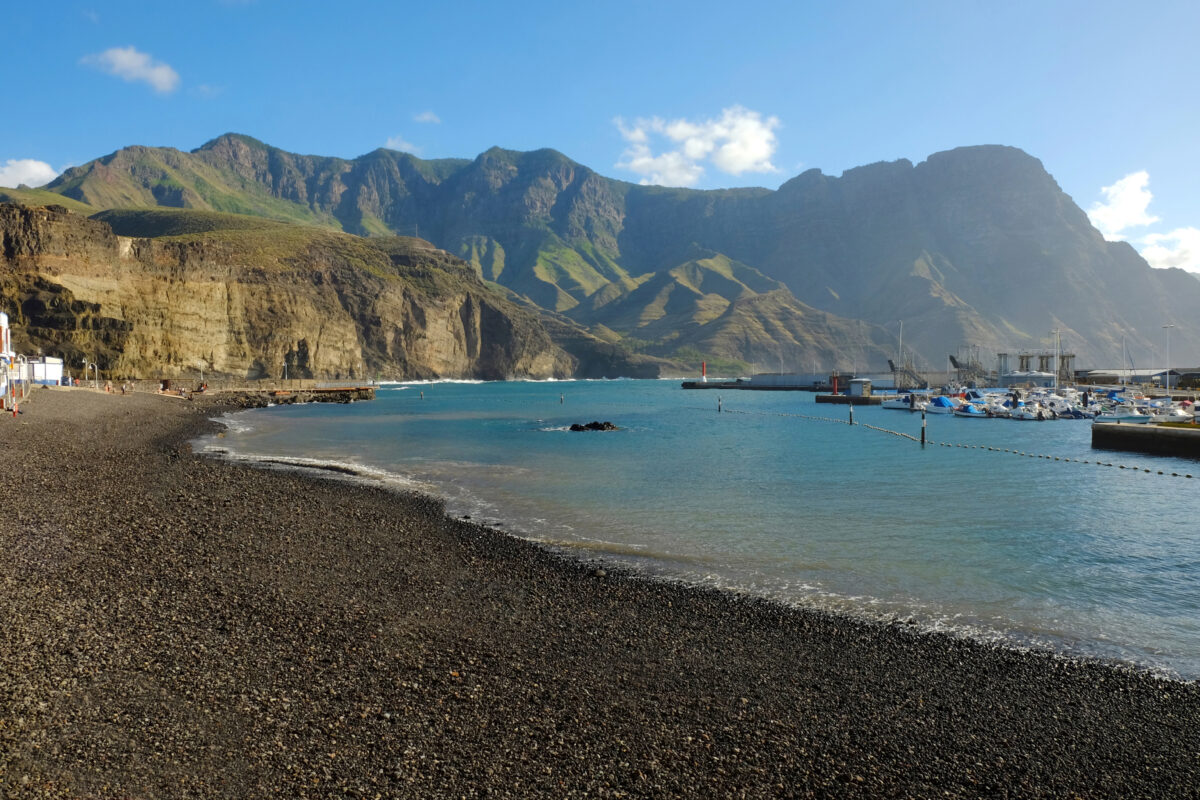
On the northwest coast, Playa de las Nieves feels rugged and completely different from the southern resort beaches. It’s a mix of pebbles, volcanic landscape, and dramatic cliffs.
It’s also right near the natural pools of Agaete, which make for a great combined beach day. Inside tip: pair it with a visit to the natural rock pools just nearby. Locals often do both in one afternoon, especially when the tide is right.
Important Things to Know
If you’re planning a trip, you’ll fly into Gran Canaria Airport (LPA), which is well connected to most of Europe. The island is bigger than people expect, so where you stay really changes your experience.
Las Palmas is best if you want culture, city energy, and easy access to Las Canteras. The south—Maspalomas, Playa del Inglés, and Puerto Rico—is where you’ll find the most reliable sunshine and classic beach holiday infrastructure. Puerto de Mogán is perfect if you want something quieter and more scenic.
Renting a car is worth it if you want to explore places like Sardina del Norte or Güigüi properly. And while the south tends to be sunnier and drier, the north can feel a little greener and cloudier, which is just part of the island’s contrast.
Gran Canaria is one of those places that really rewards exploring beyond your first beach. The more you move around it, the more it opens up.
Completed The List? Best Things To Do Between Beach Days
One of the things I’ve always loved about Gran Canaria is that the beach days naturally blend into everything else—you’re never really just “doing the beach,” you’re moving between landscapes, viewpoints, and little experiences that make the island feel bigger than you expect.
In Maspalomas, one of the best things you can do is walk into the dunes just before sunset. It sounds simple, but the scale of it changes completely once you’re inside. Suddenly you can’t see the resorts anymore, just rolling sand and shifting light.
From Puerto Rico or Puerto de Mogán, I always recommend getting out on the water at least once. There are plenty of boat trips that head along the coastline for dolphin and whale watching, and the sea out here is usually calm enough to make it a really easy, unpressured experience.
Some trips even stop in smaller, secret coves for swimming or snorkelling, which is a great way to see the island from a different angle.
Las Palmas is where I usually go when I want a break from full beach mode. You can spend the morning at Las Canteras, then wander into the old town of Vegueta for lunch and a slower afternoon. It’s one of the easiest ways to mix city energy with coastal life without having to travel far.
Up in the north around Agaete, the natural pools are worth building into a beach day if you have a car. The contrast between the rugged volcanic coastline and the calm, man-made swimming pools is part of what makes that area feel so different from the south.