
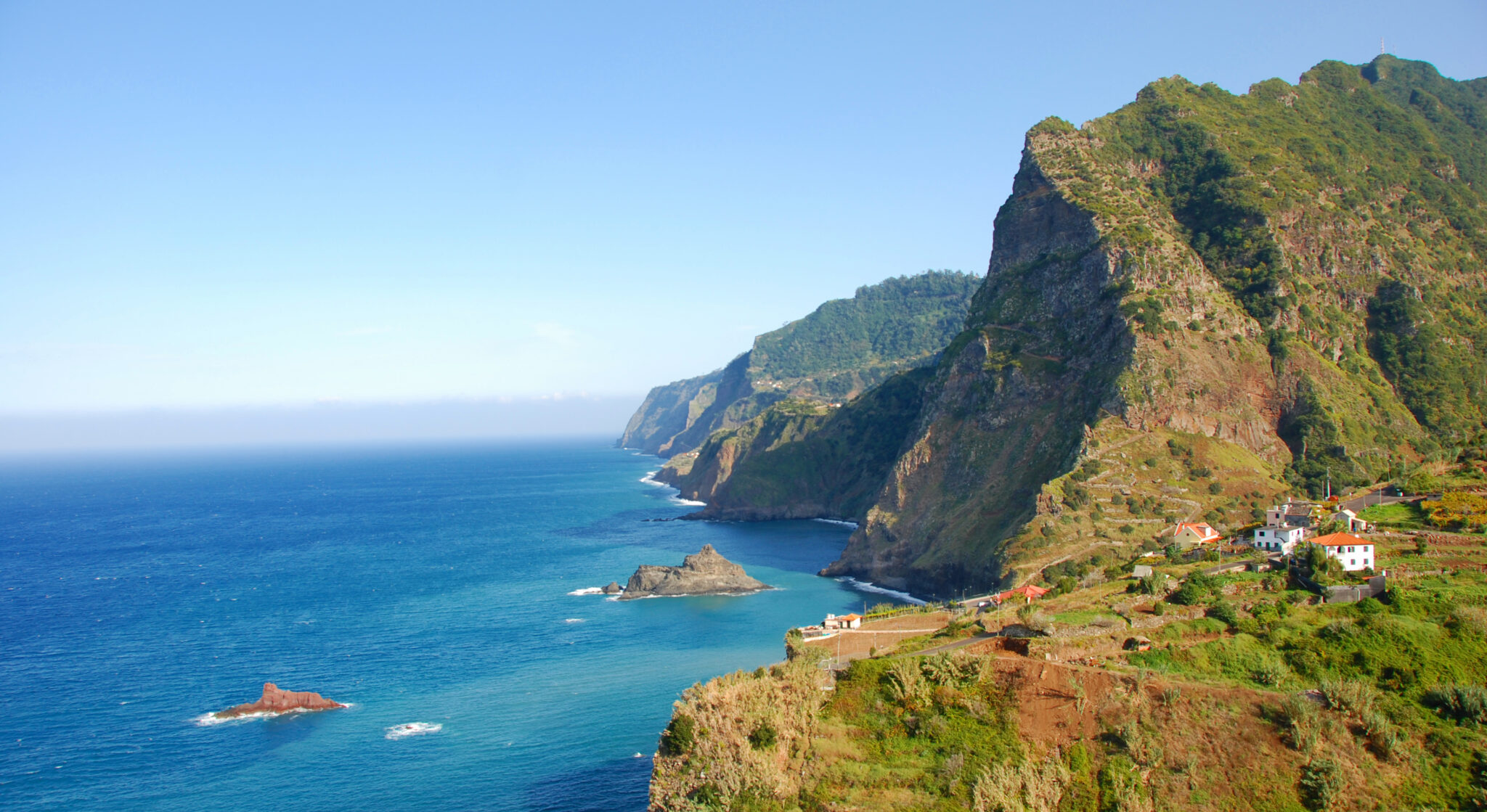
Madeira doesn’t play by normal island rules. That was my first thought when I arrived. There’s no flat coastline, no soft fade into shallow turquoise water. Instead, the island rises straight out of the Atlantic in this dramatic sweep of volcanic cliffs, dropping into black lava rock, dark sand, and unbelievably clear water.
It actually reminded me a little of Kauai in places—the scale of the cliffs, the way the green just spills down into the ocean—but Madeira has its own thing going. The locals were some of the warmest I’ve met anywhere in Europe, and the food and wine surprised me in the best way. I hiked, I swam, I drank way too much poncha whenever I got the chance. It’s easy to settle into life here for longer than planned.
If you’re planning on heading over, here is how to make the most of this incredible Portuguese island.
Getting There and Getting Around
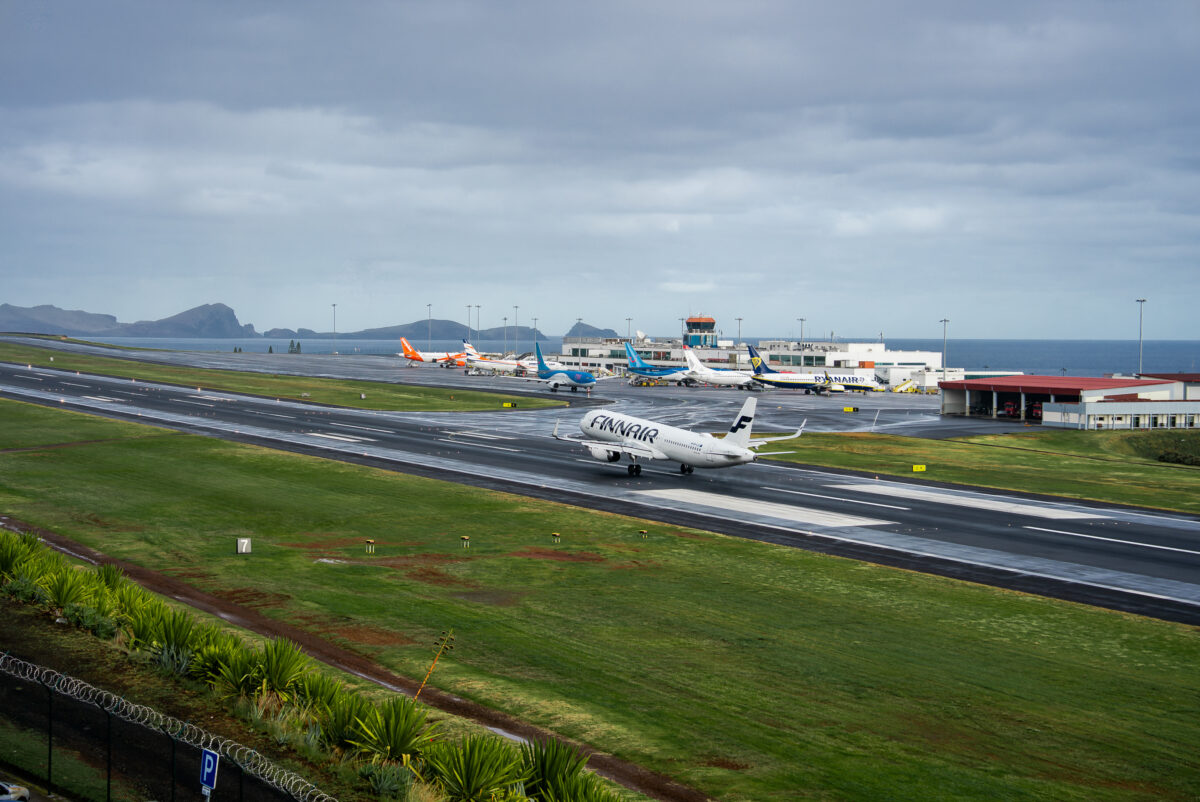
Madeira Cristiano Ronaldo International Airport sits on the eastern edge of the island, about twenty minutes by road from Funchal. Direct flights run from Lisbon, Porto, London, and a growing number of European cities year-round, with TAP Air Portugal, easyJet, and Ryanair all covering the route.
Once you land, a hire car is close to essential if you want to explore properly. The island looks small on a map, but the terrain is anything but. The road network is excellent with tunnels, bridges, and coastal drives that cut through mountains, but many of the best spots (Seixal, Porto Moniz, Fanal, Jardim do Mar) are spread along a coastline that public transport only loosely connects.
Expect to pay around €30–€50 per day for a small car, and book ahead in summer. Funchal itself is walkable, and taxis or ride-shares work well for short distances.
*Quick heads up on the landing itself: the runway is famously short and sits on stilts jutting out over the ocean, with mountains rising right behind it, so the approach can get a little bumpy and dramatic depending on the wind. It’s completely safe, the pilots who fly this route do it constantly, but if you’re a nervous flyer, maybe don’t look out the window on descent. I found it kind of thrilling, but my knuckles were white for a minute.
The Beaches
Madeira’s coastline is volcanic and mostly rocky, which can be a surprise if you’re expecting long sandy stretches. Once I let go of that expectation though, I actually ended up loving what’s here.
Seixal Beach
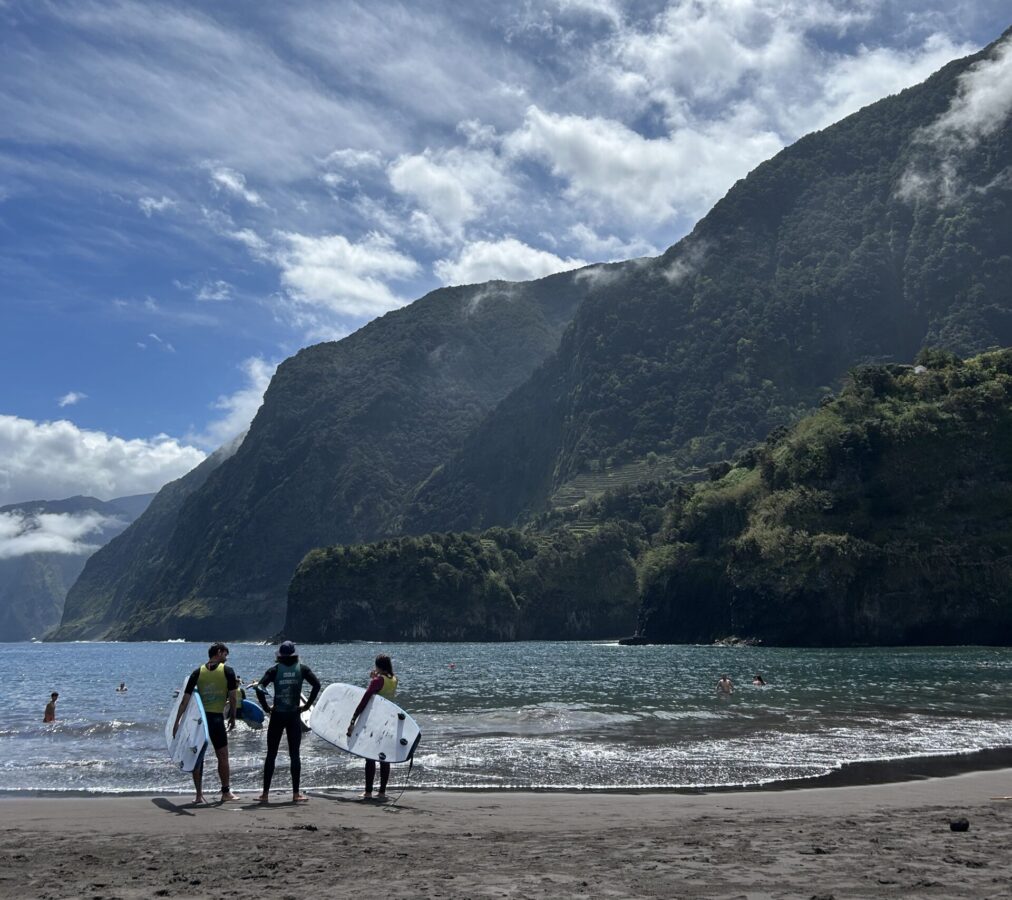
Seixal Beach was one of my absolute favorites on the island. It’s a small dark sand bay on the north coast, backed by steep green cliffs with a waterfall literally spilling onto the beach. There’s a really cute café above it where I stopped for coffee (and wine later in the day), and the view from up there is just ridiculous (it reminded me of Jurassic Park).
Below, there’s also a natural swimming hole formed in the rocks, which feels like a secret spot when you catch it at the right time. Just a heads up though, parking here is tough in peak hours, so go early if you can.
The sea can be rough, but that contrast of black sand, crashing Atlantic waves, and waterfall backdrop makes it one of the most visually striking beaches I’ve been to in Europe.
Calheta Beach
Calheta Beach is the opposite energy. It’s on the sheltered southern coast, with imported golden sand, a breakwater that keeps the water calm, and proper beach infrastructure with loungers, showers, lifeguards, the lot. It’s the easiest place for a relaxed swim, especially if you want something low-effort and family-friendly. The marina next door also has a handful of solid restaurants for lunch or sunset drinks.
Jardim do Mar
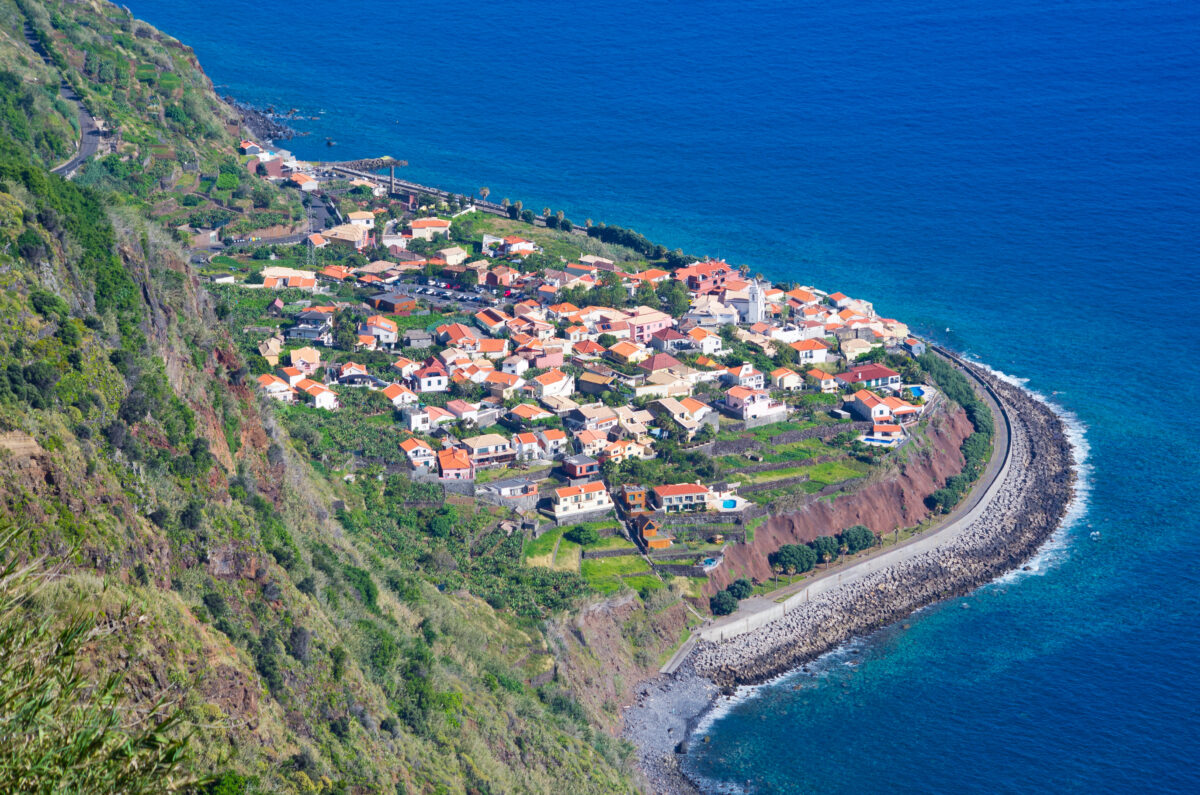
Jardim do Mar is a tiny surf village on the southwest coast that still feels like it belongs to the surfing community first. Pebble beach, a few low-key cafés, and waves that regularly draw experienced surfers. I loved stopping here just for a slow drink at Joe’s Bar and watching the ocean roll in.
Prainha do Caniçal
Prainha do Caniçal sits on the eastern tip of the island and feels more remote and raw. It’s a black sand beach surrounded by cliffs, with a sense of being slightly removed from everything else. The waves can be strong, but the setting is beautiful in a very stripped-back way.
Porto Santo
Porto Santo Island is technically a separate island, about a forty-minute ferry ride away, but it’s worth mentioning here. Nine kilometres of golden sand, warm shallow water, and a completely different atmosphere from Madeira. It feels almost surreal after a few days of volcanic coastline. Even a day trip is great, but staying overnight lets it slow down properly.
The Natural Swimming Pools
This is where Madeira really blew me away.
Porto Moniz
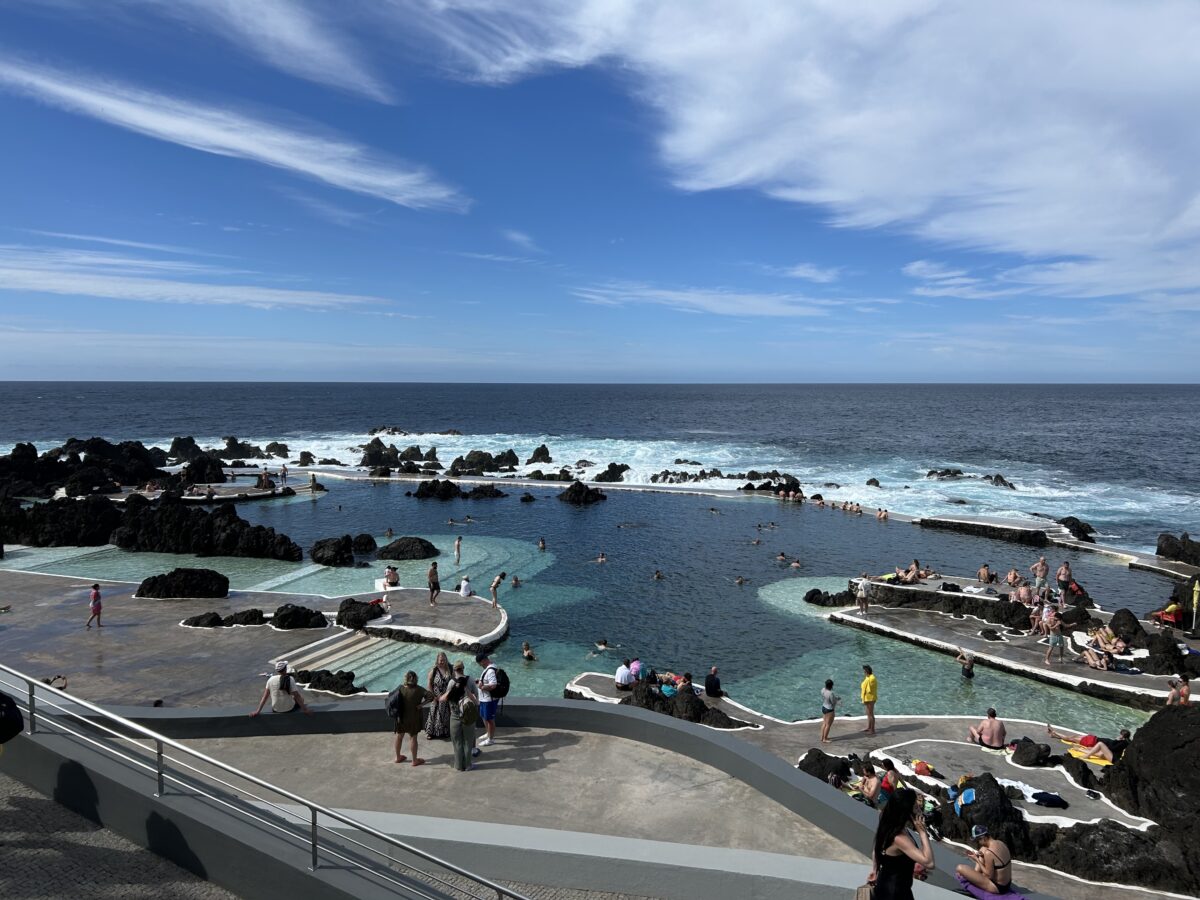
Porto Moniz Natural Swimming Pools is the most famous set of volcanic pools on the island. Ancient lava formations create a series of natural basins filled by the Atlantic, with waves crashing dramatically just beyond the rock edges. There are more developed pools with facilities and a more natural section near the fort that I personally preferred. It does get busy, so early mornings are best.
Seixal Natural Pools
Seixal Natural Pools were my favourite alternative to Porto Moniz. They feel similar in concept but much quieter, with two main swimming areas carved into the rock and a small bar on site. The views along the north coast are incredible!
Doca do Cavacas
Doca do Cavacas is the easiest option if you’re based in Funchal. Smaller lava pools, more intimate, and perfect for a quick swim without leaving the city. I loved coming here late afternoon when everything starts to soften into sunset.
Fanal Forest
Fanal Forest sits up in the northwestern highlands at around 1,000 metres, inside the ancient Laurissilva forest. The trees are twisted, moss-covered, and centuries old, and the whole landscape shifts completely when the mist rolls in.
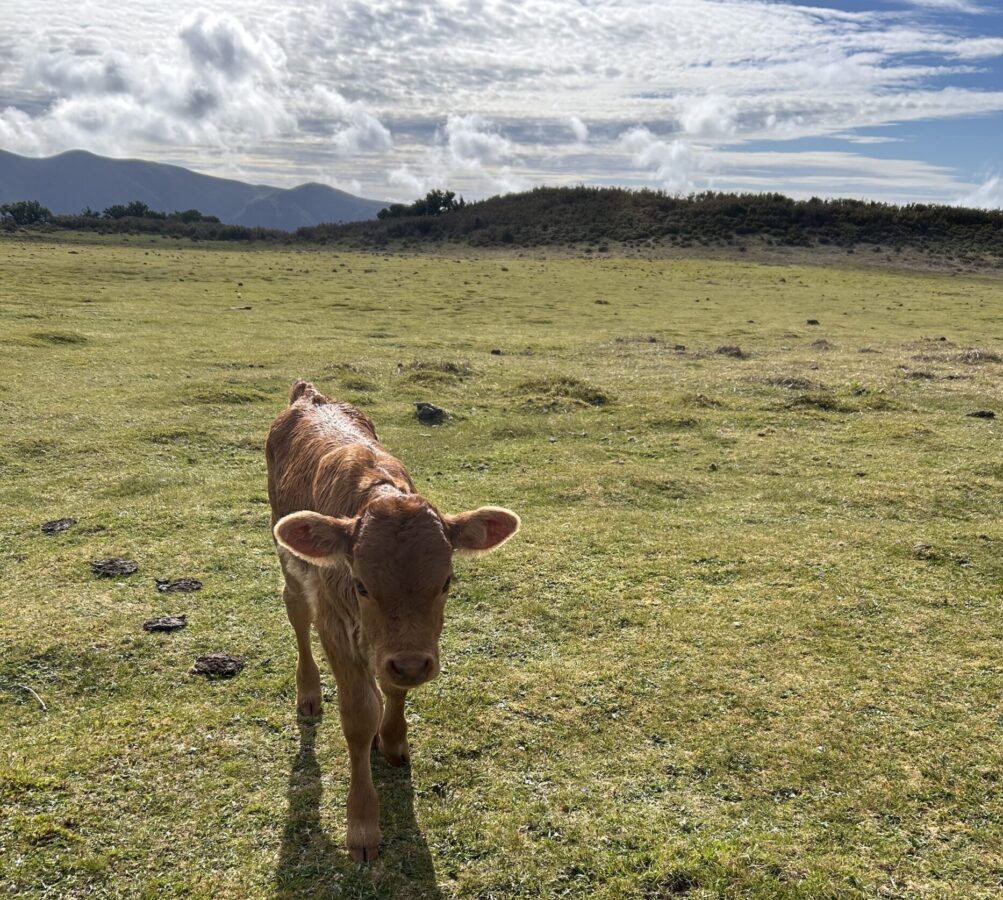
I walked through here slowly, and at one point ended up surrounded by fog so thick it felt like the world had disappeared. There were also adorable baby cows wandering through the meadow that I stopped to sit with for a while.
You can simply wander the meadow, or take one of the hiking routes, but honestly even a short visit here feels magical. Clear days are beautiful, but foggy days are the ones you remember.
Levada Hikes Beyond Fanal
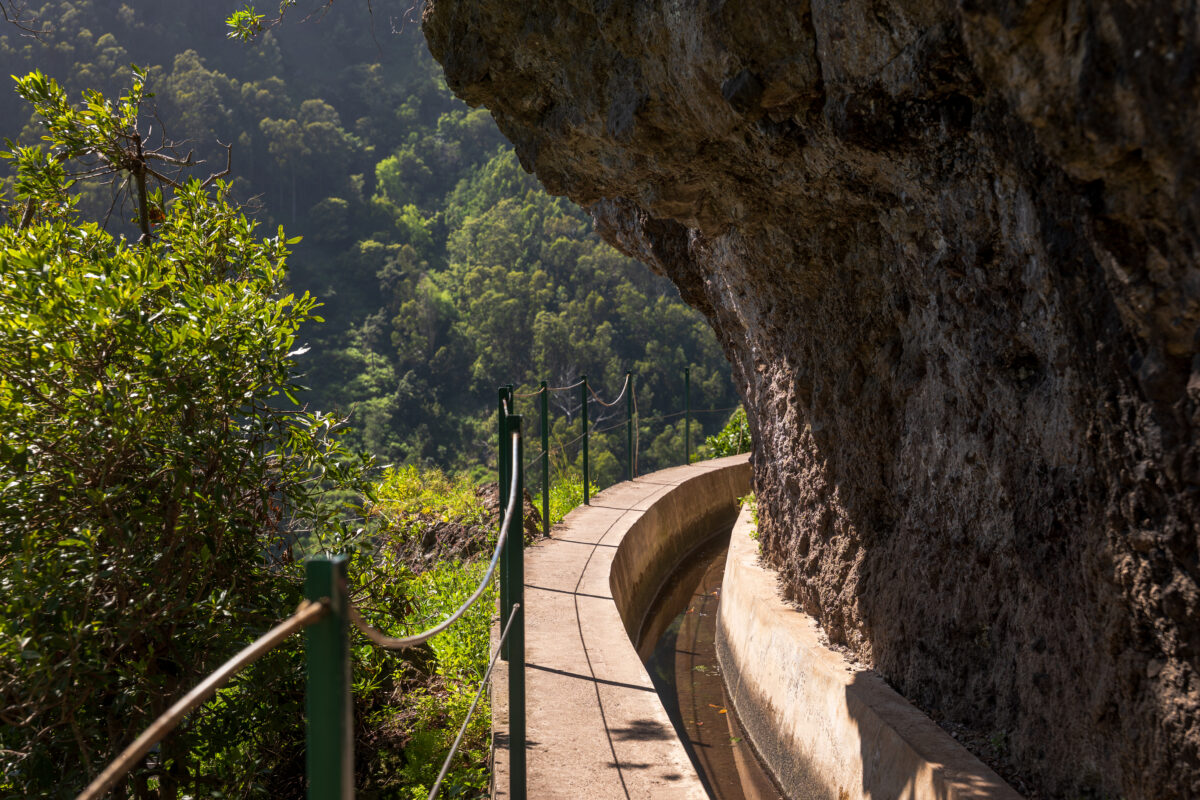
Madeira’s levadas are one of its most unique features (old irrigation channels turned walking paths that cut through the island’s interior).
Levada do Caldeirão Verde
Levada do Caldeirão Verde is the classic hike. Long, lush, and increasingly wild as you go. You pass through tunnels, waterfalls, and eventually reach a dramatic green valley where water drops from the cliffs into a pool below. It’s a full-day hike, but it really feels like you’re moving deeper into the island with every step.
Ponta de São Lourenço
Ponta de São Lourenço is the complete contrast—dry, exposed, and almost desert-like in parts. I loved the shift in landscape here after all the greenery. The views over the Atlantic on both sides are incredible.
Eating and Drinking
Madeiran food ended up being one of my favourite parts of the trip. It’s simple, fresh, and very tied to place.
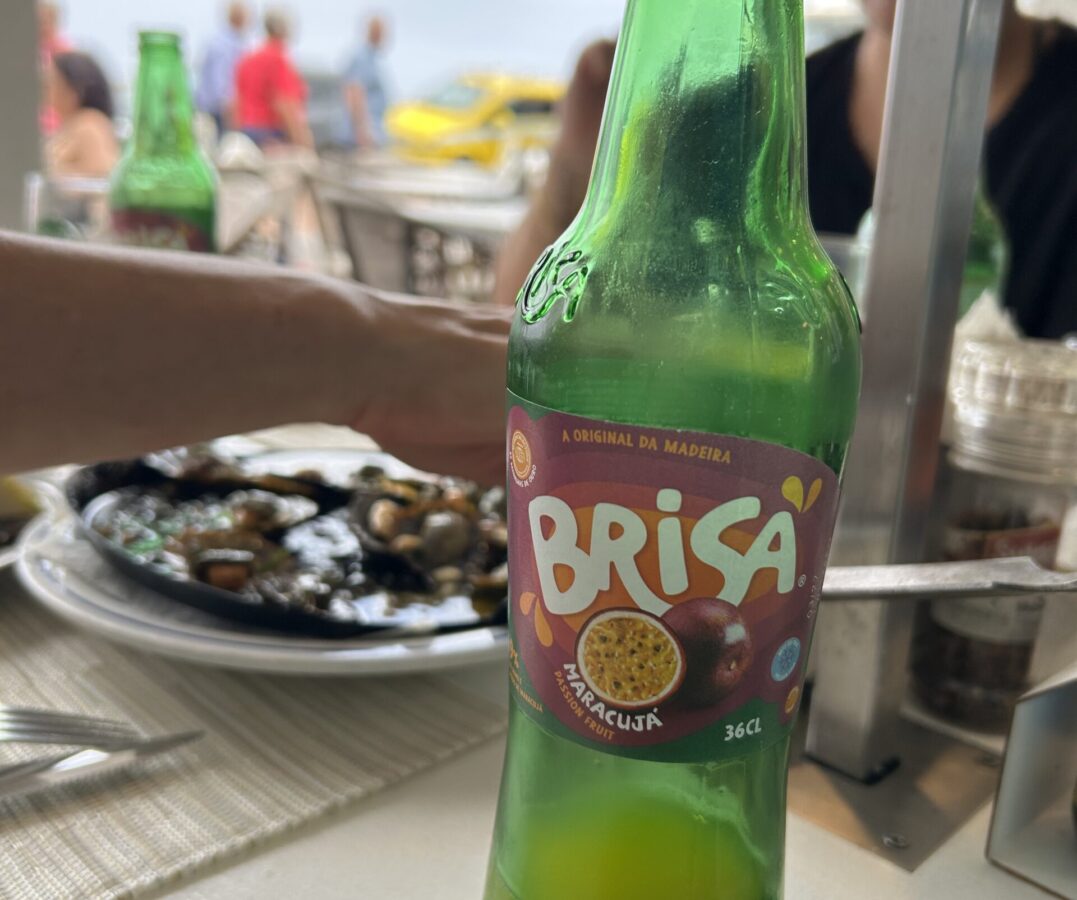
Espada (black scabbard fish) is the signature dish, often served with banana or passion fruit, which sounds unusual but works surprisingly well (passion fruit is everywhere on the island. In juices, desserts, cocktails). Espetada—beef skewered on bay laurel sticks and grilled over charcoal—is the inland classic.
And then there’s poncha. It’s made with sugarcane spirit, honey, and lemon, and every bar has its own version. Some are sharper, some sweeter, some dangerously smooth—but they all go down easily when you’re sitting somewhere overlooking the sea.
Lapas (grilled limpets) are another must when they’re in season. Garlicky, buttery, and best eaten straight from the shell with bread to soak up everything left behind.
Where to Stay
Where you base yourself in Madeira changes the trip a bit, given how compact the island is.
Funchal is the obvious choice, and for a first visit, probably still the right one. The old town has cobbled streets, seafront bars, and easy access to the airport and the ferry to Porto Santo. It’s also the most convenient base if you’re renting a car but don’t want to drive every single day. For something central, The Vine Hotel is stylish and walkable to the marina, while Quinta Jardins do Lago is a good pick if you want gardens and quiet without leaving the city.
If you’d rather be near the water than in a town, Calheta is worth considering. It’s the golden sand beach I mentioned earlier, and staying there means waking up and being in the sea within minutes, rather than driving to it. Savoy Calheta Beach sits right on the sand and is a solid option if you want that ease.
Ponta do Sol, further along the south coast, has become something of a hub for remote workers. There’s decent coworking space, good coffee, and a laid-back but not sleepy feel, worth considering if you’re planning to mix work with the trip rather than treating it as a full break.
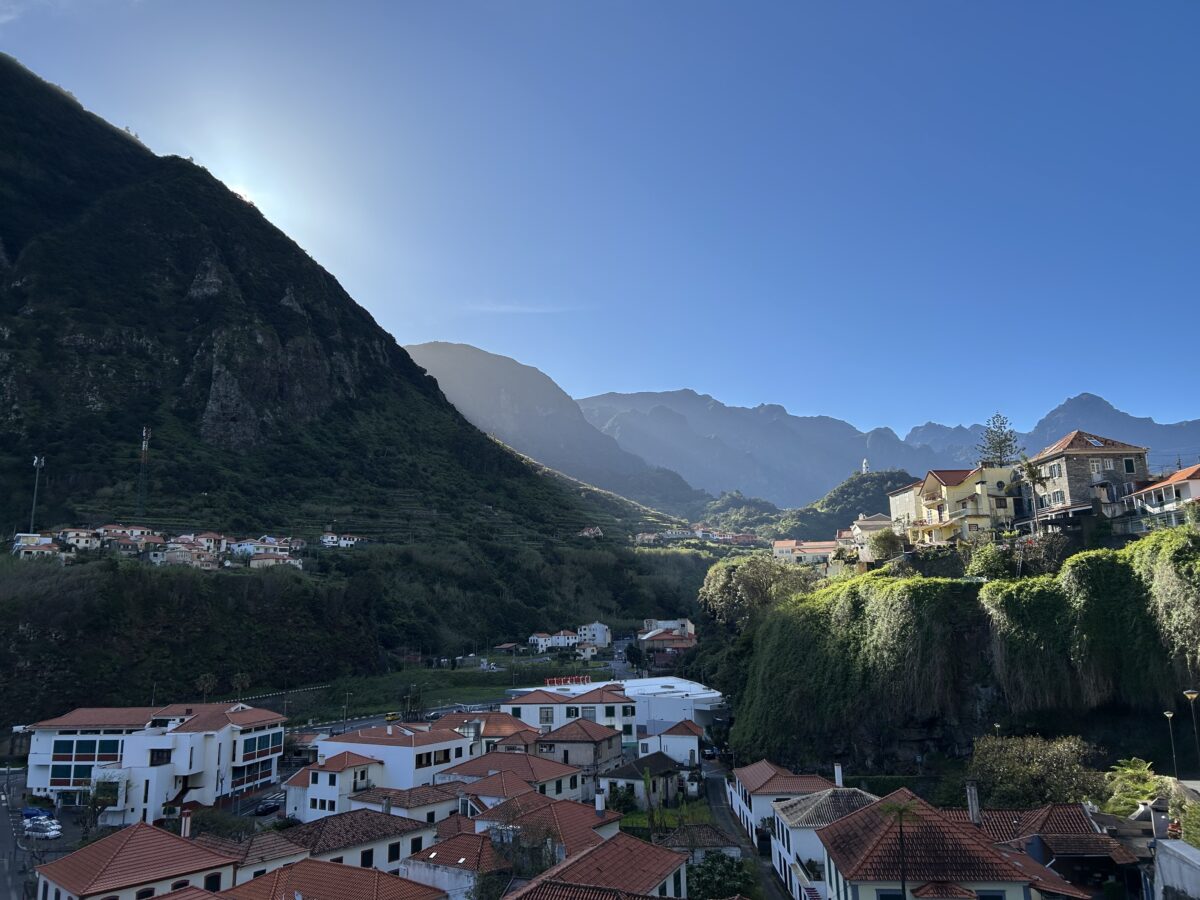
I actually based myself in São Vicente, on the north coast, and I’d recommend it if you want something different from the south. It’s dramatic, green, and much less touristy, with easy access to Seixal and Porto Moniz without the drive from Funchal every day.
One more thing worth knowing: a lot of the nicest stays on the island are quintas, old Madeiran manor houses converted into small hotels, usually up in the hills with gardens, pools, and views over the coast. They’re not always the cheapest option, but they’re very Madeira, and worth it if you have the budget for at least one night!
When to Go
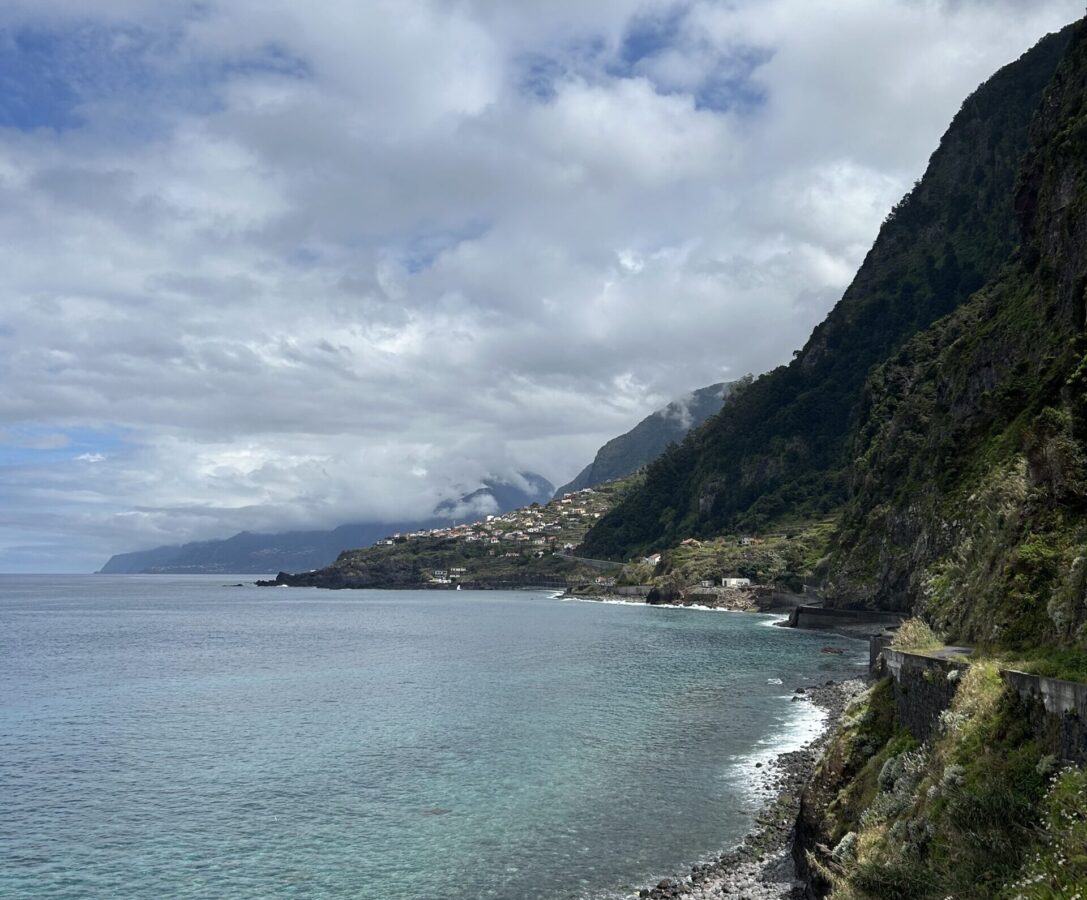
Madeira earns its “Island of Eternal Spring” nickname. The south coast around Funchal stays mild year-round, while the north and highlands are cooler and greener.
April through October is ideal for swimming, beach days, and hiking. July and August are the busiest months, but the water is warmest then. I prefer May, June, and September—the weather is great, but it feels a bit more relaxed.
Winter is still excellent for hiking, especially in places like Fanal where the mist and atmosphere are at their most dramatic.
One thing I’d pack no matter when you go: a light waterproof layer. The weather shifts quickly between microclimates, and you can go from sunshine to full mist in under an hour.