
As an adaptation of Homer’s epic poem, it’s no surprise that “The Odyssey,” which follows Matt Damon as Odysseus on his 20-year journey home to Ithaca following the Trojan War, was filmed in Greece. But multiple other countries served as spectacular settings for the movie too, from Iceland to Morocco (and they spotlighted several exquisite beaches).
Beach lovers who’ve watched the film and its incredible backdrops might feel inspired to visit some of those incredible stretches of sand in real life. Any one of those destinations can be ideal for planning a trip around. Or, even jetting off on your own, once-in-a-lifetime beach-hopping odyssey.
Voidokilia Beach – Messinia, Greece
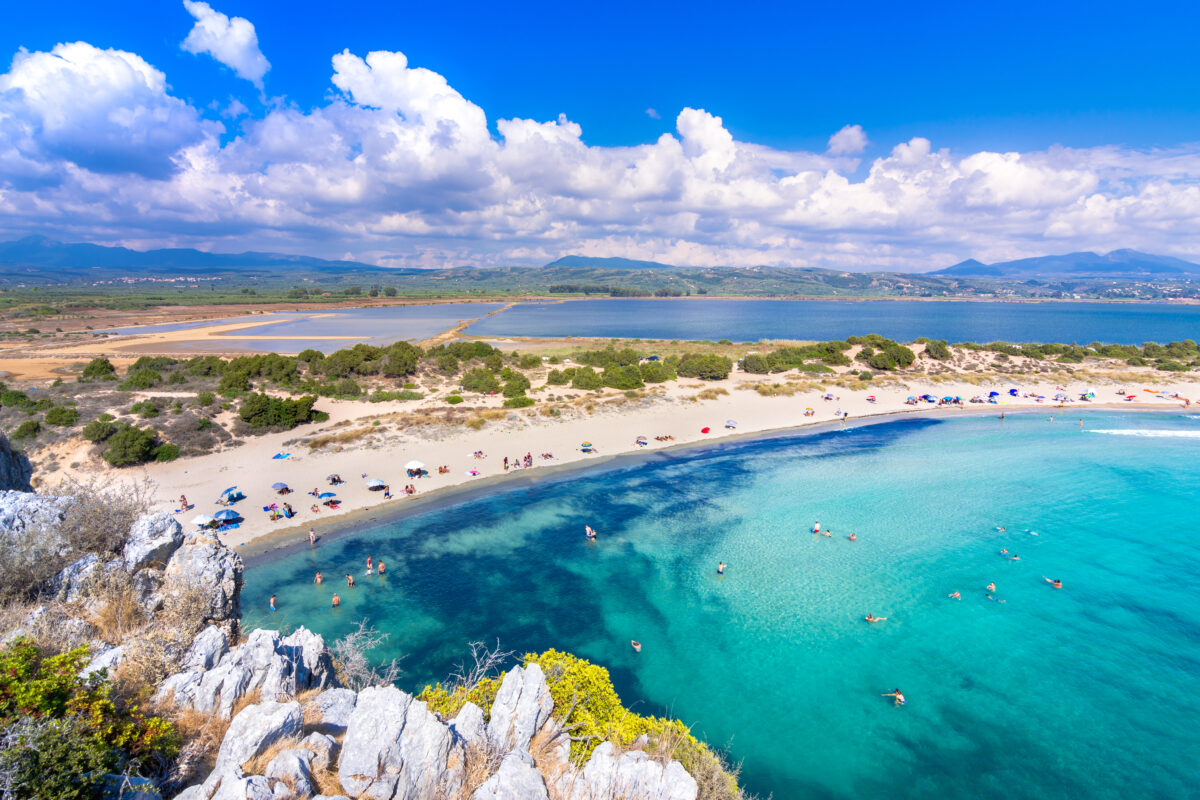
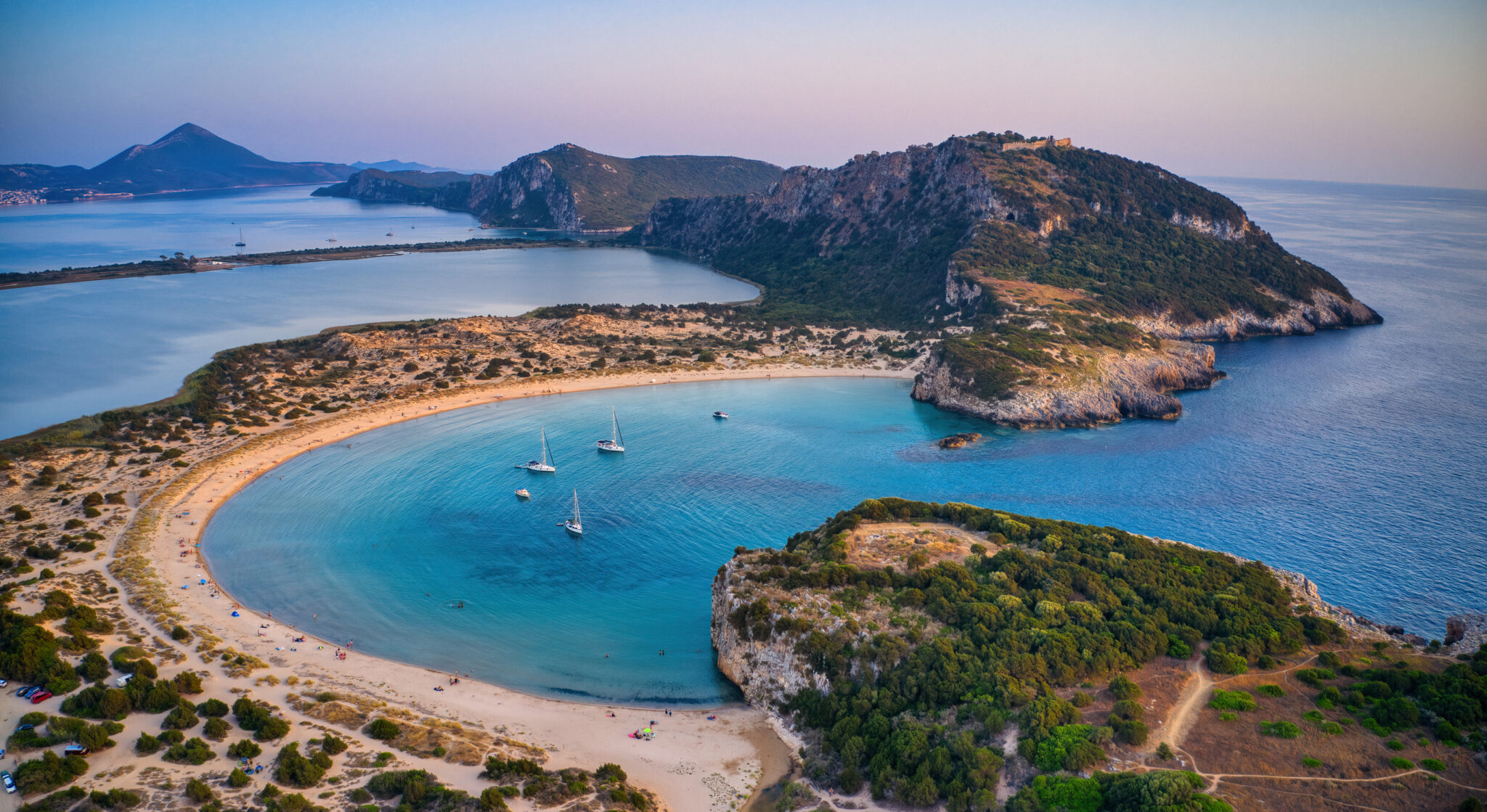
Voidokilia is one of the highlights of Messinia. Located in the southwestern part of the Peloponnese Peninsula, it’s just two hours from Athens, but has remained mostly overlooked by tourists. With viewers around the world getting a glimpse of its ivory sands and clear turquoise water during the terrifying cave encounter with the Cyclops Polyphemus, that’s likely to change soon.
Wild and undeveloped, the beach backs directly onto a protected lagoon with over 250 bird species, overlooked by a 13th-century castle. Bring all your supplies as there are no vendors, bars, or umbrella rentals.
Almyrolakkos Beach – Messinia, Greece
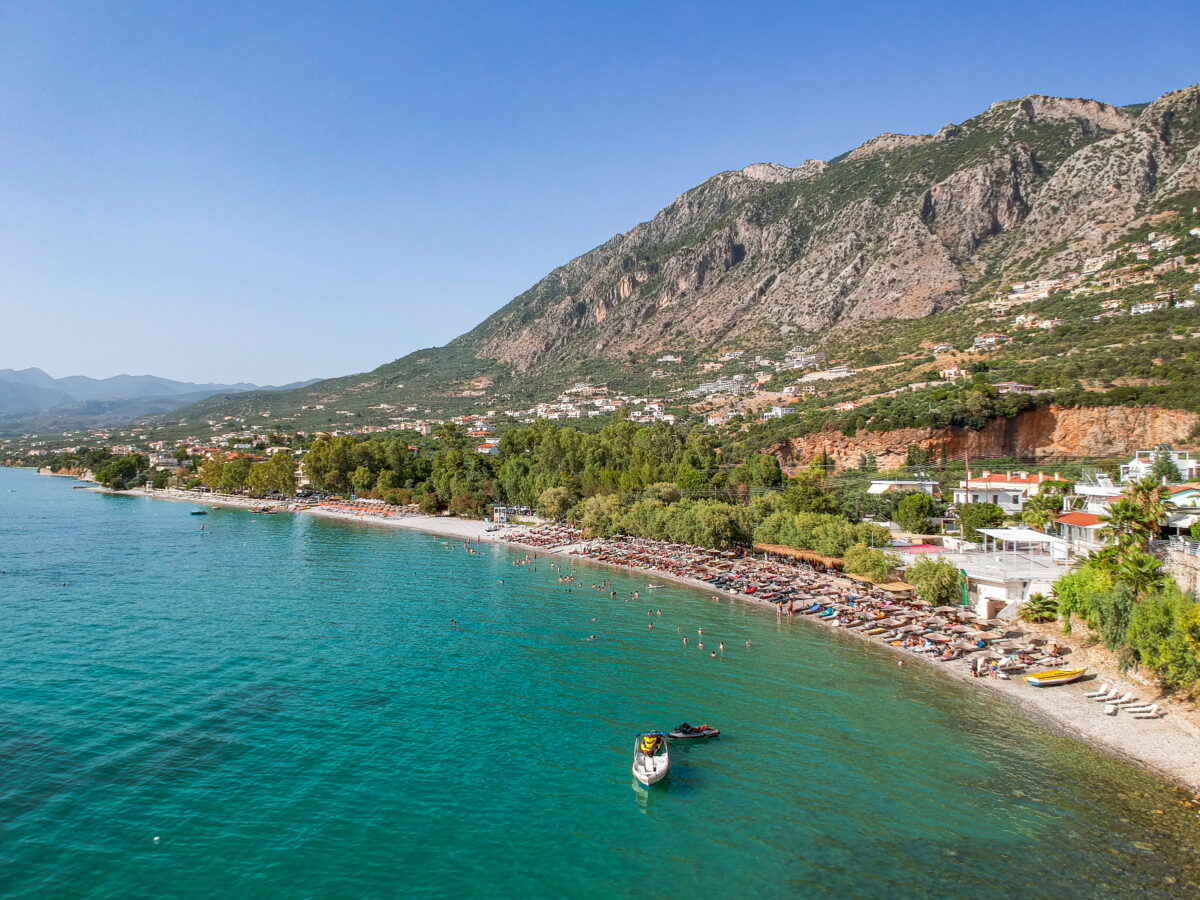
While in Messinia, don’t miss Almyrolakkos. Often referred to as Almyros Beach, it was used as a primarily coastal location in multiple scenes, including interactions with local shepherds. Located just a few miles south of Kalamata, the white, pebbly shoreline offers shallow aquamarine waters for swimming, lively beach bars and eateries serving local cuisine. It’s also renowned for its magnificent views of the Taygetus Mountains. Stick around until dusk, and you can watch the sun go down behind them.
Hjörleifshöfði, Iceland
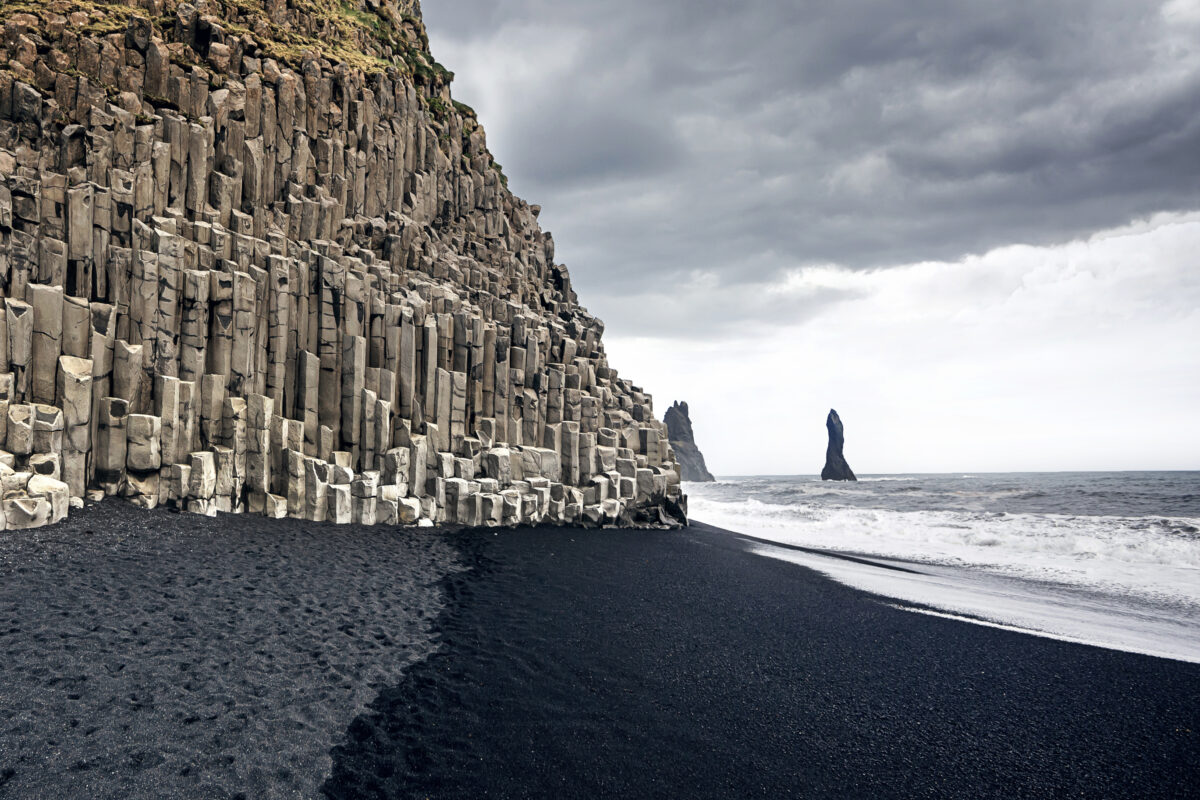
Set along Iceland’s southern coast near the town of Vik, just off the Ring Road, the black sand beach of Hjörleifshöfði is the dramatic setting for the gates of Hades (the Greek underworld). This is where Odysseus travels to consult with the prophet Tiresias, and it makes for an ideal photo stop.
Adventurers can hike up the volcanic headland to see an ancient Viking burial ground and take in a panoramic view of the Mýrdalssandur black sand desert. It’s also possible to visit the Yoda Cave. The massive natural rock opening mirrors the silhouette of Star Wars’ Yoda and is located just a short stroll from the western parking area at the base of the mountain.
Sunnyside Beach, Scotland
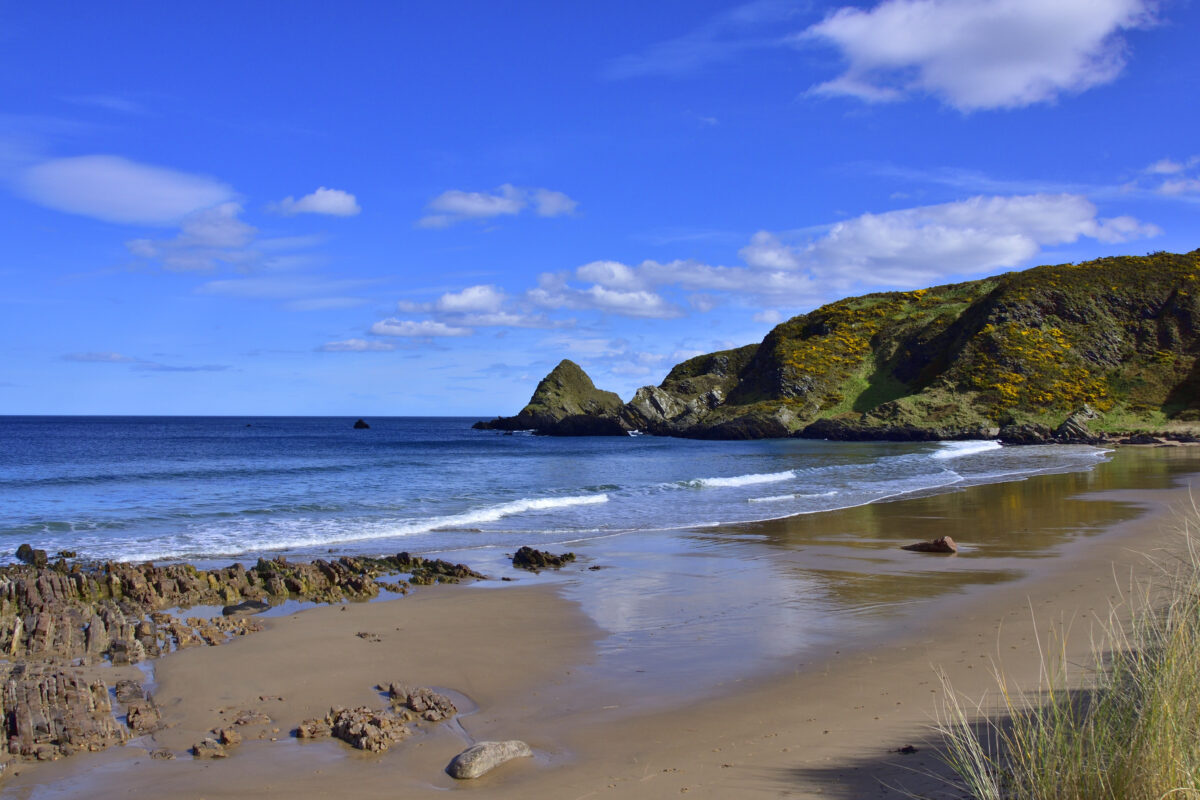
A secluded sandy beach on the northern coast of Aberdeenshire, Sunnyside lies below the historic ruins of Findlater Castle, about a 90-minute drive from the city of Aberdeen. It was used for the dramatic scenes where Odysseus and crew washed ashore on the rugged home island of Ithaca. Visitors can relax on the soft sands with few others around, explore tide pools, hike the coastal paths, capture a photo of the castle ruins, and watch for seals.
Essaouira, Morocco
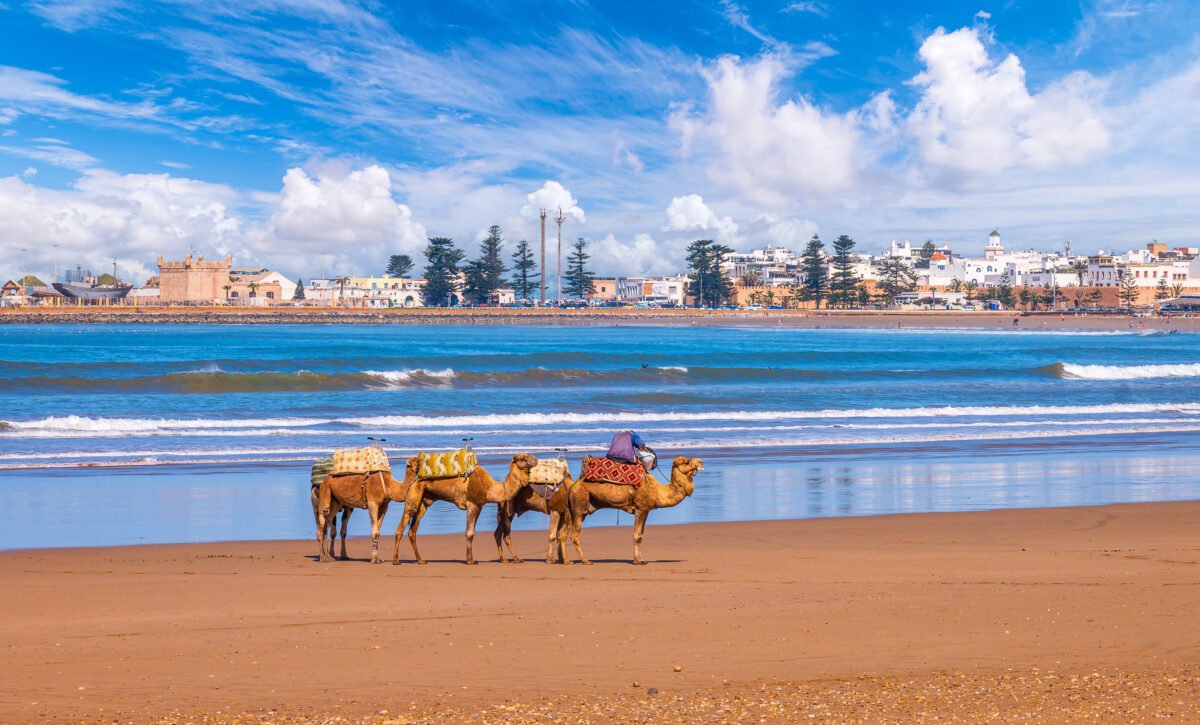
For an ultra-exotic escape, head to the sweeping Atlantic beaches of Essaouira. These sandy shores and windswept dunes served as the backdrop where the Trojan Horse washed ashore. It was also where Odysseus later set sail. Essaouira Beach is famous for the strong trade winds that make it a popular spot for traditional surfing, kitesurfing, and windsurfing. It’s also possible to take guided camel rides along the sand and into the dunes.