
As someone who has visited beaches and islands across the world, Hawaii holds a special place in my heart. The Pacific island chain is known for its deep native culture and storied waters, and those sapphire waters still hold magic beneath the surface. I’ve seen humpback whales grace the water’s surface in Maui and heard their calls while snorkeling underwater. I’ve been motionless next to a sea turtle, frozen as I watched it bob to the surface for air then dive down into the depths in front of me. And I’ve seen fish species here covering every color in the rainbow, shimmering through the water and feeding around vibrant coral formations.
Snorkeling is abundant across Hawaii, and whether you choose a small, empty beach off the beaten path or stick to the famous snorkeling spots, you can be sure you’ll spot something. Of course, Hawaii is full of beaches and spots that are sacred to native Hawaiians, and there are countless locales that I haven’t ventured to out of respect. So, this article discusses Hawaiian snorkel spots that are accessible to all.
Here, my favorite snorkel destinations across Hawaii.
Maui
Molokini Crater
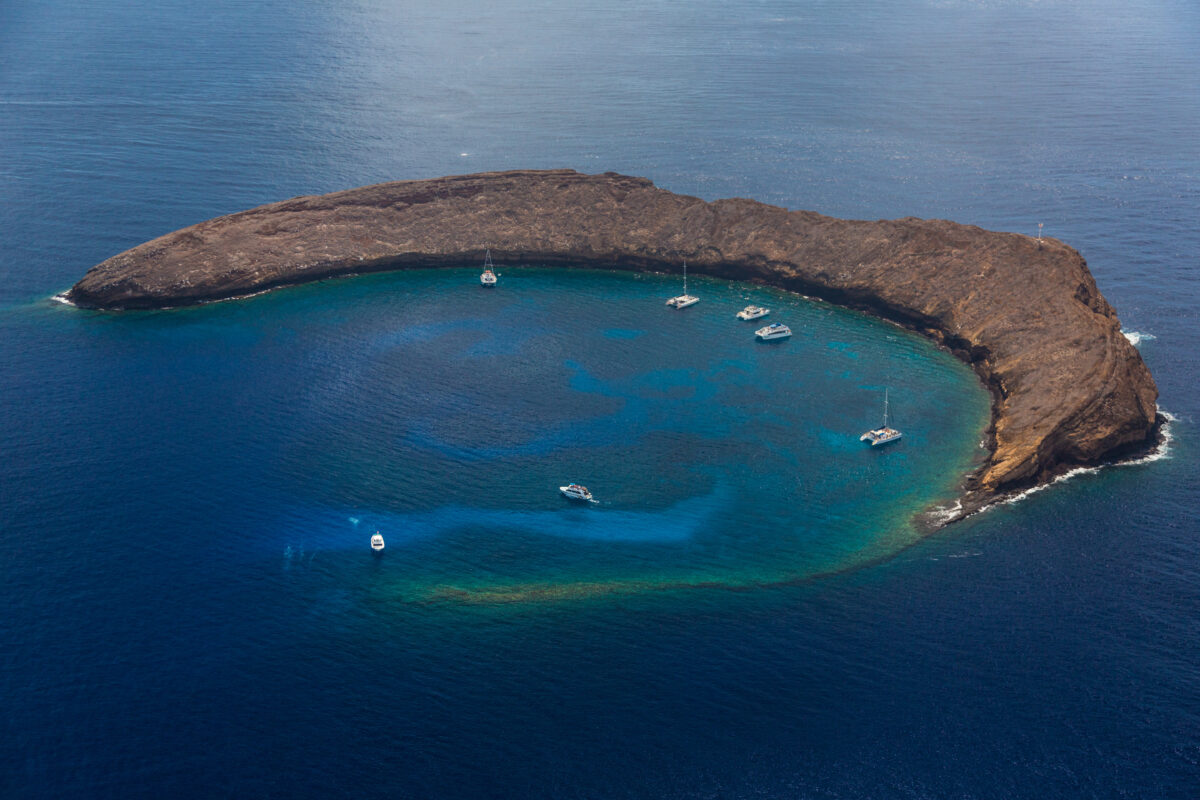
Just off of Maui’s southern coast is Molokini Crater—the crescent-shaped remnants of a volcanic eruption about 230,000 years ago. The site is protected, and a designated Hawaii State Seabird Sanctuary, meaning it is illegal to step foot on the islet itself, in order to protect nesting seabirds. However, you can visit the site for snorkeling via a licensed tour operator, and there are many throughout Maui. Visibility here can reach up to 150 feet on clear days, and the crater is home to more than 250 fish species, including the humuhumunukunukuāpuaʻa, the state fish of Hawaii. You can also see healthy coral, beautiful wrasse, pufferfish, octopus, moray eels, parrotfish, triggerfish, and sometimes, manta rays. Winter is whale season here, so sometimes, you might spot a humpback whale around the cove.
Tours typically depart from Ma’alaea Harbor in Kihei, meaning it’s a great little town to anchor yourself at. The Maui Coast Hotel is just down the road from the harbor, right across from Kamaole Beach Park, where you’ll spot locals and visitors both enjoying sand volleyball and white, sandy beaches.
Pu’u Keka’a
Pu’u Keka’a, also known as Black Rock, is an iconic lava promontory on the northern side of Kāʻanapali Beach. In Hawaiian tradition, Pu’u Keka’a is the place where spirits leave Earth and join their ancestors, making it a sacred spot rich in Hawaiian mythology and history. It’s also revered as a snorkeling spot, where visitors commonly spot Hawaiian green sea turtles, Moorish idols, tangs, and other tropical fish. Snorkel along the rock wall and head towards the right, where coral attracts turtles and fish. It’s important to use caution when swimming here though, as the water gets deep quickly and currents can be strong.
Nearby in Lahaina, the Westin Maui Resort & Spa, Kāʻanapali is a great spot to set up basecamp. With 3 miles of beach, six pools, nine restaurants, and a full-service spa with ocean views, it’s a haven after long days in the sun.
Lanai
Hulopo’e Bay
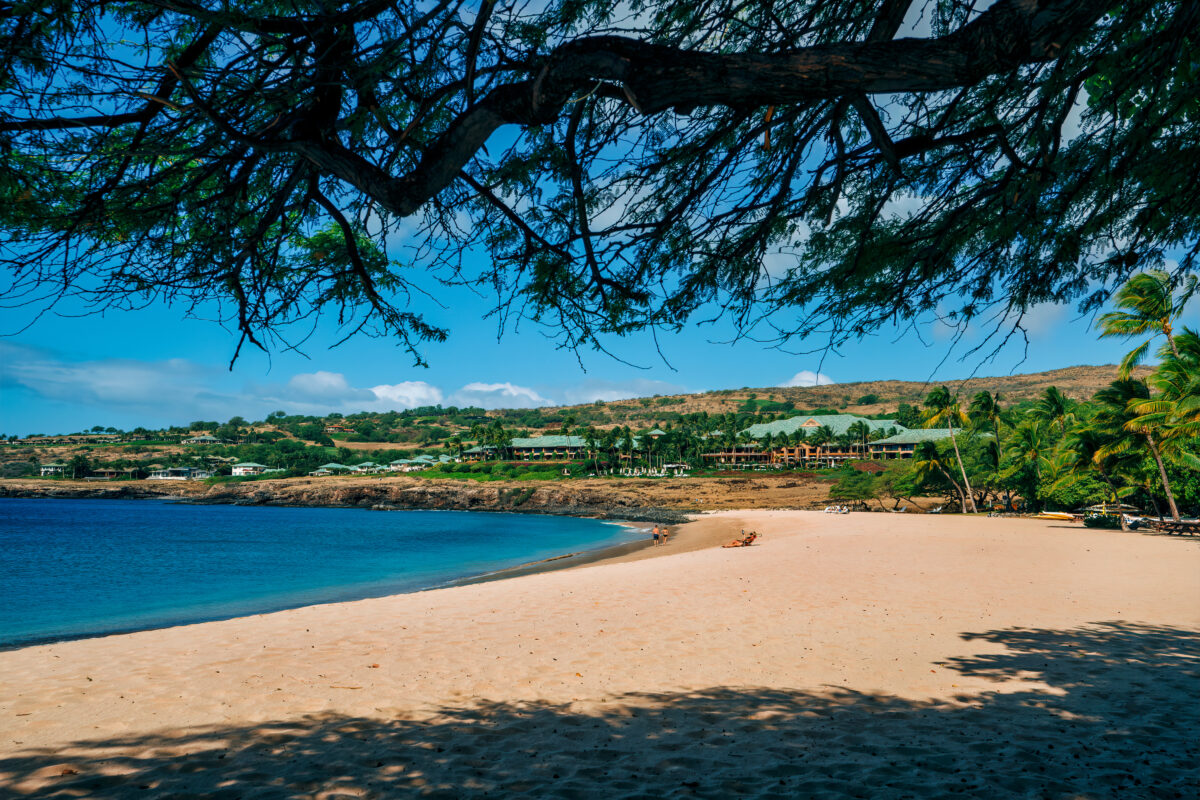
Lanai is known for its laid-back attitude and rugged landscape. Most of its shoreline is only accessible by a four-wheel-drive vehicle, and while there are a few restaurants and shops in tiny Lanai City, it’s nothing like the infrastructure of larger islands like Maui and Big Island. This, however, means that Lanai is generally more calm, where tourists are content with lazy beach days and incredible views.
There are only a few hotels in Lanai, and those staying at the Four Seasons Resort Lanai are in luck, as the hotel sits right in Hulopoʻe Bay—one of the best snorkel spots on the island. It’s a protected Marine Life Conservation District, and you can snorkel straight from the beach and see Hawaiian spinner dolphins, parrotfish, sea turtles, sea stars, and an array of vibrant fish. On the eastern side of the bay, there are large, volcanic rock tide pools where you might spot small sea creatures.
Getting to Lanai takes a bit of extra effort compared to the more populous islands. The Maui Lanai Passenger Ferry runs numerous times a day, or you can take a short inter-island flight. Mokulele Airlines offers flights to Lanai from Honolulu and Maui, but if you’re staying at Four Seasons Resort Lanai, round-trip charter flights from Honolulu are included via Lanai Air.
Kauai
Makua Beach
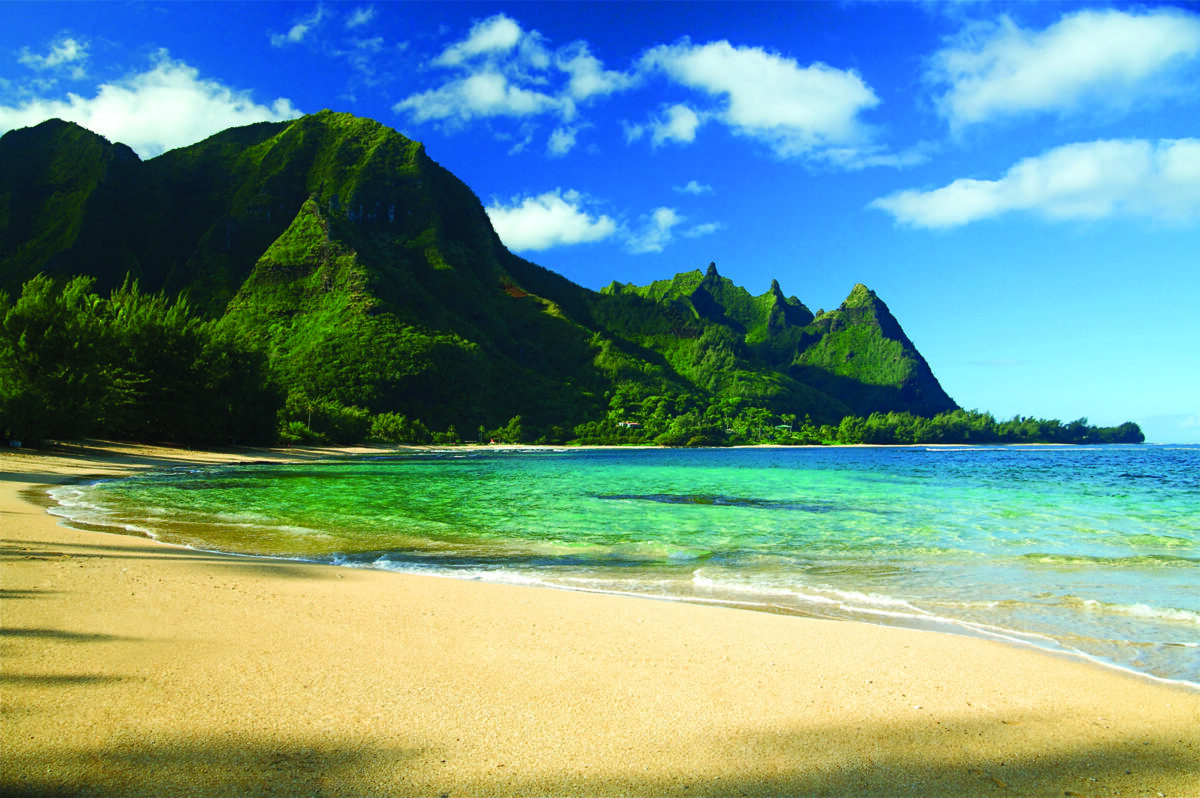
Makua Beach, also known as Tunnels Beach, is named so for its underwater lava tunnels that create a pristine marine environment. Here, you can spot sea turtles along the reef, surgeonfish, yellow tang, sergeant major fish, moray eels, octopus, and occasionally, reef sharks. Colorful coral provides a healthy environment for marine life here, and summer months are the best for snorkeling. One of the best parts of Makua is its views of Kauai’s storied Na Pali Coast, where movies such as Jurassic Park were filmed. It’s worth mentioning that a portion of Makua’s inner reef is a marine refuge and closed to water activities, but there are still lots of snorkel spots you can explore here.
To the east of Makua are the areas of Hanalei and Princeville, where you’ll find plenty of resorts and hotels. 1 Hotel Hanalei Bay is a stunning property on the North Shore where rooms come with large windows and private terraces, allowing you to see surfers and boaters in Hanalei Bay below.
Poipu Beach
On Kauai’s South Shore, Poipu Beach is a very popular spot for swimmers and snorkelers, as the parking lot is close to the beach and there are facilities, including lifeguards and showers. The beach itself is unique for its small island off the coast that’s connected by a spit of sand. The formation, called a tombolo, is rare, only occurring in a few places in the world naturally. Snorkel along the right side of the beach, where a sandy area is protected from winds and harsh waves. Here, marine life you might see are sea turtles, needlefish, unicornfish, eels, sea cucumbers, wrasse, and, like many other places in Hawaii, the humuhumunukunukuāpuaʻa. Sometimes, you might even spot a Hawaiian monk seal sleeping on the beach, but rules state you must leave them alone and let them rest.
A 5-minute drive from the beach up Poipu Road, the Grand Hyatt Kauai Resort and Spa emphasises Kauai’s status as the Garden Island. The property teems with lush flora, and includes sprawling pools by the ocean, private balconies and terraces, and activities including luaus, lei making, and ukulele lessons.
Oahu
Hanauma Bay
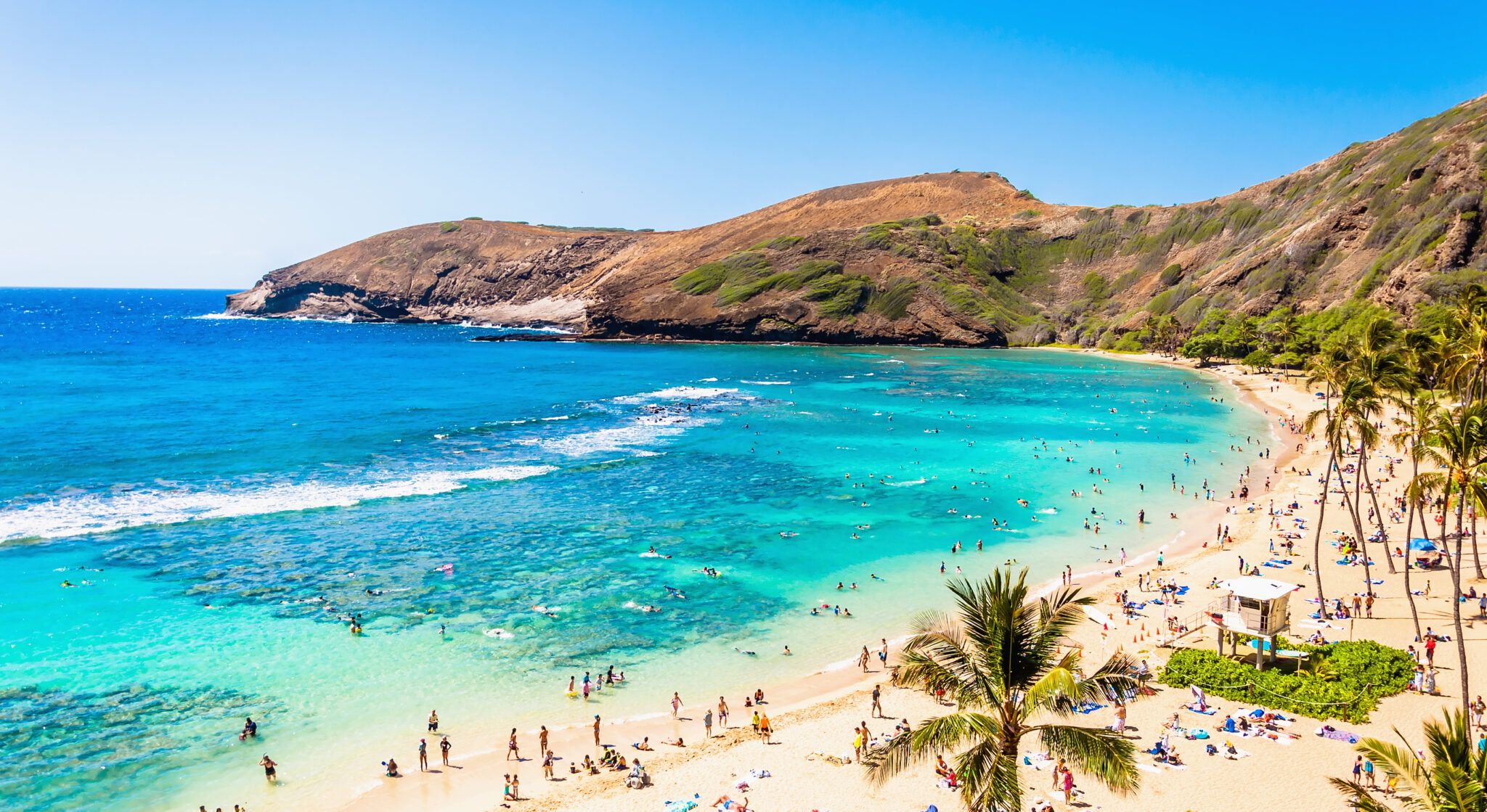
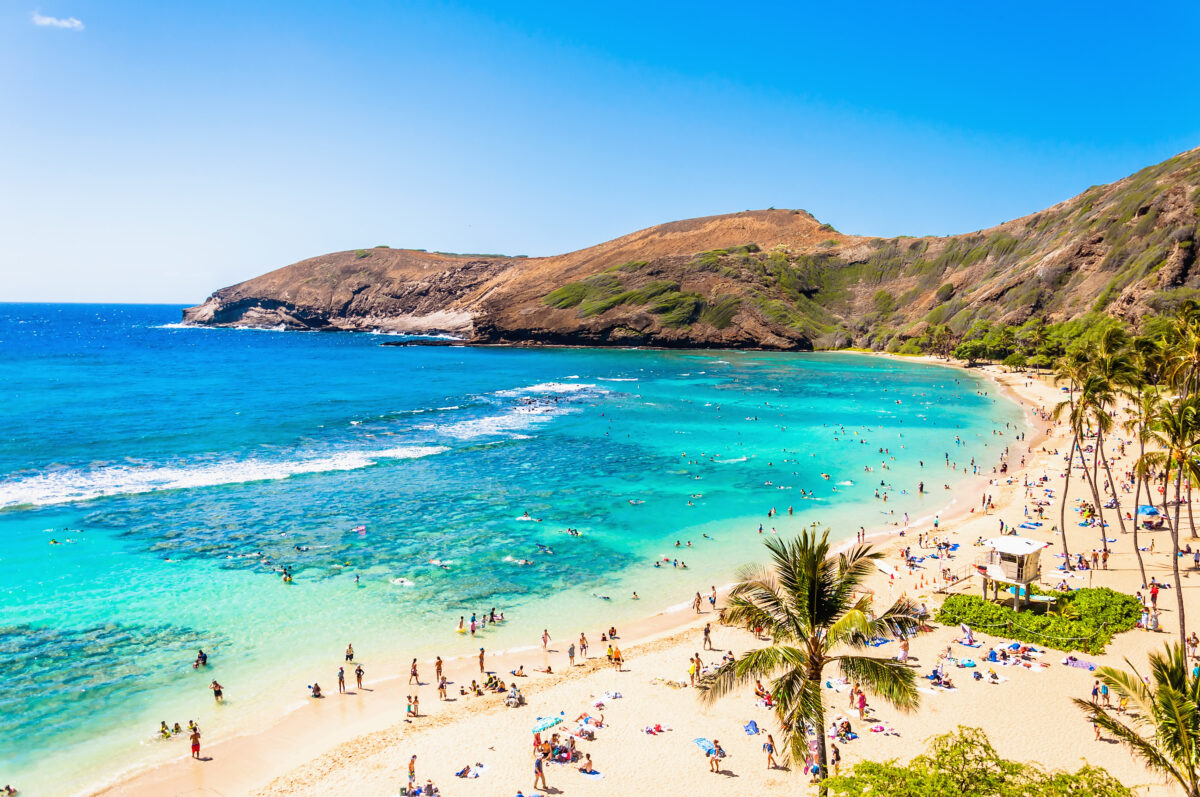
On the southeast shoreline of Oahu, Hanauma Bay is the island’s only protected marine life conservation park. The shallow reef sits inside a volcanic crater, where a thriving marine ecosystem gives snorkelers a spectacular under-the-sea experience. The inner reef here is calm, making it great for children and beginner snorkelers. Here, you might see angel fish, trumpet fish, parrot fish, and butterfly fish, but outside the main reef, stronger swimmers who can handle deeper water can spot sea turtles and larger fish.
Everyone entering Hanauma Bay has to watch a mandatory video on reef safety and how to protect coral, and then after the video, it’s a 10-minute steep walk down to the beach. There’s a tram that runs between the visitor center and the beach, for those who don’t want to walk. Hanauma Bay Nature Preserve is closed on Mondays and Tuesdays, and non-resident reservations open 2 days ahead, and are $25 per person. It’s wise to ask lifeguards where the best conditions are for snorkeling when you arrive, and tours are available for those who don’t want to fuss with their own reservations and planning.
In nearby Waikiki, the Royal Hawaiian, a Luxury Collection Resort, Waikiki, is a historic property known as the Pink Palace of the Pacific. Opened in 1927, the Spanish-Moorish-style hotel offers a spa, two pools, local dining, hula lessons, and touches of pink everywhere you turn.
Shark’s Cove
On Oahu’s North Shore, Shark’s Cove is a misnomer, as there aren’t any sharks here at all. Rather, the name comes from the reef’s shape, which looks like a shark from an aerial view. Here, you’ll find clear water, lava tubes, and an array of sea life, including sea turtles, crustaceans, butterflyfish, parrot fish, damsel fish, trigger fish, and invertebrate species. The bay is a part of Pupukea Beach Park, and the cove here has shallow tide pools that work well for beginner snorkelers, plus an open-water area for stronger swimmers. It’s important to bring water shoes to this beach, as it’s a rocky shoreline rather than sand.
Nearby, the Ritz-Carlton Oahu, Turtle Bay offers oceanfront accommodations with numerous dining options, seven beaches, a golf course, and pools for adults and kids alike. You can also take a kayak tour to see sea turtles after a snorkel excursion.
Big Island
Kealakekua Bay
On Big Island’s Kona Coast, Kealakekua Bay is where Hawaiians celebrated their fertility god during the annual Makahiki festival before European contact. It’s also where early Hawaiian royalty were buried, and the site where Captain Cook was killed in 1779. Kealakekua Bay is known for its calm waters, which can have 100-foot visibility, and prime snorkeling conditions. Kealakekua Bay is a Marine Life Conservation District and is federally protected, meaning you’ll need to book a tour with a licensed tour operator to snorkel here.
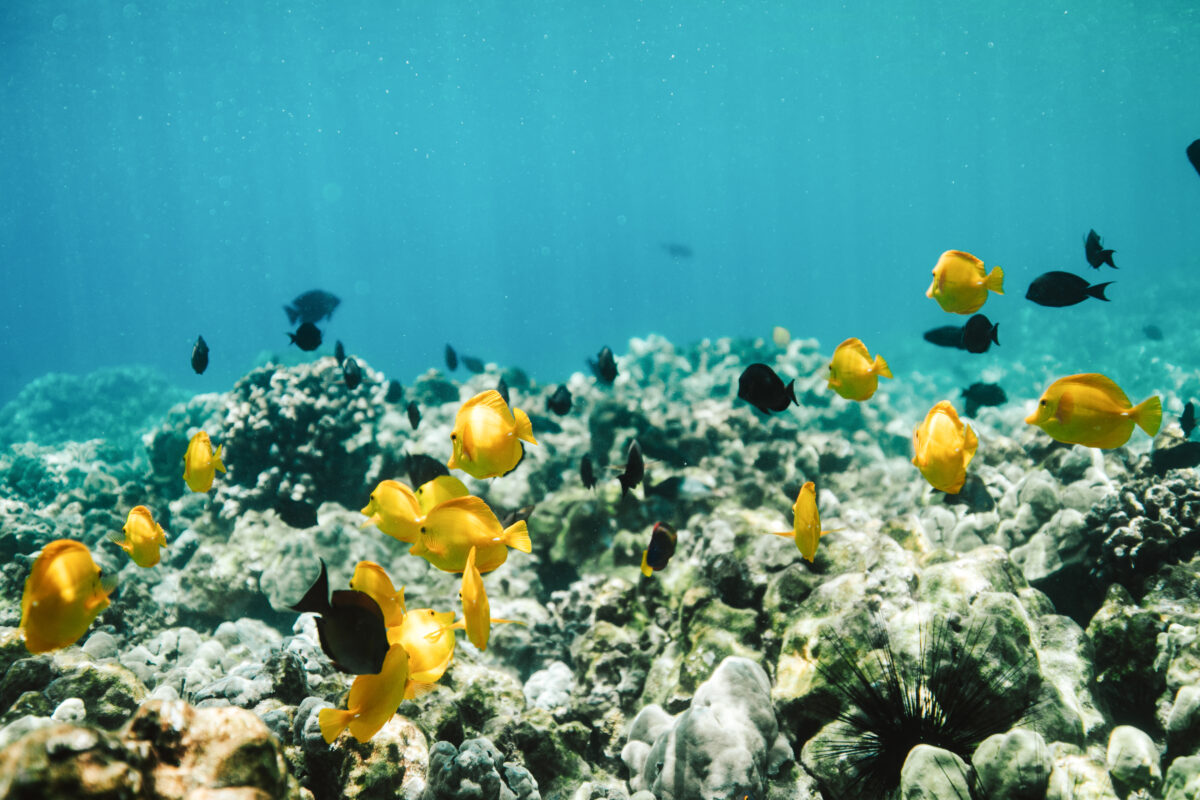
See if you can spot the famous humuhumunukunukuāpuaʻa, plus the—brace yourself—lauwiliwilinukunuku’oi’oi’ele’ele, a long-nosed butterflyfish only found in Kona waters. You might also spot octopus, moray eels, yellow tang, trumpetfish, parrotfish, and Hawaiian spinner dolphins.
Honaunau Bay
Also known as Two Step Beach for the two steps you need to use to access the water, Honaunau Bay is a famous snorkeling area on Big Island. Here, it’s possible to see sea turtles, octopus, eels, healthy corals, white-tip reef sharks, wrasse, snapper, boxfish, goatfish, and so much more. You should bring flip flops to get into the water or wear water shoes, as there isn’t a sandy beach here but a lava rock ledge. You might spot Hawaiian spinner dolphins in the bay here as well, but note that it is illegal to approach them while snorkeling in Hawaii. Just watch them from a distance and never chase.
Near to both of these spots is Outrigger Kona Resort and Spa set on the cliffs of Keauhou Bay. Here, newly renovated guest rooms and suites offer modern amenities with ocean views, and experiences include cultural walking tours, manta ray talks and encounters, farmers markets on the lawn, and lessons in hula and bracelet making.
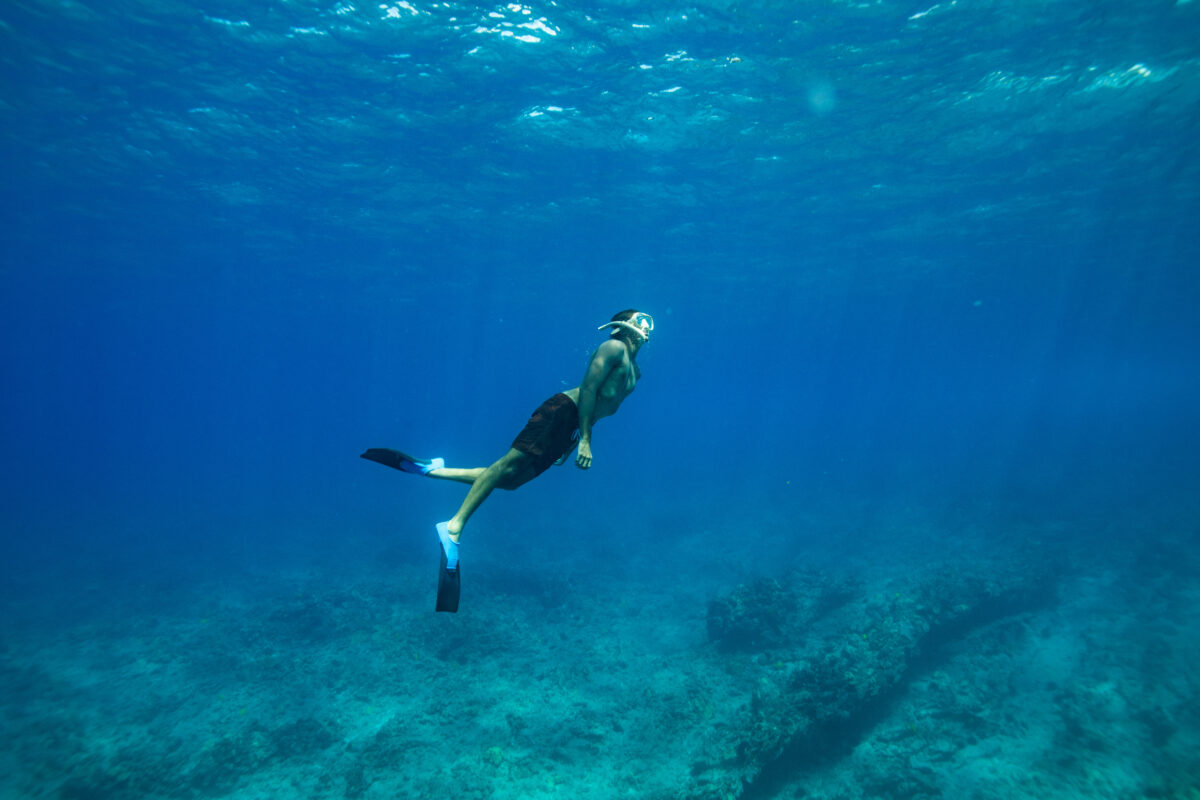
Snorkeling Etiquette 101
When swimming near coral, do not touch coral whatsoever. Coral are living animals and they’re very fragile. Touching them, even accidentally with a fin, can cause them to be injured or die. Never stand on coral either. If you need to clean your mask, float on your back or stand on the sandy bottom.
In Hawaii, reef-safe sunscreens are mandatory, as all other kinds are banned in order to protect coral reefs and marine life. Anything containing oxybenzone or octinoxate is a no. Look for mineral sunscreens with zinc oxide or titanium dioxide.
If you see a sea turtle, you must keep a respectful distance. Stay about 10 feet away, never touch them, and don’t block their path. Never follow them through the water or hover above them, as you can block their path to the surface.