
A few years ago, I found out a friend was traveling to Portugal at the same time as me. “Where to?” I asked, already imagining a spontaneous meetup somewhere along the coast.
“The Azores,” she responded.
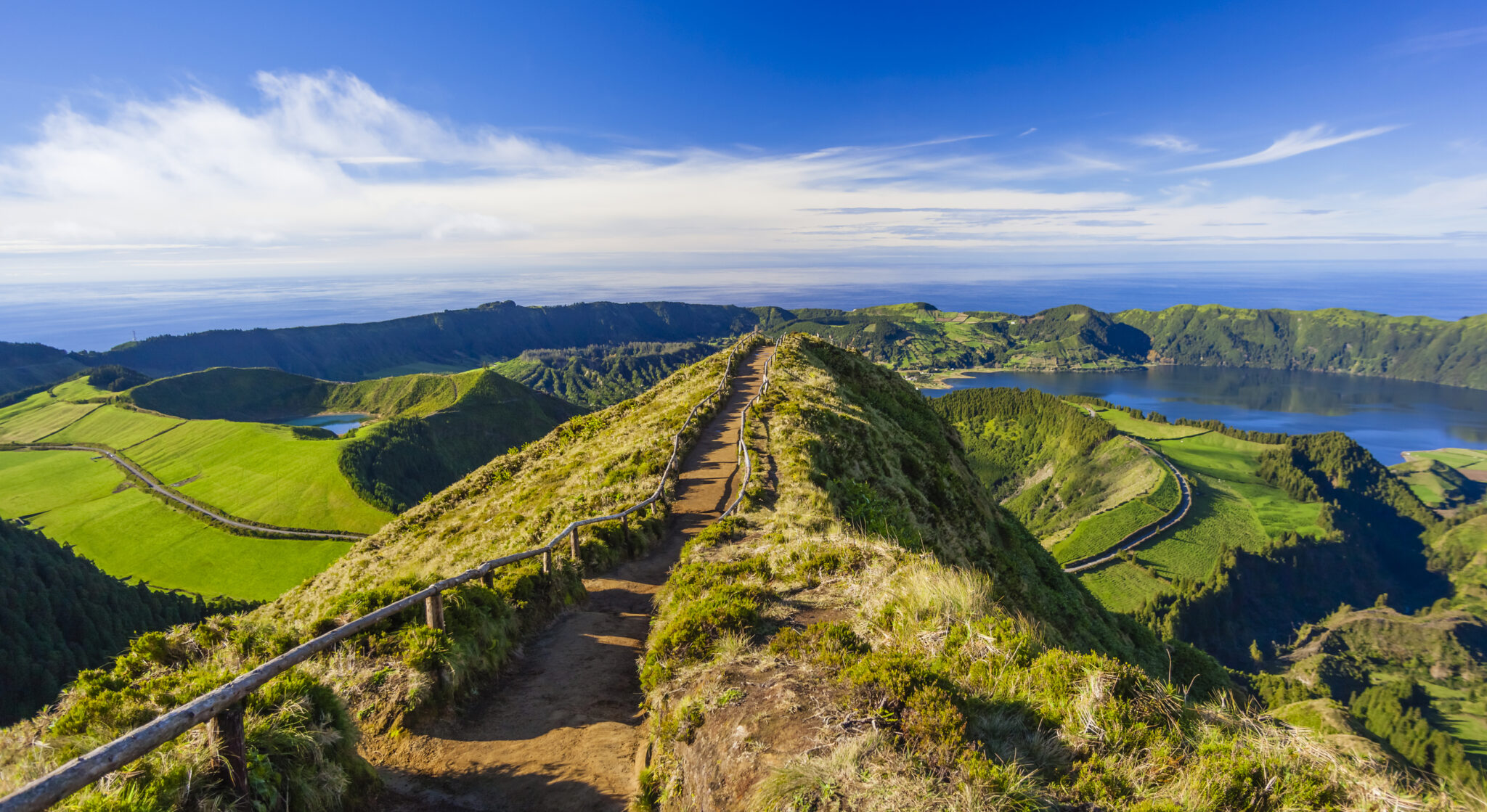
At the time, I only recognized the name from a few viral photos I’d seen online of hikers standing on the edge of a massive, moss-green crater that appeared to be dropped into the middle of the ocean. Curious, I looked up flights from Lisbon, where I’d be landing, and found a round-trip ticket that fit into my itinerary. The island of São Miguel, where I planned to meet up with my friend, was just a two-and-a-half-hour flight away.
Yet don’t let the short flight time fool you. This is two and a half hours straight into the Atlantic—roughly 900 miles off the coast of mainland Portugal, smack in the middle of the ocean. It’s the kind of place that feels far more remote than it is, where crater lakes replace city skylines, and the pace of life is tangibly slower than the one you leave behind.
The “Hawaii” of Europe
The Azores is a nine-island archipelago often referred to as the “Hawaii of Europe,” thanks to its dramatic volcanic landscapes, thermal hot springs, adventurous hikes, and jungle waterfalls. Yet you won’t find rows of beach resorts here as you would in Honolulu, nor will you run into the same level of crowds, if you time your trip right.
From the crater lakes and hot springs of São Miguel to the UNESCO-listed vineyards of Pico, each island offers a uniquely different experience. Here are four islands to plan an unforgettable trip around, each offering its very own wow-factor.
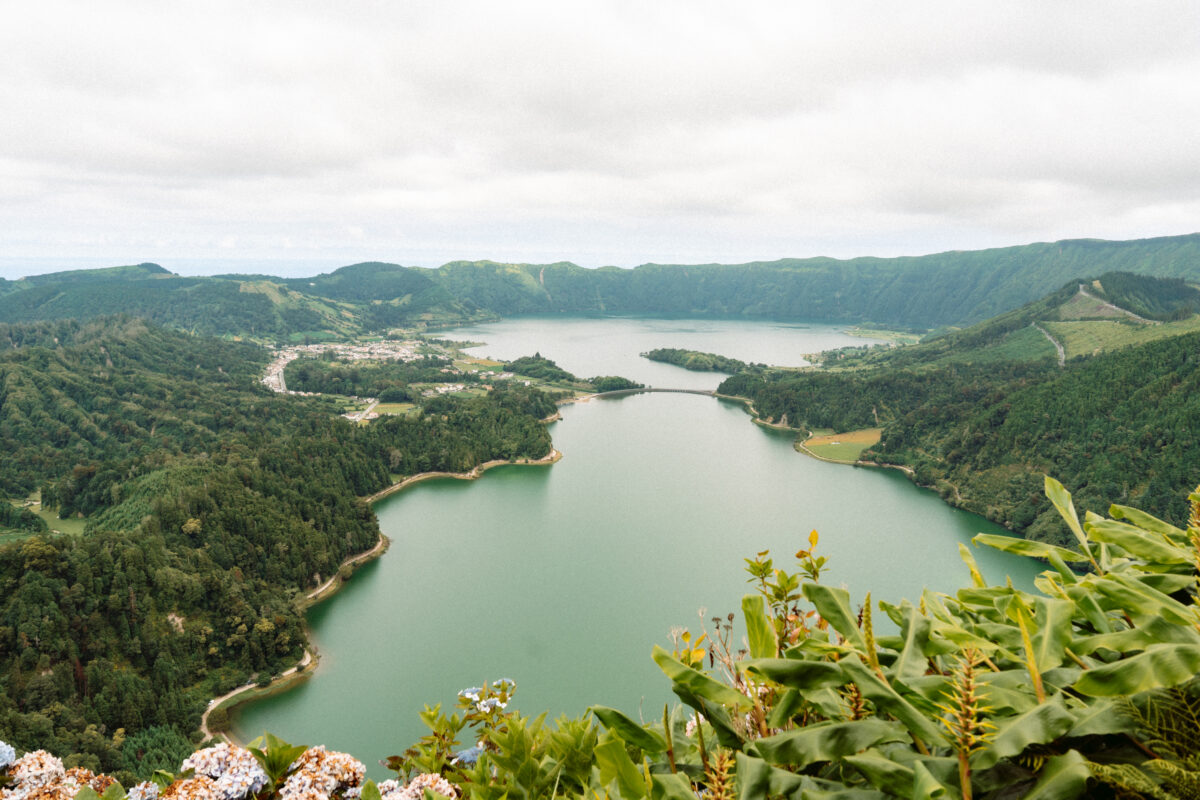
São Miguel: Best For First-Timers, Hot Springs, and Crater Lakes
São Miguel is the easiest introduction to the Azores, and probably the best island to start with if you only have time for one. It’s the largest in the archipelago and home to Ponta Delgada, the main city, but what I remember most is how quickly the roads emptied once we started driving.
I visited in August, and even then, the island felt calm. Even the most popular crater lakes didn’t feel overrun with visitors. What surprised me most, though, was how much of São Miguel’s identity comes from what grows there. Pineapple and tea plantations, local butter, fresh bread, cheese—products that actually taste like they came from the island you’re standing on.
What to do in São Miguel
- There’s Sete Cidades, the famous twin crater lakes you may have seen in photos, and Lagoa do Fogo, another volcanic lake surrounded by protected wilderness.
- Furnas is where to go for steaming fumaroles, bubbling springs, and the Terra Nostra Park, where you can soak in a large orange-colored thermal pool. Nearby, locals cook cozido, a traditional stew, underground using volcanic heat. A must-try.
- Tour Gorreana, Europe’s oldest tea plantation, still operating since 1883. Walking through those tea fields, with the Atlantic in the background, was one of those unexpected experiences that has made this island stick with me until today.
- Go whale and dolphin watching. The Azores are considered one of the world’s major whale sanctuaries. I still remember seeing a sperm whale off the coast, one of the species that can be seen here year-round.
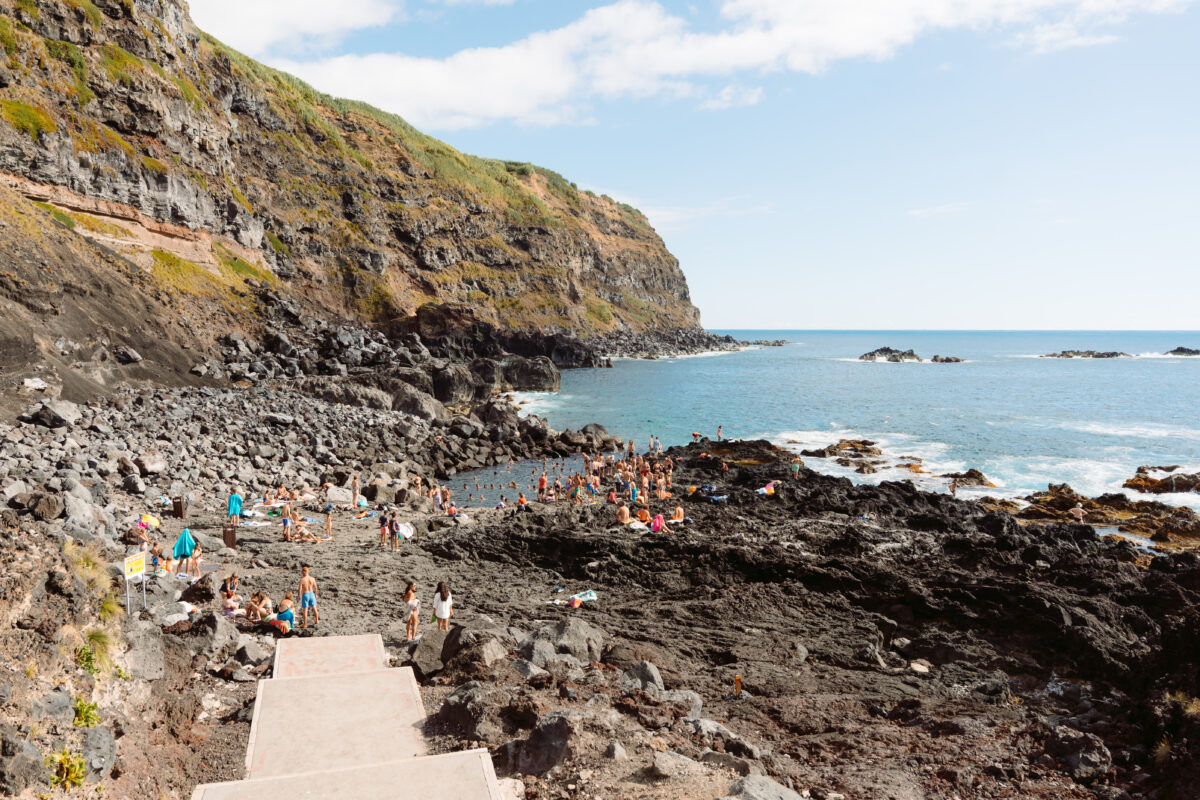
- Take a dip at Ponta da Ferraria, where seawater and geothermal hot spring water create a natural spa in the wild. This was one of my favorite stops on the trip.
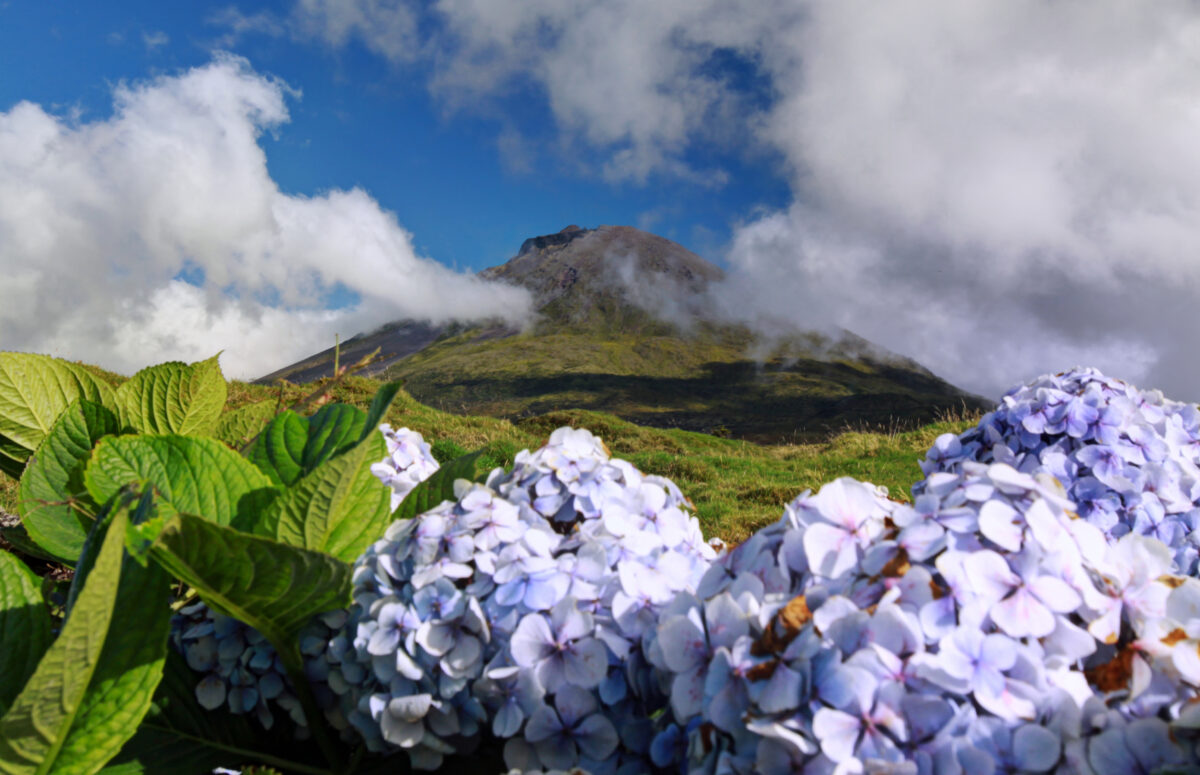
Pico: Best For Adventure, Wine, and Raw Volcanic Landscapes
Pico Island is often called the “Black Island,” and it’s easy to see why. Everything here is shaped by volcanic rock, making the landscape feel more raw, as if the forces that formed it are still at play. And then there’s Mount Pico, the highest peak in Portugal, rising dramatically above the island yet often hidden behind a layer of clouds.
One of the most fascinating reasons to visit Pico is for the wine. Vines grow directly out of volcanic rock, protected by small stone walls that shield them from wind and sea spray. This unique system of cultivation is so distinctive that the island’s vineyard landscape has been recognized as a UNESCO World Heritage Site.
What to do on Pico Island
- Climb Mount Pico. It’s a challenging hike that takes most of the day, but on a clear day, you’ll get views over nearby islands. If you’re up for it, some people even camp overnight at the summit.
- Go whale and dolphin watching. Pico is one of the best islands in the Azores for sightings, thanks to its deep surrounding waters.
- Visit the UNESCO-listed vineyards. Stop for a wine tasting; these mineral-rich wines are unlike anything you’ll try elsewhere in Portugal.
- Drive around the island. Exploring it by car is part of the experience. You’ll pass lava fields, tiny villages, coastal viewpoints, and natural swimming pools carved into the rock.
- Swim in natural lava pools. Instead of sandy beaches, Pico has volcanic rock pools that fill with ocean water. Some are calm enough for a swim, especially in places like São Roque or Lajes do Pico.
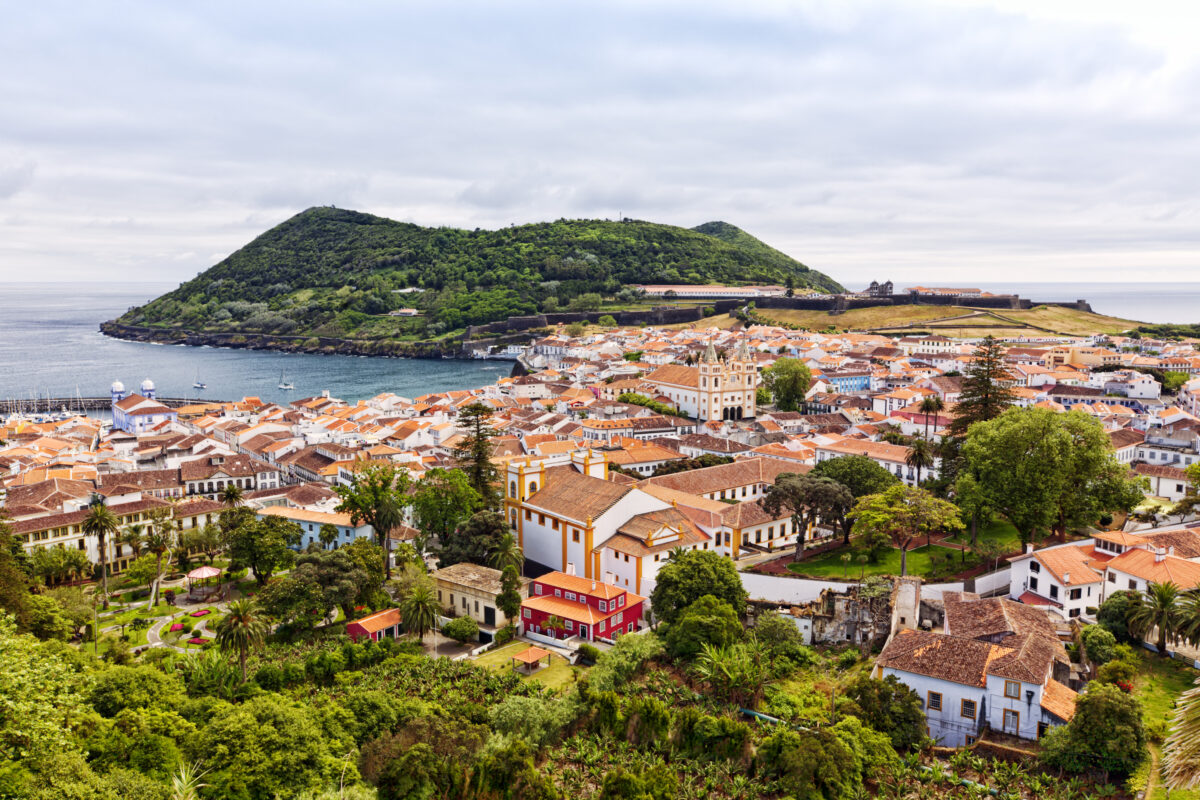
Terceira: Best For Culture, Food, and Volcanic Caves
Terceira is often described as the cultural heart of the Azores. While São Miguel is the easiest entry point and Pico is known for its raw volcanic landscapes, Terceira brings history, food, and festivals to the itinerary.
Its main city, Angra do Heroísmo, is a UNESCO World Heritage Site that once served as an important stop for ships crossing the Atlantic between Europe, Africa, and the Americas. That history still shows up in its colorful buildings, cobblestone streets, old forts, and churches. If you want an island that balances nature with a stronger sense of local life, Terceira is the one to consider.
What to do in Terceira
- Explore Angra do Heroísmo, the island’s historic capital and a UNESCO-listed city. Walk through Praça Velha, visit Igreja da Misericórdia, stroll the waterfront, and make time for Jardim Duque da Terceira.
- Step inside Algar do Carvão, an ancient volcanic chimney you can actually walk into, with moss-covered walls, lava formations, and a rain-fed lagoon at the bottom.
- Visit Serra do Cume, one of the island’s most famous viewpoints.
- Swim at the Biscoitos natural pools, where volcanic rock formations create protected ocean pools along the coast.
- Try Terceira’s local food, especially alcatra, a slow-cooked beef dish traditionally prepared in clay pots.
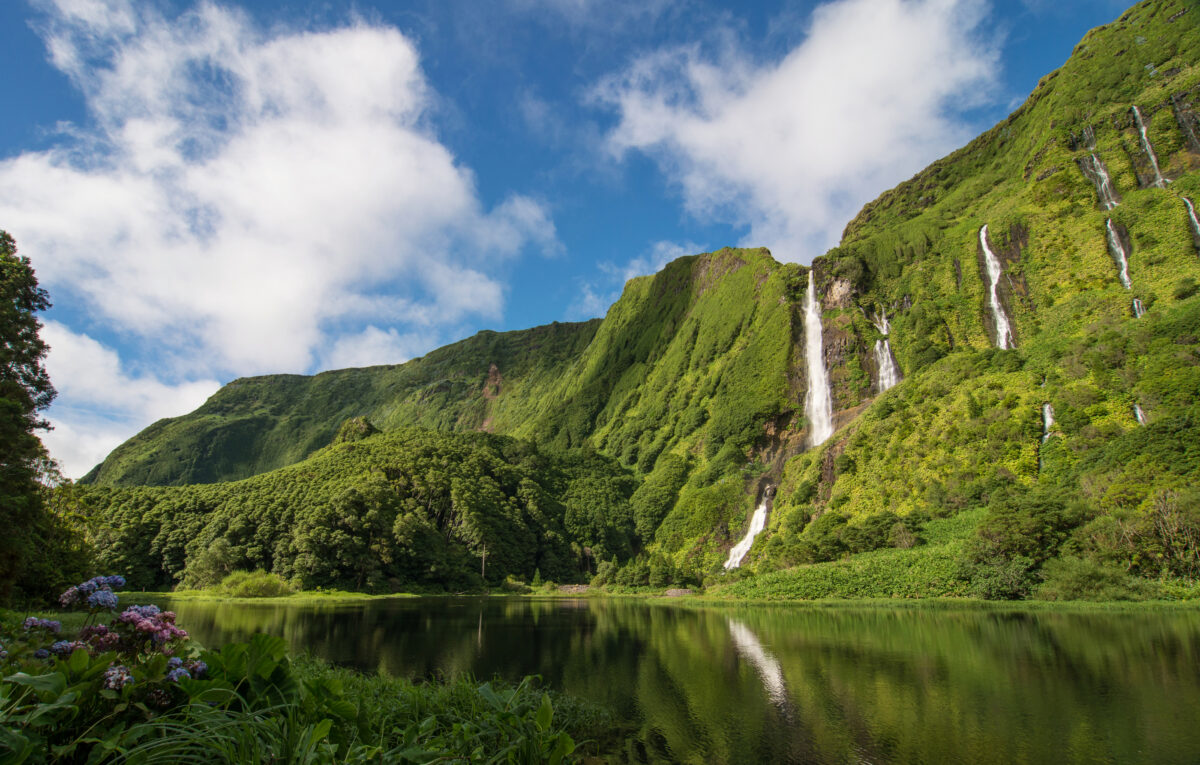
Flores: Best For Waterfalls, Hiking, and Remote Island Beauty
Flores is the Azores at its most remote and cinematic. Its name means “flowers,” a nod to the goldenrods and hydrangeas that bloom across the island. Yet what really defines Flores is its crater lakes, natural pools, streams, and waterfalls that spill down green cliffs into lagoons and the Atlantic.
It’s among the least developed islands in the archipelago, and that’s the point of visiting. Flores is a UNESCO Biosphere Reserve, known for its untouched landscapes and slower, nature-first lifestyle. It’s best suited for travelers who want to hike, chase waterfalls, swim in natural pools, and feel like they’ve reached the edge of Europe.
What to do in Flores
- Visit Poço da Ribeira do Ferreiro, the island’s postcard waterfall spot, where several waterfalls cascade down a lush green cliff into a still lagoon.
- Swim at Poço do Bacalhau, a 300-foot waterfall with a natural pool at the base.
- See the seven crater lakes, including Lagoa Negra, Lagoa Comprida, Lagoa Rasa, and Lagoa Funda. Go on a clear day if you can, since fog is common in the island’s highlands.
- Explore Fajã Grande for sunset, one of the most scenic villages in the Azores.
- Take a day trip to Corvo, the smallest island in the Azores, known for its massive volcanic crater, Caldeirão.