
Portugal has long attracted remote workers—even before “digital nomad” became a buzzword. Yet it wasn’t until after 2020 that interest really surged, as remote work expanded globally and more people began looking for alternative places to live.
When Portugal launched its digital nomad visa in 2022, curious visitors started staying longer for the country’s good weather, great places to work from, and friendly locals. In 2024, nearly 5,000 Americans alone were granted residence permits, and for most, Lisbon was the most obvious landing point.
Yet rising housing prices and growing tension within the local community have nomads looking beyond the capital city. Many are now turning to smaller coastal towns, where the lifestyle feels slower and still within reach.
Here are the towns that surfers, digital nomads, and slow travelers are moving to on Portugal’s sunny coast.
Ericeira
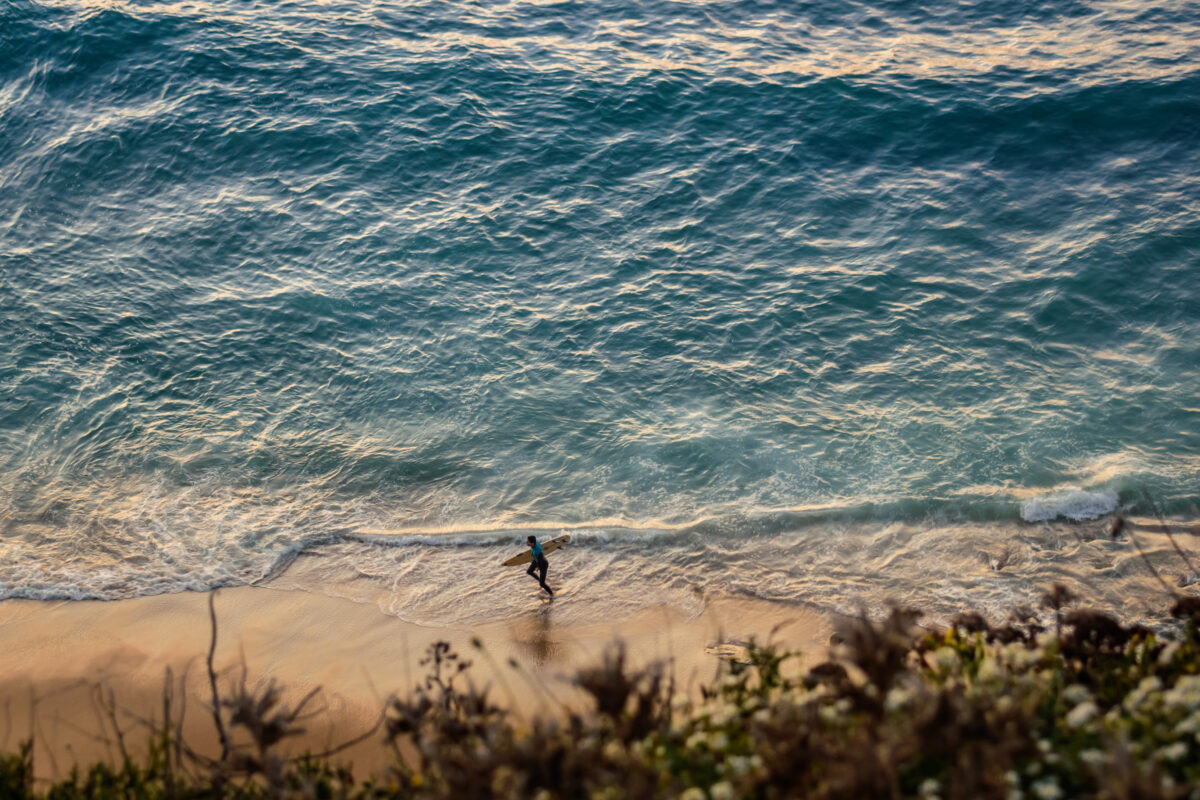
Designated as Europe’s only “World Surfing Reserve,” Ericeira is the gold standard for surf-loving digital nomads. Just under an hour from Lisbon, the whitewashed fishing town offers year-round swell, a walkable historic center, and a growing network of coworking spaces, cafés, and coliving hubs that make it easy to settle in for longer stays.
Here, you can surf before work, spend the afternoon in a café or a dedicated coworking space, and still feel like you’re living in a true Portuguese seaside town rather than a transient nomad hub. The community is especially strong, with plenty of ways to plug in, whether through shared workspaces, group fitness classes, or simply running into the same faces around town.
Plus, a handful of beaches are just minutes away, from beginner-friendly sandy stretches to more powerful breaks for experienced surfers. On quieter days, it’s easy to slip into a slower rhythm—it’s one of those places where productivity and lifestyle don’t compete, and instead, feed into each other.
Peniche and Baleal
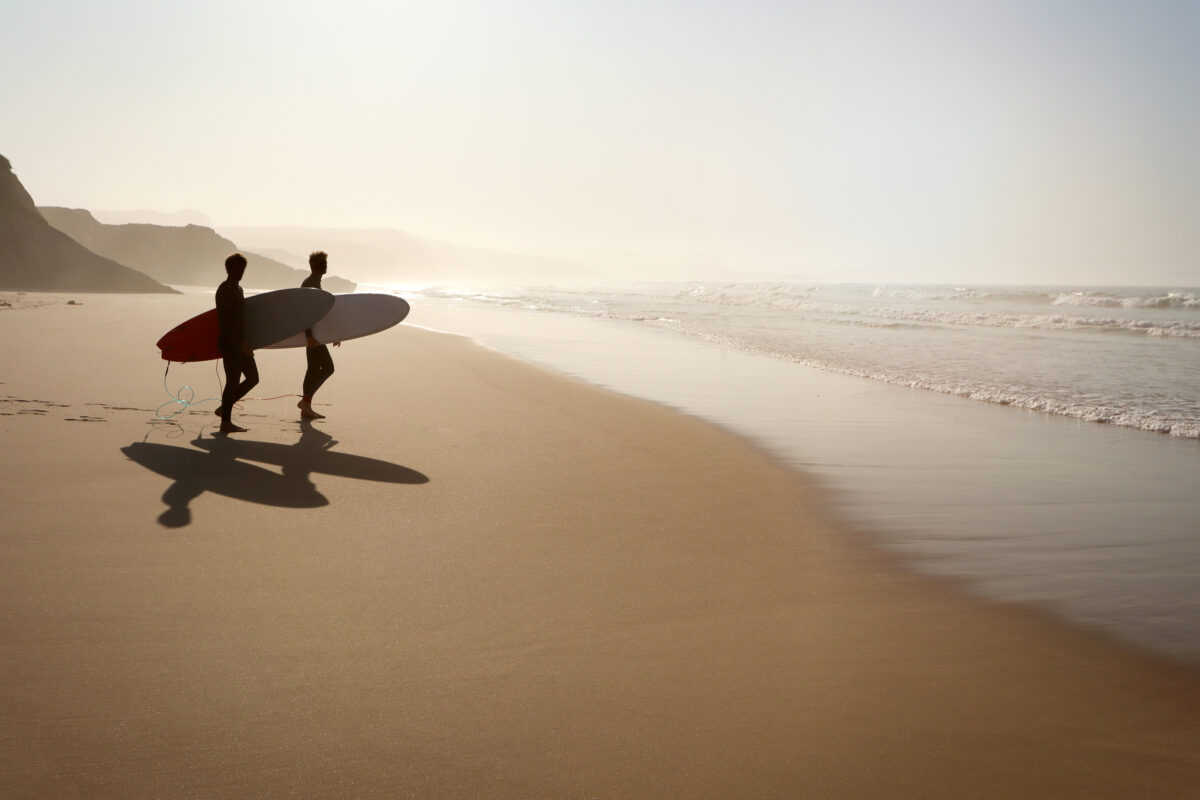
If Ericeira is Portugal’s polished surf-nomad hub, Peniche feels a little more raw and local. Set on a rugged peninsula along the Silver Coast, this working fishing town has long been one of Europe’s top surf destinations, thanks to geography that helps it pick up swell from different directions. Legendary breaks like Supertubos and Molhe Leste draw serious surfers, while Baleal offers more approachable waves, surf schools, and beachfront cafés for beginners and intermediates.
The wider Peniche region includes Baleal and Ferrel, where many cafés, coliving spaces, and coworking setups are clustered. Baleal is especially convenient for short stays, with beaches, bars, and surf spots close together, while Peniche city center tends to feel calmer, more local, and often more affordable for longer stays. Having a car or bike makes life easier, since the best beaches and social spots are spread across a few nearby towns.
It’s best for digital nomads who want a more grounded, surf-first lifestyle—less curated than Ericeira, but full of community once you know where to look.
Nazaré
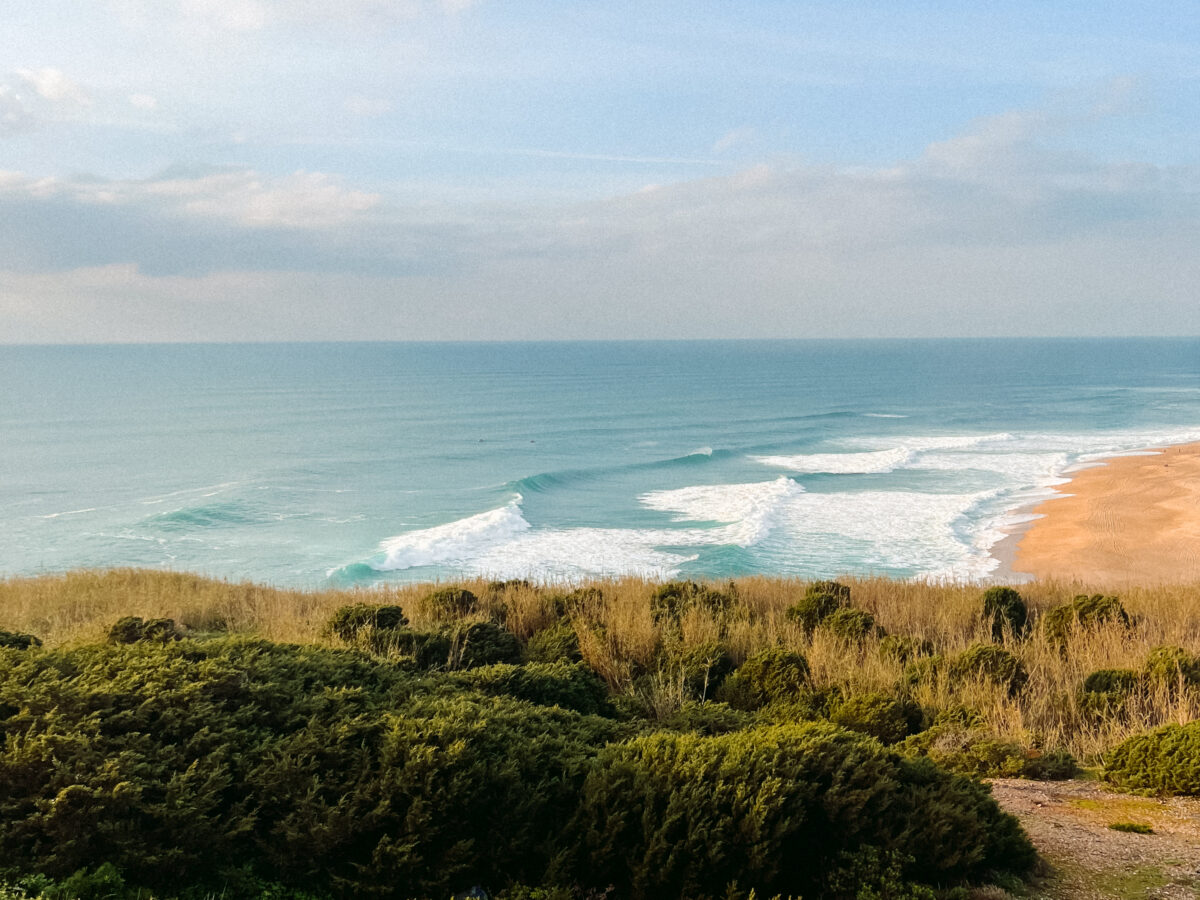
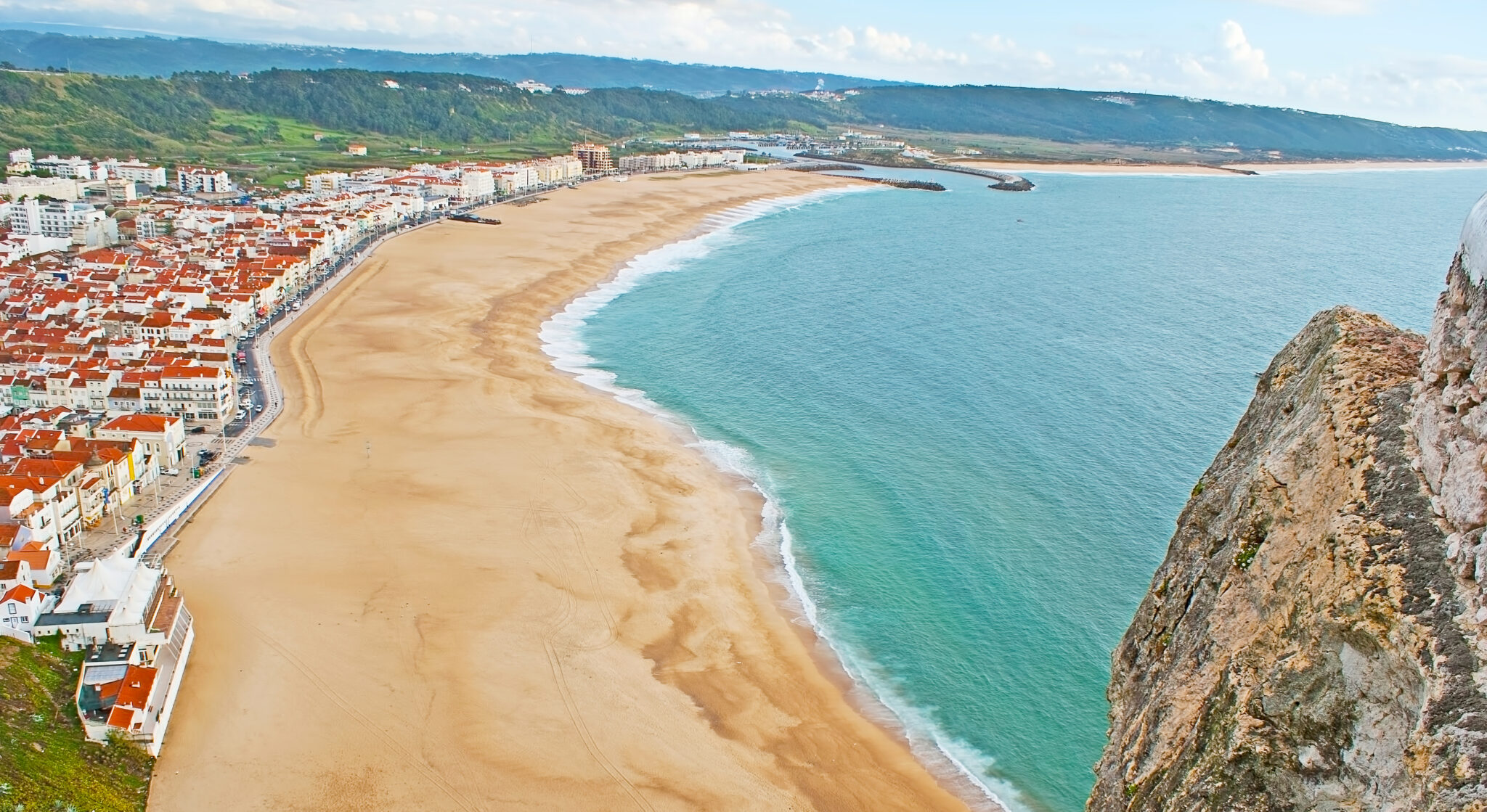
Most people know Nazaré for one thing and one thing only: giant waves. It’s home to some of the biggest surfable waves on Earth, drawing professional big-wave surfers from around the world. Beyond that, Nazaré is quietly evolving into a base for remote workers who want something a little less saturated than other coastal hubs.
The town is split into distinct pockets, each offering a different rhythm of life. Up in Sítio, perched above the ocean, you’ll find sweeping views, a strong sense of local culture, and a growing mix of cafés where remote workers settle in for the day. Down by Praia da Nazaré, life feels more energetic, with beachfront restaurants, bars, and a livelier social scene. Then there are quieter residential areas like Pederneira, where the pace slows even further, and daily life feels more rooted in the local community.
What Nazaré lacks in established coworking infrastructure compared to places like Ericeira or Peniche, it makes up for in atmosphere. It’s less about plugging into a ready-made nomad scene and more about settling into a place uniquely touched by nature. And for many, that’s exactly the point.
Costa da Caparica
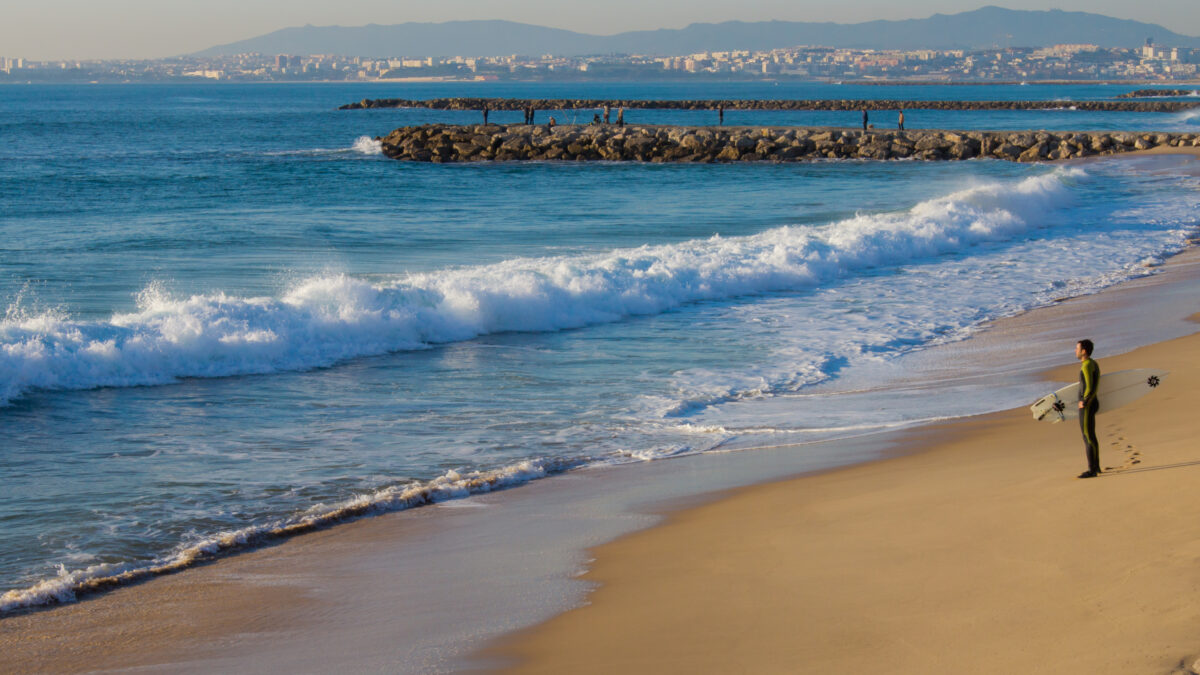
For remote workers who still want easy access to Lisbon, Costa da Caparica is the most practical choice. Just south of the capital, across the Tagus River, it offers a beach-town lifestyle without fully cutting ties with the city. The airport, coworking scene, restaurants, and social culture of Lisbon are still close enough for regular trips in.
Caparica’s biggest draw is its coastline: a long stretch of sandy beaches backed by cliffs and pine forests, with consistent waves that work for beginners, intermediates, and more experienced surfers. The town has also developed the kind of infrastructure nomads look for, including fast internet, coworking-friendly spaces, surf schools, coliving options, and cafés.
It’s not as tucked-away or atmospheric as Ericeira or Peniche, and summer can get crowded. But for digital nomads who want to surf before work, city access when they need it, and a relaxed local neighborhood feel, Costa da Caparica is one of the easiest places on Portugal’s coast to test the lifestyle before committing to somewhere farther away.
Madeira
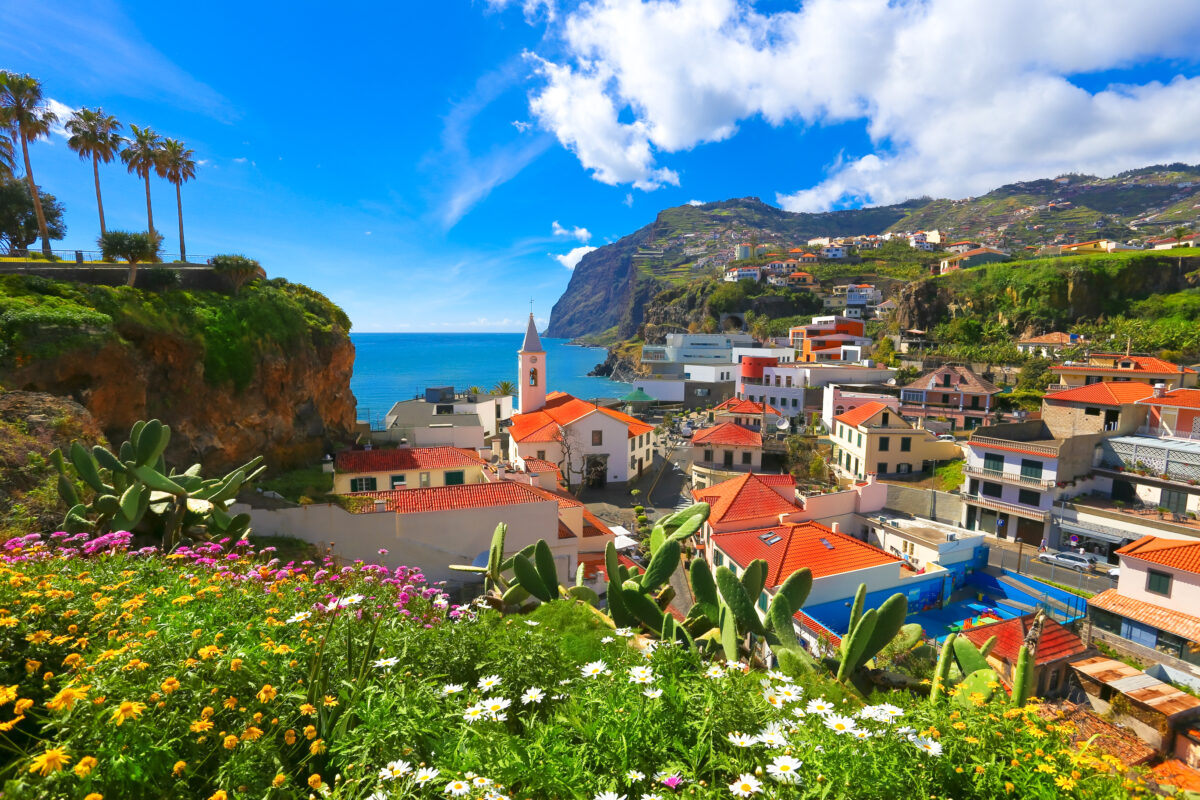
Madeira is not part of mainland Portugal’s surf coast, but impossible to leave out of any conversation about Portugal’s digital nomad rise. The island helped put the country on the remote-work map in 2021, when Ponta do Sol launched one of the world’s first government-supported digital nomad villages with a coworking space and built-in community programming.
What makes Madeira different is that the nomad scene was designed intentionally. The goal wasn’t just to attract remote workers, but to connect them with local businesses, restaurants, property owners, and community projects. Today, that energy has spread beyond Ponta do Sol into Funchal and other parts of the island, with Slack groups, WhatsApp communities, weekly lunches, hikes, workshops, fitness classes, and social events making it easy to make connections.
As for nature experiences, Madeira is hard to beat. The island has dramatic cliffs, trails, beaches, and year-round mild weather. Ponta do Sol is best for those who want a quieter, community-focused base, while Funchal offers more restaurants, transportation, nightlife, and everyday infrastructure.
Albufeira
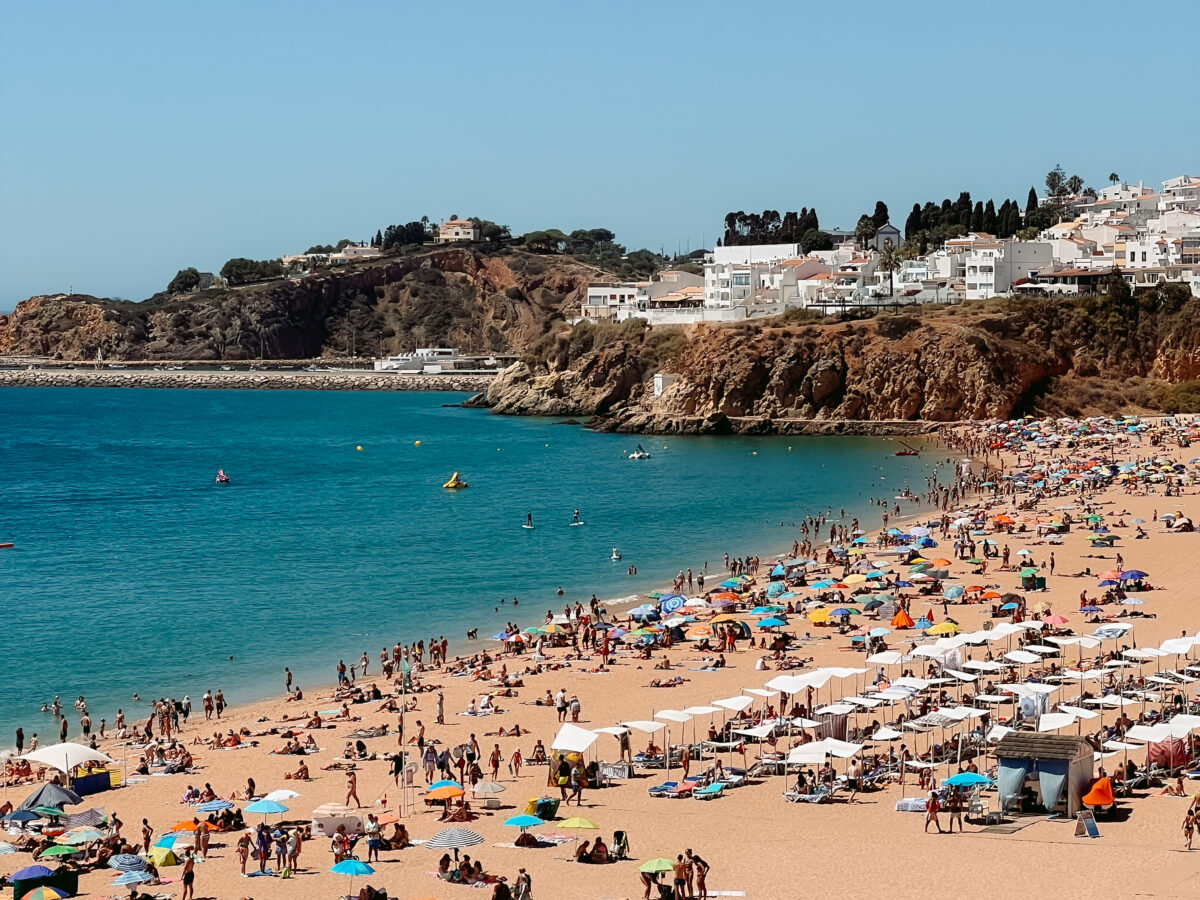
In the Algarve, Albufeira is starting to reposition itself beyond its reputation as a summer party destination. The city has launched the Albufeira Digital Nomads project, an initiative developed in partnership with Joana Glória, a community builder known for creating one of Portugal’s most successful nomad networks in nearby Lagos. The city now hosts events like Nomad World Fest, which brings remote workers together for talks, workshops, and activities.
For nomads, the appeal is clear: beaches, mild weather, coworking infrastructure, and a more affordable lifestyle than Lisbon. The challenge is housing, especially during peak season, but the upside is a town where the local government is actively investing in making remote workers feel welcome. As Glória put it, the goal is to create “not just a place to work, but a place where people can connect, collaborate, and truly belong.”
How to Be an Ethical Digital Nomad
As a remote worker, you should always think about how your presence impacts the places you choose to live. If you’re planning to base yourself on the Portuguese coast, here are a few principles to keep in mind:
- Spend locally (and intentionally). Prioritize family-run restaurants, markets, and services—not just the expat-friendly spots. Where you spend your money matters.
- Be mindful of housing. Avoid overpaying for rent in a way that drives up local prices. When possible, rent directly from locals or look beyond Airbnb-style listings.
- Integrate, don’t isolate. Learn the language, join local activities, and step outside the “nomad bubble.” That’s where the real experience happens.
- Give something back. Whether it’s volunteering, teaching a skill, or supporting a local cause, look for ways where your presence can add value.
- Travel slower. Staying longer (and legally, through proper visas) allows for deeper connections and a more positive impact.
- Avoid peak pressure. Visiting during shoulder seasons helps reduce strain on local infrastructure and communities.
At the end of the day, being a digital nomad isn’t just about freedom. It comes with great responsibility. These places might be temporary for you, but they’re home for someone else.