
When I think of going to the beach and the wildlife I might encounter there, my mind goes first and foremost to the vermin of the seaside: the mighty and resilient seagull.
I’ve had many an encounter with aggressive seagulls over my years of visiting various beaches around the United States and abroad. I’ve been accosted and felt the beat of wings against my head as one of these interminable nasty beasts swoops low.
However, luckily for both you and for me, there are far more enjoyable creatures and critters that one can run into while on a beach vacation. My mind goes to seal-watching in Maine. Dolphin-spotting while laying out on your beach towel is always a delight. I even have a certain fondness for the horseshoe crabs I’ve observed, and their otherworldly appearance.
But if you’re a true wildlife lover, what beaches can you visit to nearly guarantee you will see and enjoy the majesties of nature?
For this, we’re not talking about the odd seagull here or there (or everywhere). We’re not talking signs warning you to stay away from the seals or of the danger of sharks.
We’re talking places you can go to photograph wild horses, see monarch butterflies on the move, or witness the unique dynamics of elephant seal colonies.
These are the best U.S. beaches for wildlife lovers.
Assateague Island, Virginia & Maryland
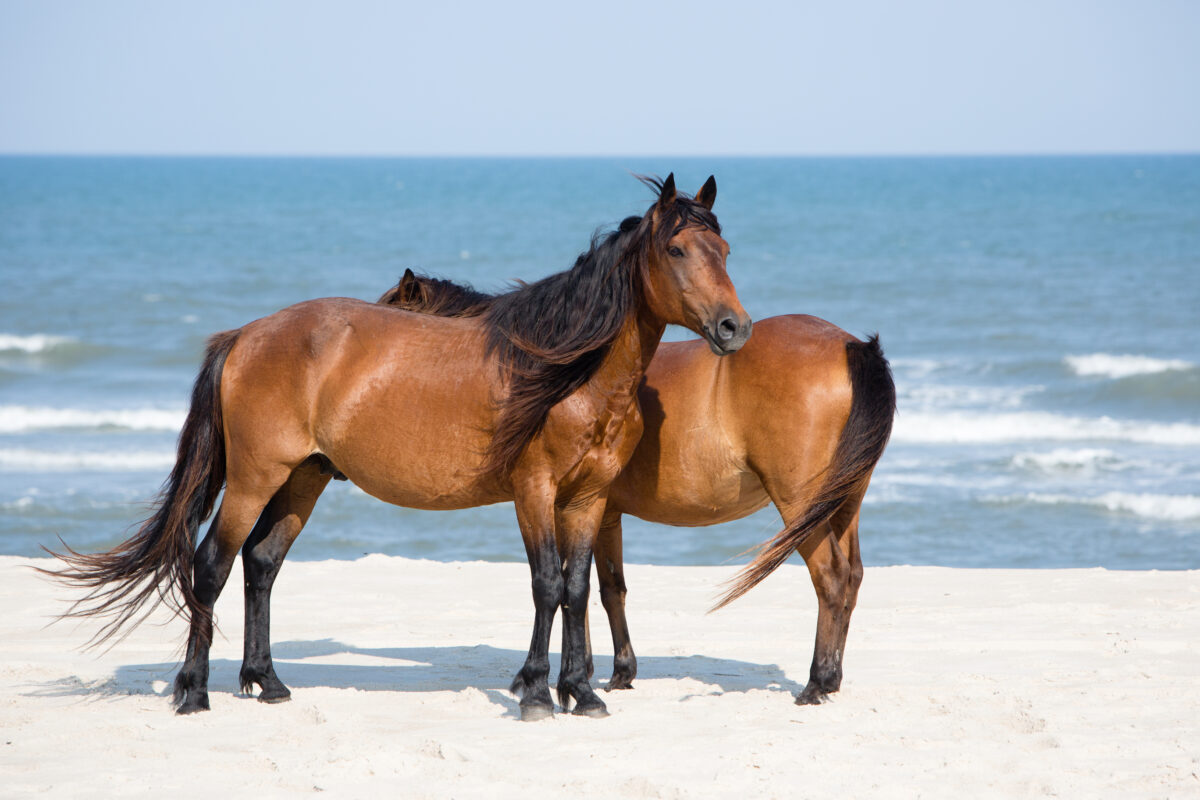
Assateague Island obviously makes the list. Stretching across both Virginia and Maryland, the island is overseen by a handful of different agencies, including the Assateague Island National Seashore, Maryland’s Assateague State Park, and others.
This destination on the Atlantic is renowned for its population of wild horses. These horses are the descendants of what were once domesticated animals. However, they’ve more or less said “goodbye” to domesticated life and decided to hang out on their own, in two primary herds that are split across two sides of the island.
You can sometimes see the horses by traveling along park roads, via car or bike. You can also take specific tours designed to see the horses. Whatever you do, give these animals their space and do not touch them.
Do not assume, though, that this island’s only wildlife attractions are its wild horses. The island is also an important migratory spot for various bird species, with more than 200 species spotted on the island.
Additionally, the island is home to sika deer, a unique descendant from Asian species and only introduced to the island in 1923.
Depending on when you’re visiting, you can also see white-tailed deer, red foxes, opossums, horseshoe crabs, and sea turtles.
Point Reyes National Seashore, California
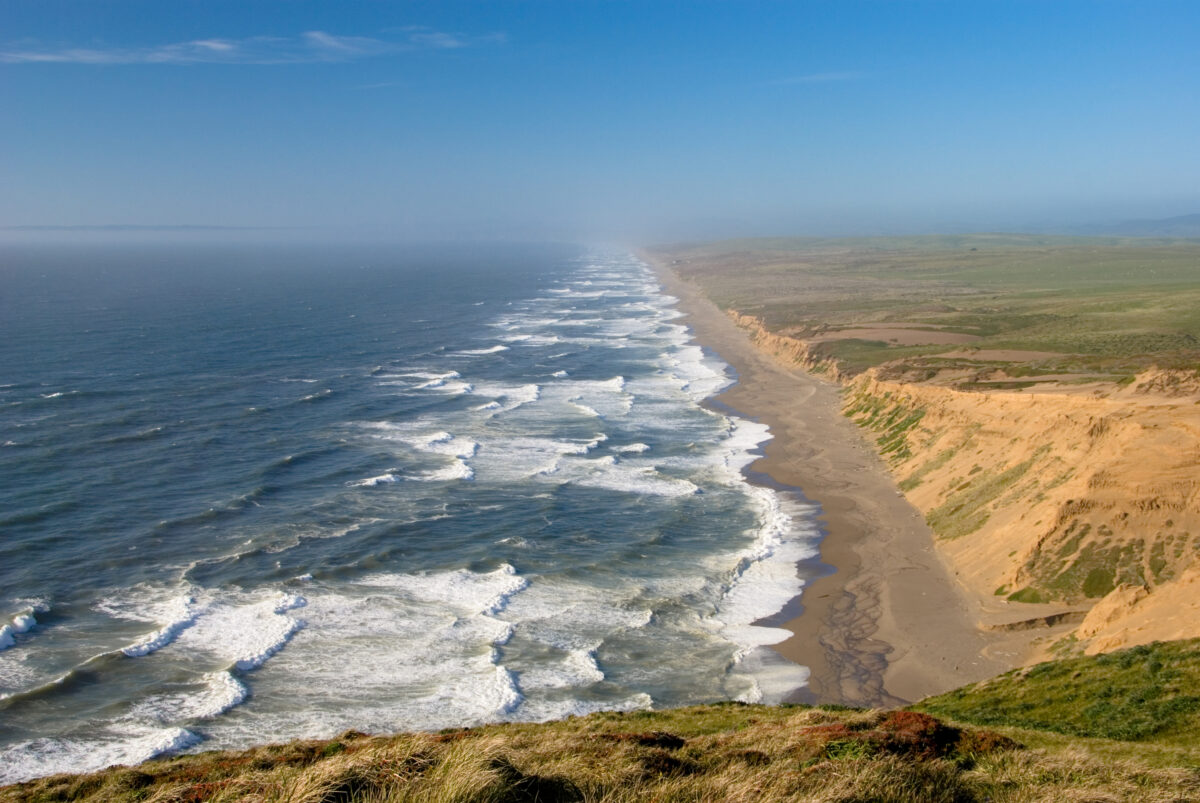
This California seashore is breathtakingly gorgeous. Dramatic views, vast expanses, and a historic lighthouse all connect you to a landscape that’s just as rich in unique wildlife as it is beauty. At Point Reyes National Seashore, you can witness a whopping 1,500 species of plants and animals.
Of course, you can’t plan a visit here without making a point to stop at the aforementioned 1870s lighthouse, where you may also get the chance to view some migrating gray whales. You’ll have the best luck for whale-spotting if you visit between December and May.
Birding is also popular, but the elephant seals are likely my favorite. You can see them at Point Reyes primarily during December through March. Visit the Elephant Seal Overlook near Chimney Rock. You can also glimpse them from the South Beach Overlook, near the lighthouse parking lot, as well as on the beach near the Kenneth C. Patrick Visitor Center.
If you explore further inland, you can also observe the tule elk herds. One of the most reliable spots for a sighting is Tomales Point.
Gulf Islands National Seashore, Florida & Mississippi
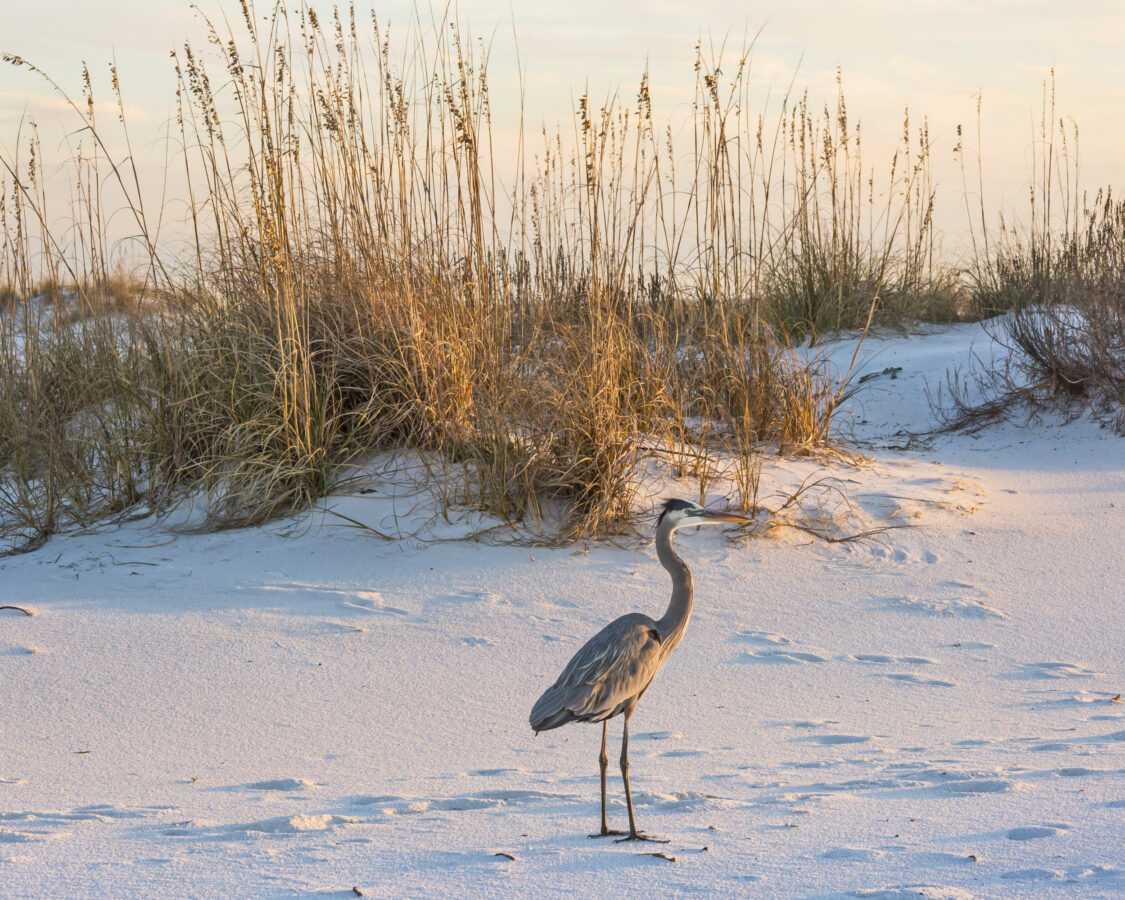
Gulf Islands National Seashore stretches across both Florida and Mississippi. The Gulf on its own, though, without even visiting the national seashore, is a great place to go for those who love taking in some seashore wildlife.
From the beaches to the nearby marshes to the many nature trails in the area (ideal for hiking and biking), you have plenty of options for wildlife watching. You can also find many tour providers that will take you out on the waters for views from that vantage point.
Back to the national seashore, however, if you go to any of its beaches, you have a few great options for wildlife viewing. The Fort Pickens Area is popular for birding and seeing coastal wildlife. The Okaloosa Island Pier is a great spot to keep your eyes peeled for dolphins, sea turtles, and rays.
If you move into the Davis Bayou Area, you can see the marshes and wetland animals and plants. Trails at the Naval Live Oaks Nature Preserve likewise offer views of forest species and migratory birds.
In short, with nearly 300 species of birds, dolphins, rays, turtles, tortoises, and alligators, and 12 federally listed threatened or endangered species, you’ll have no shortage of wildlife to view when you visit this seashore.
Fire Island National Seashore, New York
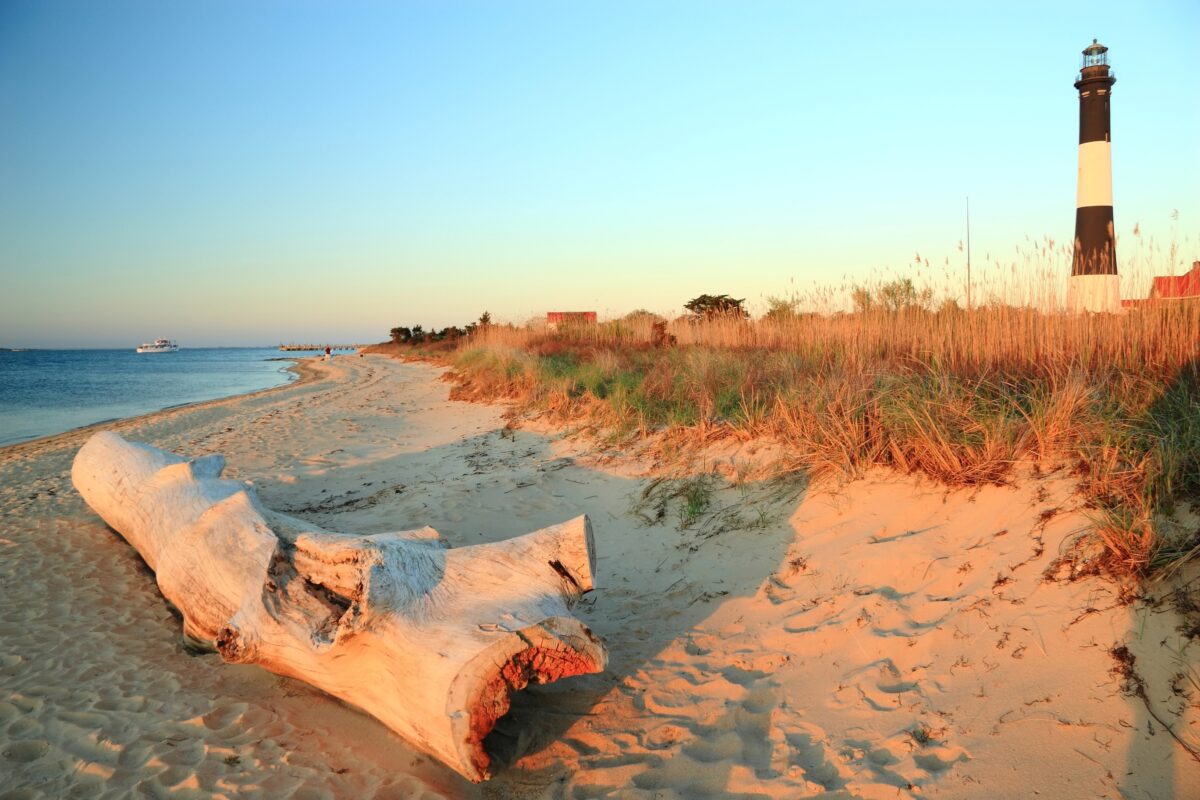
A seashore destination just a short drive from Manhattan may not be the first place you think to go for wildlife watching, but the Long Island-adjacent Fire Island National Seashore may just surprise you.
This spot is one of the best beaches to visit during the fall for foliage, and it’s also an excellent fall beach destination if you’re interested in wildlife in particular. Fall is migration time and, during September and October, you can spot birds and monarch butterflies in droves, stopping by the seashore on their way south.
The island is part of the Atlantic Flyway, aka a giant migration route that goes between the Arctic and all the way down to South America. As such, it sees a huge number of birds flying to and from their homes each year.
Beyond the birds and butterflies, Fire Island National Seashore is also home to horseshoe crabs, whales, dolphins, seals, deer, fox, and more.
La Jolla, California
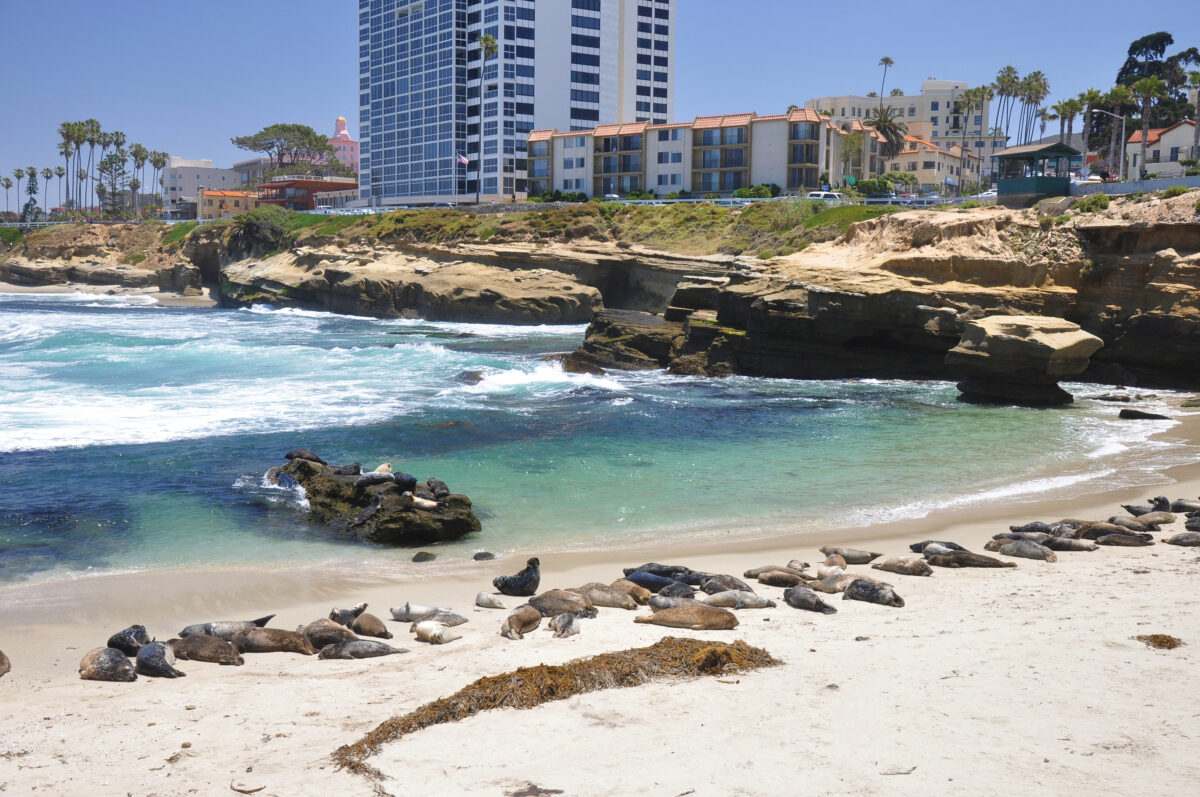
We’re back in California, at La Jolla Cove, in San Diego. This is a world-famous beach and for good reason. It offers gorgeously clear waters, spectacular views, and an abundance of wildlife both above and beneath the water.
Above the seas, you’ll find a large population of California sea lions at Point La Jolla. That said, the city of San Diego has noticed an uptick in folks drawn to these sea lions, wanting to touch them, take selfies with them, etc. That’s a big no-go and if you plan on visiting Point La Jolla to specifically watch the sea lions, you’re going to need to keep your hands to yourself. Keep a good distance from all wildlife (and don’t bring your dog, if you happen to be traveling with them, along with you to the beach).
Below the water, you’ll find the San Diego-La Jolla Underwater Park. It’s a 6,000-acre protected marine preserve, with a 533-acre ecological reserve. Here, you can snorkel, dive, and paddle, but you must absolutely not disturb the natural habitat in any way. That means no fishing, no scavenging, no surfing. Across the many acres, you can see a variety of marine life, from whales to leopard sharks, rays to eels, sea turtles to a wide variety of fish.
Poʻipū Beach, Kaua’i, Hawaii
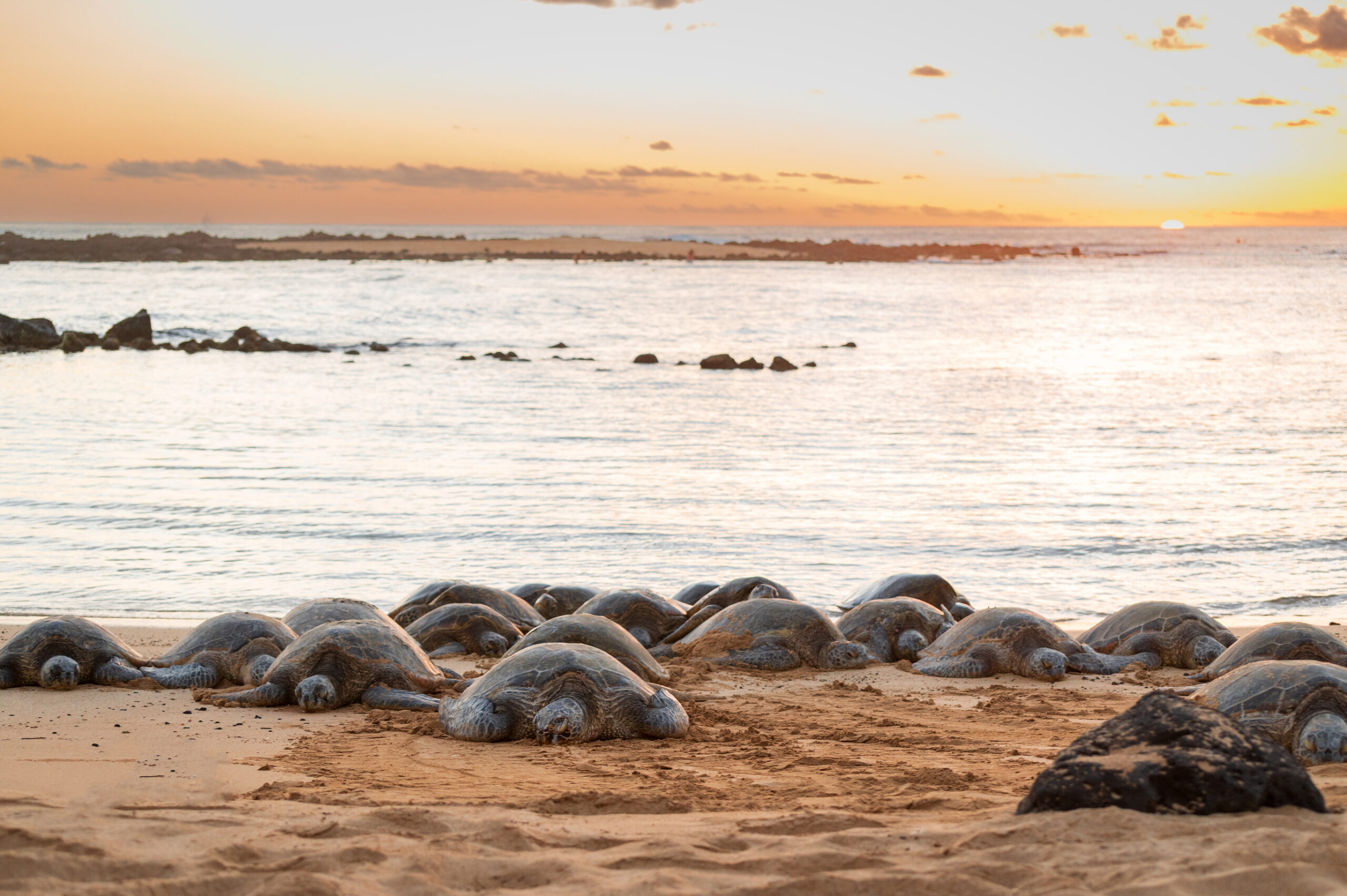
In Hawaii, Poʻipū Beach on Kaua’i offers quite a lot of wildlife watching, with two special residents in particular: the endangered Hawaiian monk seals and the green sea turtles.
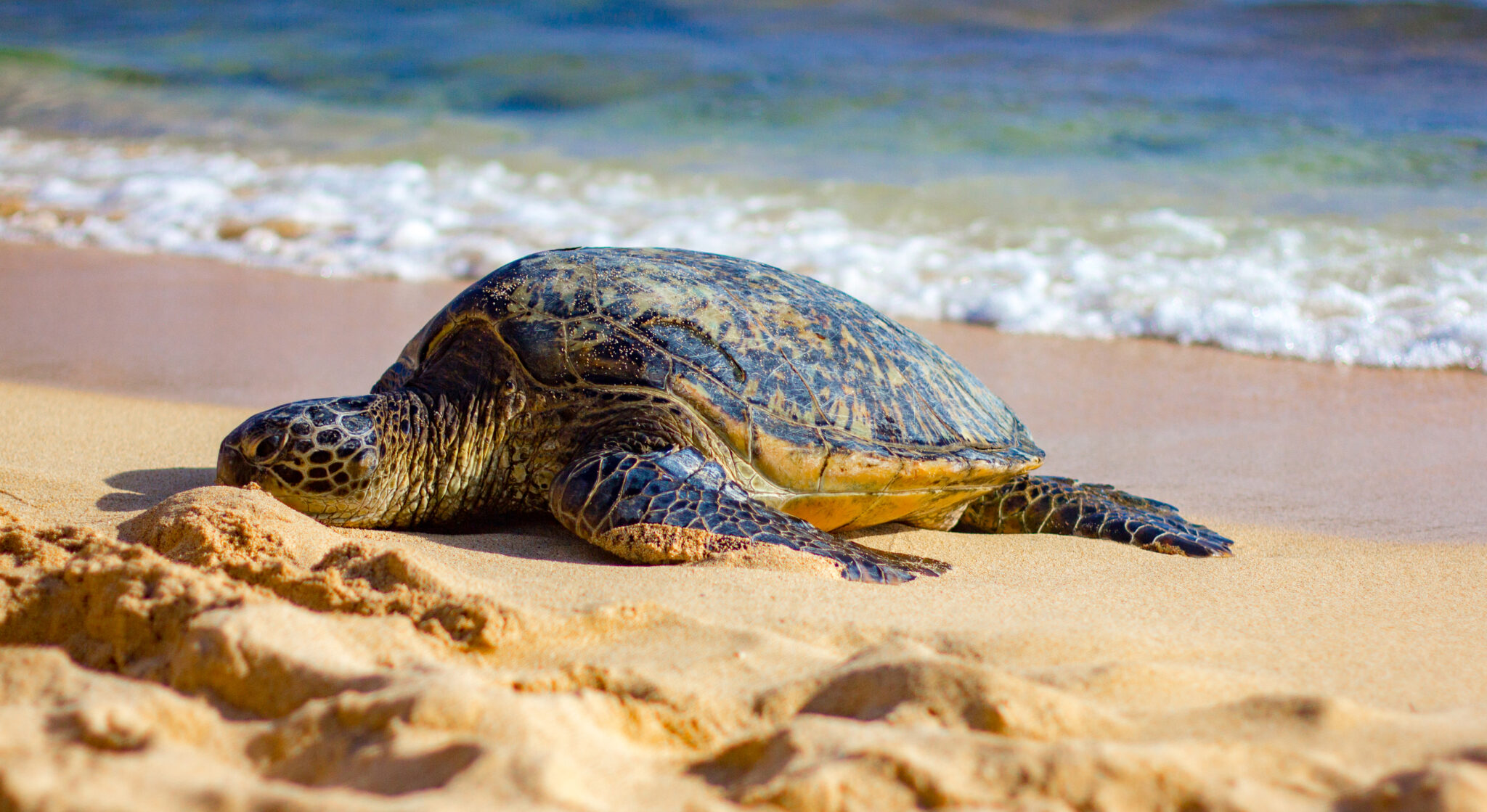
As for the former, there are less than 2,000 of these seals still in existence. In order to protect them, if you see them sleeping on the beach, stay at least 150 feet away from them. You can get a bit closer to the green sea turtles — up to 10 feet — but be respectful.
Off the sands, you can see a variety of tropical fish if you go snorkeling. You can also sometimes see humpback whales breaching or surfacing if you’re on the island at the right time, throughout winter or spring.
Padre Island National Seashore, Texas
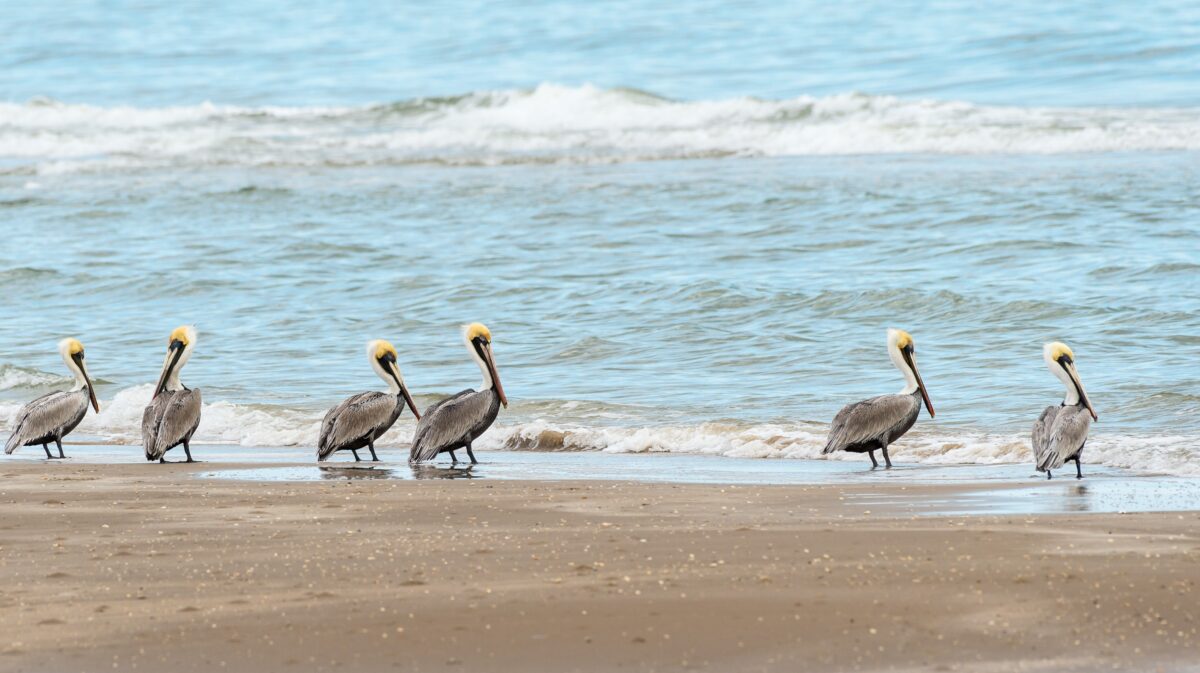
In Texas, Padre Island National Seashore is a top spot for wildlife viewing and beach vacationing all in one trip.
Located to the west of Gulf Islands National Seashore, Padre Island likewise sits on the Gulf of Mexico. The barrier island encompasses 66 miles of protected coastline and boasts “one of the last intact coastal prairie habitats” in the country. From beaches to tidal mud flats, the island has both natural attractions and history in spades.
Along the beaches and dunes, you can see sea turtles nesting (and, in fact, the park hosts sea turtle hatchling releases that are open to the public). Brown pelicans, ghost crabs, and jellyfish are visible from the sands, too, and if you’re lucky, you might even see a deer or coyote — not exactly your typical beach resident.
Travel further inland to the coastal prairies and you’ll see even more mammals, from raccoons and rabbits to bats and rats. The occasional western diamondback rattlesnake is also in attendance.