Most beachgoers head to the shore for relaxation and time spent in the sun. Rumrunners, a good book, and a beach towel are all part of the equation, and a good afternoon beach nap is the cherry on top. But for some adventurous travelers, a slow day on the beach doesn’t do the trick, as a need for movement and discovery kicks in. Expedition beaches, however, are a great fix for those looking to stay active while going to the beach, as they’re a great launch pad for diving, hiking, kayaking, snorkeling, and wildlife watching.
Often remote or hard to access, expedition beaches give you access to rugged shorelines and activities beyond a cruise port. Travelers to expedition beaches are curious, often checking off bird species from their birding lists or hiking for hours to reach views not often seen by most. And while there are expedition beaches across the world, the Caribbean is full of them, from tiny islands barely visible on the map to frequently visited spots that act as anchor points for shipwrecks and hiking.
Here, our favorite expedition beaches across the Caribbean for the ultimate adventure.
Sugar Beach, Saint Lucia
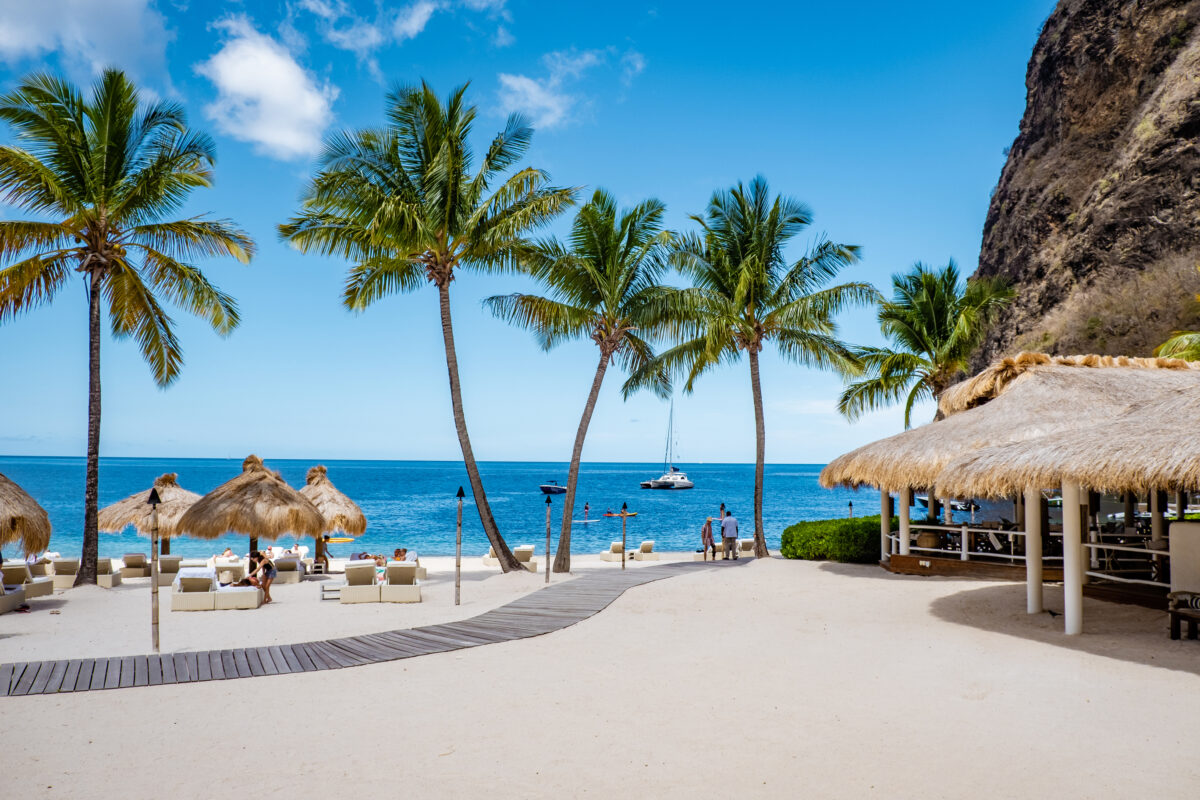
Located between the Pitons, Sugar Beach offers the iconic portrait of St. Lucia, with its two peaks jutting towards the sky from the sand. St. Lucia was recently mentioned in Priceline’s data on trending expedition beach destinations, with interest in St. Lucia up by 20% in international hotel searches from March to mid-April. And between its stunning scenery and access to difficult hiking trails, it’s definitely a top expedition beach in the Caribbean.
From Sugar Beach, you’re near the Gros Piton Trail, a challenging, rocky, and steep hike up to the peak of Gros Piton that requires a guide. And the Tet Paul Nature Trail, an easier, 45-minute hike that gives you views of the Pitons and Sugar Beach, is also close. Personally, I’ve done both, and each offer their own thrills. The Gros Piton guided hike will take you about 4 to 5 hours to complete and offers gorgeous aerial views of the island, and the Tet Paul Nature Trail, known as the Stairway to Heaven, is an easier jaunt with Piton views plus views of Jalousie Bay, and the islands of Martinique and St. Vincent.
Reef Bay Beach, St. John
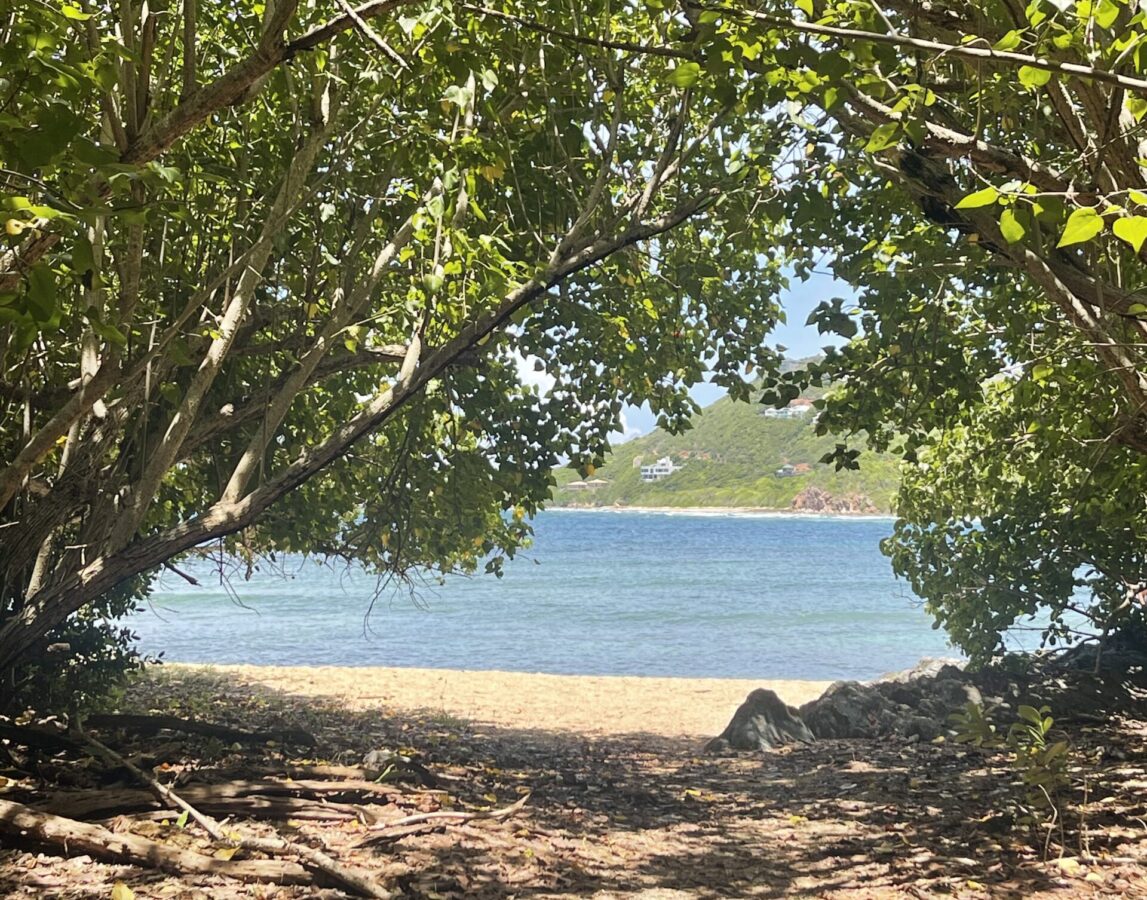
Within Virgin Islands National Park on St. John, Reef Bay Beach is a no-frills, secluded beach on the South Shore of St. John. What makes it special though, is it’s only accessible by boat, or by hiking the 3-mile Reef Bay Trail. Along the moderate hike, walk among Danish sugar plantation ruins and see ancient Taino petroglyphs carved into the rocks along the trail. If you can’t quite see the petroglyphs, splash some water on them and watch the pre-Colombian carvings come to life.
After you pass by the sugar plantation ruins, you’ll come across Reef Bay Beach, where you can cool off with a dip or snorkel right from the beach. Take caution, as the trail can be steep, rocky, and muddy after rains. Ranger-led hikes are available.
Half Moon Caye, Belize
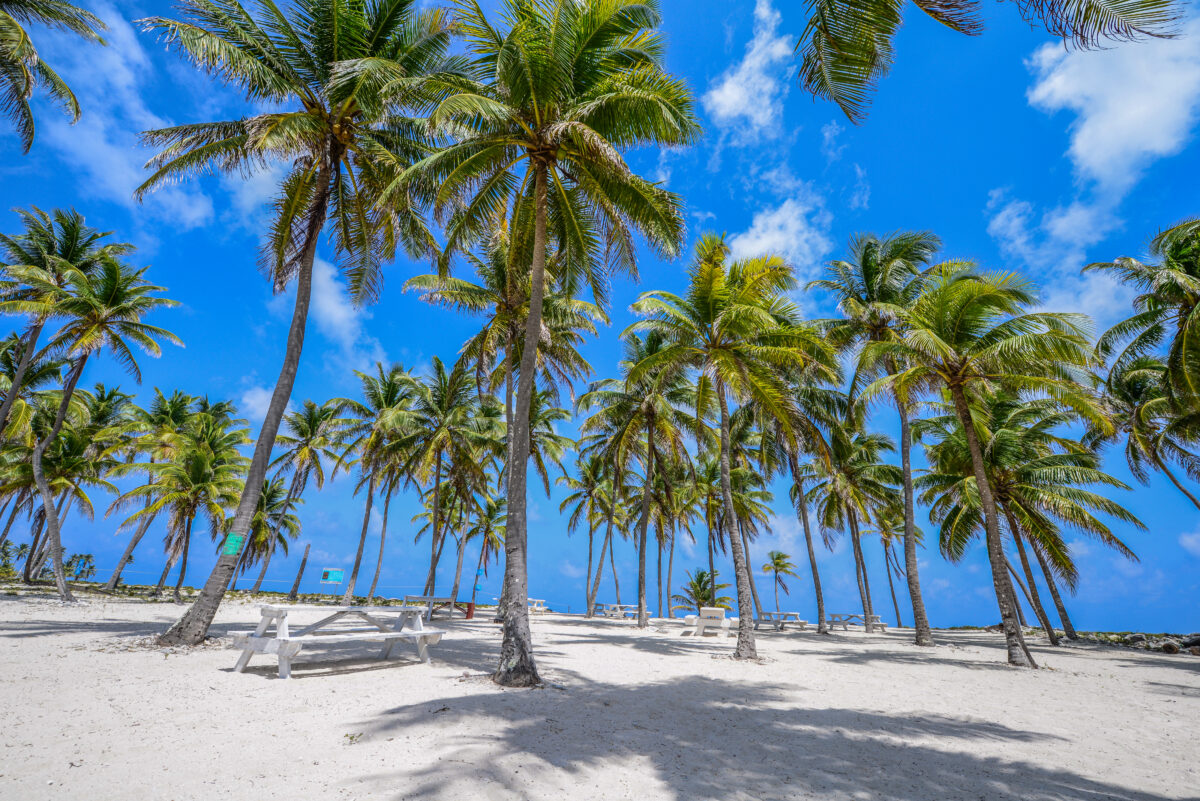
Although this isn’t one particular beach, you can choose whichever beach you’d like to launch from at Half Moon Caye, as the small Belizean island is only about 40 acres in size. Here, location is key, as Half Moon Caye is at the southern end of the Lighthouse Reef Atoll—Belize’s best dive site. From here, you can access the Great Blue Hole, the famous 1,000-foot diameter marine sinkhole that reaches depths of 400 feet. See dramatic stalactites, reef sharks, and the coral reef rim, which is full of tropical fish.
You can also reach the Half Moon Caye Wall, a vertical drop-off site inhabited by coral, eagle rays, moray eels, sea turtles, and sharks. Another nearby boat trip takes you to Turneffe Atoll, which is also along the Belize Barrier Reef and is considered one of the most diverse coral atolls in the Caribbean. Here, you can not only dive, but snorkel above reefs and kayak through mangroves.
Unless you’re camping on the beach, most people don’t stay overnight on Half Moon Caye. Boat trips can be coordinated from numerous nearby islands and resorts, including South Water Caye and Blue Marlin Beach Resort, where I’ve stayed, and the nearby town of San Pedro, on Ambergris Caye. San Pedro was also mentioned in the recent Priceline study, as hotel searches for the town have gone up 39% due to its proximity to bucket-list diving.
The Baths, Virgin Gorda, British Virgin Islands
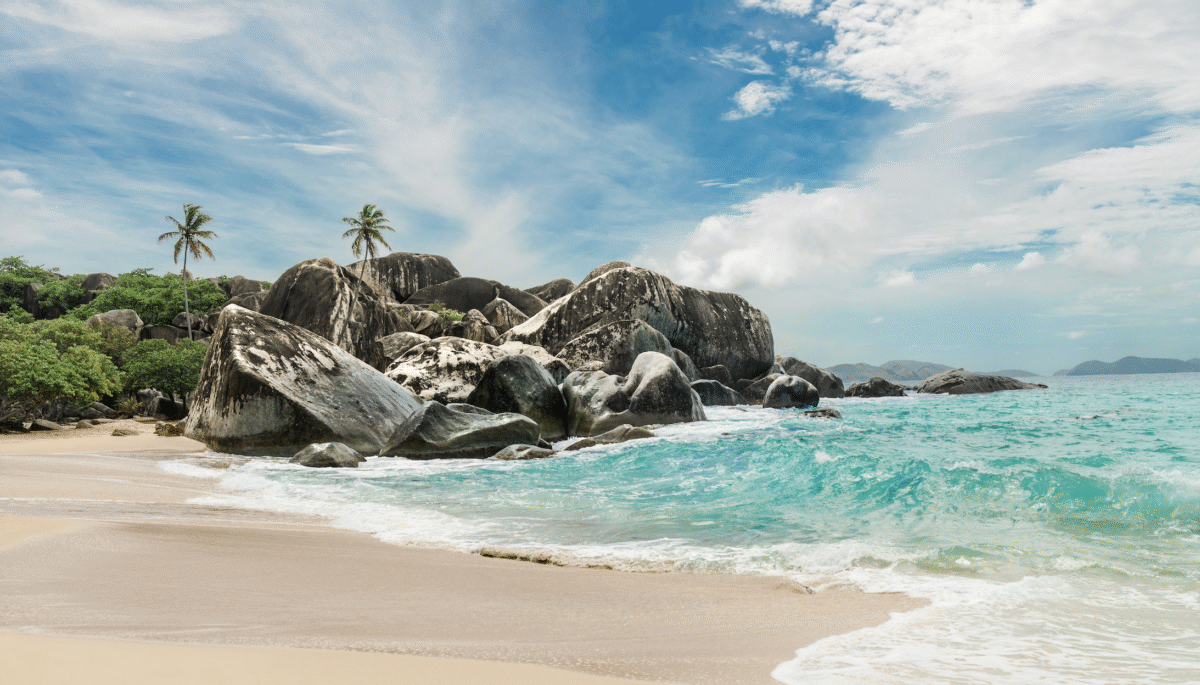
The Baths are for those looking for a rugged beach excursion that takes some effort. At the southern tip of Virgin Gorda, The Baths, within The Baths National Park, is a unique beach where Goliath boulders rest along the shore, creating shaded, cave-like formations, tidal pools, and tunnels along the beach. Snorkeling here is spectacular, as those giant boulders are fun to explore beneath the surface, and you can bob along on the top of the water as you glide over the rock pools.
The path to get here is a bit of a hike as well, as you’ll be hiking from the park entrance to the beach, through sandy and rocky terrain. You’ll need to be able to climb over boulders, wiggle through gaps, and at times, wade through knee-deep water. Go in the morning before the crowds come in, and then head down to Devil’s Bay National Park for more cerulean seascapes.
1,000 Steps, Bonaire
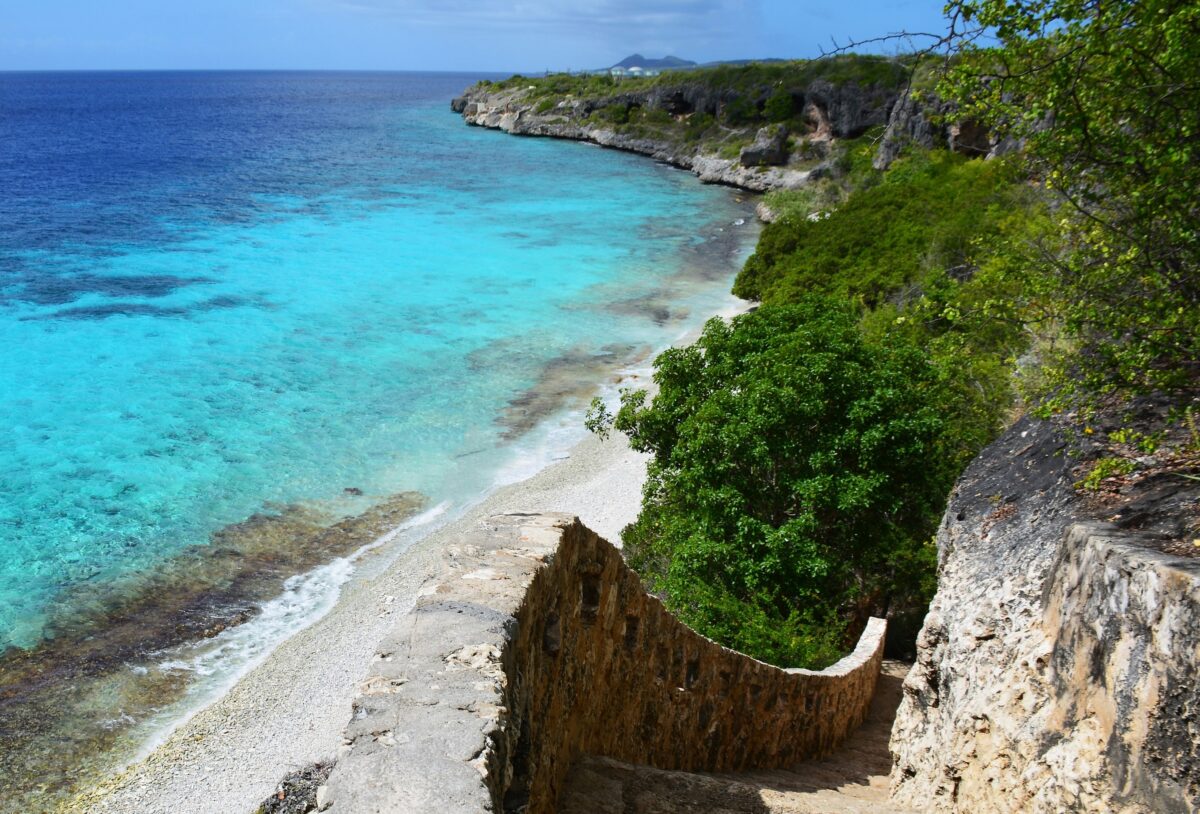
Known as the Shore Diving Capital of the World, Bonaire is an underwater treasure chest, with over 85 diving sites full of marine life, coral, and wrecks. And while the beach to get to the 1,000 Steps dive site is small and accessed just off a cliffside, it’s the sub-surface experience that keeps travelers returning. The site was named from shore divers who found that the 67 steps leading down to the beach felt like 1,000 steps on the way back up.
And almost immediately when you enter the water here, you’re immersed in a world of coral and marine life. Find vibrant coral formations right under the boat mooring, and watch for sea turtles and manta rays. Whale sharks have also been spotted in the area, and other popular dive sites, such as Karpata, Ol’ Blue, and Oil Slick Leap are nearby.
Champagne Beach, Dominica
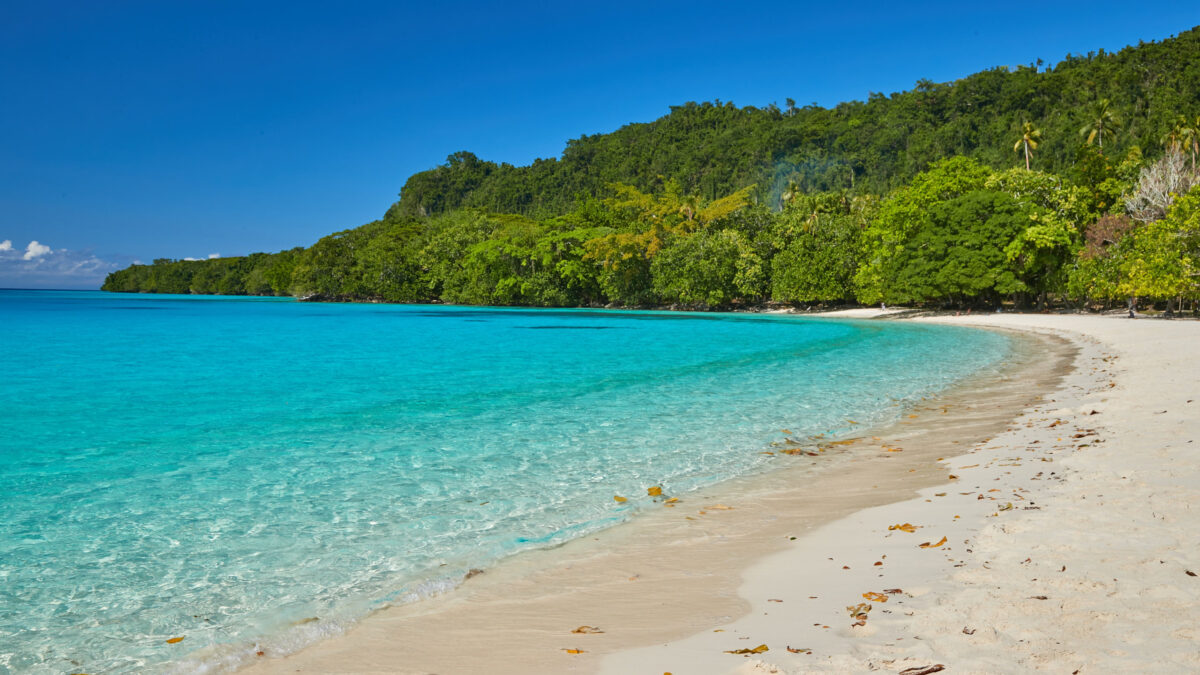
Known as the Nature Island of the Caribbean, Dominica dazzles with its active volcanic landscape, lush rainforests, hundreds of rivers and waterfalls, top-notch scuba diving, and the Waitukubuli National Trail—the Caribbean’s longest hiking trail. Launch from practically anywhere on the island and you’ll find yourself soon immersed in adventure. Unspoiled beaches are found throughout the island, but there’s a special beach called Champagne Beach that bubbles with excitement. Here, the water literally bubbles like glass full of champagne as volcanic vents release warm bubbles rising from the sea floor. You can dive or snorkel here, as there are shallow areas and deeper sections where you’ll spot seahorses, parrotfish, sea turtles, corals, and sea sponges.
Also near Champagne Beach, you can spot Dominica’s resident sperm whales, which reside in these waters year-round. Tour companies offer whale watching tours, and some even offer guided snorkeling amongst the whales.
Baradal Beach, Tobago Cays, Saint Vincent and the Grenadines
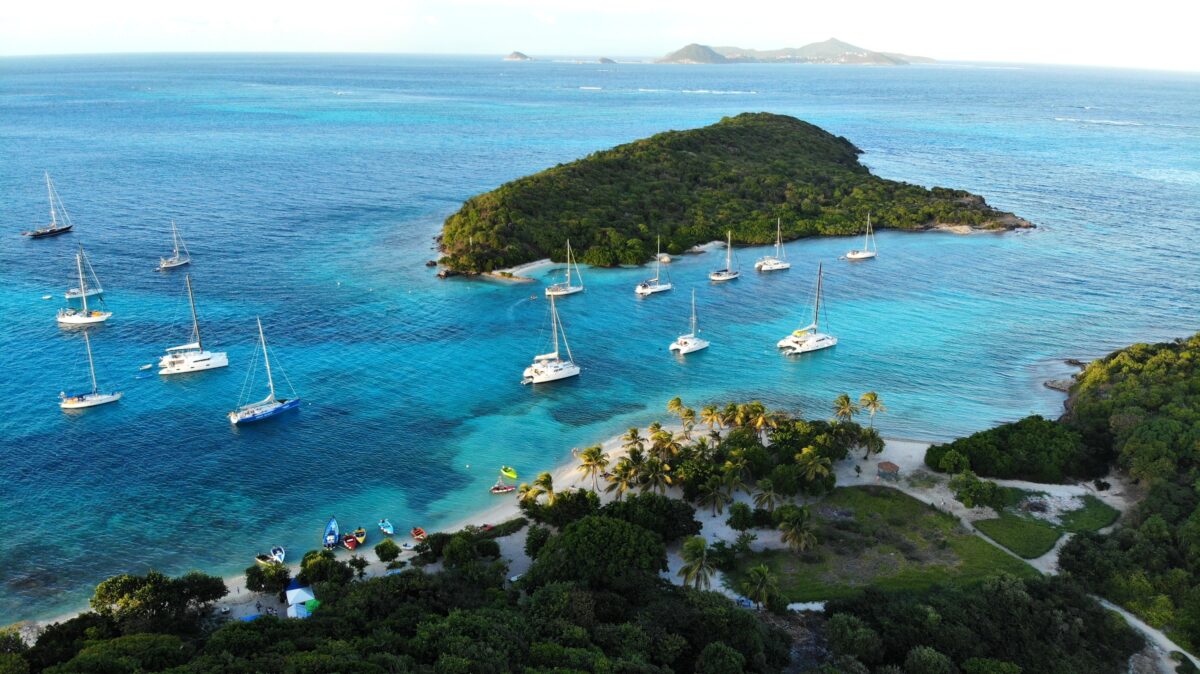
Tobago Cays is a kayaker’s paradise, as crystal clear waters allow you to see sea creatures below you swimming through the surf. You might find a sea turtle right alongside your paddle, or dolphins porpoising through the waves all around. The area is protected by a horseshoe-shaped reef, making the surf calmer, and there are shallow spots as well for swimming. Guided kayak tours are available, and you can start at Baradal Beach and work your way through the other uninhabited islands of Tobago Cays Marine Park for a remote and rugged experience.
Grand Anse Beach, Grenada
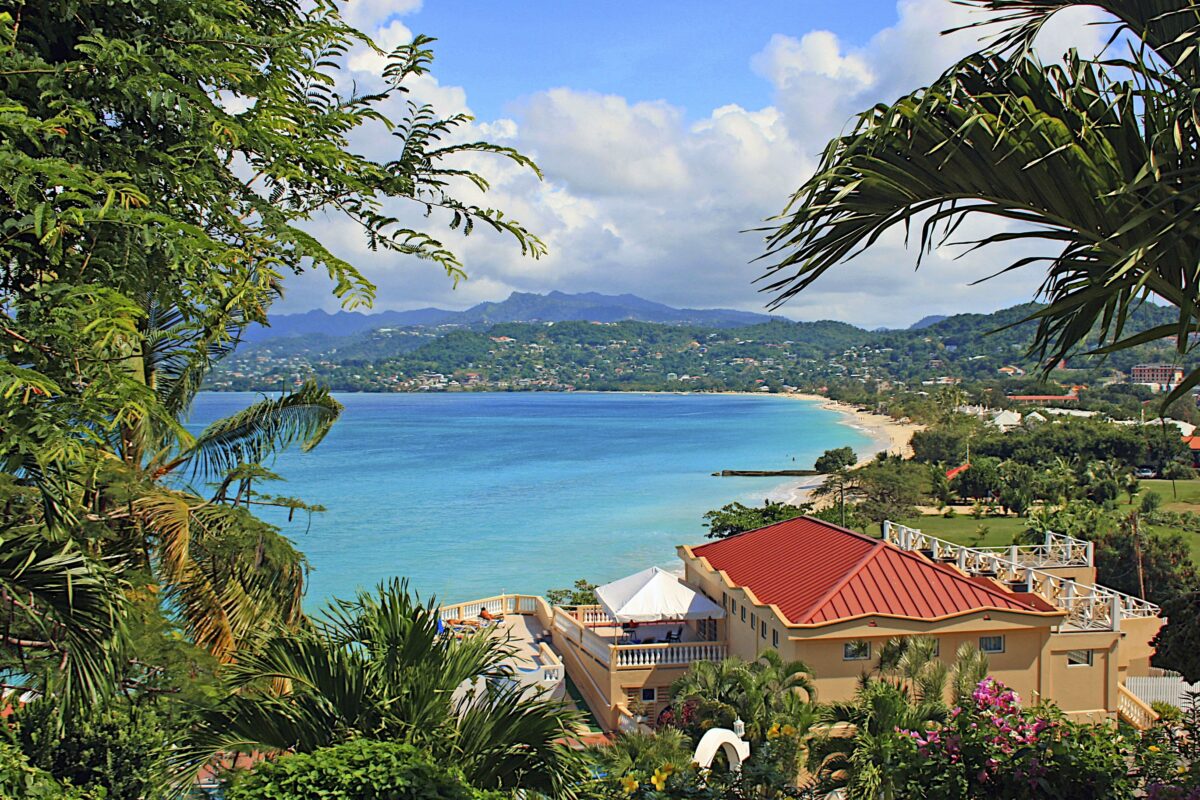
Known as the Wreck Diving Capital of the Caribbean, Grenada’s sandy seafloors are home to about 20 different wrecks, ranging from shallow, beginner-friendly sites to deeper, more technical wrecks. If you’re wanting to spend more time beneath the surface amongst the wrecks, Grand Anse Beach is a great anchoring point to access wreck sites.
From here, you can easily take a boat out to the Veronica L, a 120-foot cargo barge that was sunk in 1993 and is now a shallow dive site, or the MV Shakem, a 180-foot freighter that sank in 2001 and is an advanced dive site. Wreck tours often meet at Grand Anse Beach as well, and after your adventure, you can head back to the beach for a tropical cocktail or a walk through the spice market.