


For a lot of travelers, the appeal of a beach destination doesn’t end at the beach. They aren’t satisfied with simply sipping cocktails beneath an umbrella and taking in endless blue views from the sand. They want to get out there, beneath the surface, exploring the ocean’s majesty and many secrets.
I’m talking about divers, of course.
Many seasoned divers and newbies alike have a—pardon the tongue-in-cheek description—great white whale. There’s a diving encounter they’re desperately seeking. Maybe there’s a certain shipwreck they’re keen to see. Maybe they get an adrenaline rush from the mere thought of swimming alongside sharks.
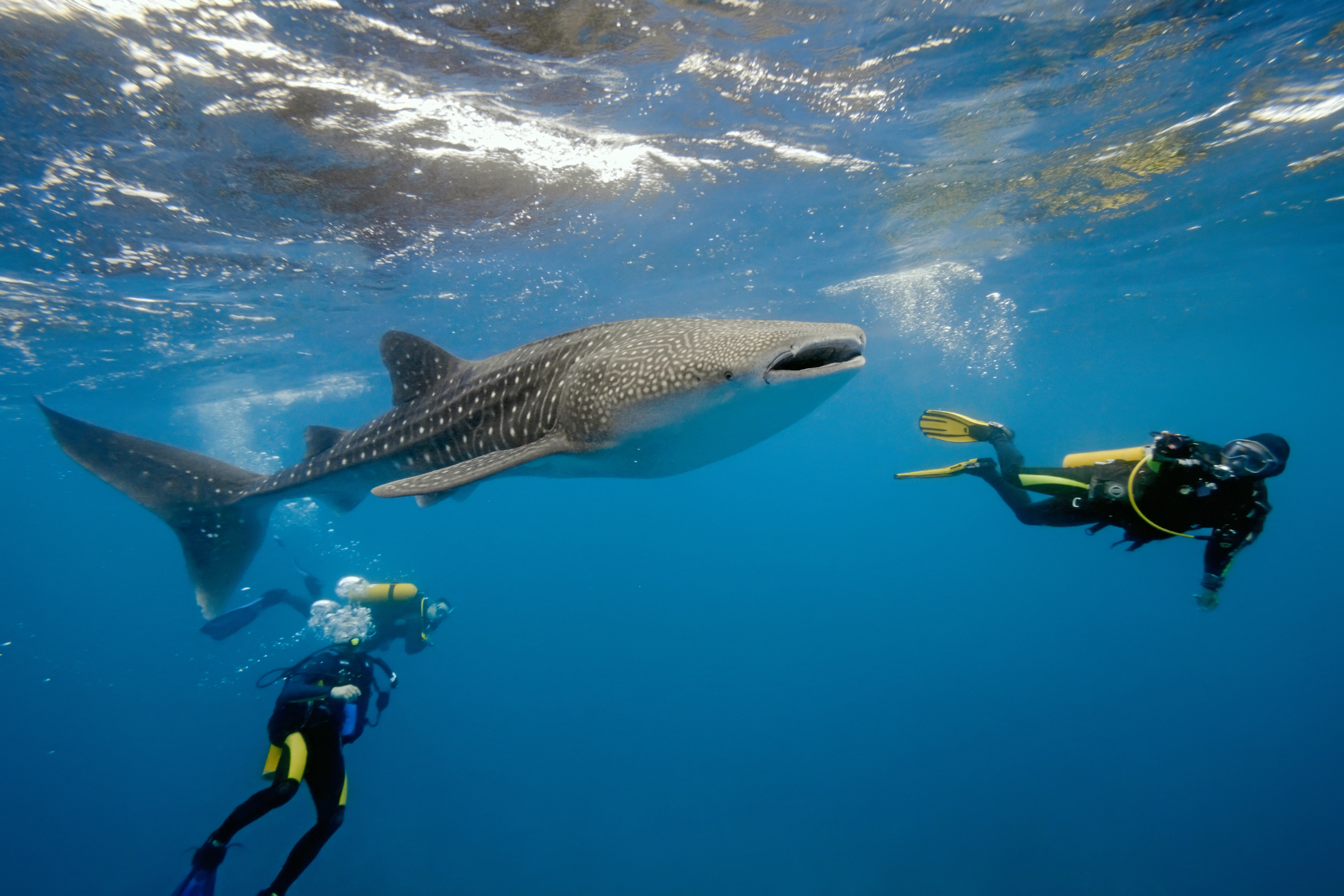
For some, the dream is to swim and dive alongside whale sharks.
If you’re not familiar with them (though if you ended up at this article, you probably are), whale sharks are the largest fish in the world. Keep in mind that what you typically think of as “whales,” such as humpbacks, are mammals, not fish, which allows the whale shark to take the top spot.
Whale sharks can grow up to 40 feet long and live for up to a century. Despite their size and name, though, they’re not generally considered a threat to humans.
However, if you want to swim with these gentle giants, it’s important to do so ethically.
How to Swim With Whale Sharks Ethically
Animal encounters in tourism have come under a lot of scrutiny in recent years, and for good reason. There’s ample evidence of tourism providers looking to make a quick buck at the expense of animal welfare.
That said, not all animal encounters are inherently destructive. It comes down to following best practices recommended by experts and doing your utmost to reduce harm and support conservation.
Not every destination where you can swim or dive with whale sharks has local regulations governing how tour providers conduct these experiences. As such, it’s often up to individual travelers to properly vet their tour provider and determine whether its operations align with their own standards.
Red Flags to Avoid
You’ll likely want to avoid any operator that actively interferes with the whale sharks’ natural behavior. If they guarantee a whale shark encounter because they’re feeding the animals, containing them or otherwise disrupting their normal routines, that’s a red flag.
Additionally, you don’t want to go on a tour that allows you to get too close to the whale sharks. This is a hands-off, no-touching situation. Not only can touching whale sharks physically harm them, but it can also cause distress.
How Some Destinations Regulate Whale Shark Tourism
Thankfully, some governments have adopted restrictions around whale shark encounters that address the potential impacts of tourism. For example, the Australian Department of Biodiversity, Conservation and Attractions has implemented protocols to address the country’s growing demand for whale shark swimming experiences. For example, Australia’s Ningaloo Marine Park saw a dramatic increase in whale shark swimmers, from 1,000 people per year in 1993 to 36,000 in 2002.
According to the department, tour operators must be licensed and stay a certain distance away from the sharks. Swimmers cannot touch the sharks or interfere with their movement or behavior.
Furthermore, some destinations dictate that you can’t actually scuba dive around whale sharks, so if you encounter one, you can expect to stick to snorkeling or freediving.
All that to say: You can definitely enjoy a whale shark encounter, but if you want to do so ethically, it’s best to carefully choose your tour provider and destination and ensure your presence does not harm the animals or their habitat.
Best Places to Swim or Dive with Whale Sharks
So, now that the question of ethics is out of the way, let’s look at some of the best places to swim or dive with whale sharks while minimizing your impact on these animals.
Mexico
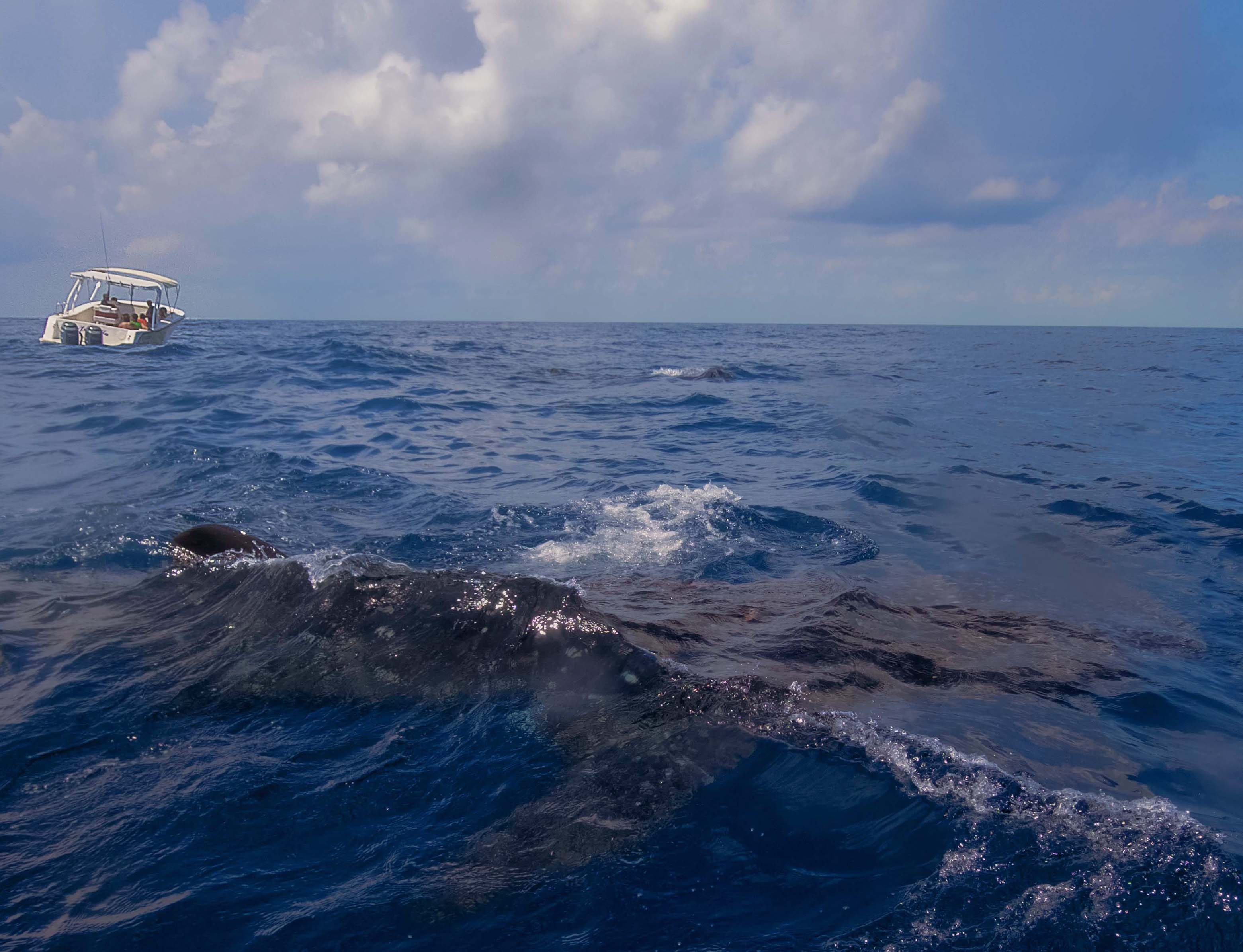
Mexico’s Sea of Cortez is one of the most frequently recommended places to swim with whale sharks. You’ll find a range of tour providers offering these experiences from Baja California and La Paz.
That said, there are plenty of other spots in Mexico where you can encounter these gentle creatures.
On the other side of the country, Isla Mujeres is a favorite near Cancun and in the Caribbean, as is nearby Isla Contoy National Park.
Some of the best times to see whale sharks off Mexico’s coasts include mid-summer (July–August) if you’re on the eastern side of the country. If you’re on the Sea of Cortez, the best time to see whale sharks depends on where exactly you are. Winter is prime time in the southern part of the sea, around La Paz, thanks to plankton blooms. Summer is better in the north.
Do note that scuba diving and freediving alongside whale sharks are not permitted in Mexico, and encounters are restricted to surface snorkeling to help protect the sharks.
The Maldives
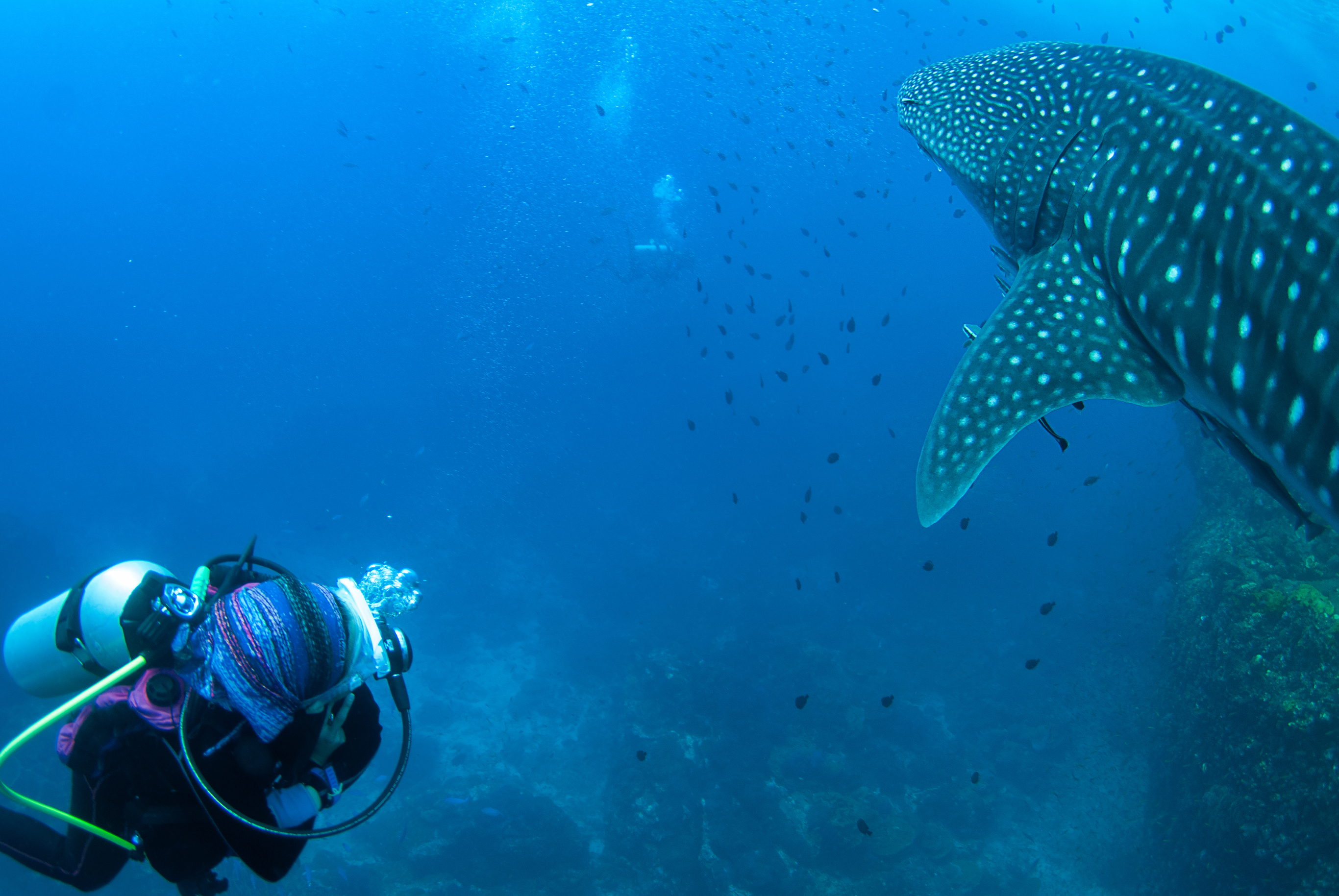
On the other side of the globe, the Maldives are a top-tier diving and snorkeling destination, no matter what kind of marine life you’re hoping to see. Whale sharks, though, are known to make appearances in these waters year-round.
One cool thing you can do while you’re there? Join Maldives Whale Shark Research for a data-collecting expedition. You’ll join the crew on a research vessel to take identification photos, measure sharks and more over the course of a multi-day trip. You do have to apply for the program, and there is a fee, but it includes accommodations, food, water and the research experience.
The Galapagos
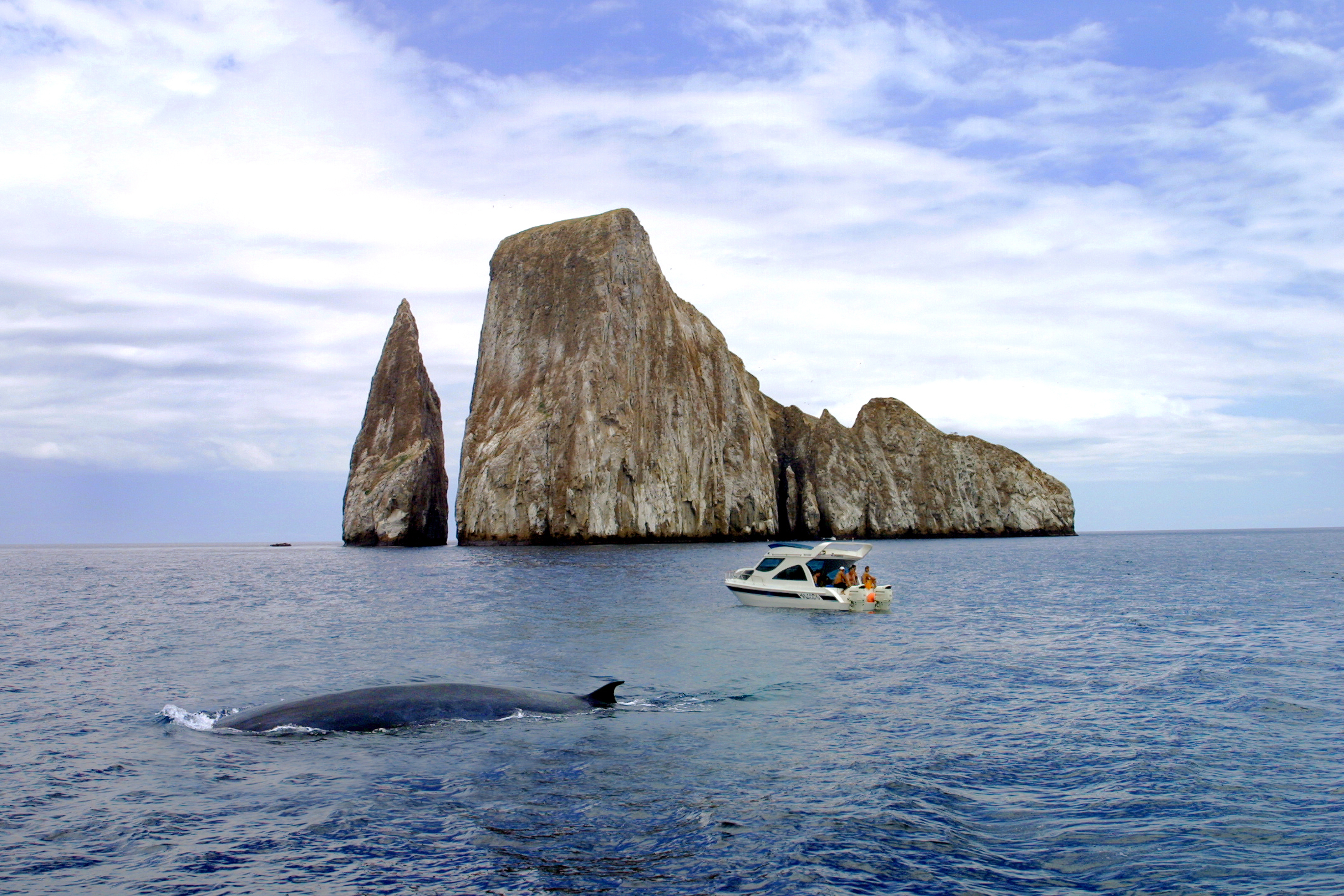
I feel like the Galapagos is just a given destination on any nature lover’s bucket list. There’s so much to see and explore, both above and beneath the waves.
Whale sharks are most prominent in the Galapagos during the summer and early fall.
Find an ethical diving operator by checking out the Galapagos Whale Shark Project’s partners. The organization has identified sustainable, responsible dive operators that “support ocean conservation and research,” so you can feel good about your choice. While you’re at it, consider adopting or naming a whale shark through the organization, too.
Honduras
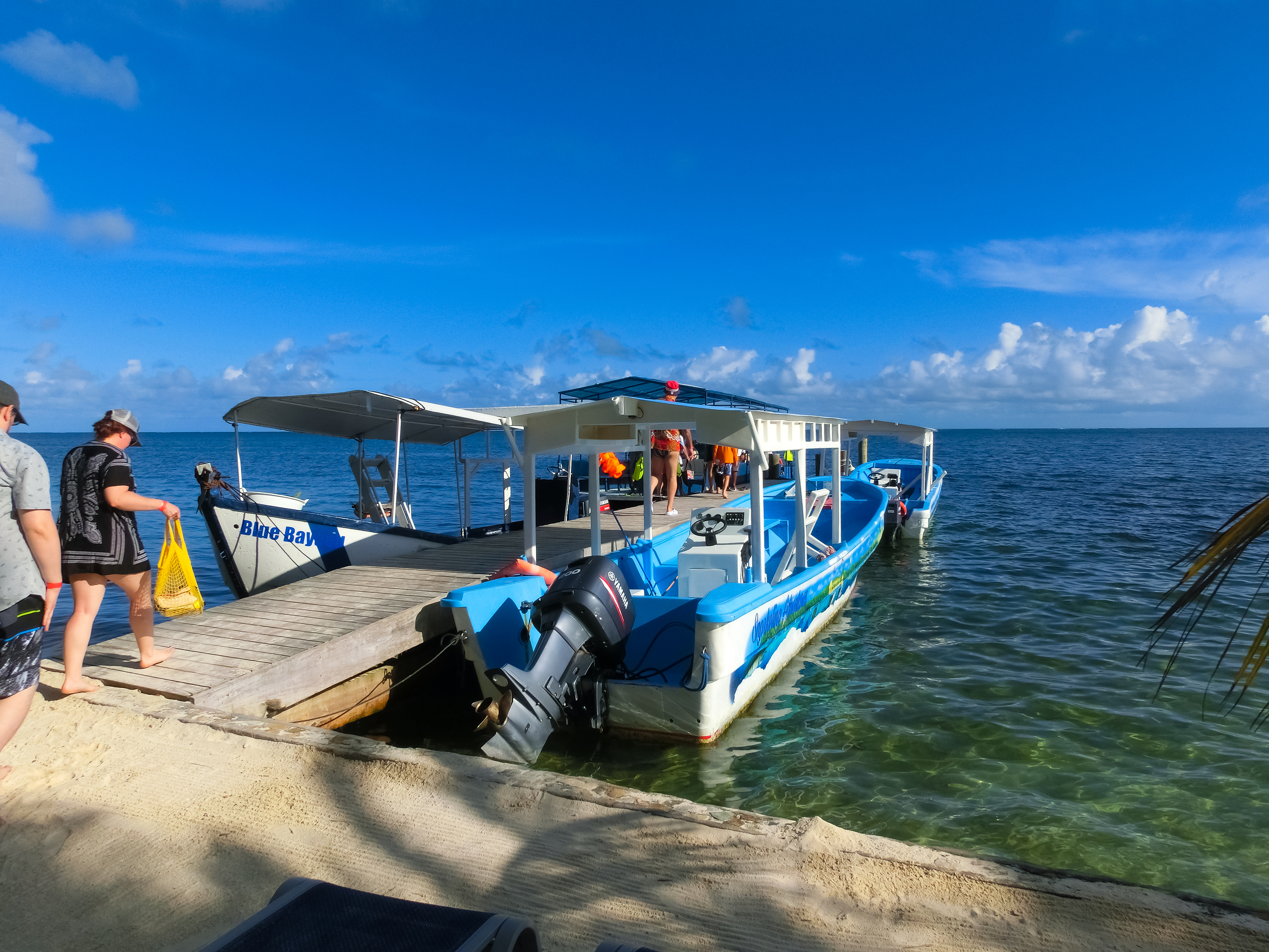
If you’ve already done the Mexico beach trip thing and you’re looking to explore a new beachy destination that offers whale shark encounters, consider Utila, Honduras. Not only will you have the chance to swim alongside the sharks, but you’ll also have other diving opportunities, thanks to the destination’s gorgeous coral reefs and abundant marine life.
Spring is the best time for a whale shark-focused trip.
Look for operators that follow the country’s recommended practices. This means no scuba diving, with encounters limited to snorkeling or freediving. It’s also illegal for operators to attract the sharks with bait.
While you’re in the Utila area, consider visiting the Whale Shark and Oceanic Research Center, which offers ocean safaris where you can potentially see whale sharks in a conservation-focused environment.
Tanzania
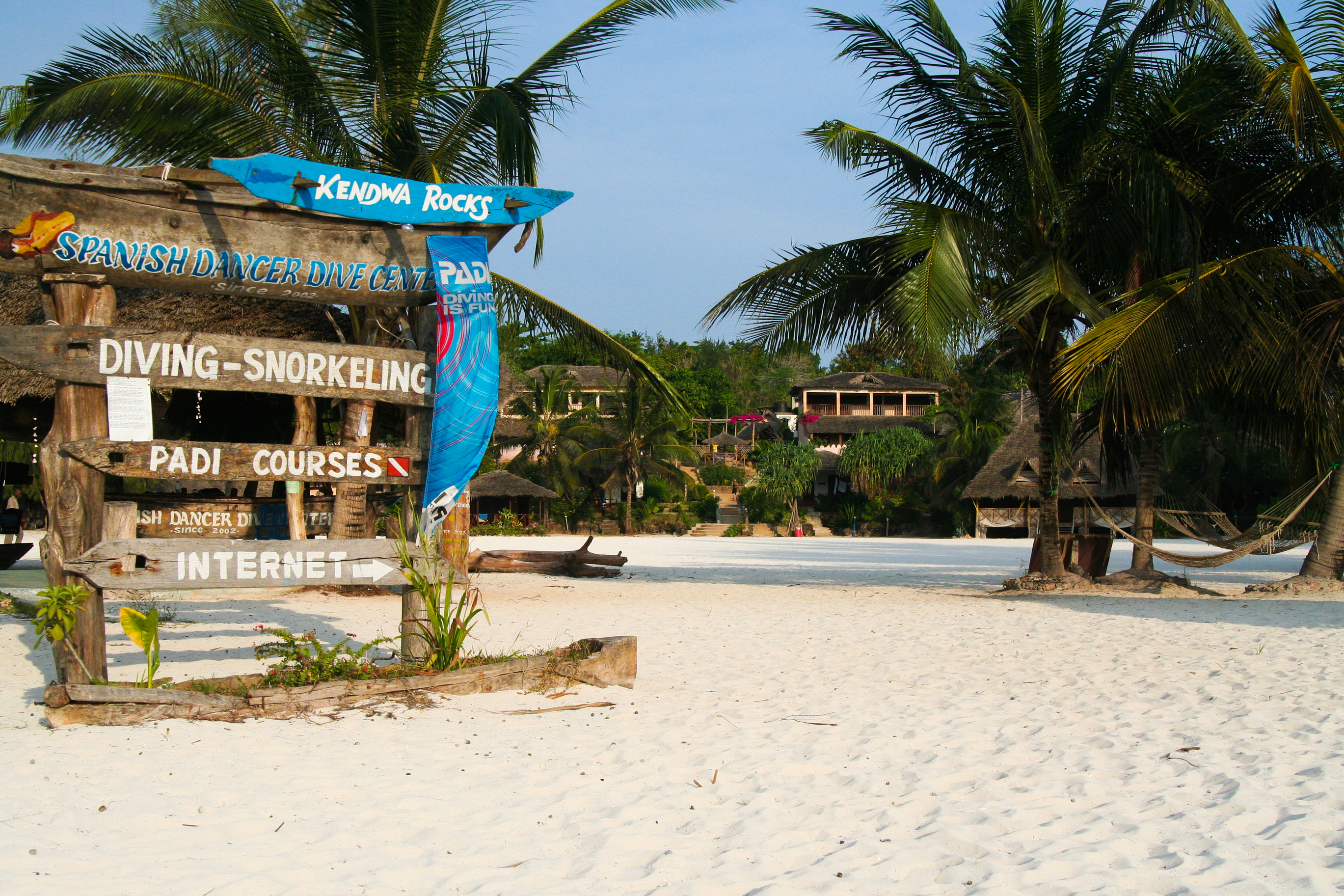
There’s one spot in Tanzania that’s basically known as the place to go for whale sharks: Mafia Island. Here, whale sharks live in East Africa’s largest marine reserve, and the population has thrived. Visit during the peak months, October to February, through a range of tour providers.
Authorized tours are accompanied by a marine park warden or ranger to ensure that everyone follows best practices and avoids harming the sharks. This generally means that touching or feeding the sharks is off-limits; swimmers have to stay a certain distance away; and only a certain number of people are allowed to swim or snorkel around the sharks at any given time.
The Philippines
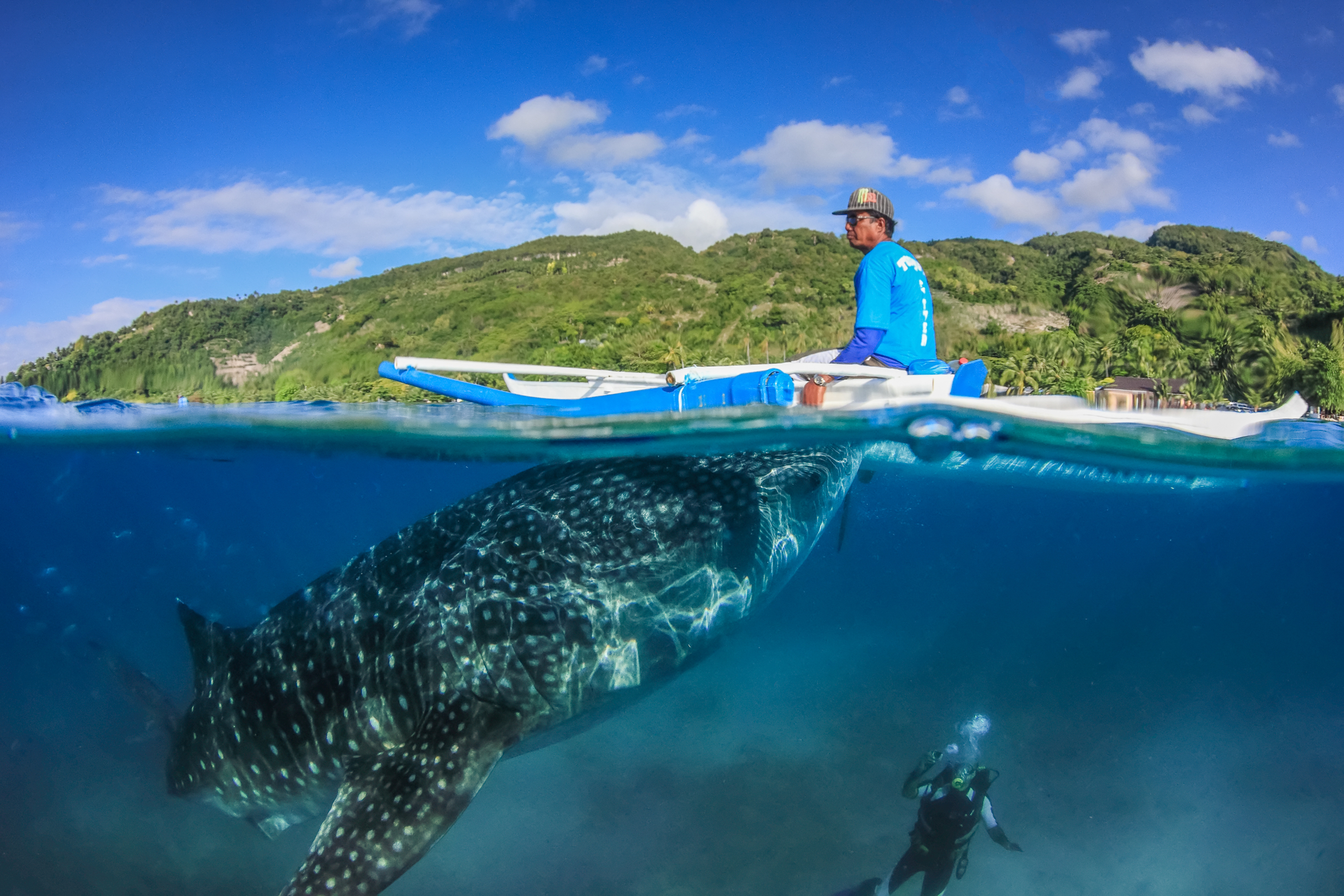
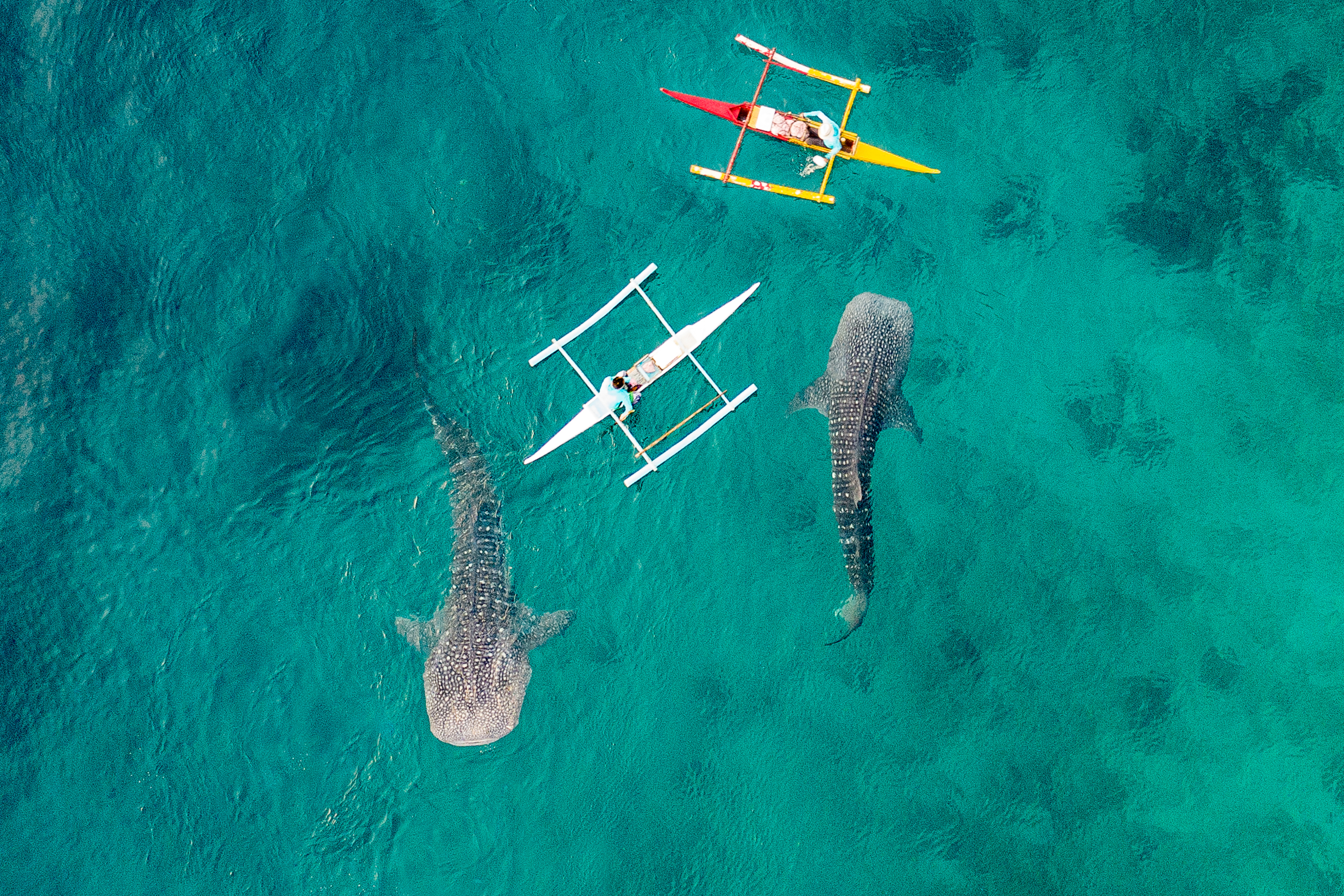
Snorkeling with whale sharks (and other local marine life) is a popular option when vacationing in the Philippines. Oslob is particularly popular if you’re dedicated to seeing whale sharks up close and personal.
There is a bit of an ethical dilemma here, though. It’s not illegal to feed whale sharks in this destination. That pretty much guarantees a sighting, but it also interferes with the sharks’ natural behavior.
Make your own judgment and proceed accordingly.
Ningaloo Reef, Australia
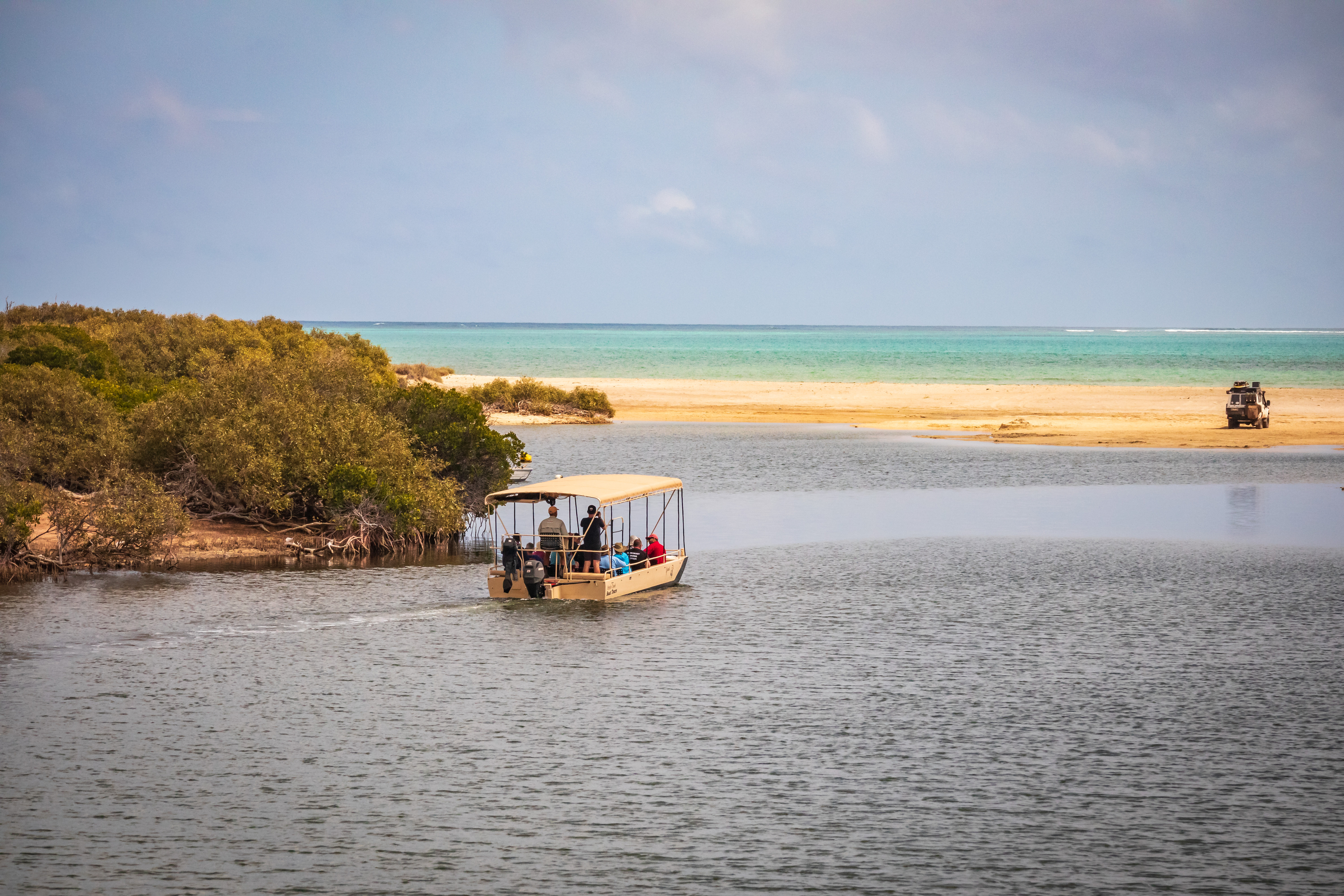
As mentioned, Australia has made strides in protecting its marine life, and one of the best places to witness those efforts in action is Ningaloo Reef. It’s widely recognized as one of the best spots in the world for combining marine wildlife conservation with tourism, and that approach extends to its whale shark population.
Hundreds of whale sharks visit the reef during the season, and you can enjoy full-day excursions to see not only these giants but also other protected marine life, such as humpback whales and manta rays, depending on the month.


