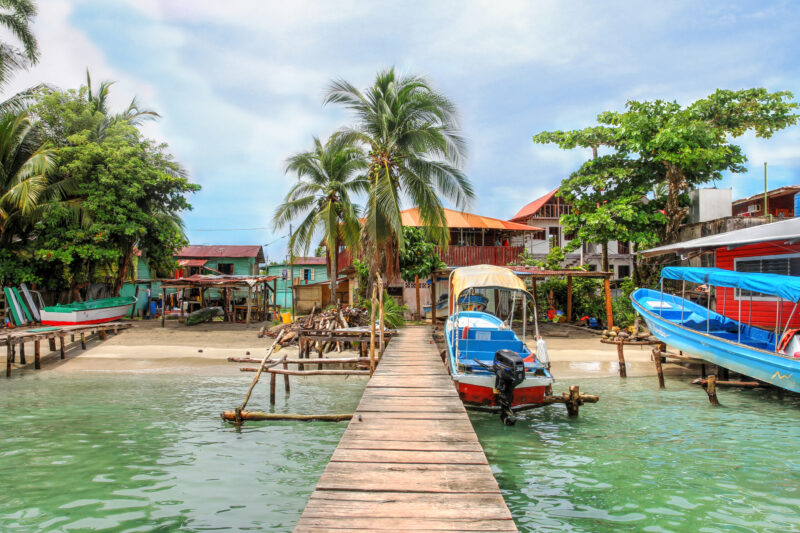


It may sound surprising, but Europe offers some of the world’s best breaks. These are places with consistent waves, chill surf camps, and a well-developed learning infrastructure. Portugal is often regarded as the unofficial capital of European surfing. The beaches, such as Nazaré (known for its gigantic swells) and Peniche, are where you find high waves and a great surfing community. Then, there are gorgeous stretches of the Canary Islands in Spain, the legendary French Atlantic coast beaches, and some underrated gems like Levanto in Italy. Low-cost flights make traveling from one surfing area to another easy and affordable, allowing you to try a variety of beaches. This article takes you on a whirlwind journey through the best surfing spots in Europe.
Praia do Norte, Nazaré, Portugal
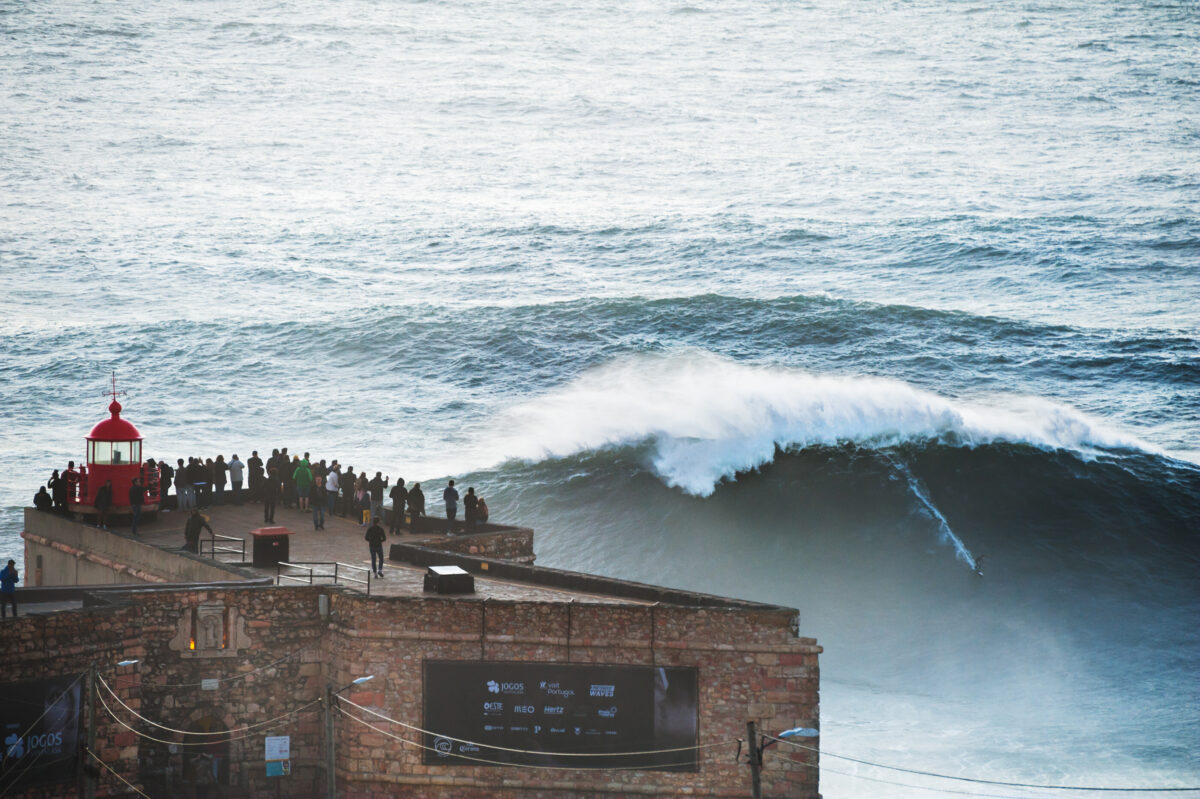
Best for experienced surfers
Nazaré enjoys an almost mythical place among surfers. It’s here, at Praia do Norte, that you can ride some of the planet’s highest and toughest waves. It’s here that the German surfer Sebastian Steudtner conquered the 93-foot giant in 2020, setting the Guinness World Record for the highest wave ever surfed. Megawaves come to Nazaré between October and March. Their enormous height is thanks to the vast underwater canyon that makes the ocean swell more powerful.
As the waves are gargantuan in Nazaré, tow-in surfing—a technique where a jet ski is used to “paddle” the surfer to the wave—is essentially the only way to reach the big ones. Practicing the sports at Praia do Norte is an incredibly challenging, often dangerous, but ultimately magnificent surfing experience. Even if you’re not riding, watching the surfers taking on big waves from the Nazaré Lighthouse is a must-do while in the Estremadura province of Portugal.
Côte des Basques, Biarritz, France
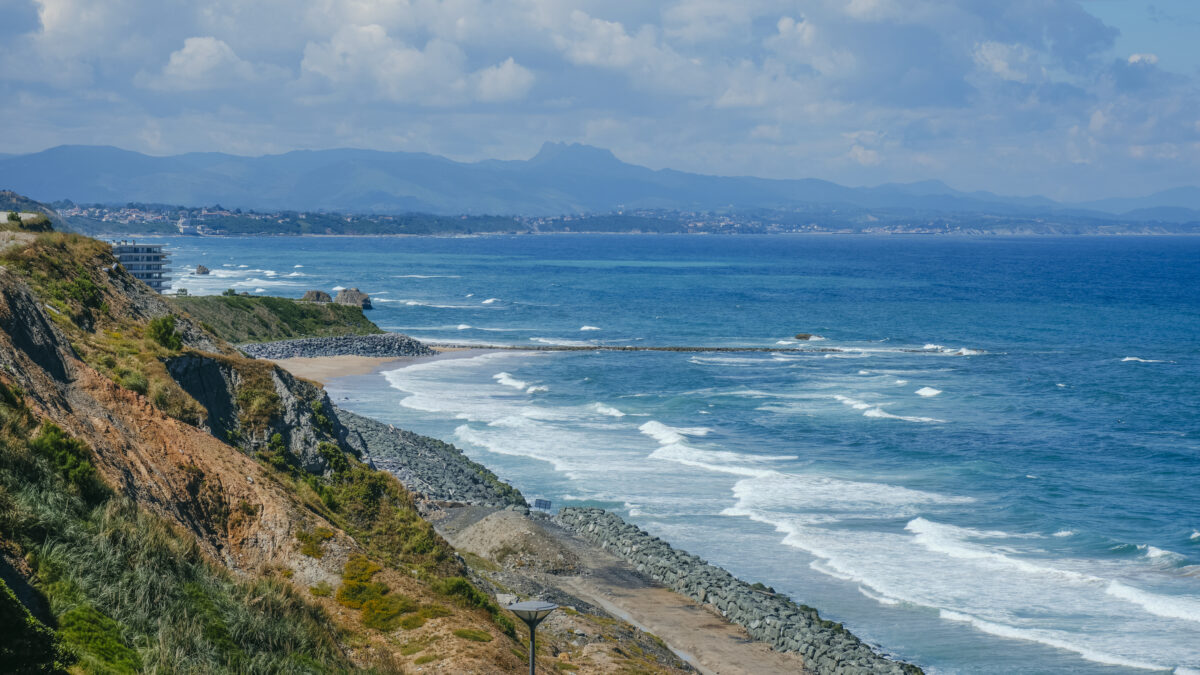
Best for year-round surfing
You can’t talk about the best surfing beaches in Europe without mentioning Biarritz. This resort town in the French Basque Country is believed to be the birthplace of European surfing. Dresden-born Californian Peter Viertel came to Biarritz with a film crew to shoot “The Sun Also Rises” and brought surfboards. The local Atlantic Ocean swells proved to be ideal for riding. That’s how the story of Biarritz (the French surfing capita) began.
Côte des Basques is your go-to beach for consistent waves. It’s also a beginner-friendly stretch with gentle rolling waves and numerous surfing schools nearby. The beach is especially popular with longboarders. Beginners should also check out La Grande Plage, a gorgeous central sandy stretch, backed by the elegant fin-de-siècle buildings. If you’re into bodyboarding, check out Miramar Beach.
Peniche, Portugal
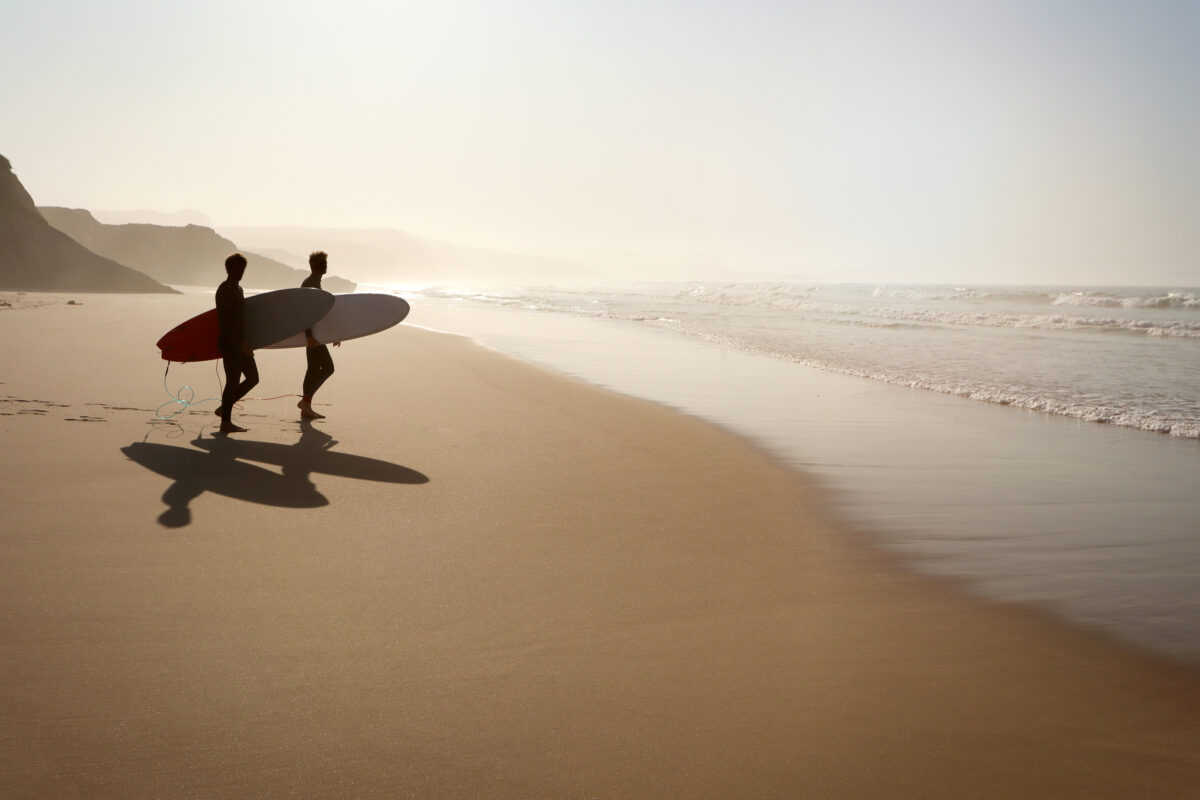
Best for barreling beach breaks
Peniche is Portugal’s ultimate surfing town. While Nazaré is reserved for the most experienced surfers, Peniche offers something to everyone. The pros will have a blast at Supertubos, Europe’s top destination for barreling beach breaks. The beach is an iconic spot with consistent “tubes” that look and feel amazing when you’re riding. Beginners can practice the sports at the mellower Prainha and Gigi. Set on the headland, the town is also an important Atlantic port with a strong local character and a vibrant historic center.
You will find many surfing schools, surfing-themed accommodations, bars, and nightlife spots. November to April is the best time to come for bigger waves and top-notch tubes at Supertubos. It’s also when the swells get crowded. For gentler breaks and beginner-friendly conditions, visit during the summer months. One downside of surfing at Peniche is the water temperature—it is guaranteed to be very cold.
Las Canteras Beach, Spain
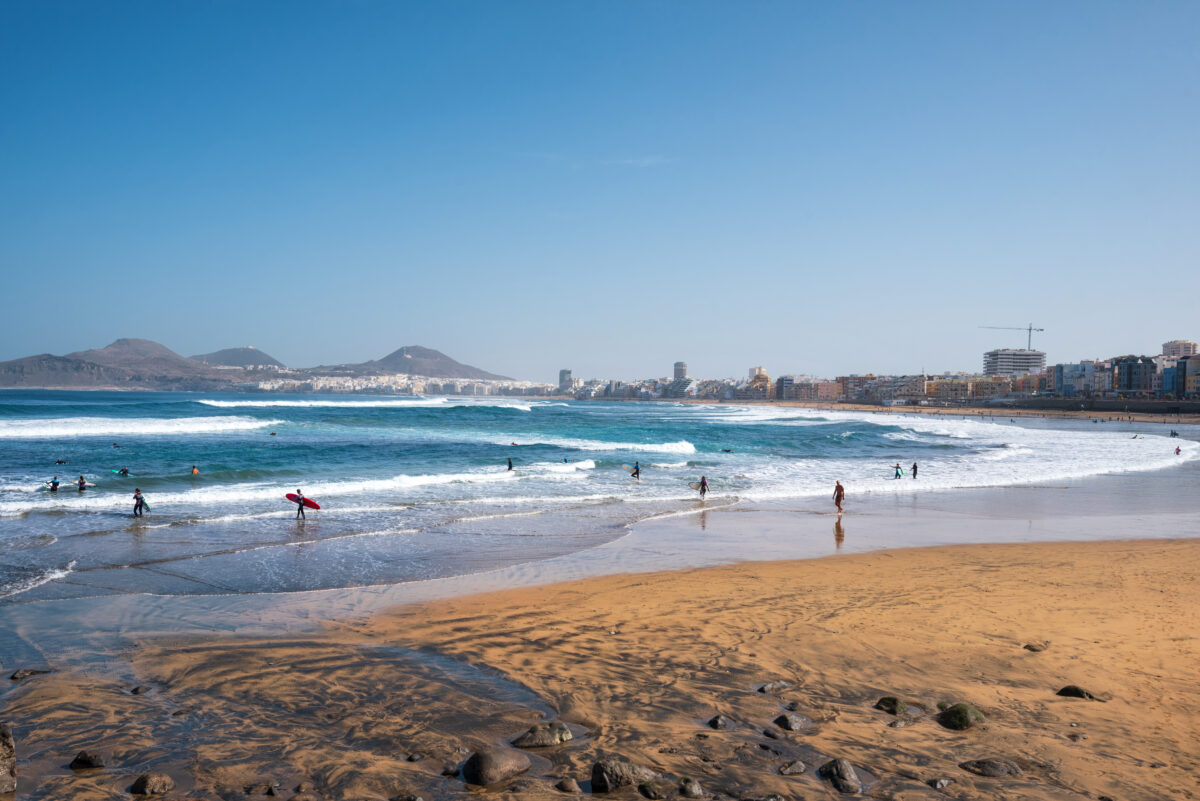
Best for urban surfing
It’s not that often that you find great reef breaks right next to the busy metropolis. Located in the capital of Gran Canaria, the city of Las Palmas de Gran Canaria, Las Canteras Beach is among the best urban surfing spots in Europe. It stretches for over 2 miles, offering the fine golden sand and spectacular views of both the city promenade and the barren volcanic landscapes of Gran Canaria. La Cícer, at the south end of Las Canteras, is the premier spot for mellow waves. This makes it suitable for beginner surfers.
There are numerous surfing schools for learning. Running parallel to the main beach is La Barra, a unique natural barrier formed by the reef. That’s where experienced surfers should go for riding tubes. Las Canteras’ position right in the center of Las Palmas de Gran Canaria makes it easy to enjoy the amazing food scene and nightlife of the Canaries’ largest city. Hang out in the beach bar along the promenade, explore the UNESCO-protected La Vegueta historic neighborhood, and sample seafood at the traditional Canarian restaurants.
Playa de la Zurriola, San Sebastián, Spain
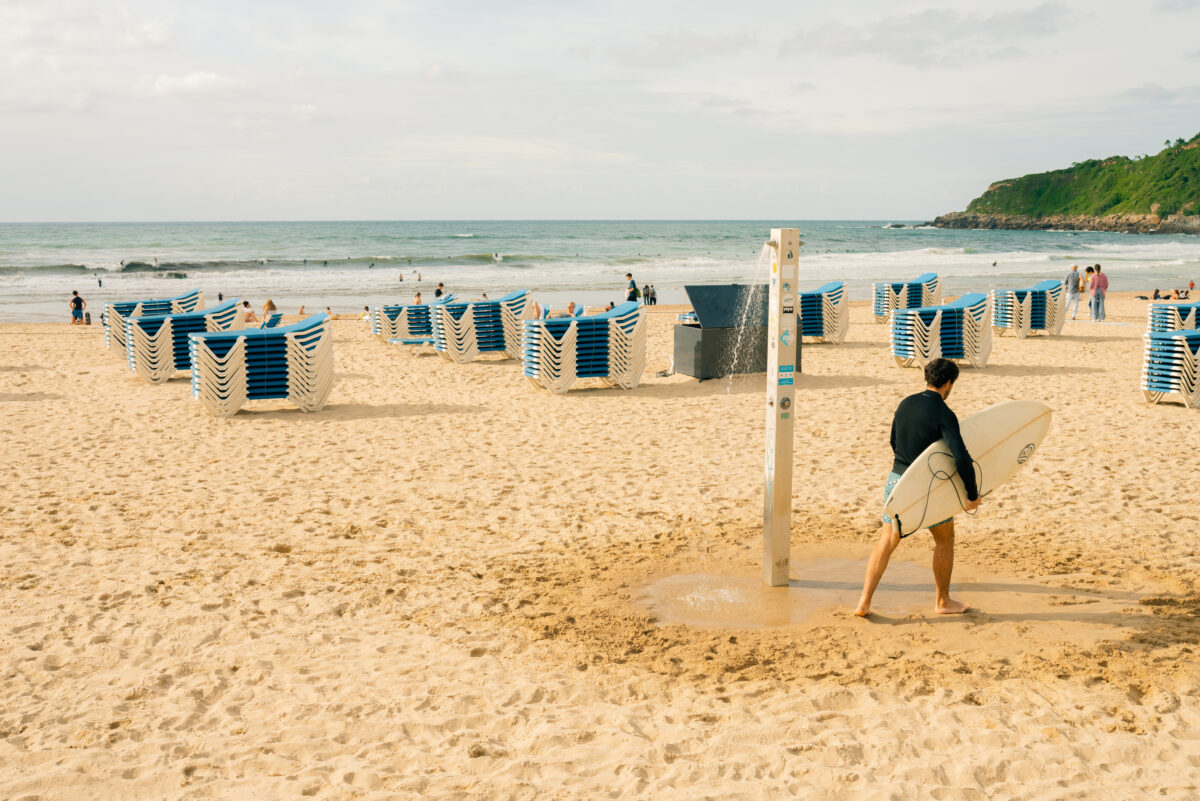
Best for intermediate surfers
You won’t find gigantic waves in San Sebastián, but it’s not completely flat either. This gorgeous town in Spain’s Basque Country offers a sweet spot for beginners and intermediates. Playa de la Zurriola is a striking white-sand beach with superb mid-breaks, perfect for starting out or just laid-back practicing. You will also find many surfing camps here with everything needed for quality riding. And don’t forget that San Sebastián is a fantastic food destination.
The city is considered Spain’s foodie capital, with a vibrant pintxo (traditional Basque skewered bites) culture, an abundance of seafood, and buzzy fresh markets. So here, you’ll enjoy superb surfing during the day and thrilling culinary explorations afterward. Then, there’s a variety of surfing spots beyond Zurriola, such as Ondarreta point break and the emerging surfing town of Zarautz.
Levanto, Italy
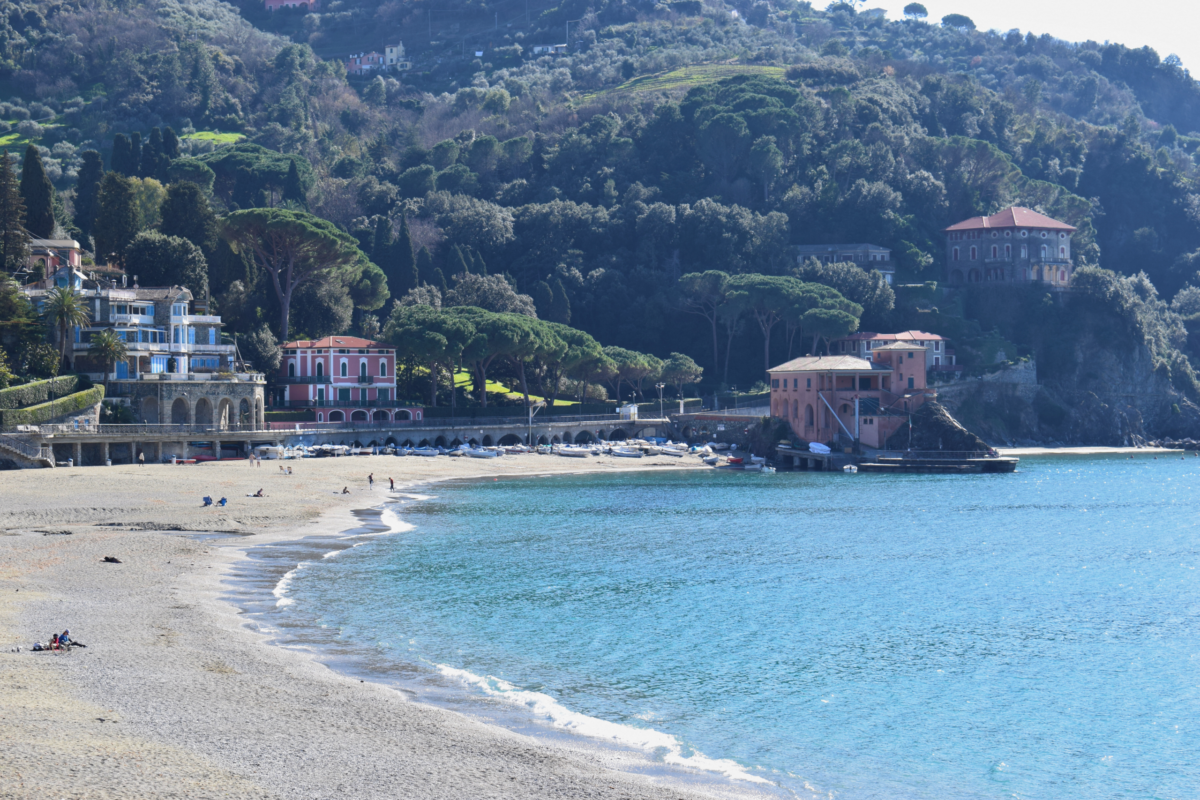
Best for budget-friendly beginner surfing
Italy as a surfing destination? Absolutely. A confluence of three strong winds makes Levanto’s waves rideable. Don’t come expecting Hawaii—compared to Portuguese or French Atlantic bays, the local swells are still modest. But if you’re around for Cinque Terre—the UNESCO-protected national park of five postcard-perfect perched villages—why not make a surf stop at Levanto? Winter is when you’re getting the best conditions.
Nadia break, at the northern section of the beach, is for consistent mid-sized swells. Levanto is a great beach for beginner surfers who happen to visit Liguria. Winter is also a time when you have the lowest accommodation prices, and the beautiful Cinque Terre is practically without crowds. Add mouthwatering Ligurian cuisine, known for dishes like focaccia (a flat oven-baked bread soaked in olive oil), pesto alla Genovese, and farinata (a chickpea flour pancake), and you’re getting a superb underdog surfing destination in Europe.
Corralejo, Fuerteventura, Spain
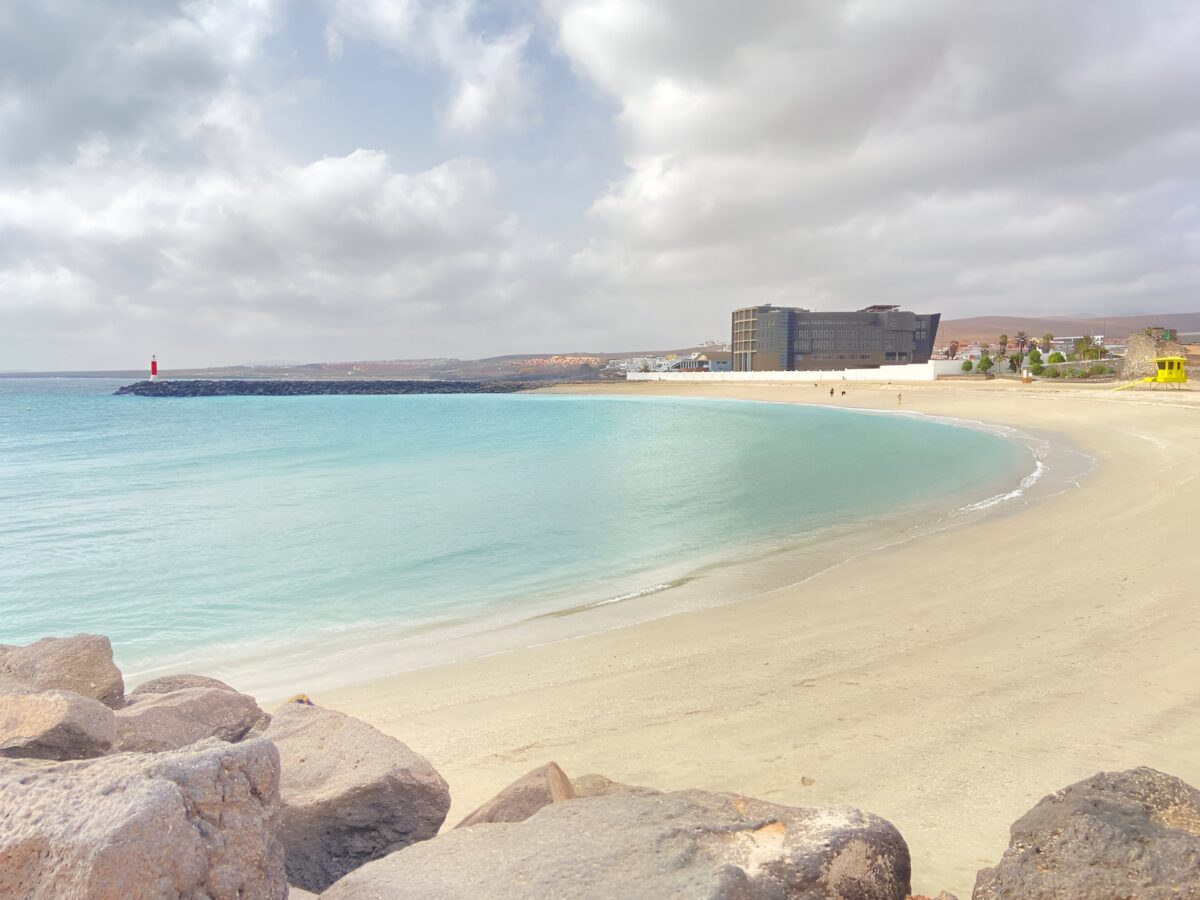
Best for a surf break variety and white sand beaches
Fuerteventura may be just an hour away by plane from mainland Spain, but it feels like a whole different planet altogether. Corralejo is the gem of the island’s northeast coast, greeting you with vast dunes, turquoise ocean, and some of the best breaks on the Canaries. The beach here spans for miles. Punta Elena is the town’s most popular reef break, offering powerful swells.
For beach breaks, head south to the wilder Playa Los Matos, Flag Beach, and Playa del Moro. Sail to Lobos Island to experience the challenging point breaks. There’s a surfing beach for everyone in Corralejo. That’s why the town is so popular with surfing camps. You will also find many schools here. And the stretch is absolutely gorgeous too—the white of the sand juxtaposed with the blue of the water and the black of the mountains.
Hossegor, France
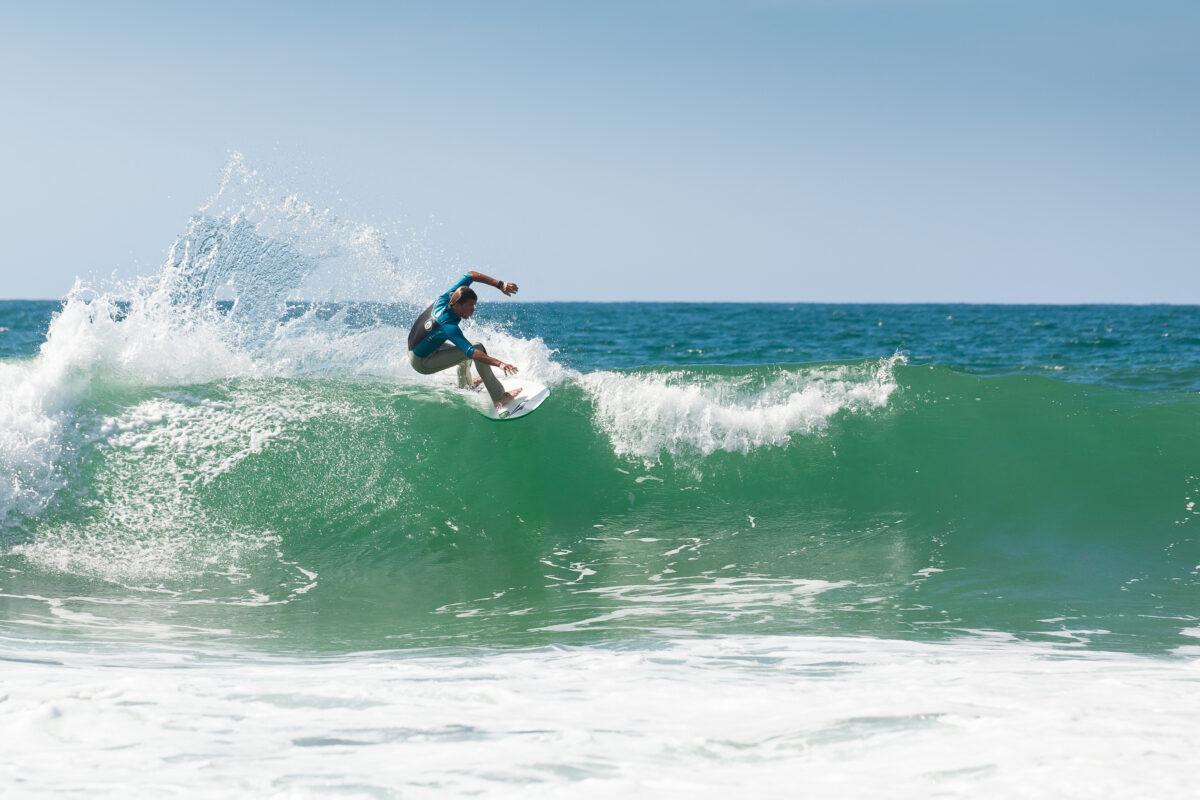
Best beach break in Europe
Home to the Quicksilver Pro competition, Hossegor is one of the brightest stars on the French surfing map. Similar to Nazaré in Portugal, the underwater canyon ensures that the waves here are huge and powerful, to the delight of the pros. Experienced surfers should visit La Gravière break for its gorgeous tubes. La Nord offers even higher swells—expect 2-3 meters during winter. For something more suited toward beginner and intermediate surfers, head to La Sud.
Autumn is the best time to visit Hossegor for the consistent waves and comfortable ocean temperature. Come during winter for the biggest waves. The “surfable” beach in Hossegor stretches for over 4 miles of shorebreaks that hit the vast dunes. In summer, the sands become crowded with French vacationers, and the waves are mostly flat.
Cascais, Portugal
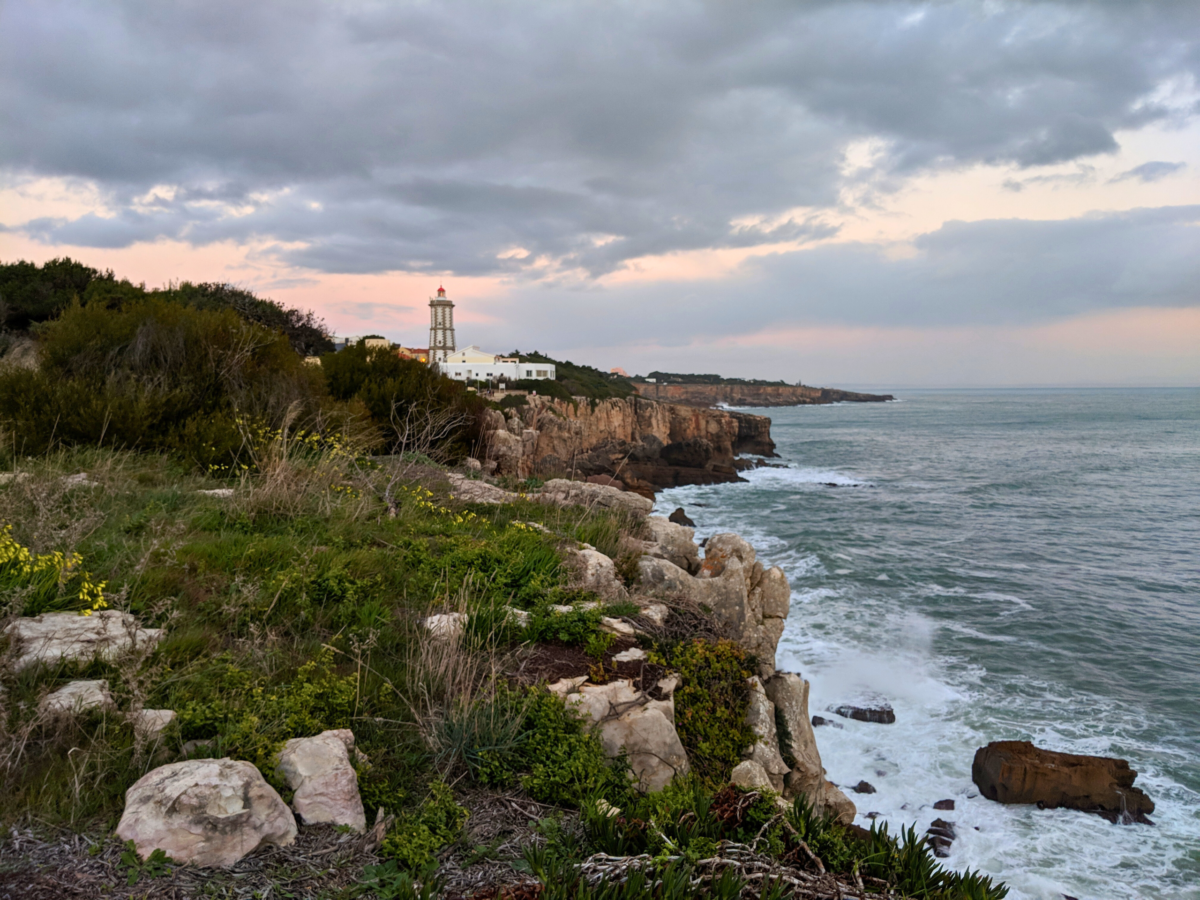
Best for the culture and diverse surfing conditions
Several things make Cascais one of Europe’s top surfing areas. Firstly, it’s just 40 minutes away from Lisbon by train, so getting there and exploring some of Portugal’s most spectacular beaches is a breeze. Then you have a wide variety of stretches to choose from close to one another. Cascais offers a picturesque Old Town and access to two coasts at once: the elegant Estoril coast, aka Lisbon’s oceanside gateway, and the sweeping Atlantic coast with dramatic beaches backed by mighty cliffs.
For surfers, it means hassle-free cruising between various breaks and lots of fun riding. São Pedro do Estoril is a popular beach break outside Cascais, perfect for intermediate and advanced surfers. South-southwest-facing Carcavelos is great for beginners during the warmer months and a blast for the pros when the gorgeous tubes form in winter. Stunning Praia do Guincho is a year-round surfing destination, offering consistent waves.
Playa de las Américas, Tenerife, Spain

Best for accessible all-level surfing
For many Europeans, Tenerife is the place where they first rode a wave. This Canary Island is a popular year-round destination for sun, comfy “eternal spring” weather, and all kinds of surfing. Located on the island’s south, Playa de las Américas is where you find the most developed surfing infrastructure, combined with pretty consistent waves.
The proximity to Tenerife South Airport and low-cost connections to both mainland Spain and major European capitals make this beach one of the most accessible surfing spots in Europe. It’s that town, where you won’t have a problem choosing the school and hunting for equipment—surfing is the lifestyle here, and every aspect of this sport is thought through for tourists’ enjoyment. Summer works best for beginners, with gentler swells along the coast, while winter brings the highest waves that will provide enough thrill to the pros.