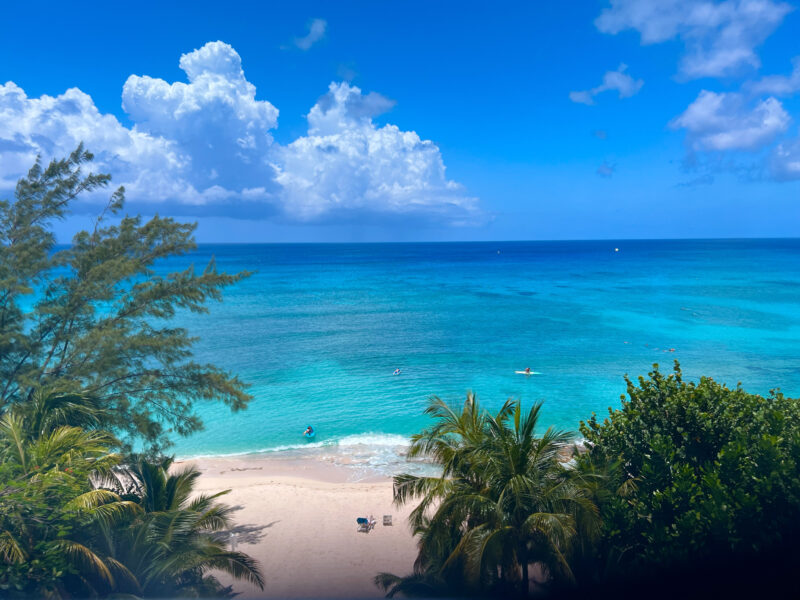


If you’ve ever wanted to visit Rio de Janeiro but worried about crowds, timing is everything. Shoulder season offers warm weather, fewer tourists, and a noticeably calmer pace—perfect for first-time visitors and return travelers alike. This five-day itinerary focuses on experiencing Rio like a local, from the perspective of someone who’s called the Marvelous City home for over five years.

Things to Know Before Visiting Rio de Janeiro
First, let’s talk about the seasons. Brazil’s seasons are opposite those of the U.S. So during the American summer, we’re in winter.
That being said, Rio’s shoulder season generally falls from April to June (autumn) and September to November (spring). You’ll still get warm days and plenty of sunshine, but with calmer beaches as summer crowds thin out. Winter (June to September) is also a great time to visit, though you may run into some gray, rainy days and noticeably cooler weather, though nothing compared to winters in the States.
These are also much more affordable times to visit Rio. Although the U.S. dollar is roughly five times the Brazilian real, Rio remains one of Brazil’s most expensive cities. Even with favorable conversion rates, hotel stays and dining can be quite expensive during peak times like Carnival and New Year’s.
As for accommodation, you’ll want to stay in the city’s Zona Sul, which includes neighborhoods like Copacabana, Ipanema, Leblon, Botafogo, Flamengo, and Glória. These are all generally safe places to base yourself. Stick to the first three if you want to be within walking distance of the beach. Copacabana offers the most affordable stays of the bunch, while venturing slightly off the main tourist strips can also help you save.
Getting around is straightforward. Uber is reliable and affordable, and the metro serves all of these neighborhoods well.
While this itinerary will cover a few highlights, the best part of visiting Rio is experiencing it like a local. That’s exactly what this guide aims to do: offer a wholesome, authentic introduction to the city, the way a local might approach it.

5-Day Rio Itinerary for Shoulder Season
Day 1 – Experience the beach as a local
One of the best things about shoulder season in Rio is having the space to choose a spot on the beach and slowly make it your own. By the third day, you’ll be calling your favorite beach chair and umbrella attendant by their first name (and maybe even scoring a discount on your coconut).
So drop your bags, change into your swimsuit, and head straight to the beach.
My friends and I usually stay near Posto 10, at the far end of Ipanema, which tends to be calmer than other parts of the beach. It’s also where you’ll find some of the most beautiful people in the city. Rent a beach umbrella, settle in, and spend the afternoon ordering snacks and drinks from the roaming beach vendors, just as cariocas do.
Must-try beach foods:
- Biscoito Globo, the iconic airy cassava snack, best paired with mate gelado, a sweetened iced tea
- A fresh coconut, cracked open on the spot
- Grilled cheese (queijo coalho) on a stick, drizzled with sweet molasses
- Middle Eastern savory pastries called esfihas
- The legendary meat sandwich from Barraca do Uruguai (beach shack number 80 at Posto 9)
In the late afternoon, walk along the shoreline toward Arpoador for sunset, when surfers catch their last waves, and the crowd applauds the sun as it dips behind the horizon. If you’re interested in a surf lesson, stop by one of the many school tents set up on the beach for information.
For dinner, keep it early and close to home. Look for a laidback restaurant-bar with outdoor seating, where tables are filled with platters of sizzling meat and green-hued broccoli rice, the iconic post-beach carioca meal. Itahy, Garota de Ipanema, and Pura Brasa are a few excellent options.

Day 2 – Sunrise, surf, and sun
Wake up early and head to Pedra do Arpoador for sunrise. Arpoador faces east, allowing you to catch the sun rising over the ocean. Afterward, head down to the beach for your first surf lesson (booked the day before), or go for a run along the boardwalk. There’s a dedicated lane for runners: you can run toward the Dois Irmãos peaks or head the other way toward Copacabana, continuing all the way to Leme. Both routes are beautiful.
If you’re not feeling up for that much activity, simply walk the beach or lie out and watch the city wake up.
Head back to the hotel to freshen up, if needed, then grab an Uber to Joatinga Beach. This beautiful cove is hidden between cliffs inside a private neighborhood, which makes access a bit harder—and keeps it far less crowded. To enter, just say you’re heading to the beach; it’s open to the public. Be sure to check the tide tables, as there are times when the tide is too high to see the sand. Either way, it’s a stunning beach that even some locals aren’t familiar with.
Since you’re already on this side of town, head to Ilha da Gigóia for a late lunch. Nicknamed the “Venice of Rio,” this small, car-free island is made up of leafy inlets and canals, accessible only by a short boat ride. Ocyá is an excellent option for a long seafood meal by the water.
Day 3 – Forest trails and waterfalls
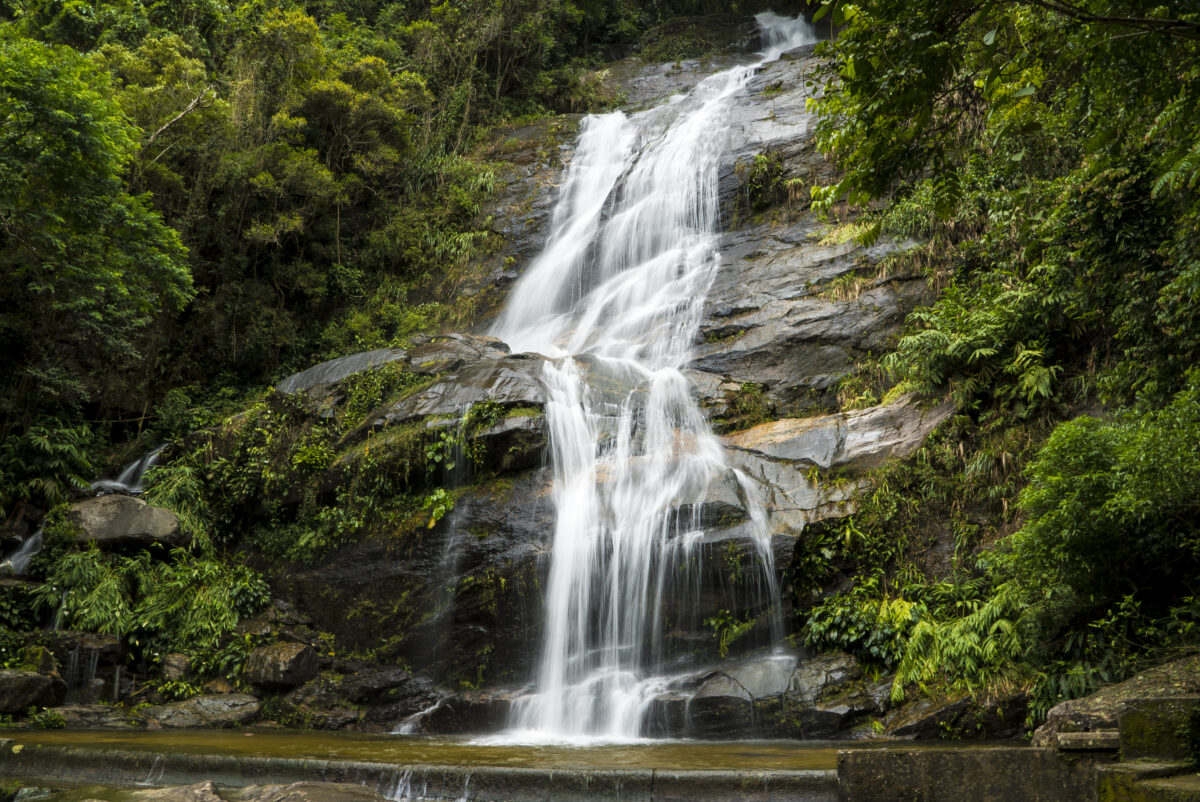
The third day of this itinerary is dedicated to Tijuca National Park, the world’s largest urban rainforest, located smack in the middle of the city. Start by taking an Uber to Vista Chinesa, a beautiful lookout over the city. Note that it’s only open to cars during the week. On weekends, the road is closed to motor vehicles and reserved for pedestrians, runners, and cyclists.
Shoulder season means fewer tour groups and cooler hiking temperatures, making it ideal for exploring the park without rushing. A great place to start is Cascatinha Taunay, the largest waterfall and one of the easiest to access. It’s located just a short walk from the entrance in Alto da Boa Vista, the leafy neighborhood that sits inside Tijuca National Park.
Put “Praça Afonso Viseu” in the Uber app, and once there, you’ll find a visitor center and several easy trails. If you’re up for a longer walk, continue to Cachoeira das Almas, about three kilometers from the main entrance. A few important tips while you’re here: bring water, snacks, and insect repellent; wear shoes with a good grip that can get wet; and leave no trace.
Later, head down toward the Jardim Botânico/Orto area for lunch. Jojo Cafe Bistro is a cozy, neighborhood favorite for a proper sit-down meal, while Absurda is perfect if you’re in the mood for a strong coffee and something sweet. At night, enjoy square pizza by the slice and a vinyl-spinning DJ at Fatchia, or bar-hop in the cool Botafogo neighborhood.

Day 4 – Touristing around Centro, Santa Teresa, and Sugarloaf Mountain
Spend your morning in Centro, visiting the Escadaria Selarón and the iconic Confeitaria Colombo. Then, take the picturesque yellow tram up to Santa Teresa, a cobblestoned, bohemian neighborhood traditionally home to art ateliers and long-standing bars. Without the high-season crowds, it feels more like a village than a tourist stop. Linger over caipirinhas at lunch at the iconic Bar do Mineiro.
For sunset, it’s finally time to take the cable car up Sugarloaf Mountain, one of those super-touristy spots that’s absolutely worth it for the view. Sunset from the top is striking, with a colorful wash of light over the city and a full 360-degree view of the ocean, mountains, forest, and skyline.
Afterward, head to the Copacabana Beach boardwalk and follow the music—there’s almost always a roda de samba happening somewhere along the way.
Day 5 – Hike up Dois Irmãos and say goodbye to your favorite beach
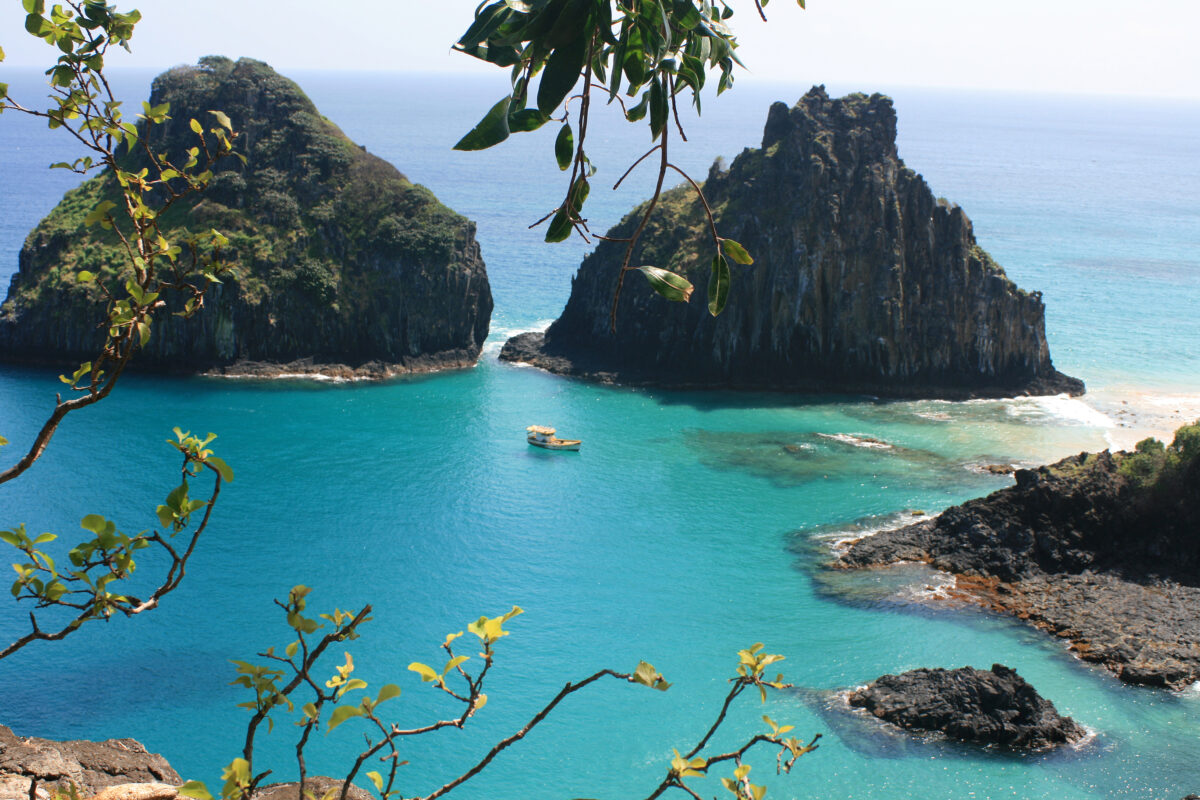
Start your day with the Dois Irmãos hike, one of Rio’s most rewarding trails. The hike begins in Vidigal, a favela perched between the forest and the sea. You’ll enter the community by moto-taxi or on foot, passing everyday scenes of local life before the trailhead gives way to the forest. The hike is moderately challenging but short, and the payoff at the top is sweeping views over Ipanema, Leblon, and the coastline below.
On your way back down, stop at AmeViva, a local social project and Brazilian jiu-jitsu and yoga studio. Visitors are welcome to take classes, learn about the organization’s work with children in Rio’s favelas, and donate as a way to give back to the communities that make this city what it is.
Spend the rest of the afternoon on your favorite beach, returning to the spot that felt most like yours this week. Swim, sit, people-watch, and say goodbye slowly. There’s no better way to end your time in Rio than with sand on your feet and the feeling that you truly got to know the city.