
You know that if you travel to certain European beach destinations that you’re going to be met with crowds. Ibiza, Nice, Dubrovnik, Santorini… and even if the travelers there aren’t necessarily all that interested in the beach itself, they still pack the streets and make it more difficult for you to get around, while also often driving up the costs of accommodations and flights.
So where should you travel in Europe if you’re craving a beach getaway, but you want to get off the beaten path and away from the tourist hordes? Here are some options to consider.
Durres, Albania
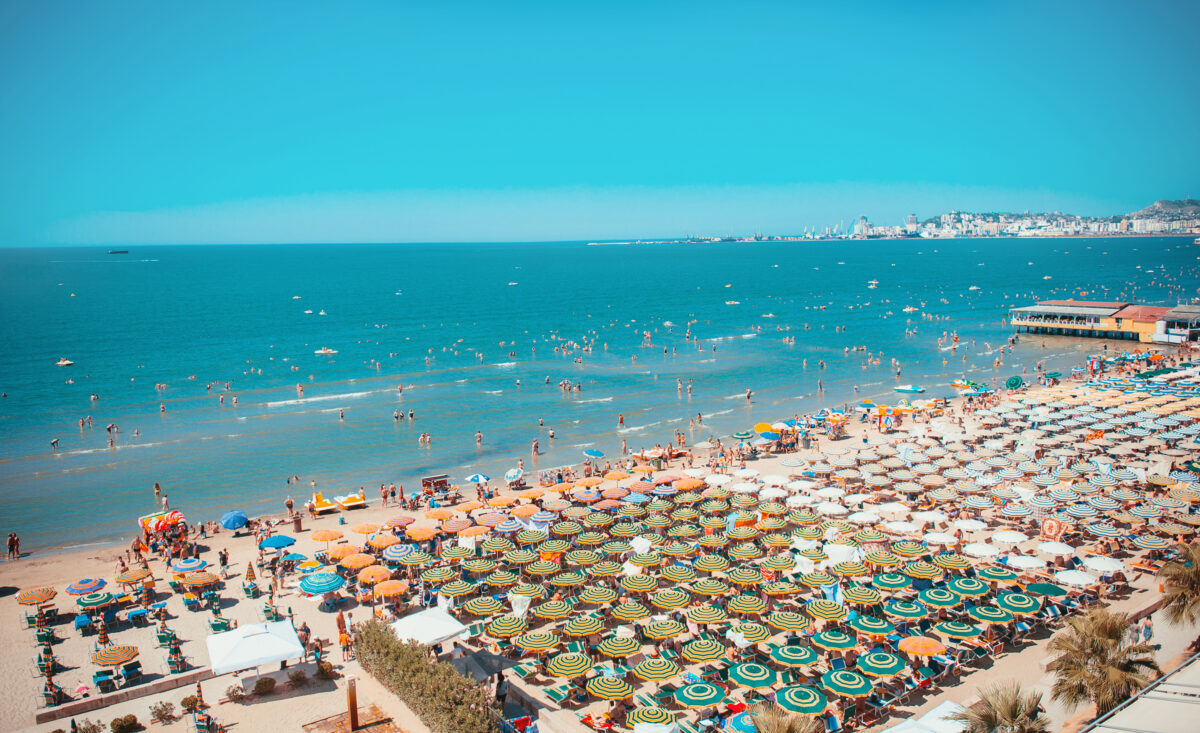
Durres, Albania, sits on the Adriatic Sea and, while it is technically a resort town, this is not a destination that you’re going to hear about just anyone visiting. If you ask someone who doesn’t travel all that much (and maybe even a few people who do) where Durres is, they might struggle to point it out on the map.
However, if you head here, you’ll be well rewarded with a plethora of things to do, from exploring historic sites to, yes, hanging out on the beach. Be sure to check out the Durres Amphitheater, a Roman structure which dates to the second century and is the second-largest amphitheater in the Balkans; explore the medieval city walls, built by the Byzantines; and hang out on the main city beach.
Budva, Montenegro
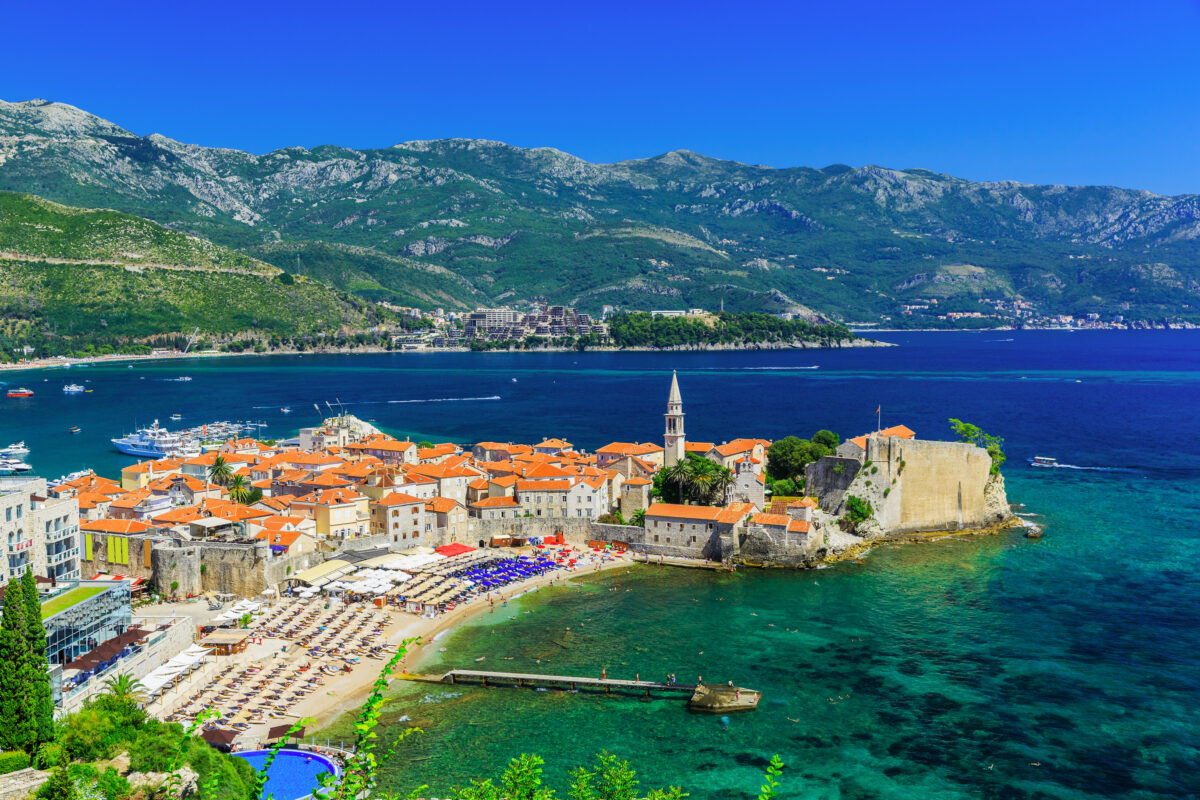
The coastal town of Budva, Montenegro, is similarly a resort town that not everyone in your friend group has traveled to or even heard of.
You can easily spend your entire trip just in Budva, or you can turn your trip into a broader coastal exploration of what’s known as the Budva Riviera. Regardless of what you choose, while you’re in the city, split your time between exploring the Old Town and hitting up the beaches. Popular picks include the Slovenian beach, the beaches on St Nicholas Island, and Mogren Beach.
Porquerolles, France
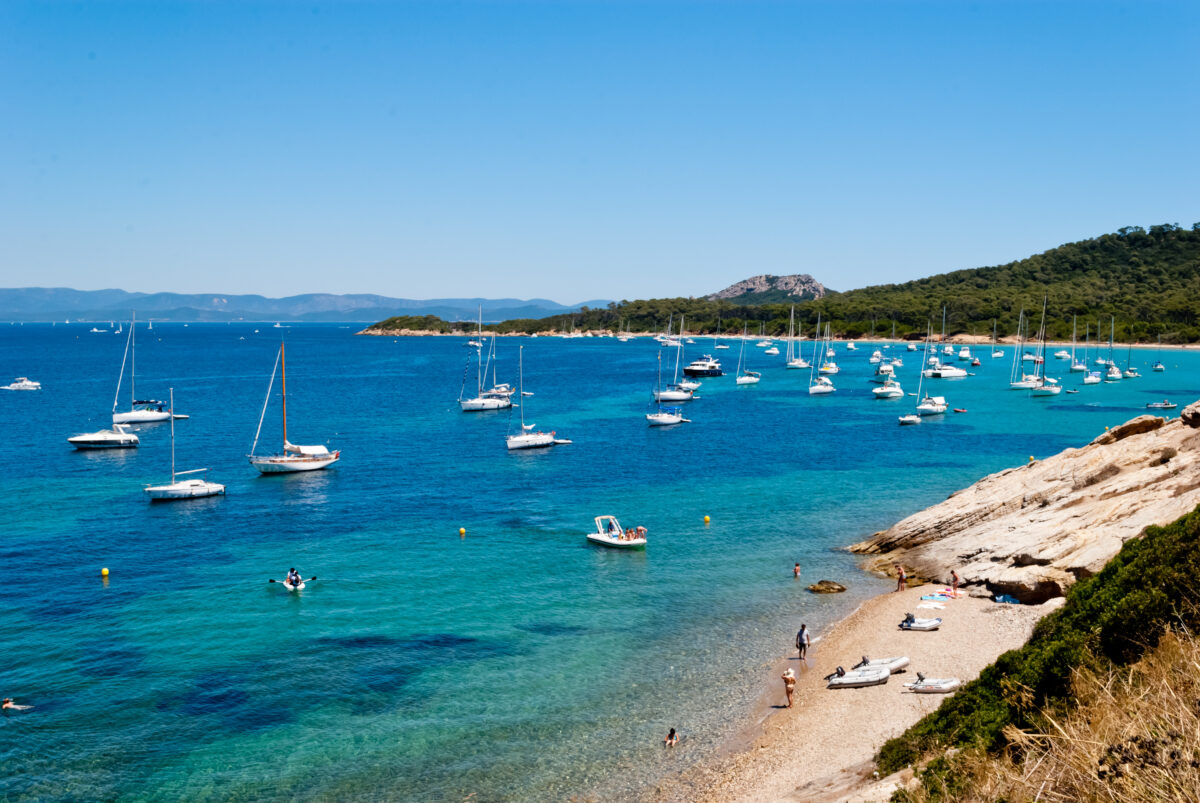
Porquerolles has been called the Nantucket of France. This island on the French Riviera offers a quick escape less than a half hour’s ride from the Cote d’Azur. It’s small—just over 3,000 square acres—and, like so many of the world’s great islands, is completely free from private cars. You’ll have to get around on a bike or by foot, but the island’s compactness makes that easy.
From the beaches to the accommodation options to the cafes and restaurants, everything about this island can be summed up as “laid-back charm.”
Lopud, Croatia
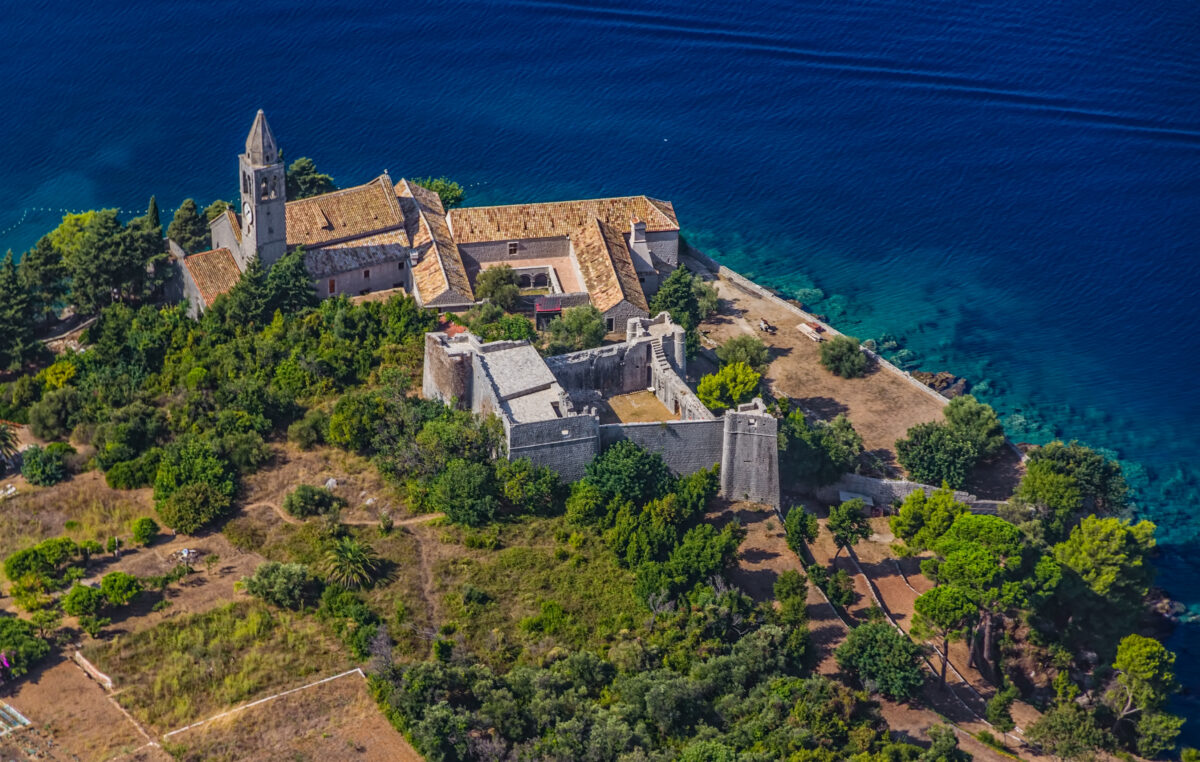
When you’re not relaxing on the beach lining Sunj Bay, you can explore the village and its historic architecture (check out the Franciscan Monastery in particular), or get in your steps on a hiking trail. You’ll be treated to picturesque views as you traverse the olive groves.
Getting to Lopud isn’t difficult at all. You’ll just take a ferry or water taxi from Dubrovnik, a process that takes under an hour.
Pembrokeshire, Wales
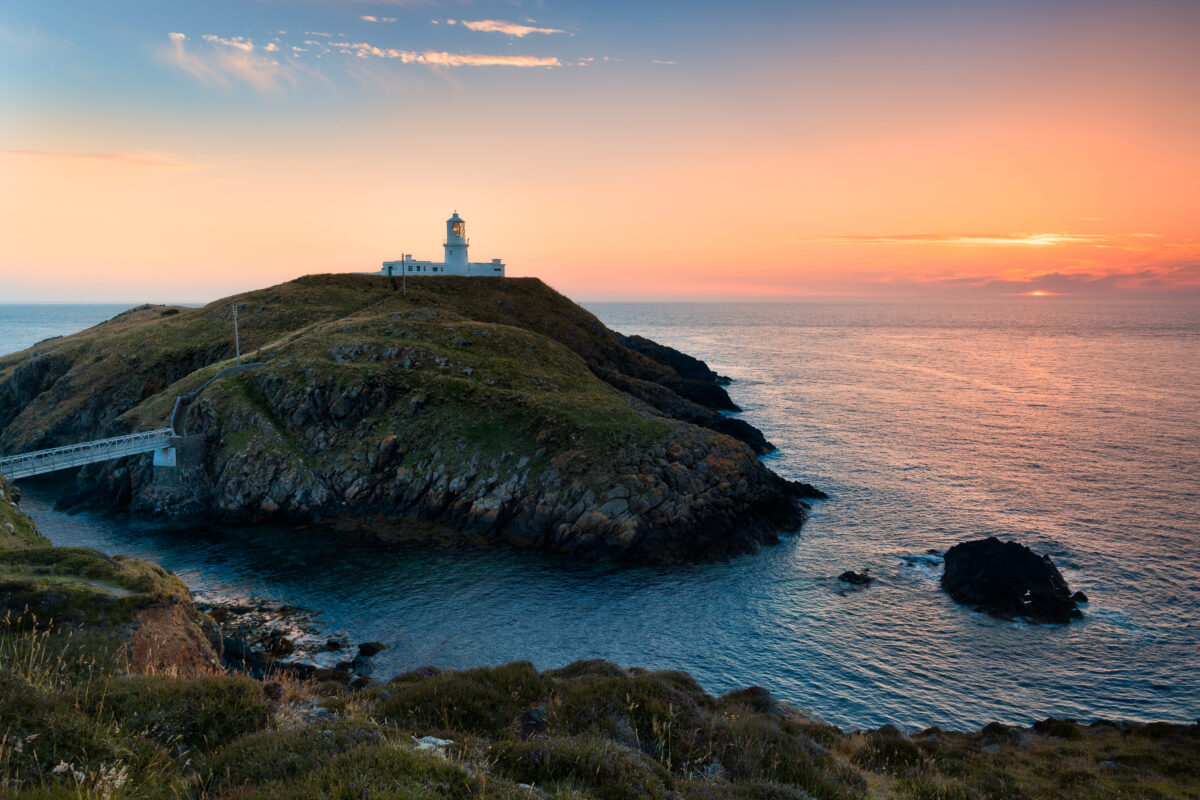
Few travelers who’re planning a beach vacation say that they’re going to head to the U.K for sand, sun and surf, but don’t overlook all that Pembrokeshire, in Wales, can offer you.
There are more than 50 beaches here for you to choose from, over the nearly 200 miles of coastline. In fact, Pembrokeshire was rated as the second-best coastline in the world by National Geographic. Additionally, Pembrokeshire is home to the only coastal national park in the entire United Kingdom (kind of shocking, I know).
Along the coast, you’ll find ample outdoor adventure, including surfing, paddling and birdwatching, and islands right off the shore offer even more to love. If you’re planning a walking holiday, you may want to consider the Pembrokeshire Coast Path, which will take you across just under 200 miles and over the vast and varying landscapes, from the beaches and estuaries to the cliffs.
Naxos, Greece
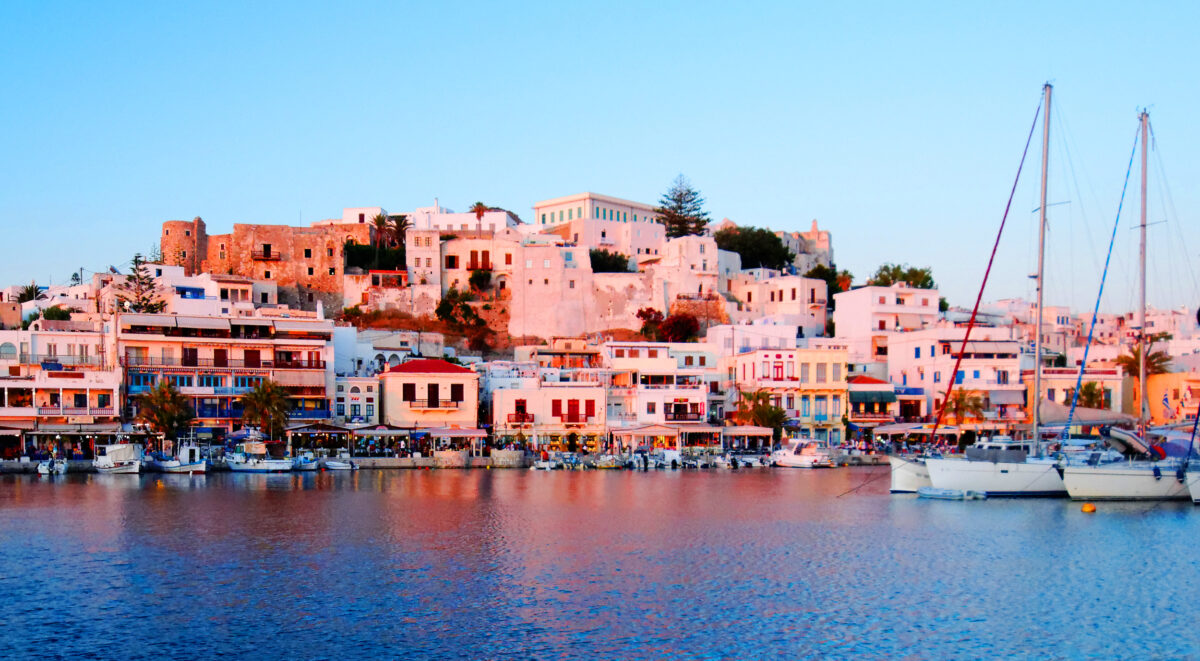
If you like the idea of visiting Santorini or Mykonos, but you already know that those two destinations are going to be crowded, as well as potentially pricey, consider an alternative: Naxos. This island gives many travelers what they already love about the more popular Grecian isles, but without some of the downsides.
In addition to the beaches, you’ll also enjoy history and architecture, ancient ruins and quiet villages, affordable local food and plenty of ways to fill your days. If you want a quiet and low-key vacation in a coastal destination, you can get it, but if you want more activity, you can find that, too.
Knokke, Belgium
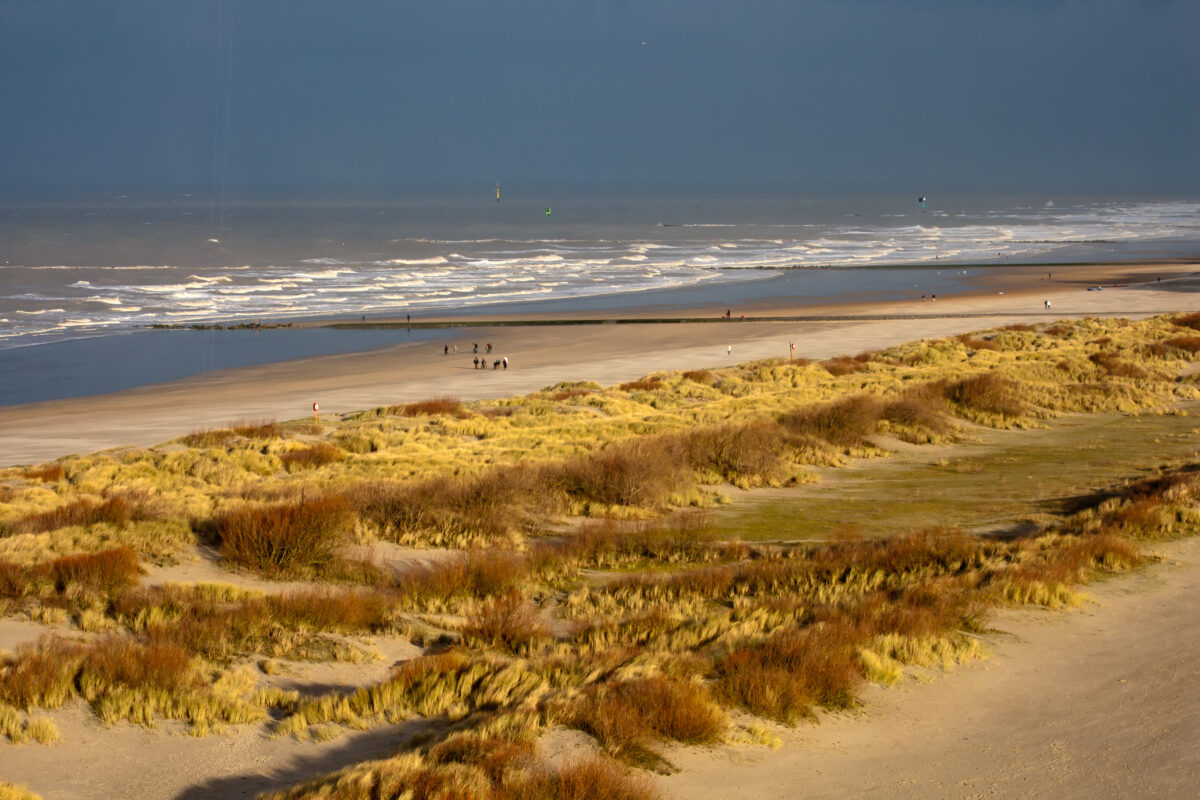
Belgium is another one of those European countries that you don’t really associate with “beach vacay.” Yet, there’s Knokke.
This seaside resort town is small and luxurious. You’ll find fine dining and high-end shopping, art galleries, and more. There’s the beach, of course, but also the Het Zwin Nature Park nearby, where you can go birding. You’ll soon see just why the destination has been called “the St. Tropez of Belgium.”
Texel, Netherlands
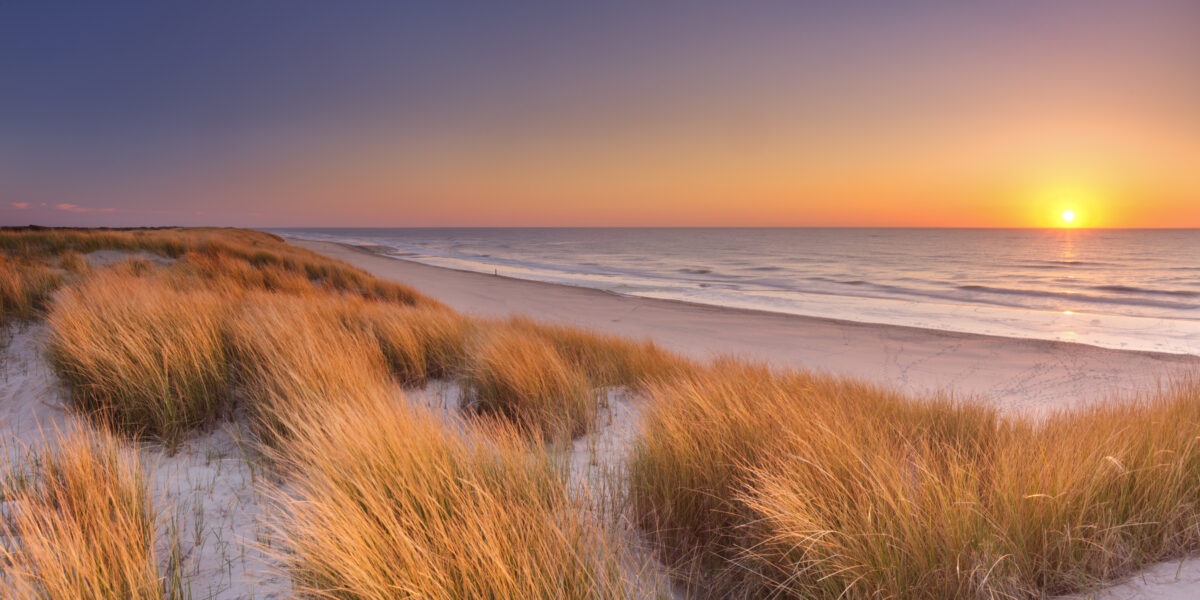
About five hours to the north of Knokke, you’ll find Texel. The Dutch island almost has a similar feel to what you might find if you were vacationing on an island off the coast of the Northeast in the United States. Think lush forests making way for the seaside and at least one picture-perfect lighthouse.
The island is easy to get through if you fly in through Amsterdam, as it’s just a short train and ferry ride away. Once you’re on the island, consider getting around mostly via bike. There are multiple villages but traversing between them is by no means a difficult task.
Activities you’ll absolutely want to add to your itinerary include exploring Dunes of Texel National Park and visiting the aforementioned Texel Lighthouse. It’s the only one in the Netherlands that offers near-360-degree views of the water.
As for the beach, you’ll find that they’re rarely crowded and the off-white sands contrast beautifully against the deep sapphire blue waters.
North Jutland, Denmark
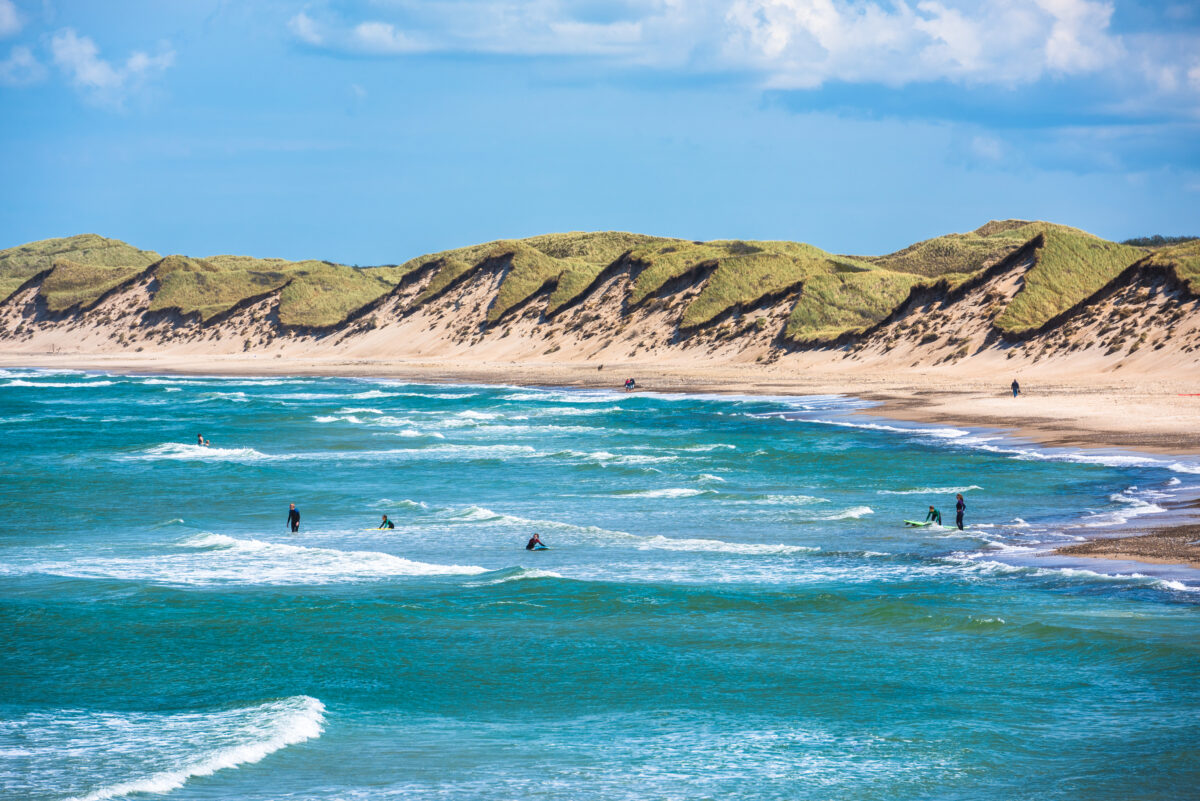
North Jutland is the northernmost region of Denmark and has been referenced as “the cold Hawaii.” Again, Denmark isn’t exactly the first country that you’re going to think of when you’re considering a beach vacation, but if you really want to explore beyond the travel crowds, it’s worth your consideration.
North Jutland literally juts out into the North and Baltic Seas, and the landscapes are filled with sand dunes and fishing villages. Remote and untamed, the region is technically an island, even if it’s not separated from the rest of the country by all that much water.
The beaches are just as dramatic as you’d expect from a destination that almost feels like it’s at the end of the world, as evidenced by the stark Rabjerg Mile, a migrating coastal dune that is also the largest moving dune in Northern Europe.
The region is also home to the Rubjerg Knude Lighthouse, potentially the most famous in the entire country. The lighthouse has been threatened by the shifting sands beneath it for decades, and efforts were made in recent history to keep it from falling into the sea. Today, it’s one of the area’s most popular attractions.
Costa de la Luz, Spain
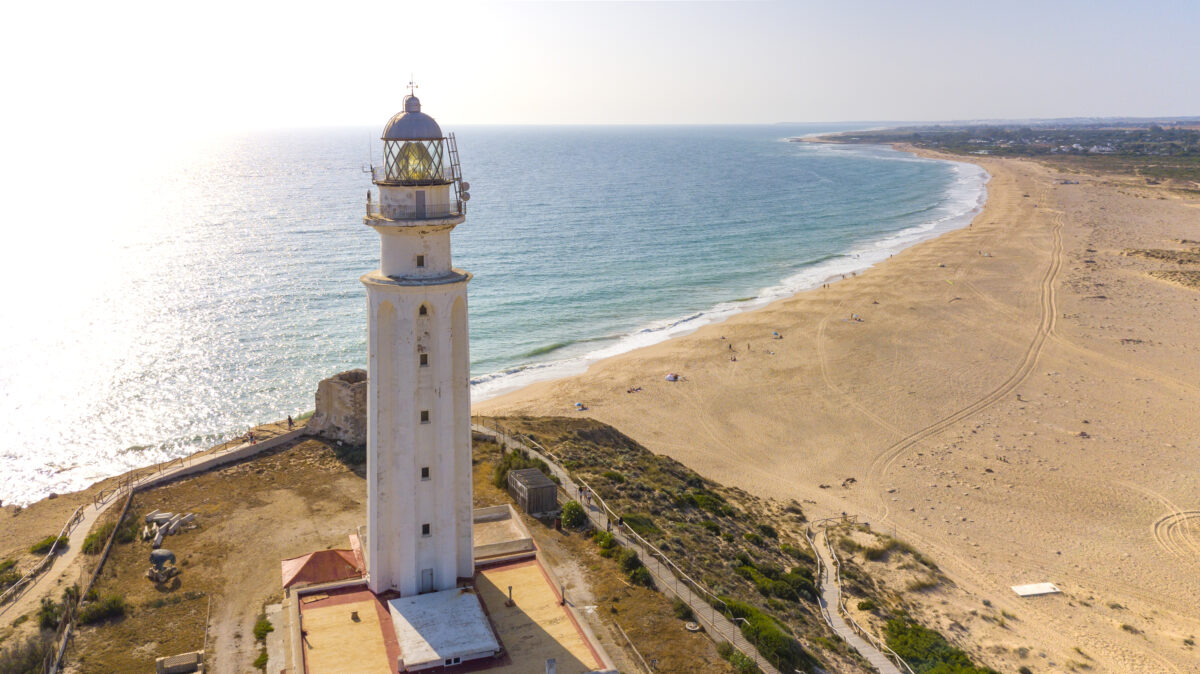
While everyone seemingly wants to visit Spain’s Mediterranean beaches, don’t overlook the fact that this country has a ton of coastline facing the Atlantic, too—including Costa de la Luz, which means “the Coast of Light.”
Here, you’ll find fewer crowds than you would on the opposite side of the country and more of an Old World feel, alongside plenty of history and culture. The region also gets over 300 days of sun annually (hence the name “Coast of Light”).
While you explore the quaint villages and towns, be sure to stop into Donana National Park, which is a UNESCO World Heritage site. If you want more of a city feel, plan your trip around staying in Cadiz, which is the oldest city in Western Europe. Its roots stretch all the way back to 1104 BC, and the influences of the major cultures that have touched this little spot on the planet throughout history are evident through the architecture and archaeology.
The Bozburun Peninsula, Turkey
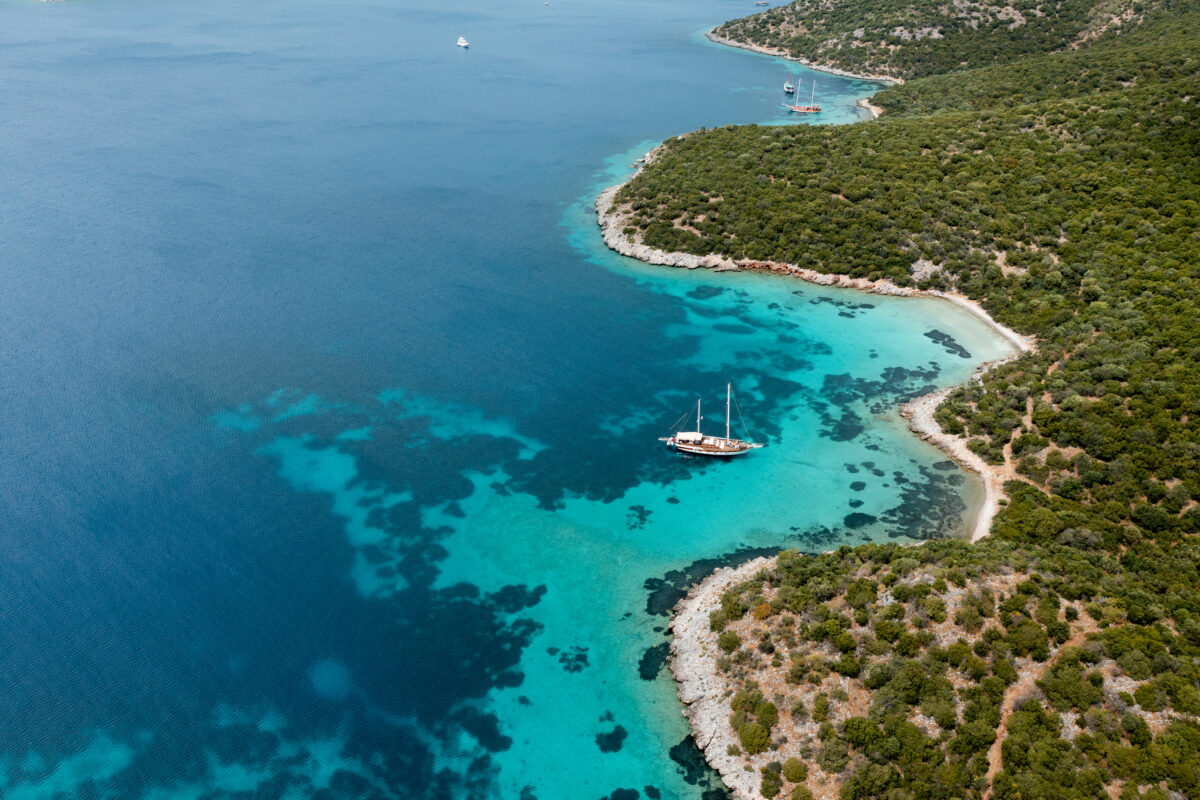
Lastly, there’s Turkey’s Bozburun Peninsula. Exceptionally chill, the peninsula sits between the Aegean and Mediterranean seas. Travelers throughout Europe have already discovered that the peninsula provides a certain level of seclusion and placidity, but those in the Western Hemisphere have yet to really catch on to what all makes this region so great.
Sure, you’re not going to find an overabundance of resorts here, but you are going to find authenticity and small, local businesses, for an immersive travel experience that’s exactly what’s becoming most appealing to more and more discerning globe-trotters.