
Carnival is Brazil’s biggest holiday: a multi-day celebration marked by parades, costumes, music, and street parties that bring millions of people to the country every year. And while Rio de Janeiro’s samba parades and street parties get most of the attention, it’s far from the only place to celebrate.
Brazil’s coast is lined with towns that bring their own flavor to the holiday. Some are lively and packed with events, while others feel like a retreat away from the crowds. If you’re looking to celebrate Carnival somewhere different this year, these coastal destinations outside Rio offer the perfect blend of beach time with just the right amount of glitter.
Arraial do Cabo, Rio de Janeiro
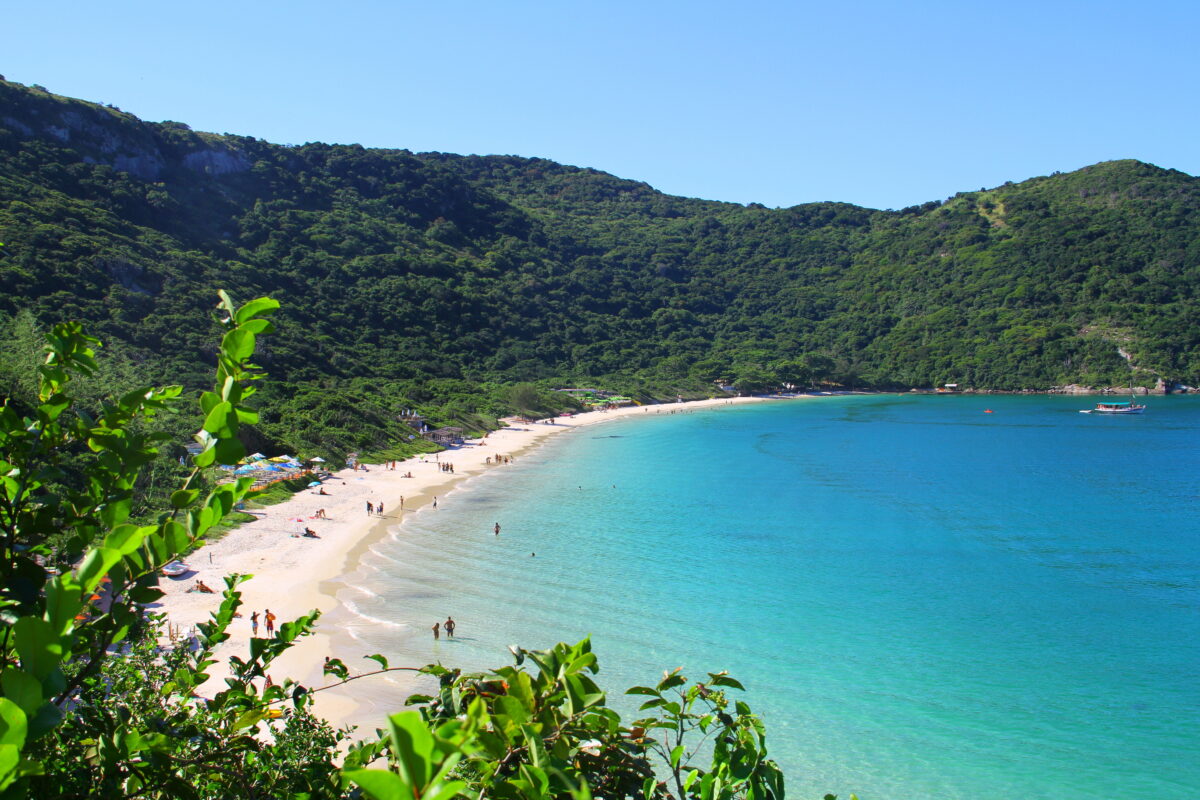
Arraial do Cabo is best known for its Caribbean-blue water, but it also has a surprisingly lively Carnival scene. It’s at a slower, more local pace than Rio’s famous street parties—where you can spend the morning snorkeling with sea turtles and still catch a Carnival party in the afternoon. Nights center around simple bar hangs and beachfront performances. Consider this as a warning, though: The town can get crowded! Book your accommodations and transport early. And keep traffic in mind, too—a 3-hour trip can take as long as 7 hours if you don’t leave at the right time.
Búzios, Rio de Janeiro

Búzios blends Carnival energy with its upscale beach town atmosphere. Its seaside promenade and main street is always lively, yet during Carnival, everything just becomes a lot more colorful. The bars spill onto the cobblestone streets, and live samba pulls you from one end to the other. By day, you can hop between Ferradura, João Fernandes, and the calmer corners of Geribá Beaches; by night, just follow the music. Búzios is ideal for anyone who wants to combine a chic beach getaway with just enough glitter.
Ilha Grande, Rio de Janeiro
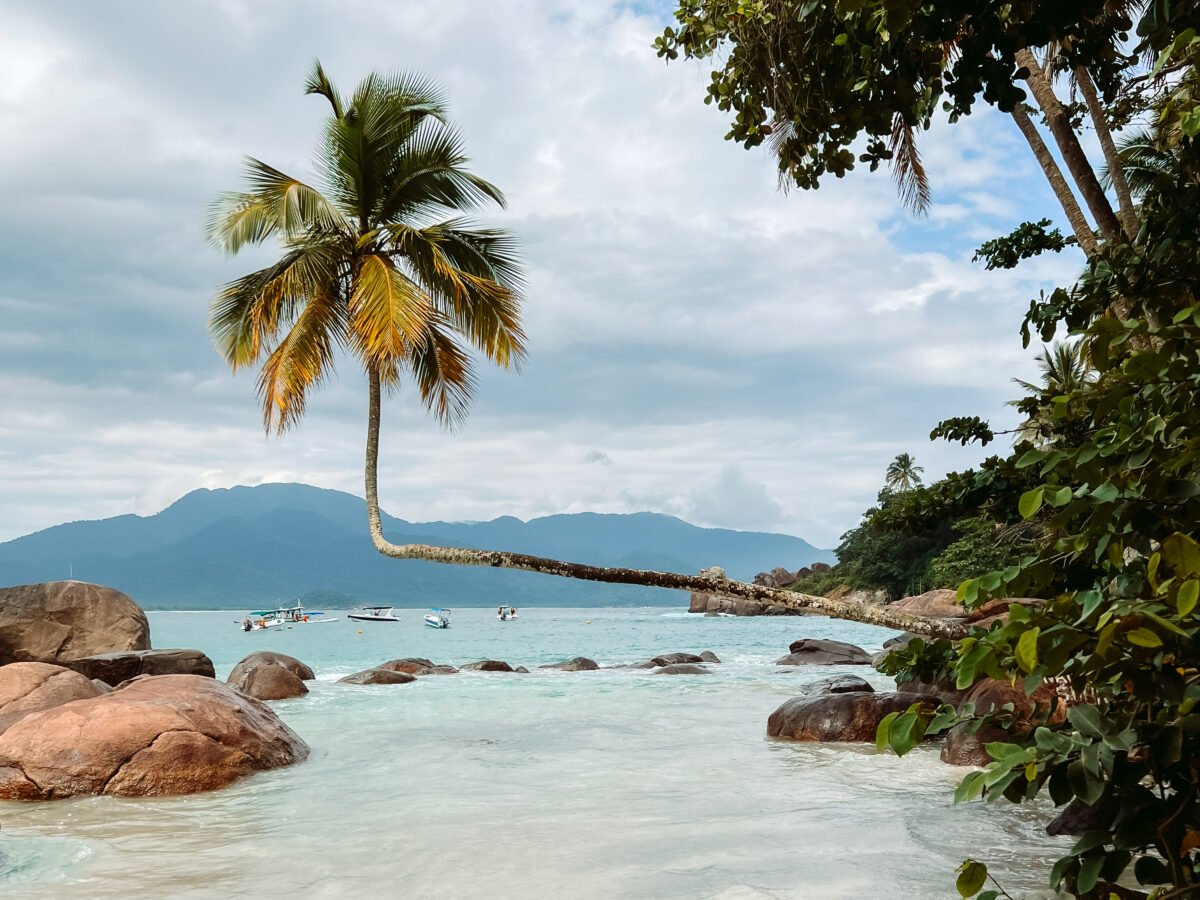
Carnival on Ilha Grande unfolds with your feet in the sand, whether you’re tucked away on a quiet beach or dancing to the drums. Vila do Abraão, the island’s main hub, hosts nightly block parties and DJ sets by the pier, giving the festivities a laidback island feel. Even if you’re not in the mood to party, there’s plenty else to do, like taking a boat to Lopes Mendes or snorkeling in the clear waters of Lagoa Azul. The island stays lively but never chaotic, thanks to the absence of cars and its naturally slow pace. It’s perfect for travelers who want to experience the Carnival spirit without the urban hassle.
Paraty, Rio de Janeiro

Few places in Brazil blend culture and coastal beauty like Paraty. Carnival here unfolds in the town’s colonial center, where block parties parade through cobblestoned streets against a stunning backdrop of mountains and sea. There’s even a quirky party where participants cover themselves in mud before parading through town. I’ve always loved how intimate Paraty feels, with families, locals, and visitors all enjoying the town’s charm together. I’m sure it has a similar vibe during Carnival.
Florianopolis, Santa Catarina
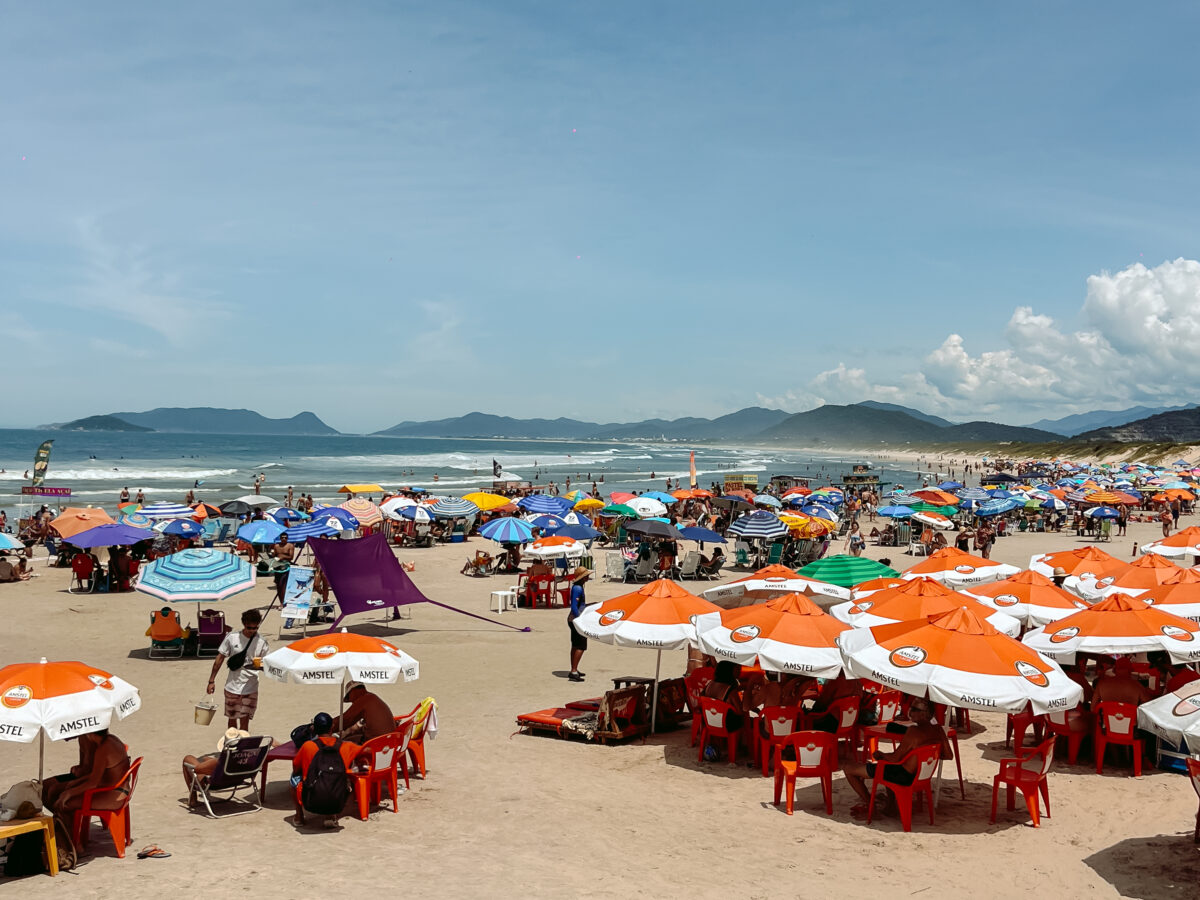
Florianópolis offers a street Carnival experience similar to the one found in Rio de Janeiro, but on a much smaller scale. Here, more than 40 block parties take over the island, starting with the famous Berbigão do Boca, whose giant puppets and traditional songs open the festivities. Locals love the raucous Bloco dos Sujos, while samba schools parade along the sambadrome with colorful floats and elaborate costumes. For a more upscale experience, the neighborhood known as Jurerê Internacional hosts exclusive parties in clubs like Parador12. What makes Floripa special is that you can dance all night, then recover on a long stretch of sand at Mole or Campeche Beaches—without the urban chaos found in Rio or São Paulo.
Porto Seguro, Bahia
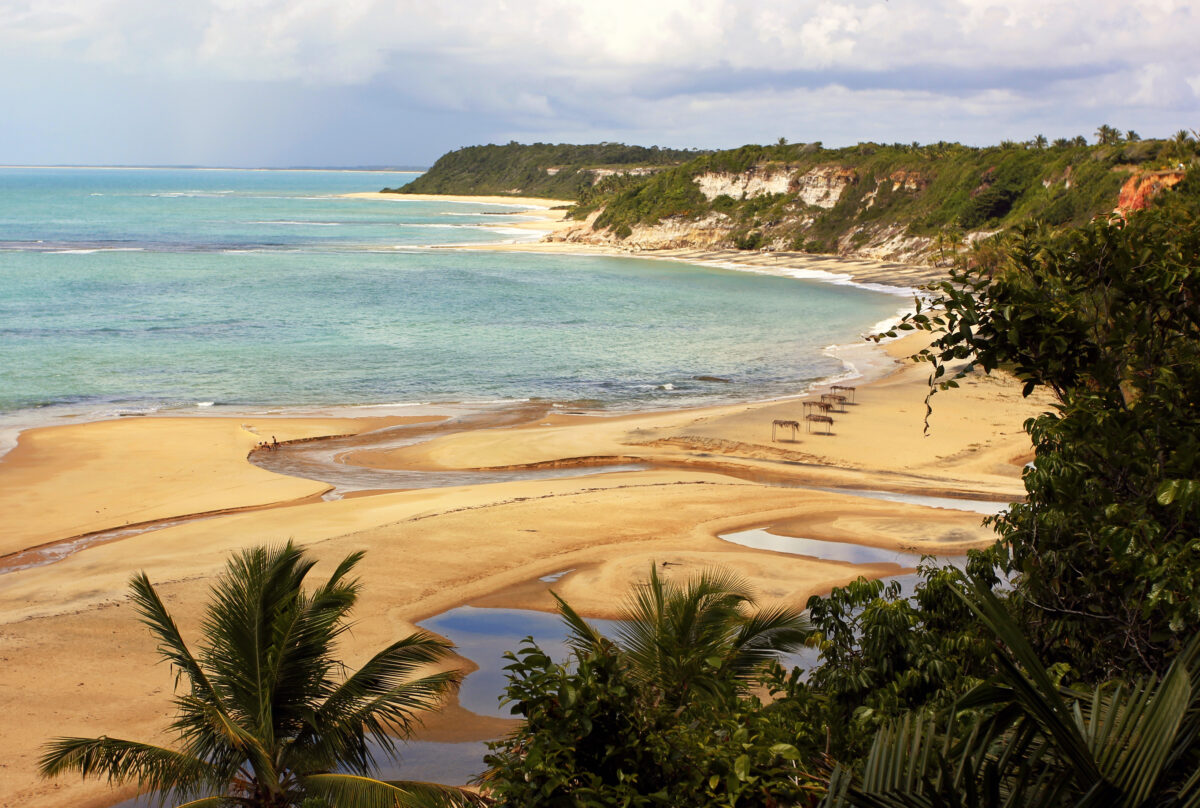
Porto Seguro is one of Bahia’s most festive beach towns during Carnival. The main nightlife strip, Passarela do Descobrimento, turns into a huge celebration with moving music trucks, street parties, and big-name artists. One of the biggest events is Carnaporto, a multi-night festival featuring major Brazilian acts across axé, pop, and electronic music. Everyone heads to the beaches during the day. Taperapuã is home to massive beach clubs, while nearby Praia do Mutá and the village of Arraial d’Ajuda offer calmer vibes.
Curumuxatiba, Bahia
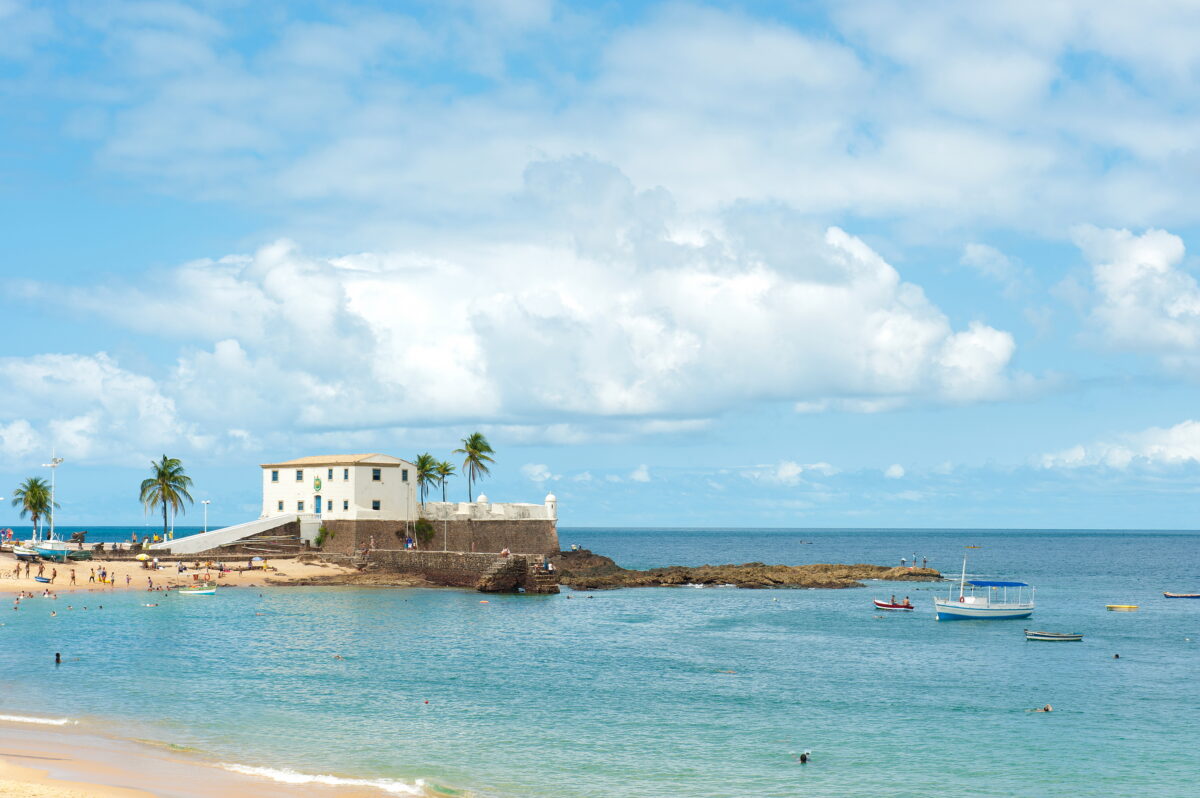
Curumuxatiba is the opposite of a typical Carnival destination, and that’s exactly the appeal. This small fishing village in southern Bahia is still largely undiscovered, with calm beaches, warm water, and untouched natural scenery. Carnival here is quiet, centered on simple local gatherings rather than big street parties or concerts. It’s ideal for travelers who want to skip the crowds entirely and unwind on an off-the-radar beach instead.
Fortaleza, Ceará
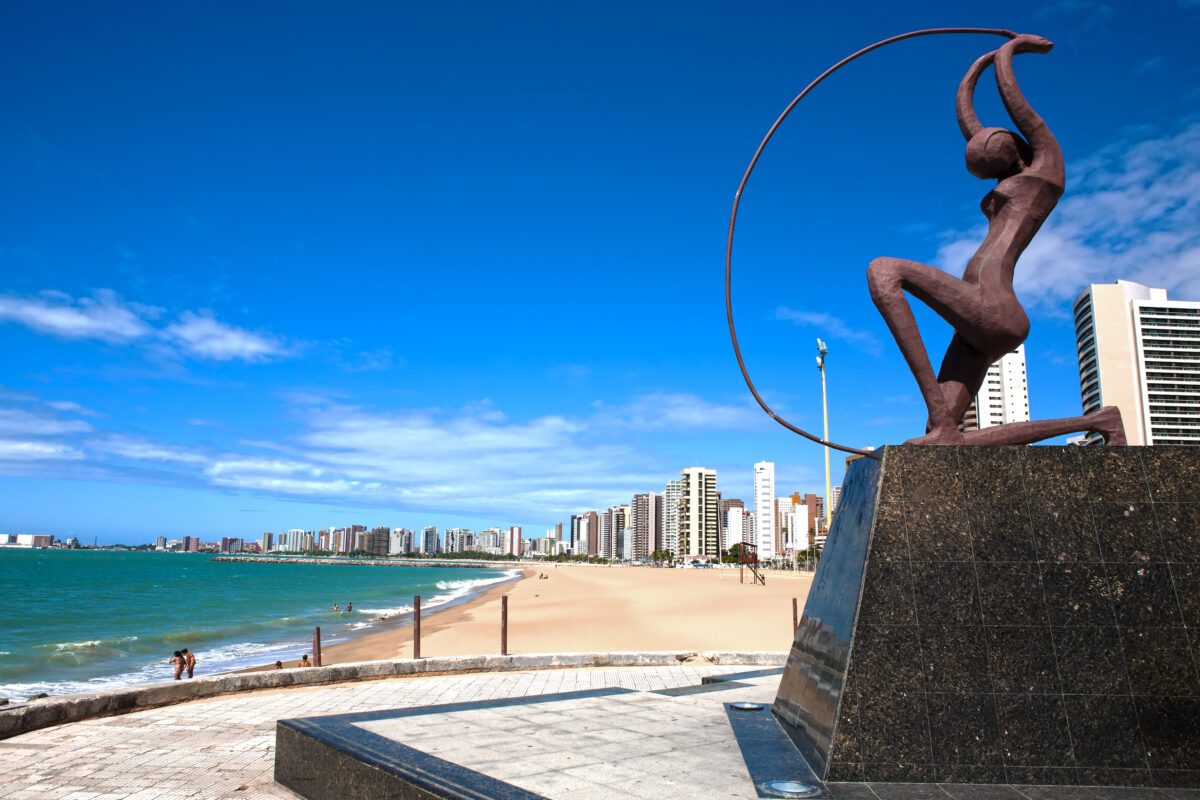
Fortaleza is one of the largest cities in Brazil’s Northeast, a region known for its warm weather, rich musical traditions, and some of the country’s most beautiful beaches. Carnival here reflects all of that energy. The city is filled with lively street parades, percussion groups, and community-led celebrations that highlight the region’s unique rhythms and culture. At the same time, Fortaleza has a vibrant nightlife scene, so the parties continue well into the night. What makes the city special is the balance: you get the excitement of a major urban Carnival, but you’re never far from the ocean. It’s an ideal choice for travelers who want to experience Northeastern culture through music, food, and beach life.
São Miguel dos Milagres, Alagoas
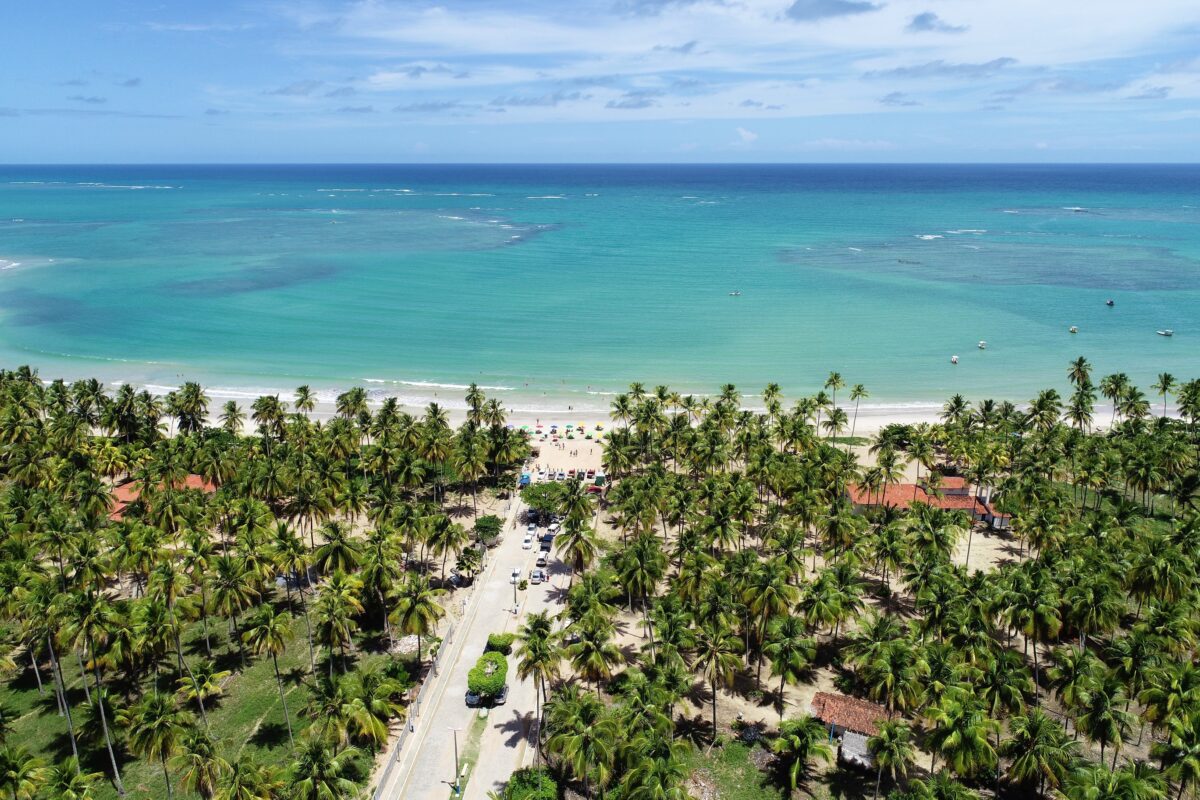
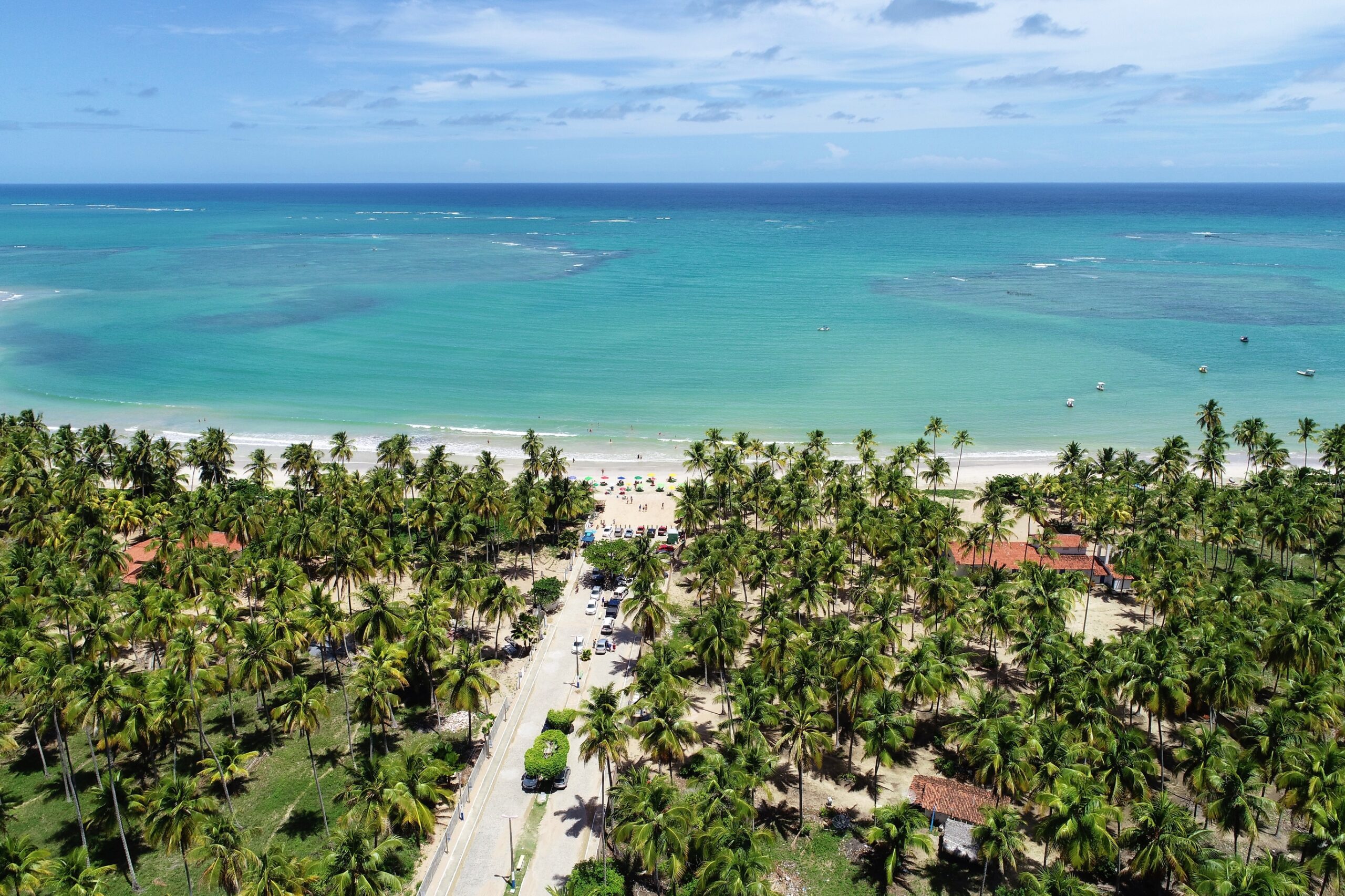
São Miguel dos Milagres sits on the northern coast of Brazil, a region known for calm turquoise water and quiet beaches. Carnival here is much more relaxed compared with Brazil’s major Carnival cities. Instead of massive parades, the celebrations unfold across two main squares, where nightly concerts bring together local bands, regional artists, and families from nearby villages. With no large town center and little nightlife beyond the community stages, it’s an ideal choice for travelers who want to still retreat to a peaceful coastline.
Praia de Pipa, Rio Grande do Norte
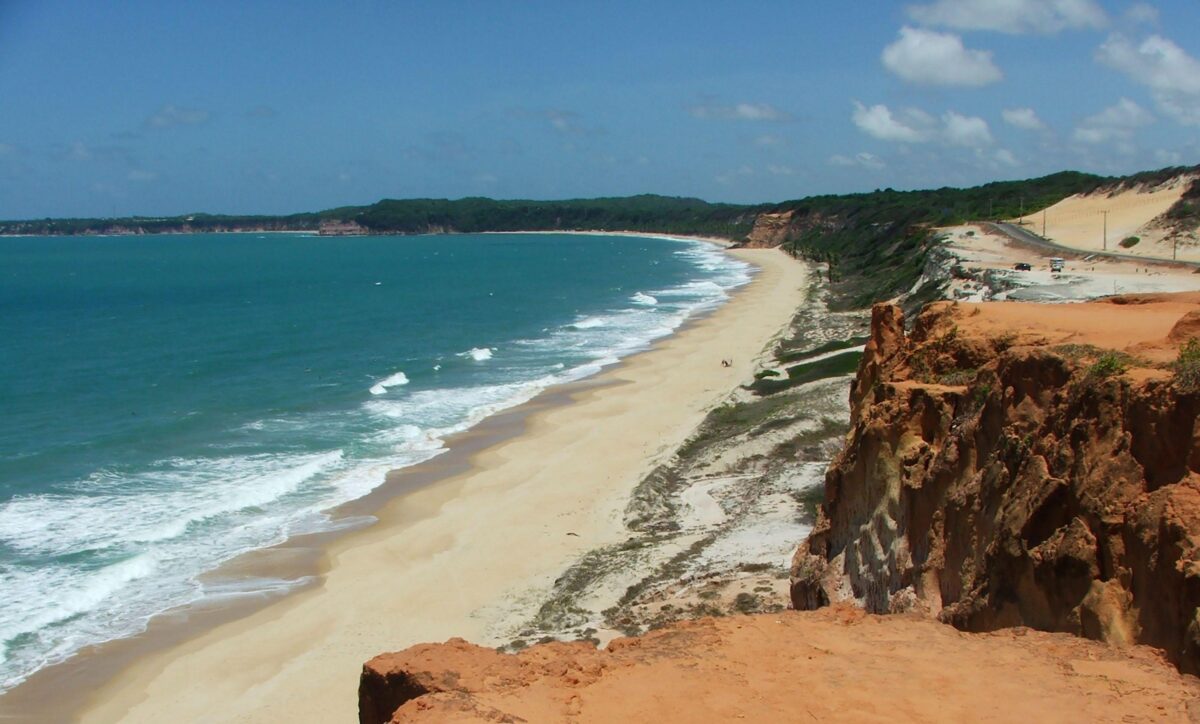
Pipa, on Brazil’s northeastern coast, offers a Carnival that blends beach-town energy with a bohemian spirit. The celebrations unfold over five days across two main areas: one at the town entrance and another in the village center. Days start slowly, with cultural workshops, dance demonstrations, and capoeira performances that highlight the region’s Afro-Indigenous roots. As the afternoon rolls in, the street parties take over. Evenings bring live shows featuring local and regional artists, turning the town squares into lively open-air stages. Despite all the happenings, the Pipa coastline can still feel relaxing even during Carnival.