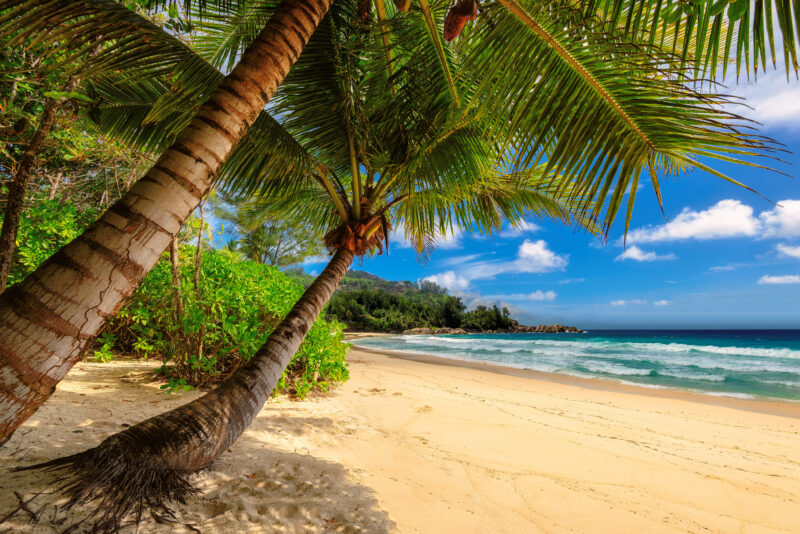

Australia doesn’t do beaches half-heartedly. With over 12,000 stretches of sand wrapped around over 30,000 miles of coastline, this sun-soaked country has turned beach culture into an art form. From the moment you dip your toes in the Pacific to watching the sunset paint the Indian Ocean gold, you realize the hype is all too real.
Having explored the Sydney beach scene myself, I can tell you that each Australian beach has its own personality. Some are more wild and remote, others pulse with urban energy, but they all deliver that sweet combo of nature and laid-back vibes that makes Australian beaches so legendary.
I’m heading to Byron Bay next to explore more of this incredible coastline, and the anticipation is definitely building (along with the planning). Here is where you should be spreading your beach towel in 2026, from the lesser known spots to timeless classics.
Bay of Fires, Tasmania
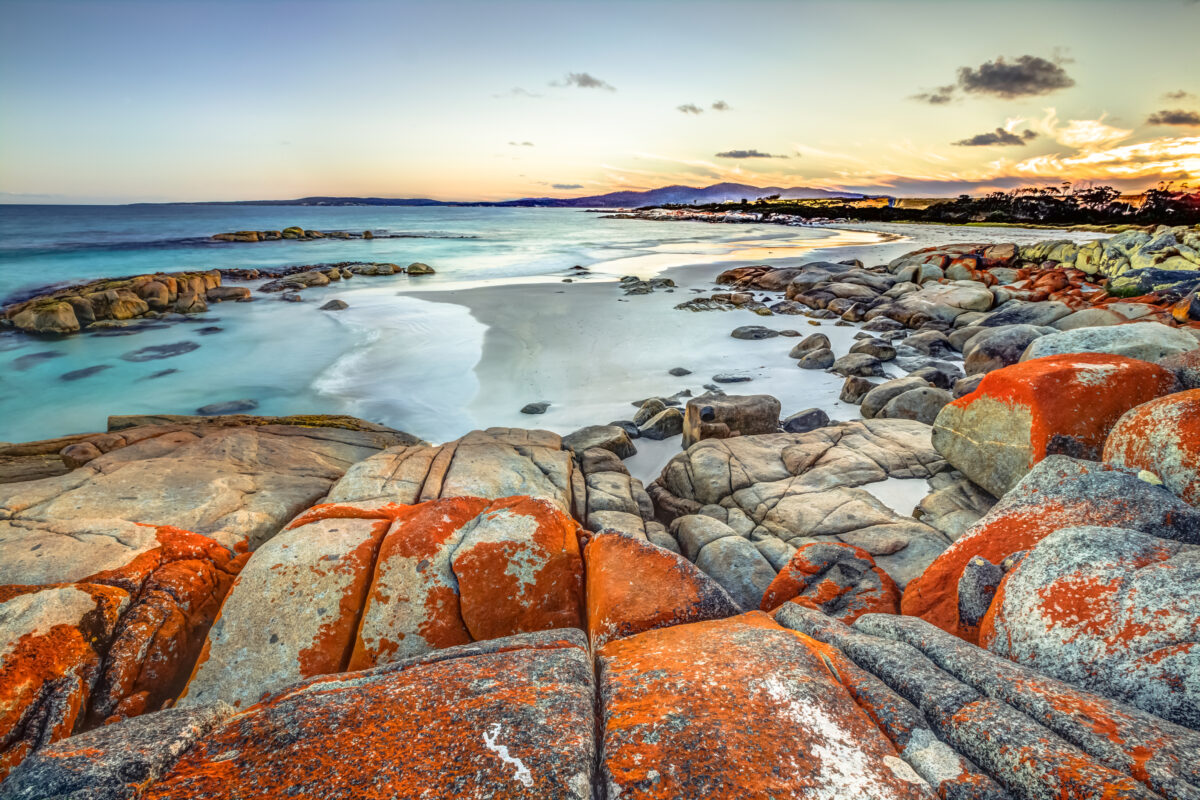
The Bay of Fires isn’t just one beach—it’s a 6 mile stretch of northeastern Tasmanian coastline. Burnt-orange lichen paints granite boulders in vivid rust tones, bone-white silica sand rivals any tropical paradise, and turquoise water runs so clear you can count the pebbles on the bottom. The name traces back to 1773, when Captain Tobias Furneaux observed the fires of Aboriginal people lighting up the coastline. The water stays refreshingly cool year-round (this is Tasmania, after all), making summer (December through February) your best bet for actually getting in. But even in the shoulder seasons, watching the sunrise or sunset here is worth the trip alone. Walk from The Gardens to Binalong Bay to experience the full spectrum of Bay of Fires beauty. Each cove offers something slightly different, and you’ll likely have stretches completely to yourself.
Whitehaven Beach, Queensland
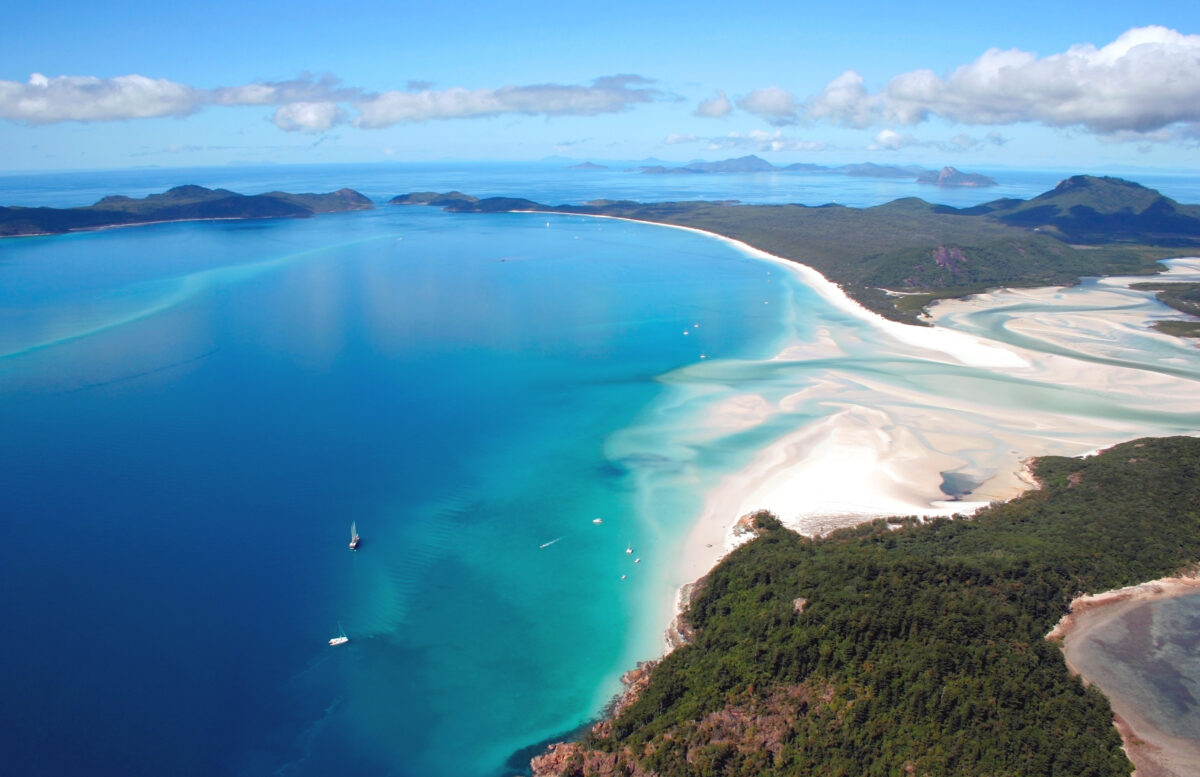
Some beaches appear in so many photos that seeing them in person feels surreal. Whitehaven is one of those places, except the reality somehow exceeds the hype. Located on Whitsunday Island, this over 4 mile masterpiece features 98% pure silica sand, which means the sand stays cool even on scorching days. The northern end showcases Hill Inlet, where tidal movements create swirling patterns of white sand and turquoise water. The lookout walk at Tongue Point offers breathtaking views of this natural masterpiece. Head to the southern end for a quieter experience, with picnic facilities and camping spots if you want to linger longer than a day trip allows.
Heads up: getting here requires a boat, seaplane, or helicopter from Airlie Beach or Hamilton Island, which adds to the adventure. The wet season (November through March) brings tropical warmth but also cyclone risk, while the dry season (April through October) delivers near-perfect conditions.
Bondi Beach, Sydney
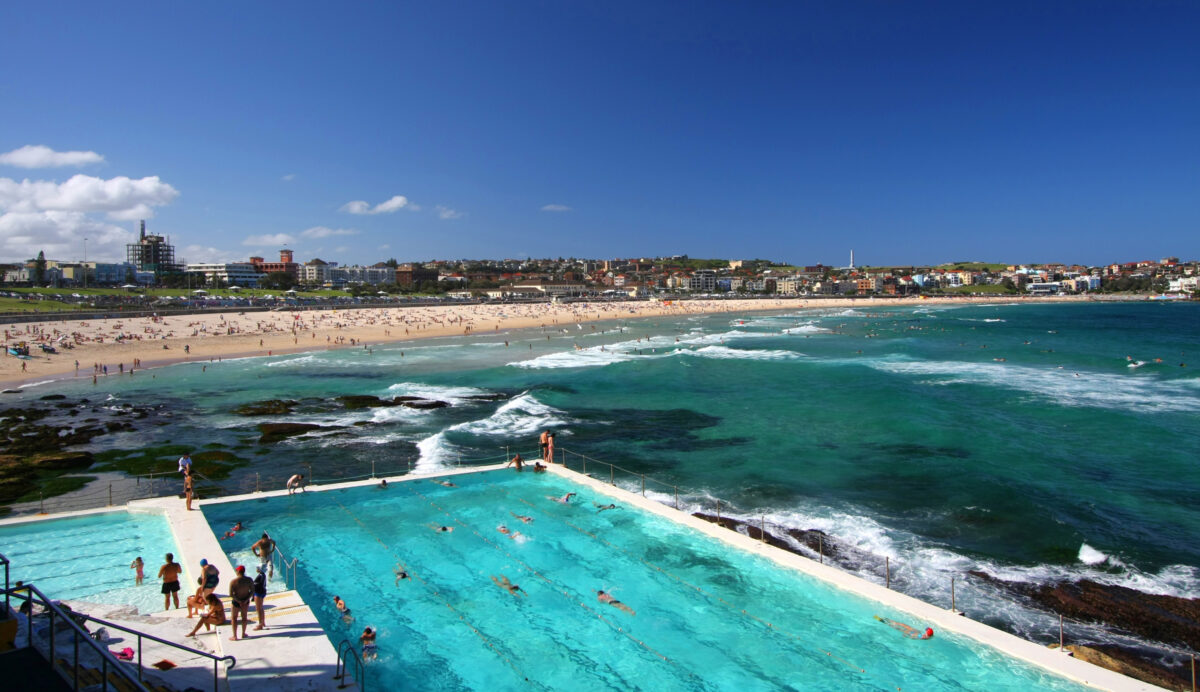
Bondi gets crowded and touristy, but it absolutely deserves its reputation as one of the world’s great urban beaches. Having explored the Sydney beach scene myself, I can tell you it delivers on every front.
The northern end attracts surfers and surf schools, the middle section fills with sunbathers and volleyball players, and the southern end near the Bondi Icebergs pool draws photographers chasing that quintessential Sydney shot. Early mornings bring the best of it: surfers catching dawn waves, swimmers doing laps in the ocean pool, and the post-swim coffee culture that defines beachside Sydney.
The magic extends beyond the beach itself. The coastal walk to Coogee offers nearly 4 miles of clifftop paths and smaller beaches worth discovering, while the views from Ben Buckler Point at the northern end genuinely impress.
A few practical notes: always swim between the red and yellow flags—strong currents have caught many visitors off guard who ventured beyond the safe zones. For post-beach sustenance, hit North Bondi Fish for fish and chips, or grab a coffee at one of the Campbell Parade shops before the morning rush.
Woolgoolga Beach, New South Wales
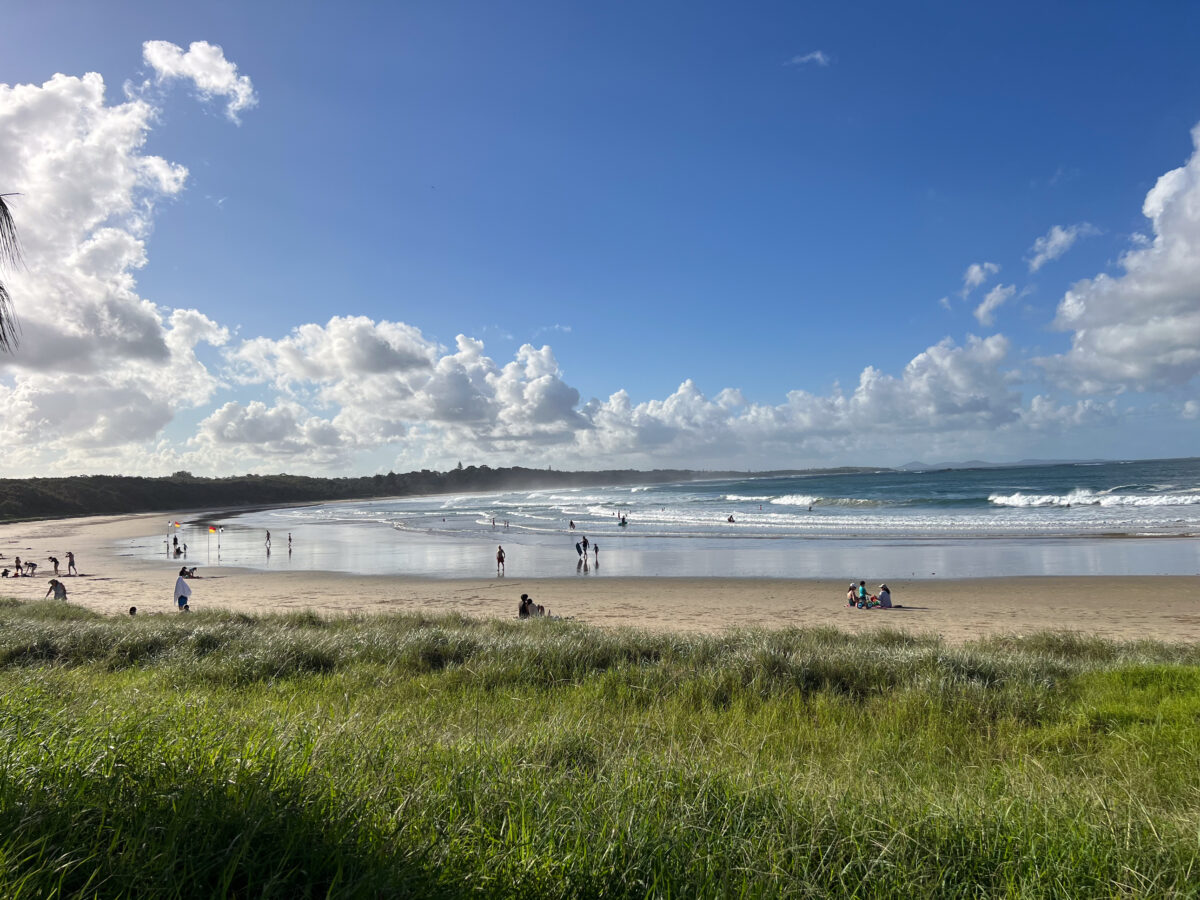
Twenty minutes north of Coffs Harbour sits Woolgoolga (or “Woopi” to locals). This sweeping stretch of golden sand offers variety: seasonally patrolled swimming areas, consistent surf breaks, surrounding lagoons for gentler exploring, and headlands perfect for whale watching during migration season (June through November).
It hasn’t been discovered by mass tourism yet, maintaining a genuine coastal town vibe while delivering world-class beach conditions. The strong Sikh community adds cultural depth to the area’s dining scene (you’ll find some of the best Indian food on the Australian coast here).
The beach itself has plenty of different sections catering to different moods. If you want to surf, head to the southern end, and if you’re traveling with kids, the northern lagoons offer calm, shallow water. Or if you just want to stretch out and read a book, there’s plenty of space for that too.
Burleigh Beach, Gold Coast
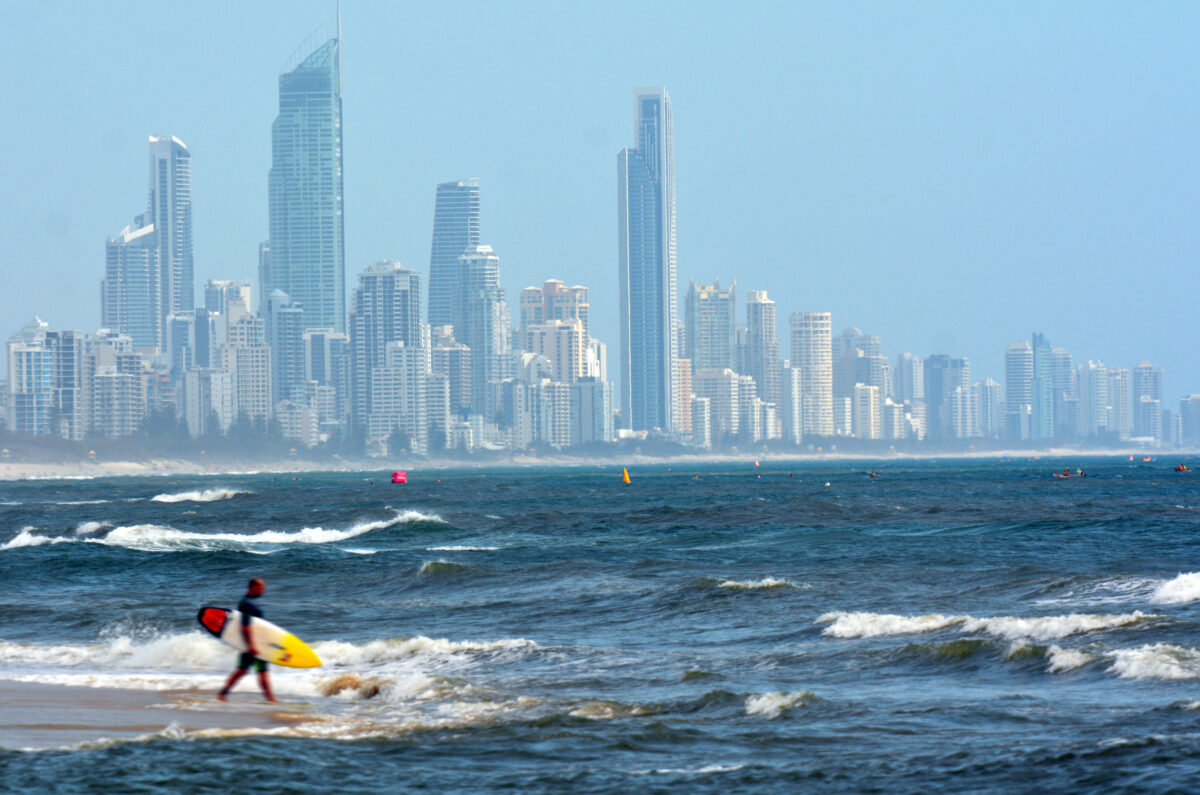
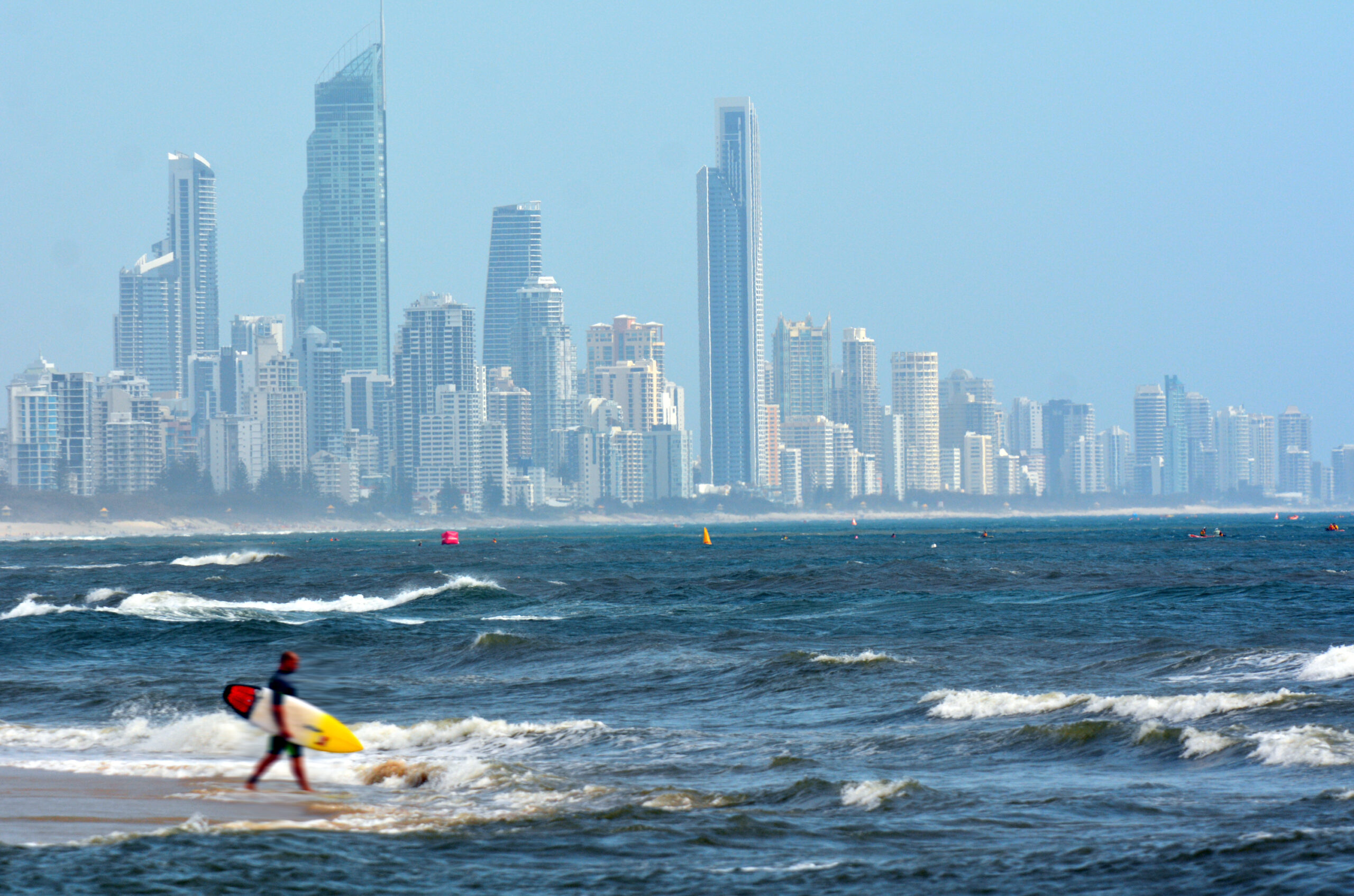
The Gold Coast stretches across over 43 miles of beaches, but Burleigh stands out as the local favorite. Located in the southern Gold Coast, this beach offers excellent waves for surfers, a grassy headland perfect for picnicking and people-watching, and immediate access to Burleigh Head National Park’s walking trails through subtropical rainforest. It can be three different experiences wrapped into one afternoon.
The beach culture here skews more authentic than touristy. Talented surfers catch waves while others relax on Burleigh Hill watching the action unfold. The nearby village features excellent cafés and restaurants. Weekend mornings here could look like a surf or swim, coffee from Paddock Bakery, then maybe a walk through the national park before the day heats up.
Little Lagoon, Western Australia
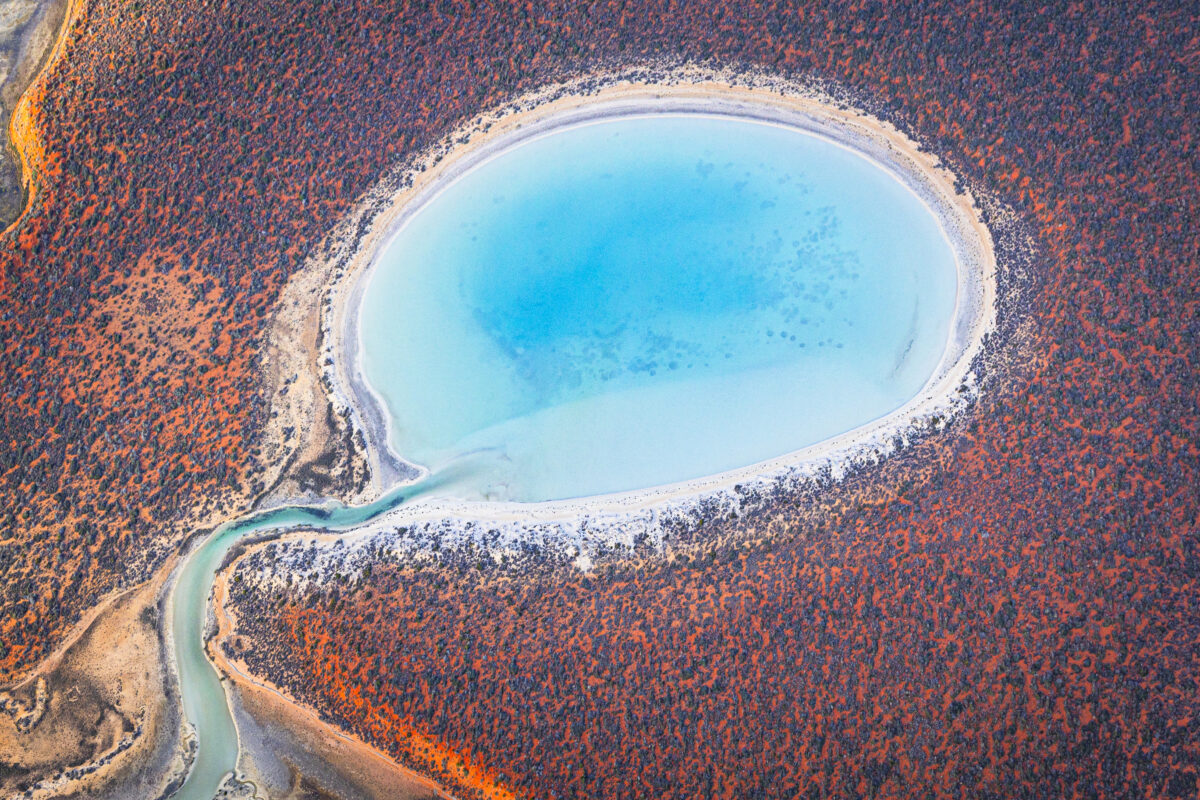
Little Lagoon, situated eight hours north of Perth near Denham in Shark Bay, isn’t technically an ocean beach at all—it’s an inland saltwater lagoon surrounded by white dunes and coastal vegetation.
But, the shallow, crystal-clear turquoise water provides ideal conditions for kayaking, stand-up paddleboarding, and swimming without waves or currents. The unique geography creates an otherworldly landscape that photographs like a dream but feels even better in person.
This is remote Australia at its most serene (no lifeguards, no facilities, no beach bars). So bring everything you need, including plenty of water and sun protection, because there’s nothing out here except plenty of natural beauty.
Caves Beach, Lake Macquarie
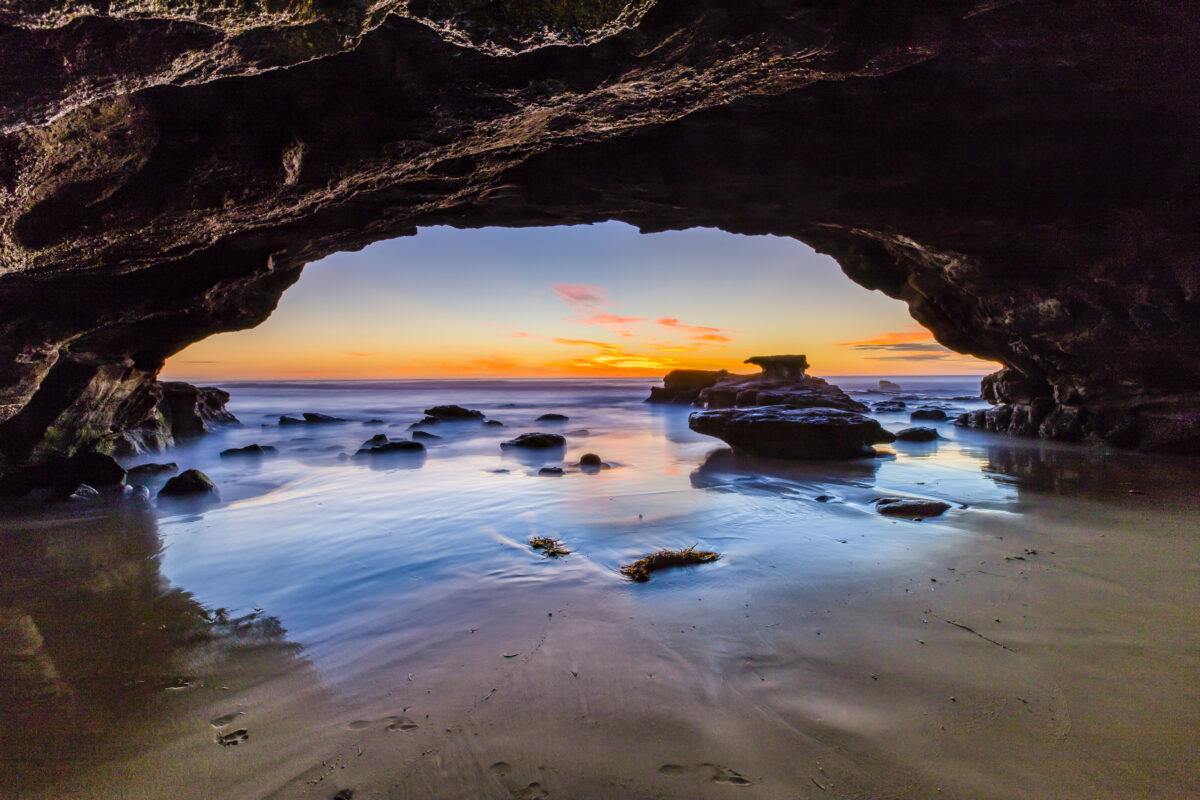
About 90 minutes north of Sydney, Caves Beach offers something you don’t find on most Australian shores: an intricate network of sculpted sea caves along its southern end that you can safely explore at low tide.
The beach itself provides excellent swimming and surfing conditions, but the caves are the main attraction. Carved by millennia of wave action, they create cathedral-like spaces that glow with reflected light at sunrise. It’s become Instagram-famous (inevitably), but the actual experience of standing in these natural formations as waves crash nearby remains genuinely awe-inspiring.
Photographers flock here for golden hour shots from inside the caves looking out toward the ocean. But even if you don’t carry a camera, the experience of ducking into these sea-carved spaces and feeling the power of the ocean echo around you is memorable enough.
The beach is patrolled during season, and local surf schools operate for those wanting to learn. Just remember to check tide times—the caves are only accessible and safe at low tide.
Fishery Bay, South Australia
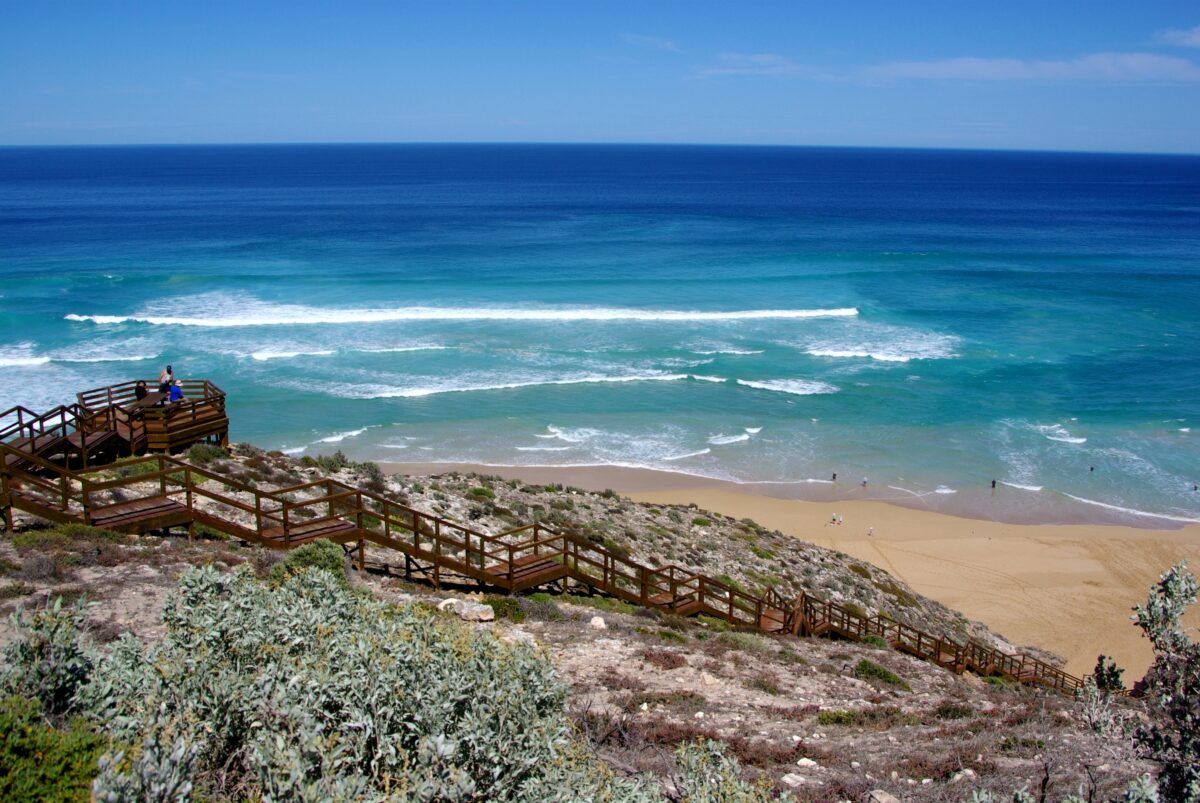
The rugged Eyre Peninsula in South Australia tends to fly under the international tourism radar, which is precisely its appeal. Fishery Bay, located 20 minutes southwest of Port Lincoln, offers a long, south-facing curve of sand flanked by surf breaks at both Left Point and Right Point—expert-level spots that draw serious wave riders.
For families and beginners, the beach break provides gentler conditions perfect for leisurely swimming and learning to surf. The surrounding waters teem with marine life, including snapper, whiting, and garfish, making it popular with fishing enthusiasts who set up early and stay late.
The area’s remoteness means you’ll likely have significant stretches of sand to yourself, even in peak season. Port Lincoln is also famous for its seafood, so after a day at the beach, grab fresh fish and chips or hit one of the local restaurants.
Emily Bay Lagoon, Norfolk Island
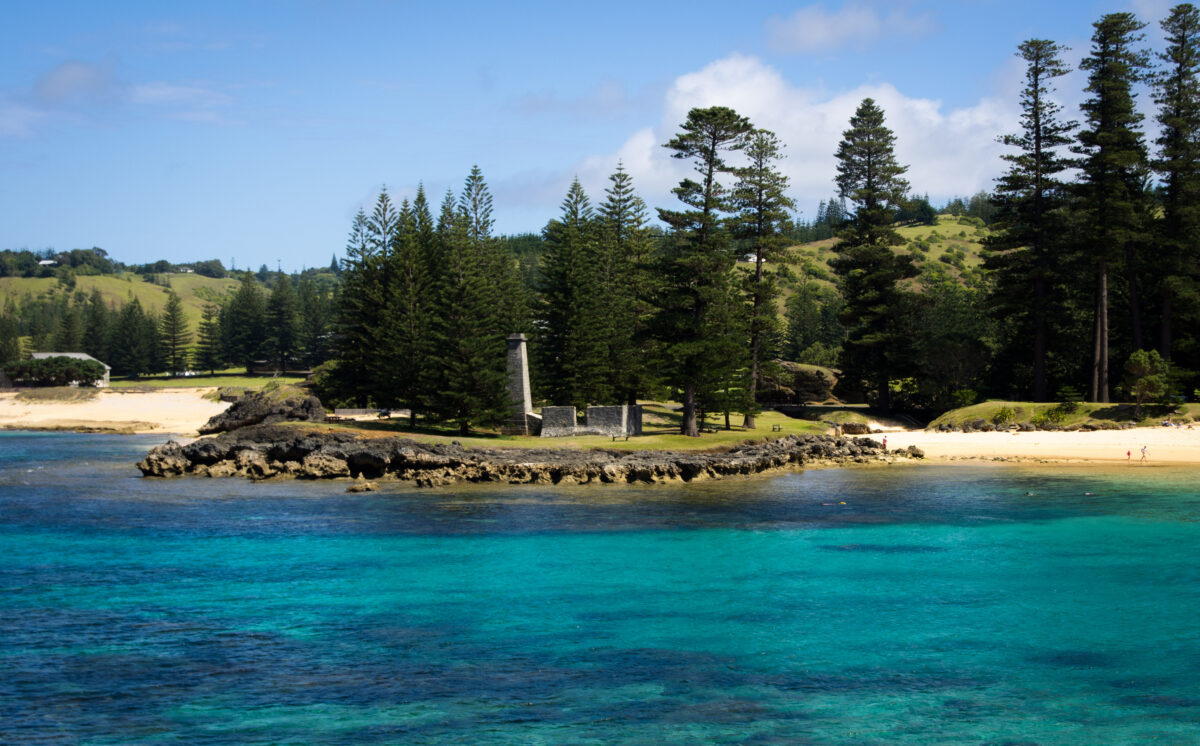
Technically part of Australia but located in the South Pacific Ocean, Norfolk Island offers a truly remote beach experience. Emily Bay Lagoon features reef-protected waters in a horseshoe-shaped bay that creates nearly perfect conditions for swimming and snorkeling.
The water stays calm and clear, revealing abundant marine life just offshore. The iconic Norfolk Pines lining the beach provide natural shade—a rarity on many Australian beaches—and the island’s unique history as a former penal colony adds cultural depth to a visit. Don’t miss the Kingston and Arthurs Vale Historic Area to understand Norfolk Island’s fascinating and sometimes dark history as a 19th-century penal settlement.
Getting here requires a flight from Sydney, Brisbane, or Auckland, but the isolation is pretty much the point. This is old-school island life: quiet, unhurried, and utterly disconnected from the mainland’s pace.
North Kirra Beach, Queensland
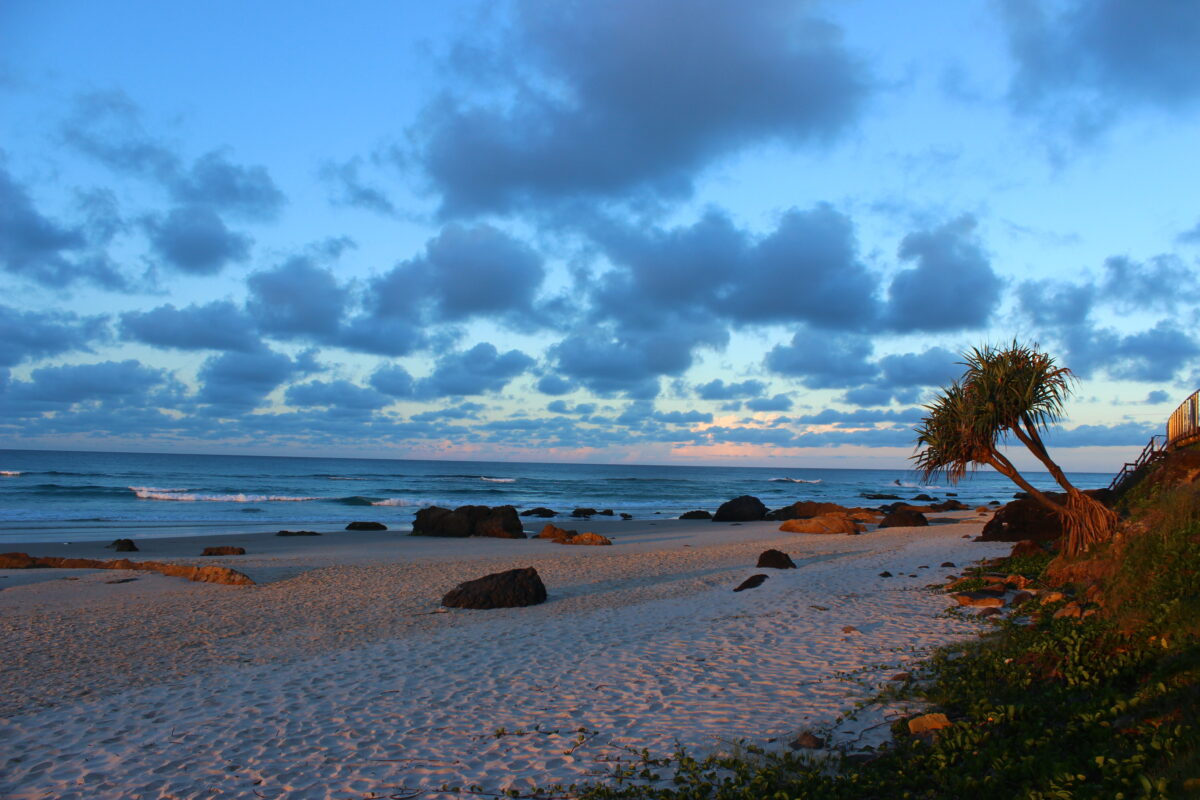
Just minutes from Gold Coast Airport, North Kirra Beach delivers quintessential Australian beach vibes: golden sand, turquoise water, and that laid-back charm that makes you want to cancel your return flight. It’s a famous surf spot that attracts wave riders from around the globe—when the swell wraps around Kirra Point, it creates some of the Gold Coast’s best right-hand barrels. But the beach also caters to families and swimmers with calmer areas and patrolled zones.
An oceanway runs parallel to the beach for walkers and cyclists, and the surrounding area offers excellent dining and accommodation options. If you’re flying into the Gold Coast, North Kirra makes an ideal first or last beach day (you can literally be in the water within minutes of landing or departing).
Cowes Beach, Phillip Island
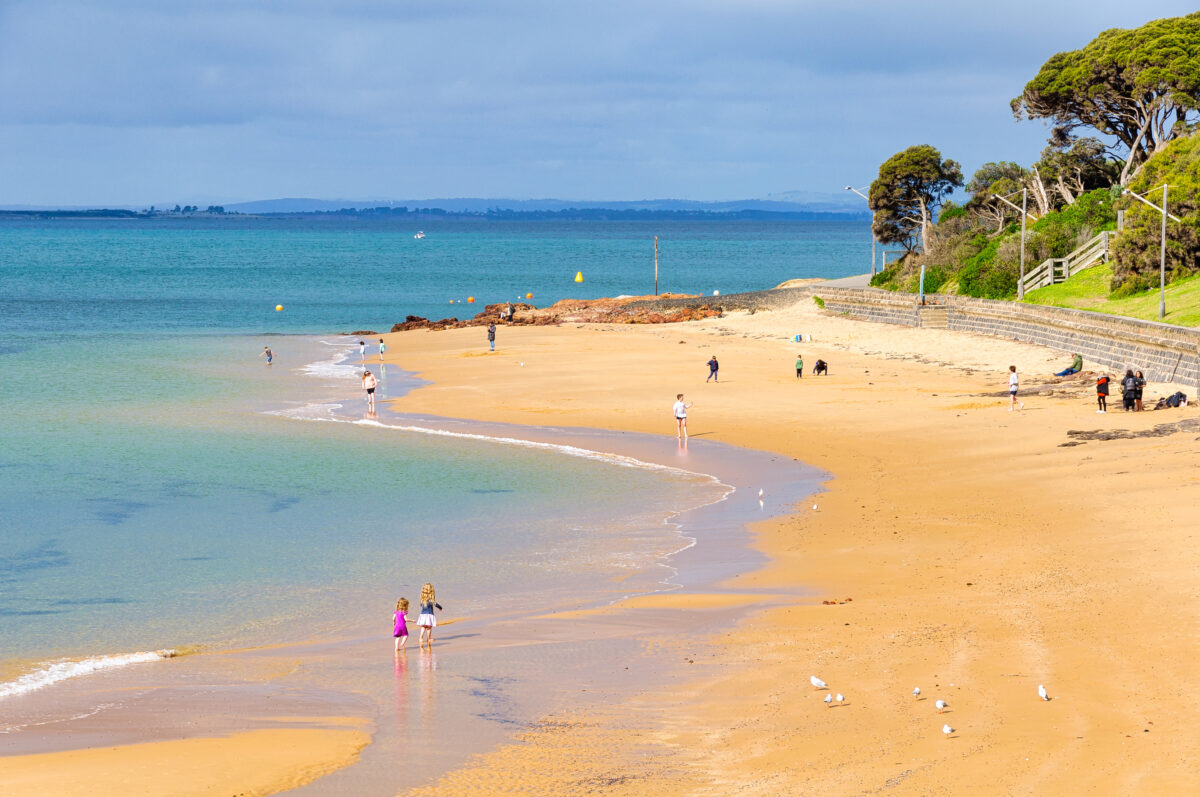
Phillip Island, located 90 minutes from Melbourne, is famous for its nightly penguin parade, but Cowes Beach deserves attention in its own right. As one of Victoria’s only north-facing beaches, it offers calm waters perfect for families with young children—no heavy surf, just gentle waves lapping against the sand.
The beach exudes an English seaside resort atmosphere, complete with a historic rotunda, promenade, and pier. The surrounding town features buzzing cafés, restaurants, and boutique shops along the waterfront.
Beyond the beach, Phillip Island boasts four National Surfing Reserves, world-class surf breaks, and diverse wildlife. It’s an excellent destination for combining beach relaxation with nature experiences and charming small-town exploration.