
So, technically, yes, there are nearly 140 islands within the archipelago that is Hawaii. However, when most of us think of the state — or are planning a trip for that matter — we’re thinking of the six main islands: Hawaii, Kauai, Lanai, Maui, Oahu and Molokai.
Each of these six islands offers a distinct experience, so it’s difficult to say that one is necessarily better than the other, or to pick a handful of the “best” islands to visit in Hawaii. Instead, the Hawaiian island that’s going to be best for you is going to entirely depend on the travel experience that you’re after.
To help you decide, here’s everything you need to know about each of the six main islands and who they’re best for.
Hawaii: Best for Outdoor Adventurers
The Big Island gives the rest of the state its name. Hawaii is the largest of the Hawaiian islands and it offers diverse landscapes aplenty. Snow, deserts, rainforests, active volcanoes — it’s got it all.
With all these diverse landscapes come lots of ways to get out and explore. While there are luxury resorts, and you can certainly spend your days lying on the beach, not planning anything more for your itinerary would be a sore neglect of all that the island of Hawaii offers.
Go whale-watching, hiking, and snorkeling. Check out the island’s cultural and historic appeal too. For example, consider a visit to Kaloko-Honokōhau National Historical Park when you’re not busy chasing adrenaline-fueled activities.
The island is relatively easy to get to, with major international airports including Hilo International Airport and Kona International Airport.
Kauai: Best for Chill Vibes and Those Who’ve Seen Hawaii’s Other Sides
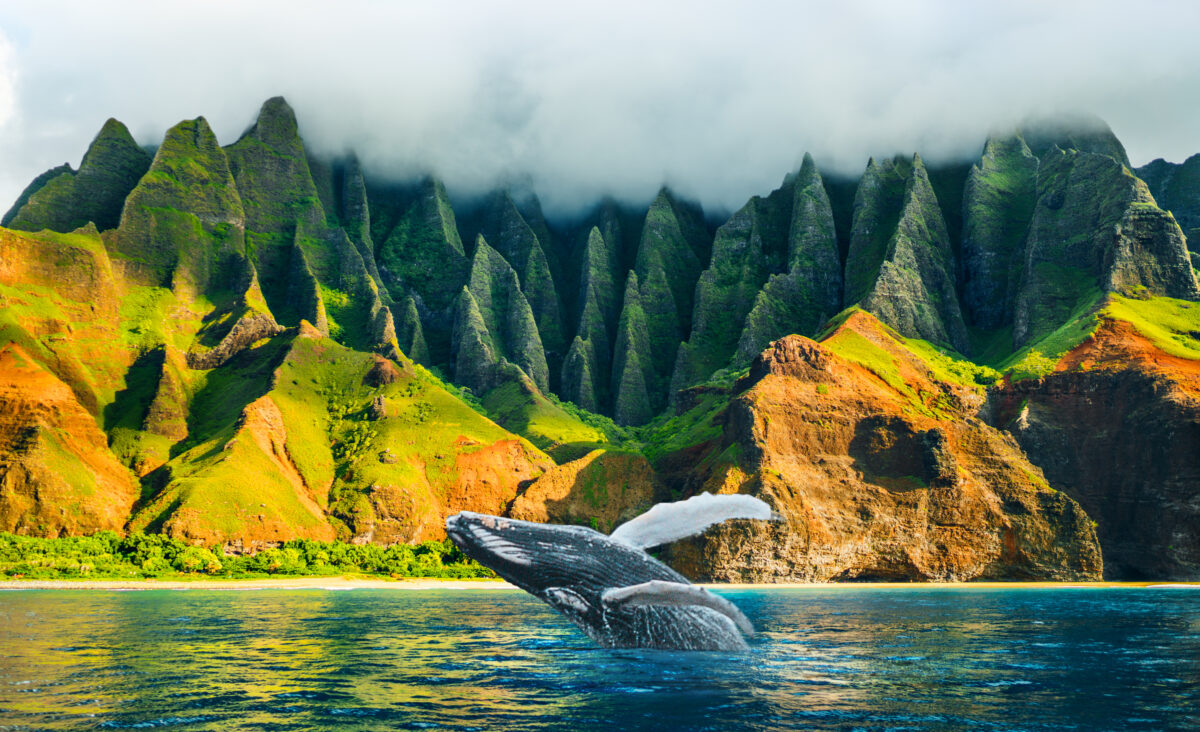
Let’s say that, by now, maybe you’ve hit up the major islands that just about everyone visits the first time they go to Hawaii. You’ve done the Honolulu beach resort thing. You’ve visited Pearl Harbor.
You loved the Hawaiian culture and history, the beaches and landscapes that you’ve seen thus far — and now you’re looking to experience more of that… but at a quieter, slower pace. You want to relax, but you also want to have things to do and see when you’re ready. You also like rubbing elbows with the locals.
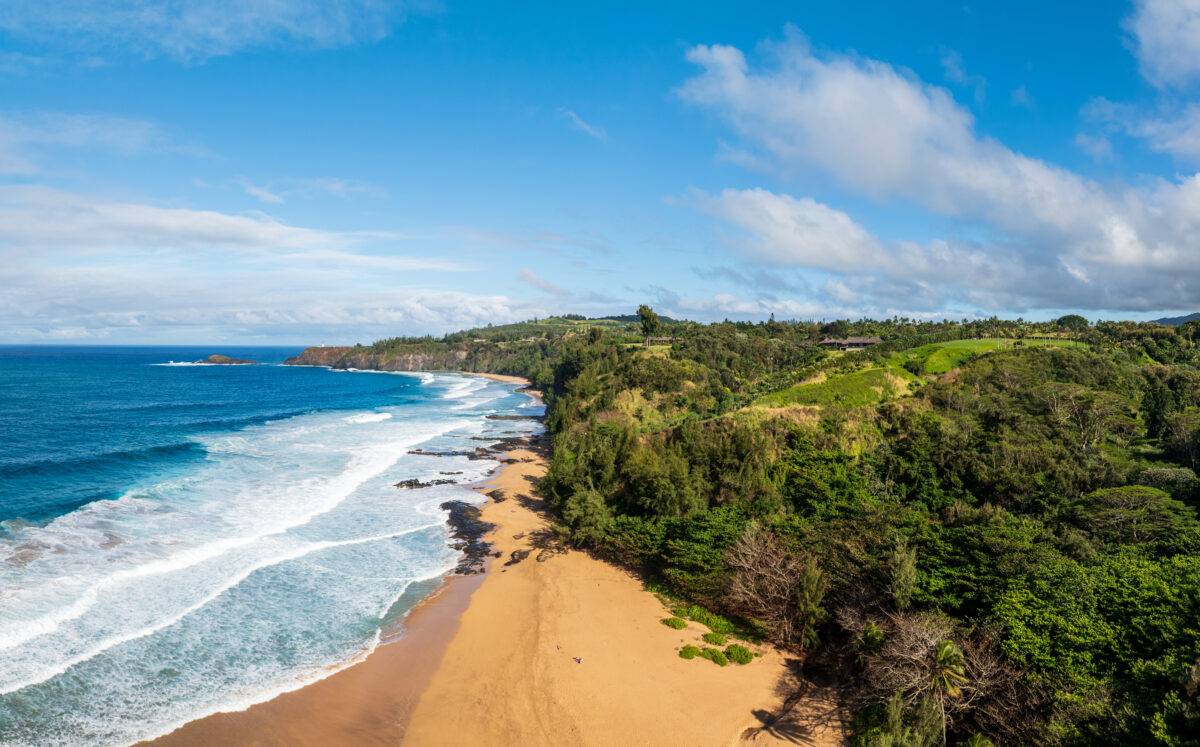
In that case, make tracks for Kauai, which is less developed and more laid-back.
The Garden Isle, Kauai is lush and verdant. Rainforest meets golden beaches. It really is what you think of, when you think “tropical paradise.” Just remember that there’s “rain” in “rainforest.” If rainy days might spoil your mood, this island may not be the best fit for you (otherwise, just be flexible and go with the flow).
Popular outdoor sites include Nāpali Coast State Wilderness Park and Haena State Park. Hiking is exceptionally popular here, with some even dubbing Kauai as the Hawaiian island with the best hiking trails overall.
Comparatively, it is going to be a little bit more difficult for you to get to Kauai, as it’s unlikely you’ll find a direct flight from your hometown. However, if you don’t mind a connection and brief layover, you’ll be fine.
Maui: Best for First-Time Visitors and Families
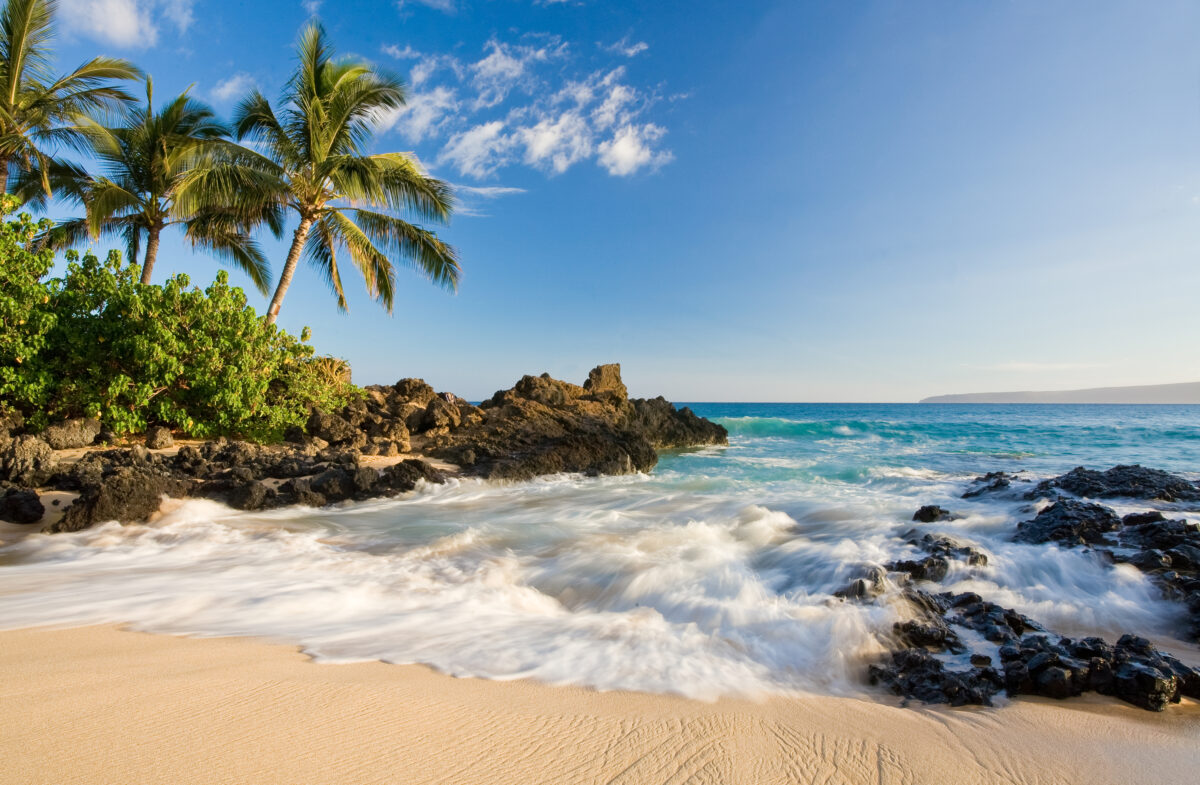
If you’ve never been to Hawaii before, Maui is a pretty safe pick in terms of the best Hawaiian island for newbies. Maui has just about everything you could want and it’s popular enough that you can easily make plans without heading too far off the beaten path.
You can hike and snorkel, check out the cultural attractions, enjoy culinary experiences or simply lie on the beach. Whale watching tours are on tap, as are helicopter tours and scenic drives.
Because Maui has such a broad array of things to do, it’s also a good option for multigenerational travelers. Anyone who’s ever planned a multigenerational beach trip knows that finding a destination that can cater to everyone in the crew — grandparents, siblings, teens, young kids and all — can be difficult. However, Maui checks all the right boxes.
There are plenty of hotels and resorts, but Maui doesn’t have the urban feel that can come with staying in Honolulu. You’re not going to deal with the same amount of traffic (amazing if you’re renting a car while in Hawaii, which is often recommended) or crowds.
Additionally, if you explore much of Oahu, you’re probably going to eventually run into evidence of the island’s wealth disparity (which is something you’ll see in any beach destination that’s also a major city, but I think travelers imagine Hawaii as too paradisiacal for this reality, so they’re not expecting it) — and this is less of an issue on Maui.
So with all of that there is to love, who is Maui not a great fit for? Overall, enjoying Maui on a budget can be a little more difficult.
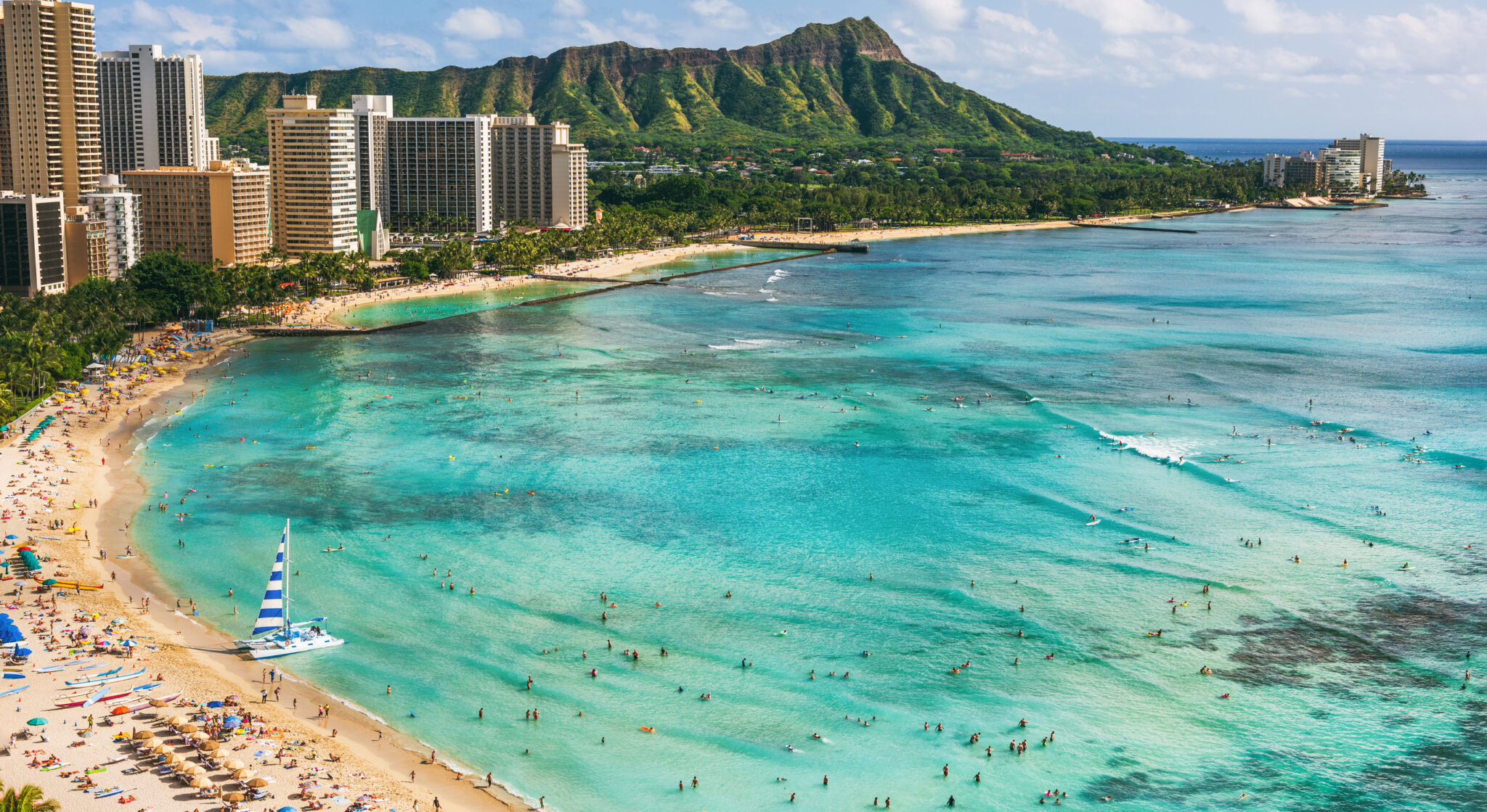
Oahu: Best for Luxury (But Also Budget Travelers!), Tons of Amenities and a “Big Destination” Feel
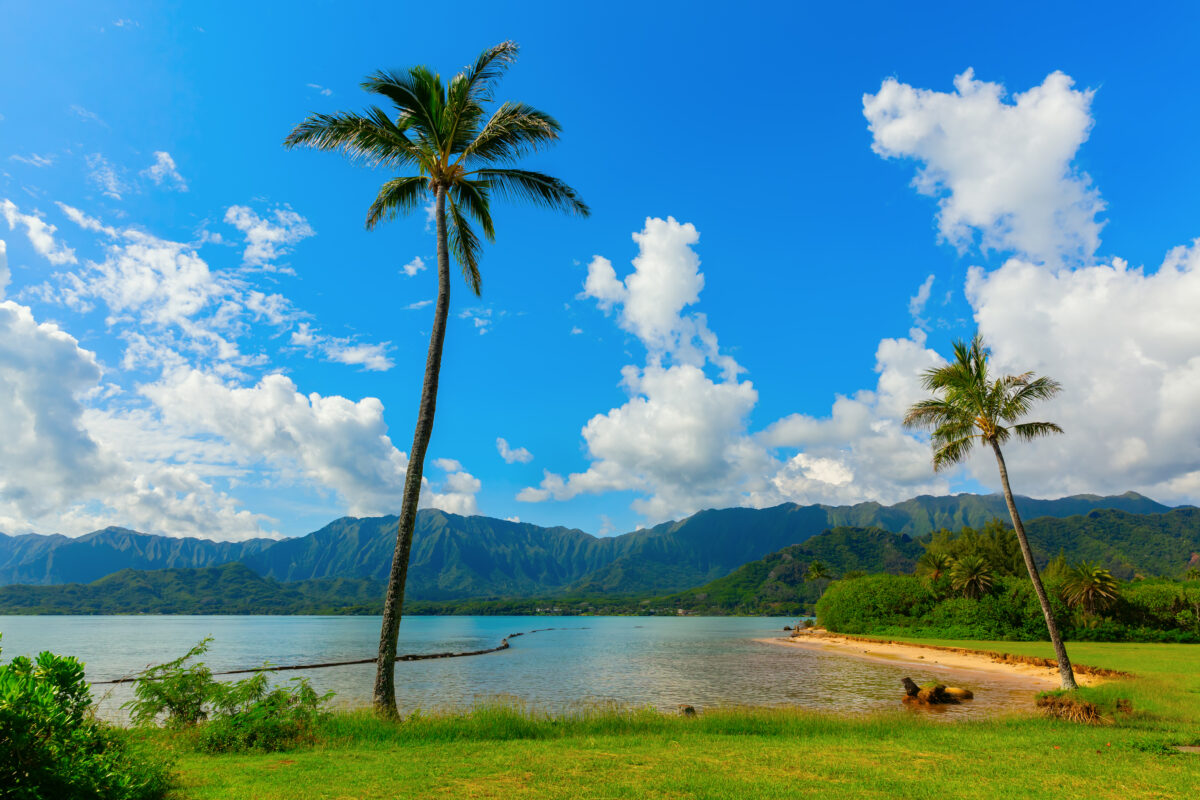
While some travelers may want to avoid crowds at all costs, others know that, where there are crowds, there’s probably a good reason. Oahu is like that.
For travelers who want top attractions, world-class beaches, fine dining, high-end shopping and all the conveniences they could want, right at their fingertips, Oahu delivers.
Additionally, while Oahu has ample luxury options for those who want it, it’s also a decent choice for budget travelers, too. The airfare is going to be cheaper, and while Hawaii in general isn’t necessarily the most budget-friendly beach destination of all time, it is possible to find affordable accommodations on Oahu relative to what you might get elsewhere. You can also find plenty of hole-in-the-wall, affordable local dining.
Of course, if you’ve never been to Oahu, you have to go to Pearl Harbor and Iolani Palace. If you don’t mind leaving the comfort of your resort and sweating for a bit, you can climb Diamond Head.
The beaches and surfing culture are great, but do note that many of the beaches can be quite crowded.
One other convenience that comes with traveling to Oahu that really can’t be overlooked? It’s home to the Hawaiian airport with the most connections to the mainland: the Daniel K. Inouye International Airport.
Lanai and Molokai: Best for Escaping the Crowds
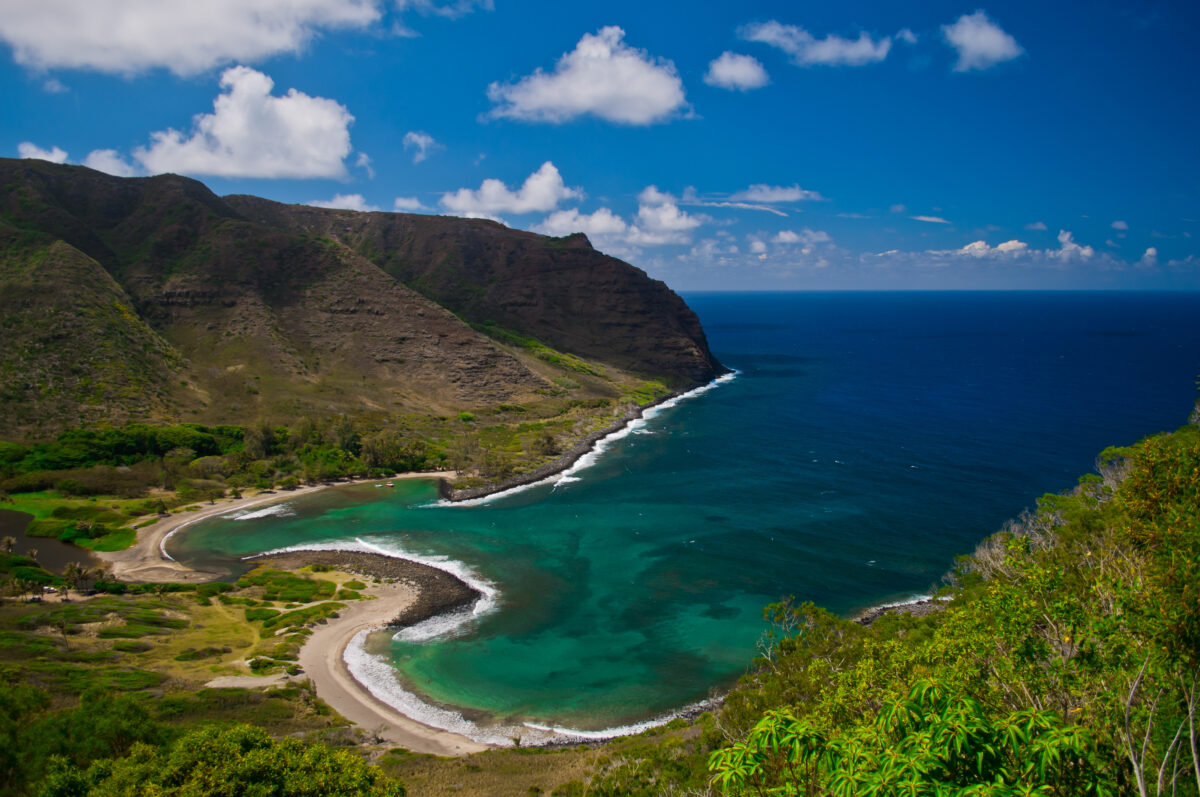
Lanai has relatively few resort-style accommodations and the island is actually majority owned by Larry Ellison, one of the world’s wealthiest businesspeople (so, if that gives you the ick, now you know). That said, if you don’t really mind that particular piece of trivia, visiting Lanai can be great for if you’re seeking an experience away from the crowds, where you can support local businesses, relax at a slower pace, and enjoy top attractions like the Garden of the Gods, the Lanai Cat Sanctuary and Hulopoe Beach.
Another interesting little tidbit of trivia? There are no traffic lights on Lanai.
While Lanai has a handful of resorts, though, Molokai has literally none. Together, these islands receive some of the fewest Hawaiian visitors overall. Still, you won’t be wanting for things to do. Stroll through the main town (Kaunakakai Town), hike to Halawa Falls, sunbathe on Papaohaku Beach or tour a macadamia nut farm.
Getting to both Lanai and Molokai will require either a short plane or ferry ride. There are no direct flights from the mainland to either of these islands.
Due to their size, some travelers will recommend that you actually plan day trips to Lanai or Molokai, from one of the other nearby islands, if you really want to see them, versus planning an entire trip to either.
A Note on Responsible Tourism in Hawaii
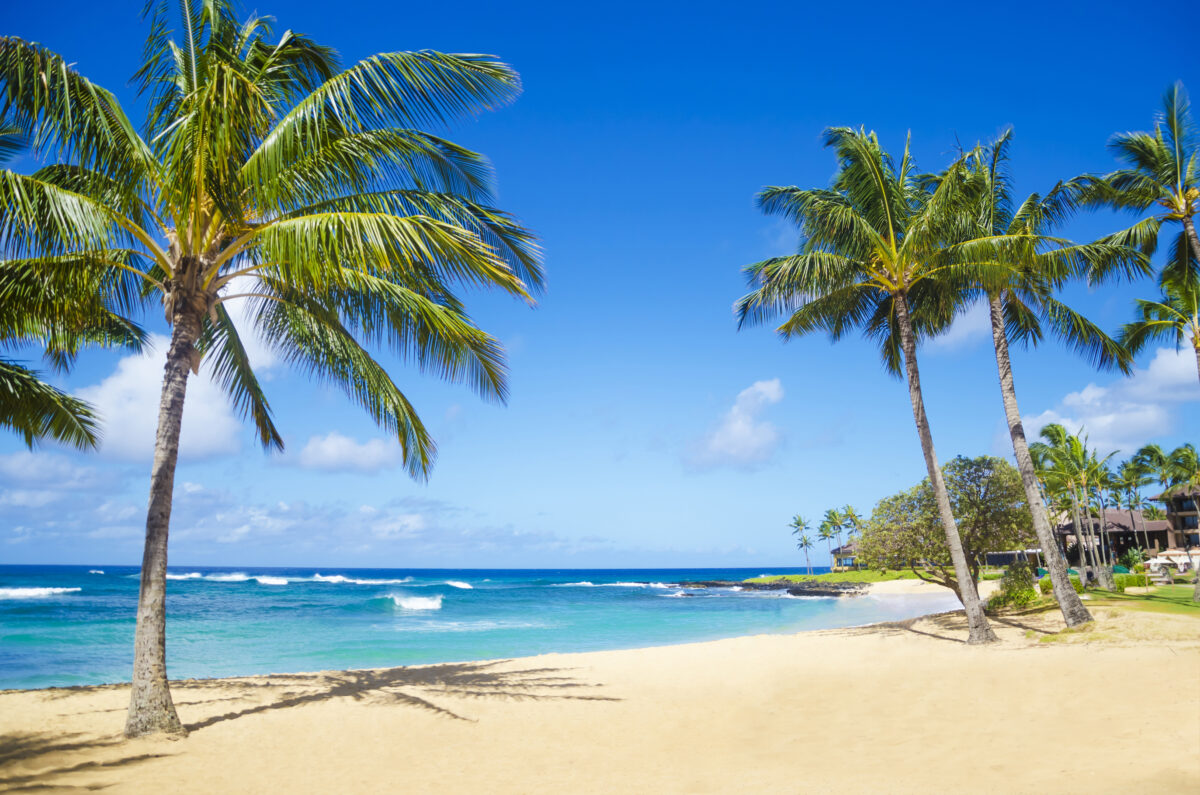
When talking about travel to Hawaii, one topic that continually comes up more and more is sustainable tourism. Over-tourism has been a big issue in the state. Large numbers of tourists can cause strain on local resources and the environment. Many tourists unfortunately may not show a great degree of respect to local tradition and history. Tourism can also drive up the cost of living, pricing out the locals.
Still, no one is saying you have to avoid going to Hawaii completely. Instead, the Hawai’i Tourism Authority encourages responsible travel. This might look like observing leave no trace principles when hiking, on the beach or visiting any natural attraction. It looks like following local guidance surrounding cultural etiquette, and respectfully honoring requests that outsiders not visit certain areas that are “kapu” or “forbidden” to the public.
There’s also the Mālama Hawaiʻi Program, which encourages visitors to give back to the destination in some way during their trip. If you do so, you could receive a discount or even a free night from your hotel or resort. For example, if you stay at Prince Waikiki in Honolulu, you could get your fourth night free if you participate in a self-directed beach cleanup, or when staying at the Hilo Hawaiian Hotel, you could get up to 15% off if you volunteer with any GoHawaii Voluntourism organization.