
While Paris, London, Prague or Budapest usually have cold winters, there are European destinations with surprisingly mild weather and pleasant sunny days. From the historic treasures of Malta to the islands of eternal spring in the Macaronesia and the Costa del Sol al fresco lifestyle, here are places to visit in Europe for a different kind of winter experience. The flight times are short, and the spots on the list don’t have borders, making traveling around very convenient. As a person based in Europe myself, it’s always a delight to change the scenery and trade the cold and snow for the beach. These are my favorites.
Malta
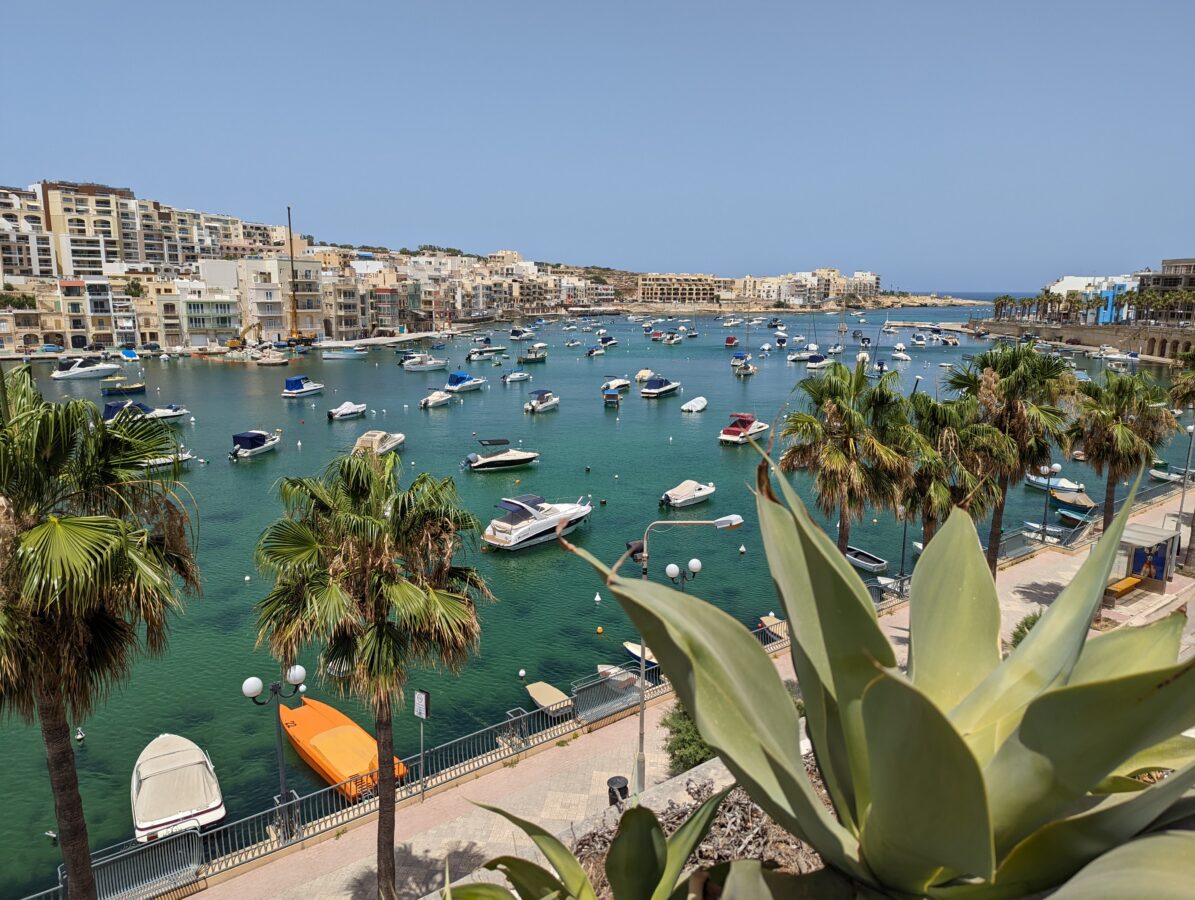
Malta is a small island nation in the Mediterranean, rich in natural and historic treasures. Winter is the low season here, and you can expect lower accommodation prices, fewer crowds, and great weather. The gorgeous blue sea is never far in the 10th smallest country in the world. Malta’s coast enchants you with tall white cliffs, golden sandy bays, and turquoise lagoons. Winter takes away the scorching heat the island is known for, allowing you to enjoy long hikes and pensive waterside walks. Another big reason to visit Malta is its history. The fortress towns Valetta, Birgu, and Mdina are great for sightseeing. Malta is home to ancient UNESCO-protected temple ruins, such as Ħaġar Qim, and gargantuan architectural masterpieces like Mosta Rotunda. And then, you also have a vibrant nightlife in St. Paul’s Bay, where the party doesn’t stop even during winter.
Gran Canaria, Spain
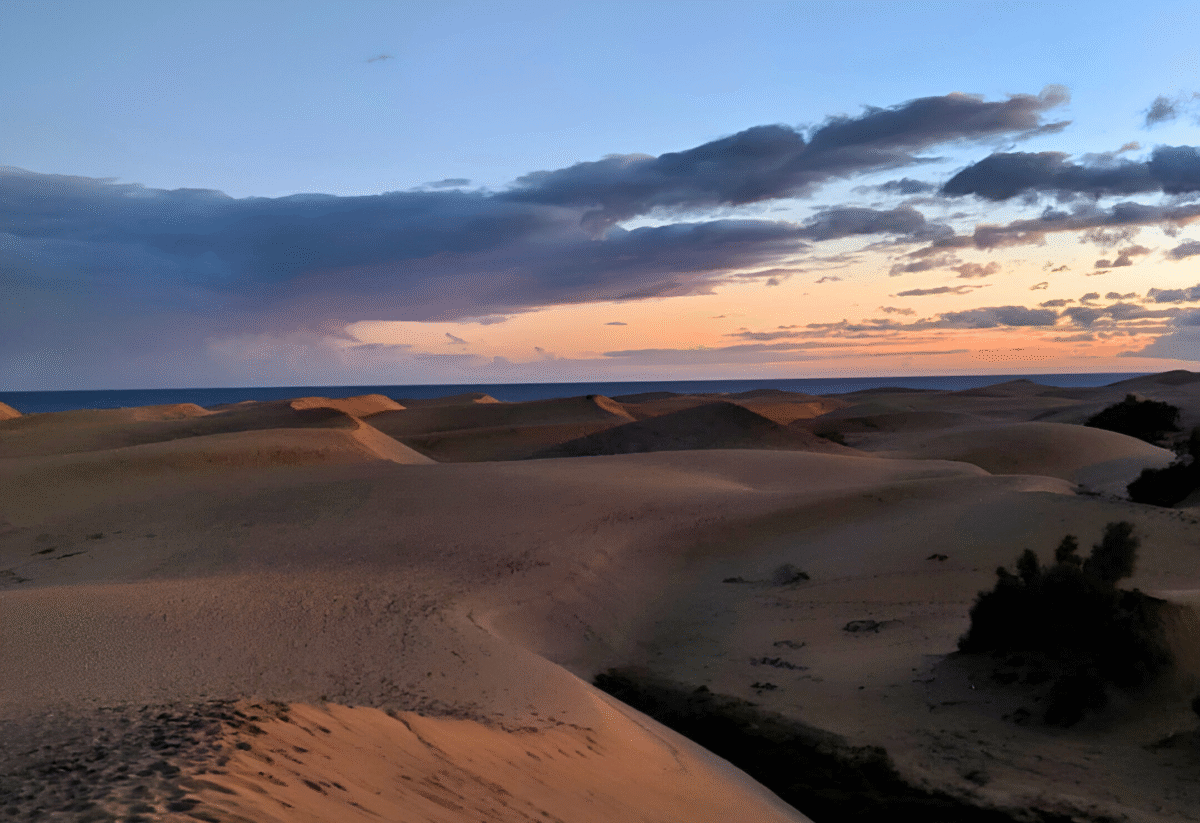
Macaronesia—an area of four archipelagos off the north African coast—is the perfect destination to escape the winter cold. Nicknamed a “Miniature Continent” for the diversity of its microlimates, Gran Canaria is a great introduction to Spain’s Canary Islands. It’s a breathtaking destination of Sahara-reminiscent desert landscapes (Maspalomas), excellent urban surfing beaches (Las Canteras in Las Palmas de Gran Canaria), sunny beach resorts (Puerto Rico), and dramatic inland mountain hikes (the trail to Pico de las Nieves). You can literally swap climates here. Start your day in the hot desert, go up in the cooler mountains and get subtropical on the south coast beaches. It’s also about the accessibility— Gran Canaria Airport is a busy hub with regular connections to Spain and the rest of Europe.
Lanzarote, Spain
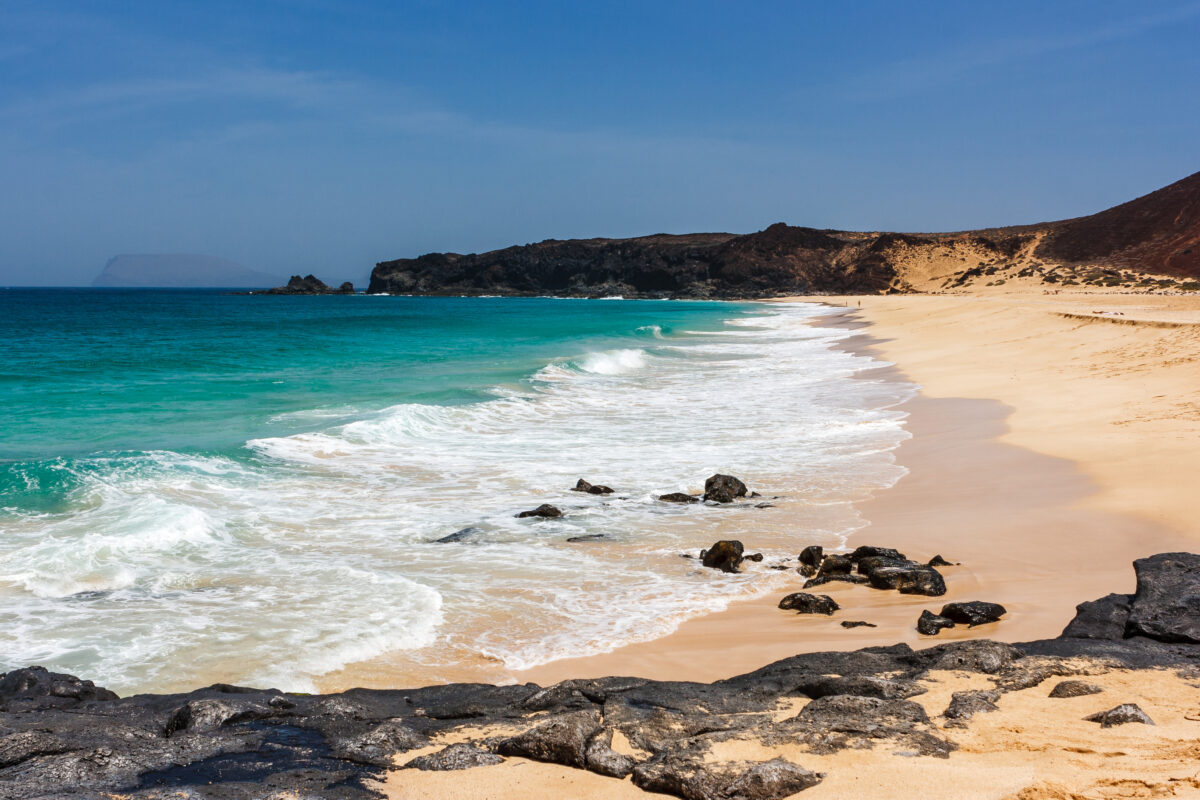
Lunar landscapes await you in Lanzarote. The nature here is unfiltered, and the panoramas are awe-inspiring to the max. Black volcanic soil contrasts with the white of the Atlantic beaches and the deep blue of the ocean water. During winter, the average temperature is around 20°C (68°F), making Lanzarote ideal for a break. If you’re looking for lazy lounging on the beach, the resort towns like Costa Teguise, Playa Blanca, and Puerto del Carmen offer sheltered sandy bays and guaranteed sun. Winter is a perfect season for exploring Timanfaya National Park—Lanzarote’s most striking natural attraction, with volcanoes, geysers, and lava fields. Another must-visit is the Jameos del Agua, an aesthetically rich complex of volcanic caverns combined with pools, restaurants, and a concert hall, created by the island-born architect César Manrique.
Tenerife, Spain
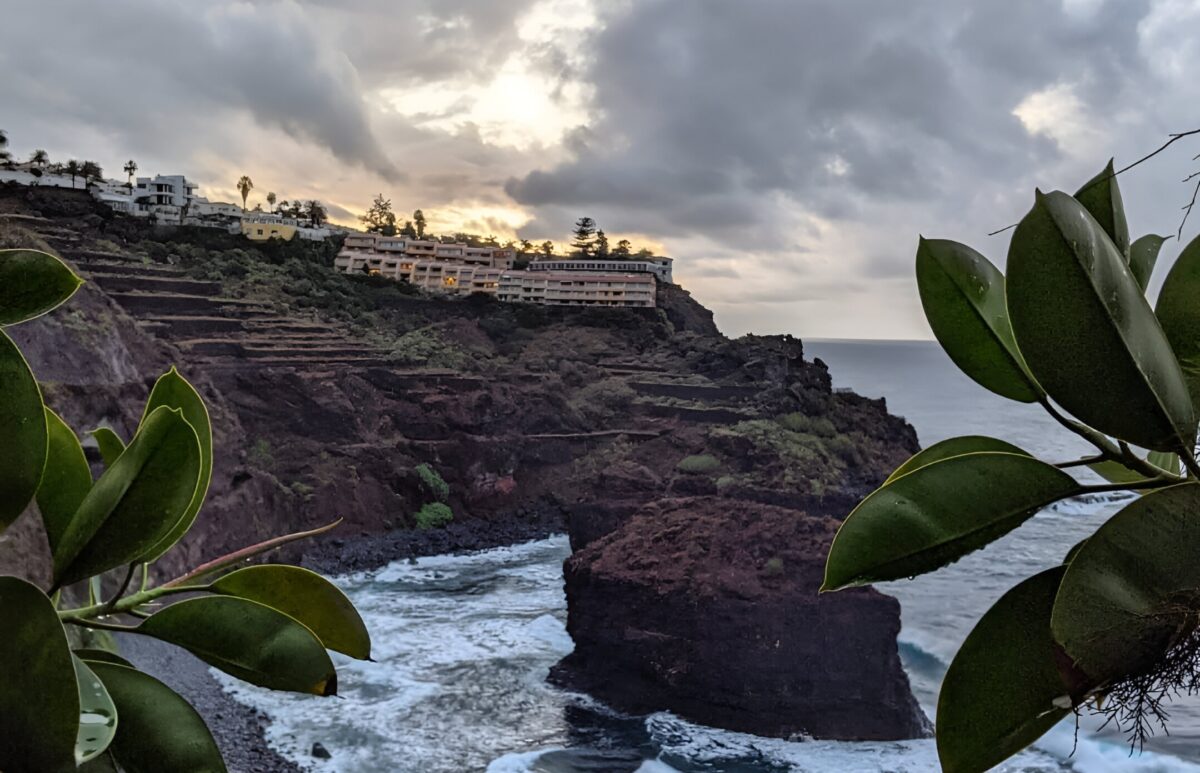
The varied landscapes and mild winter climate of Tenerife make this island a popular winter hangout for European digital nomads and warmth-seekers. The largest of the Canaries, it also has the most things to do. Winter is when the resorts of the south coast fill up with vacationers from Northern Europe. Costa Adeje, Los Cristianos, and Playa de las Américas offer black sand beaches, dry weather, and mild water temperatures. Hike the scenic trails of Teide National Park, which encompasses the area around Spain’s highest peak. La Laguna is among the most fascinating Old Towns of the Canaries, enchanting you with geometrical streets, colonial architecture, and cozy courtyard cafes. For calm waters and gold sand, travel to the stunning, crescent-shaped Las Teresitas Beach. Tenerife is also home to Masca, which is easily Spain’s most spectacular mountain village, set among the volcanic gorge.
Sicily, Italy
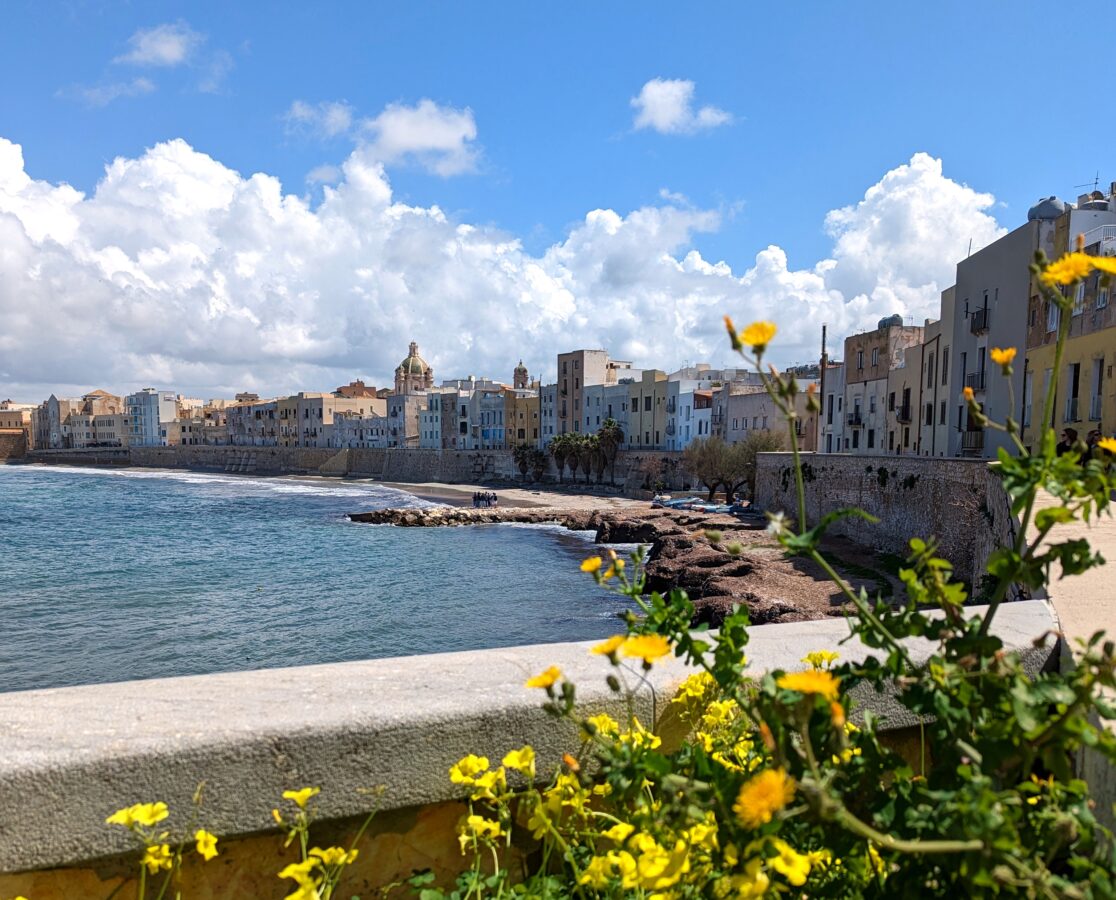
As the Mediterranean Sea’s largest island, Sicily is a fascinating collection of experiences. The pearl of Italy‘s south offers a myriad of beautiful places, including turquoise coves, centuries-old cities, mind-boggling Etna volcanic scenery, and Greek and Roman ruins. Winter here isn’t tropical, but it’s mild enough for comfortable exploration and profiting from the salty Mediterranean air. Sunny days are prevalent from December to February, but rainfall and wind are also a part of the season. Still, Sicily is among the warmest winter destinations in Europe. The highest temperatures (around 16-18°C (60.8 °F-64.4 °F) on average) are on the southern and eastern coast. Base yourself in the UNESCO-protected Baroque jewel of Catania. See the stunning perched town of Taormina and relax on its divine Isola Bella beach. Stroll through the whitewashed streets of Syracuse and stop by Europe’s only papyrus tree (Arethusa Spring). Go on a day trip to Agrigento’s magnificent Valley of the Temples. Sicily won’t leave you indifferent, that’s for sure.
Cyprus
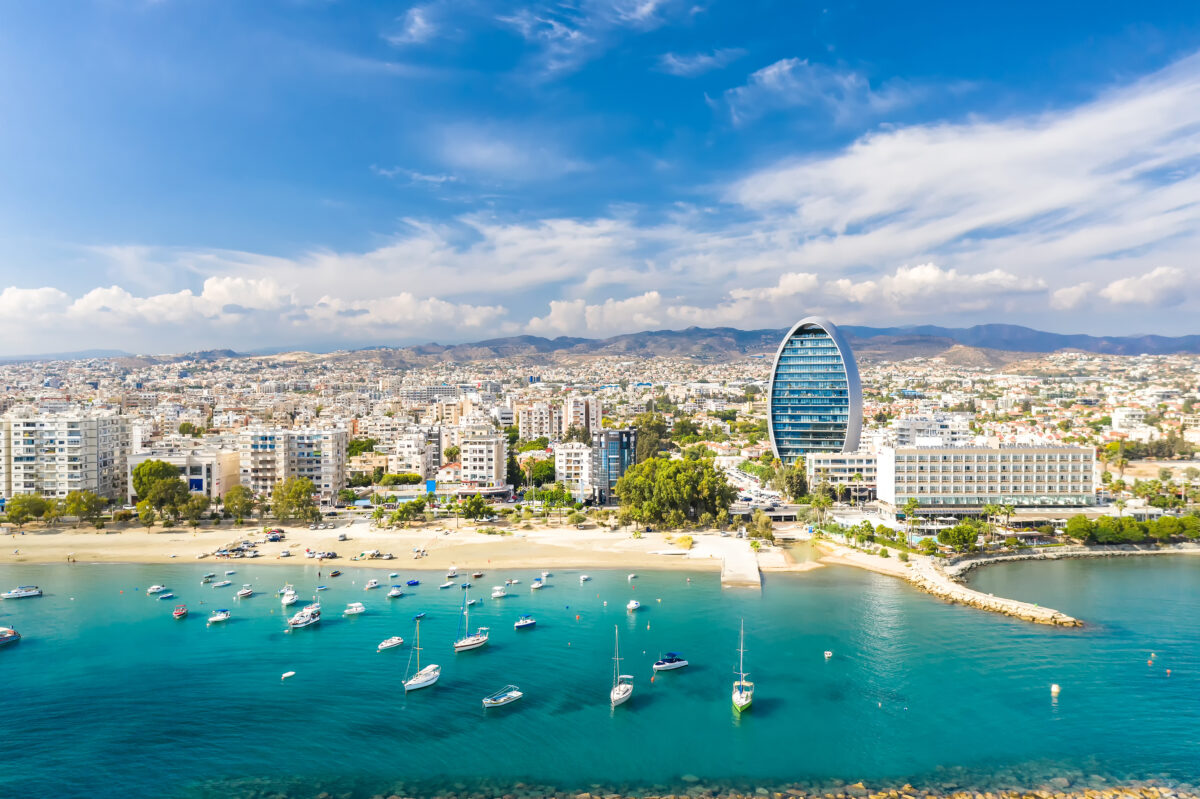
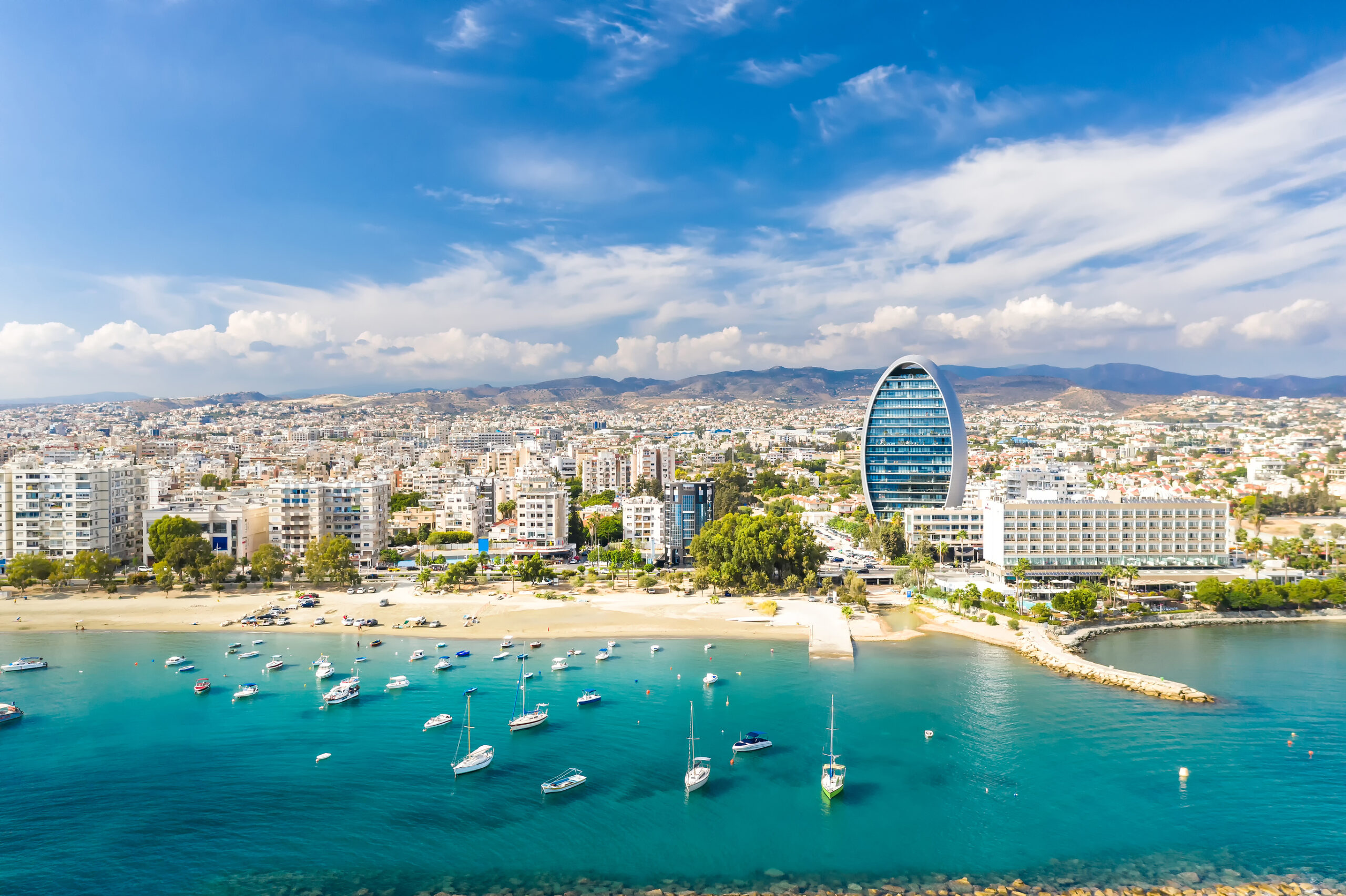
Swimming in winter is an option in sunny Cyprus. The blue waters off the southern coast of this charming Mediterranean island offer a temperature of 17-19°C (62.6 °F-66.2 °F) throughout the winter months. Yes, it might be too refreshing. But considering that the majority of the continent is freezing from December to February, Cyprus is a welcoming warm alternative. Paphos, Larnaca, and Ayia Napa are three coastal destinations to base yourself. Each comes with exceptional crystalline beaches. While life slows down in the resort towns during winter, prices also go down. That’s the best time to get a bargain on accommodation. You’ll enjoy scenic boardwalk strolls, uncrowded local tavernas, and almost empty roads. Larnaca is best for a combination of vibrant city life and the beach. Winter is also great for hiking the trails of Akama National Forest Park and Cape Greco Peninsula, two of Cyprus’ natural coastal treasures.
Costa del Sol, Spain
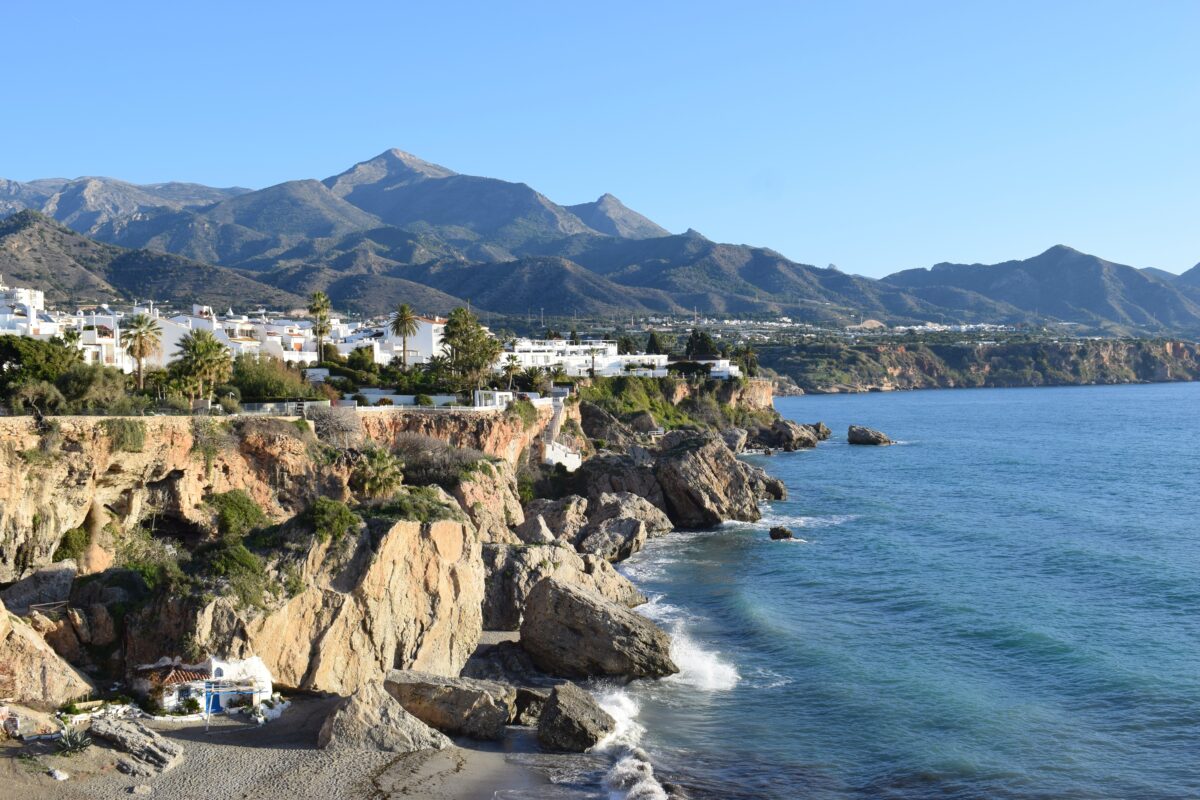
Good winter weather is guaranteed on the “Sunshine Coast,” Spain’s Costa del Sol in the southern region of Andalusia. Electric Málaga, the coastal capital, is filled with life and amazing beaches. Winter here means relaxing on restaurant terraces among the orange trees, exploring the ancient Moorish hilltop fortresses without the scorching heat, and drinking beer at the chiringuitos (local beach bars). While water temperatures remain at a cool 16°C (60.8°F) on average, the iconic Málaga beaches Malagueta and Pedregalejo are fantastic for strolling and picnicking to the sound of the waves. Head to other Costa del Sol’s beach town gems, Marbella, Fuengirola, and Nerja for an easygoing winter sea break. It’s also a perfect season to embark on hikes in Montes de Málaga Natural Park, which has a very Southern Californian appearance.
Lampedusa, Italy
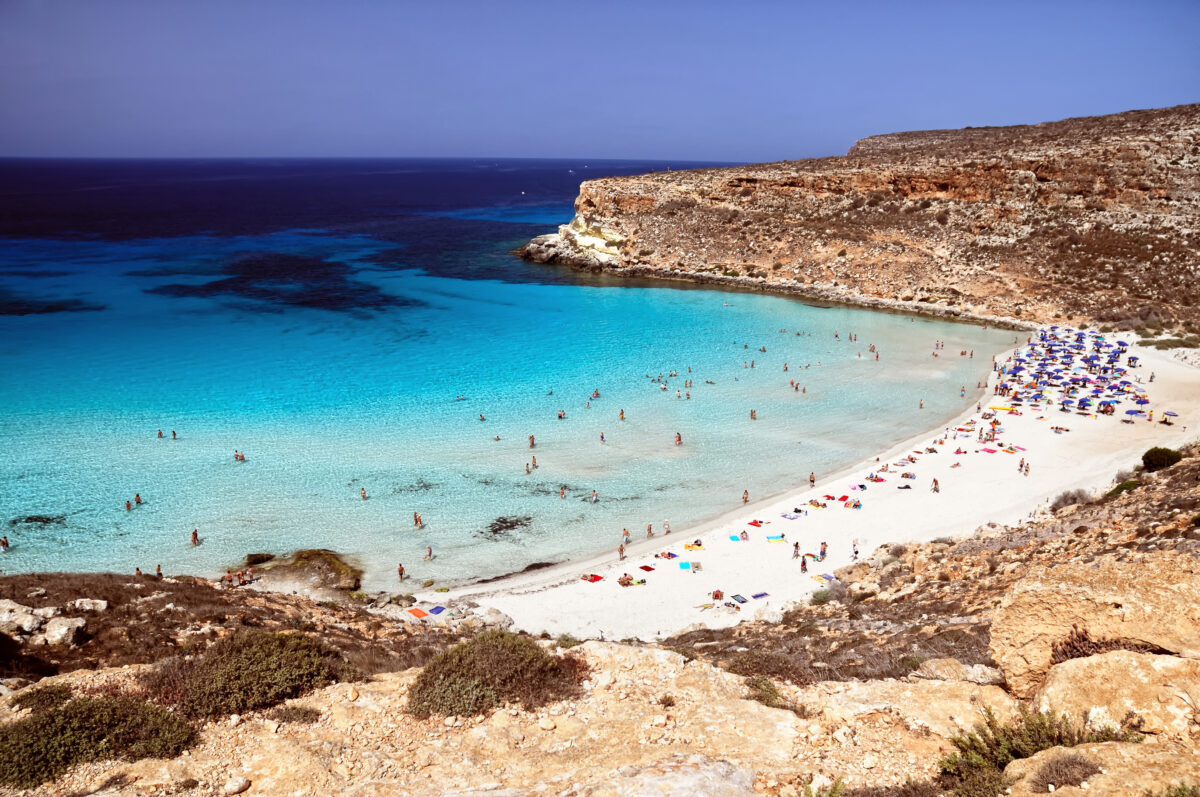
Lost between Europe and Africa, Lampedusa is not your regular island destination. This land is officially Italy’s southernmost point, merely 70 miles off the Tunisian coast. Geologically, the island is part of the African continent. It’s filled with tall limestone cliffs, never-ending maquis shrubland valleys, and divine turquoise coves. Winters here are usually sunny and mild. Base yourself in a pretty whitewashed Lampedusa town and explore the island at your own pace. Rabbit Beach is a must-visit and one of Italy’s most striking stretches. There, cliffs tower over sandy bay with clear blue waters. Cala Pisana and Mare Morto are two coves to visit for the transparent turquoise sea.
Fuerteventura, Spain
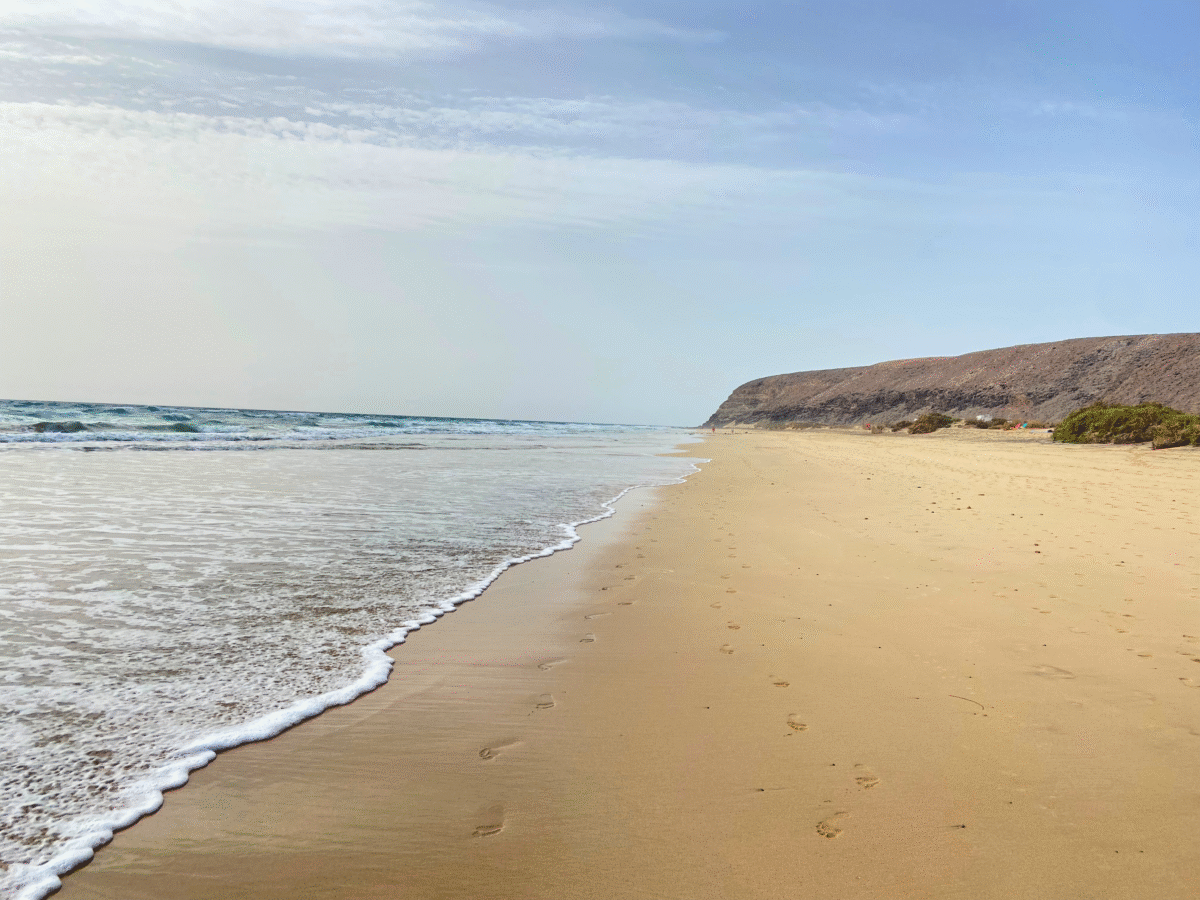
Fuerteventura is the ultimate island for the white-sand beaches—the glorious local dunes are even seen from space. With a comfortable temperature of 20°C (68°F), it’s also a favorite European beach escape in winter. The landscapes here are the closest you can get to Mars: the brown cones of dormant volcanoes, the roads going as far as the eye can see, and the ochre of the desert valleys. Grandes Playas Corralejo—a series of three sandy beaches—is the most striking ocean area to explore. La Concha in El Cotillo village is another fantastic stretch, with a naturist section. Fuerteventura is one of the best spots in Spain for water sports that use wind power. Wind and kite surfing enthusiasts will be happy to discover Playa de Sotavento de Jandía, offering excellent conditions and more white sands.
Almería, Spain
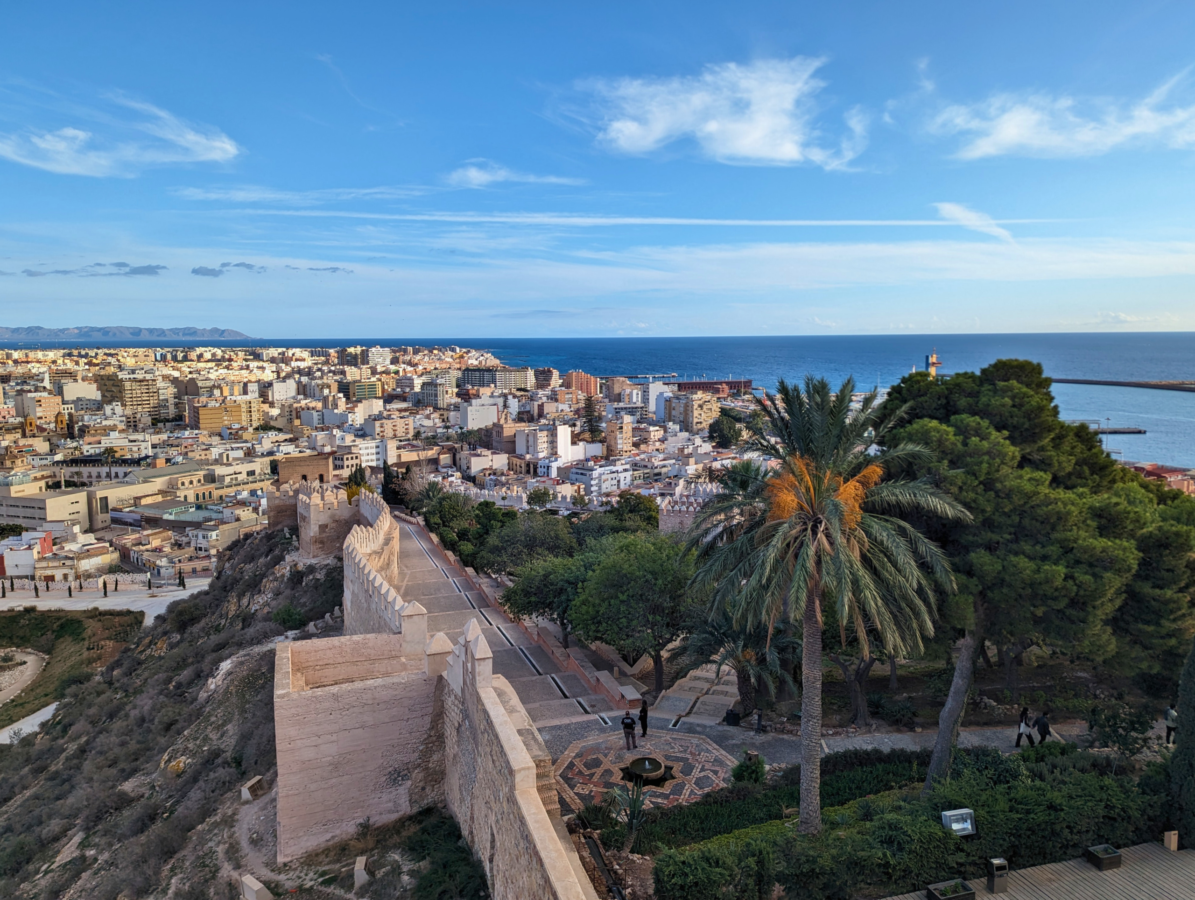
When it comes to mainland Spain, Almería offers the driest and warmest winters. Located between the only desert in Europe (Tabernas) and the blue Alboran Sea, this city will work great for a low-key winter escape. It’s famous for its epic Alcazaba, a gargantuan medieval Moorish fortress complex overlooking the labyrinthine Old Town. Almería isn’t a seasonal resort, but a busy port, so the streets and plazas are teeming with life year-round. The city is also a gateway to Parque Natural del Cabo de Gata-Níjar, one of Spain’s most impressive natural areas. You may recognize the park’s main beach, Playa de Mónsul. It was featured in such movie hits as “Indiana Jones and the Last Crusade” and “The NeverEnding Story.” Take a day trip to Tabernas Desert to see the preserved sets of Spaghetti Western movies from the ‘70s.