
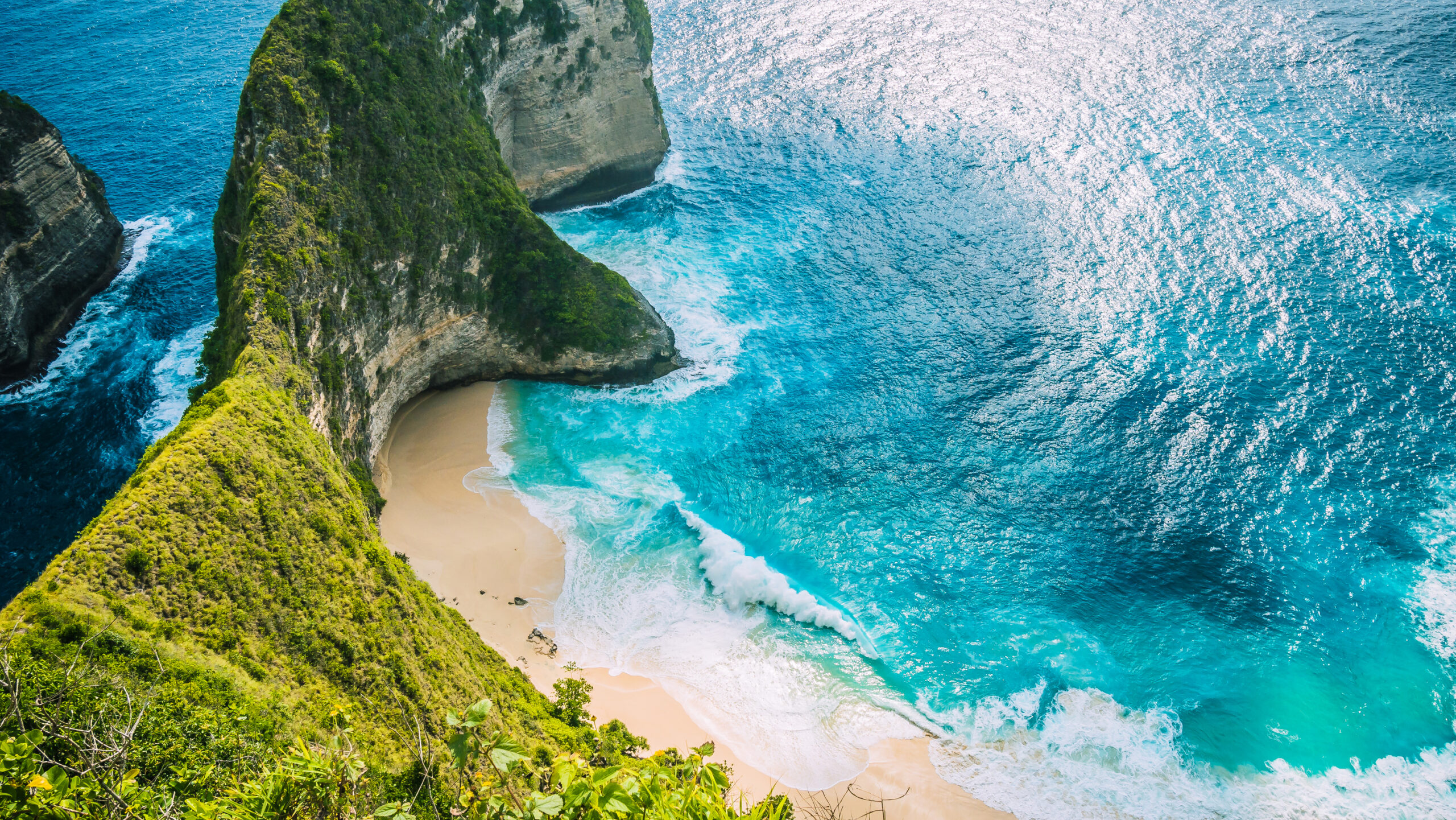
From the clifftop, Kelingking Beach hardly looks real. A narrow limestone rock covered in bright green vegetation twists into the Indian Ocean, forming an uncanny resemblance to the head of a Tyrannosaurus rex. Nearly 600 feet below, a sliver of white sand meets water so intensely blue that the entire scene looks AI-generated.
It is the kind of landscape that was destined to go viral online.
Located on the island of Nusa Penida, just southeast of Bali, Kelingking has become one of Indonesia’s most recognizable viewpoints. Its T-Rex-shaped cliff appears in countless Instagram posts, helping turn what was once a relatively remote island into a major stop on the Bali tourist circuit.
I visited Nusa Penida in 2018, before its most famous attractions became quite as crowded as they are today. At the time, it was the most undeveloped destination I visited around Bali. Beyond the island’s main paved route, many of the roads I traveled were rocky, uneven and in pretty bad shape. Navigating them by scooter was an adventure—but one that felt worth it when I had places like Kelingking all to myself.
Today, the scenery hasn’t become any less spectacular. Yet the experience surrounding it has changed considerably. Here is everything you need to know before visiting the viral Kelingking Beach.
Why is Kelingking Beach Famous?
The obvious answer is the T-Rex cliff.
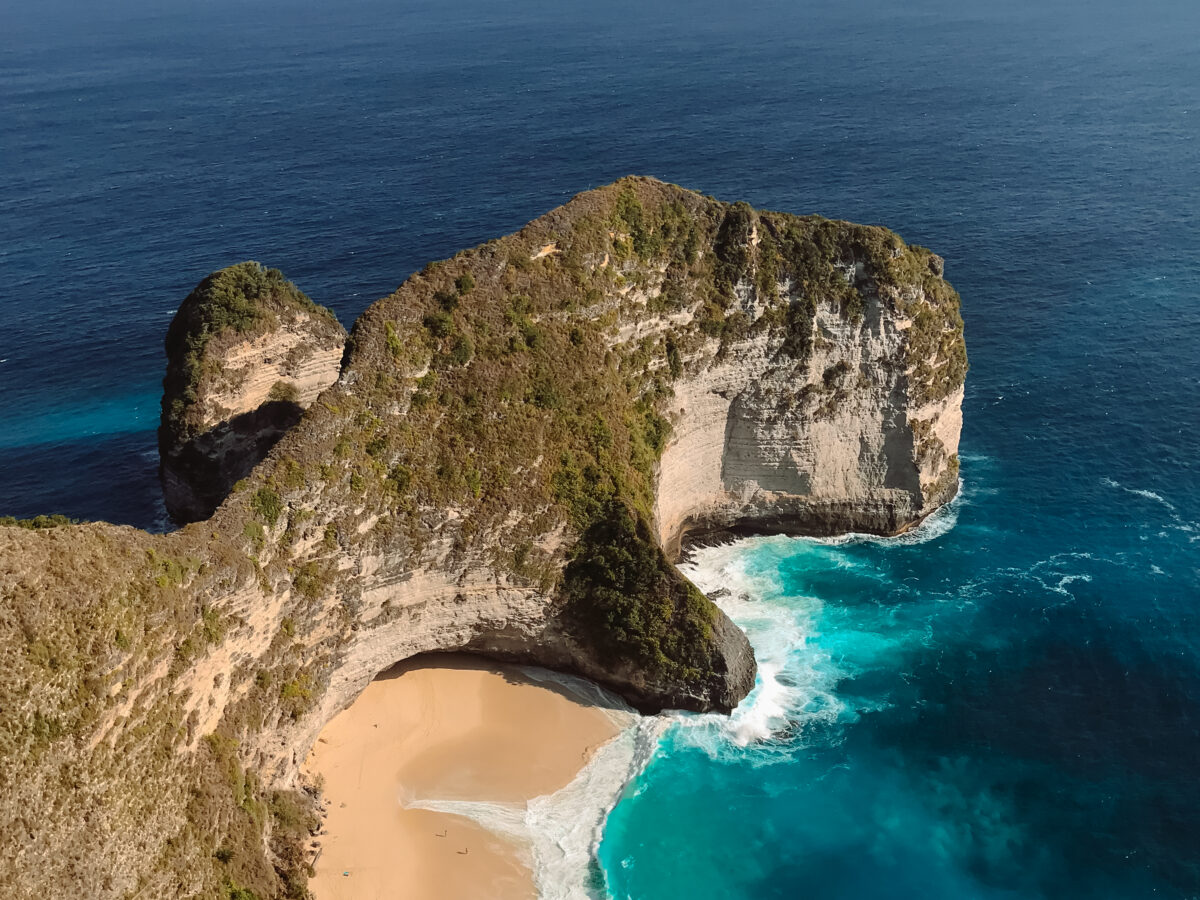
Viewed from above, Kelingking’s green limestone cliff really does look like a giant dinosaur head leaning toward the ocean. If you use your imagination, you can spot the head, an open jaw and a curved back.
And since you don’t need to complete a long hike or even go down to the sand to see it, it’s become accessible to anyone adventurous enough to visit the island.
While Kelingking may appear completely wild and empty in most photos that go viral, that’s not usually the whole truth. The epic rock has gone viral enough to bring a constant stream of visitors. As one recent visitor once put it, it was the most crowded natural attraction she had ever visited. “It felt like an open-air photo studio,” she wrote on Instagram.
Where is Kelingking Beach?
Although many people refer to it as a Bali attraction, Kelingking Beach is located on Nusa Penida, a separate island within Bali Province.
To get there, you’ll need to take a fast boat from Bali, with most ferries departing from Sanur and taking about 45 minutes to reach the island. Once you arrive on Nusa Penida, Kelingking Beach is about a 45-minute drive from the main ferry ports.
How to get there
A day tour is the most popular choice and is ideal if you’re short on time. Most tours include transportation from Bali, round-trip boat tickets, and stops at several viewpoints on Nusa Penida, including Kelingking Beach. The downside is that you’ll be visiting at the same time as other tour groups.
If your schedule allows, I’d recommend staying overnight instead. That’s what I did, and it completely changed my experience. I was able to wake up early and visit Kelingking outside the busiest hours and explore the island at a much slower pace, rather than racing from one attraction to the next.
What to Do in Nusa Penida
Kelingking Beach may be Nusa Penida’s biggest attraction, but it’s far from the only reason to visit. If you have the time, you’ll have the chance to experience some of Indonesia’s most dramatic coastal scenery.
Hike down to Kelingking Beach
Most visitors admire Kelingking from above, but the more adventurous hike to the beach below. The path down follows a steep staircase carved into the cliffside, and it’s considered a physically demanding trek, especially in the midday heat. Wear the right shoes, bring plenty of water, and be prepared for the climb back up.
Swim with manta rays
Nusa Penida is one of the best places in Indonesia to snorkel or scuba dive with giant reef manta rays. Tours depart daily from several points around the island. While sightings are never guaranteed, manta rays can be seen here throughout much of the year.
Visit Atuh Beach and Diamond Beach
Located on Nusa Penida’s eastern coast, Atuh Beach and Diamond Beach are another tw spectacular beaches worth visiting.
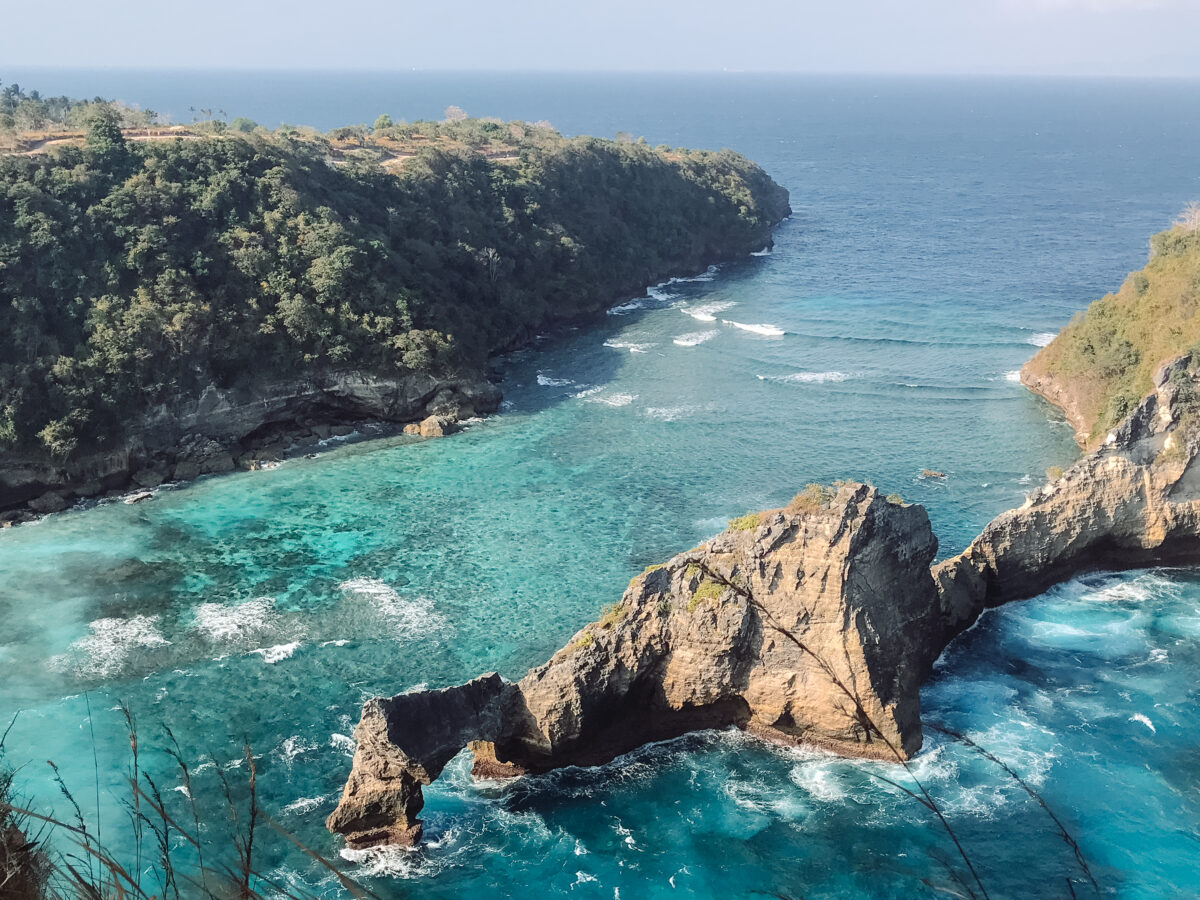
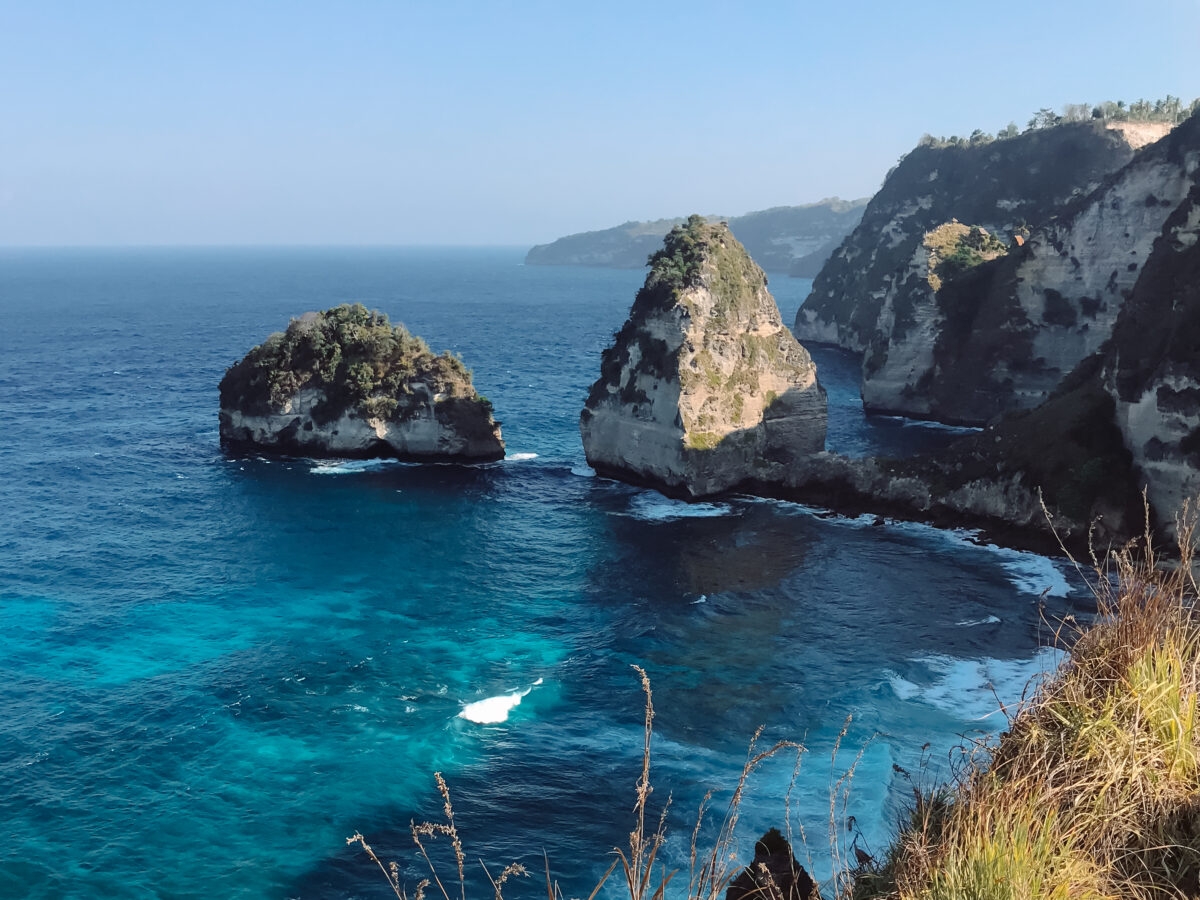
Atuh Beach is a beautiful white-sand cove framed by towering limestone cliffs and an iconic offshore rock arch, while neighboring Diamond Beach is famous for its turquoise water and the diamond-shaped sea stack that gives the beach its name.
Both beaches require a descent from the clifftop. Diamond Beach’s staircase is steeper and more dramatic, while Atuh Beach is reached by a gentler set of concrete steps.
Explore Broken Beach and Angel’s Billabong
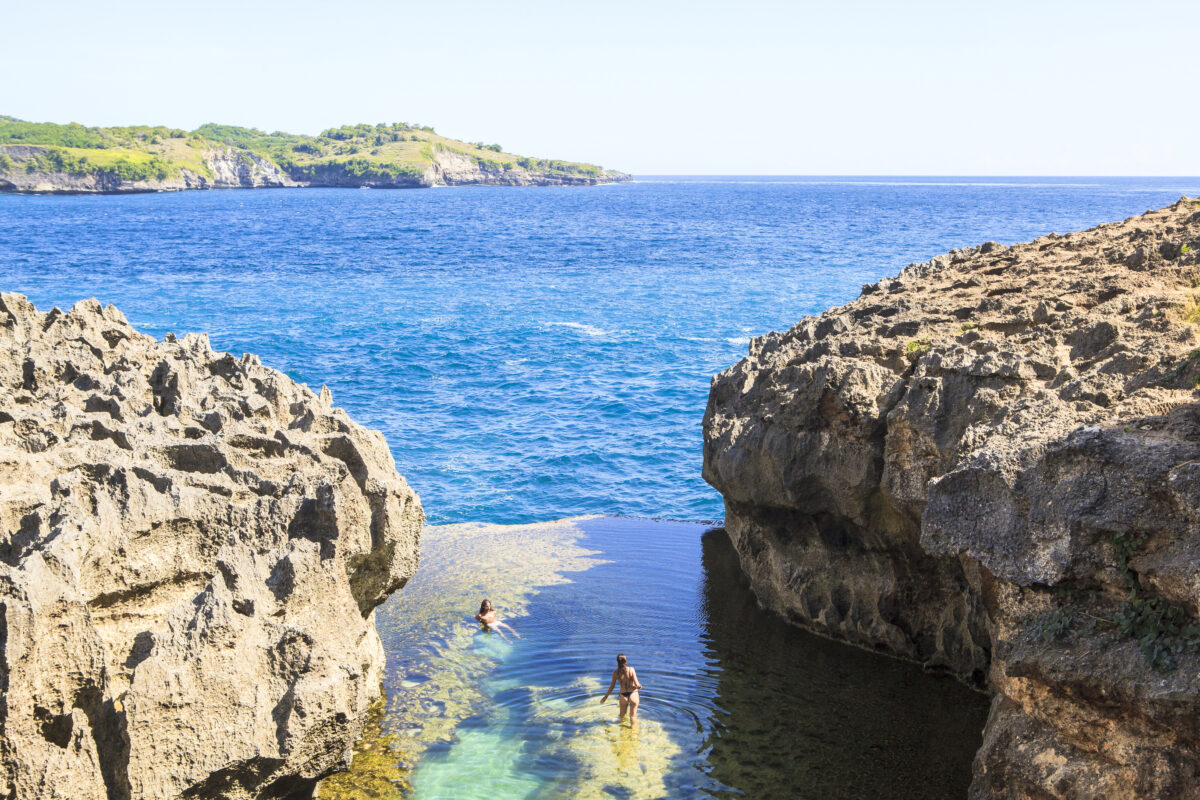
Take a 10-minute drive from Kelingking and you’ll find a collapsed sea cave known as Broken Beach (Pasih Uug). Angel’s Billabong, a crystal-clear tidal pool carved into the limestone cliffs, is also nearby. Swimming isn’t recommended in either spot, but seeing both from above is well worth the visit.
Hike to Peguyangan Waterfall
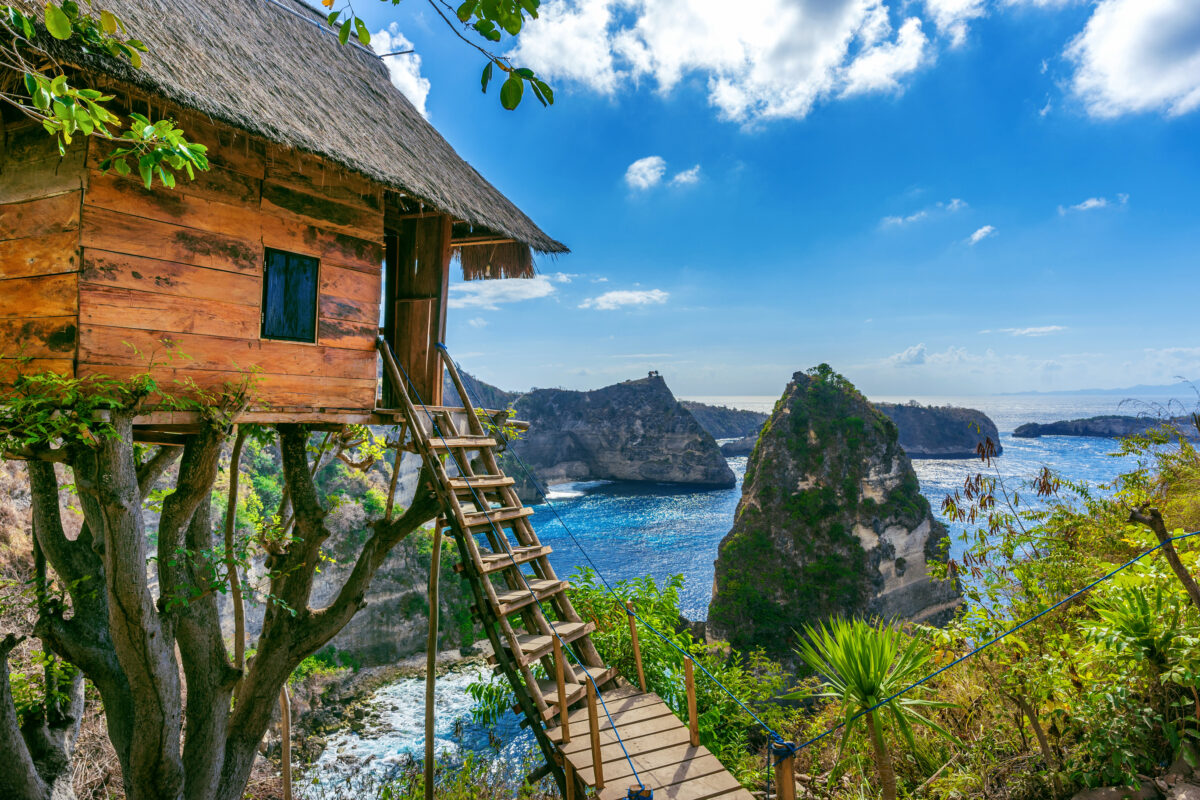
One of my favorite experiences on Nusa Penida was climbing down the island’s famous blue staircase to Peguyangan Waterfall. The stairs hug the side of a sea cliff before reaching a sacred Balinese temple and natural pools overlooking the Indian Ocean. It’s one of the most dramatic sceneries I’ve ever witnessed.
Remember to be respectful, as locals consider this a sacred pilgrimage site.
When Is the Best Time to Visit?
- For the best weather: The dry season in Nusa Penida is from April to November. Go then for clear skies, calm seas, and the brilliant blue water that makes Kelingking Beach so photogenic.
- For fewer crowds: Shoulder season—May, June, September, and October—is the overall best time to visit, as you’ll get beautiful weather with fewer crowds than the peak months of July and August.
- For the manta rays: Many people travel to Nusa Penida to swim with manta rays. While they can be spotted year-round, you’ll have better underwater visibility from May to October.
- For Kelingking Beach: Aim to reach Kelingking Beach early in the morning before the day-trip crowds arrive from Bali. Late afternoon is another good option, with softer light and fewer people, but be mindful about driving back after dark.
How to Visit Kelingking Responsibly
Consider stepping away from the primary photo point instead of pushing through the crowd for the exact image everyone else is taking. Instead of treating the beach like a quick photo assignment, pause and take in the scene.
Most importantly, keep a safe distance from the cliff edge, especially when posing for photos. If you’re hiking down, wear appropriate footwear and adhere to all swimming restrictions.
Explore the rest of the island, too, if you have the chance. Staying overnight on Nusa Penida gives you time to try locally owned restaurants, hire local guides and drivers, and go beyond the handful of viewpoints that dominate social media.
FAQs about Kelingking Beach
Is Kelingking Beach worth visiting?
Yes. Despite its viral fame, Kelingking Beach remains one of the most spectacular natural landmarks in Indonesia. The dramatic T-Rex-shaped cliff and panoramic ocean views are every bit as impressive as they look in photos.
That said, expect crowds at the main viewpoint, especially in the middle of the day. If possible, stay overnight on Nusa Penida and visit early in the morning or later in the afternoon for a more enjoyable experience.
Can you swim at Kelingking Beach?
Swimming is not recommended due to extremely strong waves and rip currents. Local authorities have warned visitors about the dangerous conditions following fatal accidents.
Can you hike down to Kelingking Beach?
Yes, but it’s challenging! The steep staircase carved into the cliff requires proper footwear and caution. Many visitors hike down, but many also choose to enjoy the famous viewpoint from above.
How difficult is the hike?
The hike is considered strenuous rather than technical. The path is steep, exposed to the sun, and includes long staircases with significant elevation change.
How long should I spend at Kelingking Beach?
If you’re only visiting the viewpoint, plan for about 1 to 2 hours. If you intend to hike to the beach and back, allow 3 to 4 hours, depending on your pace and how crowded the trail is.
What’s the best time to visit?
Arrive early in the morning to beat the crowds and midday heat. Late afternoon can also be a great time to visit, with softer light for photos and fewer day-trippers.
Is Kelingking Beach suitable for kids?
Families can certainly visit the viewpoint, but the hike to the beach is generally not suitable for young children.
Do I need a guide?
No. The viewpoint is easy to visit independently, and the trail to the beach is straightforward to follow.
What happened to the Kelingking Beach elevator?
Construction began on a glass elevator that would carry visitors from the clifftop to the beach, but the project was suspended in 2025 after authorities raised concerns about permits and environmental impacts. As of 2026, the unfinished structure remains in place while legal proceedings continue, and the elevator is not operating.