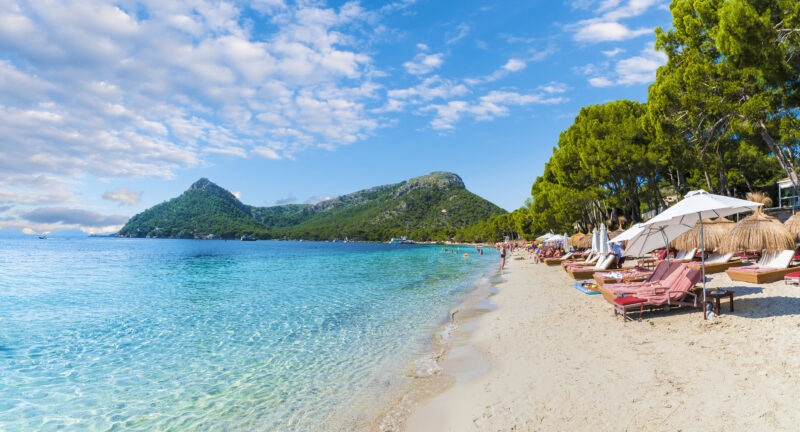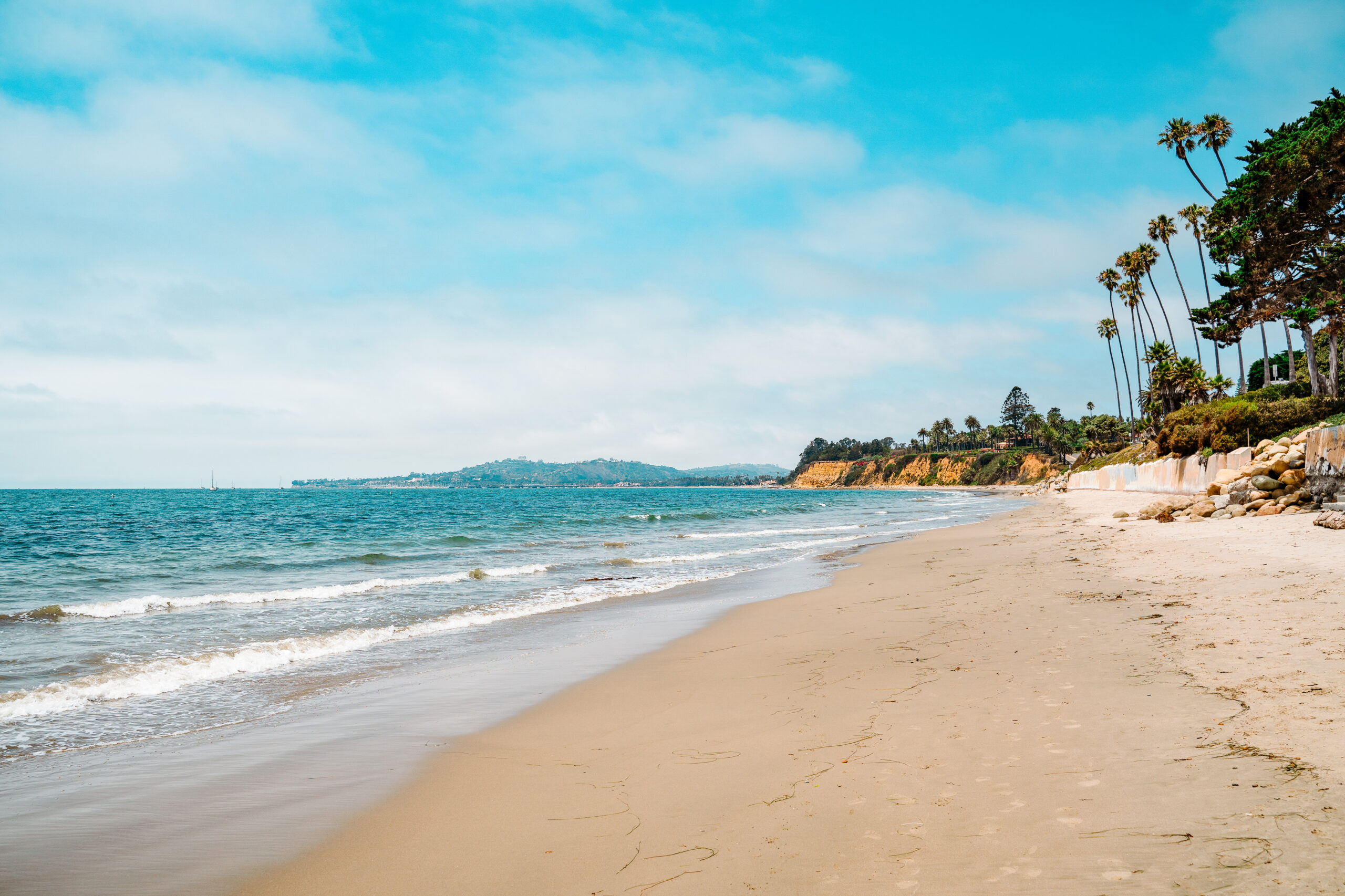
When I lived in San Diego, Santa Barbara was where I went whenever I wanted a more sophisticated, European feel without actually getting on a plane. I spent my 21st birthday there, wandering State Street with a glass of local wine in hand, feeling for a weekend like I was somewhere on the Mediterranean instead of two hours up the California coast.
That nickname, “The American Riviera,” isn’t just a marketing line. Santa Barbara earns it, with red tile roofs, whitewashed adobe walls, and a laid-back elegance that’s hard to fake. It’s the kind of place where you can kite-surf in the morning, wander a Spanish mission by noon, and sip Central Coast wine at sunset, all without leaving town.
Why Santa Barbara Feels Like Europe
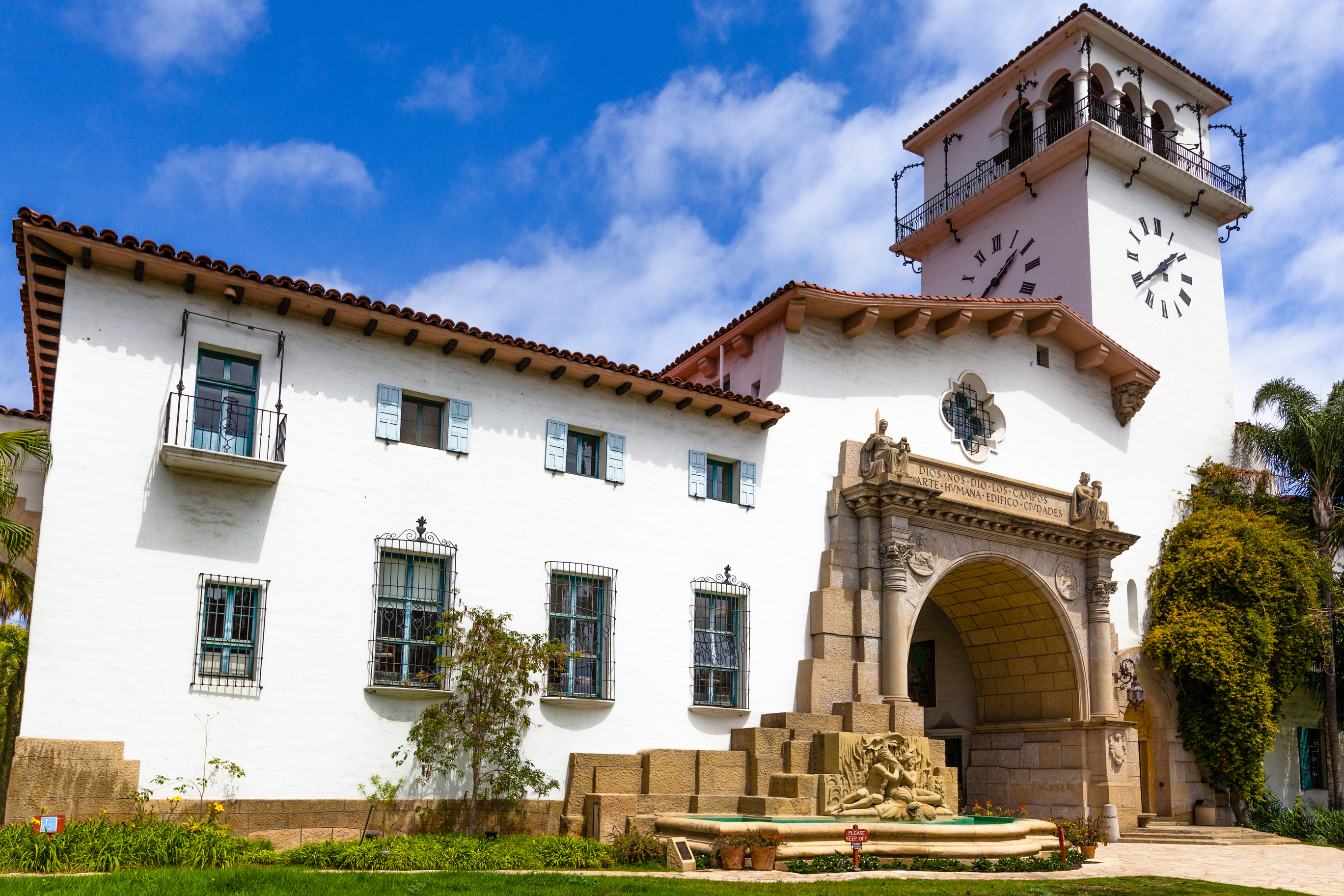
The city’s architecture is no accident. After a magnitude 6.3 earthquake leveled much of downtown in June 1925, city leaders made a deliberate choice to rebuild in a unified Spanish Colonial Revival style, rather than restore what had been a mix of Victorian and Mission Revival buildings. Terracotta roofs, whitewashed or ochre stucco walls, wrought iron balconies, and arched doorways repeat block after block, downtown and up into the residential hills.
Add in the palm-lined waterfront, the Santa Ynez Mountains rising sharply just a few miles behind downtown, and a slower, wine-country pace, and it’s easy to see why people reach for comparisons to the south of France or the Italian coast. It has that same mix of dramatic natural setting and unhurried sophistication (minus the transatlantic flight).
Where to Stay
Santa Barbara has lodging for every kind of trip, from beachfront splurges to boutique downtown stays, and the neighborhood you choose really does shape the whole feel of the trip.
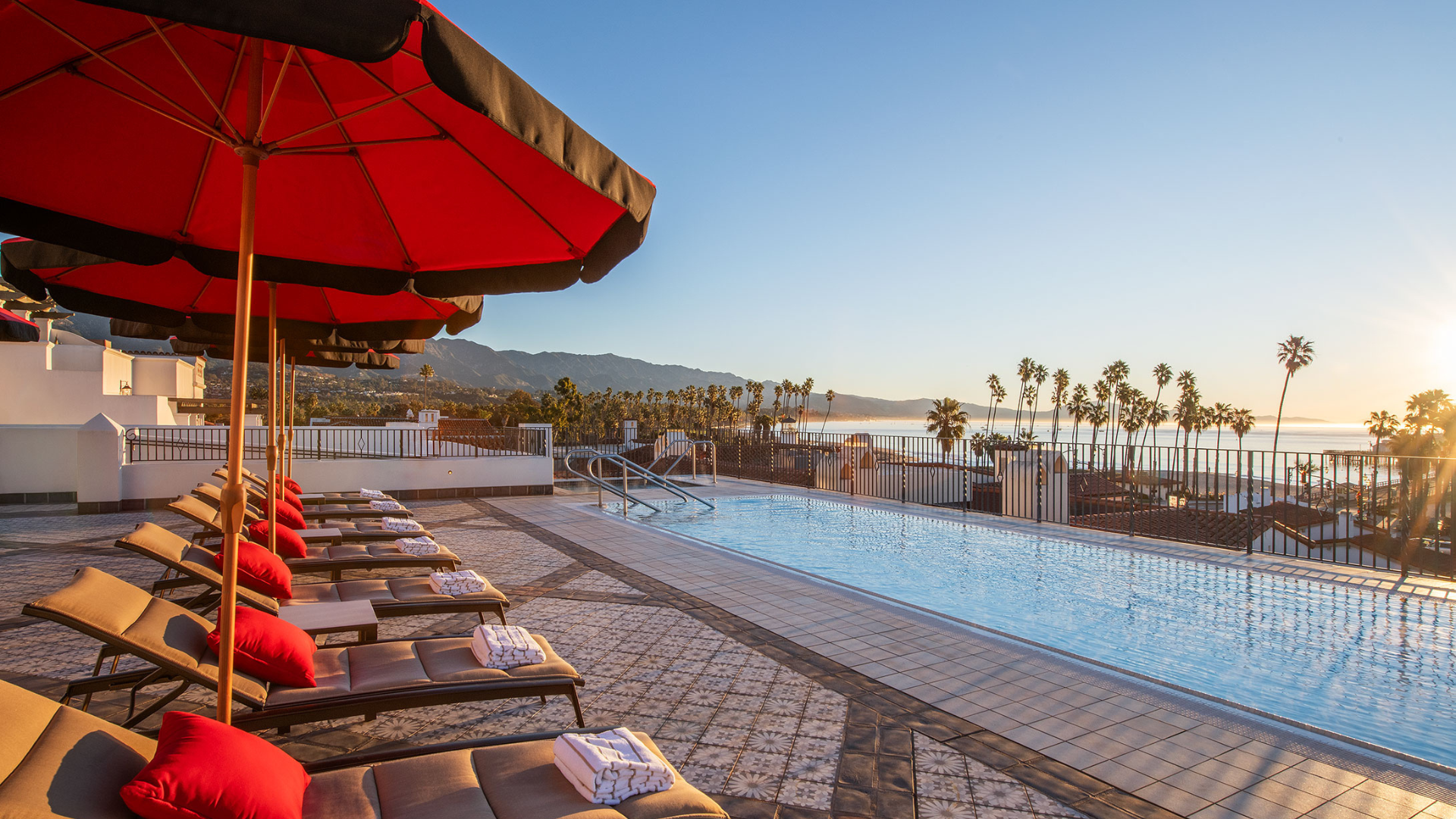
If you want to be in the middle of it all, stay in the Funk Zone or along the waterfront. The Hotel Californian sits right at the edge of the Funk Zone and State Street, with Spanish-Moorish architecture that fits the city’s whole aesthetic, plus a rooftop pool and three restaurants on site. For something simpler and more budget-friendly in the same walkable pocket, the Santa Barbara Inn sits directly across from East Beach, with ocean views from most rooms. A little further inland but still an easy walk to everything, the Franciscan Hotel is a reliable mid-range pick near State Street, with the same red tile, Spanish Revival look as its pricier neighbors.
If you’d rather trade proximity for quiet, head a few miles southeast to Montecito, where the hills bring a more upscale, low-key stay. El Encanto sits above the city with sweeping ocean views, the Four Seasons Resort The Biltmore is right on the sand, and Rosewood Miramar Beach is a newer, equally polished option nearby. These are the classic splurge picks, and they’re worth it if you can swing it.
What to Do
Stearns Wharf and East Beach
Built in 1872 by local lumberyard owner John Peck Stearns, it’s California’s oldest working wooden wharf and still the city’s most visited landmark, stretching roughly 2,300 feet out over the Pacific and having survived storms, fires, and even a tornado over the past century and a half. Walk its length for shops and a small marine museum, with views back toward the mountains, then continue onto the sand at East Beach, with the Santa Ynez range as a backdrop.
Old Mission Santa Barbara
Founded in 1786 as the tenth of California’s 21 Franciscan missions and known as the Queen of the Missions for its graceful, elevated setting above the city. The current church dates to 1820, and the grounds include a sacred garden, a historic cemetery, and remnants of the mission’s original aqueduct and reservoir system, parts of which are still in use as part of the city’s water infrastructure today. The self-guided audio tour runs daily and is worth the hour if you’re at all curious about the layers of Chumash, Spanish, and Mexican history built into this site.
Santa Barbara County Courthouse
Completed in 1929 as part of the post-earthquake rebuild, it’s widely considered one of the most beautiful public buildings in the country, and it’s free to visit. Its 85-foot clock tower, nicknamed El Mirador, is open to the public and delivers a 360-degree view over the red rooftops, the harbor, and the mountains, and inside, don’t skip the Mural Room, where hand-painted scenes trace the region’s Chumash, Spanish, Mexican, and immigrant history across the walls and ceiling.
The Funk Zone
Once a stretch of warehouses, scuba shops, and surfboard shapers between Highway 101 and the beach, this neighborhood has become the anchor of Santa Barbara’s Urban Wine Trail, a self-guided route linking more than twenty tasting rooms within walking distance of each other. Expect converted industrial buildings, mural-covered walls, small-batch wineries, a craft distillery, and a handful of standout restaurants tucked in among the tasting rooms. It’s an easy afternoon to lose an hour, or three, in.
Channel Islands National Park
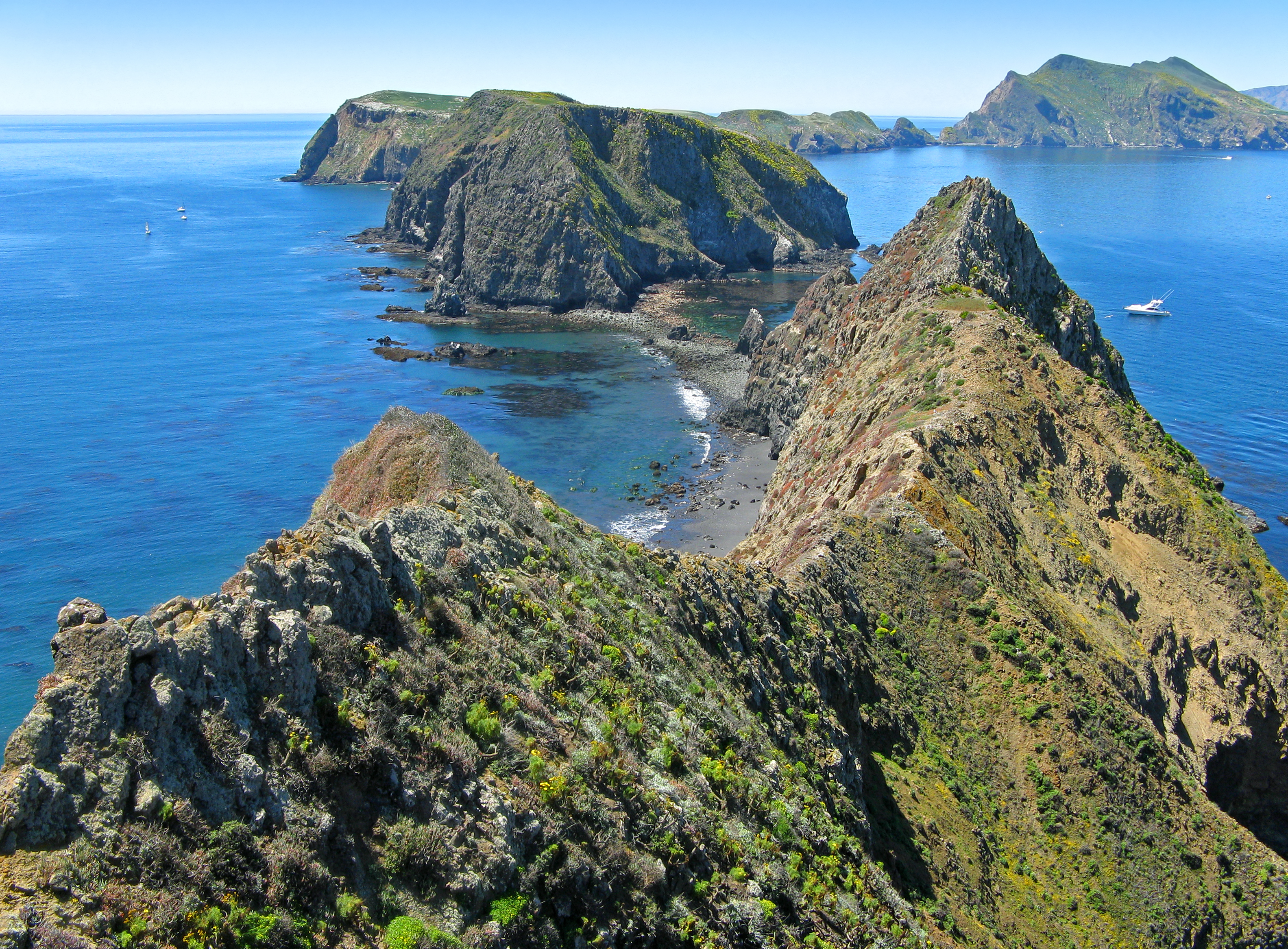
Often described as North America’s answer to the Galapagos for its concentration of species found nowhere else on earth, this five-island park sits just a short boat ride from Santa Barbara Harbor, and it makes for a full but rewarding day built around hiking, kayaking through sea caves, and wildlife watching, including regular dolphin and seal sightings and, depending on the season, migrating whales.
Where to Eat and Drink
Santa Barbara’s food scene leans coastal and California fresh, with a wine culture strong enough that the region is regularly ranked among the best in the country, thanks to its proximity to the Santa Ynez Valley wine country just over the mountains.
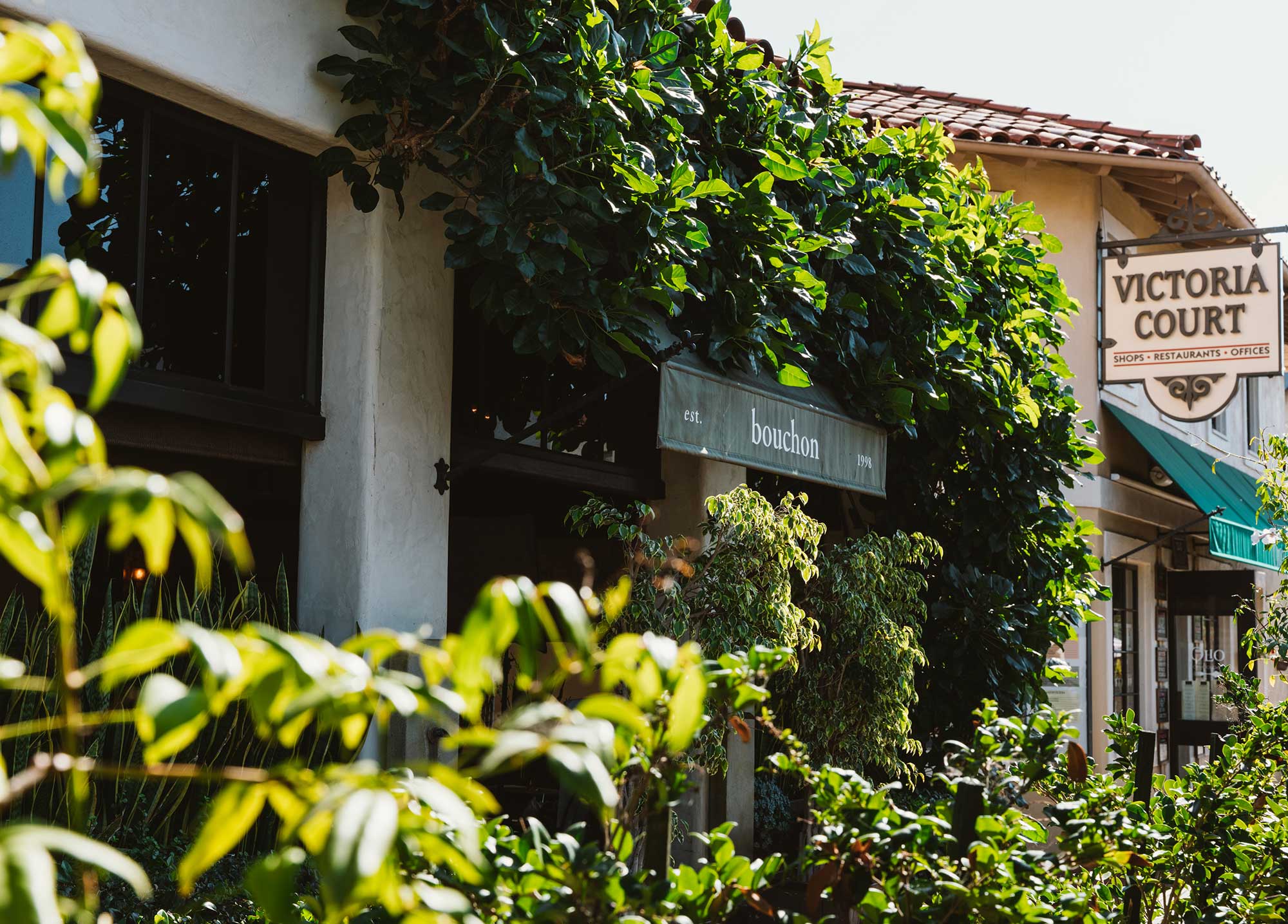
For dinner, The Lark, set in a former fish market building in the Funk Zone, serves a farm-and-ocean sharing menu built around Central Coast produce and is one of the neighborhood’s best dinner reservations. Right next door, Loquita pours Spanish vermouths and gin and tonics alongside wood-fired seafood and meats and a seasonal paella, with a patio worth requesting at sunset. Downtown, Bouchon has paired French-leaning Wine Country cuisine with an extensive Santa Barbara County wine list since the late 1990s, and Olio e Limone has served Sicilian-influenced Italian cooking and a deep Italian wine list since 1999, both solid choices for a special night out.
For something more casual, Helena Avenue Bakery and Lucky Penny, both in the Funk Zone, cover fresh bread and pastries at the former and wood-fired pizza at the latter, good for a lunch break between tasting rooms. And if you want the local institution, it’s La Super-Rica Taqueria, a no-frills Mexican spot on Milpas Street that’s been one of the city’s most beloved lunch stops for decades.
Spend an afternoon tasting room hopping along the Funk Zone stretch of the Urban Wine Trail, pairing a glass with fresh bread or a pastry from Helena Avenue Bakery along the way, and if you have a car for the day, it’s worth driving up into the Santa Ynez Valley itself for tastings directly at the source, in towns like Los Olivos and Solvang.

Best Time to Visit
Santa Barbara has a mild, Mediterranean climate year-round, which is part of what makes the European comparison stick, but late spring through early fall, roughly May through October, brings the warmest and sunniest weather for beach days. If you want fewer crowds and still-pleasant temperatures, aim for shoulder season in April, May, or October, when hotel rates ease up and the wharf and wine trail feel far less crowded than in peak summer.
Getting There
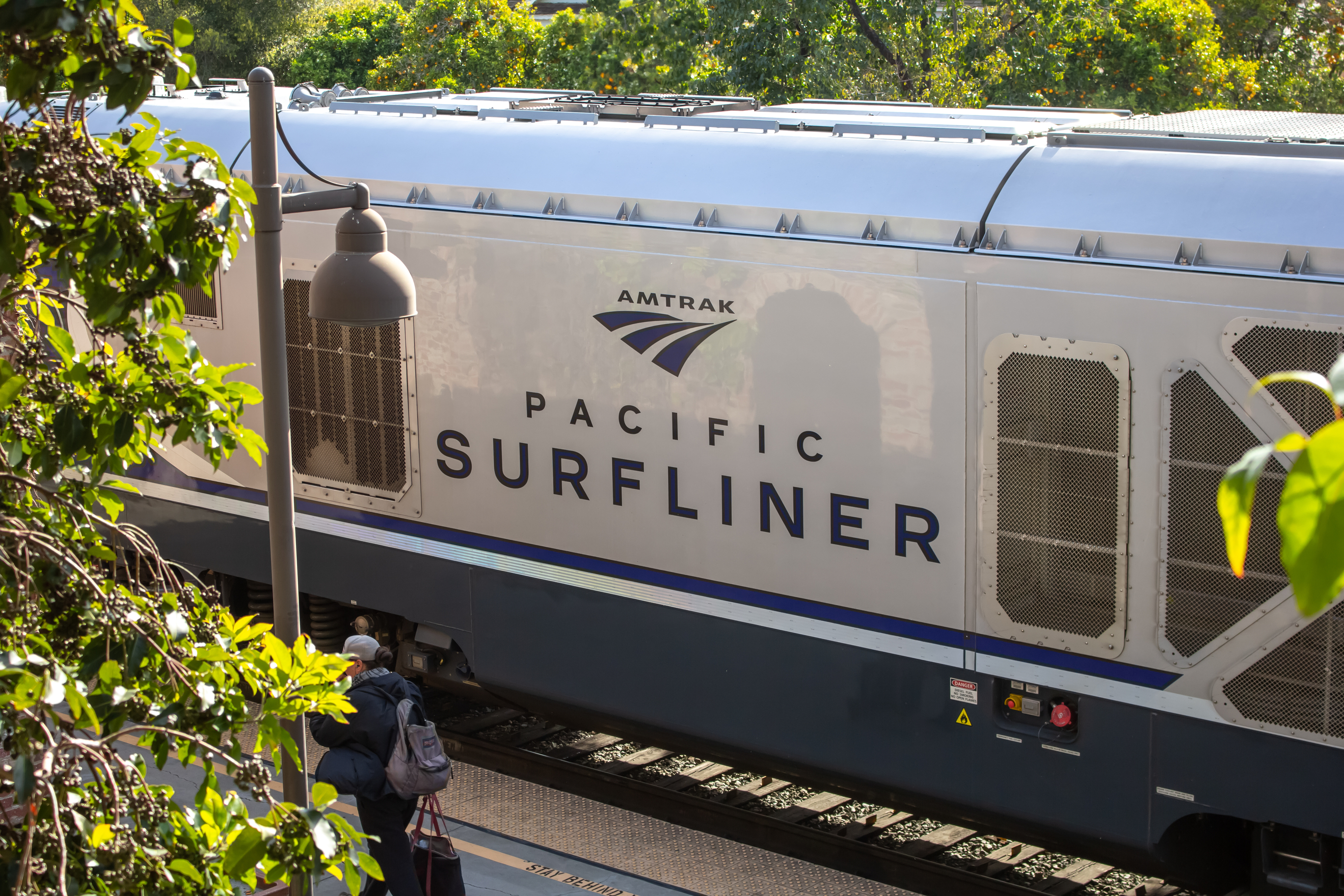
Santa Barbara Airport (SBA) has direct flights from major West Coast hubs, but many travelers, myself included, prefer the drive up the coast from Los Angeles or San Diego. The Highway 101 route along the ocean is a scenic reward in itself, with pullouts for photos and glimpses of the Channel Islands on clear days. Amtrak’s Pacific Surfliner also runs directly into downtown Santa Barbara, dropping passengers a short walk from the Funk Zone and the beach, which makes a car-free long weekend entirely realistic.