
While you’re layering up for winter, half the world is slathering on sunscreen. From December through March, the southern hemisphere hits its stride with long, lazy days, warm ocean water, and that specific kind of vitamin D happiness that only comes from a proper beach summer. If you’re tired of the cold, here’s where to find your antidote.
Australia
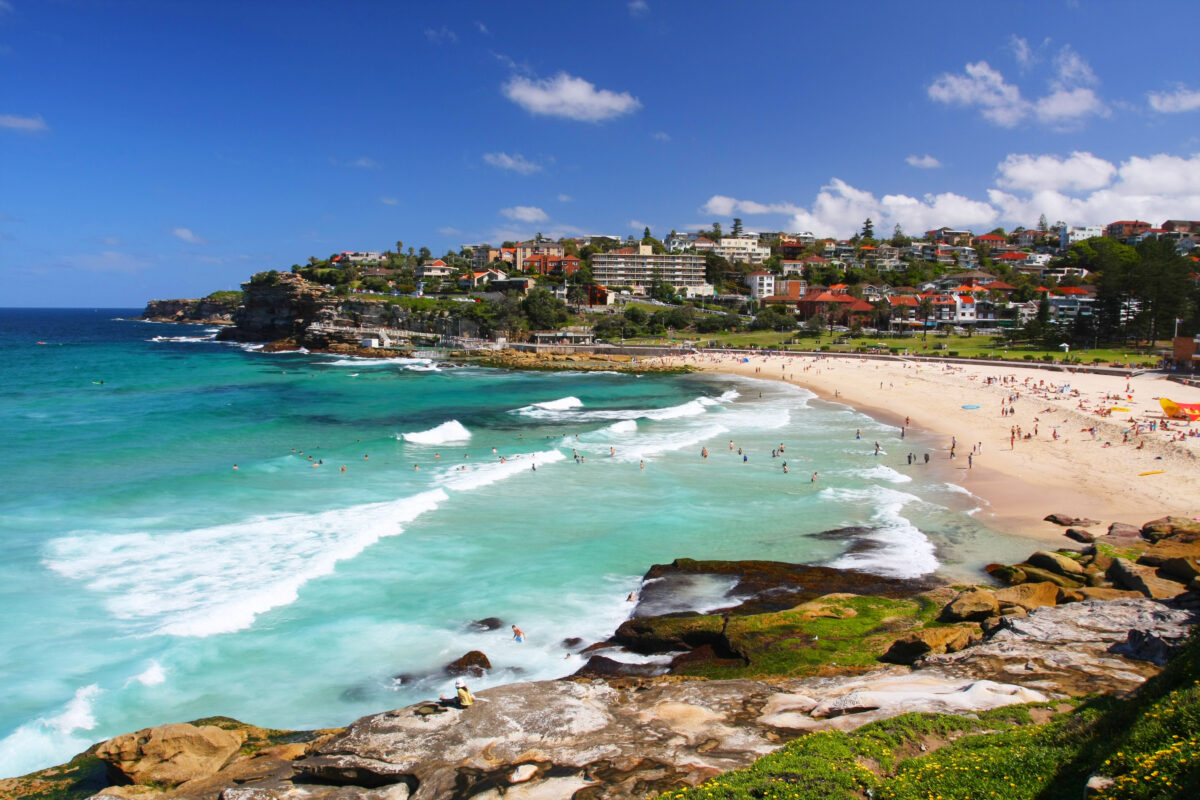
Australian summer is peak season for a reason—temperatures hover in the high 70s to mid-80s, and everyone collectively decides that work can wait until after the surf check. This is when Aussies are at their most Australian: backyard barbecues run long into the evening, Christmas happens on the beach (yes, really), and the concept of shoes becomes optional.
Sydney’s eastern beaches are the main event. Bondi is the obvious choice and lives up to the hype: perfect crescent of golden sand, the Icebergs pool clinging to the rocks, and enough beautiful people to make you feel like you’ve wandered onto a movie set. But it’s the Bondi to Coogee coastal walk that really shows you what Sydney does best, connecting a string of beaches, each with its own personality. Bronte has the family vibe with its protected rock pool, while Tamarama (nicknamed “Glamarama”) is where the scenery competes with the view.
Up the coast, Byron Bay has somehow managed to stay cool despite becoming wildly popular. The town has an easygoing energy—yoga studios, organic cafes, excellent coffee, and a lighthouse walk at sunset that’s mandatory. Main Beach is your gentle introduction, while The Pass delivers those long, perfect waves.
New Zealand
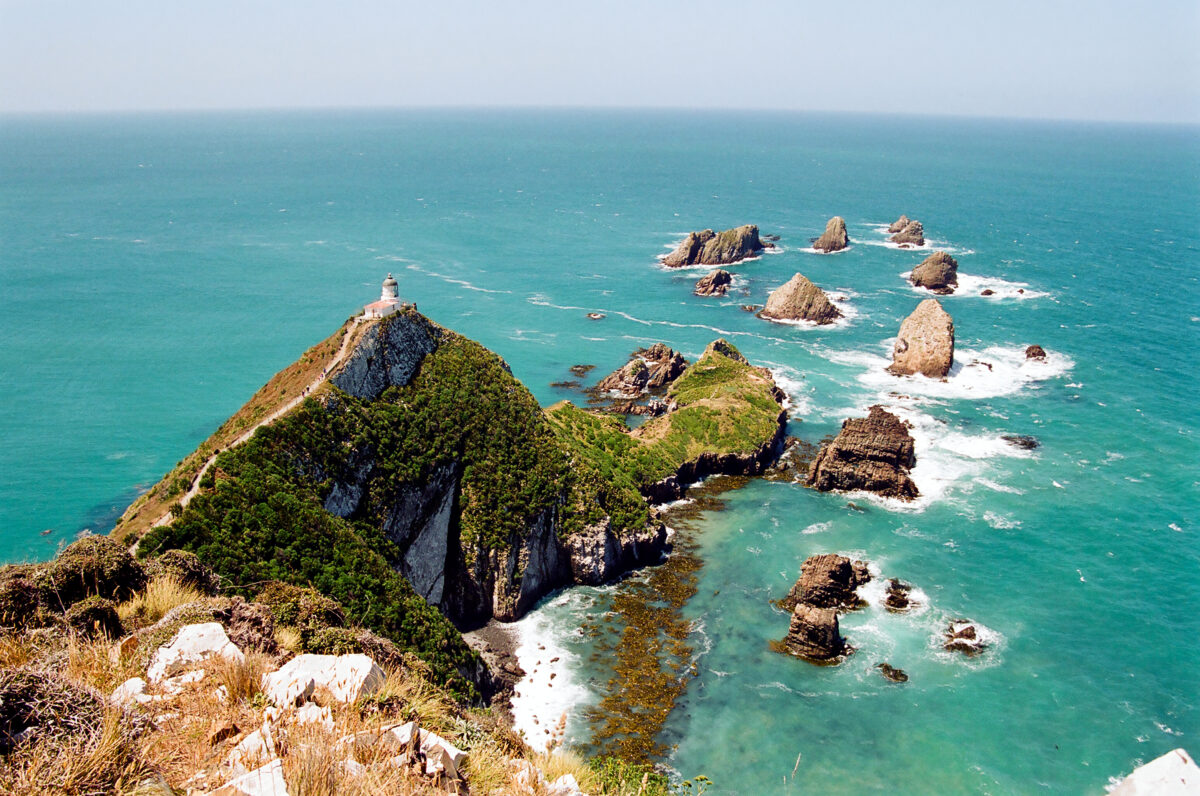
Kiwi summer is beautifully temperate—rarely scorching, often perfect. December through February brings long twilight hours (sunset after 9 PM in midsummer) and a distinctly outdoorsy energy. New Zealanders take their summer holidays seriously, with families decamping to beach houses, the cricket on the radio, and fish-and-chips eaten on the sand becoming a near-daily ritual.
Abel Tasman National Park at the top of the South Island is where coastal beauty reaches almost absurd levels. Golden sand beaches alternate with native bush, and the water is a luminous turquoise. The Abel Tasman Coast Track connects beaches like Anchorage and Awaroa, but you don’t have to hike for days—water taxis will drop you at various beaches for swimming, kayaking, and general lounging. Multi-day kayak trips let you explore hidden coves and spot seals at Tonga Island. The whole area feels pristine and protected.
The Coromandel Peninsula east of Auckland offers the quirky appeal of Hot Water Beach, where you can dig your own hot pool in the sand at low tide, courtesy of underground thermal springs. It’s weird, touristy, and genuinely fun. Cathedral Cove nearby features a natural rock archway framing a stunning white-sand beach—the walk down is scenic, or you can kayak in.
Bay of Islands in the subtropical north is where 144 islands scatter across blue water, creating endless coves and beaches. This is New Zealand’s warmest region, with Coopers Beach offering a long golden sweep and the historic town of Russell providing waterfront charm and excellent seafood. It’s popular with boaters, divers, and anyone seeking that laid-back beach town rhythm.
Brazil
Brazilian summer is intense in the best way. It’s hot, humid, and bursting with energy. This is Carnival season, when the whole country essentially becomes one massive beach party. The beach isn’t just recreation here; it’s where people live their lives, playing footvolley, sipping caipirinhas, and perfecting that deeply bronzed look.
Rio de Janeiro is the epicenter of Brazilian beach culture. Copacabana stretches four kilometers along that famous wave-patterned promenade, where vendors walk by selling everything from grilled cheese to bikinis, and the people-watching is world-class. Each section of beach has its own crowd—posto 9 on Ipanema is the see-and-be-seen spot, while Leblon attracts a more local vibe. The water is warm, the coconut water is cold, and the city’s dramatic peaks rise behind everything like a movie backdrop. Summer weekends here feel like the entire city has spilled onto the sand.
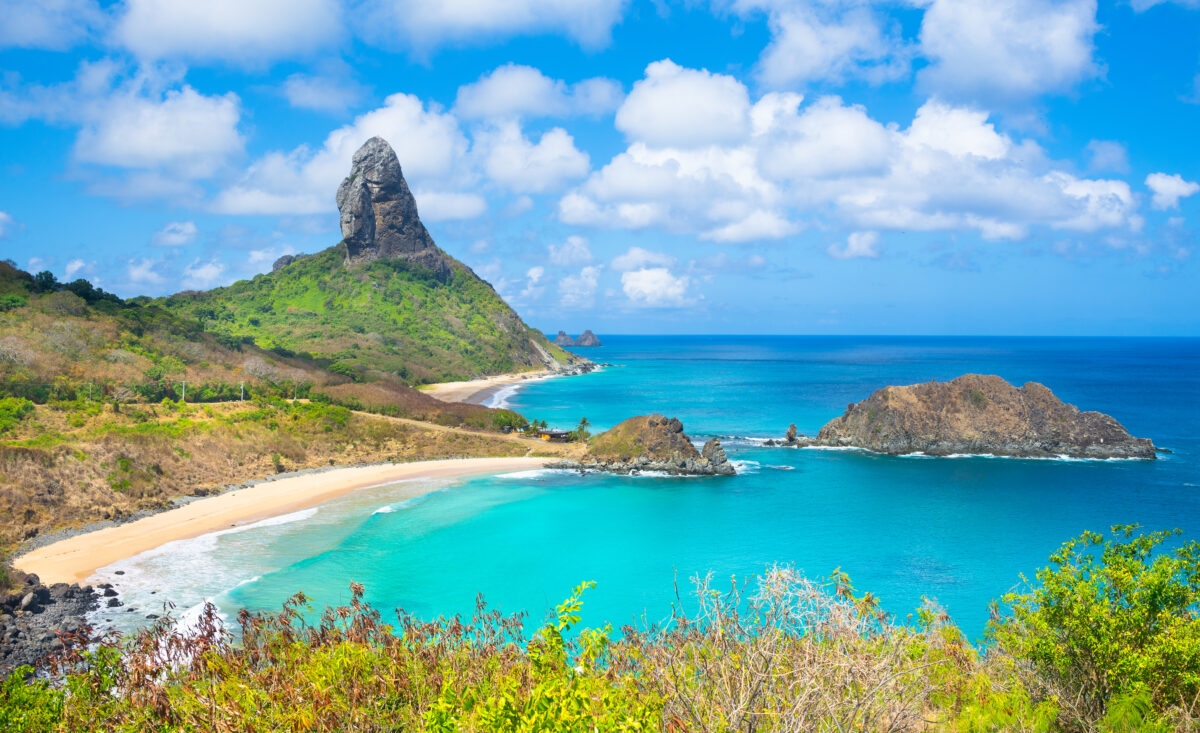
For something more remote and pristine, Fernando de Noronha is a protected archipelago that limits daily visitors and charges an environmental preservation fee—which keeps it spectacular. The water visibility exceeds 50 meters, spinner dolphins cruise by regularly, and Baía do Sancho consistently ranks as one of the world’s best beaches. You access it by climbing down through rock crevices, which feels like finding a secret paradise. The island has this eco-conscious vibe where protecting the marine environment is taken seriously.
South Africa
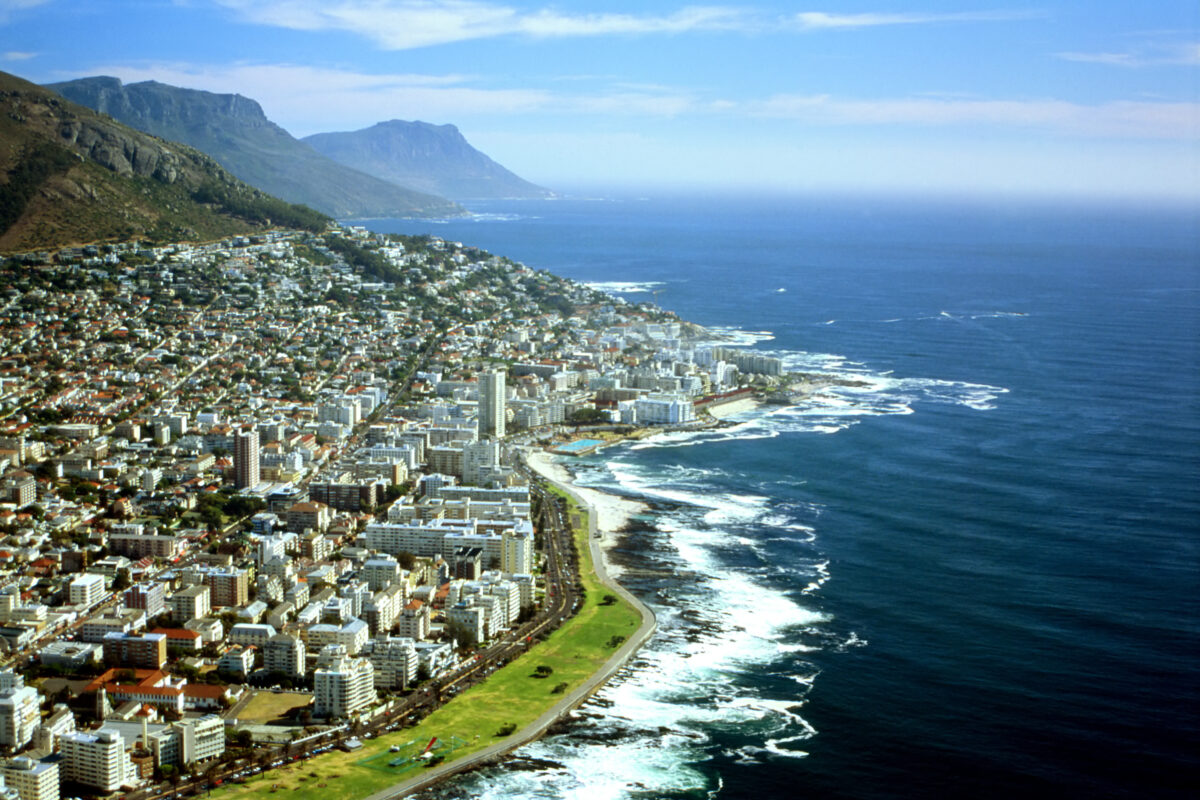
South African summer brings that dry, intense heat that makes the ocean irresistible. Cape Town hits the high 70s to low 80s, though those southeastern winds can kick up and remind you that you’re at the tip of Africa. The beach culture here is wonderfully diverse—you’ll find braais (barbecues) smoking on the sand, local kids at surf school, and that distinctive South African mix of languages and cultures all sharing the same stretch of coast.
Cape Town is all about dramatic settings. Camps Bay curves along the Atlantic backed by the Twelve Apostles mountains, with a strip of trendy bars and restaurants right on the beach. Sunset here is a whole production—the peaks turn golden, everyone stops to take photos, and the scene feels impossibly cinematic. The water is freezing (Atlantic Ocean cold), but no one seems to care. Nearby Clifton’s four beaches (creatively named First through Fourth) offer white sand and wind protection, each with its own personality and micro-community.
For something completely unique, Boulders Beach near Simon’s Town lets you swim with African penguins in protected coves. These little guys waddle around like they own the place, which they kind of do. The water’s cold, but sharing a beach with penguins makes it memorable.
If you want warmer water, head to the east coast. Durban and KwaZulu-Natal have that subtropical heat and Indian Ocean warmth that makes swimming actually pleasant. The surf culture is strong, the Zulu heritage is evident, and the beaches stretch for miles.
Indonesia
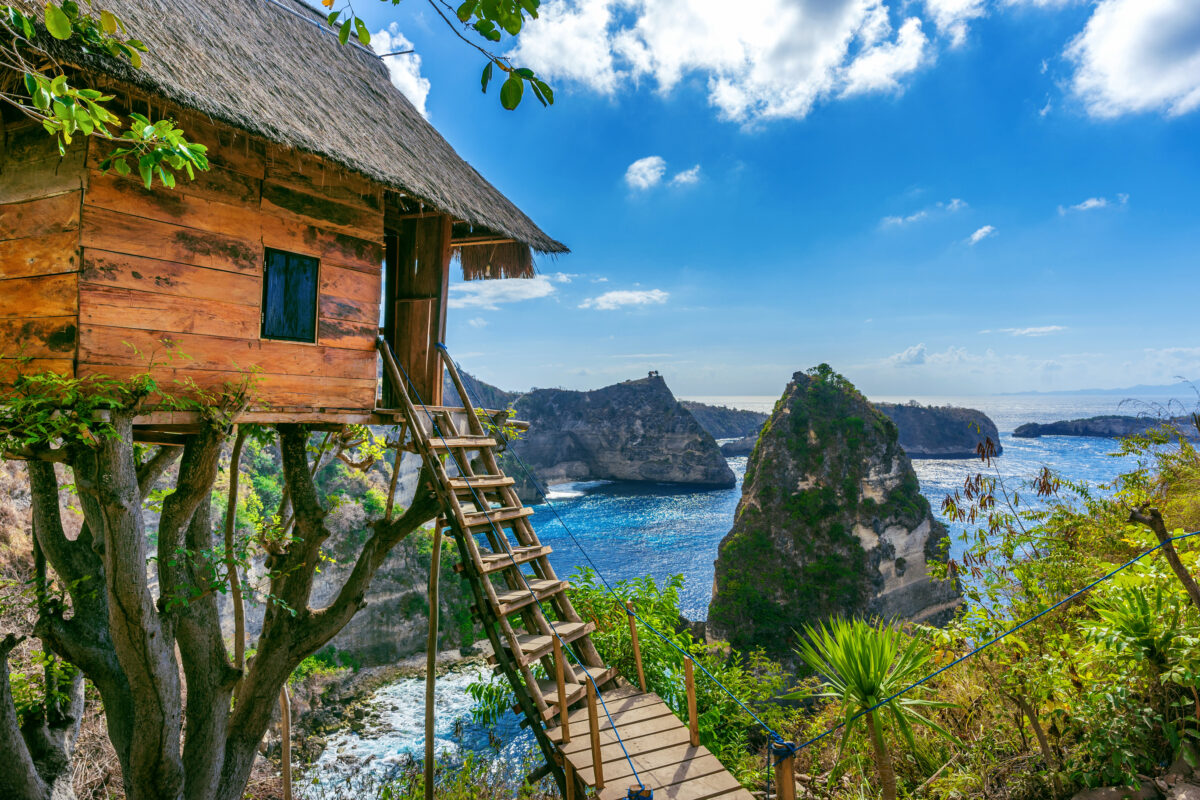
Indonesia’s wet season sounds worse than it is—typically it means a brief tropical downpour in the afternoon followed by sunshine and rainbows. The water stays warm year-round, crowds thin out, and everything is lush and green. The culture is welcoming, the food is incredible, and the sheer number of islands means you can always find your own version of paradise.
Bali remains the main hub, and for good reason. Uluwatu on the southern peninsula combines dramatic clifftop temples with world-class surf breaks. Padang Padang (yes, from “Eat Pray Love”) is a gorgeous little pocket beach accessible via steep stairs. The sunset vibe here is special—everyone gathers at clifftop bars to watch the sun drop into the Indian Ocean while traditional Kecak dances perform at the temple.
For a completely different scene, the Gili Islands off Lombok are car-free tropical paradises where the fastest vehicles are horse-drawn carts. White sand, crystal-clear water, and sea turtles practically guaranteed while snorkeling right off the beach. Gili Trawangan has the party scene, Gili Meno is quietly romantic, and Gili Air finds the balance. The diving is excellent, the pace is slow, and the vibe is decidedly chill.
Fiji
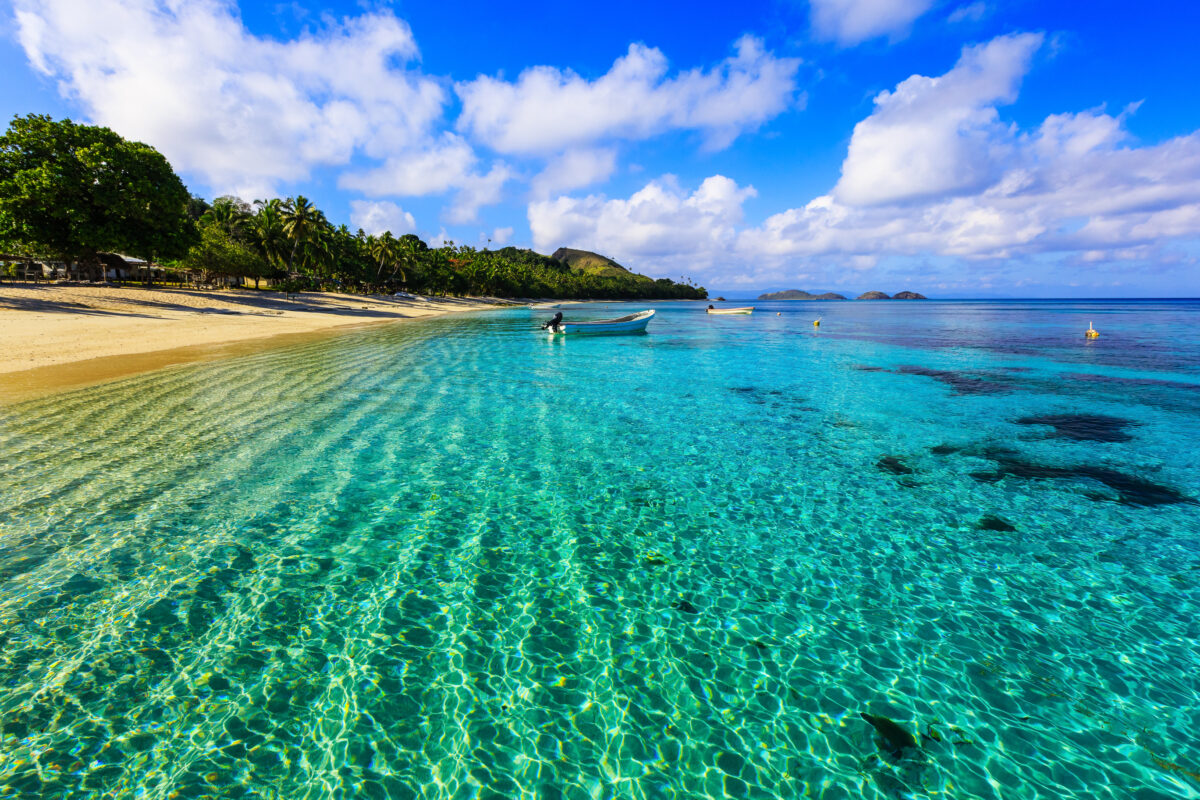
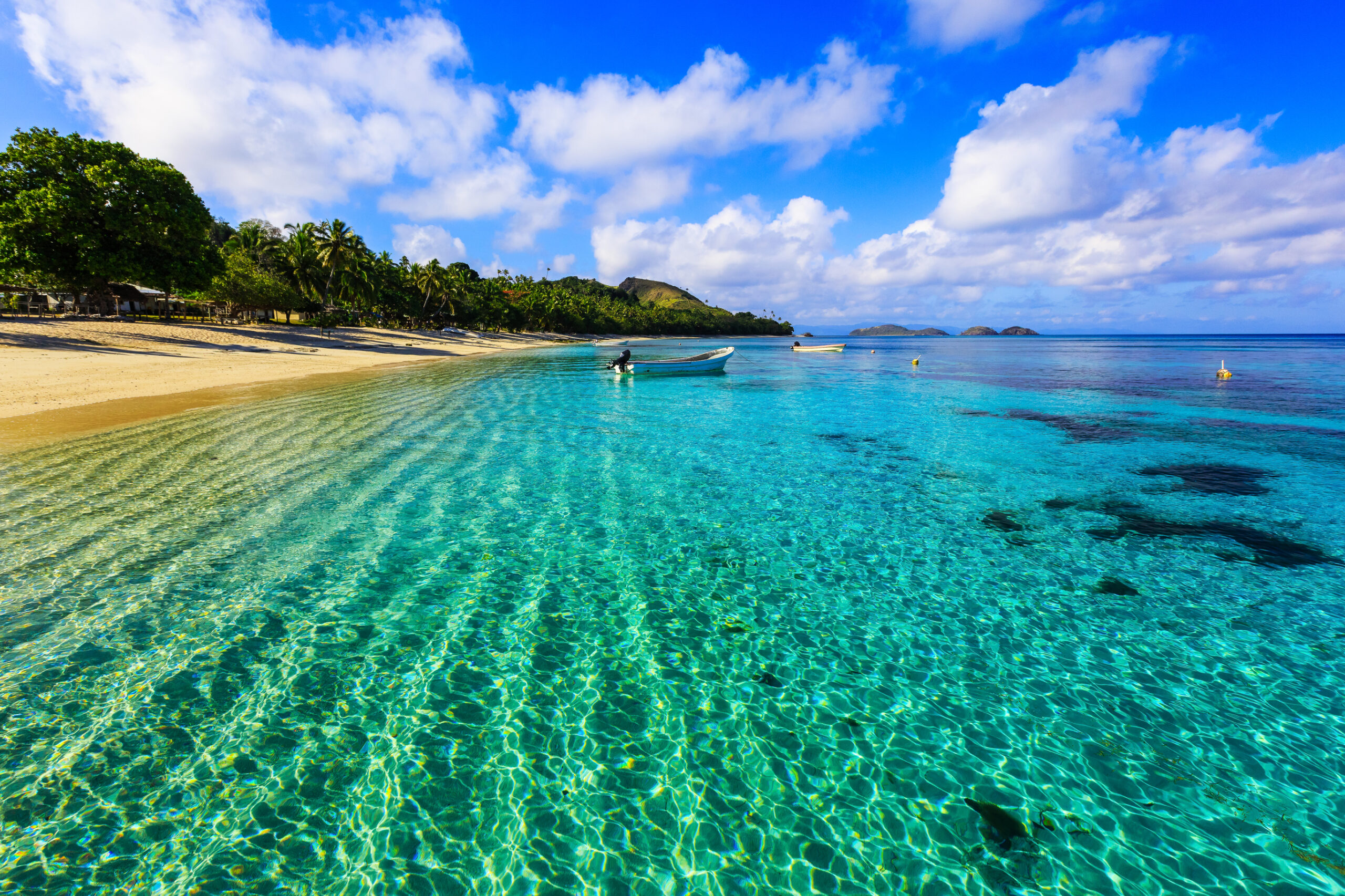
Fijian summer is hot, humid, and tropical with temperatures in the mid-80s. It’s technically the wet season, which means afternoon rain showers and the occasional dramatic storm, but it also means everything is lush and green, the water is bathwater-warm, and you’ll hear “Bula!” (hello) everywhere you go. The Fijian culture is genuinely welcoming. There’s a reason “Fiji time” refers to that relaxed island pace where nobody’s in a rush.
The country is scattered across 300+ islands, so you can choose your vibe. The Mamanuca Islands just off the main island of Viti Levu are the accessible paradise—white sand, crystal-clear water, and everything from budget backpacker resorts to high-end hideaways. This is where they filmed “Cast Away,” and the beaches look exactly like your screensaver. Snorkeling is excellent right off the beach, with colorful coral gardens and tropical fish everywhere.
The Yasawa Islands further north offer more remote, rugged beauty—volcanic peaks, traditional villages, and that genuine castaway feeling. Island-hopping by boat is the way to explore, stopping at different beaches and villages. The locals still practice traditional ceremonies, and visiting a village for a kava ceremony (the mildly narcotic local drink) is a cultural experience that’s both authentic and slightly surreal.
Taveuni, known as the Garden Island, is for divers and nature lovers. The Rainbow Reef is world-famous for soft corals, and the beaches are backed by rainforest and waterfalls. It’s less developed, more adventurous, and genuinely beautiful. The whole island has this untouched quality, even though tourism has been here for decades.