
Slow travel is not a pace, it is a philosophy. It means staying long enough to develop a relationship with a place rather than just arriving and moving on. It means eating where the locals eat, learning which bar gets the best sunset, and learning bits of the language. It is, not coincidentally, a much better way to spend time at the coast than two frantic weeks of ticking boxes.
The beaches below are not necessarily the most famous in their regions, or the most Instagrammed, or the most convenient to a major airport. But they are the ones where the infrastructure of slow travel is already in place: good local food, a sense of community, enough to do without being overwhelmed, and a coastline worth returning to more than once. Here are eight of the best.
Hvar Island, Croatia
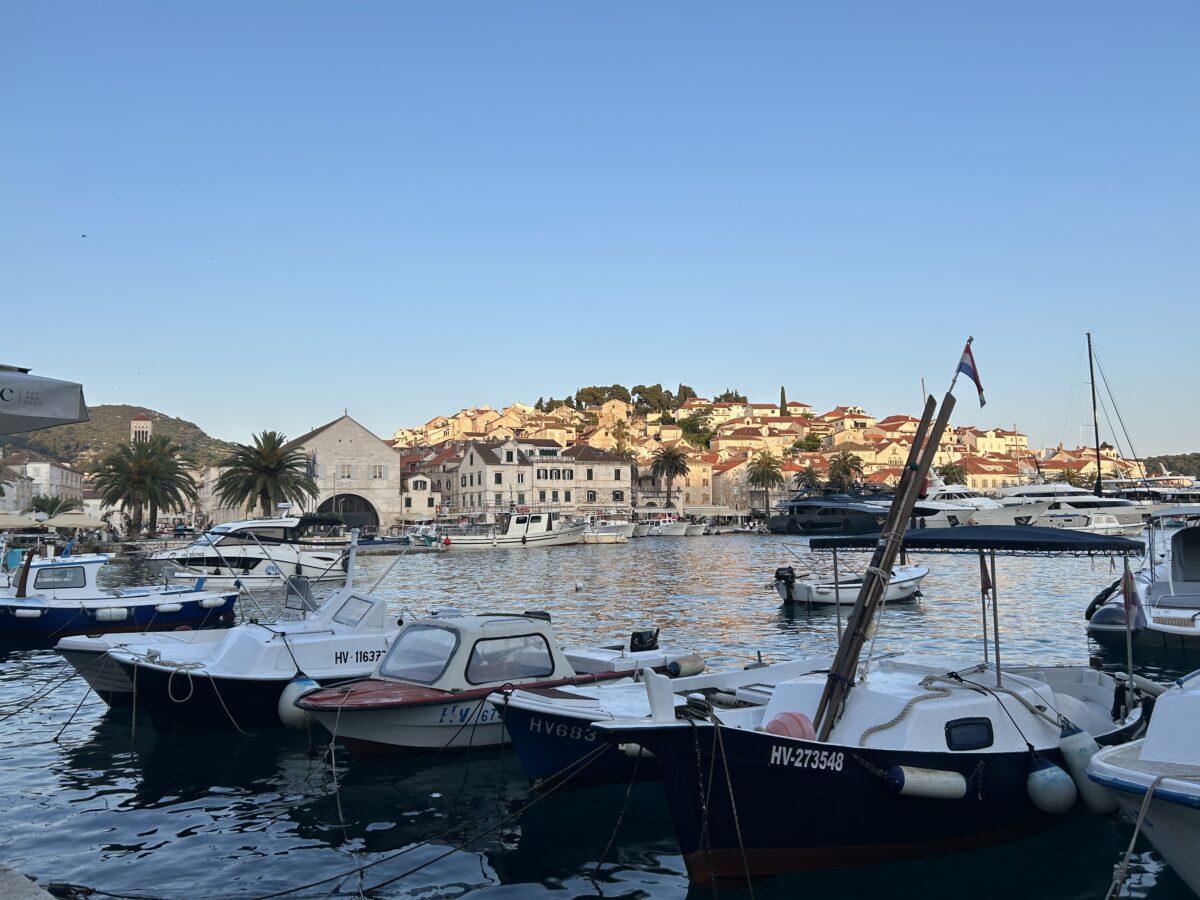
Hvar gets labelled as Croatia‘s party island, which is true of a few summer weeks in Hvar Town and almost entirely false everywhere else. The island is long and narrow, covered in lavender fields and pine forests, with a string of coves along its southern coast that rank among the clearest water in the Adriatic. The key to slow travel here is getting off the main strip.
Dubovica Beach, a short drive from Hvar Town, sits in a secluded bay framed by limestone cliffs and a traditional stone house. Pokonji Dol is a twenty-minute walk from the harbor through pine forest, and Mekicevica, just beyond it, is the kind of quiet that rewards the effort. For the truly committed, rent a small boat and find a private cove.
The food is excellent and unfussy: fresh grilled fish, local olive oil, Plavac Mali wine from vineyards a short drive inland. Stay for at least a week. Arrive in May or September, when the harbor is peaceful and the water is warm enough.
Koh Lanta, Thailand
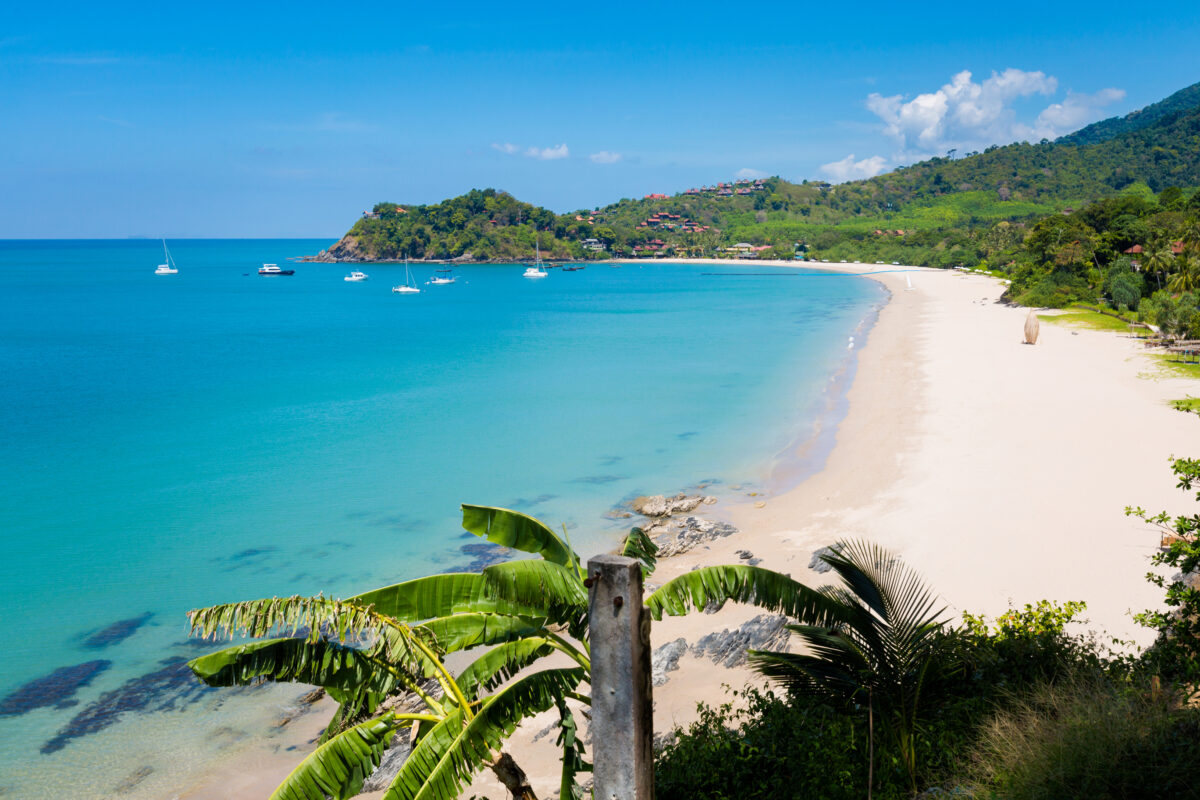
While Phuket handles the package tourism and Koh Samui handles the nightlife, Koh Lanta quietly gets on with being one of the better islands in the Gulf of Thailand. Its beaches are long and backed by casuarina trees rather than resort infrastructure, the west-facing coastline delivers spectacular sunsets, and the pace of life is unhurried in the way that the more popular Thai islands have long since abandoned.
Khlong Dao Beach in the north has calm, shallow water and a string of low-key beach restaurants. Long Beach (Phra Ae) is the longest stretch on the island and the one most suited to slow mornings with coffee and a book. The Old Town, a cluster of stilted wooden shophouses over the water on the eastern coast, is one of the more atmospheric small towns in the region and easy to miss if you never leave the beach. The snorkelling in the nearby Mu Ko Lanta Marine National Park is excellent, and day trips to the outer islands remain rather uncrowded.
Go between November and April. The rest of the year, the monsoon makes itself known.
The Algarve, Portugal (Out of Season)
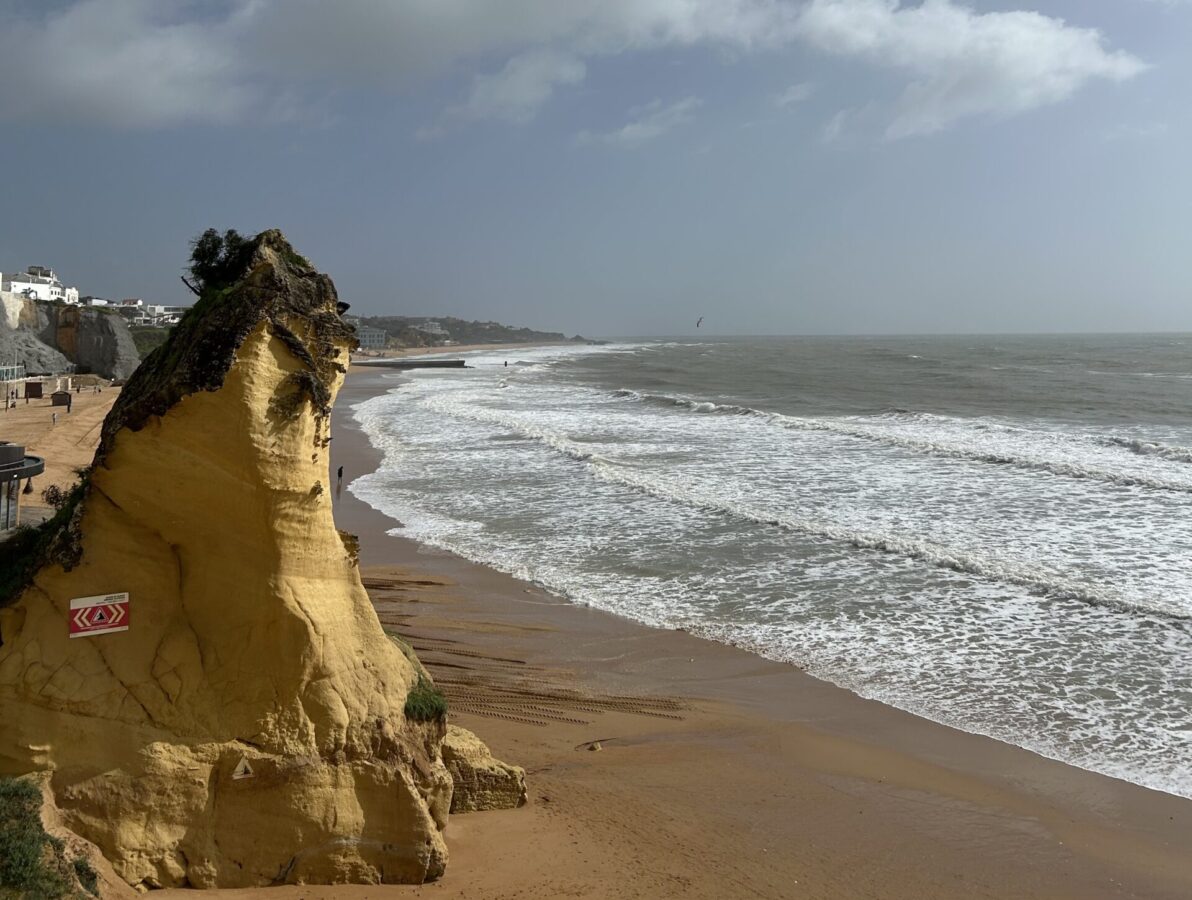
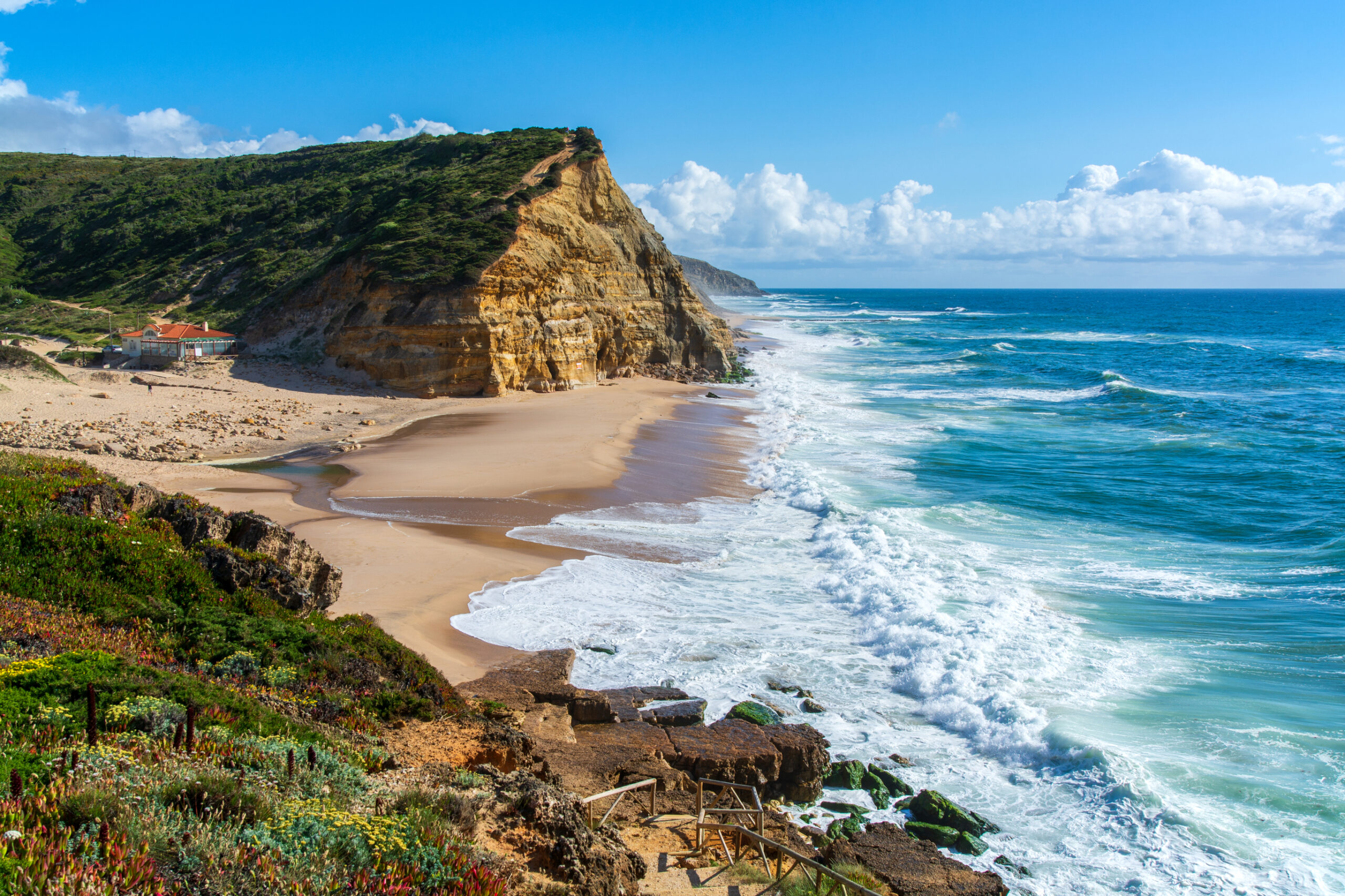
The Algarve in July is a fine beach holiday, but the Algarve in October is a revelation. The golden cliffs, the rock stacks, and the dramatic cave beaches of the western coast are the same ones that fill every travel magazine, but when the summer crowds leave, the whole region shifts into something that fits the slow travel template much more naturally.
The village of Tavira in the east is the one that slow travellers tend to return to. Roman bridge, whitewashed streets, a calm estuary with a barrier island beach a short ferry ride away, and a food scene built around the best seafood in the country. Salema on the western coast is small enough that everyone knows everyone, with a beach that the cliffs seem to have kept to themselves. The surf around Sagres and the Costa Vicentina, on Portugal’s wild southwest tip, draws committed surfers, and the landscape there is emptier and more elemental than the tourist brochure Algarve.
The shoulder months of May, June, and September offer warm sea temperatures, functioning restaurants, and prices that remember what the region looked like before it became one of Europe’s most visited coastlines.
Galle, Sri Lanka
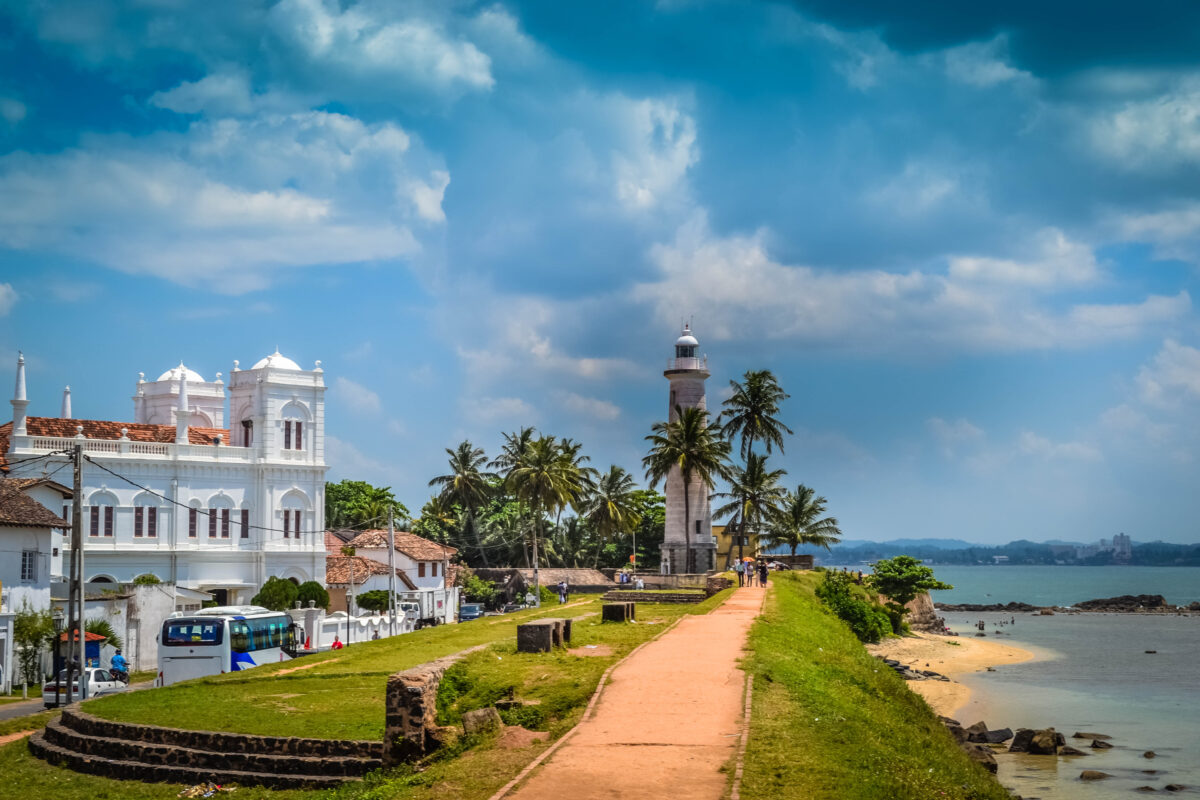
The Dutch fort that sits over the Indian Ocean on a rocky promontory is a UNESCO World Heritage Site, but it does not feel like one in the sterile, roped-off sense: people live inside it, restaurants operate from its old colonial buildings, and you can walk the ramparts at sunset while the Indian Ocean darkens below.
The beaches extend east and west of the fort. Unawatuna, a curved bay a few kilometres east, is the most popular and deservedly so, though it gets crowded in peak season. Further east, the string of surfing villages through Midigama and Weligama into Mirissa offers a very different kind of coast; reef breaks, wooden fishing boats launching at dawn, rice and curry for breakfast, and guesthouses where the owners cook dinner for you.
November through April is the dry season on the south coast. Sri Lanka‘s food is extraordinary and underrated, and eating well here won’t cost you a pretty penny.
Puerto Escondido, Mexico
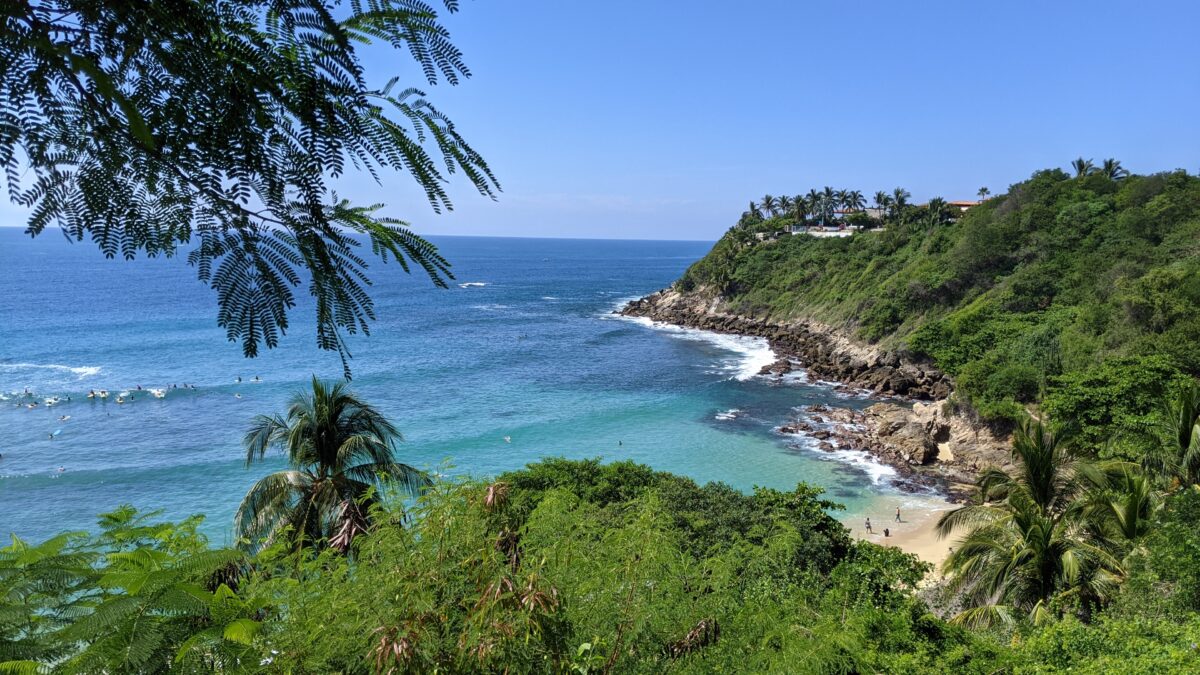
The name means “hidden port,” which is no longer accurate in any meaningful sense, but Puerto Escondido on the Oaxacan coast retains enough of its original personality to reward the traveler who stays long enough to find it. The town has a working fishing harbour, a market selling produce from the Sierra Norte mountains inland, a good nightlife, and a collection of beaches that range from the terrifying (Zicatela, one of the most powerful beach breaks in the world) to the tranquil.
Playa Carrizalillo, reached by a long staircase down the cliffs, is the latter: a small, sheltered cove with calm water, ideal for swimming and newby surfers. La Punta, at the southern end of Zicatela, is where the surf community lives and operates, with open-air restaurants and bars that spill onto the sand.
Vis Island, Croatia
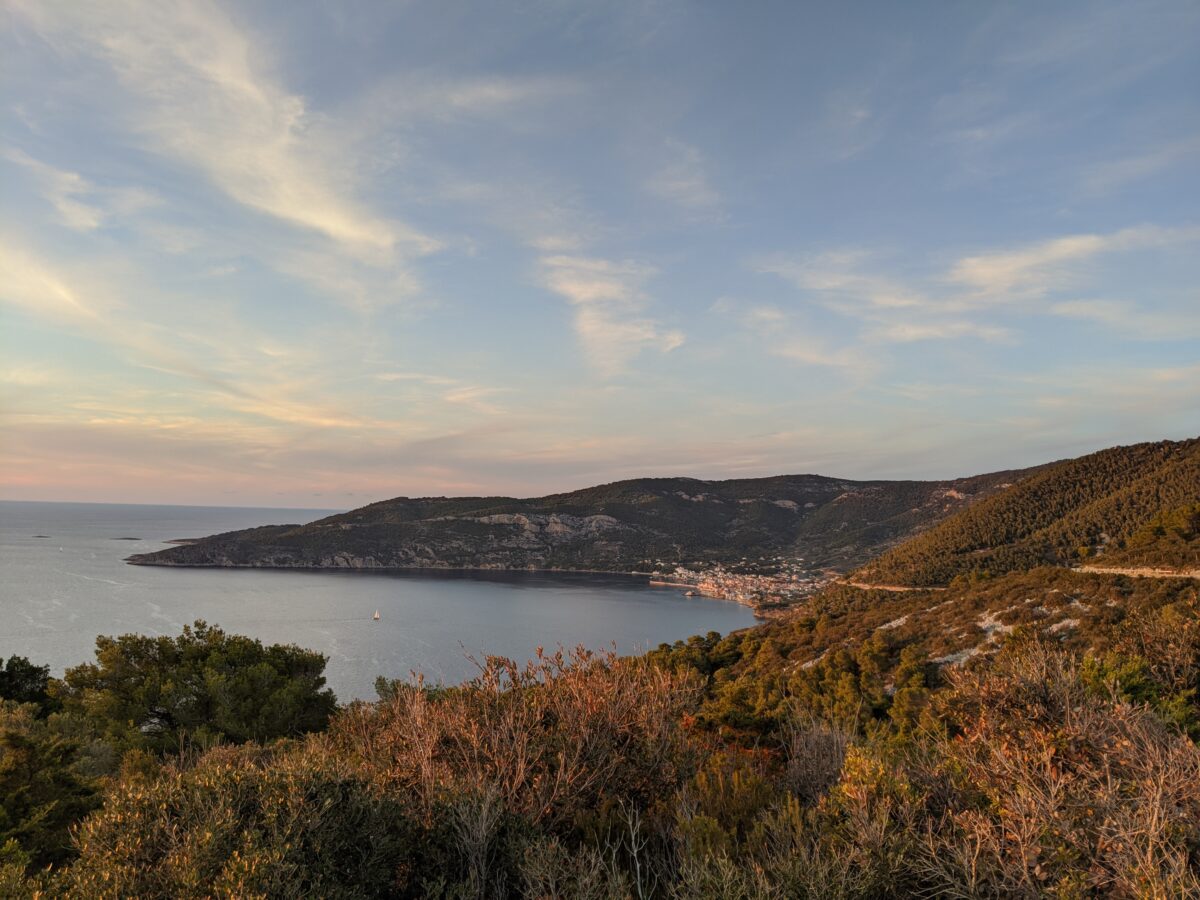
Where Hvar gets the crowds, Vis absorbs them. The furthest inhabited island from the Croatian mainland, it was closed to foreign visitors until 1989 (it served as a Yugoslav military base), and it has never quite caught up with the development that hit Hvar and Brač. That is entirely its appeal.
The two small towns, Vis and Komiža, face each other across the island with a mountain between them. Komiža is the fishing village: coloured boats in a small harbor, a handful of restaurants serving whatever was caught that morning, and a beach that arrives at the edge of the old town. Vis Town is more architecturally interesting, with layers of Venetian, Austrian, and Yugoslav history compressed into a compact waterfront.
The beaches are reached mostly by boat or on foot, which keeps them quiet. Stiniva, a cove that can only be entered through a narrow gap in the cliffs, has the feel of a place you discovered yourself. For slow travelers who want an island that feels like the Mediterranean in its purest form, Vis is the right answer.
Comporta, Portugal
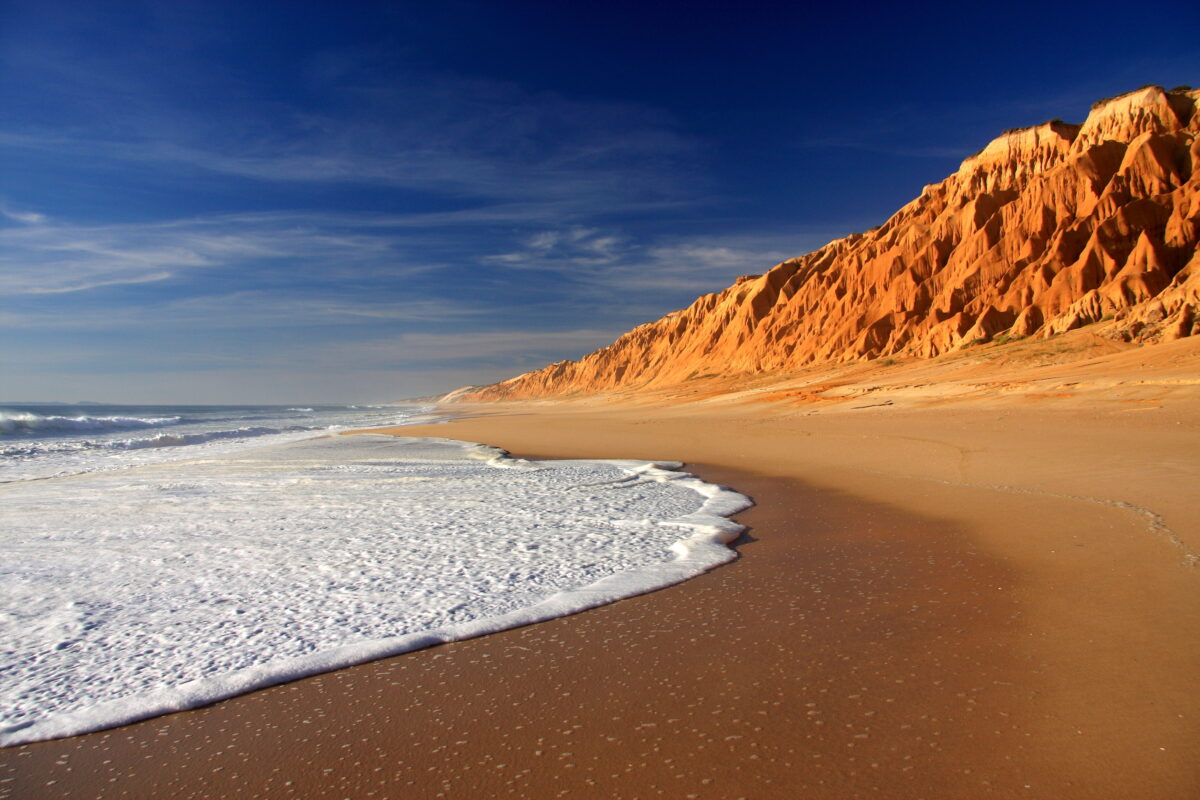
An hour south of Lisbon and separated from the Costa da Caparica by the Sado estuary, Comporta occupies a long stretch of Atlantic coast that manages to feel remote despite its proximity to the capital. The beaches are backed by rice paddies and umbrella pine forests, the villages are small and whitewashed, and the whole area moves at a very chill pace.
The beach itself is vast and flat with wide skies and enough space that solitude is possible even in summer. The town’s restaurant and bar scene is small but good, with a particular strength in seafood and natural wine. Cavaleiros Beach is the most visited; the beaches to the north and south of it, reached along unmade roads through the pines, are much quieter. It is a very special place for a beach destination this close to a major city.
Ericeira, Portugal
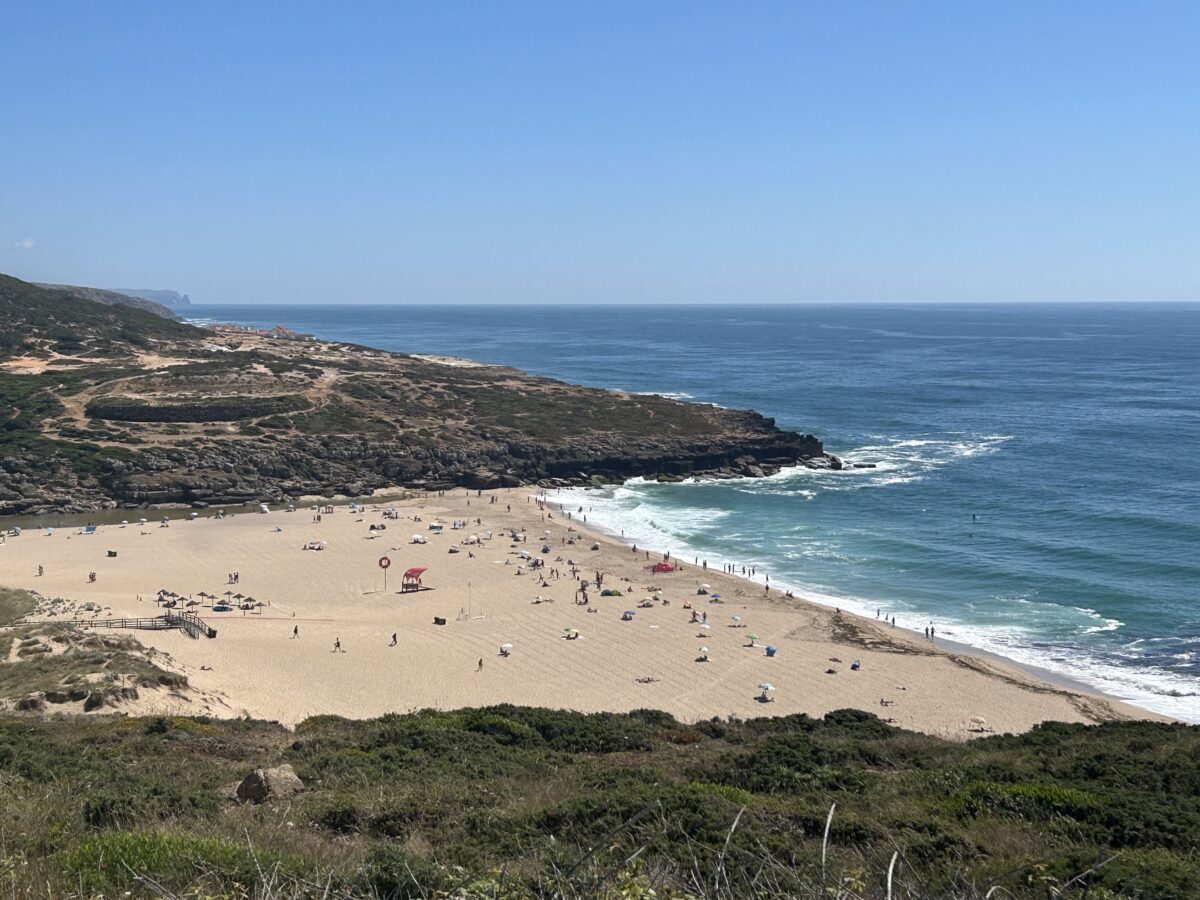
Portugal shows up twice on this list because it earns it. Ericeira, forty kilometres north of Lisbon on the Atlantic coast, is a World Surfing Reserve, one of only a handful globally, and the concentration of quality breaks within a short stretch of coastline is remarkable. But surfing is only part of why slow travelers keep returning.
The town itself is a working fishing village that has absorbed the surf and creative communities that arrived over the past two decades without losing its original character. The old whitewashed center above the Atlantic cliffs is extremely charming, and the restaurants on and around the main square serve fresh seafood at decent prices. The pace of life really slows down here in comparison to Lisbon.
Ribeira d’Ilhas is the main break and the most well-known, but the coast north and south of town has enough variety to keep surfers occupied for weeks. Non-surfers find that the cliff walks, the markets, and sitting at the edge of the Atlantic with nowhere in particular to be turns out to be more than sufficient.