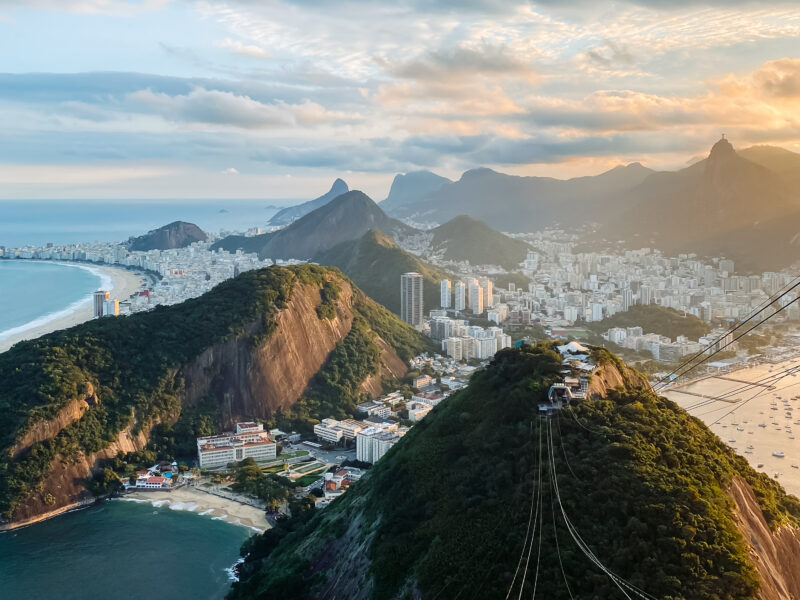


Standing shoulder to shoulder with hundreds of other revelers, there I was, toes tucked into the sand on Copacabana Beach, a speck in a sea of people waiting for the clock to strike midnight. When it did, an explosion of red and orange fiery rockets illuminated the sky, signaling the arrival of a new year. We hugged, laughed, and kept our iPhones glued to the sky, trying to capture the firework show above. As the crowd began to disperse, my group and I stayed behind to jump seven waves—one of the many traditions Brazilians follow when the clock strikes 12. It was a beautiful way to ring in the new year.
In Brazil, the festivities around New Year’s Eve are known as Réveillon, a word borrowed from French that means “to awaken.” And in many ways, that’s what the night feels like here: an awakening shaped by ritual, rhythm, and a collective belief in new beginnings.
From beachside fireworks to spiritual traditions rooted in Afro-Brazilian culture, every coastal celebration carries its own version of renewal. Whether you’re joining millions on Copacabana’s sand or watching the first sunrise from a quiet village beach, Réveillon invites you to start the year with intention—and a little bit of magic.
Copacabana Beach, Rio de Janeiro
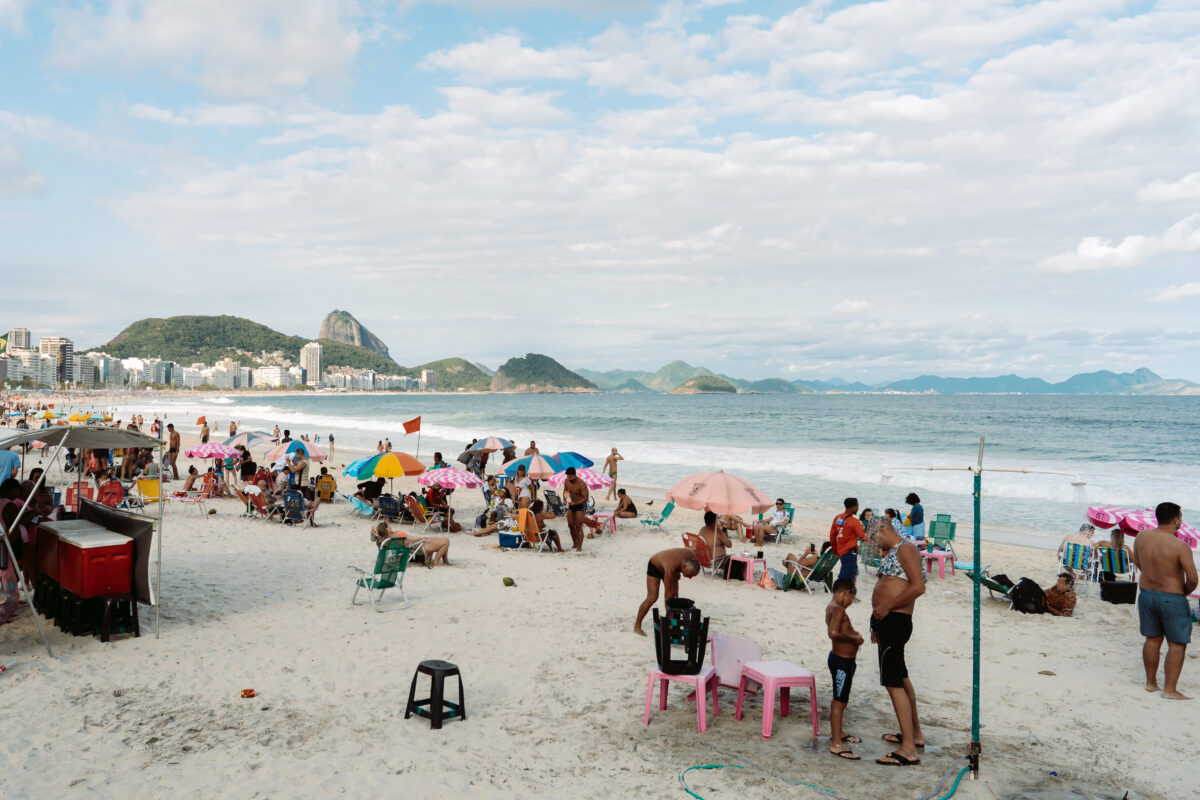
Brazil’s most famous New Year’s celebration unfolds on Copacabana Beach, where millions gather each December 31 for one of the biggest fireworks shows in the world. For 2026, the three headline acts on the main stage will be João Gomes, Gilberto Gil, and Alok, signaling another year of crowd-pulling performances. Last year’s celebrations drew over 2.5 million people and featured multiple stages with artists like Ivete Sangalo, Caetano Veloso, and Anitta. Restaurants and hotels along the beachfront also run ticketed dinners and rooftop-viewing parties.
If you’re here for the concerts, aim for the far end of Copacabana beach, where the stages are typically located. If your priority is just the fireworks, you’ll have a great vantage point from almost anywhere along the beach. Arrive by metro or on foot, as the entire neighborhood is closed to traffic. Book hotels and restaurant reservations well in advance and expect surge pricing after midnight. Claim your spot by 8 to 9 p.m. and follow tradition by jumping into the ocean at midnight.
Paraty, Rio de Janeiro

On the Costa Verde between Rio and São Paulo, Paraty mixes colonial charm with a beachside countdown. Base in the Centro Histórico or Pontal for walkable access. Arrive by car or bus, then leave the car—cobblestone streets are pedestrian-friendly. The city organizes free shows and fireworks visible from Praia do Pontal. Infrastructure is solid: lots of pousadas and excellent restaurants. For seated dinners, pre-book tables at popular spots like those near the cais; for a feet-in-the-sand countdown, head to Pontal by 11 p.m. The scene attracts couples and culture lovers who pair the party with boat trips to nearby islands on January 1. Footwear matters—those stones are slippery. If arriving by plane, fly into Rio or São Paulo and drive 4 to 6 hours, depending on traffic.
Búzios, Rio de Janeiro

Two hours from Rio, Búzios offers several different New Year’s options: You might be toasting on a waterfront deck, barefoot at a beach party that started at sunset, or drifting between bars on the city’s lively main street. Expect a mix of ticketed beach-club parties (like the open-bar DJ parties at Geriba) and more intimate celebrations at restaurants along the bay, many with their own display of small-scale fireworks. For a quieter night, beaches like Ferradura or João Fernandes gather families and friends who prefer a laidback toast by the water. Traffic is intense on the 31st, so base yourself close to where you plan to spend the night and plan to walk. The town comes alive after midnight, with crowds flowing toward Rua das Pedras for its unofficial street party. Dress beach-elegant (light fabrics, flat sandals) and reserve well in advance for the best virada, as Brazilians call the “turn” of the year.
Arraial do Cabo, Rio de Janeiro
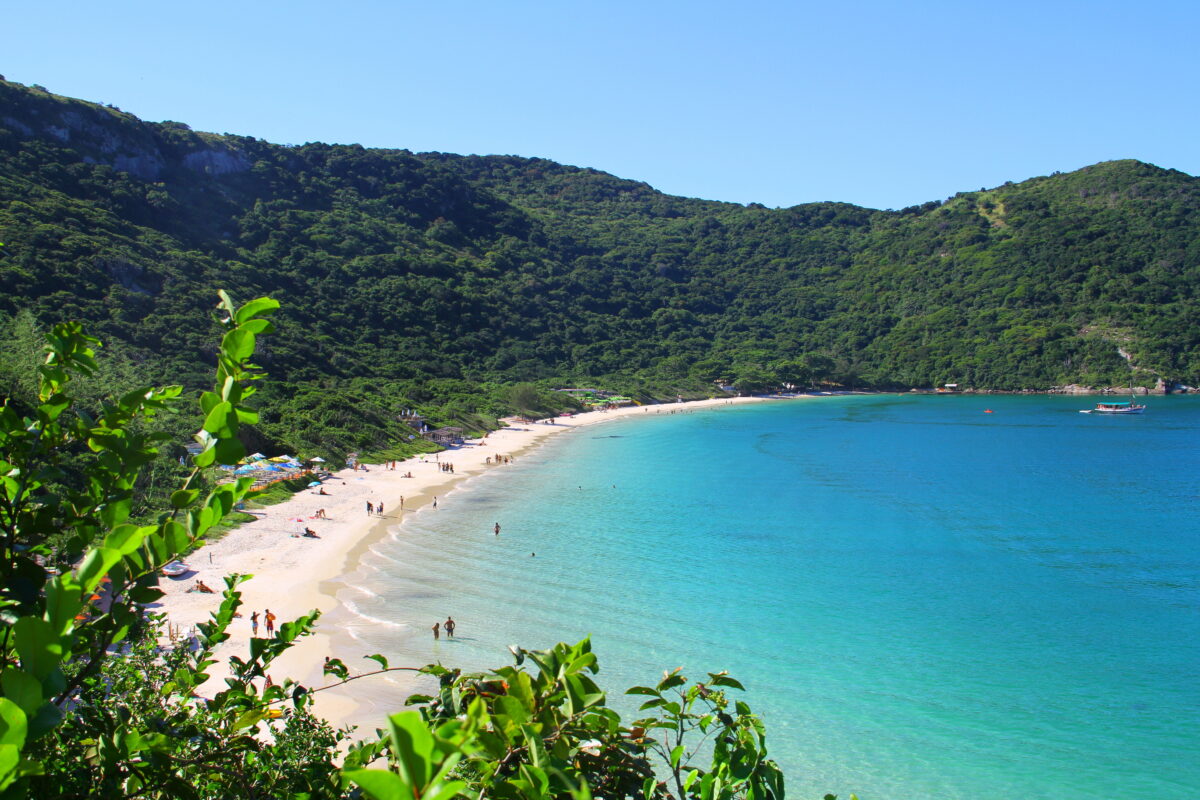
Known for its Gatorade-blue water, this seaside town offers a no-frills, feet-in-the-sand Réveillon where the sea does most of the talking. Base yourself near Praia Grande or Praia dos Anjos. Arrive by car or bus and avoid driving on the 31st—parking fills early and late-night rides are scarce, so plan transport in advance. The main celebration happens on Praia Grande, where a wide stretch of sand becomes the center of shows, music, and a fireworks display often lasting around 15 minutes. While Arraial doesn’t have a big nightlife scene, during New Year’s week the town’s boat tours and beach bars remain lively through January 3.
Trancoso, Bahia
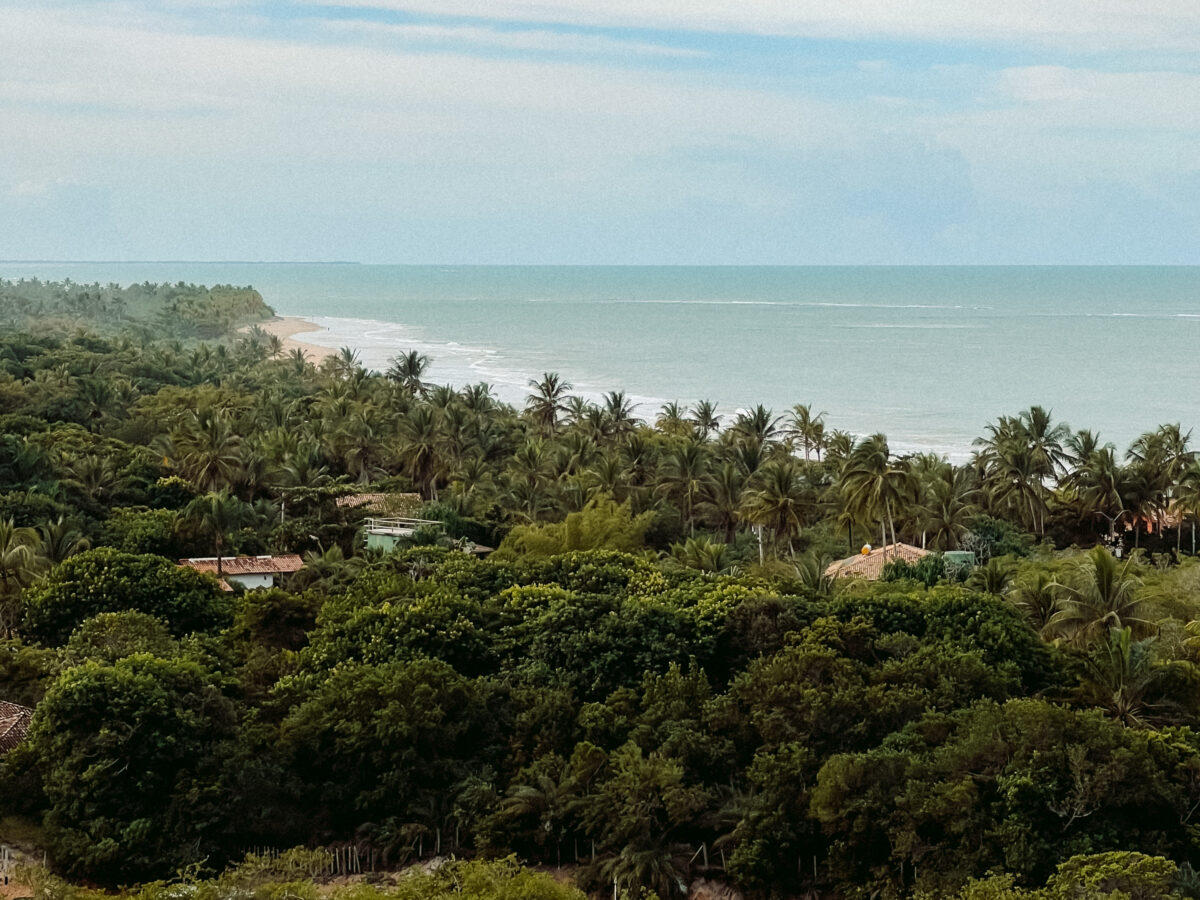
Bahia’s most chic New Year’s happens in Trancoso, a seaside village that nails the barefoot luxury. Here you’ll find some of the country’s most exclusive, star-studded parties and hotels, like the UXUA Casa Hotel & Spa, often named among the best in the world. Everything happens around the Quadrado, as the town’s main square is called, and the beach known as Praia dos Nativos. Expect multi-night events, where you pay for a whole week of open-bar beach soirées with DJs spinning until the sun comes up. It’s a quick 1.5-hour flight from Rio de Janeiro to Porto Seguro, then another 1.5 hour car ride into town. Expect polished hotels, exceptional dining, and plenty of fireworks.
Morro de São Paulo, Bahia
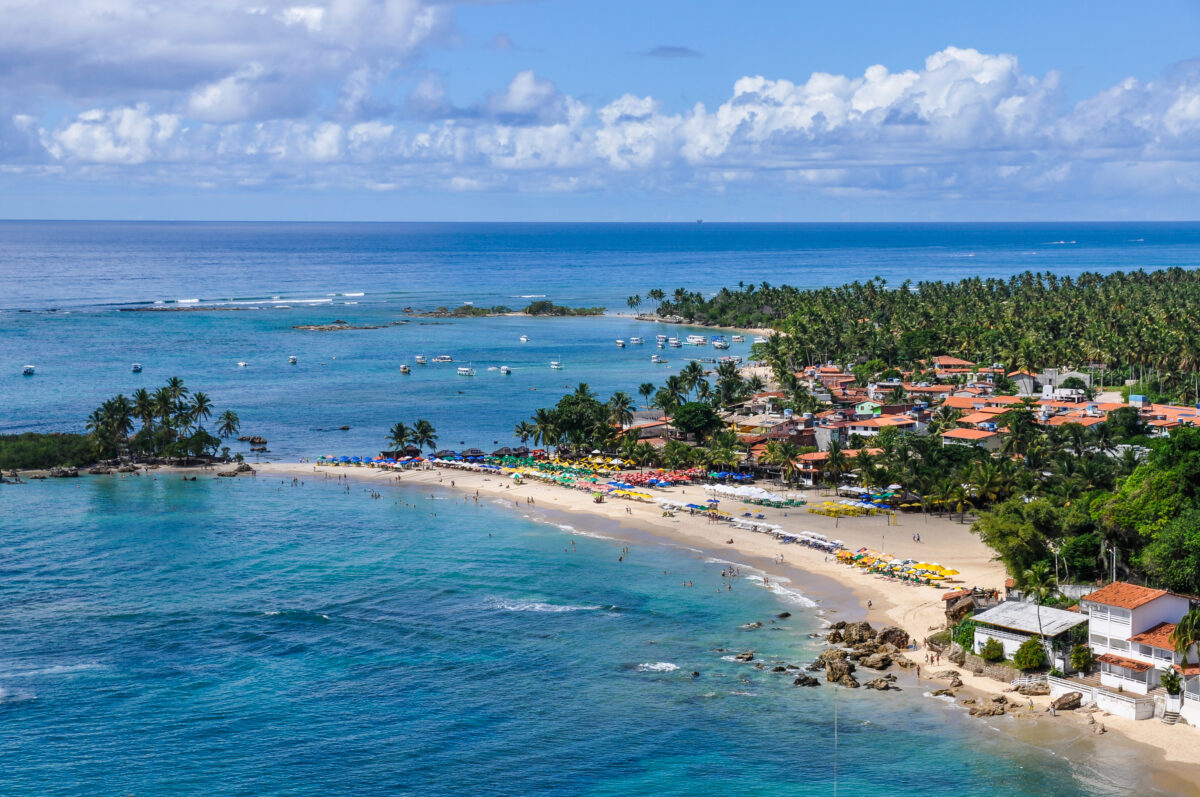
Set 2.5 hours off the coast of Salvador, Bahia, this laidback island village turns lively on New Year’s Eve, mixing beachfront fireworks with luaus, live music, and a handful of private parties. The biggest gathering happens on Segunda Praia, where visitors dressed in all-white watch the fireworks, hop seven waves, and drift between hotel and restaurant hosted celebrations. Note that ticketed events at beach clubs and hotels (like the big Mama Iate party) sell out early. Infrastructure is solid, with plenty of pousadas and beachfront dining, and since you’re on an island, there’s plenty of fun things to do the day after.
Salvador, Bahia
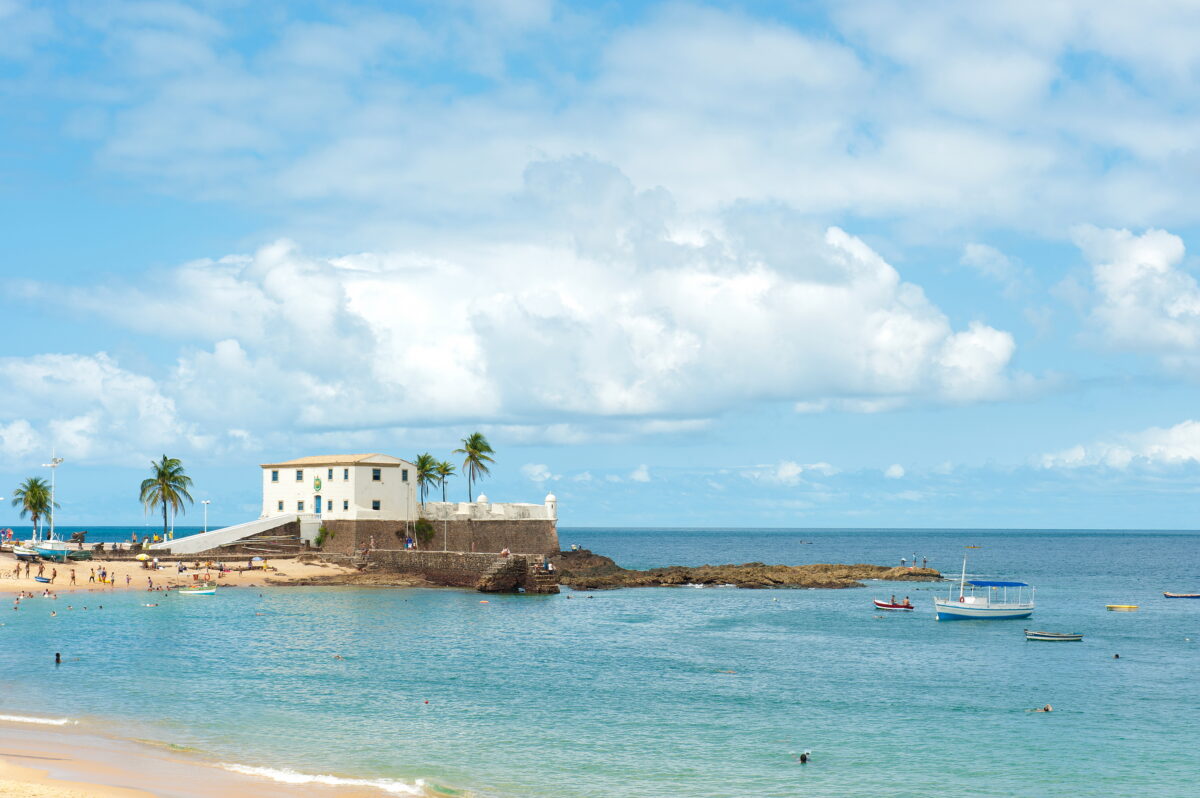
Salvador’s Réveillon isn’t just a countdown. It’s a full-on seaside festival, with days of concerts, dancing, and crowds that treat the week like the year has already begun. Similar to the festivities in Rio, the city is anchored by a massive festival, where big-name artists across multiple stages and a serious fireworks show keep the energy high. Alongside the mega-event, Salvador also has private parties with open bar, rooftop celebrations, and lively street scenes in Rio Vermelho and Barra. Book hotels and dinner reservations early, hit beaches like Porto da Barra or Itapuã during the day, and save your stamina for a night that rarely ends before sunrise in Brazil.
Porto de Galinhas, Pernambuco

About an hour south of Recife, Porto de Galinhas is ideal for travelers who want to ring in the new year by the sea without the pressure of a massive production. The vibe is a mix of village simplicity and just-enough party, with free fireworks and crowds gathering along the main beach. Meanwhile, beach clubs and big multi-night events host open bars, DJs, and national acts. By day, visit the natural pools or hit quieter stretches like Cupe Beach. Infrastructure is strong, with plenty of family-friendly resorts, good dining, and casual beach bars. Hotels can fill fast, but Porto de Galinhas keeps its laidback, village feel even during New Year’s.
Praia dos Carneiros, Pernambuco
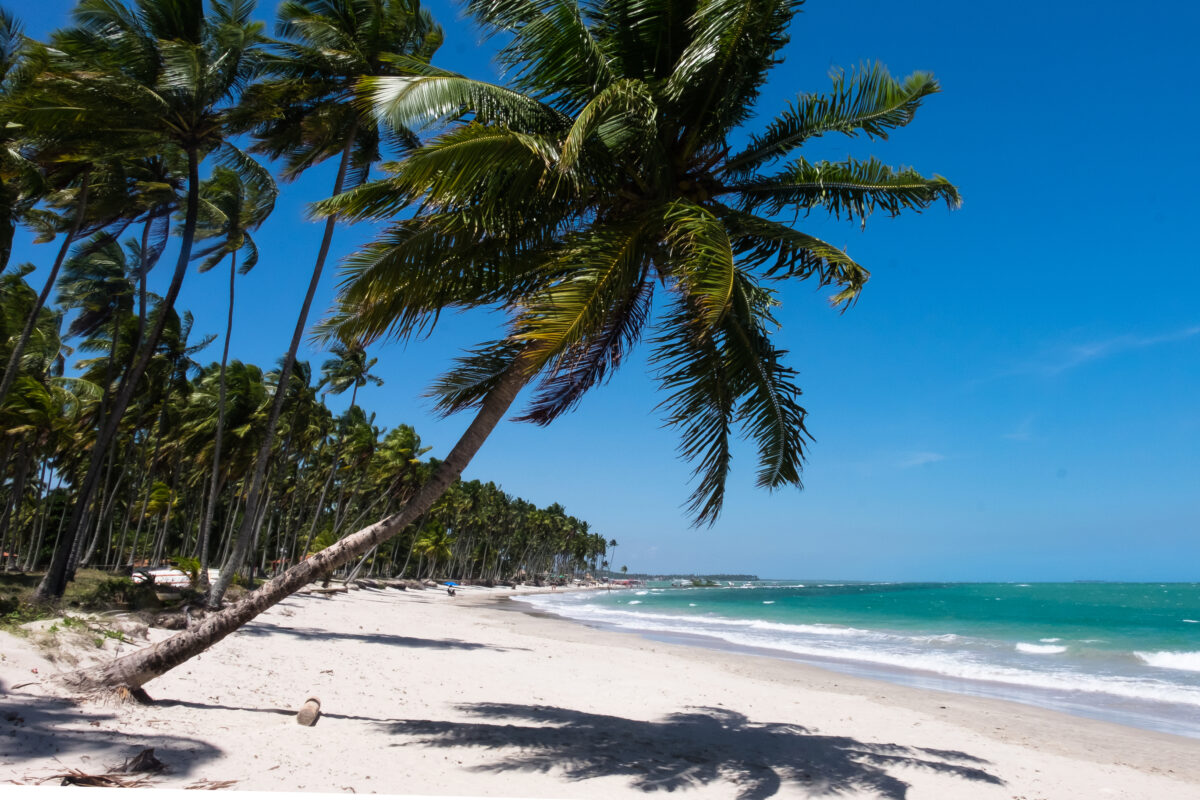
Held on one of Pernambuco’s most beautiful beaches, Réveillon Carneiros is a multi-day event with sunset sets, open-air beach parties, and a world-class house-music lineup. The festival also emphasizes wellness and community. Expect global artists performing with Brazilian icons, and daytime rituals ranging from yoga to holistic ceremonies led by local practitioners. For travelers seeking a celebration with depth—part festival, part retreat—Carneiros offers one of Brazil’s most unique festivals to welcome the new year.
São Miguel dos Milagres, Alagoas
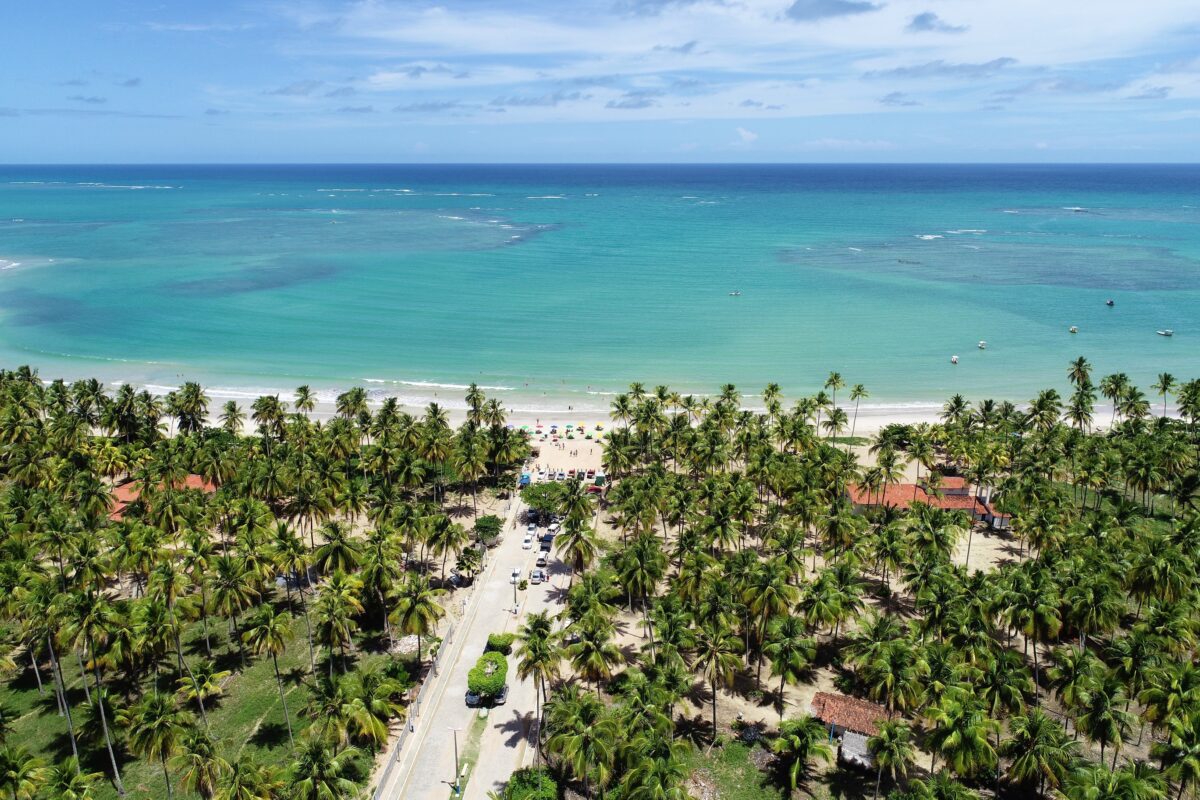
São Miguel dos Milagres also offers a quieter, small-village take on New Year’s Eve. It’s perfect for travelers who want a beachside celebration without a big-city spectacle. The vibe is simple and charming, with bars playing live music, festive dinners, and a handful of small paid parties. Most hotels also host their own dinners or celebrations, making them a great home base along Toque, Porto da Rua, or Marceneiro. Don’t expect large public fireworks or mega-productions; Milagres is more about good food, laidback music, and toasting the year with your feet in the sand.