


I grew up going to Cornwall and Devon almost every summer. Long car journeys down winding roads, sand stuck to sun cream, bodyboards rattling around in the boot.
Those holidays set the benchmark for what I still think a good beach should be. Space to run, waves with a bit of power behind them, and scenery that makes you pause even when you’ve seen it before.
As a kid, I didn’t have the language for it, but Cornwall and Devon felt different to other places we visited.
The beaches were bigger, wilder and somehow more alive. As an adult, returning again and again, that feeling still holds. These are beaches that need curiosity and time. Ones that look completely different depending on the tide, the light, and the weather rolling in off the Atlantic.
Cornwall and Devon are often talked about in the same breath, but they have distinct personalities.
Cornwall leans dramatic and elemental, with coves and cliffs that steal the show. Devon feels broader and more open, with beaches made for walking, swimming and long, unhurried days.
This list isn’t about ticking off famous names. It’s about the beaches I still want to spend more time on, shaped by years of returning to the same coastline and seeing it anew each time.
Porthcurno Beach, Cornwall
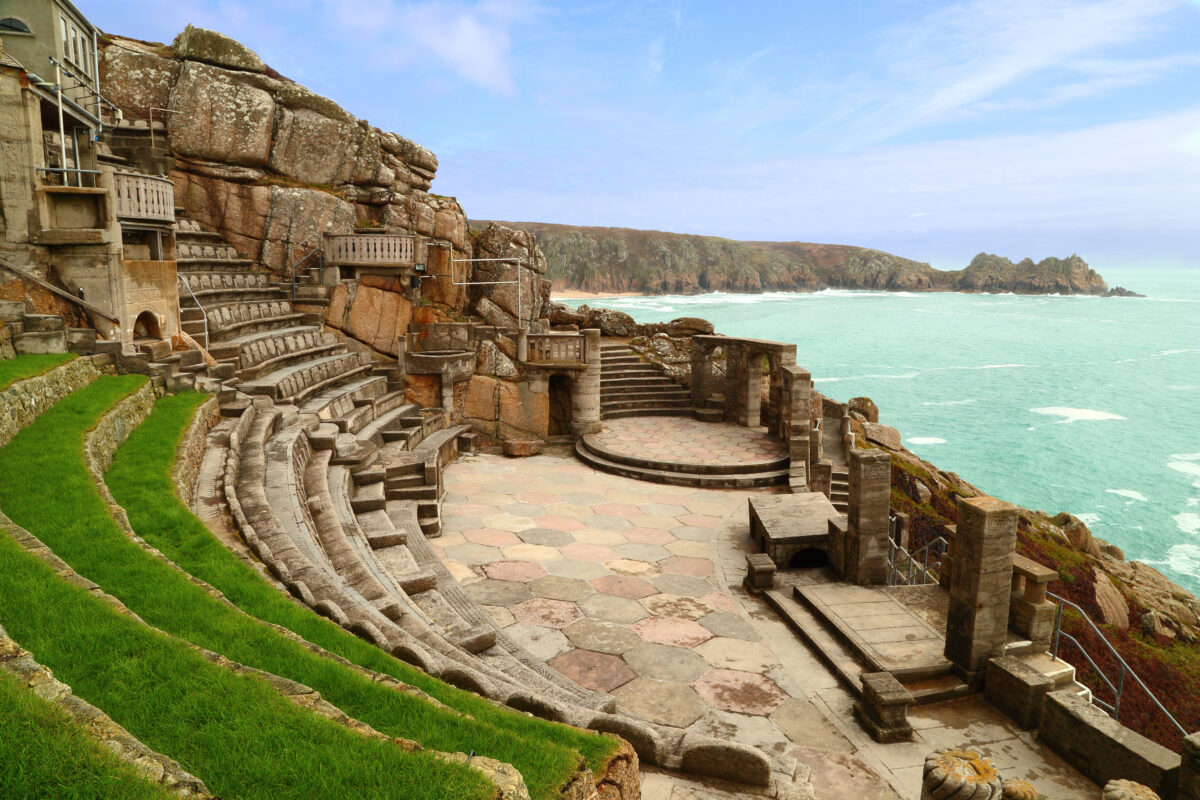
There are days at Porthcurno Beach when it barely feels like the UK at all. Sheltered by steep granite cliffs and washed by unusually clear water, this small cove regularly surprises people with how bright and almost tropical it looks, especially when the sun is out and the sea is calm.
I’ve been coming here since I was young, and it still stops me in my tracks. The sand is soft and pale, the water shifts between turquoise and deep blue, and the setting feels intimate without ever feeling cramped. On still days, swimming here is a real pleasure, with gentler conditions than many of Cornwall’s more exposed beaches.
Part of what makes Porthcurno so special is what surrounds it. The famous Minack Theatre sits dramatically above the beach, and even a short walk along the coastal path gives you views that make the effort of getting here worthwhile. Access involves a walk down to the sand, which helps keep numbers in check, especially outside peak summer.
Fistral Beach, Cornwall
Fistral Beach is Cornwall at its most confident. It’s bold, windswept, and unapologetically surf-led, with a sense of movement that you feel the moment you step onto the sand. Even if you never plan to get in the water, it’s a brilliant beach to simply be around.
The beach itself is long and open, backed by low cliffs and wide enough that it never feels overwhelmed, even on busy summer days.
The waves roll in steadily, and watching surfers paddle out and wipe out in equal measure becomes part of the rhythm of the place. I often walk the length of the beach first, letting the wind do its thing, before settling somewhere with a view and a coffee.
What I appreciate most about Fistral is that it caters to different energies at once. There’s a lively social scene near the main access points, but plenty of quieter space if you head further along the sand. It feels modern, youthful and active, a beach that reflects Cornwall’s surf culture without needing to explain itself.
Kynance Cove, Cornwall
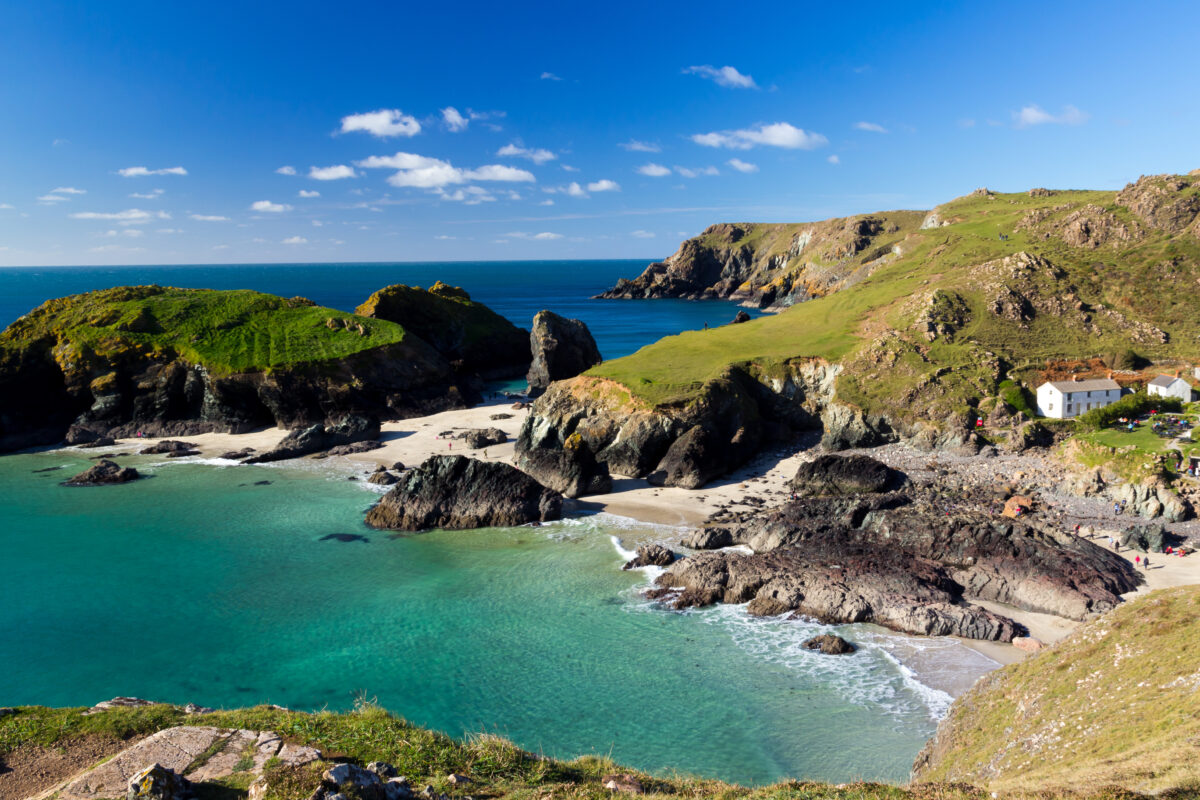
If Porthcurno feels serene, Kynance Cove feels almost unreal. Set on the Lizard Peninsula, this beach is defined by its serpentine rock formations, sea stacks, and vivid turquoise pools that appear and disappear with the tide.
Kynance is at its best at low tide, when the sea pulls back to reveal an intricate landscape of sandbars, rock pools, and hidden corners. It’s a beach that rewards curiosity. I find myself constantly stopping, climbing carefully over rocks and discovering new views that look completely different from one hour to the next.
Getting down to the beach involves a walk, and tide timing is essential, but that effort is part of what makes the experience feel special. On calm days, the water can be surprisingly inviting for a dip, though this is more about exploration than swimming laps.
Kynance Cove doesn’t feel designed for comfort or convenience. It feels elemental and alive, shaped by forces far bigger than you. Every visit feels slightly different, which is exactly why it leaves such a strong impression long after you’ve gone.
Polzeath Beach, Cornwall
Polzeath Beach is the kind of beach that makes everything feel simple. Wide, sandy, and gently sloping, it’s one of those places where days seem to organise themselves. You arrive, find a spot, and suddenly hours have passed without much effort at all.
This is a beach I associate with long, happy afternoons. The waves are usually forgiving, which makes it ideal for beginner surfers and bodyboarders, and the atmosphere is relaxed and sociable rather than showy. There’s a steady hum of activity, surf lessons, families coming and going, people wandering back up to the village for snacks or ice cream.
What really sets Polzeath apart is how easy it is to spend the whole day here. Cafés, surf shops, and casual places to eat sit just back from the sand, so you’re never far from what you need. It feels light-hearted and familiar, a beach that doesn’t ask for much planning and offers you exactly the kind of uncomplicated seaside day you were hoping for.
Woolacombe Beach, Devon
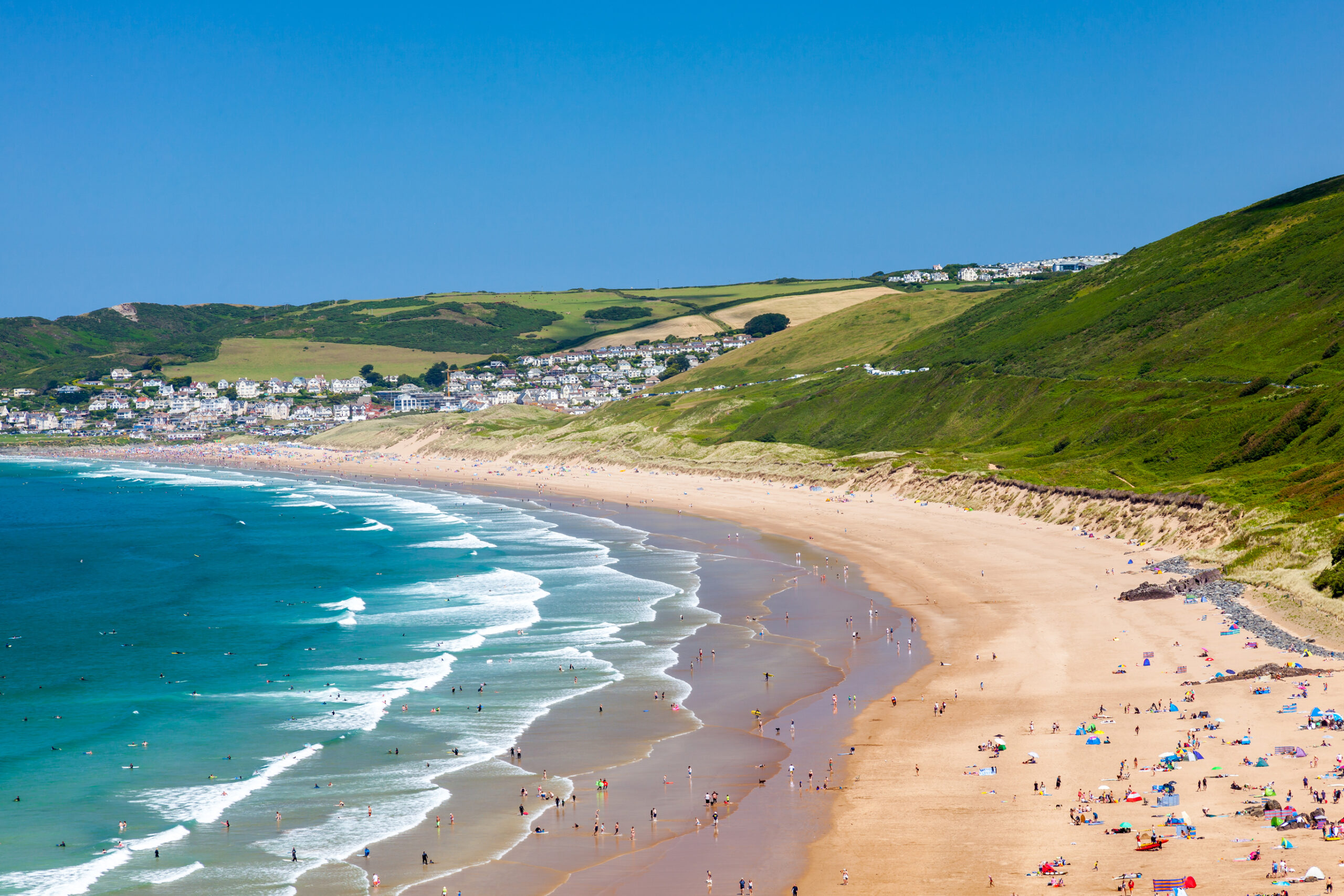
If there’s one beach that captures Devon’s sense of space, it’s Woolacombe Beach. Stretching for nearly three miles, this vast sweep of golden sand feels invigorating the moment you step onto it. Even on busy days, there’s always room to move, breathe, and find your own patch.
Woolacombe is a beach made for walking. I love starting at one end and heading off, letting the sound of the waves and the openness of the landscape set the pace. Surfers dot the shoreline, but there’s just as much space for swimmers, walkers, and anyone who wants to sit and watch the sky change.
But what I appreciate most here is the balance. It has the energy of a surf beach without feeling intense, and the scale of a wild coastline without being remote.
The surrounding hills and headlands give it shape, while the open horizon keeps it feeling fresh and expansive. Woolacombe suits long days, shifting weather, and the kind of beach time that feels restorative rather than rushed.
Blackpool Sands, Devon
Blackpool Sands feels a little different to many of Devon’s bigger, wilder beaches, and that’s exactly its appeal. Tucked into a sheltered bay near Dartmouth, this crescent of fine shingle is known for its calm water and gently polished feel.
Because it’s protected from the full force of the Atlantic, swimming here is often easier and more inviting than on exposed surf beaches. On warm days, the water can feel almost lake-like, especially in the morning before the breeze picks up. I tend to come here when I want a slower, more contained beach day, one that’s less about walking for miles and more about settling in.
The facilities are excellent without feeling intrusive, with a café, restrooms, and the option to hire sun loungers if that’s your thing. Blackpool Sands works particularly well outside peak summer, when the light softens and the beach feels subtly refined. It’s a reminder that not all great beaches need to be wild to be memorable.
Saunton Sands, Devon
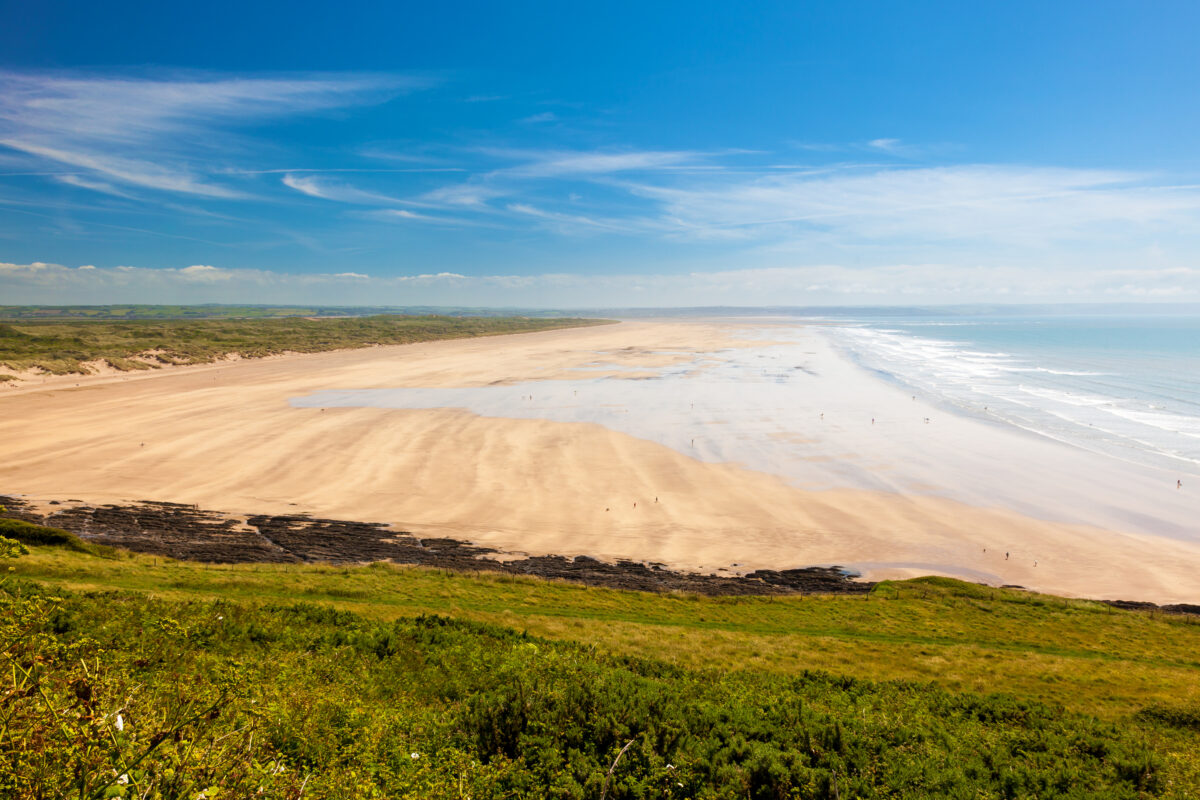
If Woolacombe is expansive, Saunton Sands is untamed. This huge stretch of sand runs alongside Braunton Burrows, one of the largest dune systems in the UK, and feels shaped more by weather and tide than by people.
It’s perfect for long walks, energetic swims, and watching the Atlantic roll in with real force. The wind is often part of the experience, tugging at clothes and sending sand skittering across the surface, but that only adds to the sense of drama. I rarely come here to sit still.
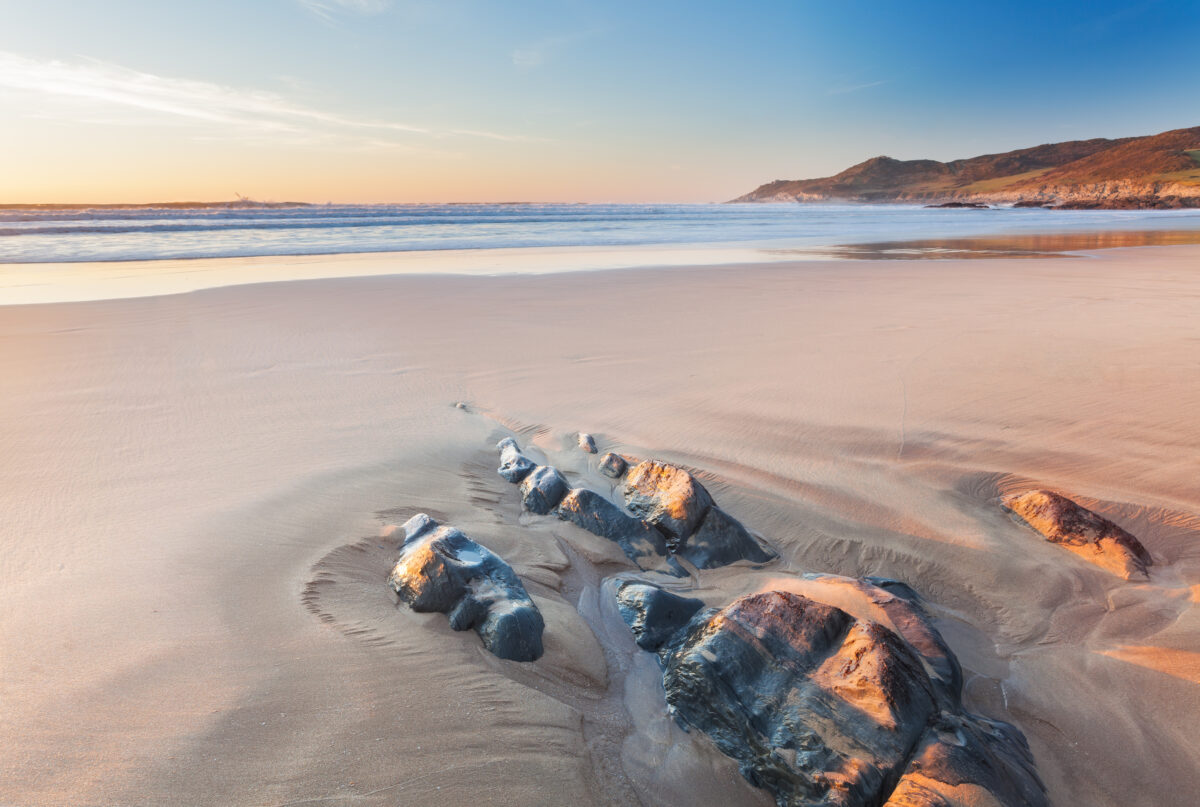
At low tide, the beach opens up into what feels like an entirely new landscape, with reflections on wet sand and endless space in every direction. It’s not a beach for neat plans or quiet lounging. It’s for embracing the elements, letting the scale of the place reset your perspective, and heading home a little tired and very content.
Hope Cove, Devon
Hope Cove is one of those places that instantly slows you down. Tucked into the South Devon coast near Salcombe, it’s made up of two small sandy beaches backed by low cliffs and a village that feels gently, unapologetically seaside.
What I enjoy most about Hope Cove is how protected it feels. The water is often calmer than on the exposed Atlantic-facing beaches, which makes it a brilliant spot for swimming, especially on warm summer mornings when the sea is glassy and clear. It’s the kind of place where you can ease into the water rather than brace yourself for it.
The scale here is more intimate. This isn’t a beach for endless walking, but for settling in, swimming, drying off, and doing it all again. There are pubs and cafés just above the sand, so lunch naturally becomes part of the day rather than a reason to leave.
Hope Cove feels gentle and inviting, a reminder that Devon does calm, classic beach days just as well as it does wild, wind-swept drama.
What to Know Before Visiting Beaches in Cornwall and Devon
Beaches in Cornwall and Devon are shaped as much by the Atlantic as they are by the seasons, and a little planning goes a long way.
Late May through September is the classic window, but June and September are my personal sweet spots. The water has warmed slightly, the days are long, and the crowds thin out just enough to make everything feel easier.
Tides matter here more than many first-time visitors expect. Some of the most beautiful coves all but disappear at high tide, while low tide can reveal vast expanses of sand, rock pools, and walkable shoreline. I always check tide times before choosing a beach for the day.
Access can take effort too. Narrow lanes, cliff paths, and limited parking are all part of the experience, especially in Cornwall. Surf culture is strong across both counties, so pay attention to flags and local advice if you’re swimming.
Facilities vary widely. Some beaches come with cafés, surf schools, and restrooms, while others offer nothing but sea, sky, and wind. Knowing which you’re heading to helps set expectations and lets the day unfold exactly as it should.