
When the world feels a little too crowded and your soul craves something wilder, there’s a special kind of beach waiting for you—one where nature still calls the shots. These are the beaches where nature comes first, places where development takes a back seat to preservation, and the soundtrack is nothing but crashing waves and seabirds overhead.
Forget the high-rise hotels and beach bars pumping out Top 40 hits. Here, you’ll find sand shaped by tides rather than bulldozers, coastlines protected by conservation efforts, and ecosystems thriving in their natural state. Whether you’re seeking solitude, wildlife encounters, or simply a reminder of what beaches looked like before we paved paradise, these nature-first destinations deliver.
What Makes a Beach “Nature-First”?
Not every beach qualifies as a place where nature comes first. These special stretches of coastline share common characteristics: limited development, active conservation programs, protected wildlife habitats, and often, restricted access that helps preserve their pristine condition. They’re the beaches that prioritize ecological health over tourist convenience, and they’re all the better for it.
Mazunte, Oaxaca, Mexico
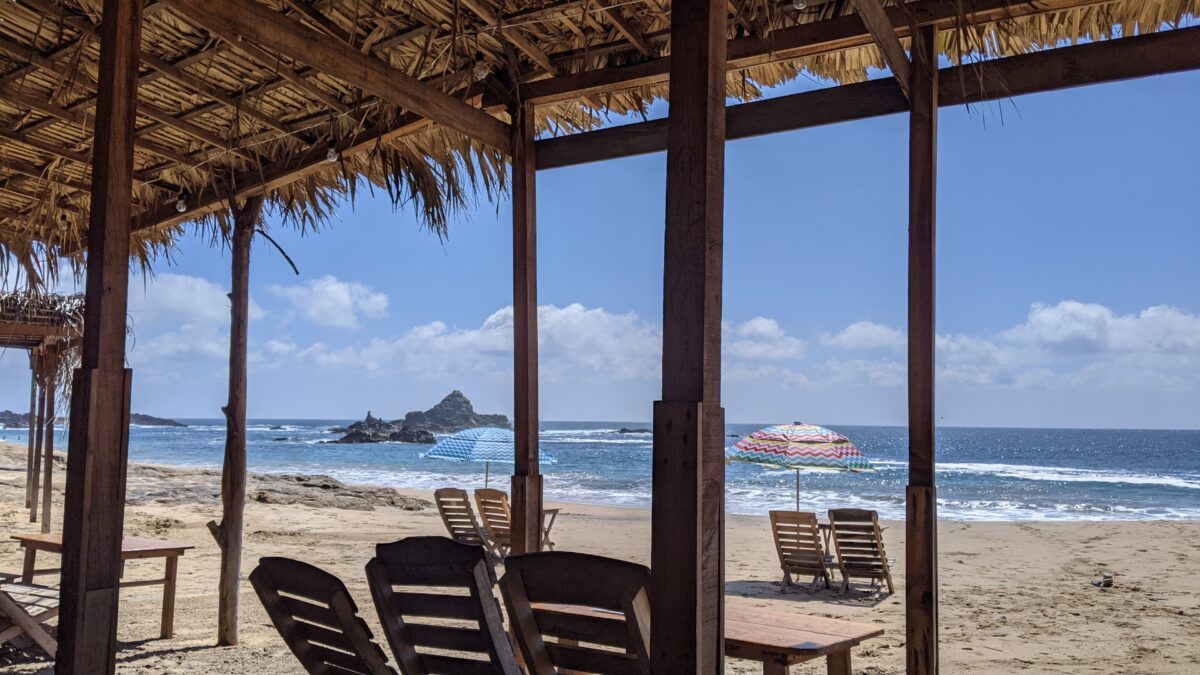
While neighboring Zipolite and Puerto Escondido have embraced tourism, Mazunte remains steadfastly committed to conservation. This small village on Mexico’s Pacific coast is famous for one thing above all else: sea turtles. Once home to a turtle slaughterhouse, Mazunte transformed itself in the 1990s into a sanctuary where olive ridley and leatherback turtles nest along its golden shores.
The beach stretches in a gentle curve, backed by low-key palapas and eco-lodges rather than resort towers. During nesting season (June through November), sections of beach are cordoned off to protect nests, and nighttime turtle releases draw locals and visitors alike to witness hatchlings making their first journey to the sea. The National Mexican Turtle Center anchors the town’s conservation efforts, and the community has built its economy around protecting rather than exploiting the wildlife that makes this place special.
*Keep in mind that Mazunte does not have the best wifi (nearly non existent) and power goes out often so bring some cash with you. I almost had to sleep on the beach because I struggled getting a cab back with just a card!
Uvita, Costa Rica
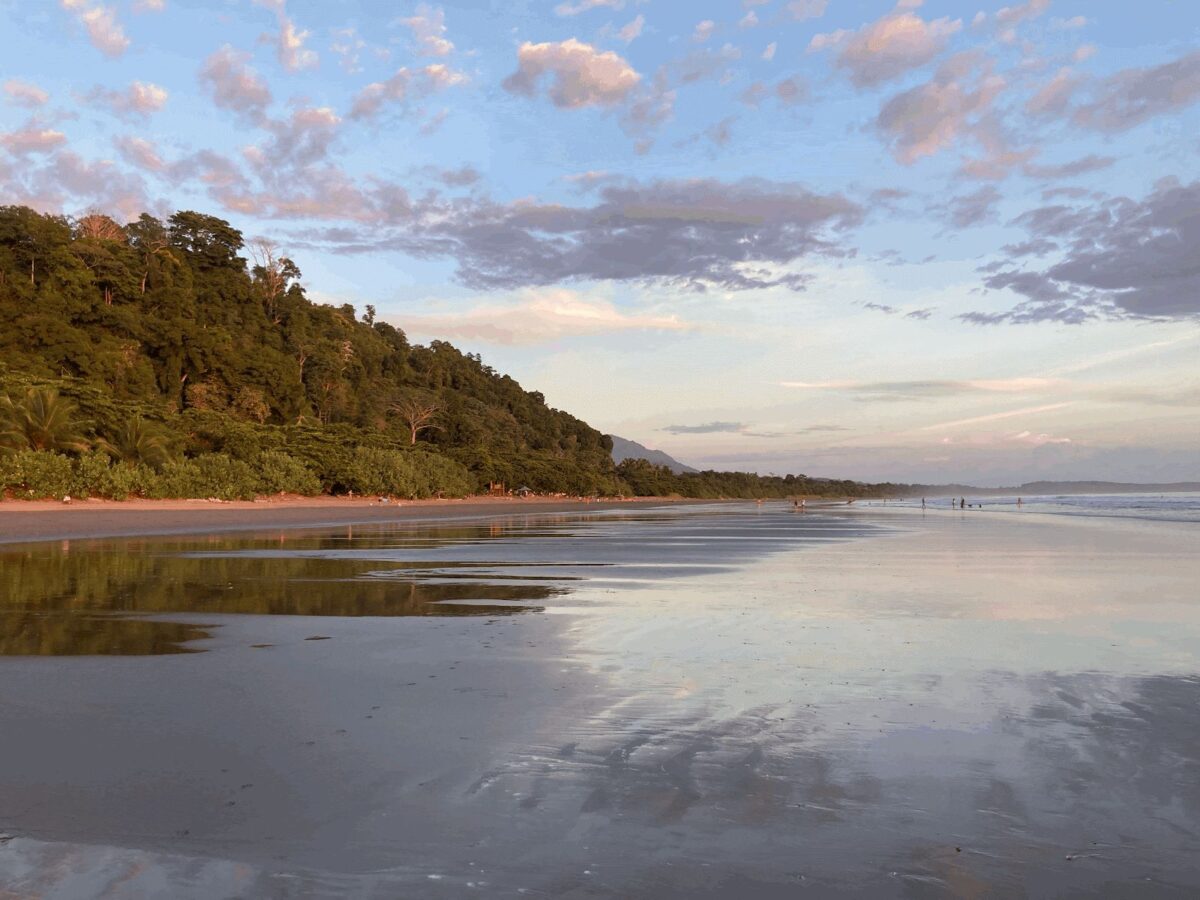
The beaches at Uvita don’t just prioritize nature—they celebrate it with one of the most distinctive coastal formations you’ll ever see. At low tide, a natural sandbar extends from the shore in the perfect shape of a whale’s tail, the iconic Whale’s Tail (Cola de Ballena) that has become synonymous with Marino Ballena National Park.
Uvita embodies beaches where nature comes first through its role as a critical habitat for humpback whales. Two separate populations migrate here—one from the north, one from the south—making this one of the few places on Earth with humpback whales present nearly year-round. From July through November and December through April, you can often spot these magnificent creatures breaching and tail-slapping just offshore.
The beaches themselves remain wonderfully undeveloped. Backed by jungle-covered hills, the coastline features a mix of sandy stretches and rocky tide pools teeming with marine life. Strict national park regulations limit construction and protect the coastal ecosystem. The small town of Uvita has resisted the mega-resort development that’s transformed other Costa Rican beach towns, instead cultivating a community of eco-lodges, sustainability-focused businesses, and conservation-minded locals and expats.
Marušići, Croatia
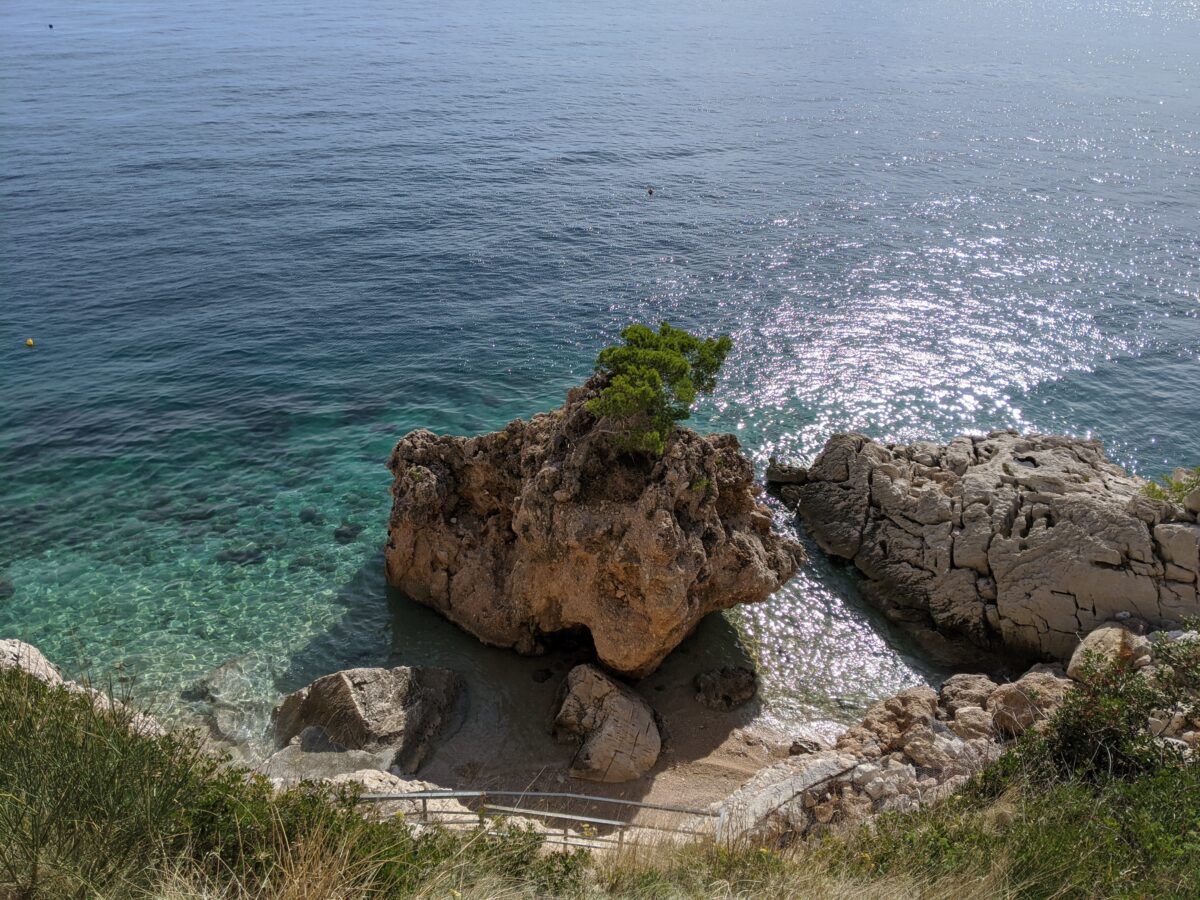
Far from the crowds that flock to Dubrovnik and Split, the pebble beach at Marušići represents the Adriatic coast as it used to be: quiet, authentic, and stunningly beautiful. This small village beach near Omiš remains largely unknown to international tourists, a hidden gem where locals still outnumber visitors even in peak summer.
The beach itself is quintessentially Croatian with smooth pebbles rather than sand, impossibly clear turquoise water, and the dramatic Dalmatian mountains rising directly behind the shore. What makes Marušići special among beaches where nature comes first is what’s missing (no beach clubs blasting music, no rows of organized sun loungers, no jet skis disturbing the peace). Just a small stretch of pristine coastline with a handful of family-run konobas (taverns) serving fresh-caught fish and local wine.
*There was one hostel where we stayed, Hostel Dalmatia, and the owners (and views) were incredible. I highly recommend it. Keep in mind that I went during off season so almost everything was closed (food wise) and we had to scrounge up a meal at the only open market.
Cape Lookout National Seashore, North Carolina
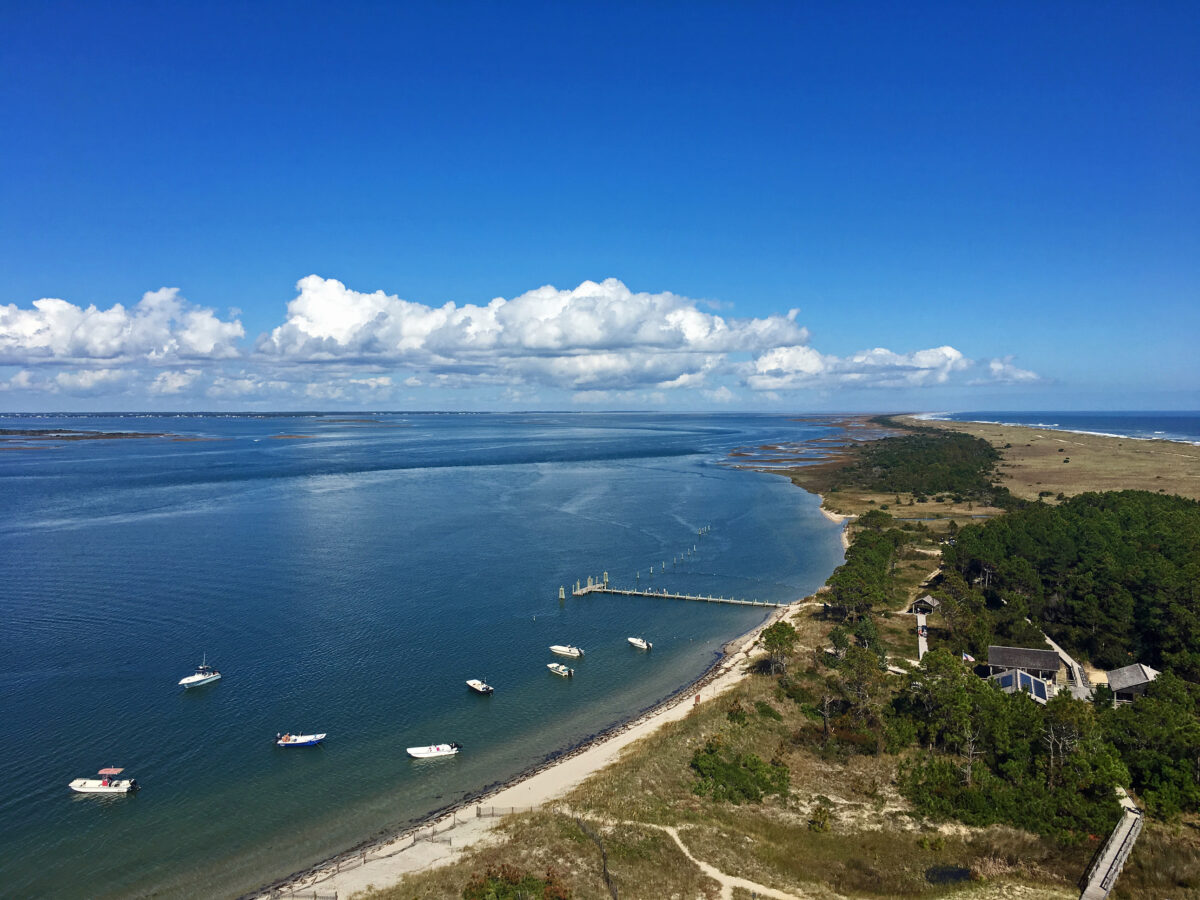
Spanning 56 miles across several barrier islands, Cape Lookout is a masterclass in how beaches should be. With no roads, no hotels, and no permanent residents, this National Seashore is accessible only by ferry or private boat (a natural filter that keeps crowds manageable and nature abundant).
The beaches here are dynamic, constantly reshaped by wind and waves. Wild horses roam freely on Shackleford Banks, descendants of Spanish mustangs that have called these shores home for years. Loggerhead sea turtles nest here during summer months, and over 270 species of birds have been documented in the area. Bring everything you need for the day (and pack it back out), because nature comes first here means leaving no trace behind.
Point Reyes National Seashore, California
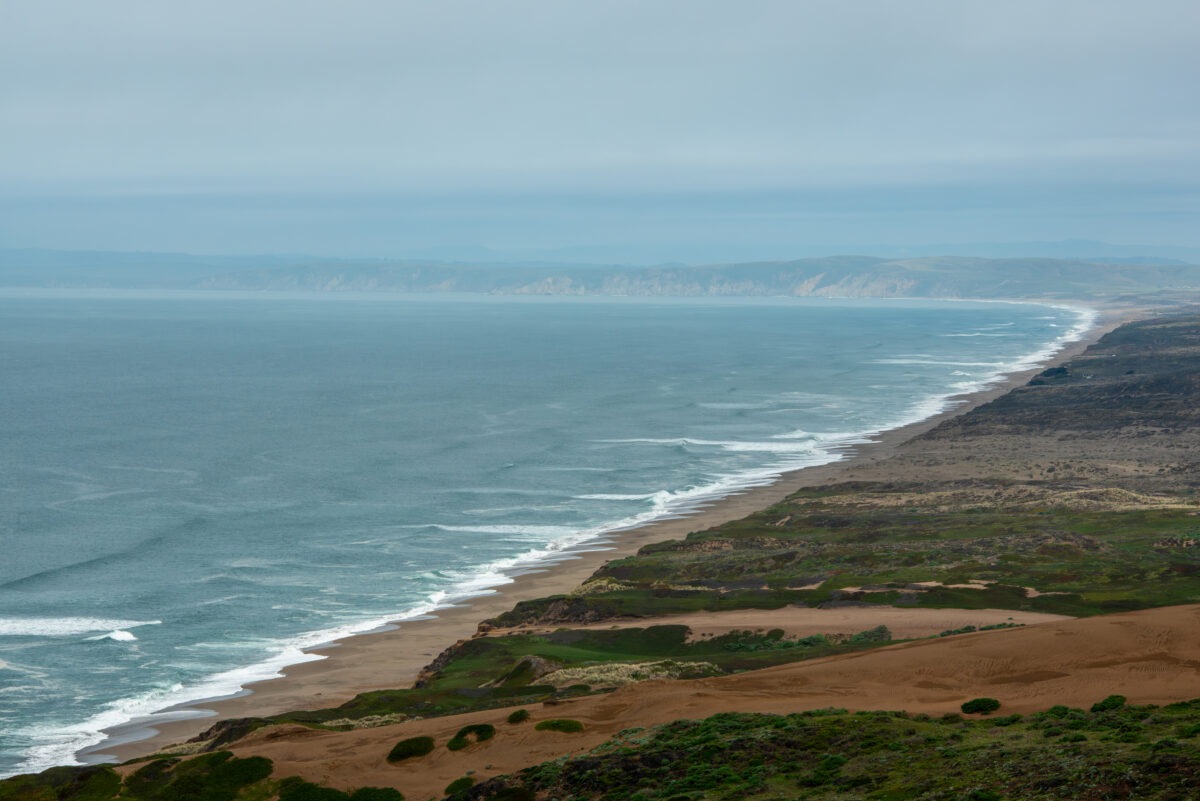
Just north of San Francisco, Point Reyes feels like the edge of the world. With dramatic cliffs, windswept beaches, and fog rolling in off the Pacific, this is coastal California at its most raw and beautiful. The beaches here aren’t for sunbathing, they’re for experiencing the full force of nature.
Limantour Beach offers the most accessible stretch of sand, where elephant seals haul out during breeding season and migrating gray whales pass close to shore. The park’s 80 miles of coastline remain largely undeveloped, protected as a wilderness area where nature’s rhythms haven’t been interrupted by human schedules. Dress in layers, expect wind, and prepare to be humbled by the power of the Pacific.
Cumberland Island National Seashore, Georgia
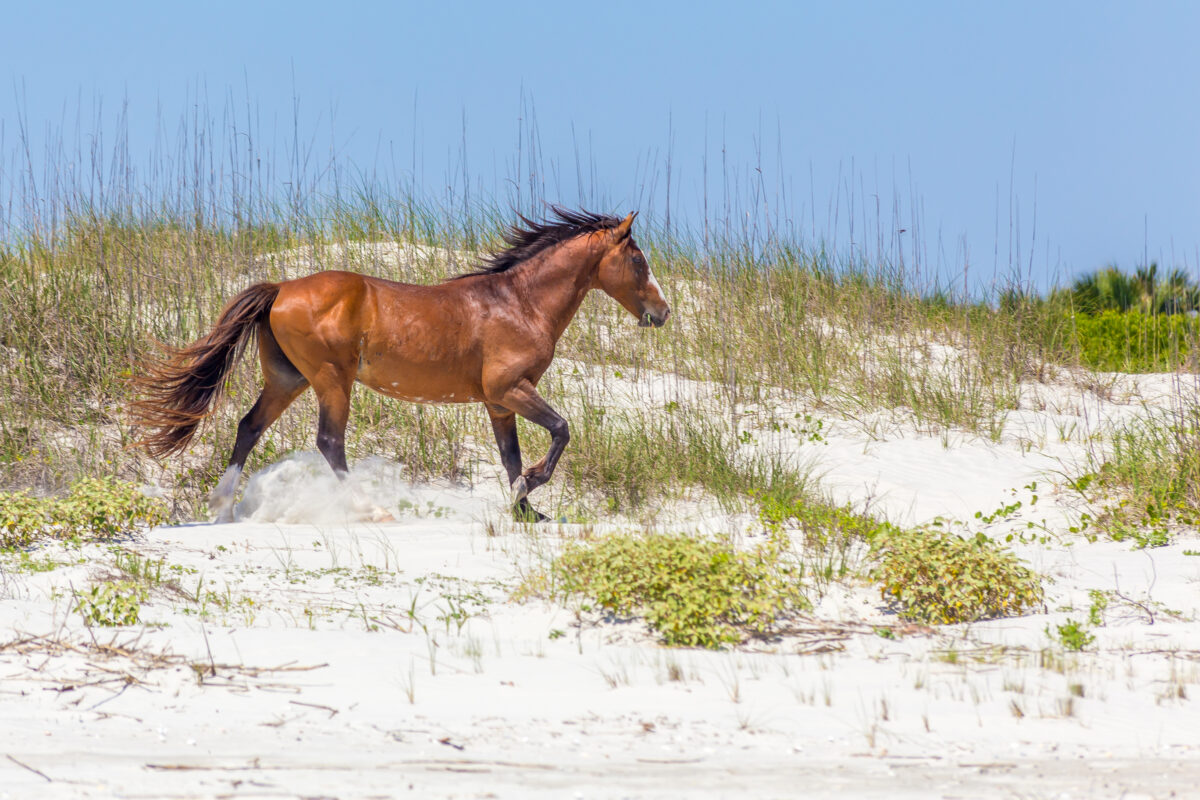
Accessible only by ferry from St. Marys, Georgia, Cumberland Island is where maritime forests meet endless stretches of unspoiled beach. The island’s 18 miles of pristine Atlantic shoreline remain largely unchanged, backed by salt marshes and ancient live oaks draped in Spanish moss.
Wild horses wander the beaches and dunes, while loggerhead turtles nest here from May through August. With no cars allowed and limited visitor capacity, Cumberland Island enforces the principle that beaches require us to slow down and respect the environment we’re visiting. The ruins of the Carnegie family mansions remind us that even wealth can’t compete with the beauty of untouched nature.
Kalalau Beach, Kauai, Hawaii
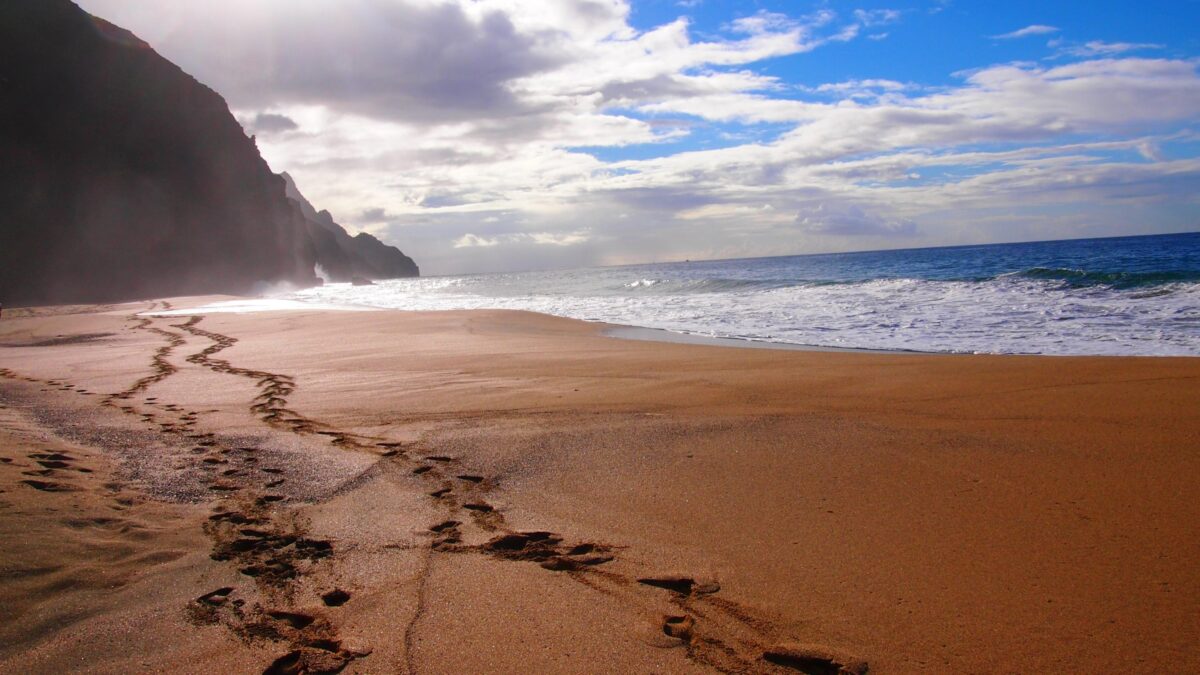
Earning your way to this beach requires commitment—an 11-mile hike along the spectacular but challenging Kalalau Trail. That’s precisely what keeps Kalalau Beach wild. Nestled at the end of the Na Pali Coast, this crescent of golden sand is backed by cathedral-like cliffs rising thousands of feet above the sea.
There are no facilities, no lifeguards, no easy way in or out. Just you, the beach, and one of the most dramatic coastal settings on Earth. Hawaiian monk seals occasionally rest on the sand, spinner dolphins play in the offshore waters, and the stars at night are brilliant without light pollution.
Dry Tortugas National Park, Florida
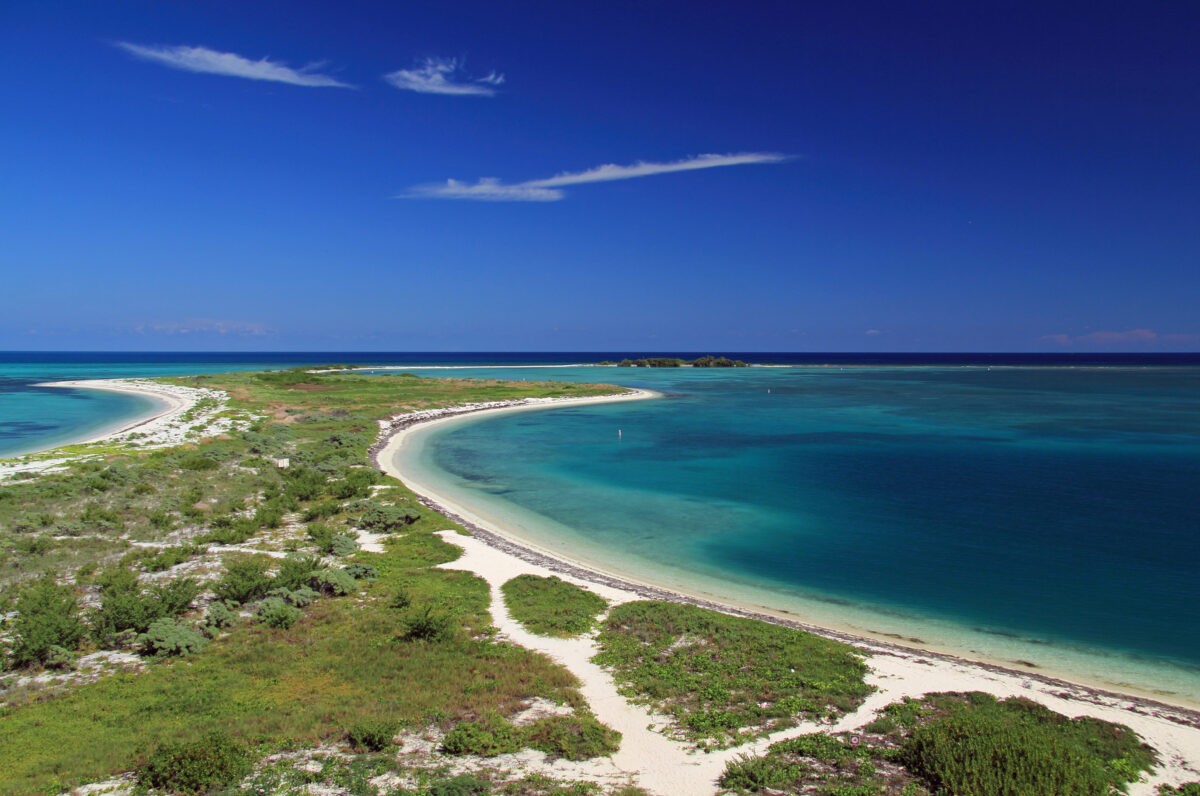
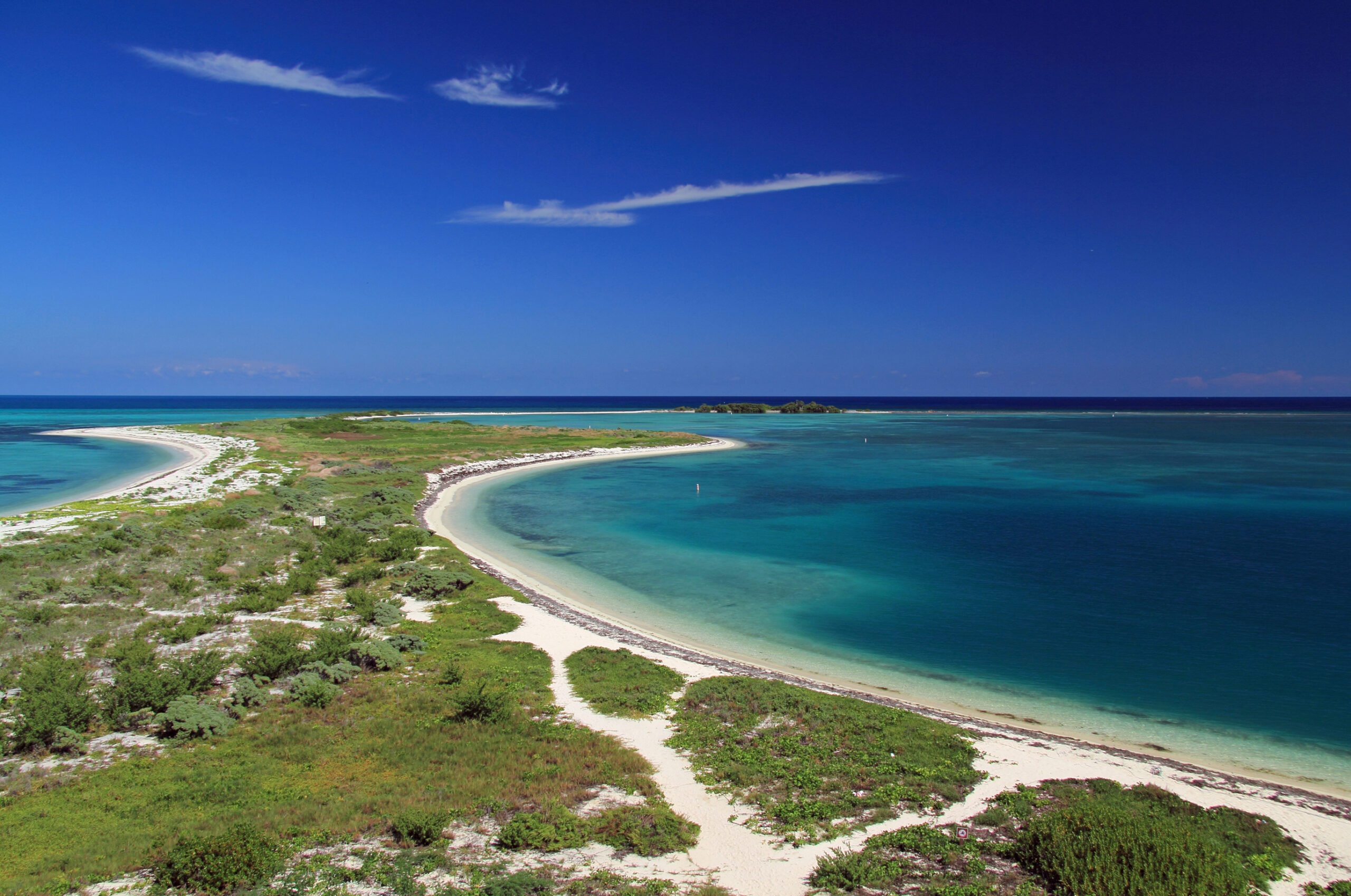
Seventy miles west of Key West, accessible only by seaplane or boat, Dry Tortugas exists in magnificent isolation. The seven small islands are surrounded by crystal-clear waters, vibrant coral reefs, and beaches that see more sea turtles than sunbathers.
Garden Key’s beaches surround the impressive Fort Jefferson, but the real stars here are underwater. The park protects 100 square miles of pristine marine habitat. Snorkel among angelfish and parrotfish, spot nurse sharks gliding over the sandy bottom, and marvel at a place where nature’s priorities—healthy reefs, nesting birds, thriving marine ecosystems—haven’t been compromised by development.
Assateague Island National Seashore, Maryland/Virginia
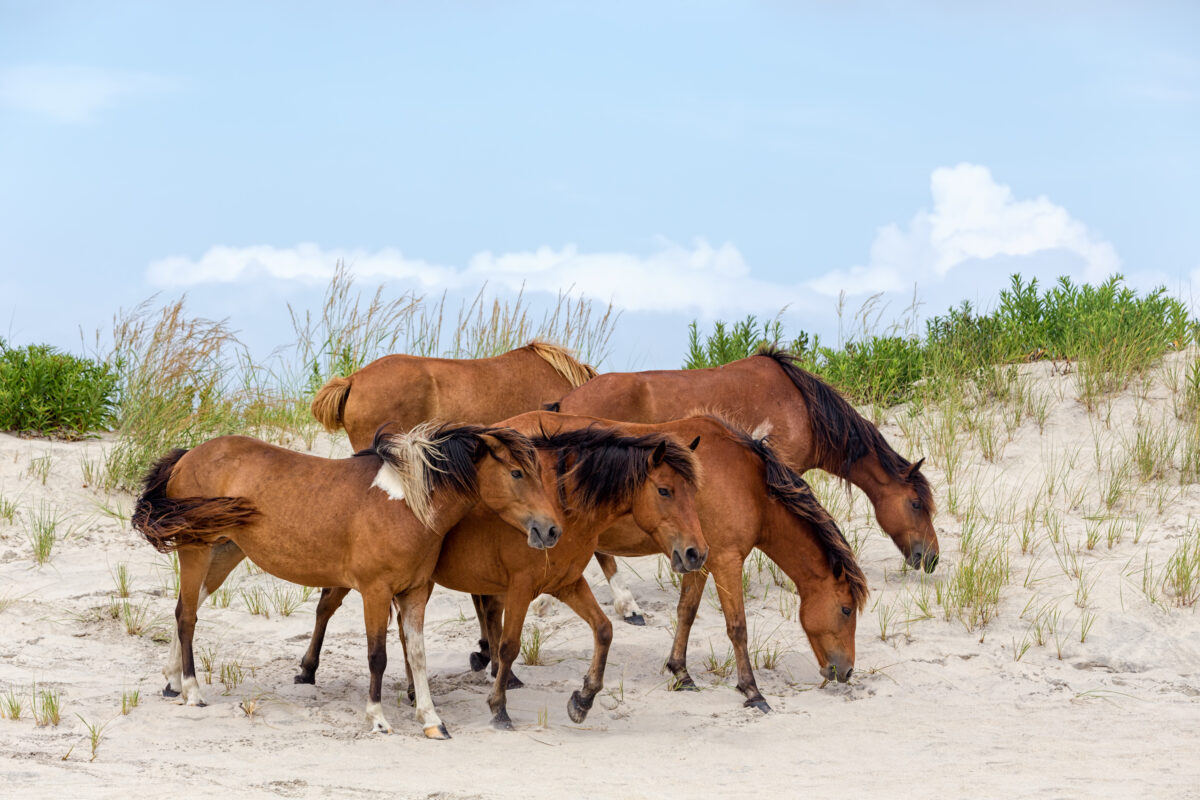
Famous for its wild ponies but treasured for its undeveloped beaches, Assateague Island stretches 37 miles along the Atlantic coast. This barrier island remains in its natural state, a sharp contrast to neighboring Ocean City’s boardwalk bustle just across the inlet.
The beaches at Assateague share space with wildlife. Watch as Chincoteague ponies graze among the dunes, observing these iconic animals in their natural habitat. The island serves as critical habitat for piping plovers and numerous shorebird species. Pristine beaches backed by salt marshes create a dynamic ecosystem where every element depends on the others. Limited parking and facilities ensure that nature’s needs are prioritized, and the result is a beach experience that feels genuinely wild despite being just hours from major East Coast cities.
Olympic National Park Beaches, Washington
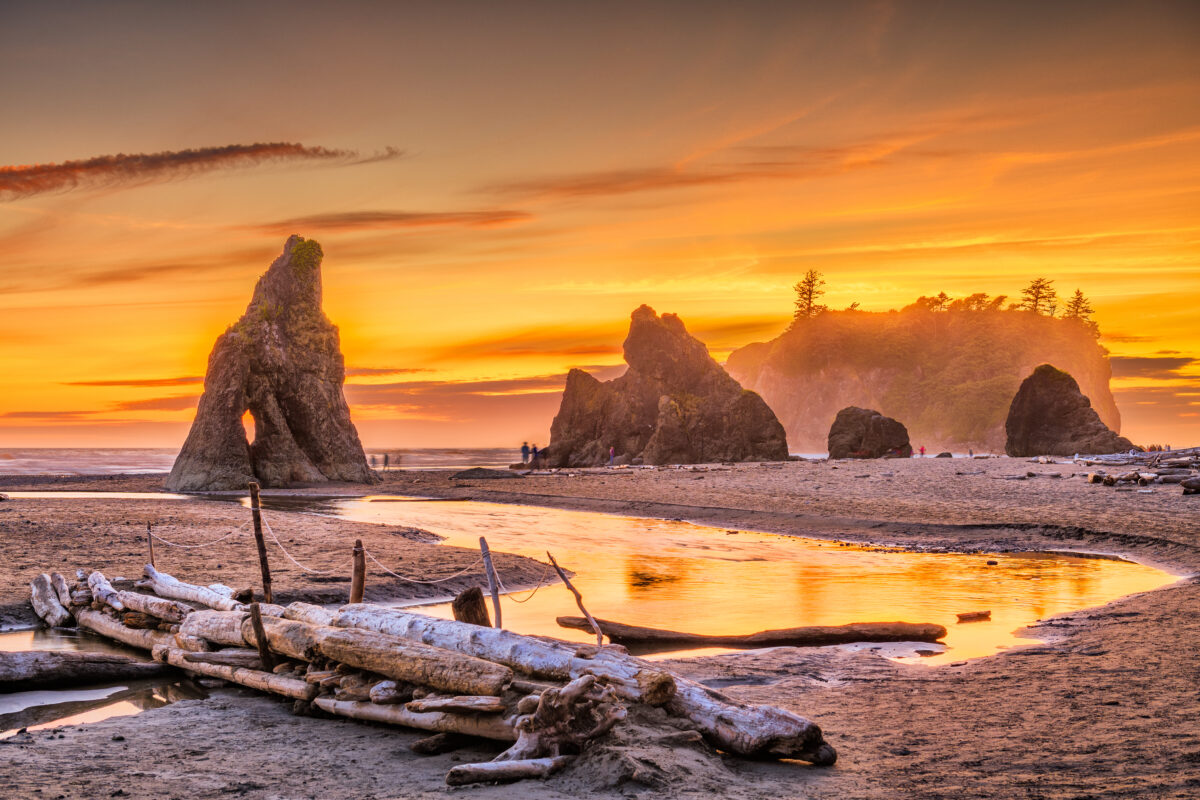
Washington’s Olympic Peninsula offers some of the most dramatic nature-first beaches in America. From Rialto Beach to Ruby Beach to the wilderness beaches accessible only by hiking, this rugged coastline showcases the raw power of the Pacific Northwest.
Massive sea stacks rise from the water like ancient sentinels. Tide pools teem with starfish, anemones, and urchins. Driftwood logs the size of houses line the shore, sculptural remnants of the temperate rainforest that grows right down to the sand. During low tide, you can explore hidden coves and secret beaches, but always respect the ocean’s schedule (getting trapped by rising tides is a real danger here).
The beaches at Olympic prioritize wilderness protection above all else. There are no lifeguards, no concession stands, no easy amenities. Just miles of wild coastline where bald eagles soar overhead, gray whales migrate offshore, and the forest meets the sea in one of the most biodiverse ecosystems on the planet.
Pfeiffer Beach, Big Sur, California
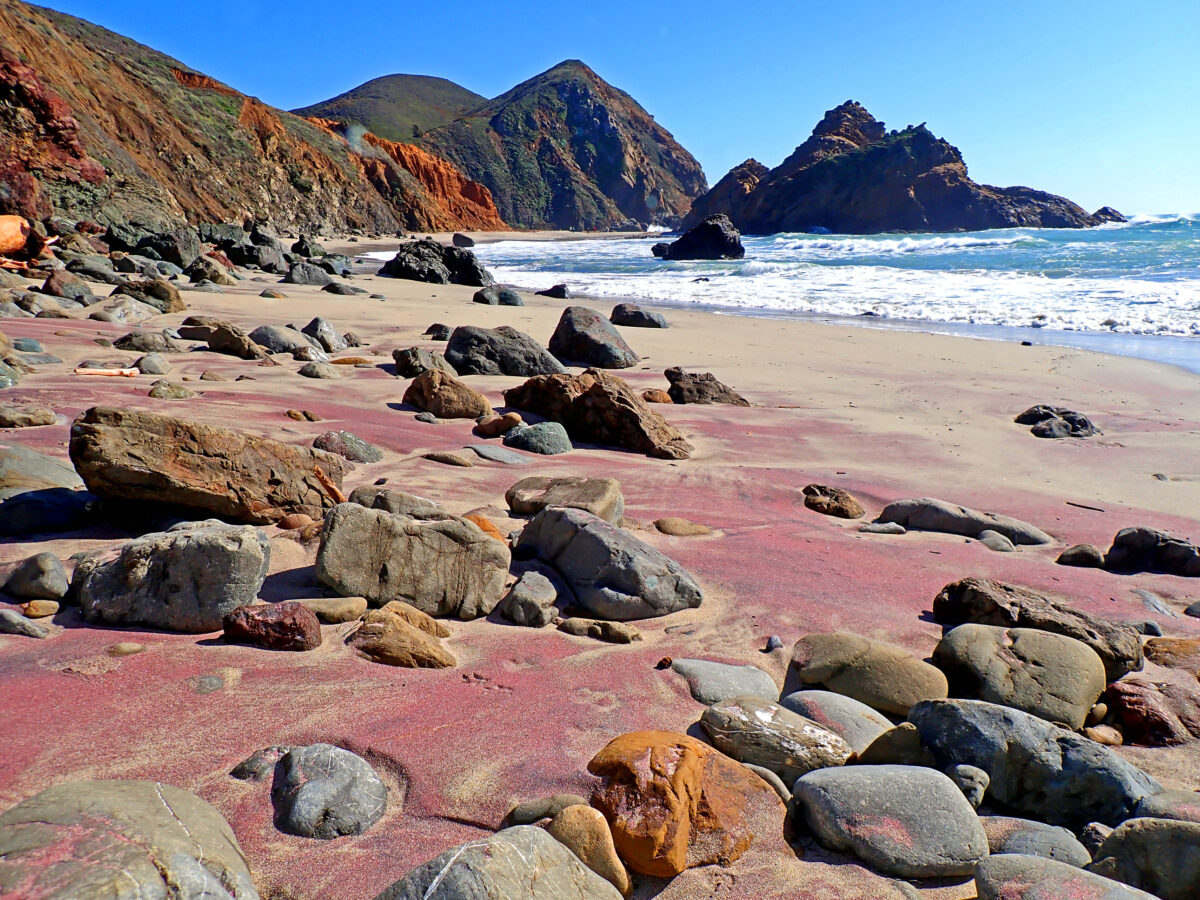
Tucked along the legendary Big Sur coastline, Pfeiffer Beach embodies sheer dramatic beauty. The beach is famous for its purple sand—a result of manganese garnet particles washing down from the hillside—and the iconic Keyhole Arch rock formation that frames the setting sun.
Getting here requires navigating a narrow, winding road that keeps casual beach-goers at bay. There are no facilities beyond basic restrooms, and the beach closes at sunset. The waves are too dangerous for swimming, and the water is bracingly cold year-round. But none of that matters when you’re standing on purple sand, watching light filter through the Keyhole Arch, with towering cliffs rising behind you and sea otters floating just offshore.