Our oceans make up about 71% of the Earth’s surface and hold about 97% of all the water on our planet. They are critical for our livelihood, providing half of the world’s oxygen and absorbing crucial portions of global carbon emissions. And aside from supporting our general existence, oceans also provide us with fun, from scuba diving and surfing to kayaking and boating. We love our water, and we love what’s beneath it, from sea turtles and whales to the vast unknown and the mysteries that remain.
Each year, we celebrate our seas with World Oceans Day on June 8th, where hotels, resorts, outfitters, and more highlight the importance of oceans in our lives through marine conservation efforts. Beach cleanups, eliminating plastic straws and single-use plastics, and reef-safe sunscreen are all great initiatives that educate travelers on ocean conservation.
But what about diving a bit deeper? As a travel writer, I’ve been blessed with numerous opportunities to explore our oceans, from the Arctic to the Antarctic and everything in between. From shark tagging to polar bear expeditions to sea turtle hospitals, here are some of my favorite ways I’ve experienced ocean conservation efforts while traveling.
Spear Lionfish off the Belize Barrier Reef
Just off the coast of Placencia, Ray Caye Island Resort offers oceanfront accommodations in a relaxed Caribbean setting, where guests choose whether they want the thrill of scuba diving the Belize Barrier Reef or spending days lounging in a hammock. The resort prioritizes ocean conservation in numerous ways, but my favorite is their passion for ridding this area of the world of lionfish. Lionfish, native to the Pacific and Indian Oceans, were accidentally introduced to Caribbean waters in the ‘80s, and in decades since, the invasive fish has become a massive problem here.
Lionfish are predators, eating pretty much anything that will fit in their mouth, and they’re decimating marine life in the Caribbean. They also reproduce at an incredible rate, and they have no natural predators in Caribbean waters. Translation: lionfish are a growing problem that must be stopped.
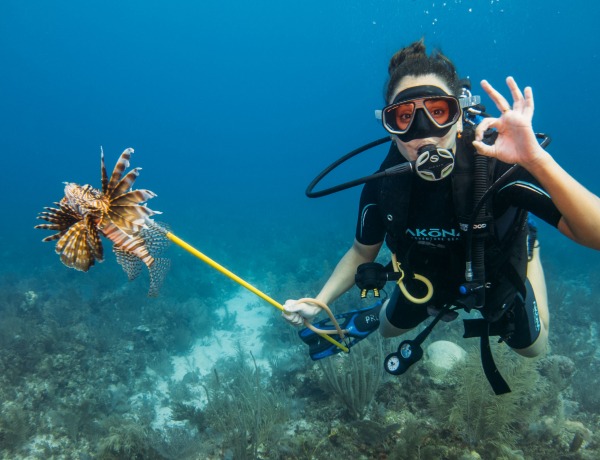
Ray Caye Island Resort is doing its part in a few ways, one of which is through its restaurant, the Lionfish Grill, which serves lionfish tacos, lionfish cakes, lionfish ceviche, and lionfish specials. Lionfish is actually delicious, and reminiscent of snapper or grouper. If you want to cull your own, Ray Caye offers spearfishing expeditions, where you can scuba dive through these Caribbean waters and spear your own lionfish. The team takes the fish back to the restaurant, where you’ll enjoy it for dinner.
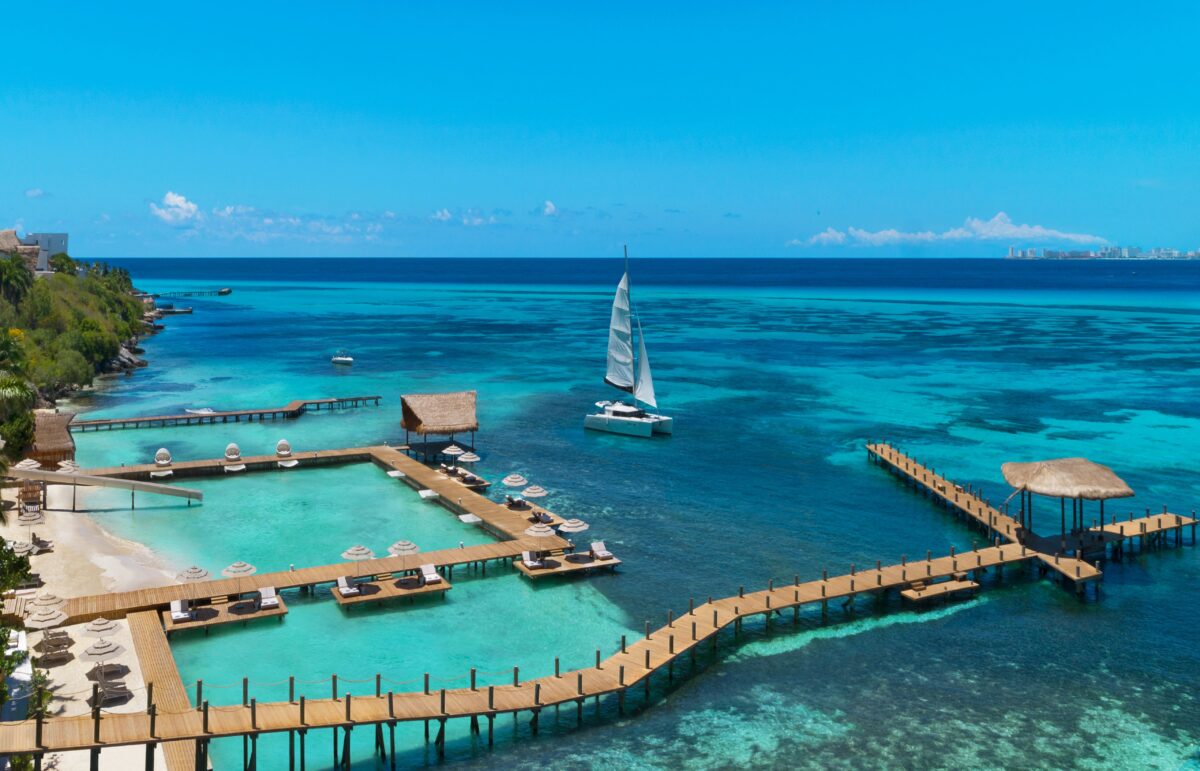
Join a Shark Conservation Expedition in Mexico
For decades, shark fishing was a primary source of income for many in Quintana Roo, Mexico. The shark population here was drastically depleted through the years, creating a less healthy Mexican Caribbean ocean. Sharks are clear indicators of ocean health, as the apex predators help balance the marine food web and regulate other species. Today, thanks to efforts from the Saving Our Sharks Foundation, backed in part by Impression Isla Mujeres, shark populations here are improving, as the organization has helped fishermen transition away from shark harvesting and into conservation work, including tagging and tracking shark populations, assisting marine researchers, guiding educational expeditions, and participating in long-term biodiversity monitoring.
The model is inspiring, as it created an alternative livelihood around protecting sharks, rather than asking local communities to stop fishing. Guests at Impression Isla Mujeres can assist in shark expeditions, which include marine monitoring outings led by these former fishermen-turned-conservationists. And revenue from the experience goes directly back into research equipment, shark tagging operations, boats, and continued community retraining efforts.
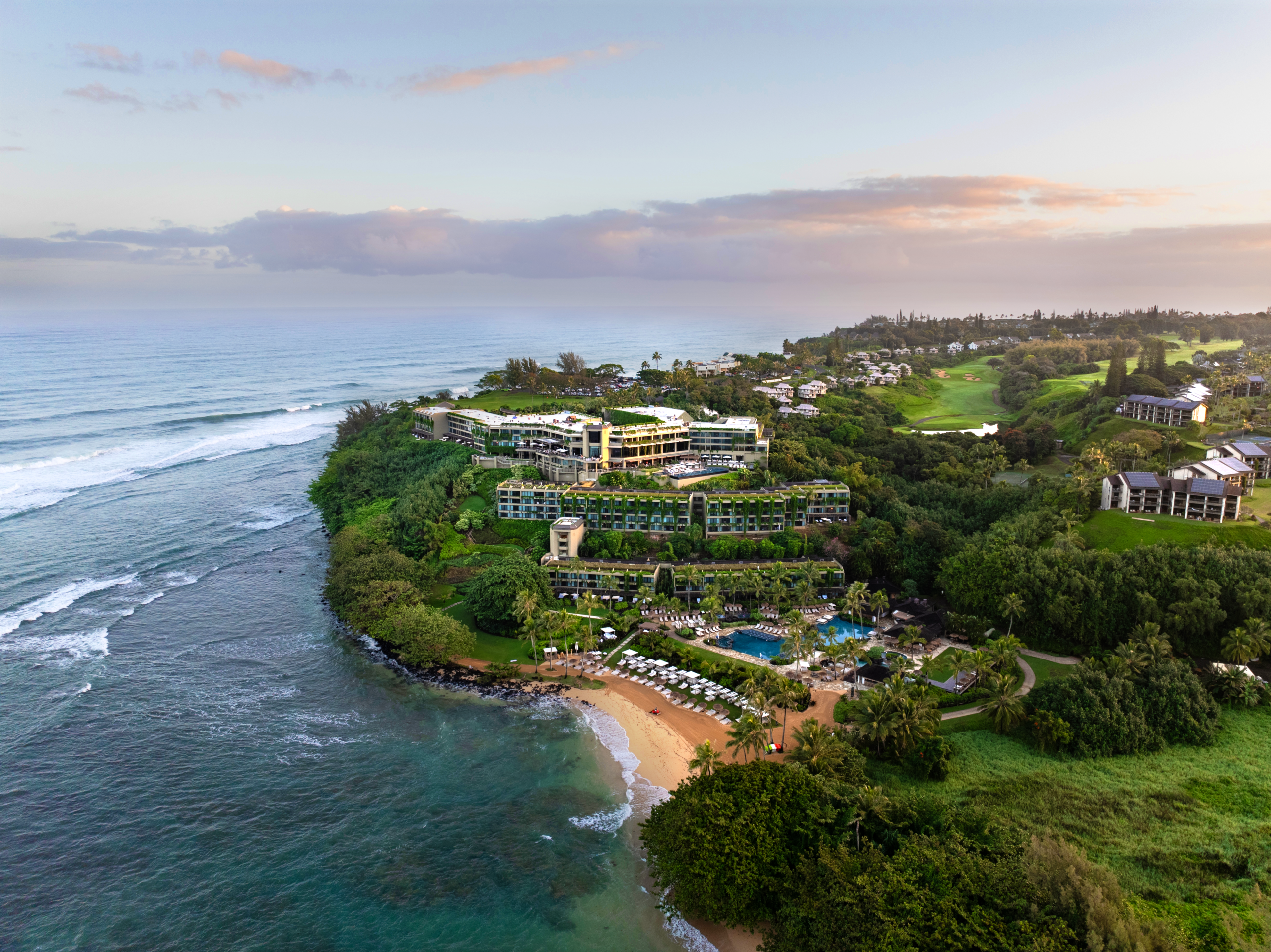
Learn About Coral Reefs—and Help Protect Them—in Kauai
Sustainability is at the center of 1 Hotel Hanalei Bay, where the mission is to inspire a lifestyle shift rooted in care for the environment through daily practices that involve guests. The LEED-certified property implements a no-plastic policy, zero-waste operations, and ocean-friendly dining choices, which guests can experience and then take those small changes home with them to help reduce debris and protect ocean health.
The property also offers Coral Reef Talks several times a week, where guests learn about the importance of coral reefs to ocean health, and there is rotating marine life programming each month, such as net patrol and beach cleanups with Surfrider Kauai, where guests can help remove dangerous fishing nets and marine debris from Kauai’s shoreline.
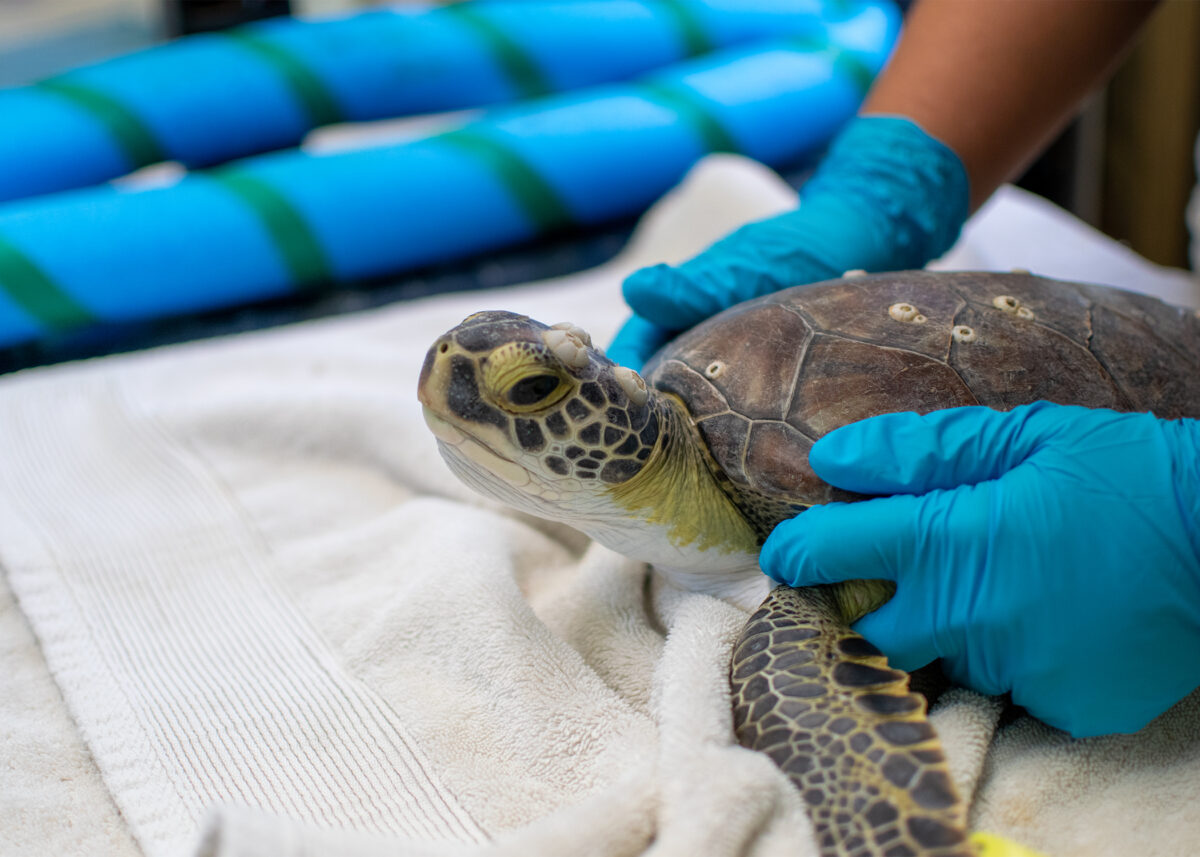
Visit a Sea Turtle Hospital on the Texas Coast
The healthiest oceans have robust sea turtle populations, as sea turtles help provide habitats for other marine creatures and help with nutrient cycling and healthy food webs. Humans, however, pose a threat to sea turtle populations through issues such as marine debris and pollution and habitat destruction. But there are numerous efforts across the globe to protect and revive sea turtle populations, and one of my favorites happens to be in South Padre Island, Texas.
The Texas coast sees its fair share of sea turtles, from green sea turtles and loggerheads to the critically endangered Kemp’s ridley, which use the Texas coast as a primary nesting ground. Sea turtles along the Texas coast are commonly found trapped in the jetties, nesting in inconvenient spots along the sand, and bobbing through the water during cold stun events, which happen when water temperatures quickly drop below 50 degrees, causing sea turtles, which are ectothermic and can’t regulate their body temperatures, to become lethargic.
In March 2025, Sea Turtle Inc. opened the largest fully enclosed sea turtle hospital in the world on South Padre Island, creating a space for injured, sick, and cold-stunned sea turtles to recover. Visitors to Sea Turtle Inc. can tour the sea turtle hospital and learn about current and former patients, while getting an education on cold-stun events and sea turtle rescue missions. See multiple large tanks holding sea turtle patients and learn how the turtles got injured, how they’re cared for, and their plans for release.
You can also see the cold stun room, where cold-stunned turtles are taken during a cold-stun event, and a nutrition station, where the nutrition team preps each sea turtle’s food, depending on their needs. Don’t miss the surgical suite, where the only fully dedicated sea turtle CT machine allows guests to see sea turtle x-rays and exams, plus sea turtle therapy and surgeries.
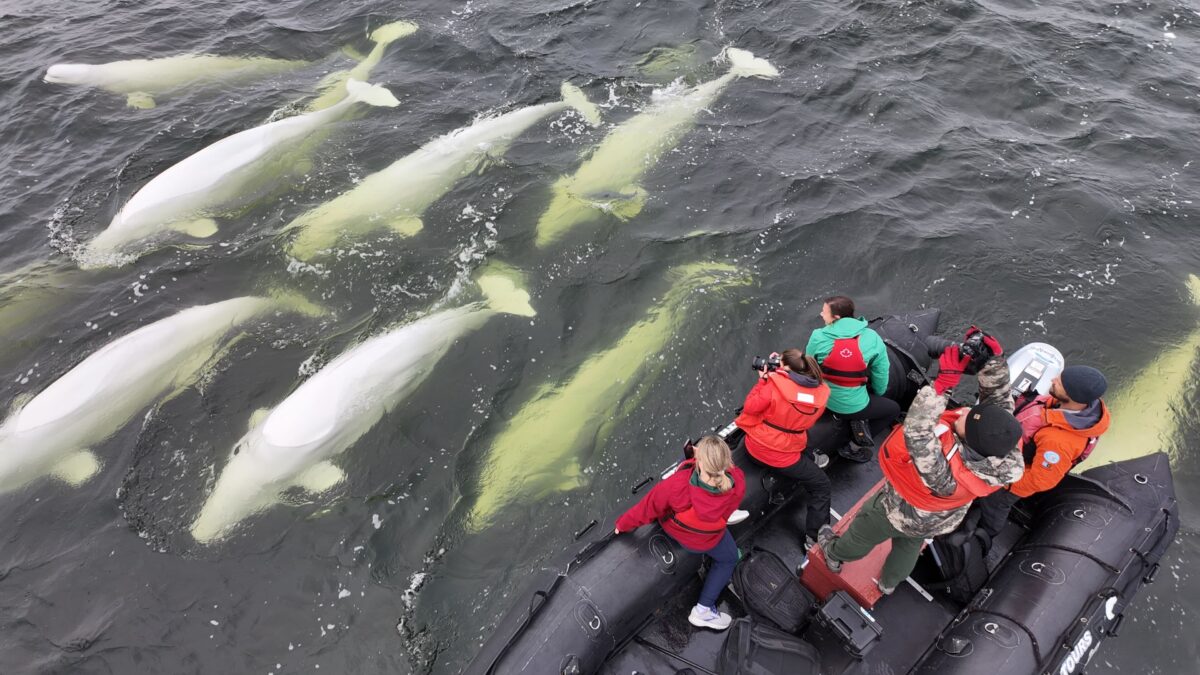
Support Polar Bear and Beluga Whale Research in Canada’s Hudson Bay
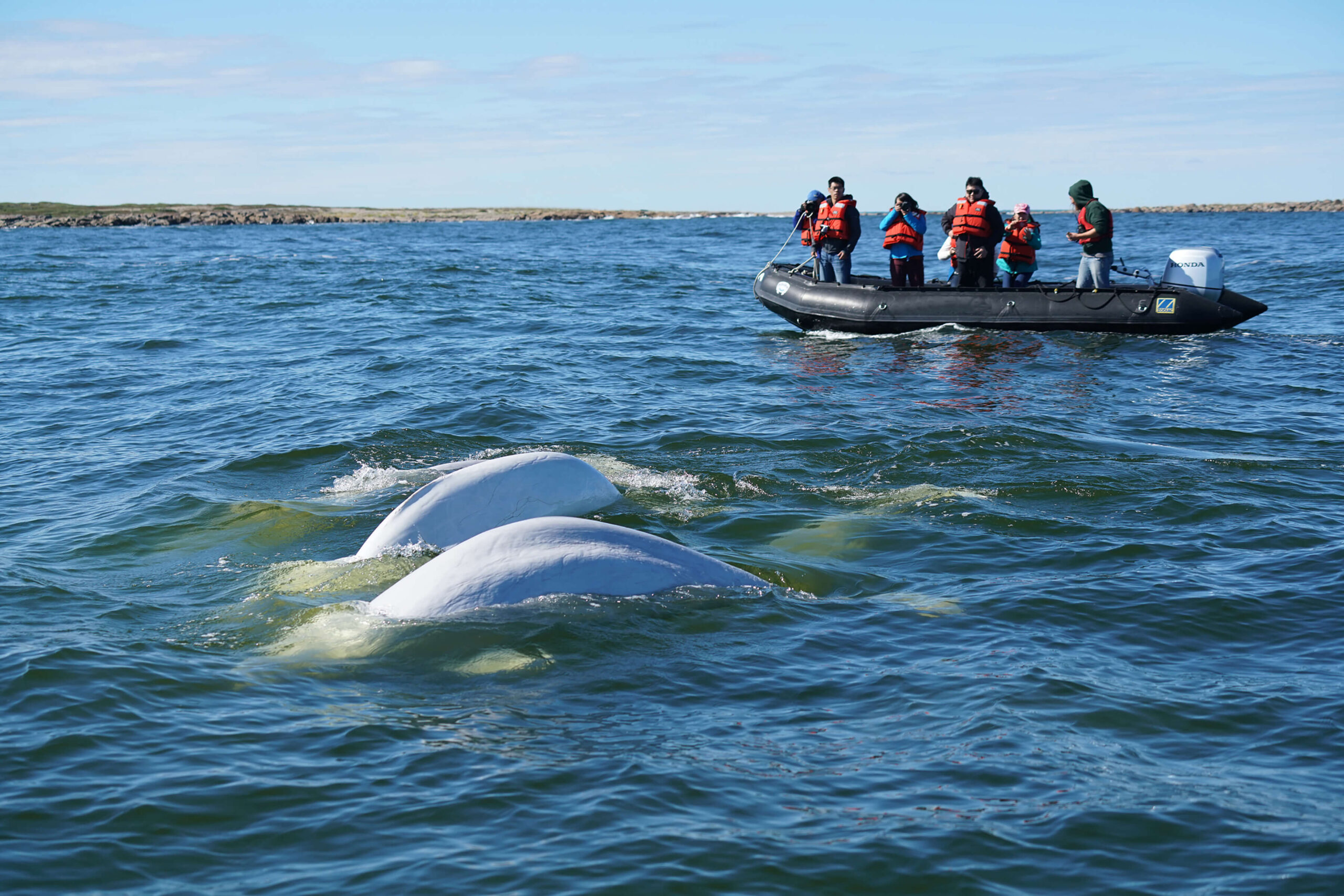
While the Hudson Bay is not technically an ocean, it is still a large, saltwater sea that spills into both the Atlantic and Arctic Oceans and teems with marine life. In Churchill, Manitoba, Frontiers North Adventures specializes in both polar bear and beluga whale trips on the Hudson Bay, as Churchill is both the polar bear and beluga whale capitals of the world. Travelers taking both beluga whale and polar bear trips with Frontiers North are supporting ongoing research on both animals and their Hudson Bay habitats.
The company partners with Polar Bears International, which works to research and save melting sea ice, which polar bears depend on for hunting, breeding, roaming, and sometimes, maternal dens. They also support beluga whale researcher Dr. Jaclyn Aubin, whose work focuses on the beluga whale population in Churchill and beluga whale acoustics and their responses to environmental noise.
Clear Marine Debris From the Florida Keys’ Mangrove Ecosystems
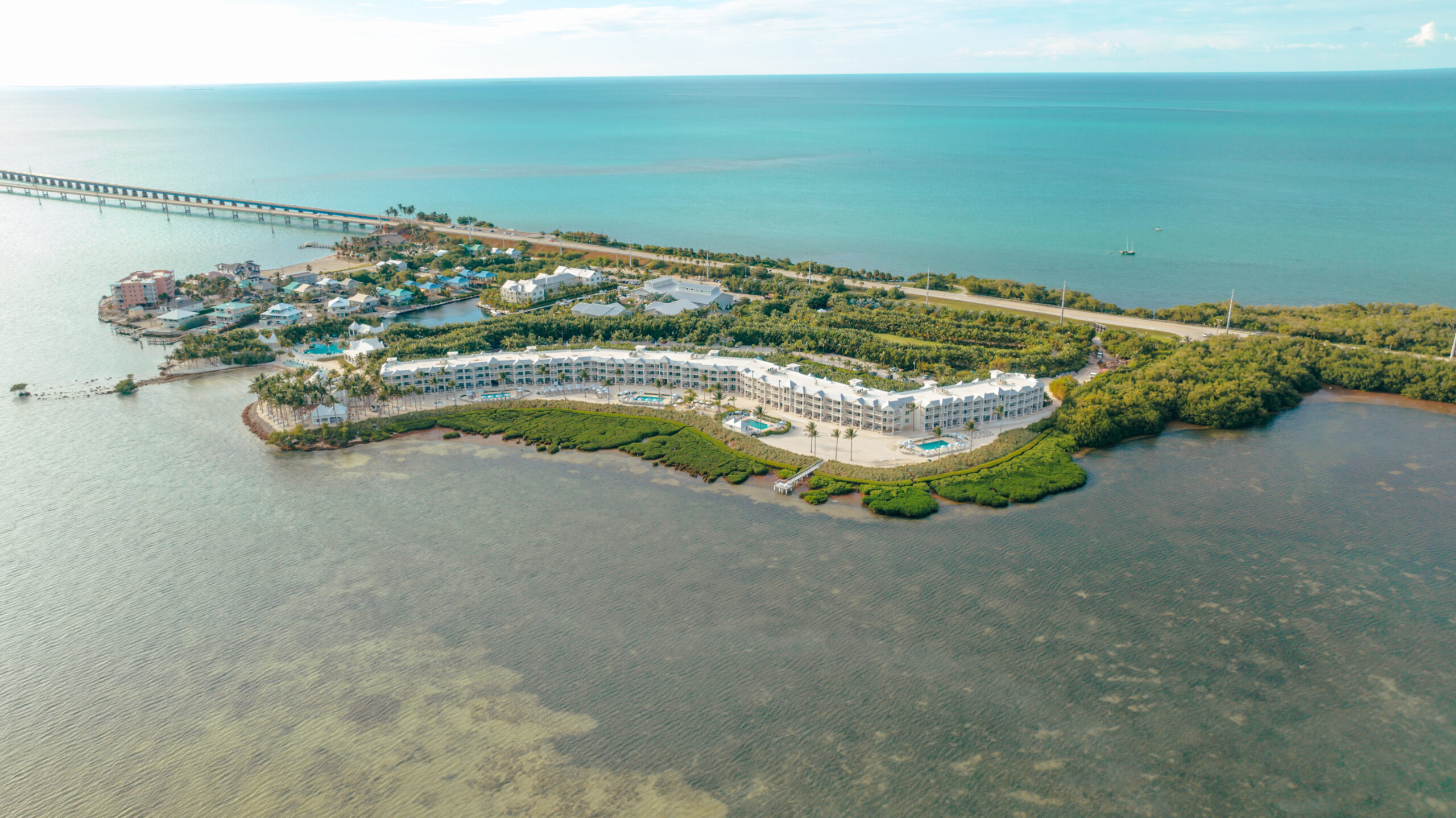
Halfway between Key Largo and Key West is the oceanfront Isla Bella Beach Resort, where guests can relax among five pools or the beach, or opt for a bit of adventure with sailing, fishing, snorkeling, and diving. Guests looking to do a bit of voluntourism can participate in mangrove cleanup efforts in partnership with the Conch Republic Marine Army, a local nonprofit founded in the wake of Hurricane Irma in 2017.
Guests are taken out to the mangroves by boat, where they then deboard and wade into the mangroves to clear out debris and learn about fragile mangrove ecosystems that serve as nurseries for marine life, including sea turtles, birds, fish, and manatees. Your haul is weighed and logged as part of an ongoing restoration record, and the activity is completely free to all resort guests.
Help Restore Coral Reefs in Zanzibar’s Bleaching-Damaged Waters
In February 2024, a detrimental mass bleaching caused the fourth global coral bleaching event in history. The bleaching event occurred because of higher ocean temperatures, which cause corals to lose their color and become white and sick. If temperatures don’t drop, coral exposed to higher temperatures can die. This mass bleaching even impacted all major oceans and more than 83 countries, including Zanzibar.
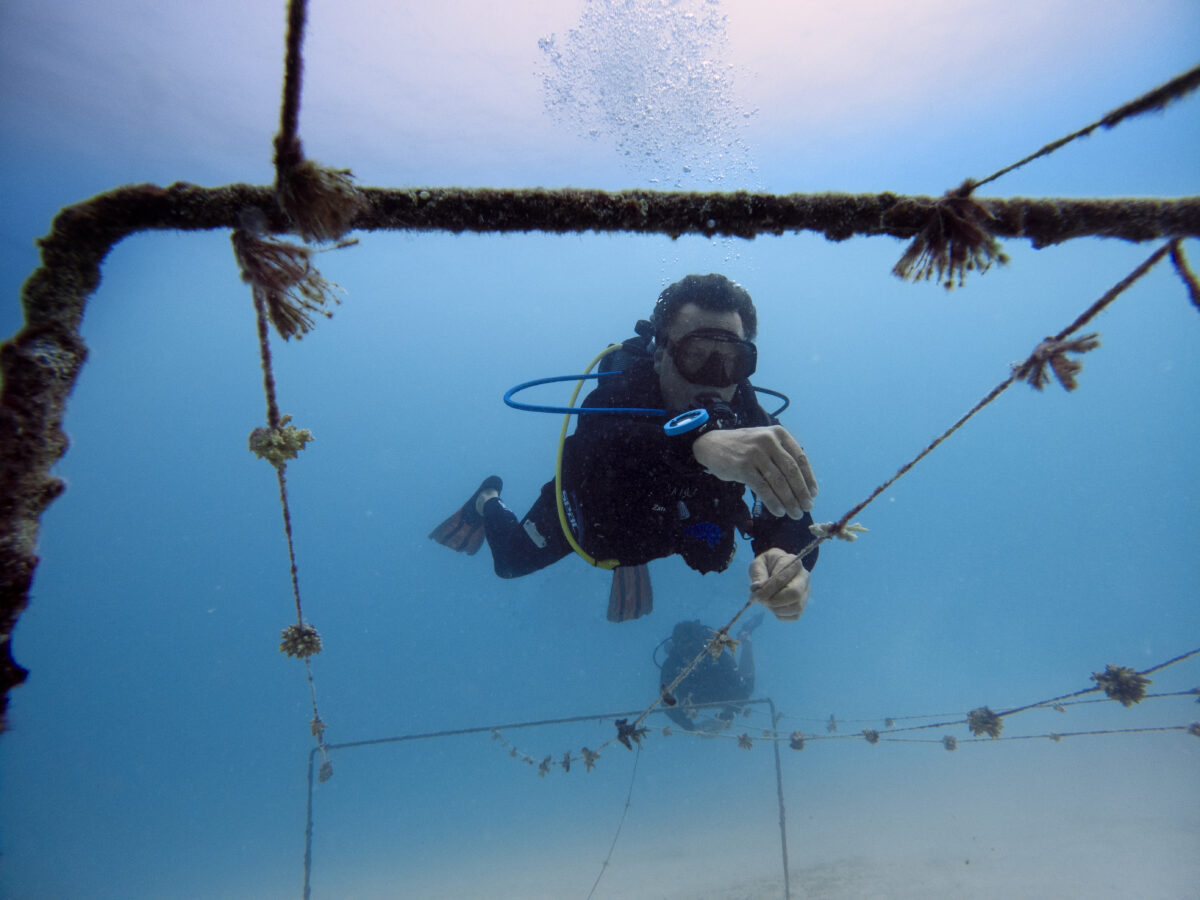
In response, andBeyond Mnemba Island began a coral reef restoration project, where coral frames were created to regenerate reef systems at Mnemba Island. So far, 101 reef stars have been deployed, with 800 nursery-grown coral fragments thriving and increased fish diversity returning to restoration sites. Team members have delivered more than 2,200 educational lessons across 15 area schools, embedding community-led restoration for future generations.
Guests at andBeyond Mnemba Island can monitor the artificial reef structures and help care for the reefs and marine life and even build their own coral frames and place them out on the reef. Your stay also directly supports turtle nest monitoring, daily beach cleanups, and community programs in education and healthcare.