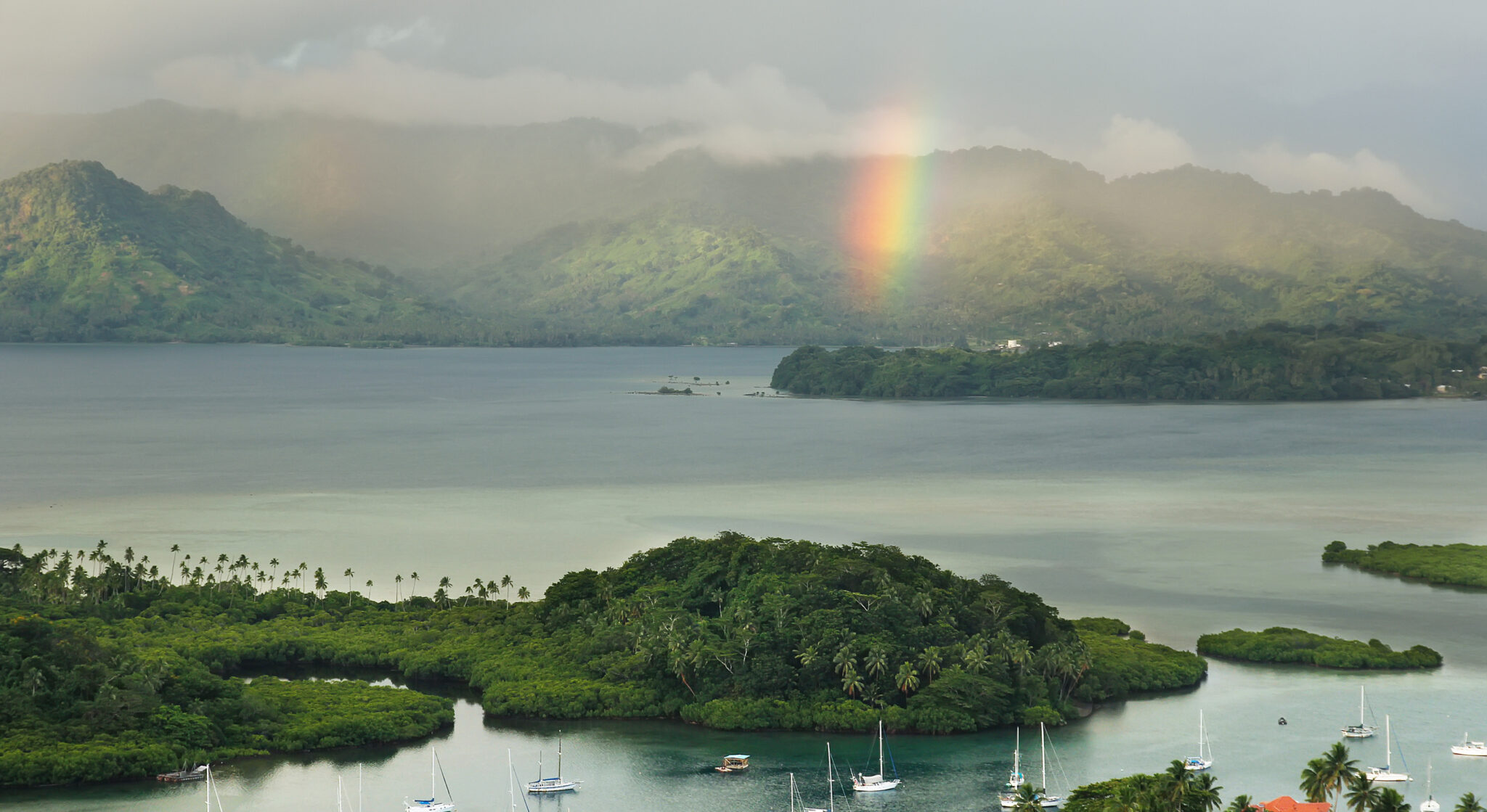
My lovely host Bedelia at Namawa Estate aptly described Vanua Levu as “The Fiji You Don’t Find on a Brochure.” I’ve visited many destinations around the world that don’t live up to marketing hype, but this untamed island wasn’t one of them. It’s the real deal.
There are over 330 islands in Fiji, so deciding which to visit can feel overwhelming. The stars must have been aligned just right when I chose Vanua Levu. It was meant to be simply a place to relax and recover after a long-haul flight before continuing to Tonga. But I quickly learned that a week-long stay wasn’t nearly enough. This is an island I truly never wanted to leave: paradise found.
A Blissful Sanctuary Protected from Overtourism
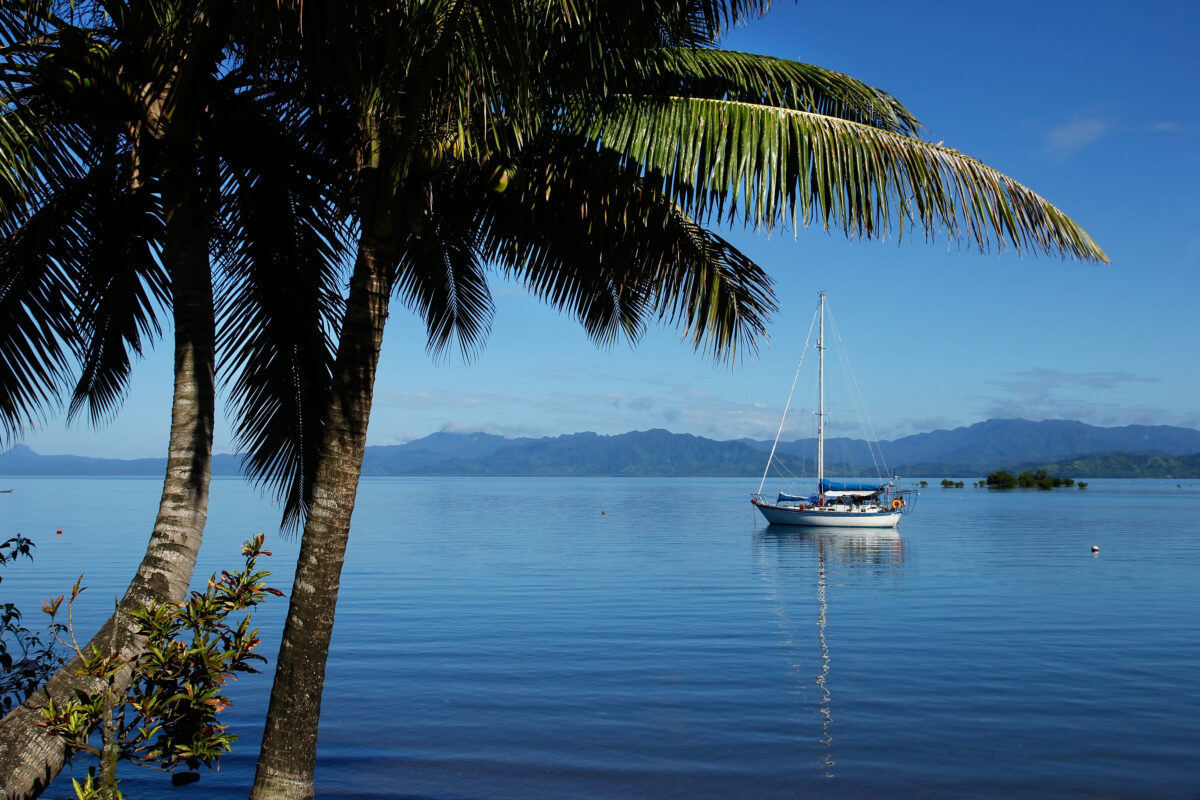
Vanua Levu is just an hour’s flight from Nadi Airport on Fiji’s main island of Viti Levu. You’ll arrive in a 19-seater plane after enjoying views of the translucent turquoise waters dotted with lush, fantasy-like islands along the way. Don’t expect to spend your time at a sprawling mega resort. In fact, this is anything but your usual resort-filled island.
Thanks in part to Fiji’s communal land-ownership system and Vanua Levu’s deeply entrenched community-centered way of life, the island remains less visited and largely insulated from mass overtourism. What makes it so unforgettable is the chance for local people to show you the places they love, rather than following the cookie-cutter itineraries of a mainstream Fiji experience.
Where to Stay
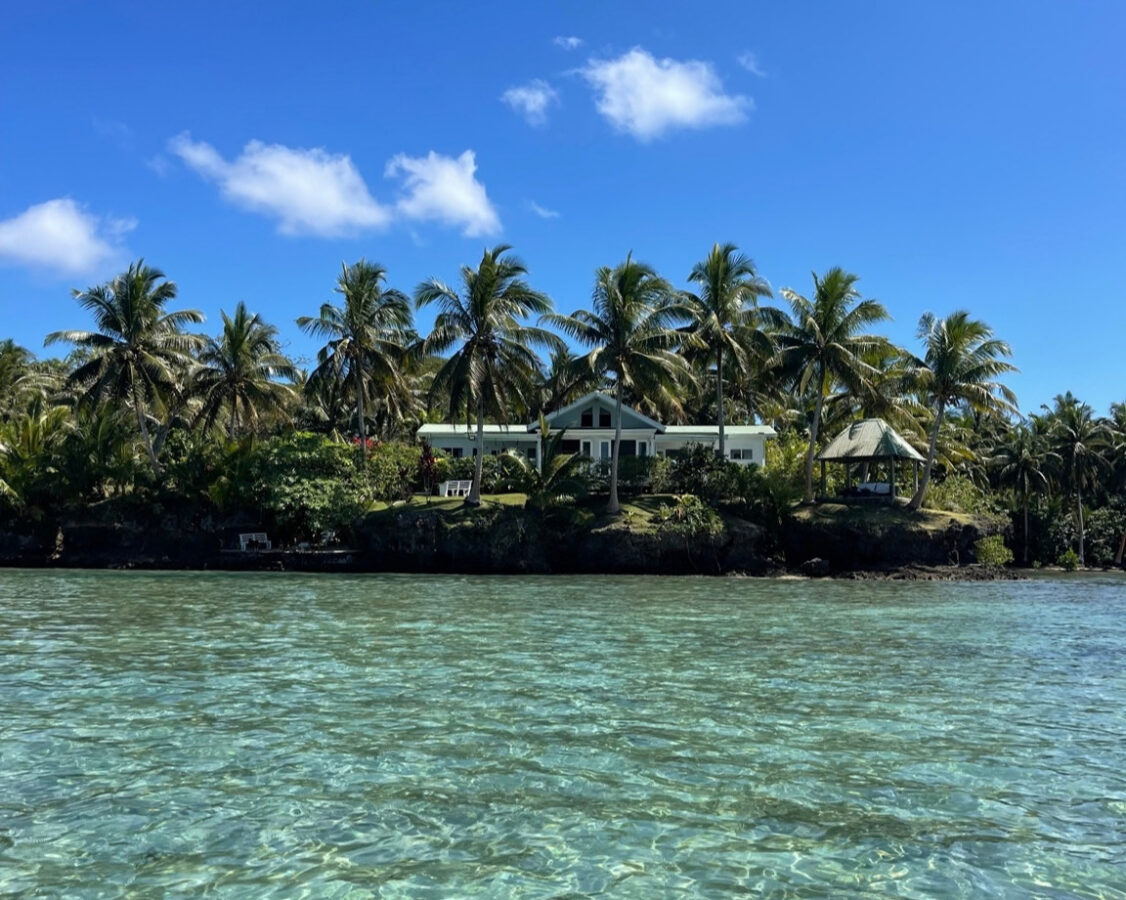
The harbor town of Savusavu is the gateway to it all, tucked between the rainforest and the sea on the south coast of Vanua Levu, making the area an ideal place to stay. But you’ll want to choose your particular accommodation carefully. Yes, there are budget-friendly hotels and a handful of swanky, intimate resorts with oceanfront villas featuring private plunge pools and the like. But they don’t necessarily offer the same opportunity for a close connection with the local community. For a potentially life-changing experience, you’ll want a host intertwined in the local community. At the adults-only beachfront Namawa Estate, that’s Bedelia.
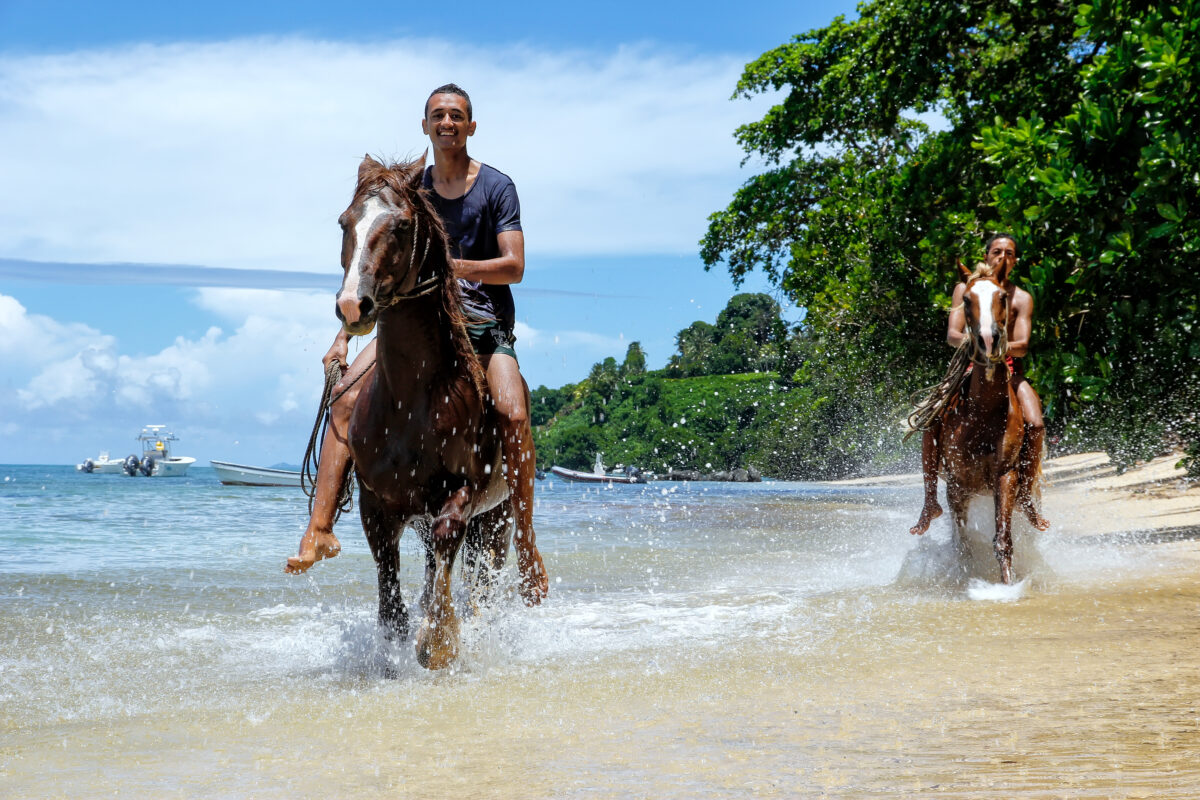
As a long-time resident deeply involved with her community, Bedelia can arrange for unique experiences. While some are rare encounters that are best kept a secret, you might meet local villagers and their chief, explore sacred sites and snorkeling spots typically off-limits to visitors, join an authentic kava ceremony, and enjoy activities few others are privileged to enjoy. The perfect way to start or end a day is a stress-melting massage from a skilled local masseuse while breathing in the salty sea air and gazing out at the brilliant shades of blues and greens. In between, you’ll have direct access to pristine white-sand beaches backed by coconut palms and world-class snorkeling with no other tourists around. The on-site chef can prepare all your meals with dishes focused on fresh island ingredients, ensuring you’re fueled for every pursuit.
What to Do
Beyond what’s been mentioned, there are many other things to do across Vanua Levu.
Spend Time on the Beach
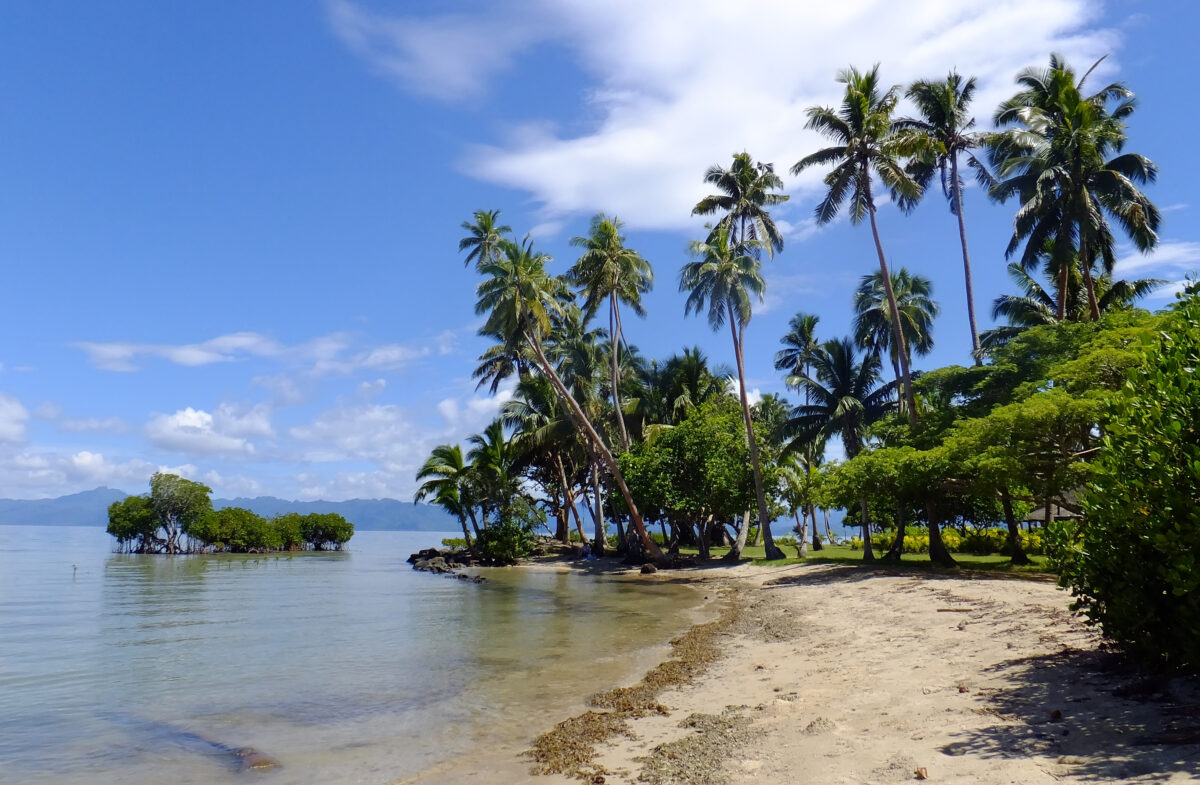
Much of the island’s coastline is made up of coconut plantations, mangroves and rocky points. Most true white-sand beaches on the island are generally found on private boutique and resort properties, such as the sandy coves at Namawa Estate. Day trips to offshore cays and uninhabited sandbars are popular for experiencing those classic white-sand beaches and clear turquoise waters.
Take a Boat Excursion
Speaking of day trips by boat, customized adventures can bring you to other islands that take remoteness to a whole new level while offering a different perspective of Vanua Levu from the water. In addition to the small islets and sandbars, you might visit villages on Mali Island or head further north to Rainbow Reef, named for its vibrant shades of soft corals. Here you can snorkel or dive among abundant marine life, including some 2,000 tropical fish species and over 200 exquisite corals.
Kayak Through Ancient Mangroves
Kayaking is another popular way to explore. Guests at Namawa Estate have access to kayaks, ideal for paddling to secluded sandy coves and through ancient mangroves with their tangled roots looking like a work of art.
Soak in Naturally Warm, Bubbling Water
There are many hot springs that line Savusavu’s picturesque shore, with Savusavu Hot Springs (also called Nakama Hot Springs) the main geothermal site located in the center of town. However, these are primarily used by locals for steam-cooking. If you’d like to relax in naturally warm water, a local guide can bring you to a hidden river in the mountains where hot water bubbles up through the riverbed in one particular spot.
Swim Beneath a Waterfall
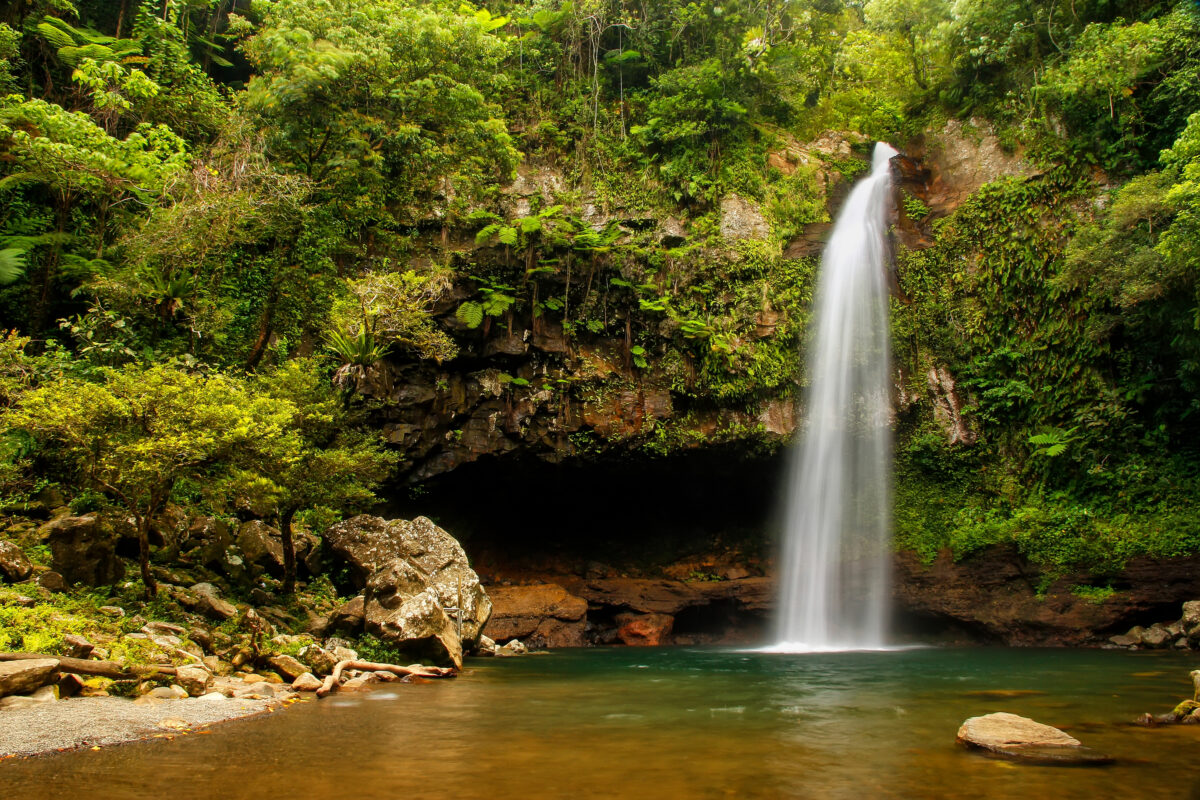
Local guides are also available to lead you through the rainforest and village land to dramatic waterfalls further inland, where you’ll often be the only ones there. A dip in the refreshingly cool water after a trek, while enjoying the songs of the birds and the spectacular surroundings, is sure to be a highlight of your time on the island.
Explore Flora Tropica Gardens
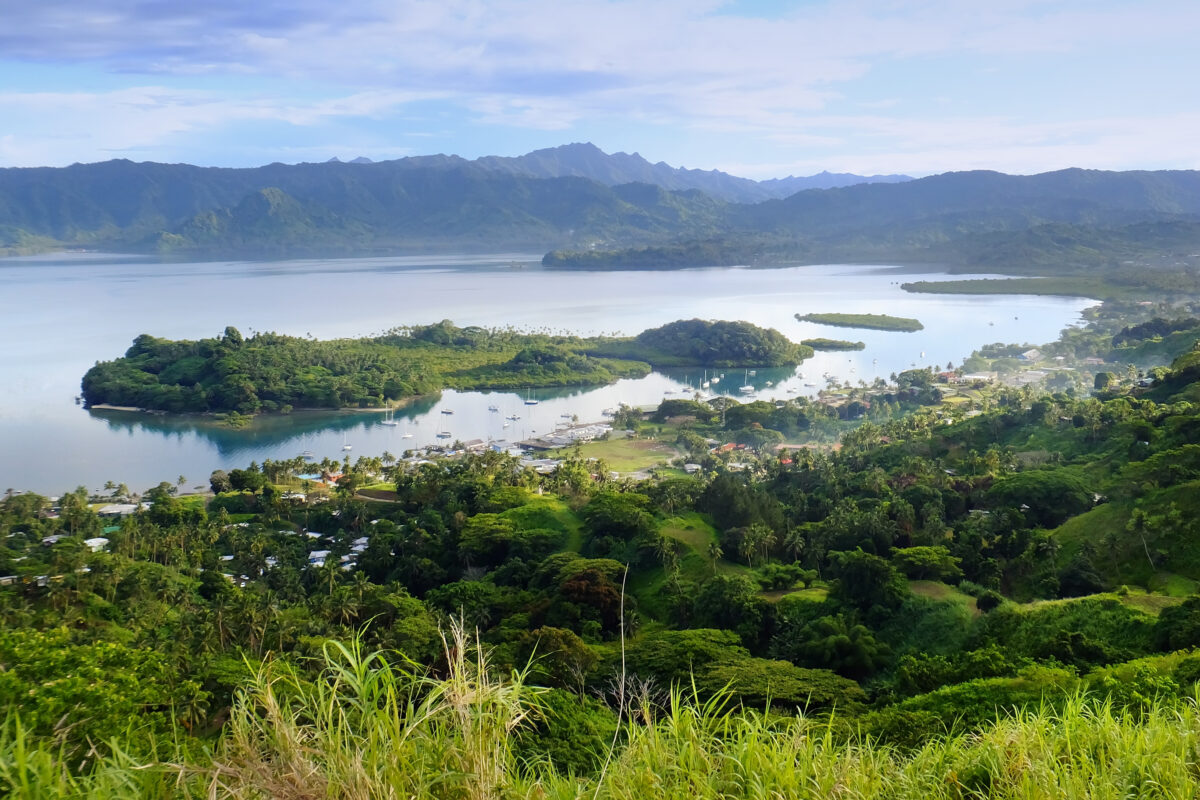
Overlooking Savusavu Bay, a visit to Flora Tropica Gardens brings the chance to admire some of the world’s most beautiful, exotic flora. Much of what you’ll see is incredibly rare or endangered. It includes a vast palm collection with more than 250 different species from across the globe, along with over 40 types of tropical fruit trees, various flowering trees and shrubs, and highlights like water lilies, orchids, and much more. Spread over five acres, it’s traversed via elevated wooden walkways and stone paths with rest areas along the way, showcasing views of the garden and across the bay.
The jungle and forest canopies double as an exceptional destination for birdwatching, including the Fiji parrotfinch with its bright green body and striking red face, the orange fruit dove with its neon-orange plumage, and the collared lory, a multicolored parrot with green wings, a dark purple crown, and vibrant red body.
Shop the Lively Markets
A great way to experience authentic island life and culture is to sample the aromas and tastes of Fiji at one of the local markets. You’ll see row after row of colorful stalls staffed by smiling residents selling fresh island produce, seafood, locally-made crafts, and more.
Savusavu Farmers’ Market is the town’s commercial and cultural heart, where visitors can shop while taking in views of the bay. Some of the most desirable items include seasonal tropical fruits, fresh catches like freshwater prawns, tuna, and live crabs, traditional kava (roots and powder), island-made jewelry, and hand-woven items.
When to Go
There’s really no bad time to visit Vanua Levu. The best time to go is based on your own preferences and budget.
Dry Season: July through September
The high season coincides with the dry season. This is when tourist numbers are at their highest (although crowds are unlikely), temperatures are cooler, averaging 73°F to 81°F (23°C to 27°C), skies are often clear, and humidity is lower. Divers enjoy optimal underwater visibility.
Wet Season: November through April
November through April is the wet season, with January, February, and March the peak, coinciding with the highest risk of cyclones. Daily tropical downpours are common, humidity is higher, and temperatures are warmer, generally reaching the low to mid-80s Fahrenheit (upper 20s Celsius). It’s a great time for capturing waterfall photos as they’ll be flowing at their most powerful, while accommodation rates are often discounted and fewer tourists are on the island.
“Daily tropical downpours are common, humidity is higher, and temperatures are warmer, generally reaching the low to mid-80s Fahrenheit (upper 20s Celsius).”
Shoulder Season: May, June, and October
The transition months into and out of the dry months are considered the shoulder season. During this time, you can often score better deals before the high-season spikes while enjoying comfortable temperatures that hover around the high 70s to low 80s Fahrenheit (26°C to 28°C).
What to Know Before Your Visit to Vanua Levu
Island Dress Customs
When visiting Vanua Levu, respect for traditional Fijian village customs (known as vaka Viti) is essential. This includes modest dress. Men should wear knee-length shorts or pants, and women should wear dresses or skirts that fall below the knee. Keep a sarong to wrap around your waist when visiting religious sites or walking through communities. Never wear beachwear such as swimsuits or skimpy clothing in town. When entering a village or meeting elders, remove sunglasses and hats.
Packing
Beyond the typical tropical wear, including sarongs and swimsuits, be sure to bring reef-safe sunscreen, sturdy water shoes, and conservative clothing for village visits. If you plan to snorkel, it’s best to pack your own snorkel gear. A small backpack for hiking and a dry bag for boat tours may be helpful as well.
Bula: The Heartbeat of Fijian Hospitality
You’ll hear the cheerful word “bula” constantly throughout Fiji, including on Vanua Levu. At the heart of Fijian hospitality, it’s used to warmly welcome you while conveying the joyful spirit of island life. It means much more than a basic hello, literally translating to “life” or “good health,” while carrying positive energy. By the time you leave Vanua Levu, the warm, open smiles of the people will have become infectious, making the local greeting a natural habit you’re likely to take home with you.