

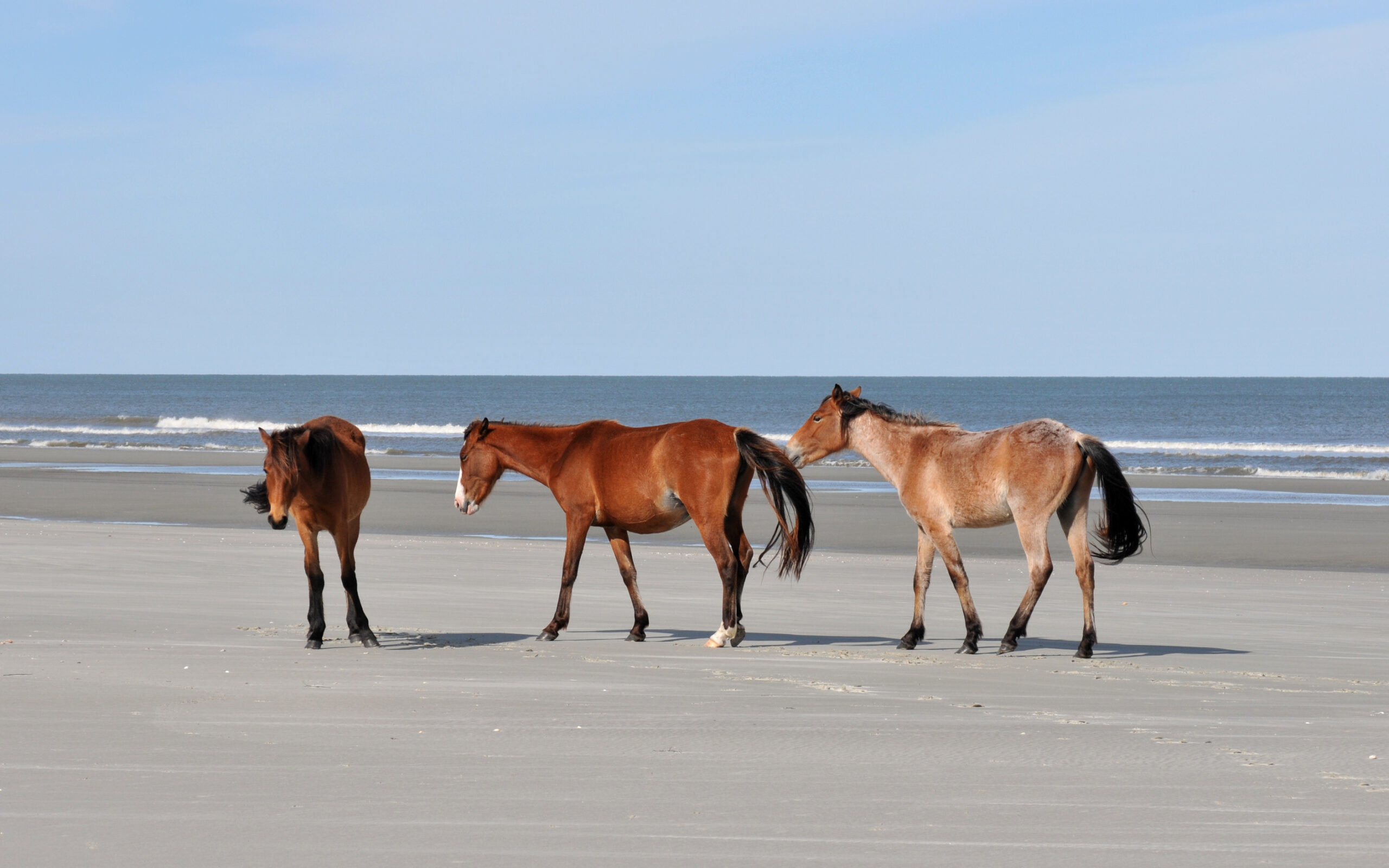

When most people think of Southern beaches, Florida typically dominates the conversation. But Georgia's 100 miles of Atlantic coastline deserve far more attention. Stretching from Tybee Island near Savannah to the remote wilderness of Cumberland Island, Georgia's beaches are authentic without being overdeveloped, naturally beautiful without the crowds, and charming and unspoiled.
Georgia's coast is defined by its barrier islands—14 of them, each with a distinct personality. What ties them together is the gorgeous landscape of massive live oak trees draped in Spanish moss, salt marshes, and wildlife ranging from loggerhead sea turtles to wild horses and dolphins.
Here are the best beaches in Georgia that capture what makes this coastline special.
Tybee Island
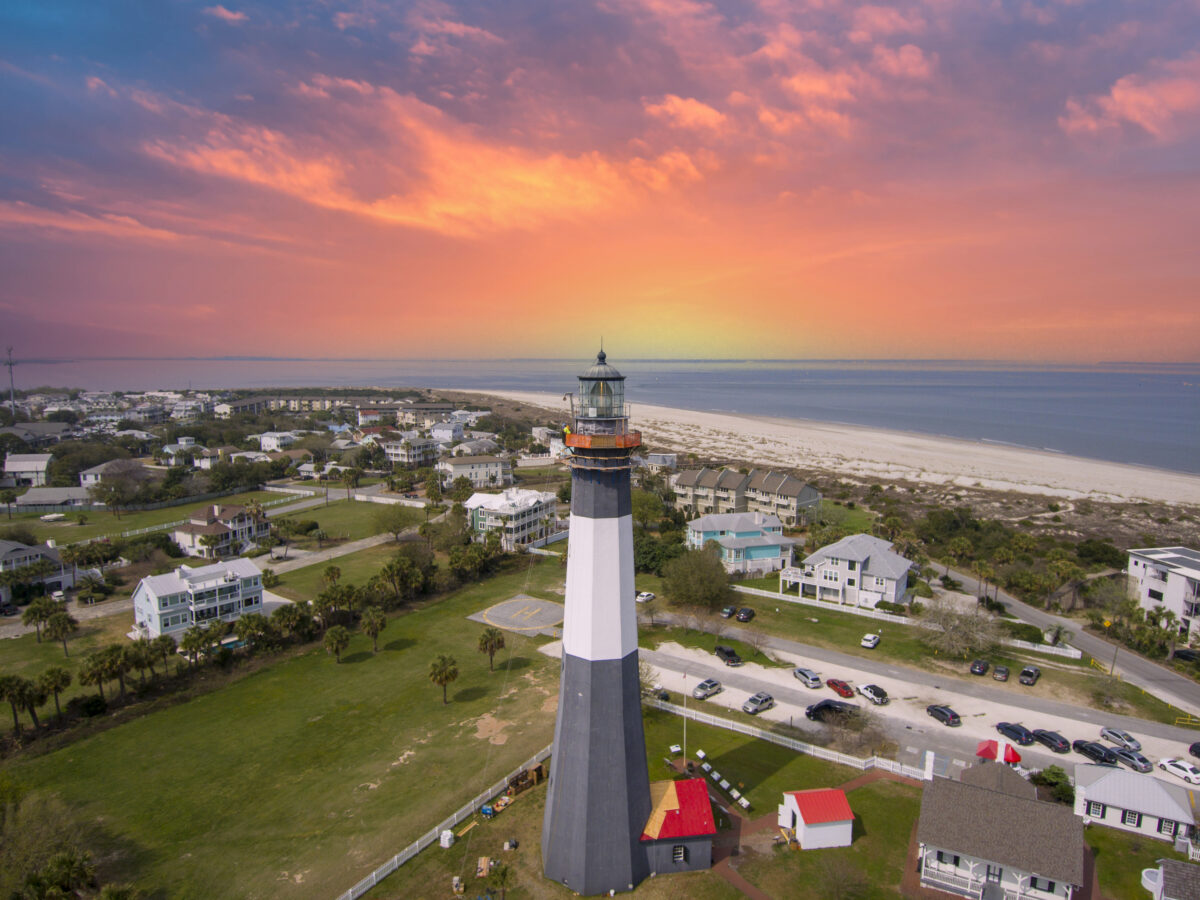
Just 18 miles east of historic Savannah, Tybee Island is Georgia's most accessible beach destination. This five-mile barrier island is packed with coastal town charm, like colorful cottages, seafood shacks, and a refreshing lack of high-rise development. The vibe is laid-back, so it's nice for both day-trippers from Savannah and week-long beach vacations.
North Beach is best for quieter experiences. Home to the iconic Tybee Island Light Station—one of America's oldest lighthouses dating back to 1736—this area attracts fewer crowds but still has great swimming conditions. The lighthouse is worth climbing all 178 steps for panoramic Atlantic views that stretch to Hilton Head on clear days. The North Beach Birding Trail is perfect for spotting herons, egrets, and oystercatchers, especially during early morning hours.
South Beach brings more energy. The Tybee Pier is surrounded by Tybrisa Street, lined with shops selling beach essentials, restaurants serving fresh-caught seafood, and beach bars. The pier itself is prime for fishing, and you might catch whiting, flounder, or even sharks, or simply watch dolphins play in the surf.
Local tips: Don't miss The Breakfast Club for their famous crab cakes benedict and shrimp and grits, or grab drinks at The Deck Beach Bar for a classic Tybee experience with your toes in the sand. For dinner, try The Crab Shack, a Tybee institution where you can feast on Low Country boil while surrounded by marsh views and resident alligators (safely contained, of course).
Jekyll Island

Once the exclusive winter retreat of the Vanderbilts, Morgans, and Rockefellers, Jekyll Island became a state park in 1947, opening these privileged shores to everyone. Today, you can explore 10 miles of pristine coastline without the pretension, though the island retains its elegant charm. Georgia law mandates that 65% of Jekyll remain undeveloped, ensuring lasting natural beauty for generations.
Driftwood Beach is Jekyll's most famous stretch, and one of the most photographically stunning beaches anywhere on the East Coast. Decades of erosion have created a graveyard of gnarled live oak and pine trees scattered across the sand. If you've seen "The Walking Dead," you've probably seen Driftwood Beach standing in as various filming locations. Arrive early for fewer crowds as this spot has become an Instagram sensation in recent years.
Great Dunes Beach Park is the family hub, with ample parking, clean facilities, picnic areas under shady pavilions, and summer lifeguards keeping watch. The beach is wide with gentle slopes, perfect for swimming and elaborate sandcastle building. After a morning in the sun, rent bikes and explore 20 miles of paved trails that wind through maritime forests and along scenic marsh views.
St. Andrews Beach Park on the southwestern tip is one of the few East Coast beaches where you can watch the sunset directly over water, thanks to Jekyll's unique curved geography. The beach features a boardwalk that meanders through marshland and maritime forest, ideal for spotting wildlife like great blue herons, snowy egrets, and even the occasional alligator sunning on logs (they stay in the marsh and avoid beach areas, so no worries).
Local tips: Be aware that Jekyll charges a $10 parking fee ($15 for large vehicles), which helps maintain the island's infrastructure and protected areas. Stay at the historic Jekyll Island Club Resort for a taste of Gilded Age luxury steps from the beach.
St. Simons Island
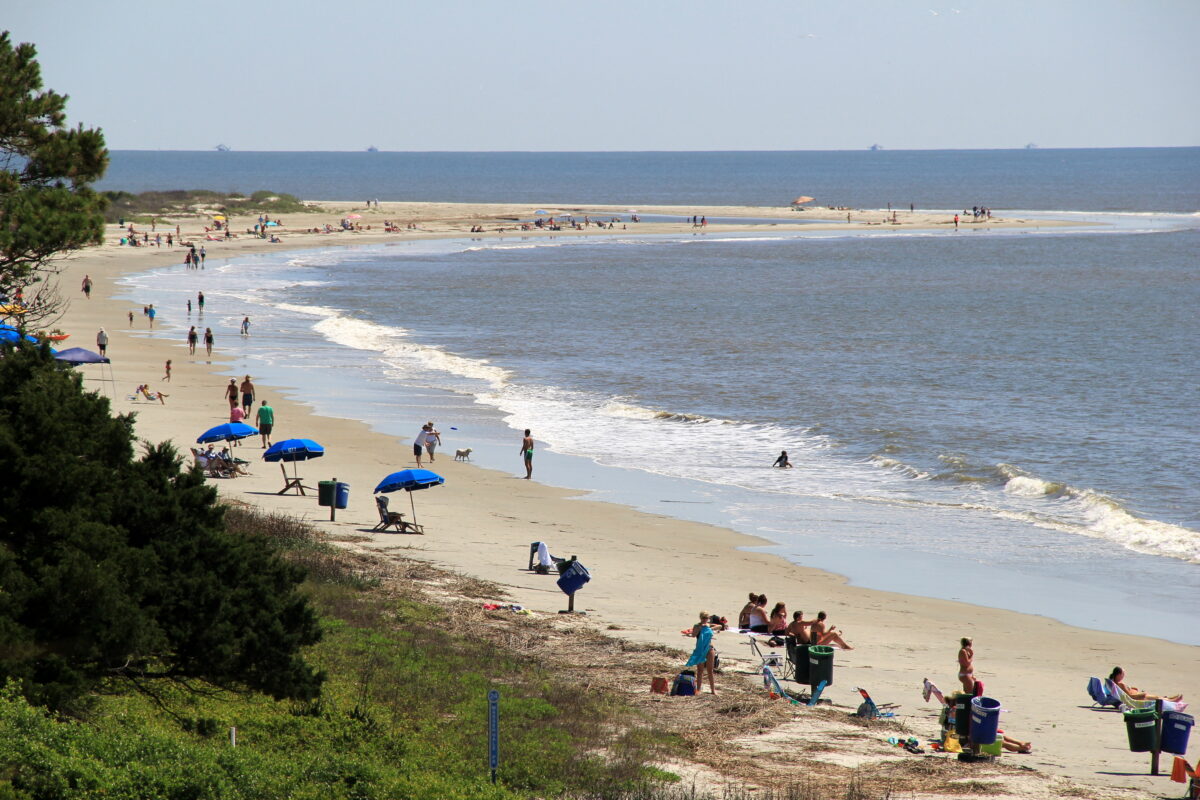
As Georgia's largest barrier island, St. Simons has a nice balance between amenities and natural beauty.
East Beach near the Coast Guard Station is the island's most popular stretch, with good parking, clean bathrooms, outdoor showers, and seasonal snack stands. It's dog-friendly (with summer time restrictions: before 9am and after 6pm Memorial Day through Labor Day). The sand is firm enough for biking at low tide, and sand dollar hunting is practically a sport here.
Gould's Inlet isn't ideal for swimming due to currents, but it's stunning for sunset walks and wildlife watching. Where St. Simons Sound meets the Atlantic creates a dynamic environment attracting shorebirds, dolphins, and occasionally manatees. The golden hour views are some of Georgia's best.
Massengale Park has beach access with shaded picnic areas, a playground, and water fountains—ideal for full-day family outings.
Local tips: Beyond the beaches, you can climb the historic St. Simons Lighthouse, visit Fort Frederica National Monument, or explore Pier Village for shopping and dining. With 37 beach access points, you're never far from the sand.
Cumberland Island
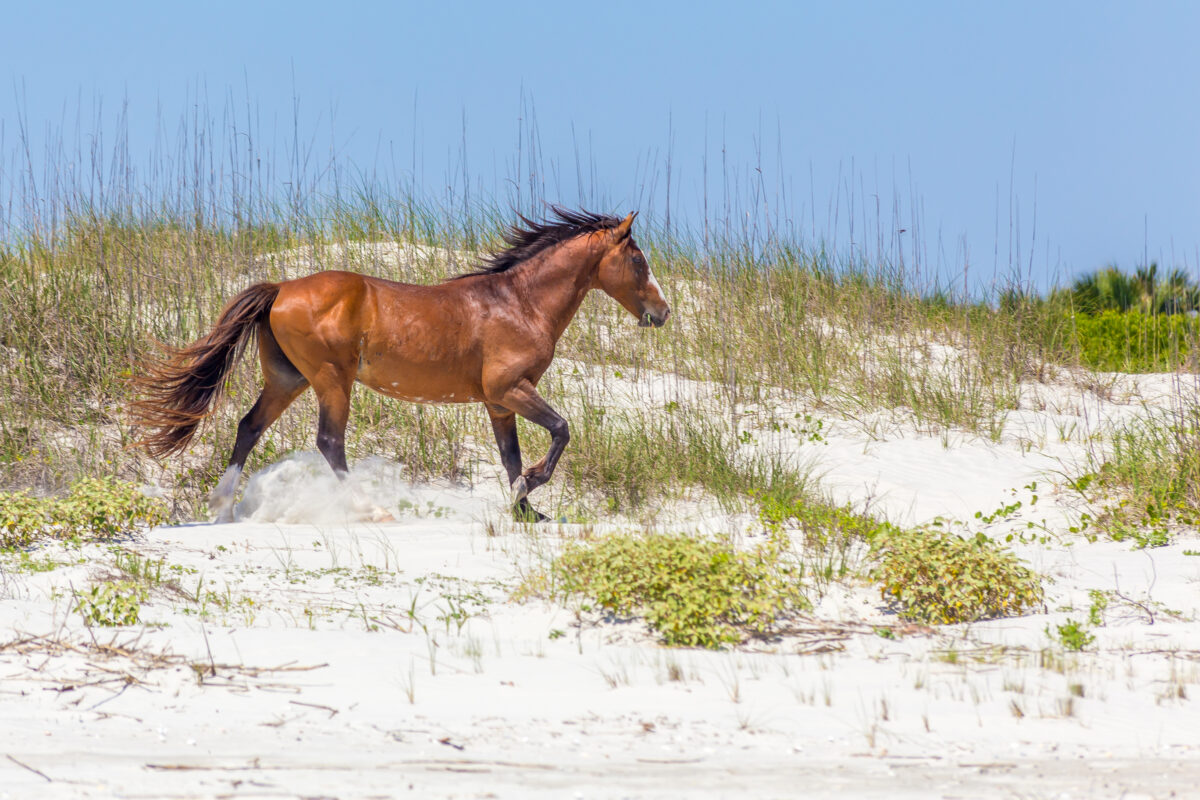
Cumberland Island is the antithesis of developed beach resorts. This southernmost barrier island is protected as a National Seashore and accessible only by ferry from St. Marys. This is as wild and pristine as Georgia's coast gets.
Cumberland boasts over 17 miles of undisturbed beaches where your footprints might be the only ones visible. The island is famous for wild horses—descendants of Spanish settlers' horses—that roam freely through maritime forests and along beaches.
The island is a critical habitat for loggerhead sea turtles nesting from May through August. The beaches are prime for finding fossilized shark teeth, perfect shells, and driftwood. Beyond beaches, hiking trails wind through maritime forests and past Dungeness ruins, a mansion built by the Carnegie family in the 1880s.
Local tips: The island has no paved roads, no cars (except park vehicles), and very limited facilities. Bring water, snacks, and sunscreen. Book the Cumberland Island Ferry from St. Marys well in advance. For the full experience, consider camping at one of five campgrounds. Sea Camp is closest to the ferry, while Hickory Hill offers true wilderness camping.
Sapelo Island
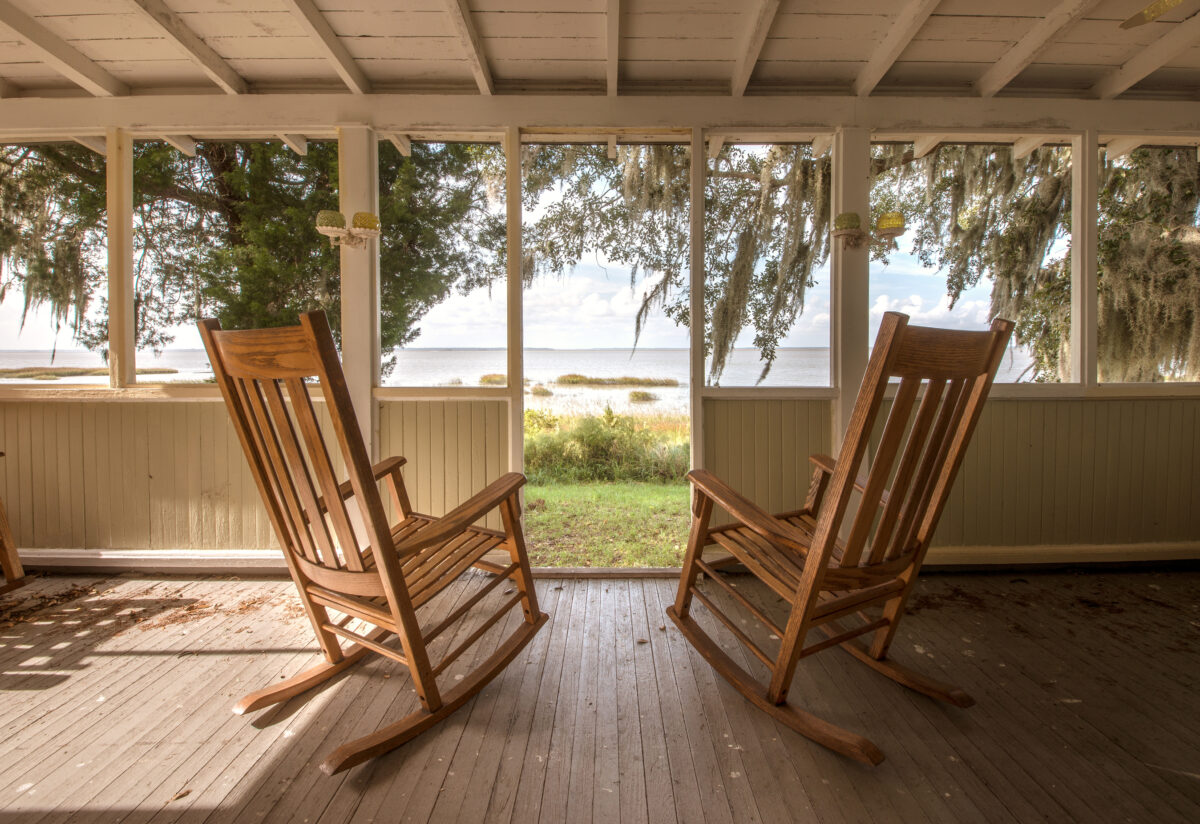
Sapelo Island requires planning but rewards visitors with something special: Georgia's Gullah-Geechee heritage. The beaches are pristine and typically deserted, perfect for beachcombing and spotting dolphins and sea turtles.
What makes Sapelo unique is Hog Hammock, one of the few remaining intact Gullah-Geechee communities in the United States. The Gullah-Geechee people are descendants of enslaved Africans who developed a distinct culture and language. Tours are led by community members sharing perspectives you won't hear elsewhere.
You'll see historic tabby ruins (made from oyster shells, lime, sand, and water), old slave houses, and the Reynolds Mansion. With fewer than 50 full-time residents remaining, the cultural preservation efforts are increasingly important.
Local tips: This remote barrier island is accessible only via ferry from Meridian through guided tours arranged via the Sapelo Island Visitor Center.
Planning Your Georgia Beach Trip
Best Time to Visit: Late spring (April-May) and early fall (September-October) for warm weather with fewer crowds and lower prices. Summer (June-August) is peak season with the warmest waters but most visitors. Winter months are mild but cool for swimming, though beach walks remain delightful.
Getting Around: Most barrier islands are accessible by car via causeways, except Cumberland and Sapelo, which require ferry reservations. Jekyll Island charges $10 parking per vehicle. Many islands are bike-friendly with rentals available.
What to Bring: Sunscreen is essential year-round. Insect repellent helps near forests and marshlands. Bring beach chairs and umbrellas as shade is limited. Water shoes are useful for shells and occasional jellyfish.
Wildlife: Georgia's beaches are nesting grounds for endangered loggerhead sea turtles (May-August nesting, July-October hatchlings). Respect all marked turtle nests and never use flashlights near nesting areas.