
Lithuania is one of my favorite countries in Europe, and that’s something I never would have predicted before I spent meaningful time there.
I first came to Lithuania through work. I had a client based there for several years, and returning regularly meant I experienced the country in a way that went far beyond a short visit.
What stood out immediately was how deeply nature shapes everyday life. The brand I was working for took constant inspiration from Lithuania’s forests, dunes, coastline and changing light, and that perspective stayed with me.
It encouraged me to explore more intentionally, especially the coast. Lithuania’s beaches don’t shout for attention. They’re quiet, expansive and atmospheric, defined by pale sand, pine forests, and a sense of space that’s becoming increasingly rare in Europe. These are some of my favorites!
Nida Beach, Curonian Spit
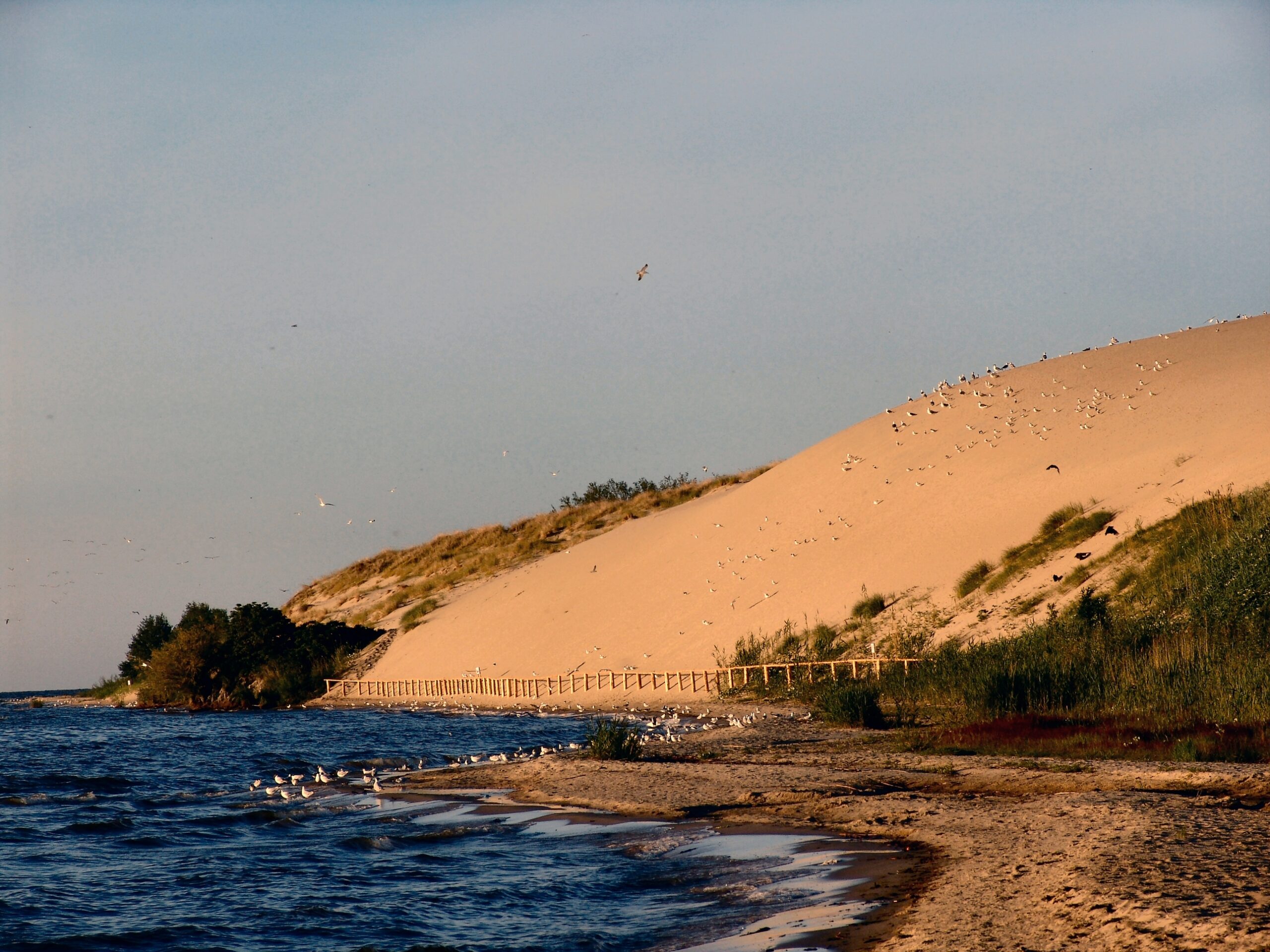
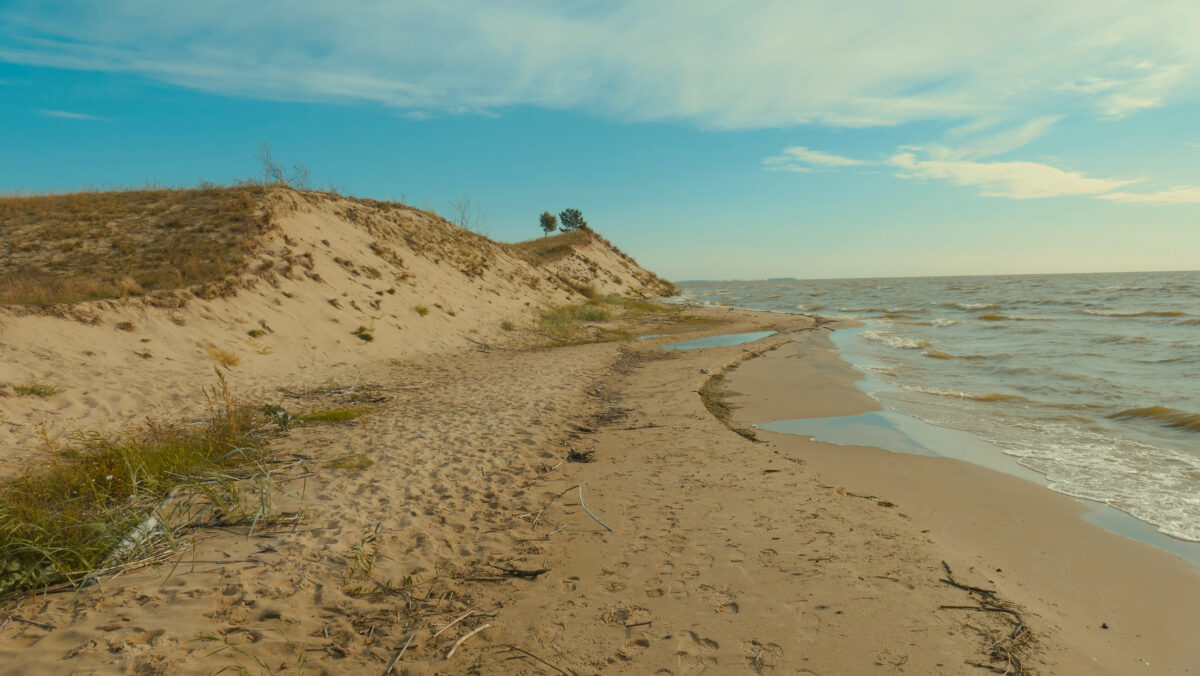
Part of the UNESCO World Heritage Site shared between Lithuania and Russia, Nida Beach is one of the most striking coastal landscapes I’ve experienced anywhere in Europe. Backed by towering sand dunes and open pine forest, it feels vast and almost otherworldly.
The scale is what stays with you. The beach stretches endlessly in both directions, and even in summer it never feels busy in the way Mediterranean beaches do. The Baltic Sea here is cool and often calm, with a soft, silvery quality to the light that changes constantly throughout the day.
One of the things I learned over time is that Nida rewards walking. If you head south along the shoreline, away from the main access points, the beach becomes quieter and more meditative, especially in the early morning or late evening when the dunes catch the light.
Juodkrantė Beach, Curonian Spit
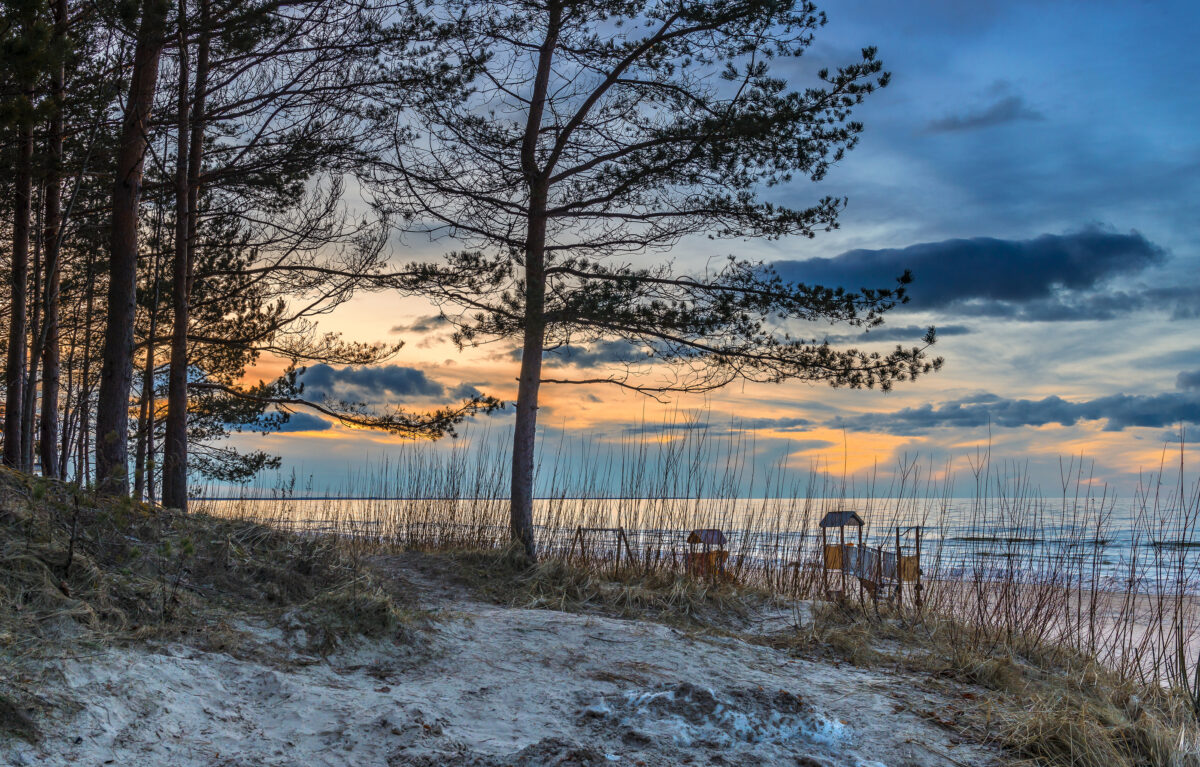
Juodkrantė has a different rhythm to Nida: softer, quieter, and more local. The beach here feels closely connected to the forest behind it, with pine trees stretching almost to the sand and giving the area a sheltered, intimate feel.
It’s a place I always associate with tranquility—long walks, the sound of wind through the trees, and very little sense of urgency. The sea conditions can change quickly, which adds to the sense that nature sets the pace here.
What I like most about Juodkrantė is how understated it is. It doesn’t try to impress, but it lingers. Visiting midweek or outside peak summer makes it feel especially peaceful, almost like having the coastline to yourself.
Smiltynė Beach
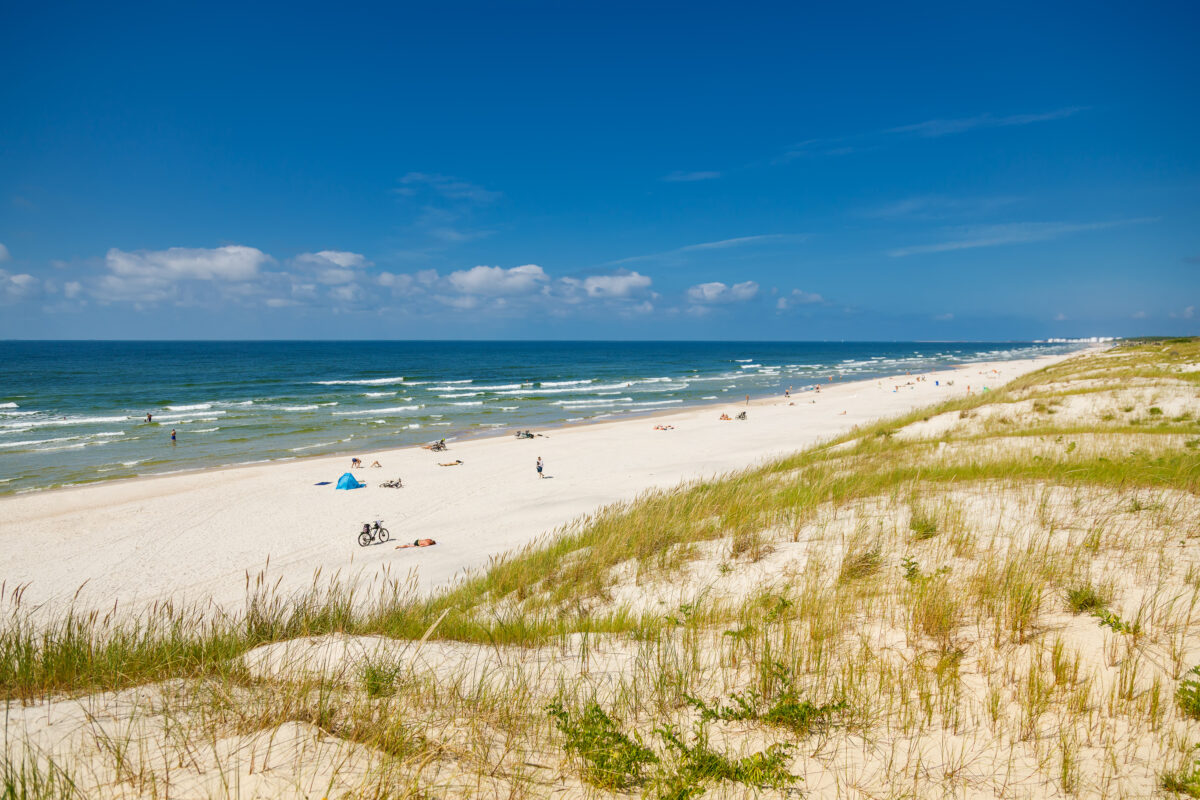
Smiltynė is often the first beach people encounter when crossing from Klaipėda by ferry, but many don’t realise how quickly it opens up once you move away from the landing point. Just a short walk transforms the atmosphere completely.
The beach becomes long, quiet, and surprisingly wild, with dunes and forest replacing any sense of urban proximity. I’ve always liked Smiltynė for how accessible it is without feeling compromised. It’s easy to reach, yet still feels natural and spacious.
One small detail I came to appreciate is how locals use this beach—often briefly, fitting a swim or walk into everyday life rather than treating it as a full-day destination.
Pervalka Beach, Curonian Spit
Pervalka is small, quiet, and easy to overlook, which is exactly why it’s special. The village itself feels rooted in local life, and the beach reflects that simplicity. There’s a sense of routine: locals walking, swimming briefly, then heading home.
The beach is wide and clean, with uninterrupted views of sea and sky. I found Pervalka best experienced at the edges of the day. Early mornings feel calm and introspective, while evenings bring a soft light and a sense of closure to the day.
It’s not a beach for entertainment or facilities; it’s a beach for slowing down and noticing subtle changes in light, weather and mood.
Palanga Beach
Palanga is Lithuania’s most well-known seaside town, and it has a very different energy to the Curonian Spit. There’s more movement, more people, and a stronger sense of tradition around summer holidays.
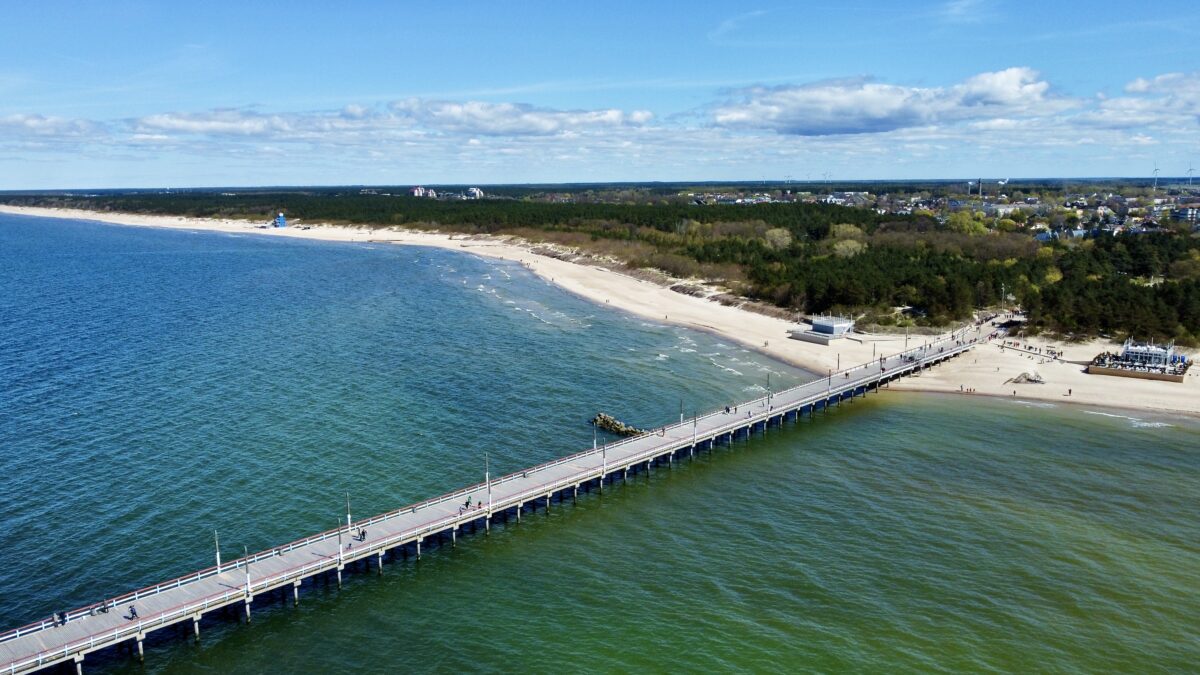
The long wooden pier is the focal point, stretching out into the Baltic Sea and offering expansive views in both directions. While Palanga can feel lively during the day, I found its quieter moments more revealing.
Early mornings and evenings completely change the atmosphere. The beach becomes calmer, the light softer, and the town feels more reflective. Walking along the shoreline at sunrise is one of the best ways to experience Palanga without the crowds.
Šventoji Beach
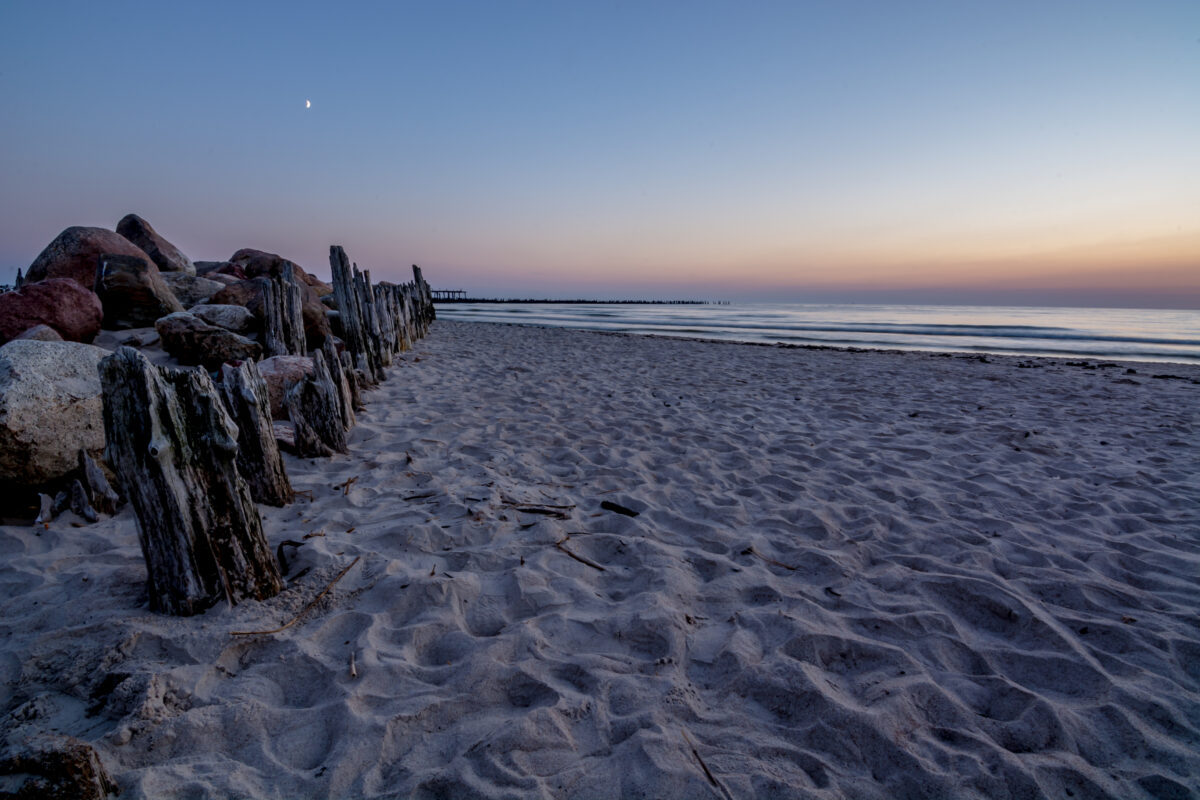
Šventoji feels more open and less polished than Palanga, with a rawness that suits the Baltic coastline. The beach is wide and exposed, and wind plays a major role in shaping the experience.
On breezy days, the movement of sand and waves gives the area a dynamic, almost dramatic quality. This is a beach where weather matters—calm days feel expansive and peaceful, while windy ones are better suited to walking than swimming.
What stood out to me was how much space there is. Even in summer, it’s easy to find quiet stretches, especially if you move slightly away from the main access points.
Melnragė Beach
Melnragė sits close to Klaipėda and feels like a bridge between city life and nature. It’s a place where locals come regularly, often in the evenings, to walk, swim or simply watch the sea.
The beach itself is long and sandy, with views of ships passing in the distance, which adds an unexpectedly contemplative element. I always found Melnragė interesting because it feels lived-in rather than curated.
There’s a sense of routine and familiarity that gives the beach character. Visiting later in the day, when the light softens and the crowds thin, offers a glimpse into how the coastline fits naturally into everyday Lithuanian life.
Things to Know Before Visiting Lithuania’s Beaches
Lithuania’s coastline is beautiful, but it rewards a slightly different approach than many European beach destinations. Understanding the seasons, geography, and rhythm of the Baltic Sea makes a huge difference to how much you enjoy it.
Best Time of Year to Visit Lithuania’s Beaches
The best time to visit Lithuania’s beaches is late June to August, when temperatures are warmest and daylight stretches late into the evening.
July and August offer the most reliable beach weather, with daytime temperatures often sitting comfortably in the low to mid-20s°C.
That said, the Baltic Sea remains cool even in summer, so swimming is always refreshing rather than warm!
For a quieter experience, I’d recommend late May, June, or early September. These shoulder months still offer long days and beautiful light, but far fewer people, especially on the Curonian Spit. The beaches feel calmer, and the landscape—dunes, forests, and sea—takes centre stage.
A Quick Note on the Baltic Sea
The Baltic Sea plays a major role in shaping Lithuania’s beaches. Conditions can change quickly depending on wind and weather, which means one day might be ideal for swimming and the next better suited to walking or exploring.
Water clarity and wave strength vary, so flexibility is key. I learned quickly that Lithuanian beach days aren’t about controlling the experience, but adapting to it (something locals do instinctively).
Wind is common, especially along more open beaches like Šventoji, so bringing layers is always a good idea, even in summer. Cooler evenings are normal, particularly near the water.
Where to Stay for Lithuania’s Best Beaches
Where you choose to stay along Lithuania’s coast makes a noticeable difference to how you experience it. Over time, I found that each area offers a distinct rhythm, and the right base depends on whether you’re looking for immersion in nature or easier access to amenities.
If the Curonian Spit is your priority, Nida is the most immersive place to stay. It’s surrounded by dunes, forest, and open sea, and feels designed for slowing down.
It works particularly well for longer stays, when you can explore different beaches on foot or by bike and let the landscape set the pace. Juodkrantė and Pervalka offer quieter alternatives, with a more residential feel and fewer visitors, which I always appreciated on return trips.
For more flexibility, Klaipėda makes a practical base. Staying here gives easy ferry access to Smiltynė Beach while keeping restaurants, cafés, and transport connections close by.
Palanga suits travelers who enjoy a traditional seaside town atmosphere, with a wider range of accommodation options and a livelier summer feel. Wherever you stay, booking ahead is important in peak season, especially on the Curonian Spit, where accommodation is limited.
Practical Tips Before Visiting Lithuania’s Beaches
One of the most useful things I learned while spending time on Lithuania’s coast is that beach days here are often short and intentional.
Locals tend to swim or walk, then leave—especially at places like Smiltynė and Melnragė—so arriving early or later in the day often feels more natural than settling in for hours.
On the Curonian Spit, planning ahead matters. Ferry queues from Klaipėda can build up in summer, and once you’re across, distances between villages are longer than they look on a map.
Hiring a bike or bringing one over makes it far easier to move between Nida, Juodkrantė, and Pervalka, and it’s how most people who live there get around.
Pebble-free, sandy beaches like Palanga and Šventoji are more exposed to wind, while forest-backed beaches such as Juodkrantė often feel calmer.
Paying attention to wind direction can completely change where it feels best to spend time. It’s also worth knowing that many beaches have few or no cafés directly on the sand, particularly on the Spit, so bringing water and a light snack saves unnecessary backtracking.
Finally, respect for nature is not optional here. Dunes are fragile, paths are clearly marked, and following them is part of how Lithuania has managed to keep its coastline so beautiful.