
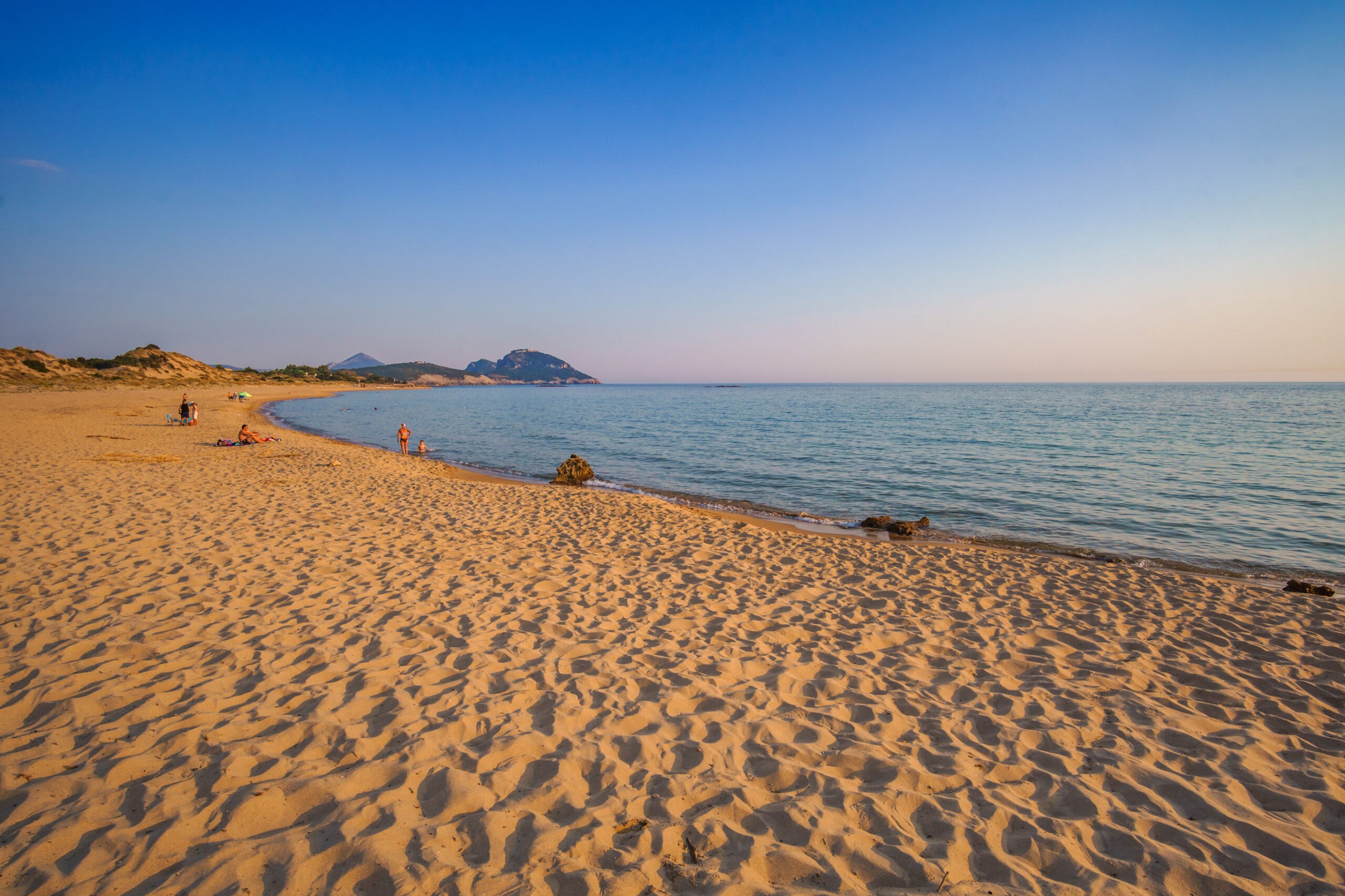
Costa Navarino in the southwest region of the Peloponnese Peninsula offers a Greek Island-like stay, but with more tranquility than the popular island destinations like Mykonos and Santorini. It’s all about “quiet luxury,” with unspoiled beaches, olive groves, and some 4,500 years of history. While it often attracts the British and Germans for a peaceful beach escape, outside of Greece and those regions, it’s remained mostly undiscovered.
That’s all about to change as the world will soon get a look at all it has to offer. Much of “The Odyssey,” an adaptation of Homer’s epic poem, is scheduled for release on July 17, 2026. The star-filled cast includes Matt Damon, Anne Hathaway, Tom Holland, and Zendaya. Taking viewers back in time to ancient Greece, it follows Odysseus (Damon) on his 20-year journey home to Ithaca following the Trojan War, with filming taking place at many iconic sites, most notably the Costa Navarino.
Recently featured by Condé Nast Traveller as one of the new films set to “inspire your travels in 2026,” the movie offers sweeping glimpses of places like Voidokilia Beach—scenes that will almost certainly spark viewers’ travel planning.
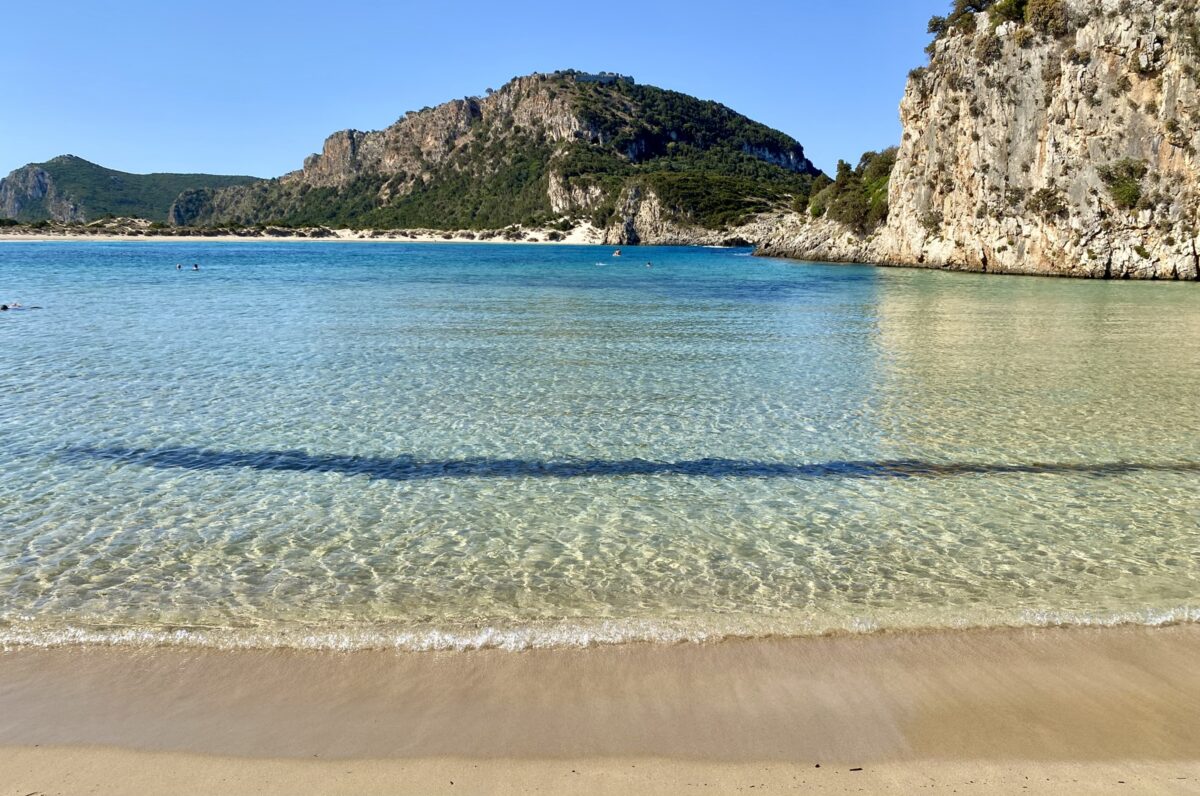
Voidokila Beach
One of the country’s most beautiful beaches, Voidokilia is located near the town of Pylos, offering unspoiled white sands lapped by clear, electric blue waters. Protected from the winds by two rocky promontories, it’s perfect for swimming, with calm, shallow waters. From the top of the dunes, you can take in a breathtaking view over it all.
The beach was used for multiple scenes, including where Odysseus encounters the Cyclops.
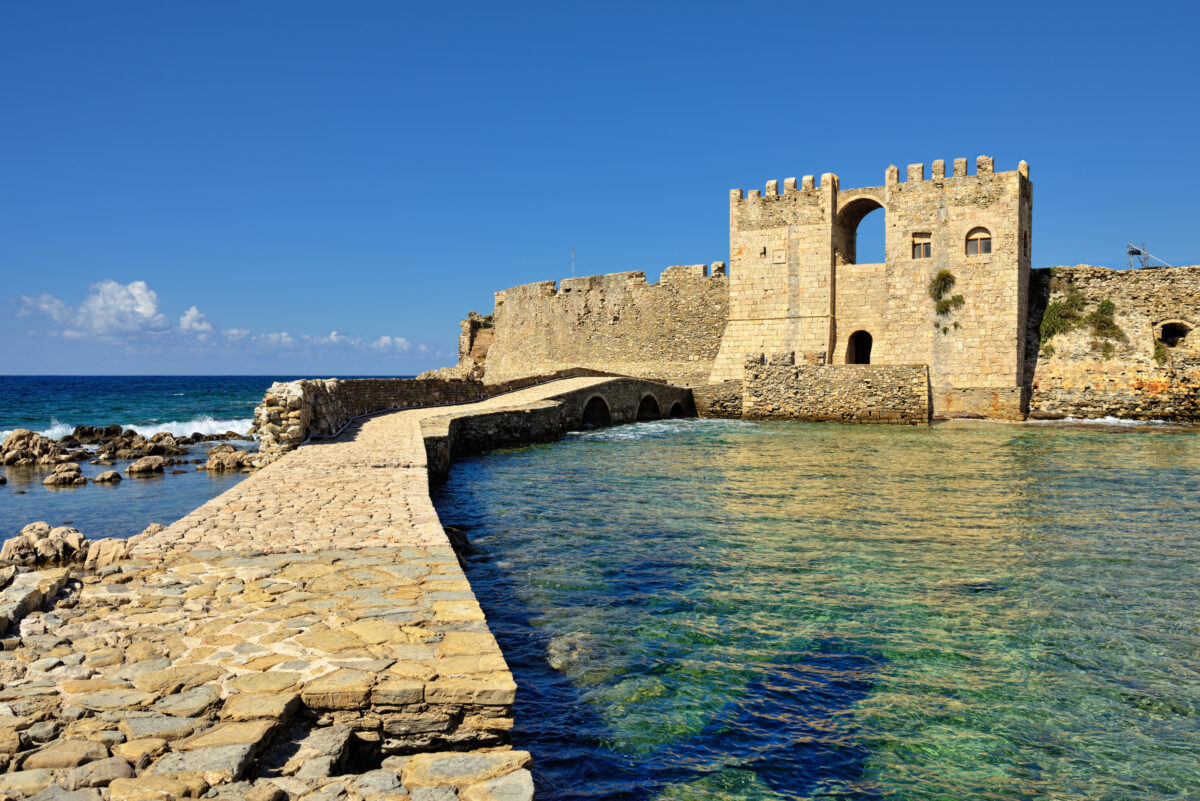
Methoni Castle
Built by the Venetians in the early 13th century, Methoni Castle is a medieval fortification near the picturesque town of Methoni overlooking the Ionian Sea. It sits atop a rock promontory as one of the largest of its kind in the Mediterranean. Highlights include the stone bridge that connects the castle to the shore, the gate engraved with the lion of San Marco, a symbol of Venice, the 1830 chapel of Agia Sotira, the remains of a Byzantine church, Bembo and Loredan bastions, and the relics of two Ottoman bathhouses.
The castle/fortress served as a dramatic backdrop for scenes featuring the son of Odysseus, Telemachus, as he searched for his father.
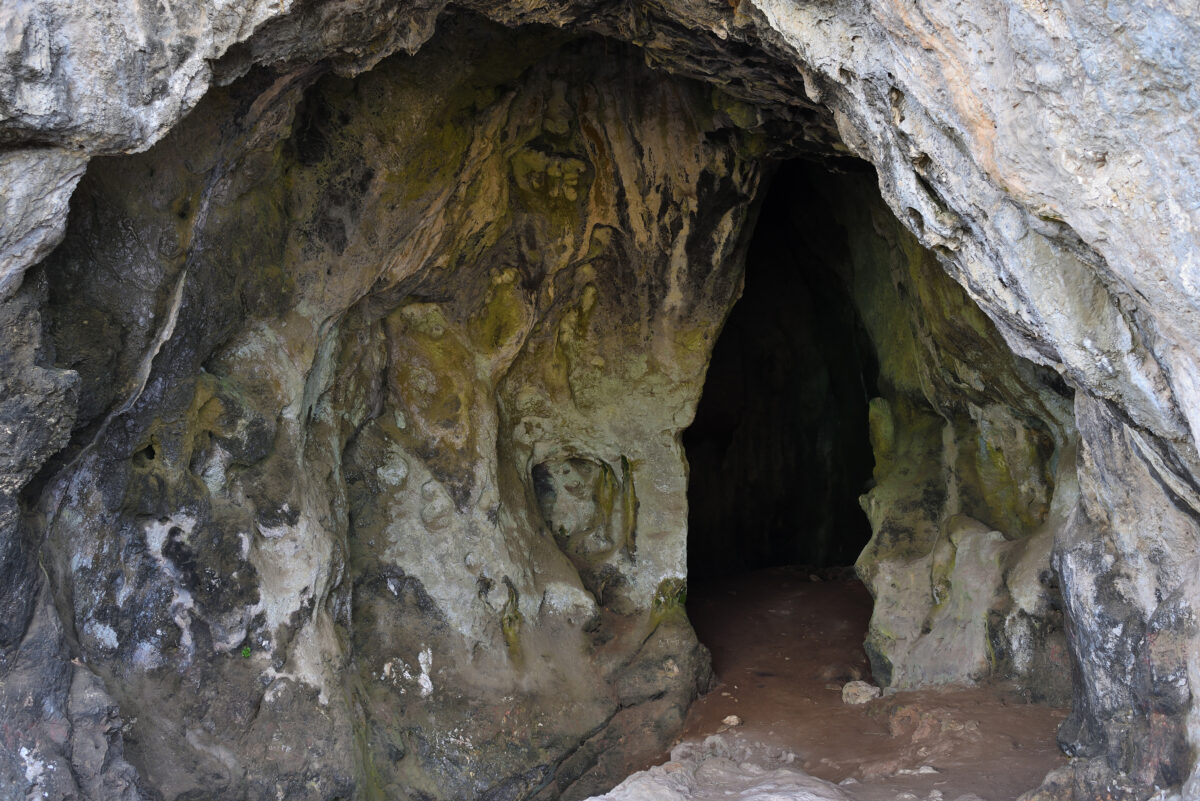
Nestor’s Cave
Nestor’s Cave was also used for scenes featuring the one-eyed Cyclops. Located near the top of the hill above the southwest end of Voidokilia Beach, just below the ruins of the Old Navarino Castle, it’s linked to mythology as the spot where Hermes hid Apollo’s cattle. It includes stalactites while offering panoramic views of the coast.