
For us Floridians, hurricane season is just a part of life. Most residents who have been here at least a few years have been through one, and it’s something we prepare for. When I first moved here 20 years ago though, I had to get used to it.
For a visitor who isn’t accustomed to the weather conditions that can come with being surrounded by coastline, it’s understandably a little confusing. Between categories and cones, it can be hard to keep it all straight. I want to reassure you though, that you can still have a great beach vacation in Florida during hurricane season. There’s a good possibility that you won’t even encounter a hurricane when you’re here. At the time of writing, the National Oceanic and Atmospheric Administration (NOAA) has publicly stated that they think 2026 will be a below-normal Atlantic hurricane season.
That’s great news for those planning their Florida beach vacation, but it’s always good to be aware, plan ahead, and know what to do if there’s a named storm during your Florida vacation—because the possibility exists, and it is something to take seriously. Here’s what Florida hurricane season actually means for your beach vacation, and things you should be aware of.
What is Hurricane Season and When Does it Run?
While a typical thunderstorm may happen any time in Florida, tropical depressions, tropical storms, and hurricanes are most likely to occur during our Atlantic hurricane season, which runs from June 1-November 30. However, the peak of the season is September through October. From a historical perspective, that’s when we have the highest likelihood of a named storm. That’s no guarantee that there will even be a hurricane, though.
What’s the Difference Between a Hurricane Watch and a Hurricane Warning?
As meteorologists keep an eye out for storms, they’ll alert the public when they spot a tropical depression. This system has maximum sustained winds of 38 mph or less, and they don’t always result in a hurricane. It’s important to keep an eye on all developments though, as that could affect your beach vacation. You’ll start to hear the terms “hurricane watch” and “hurricane warning” being used, and it’s important to know what those mean.
A hurricane watch means that a hurricane is possible for a certain area. A watch is issued 48 hours before tropical storm-force winds are expected to begin. This is when many of us Floridians will start boarding up our homes, stocking up on non-perishable food and water, and making sure we have our hurricane supplies ready.
A hurricane warning is an elevated level of risk, and it means that a hurricane is expected in the area. The warning is issued 36 hours before tropical storm-force winds are expected to hit the area. This is when people will make final preparations, and many will leave areas that are at risk. The Florida Division of Emergency Management will even offer voluntary or mandatory evacuation orders in some instances.
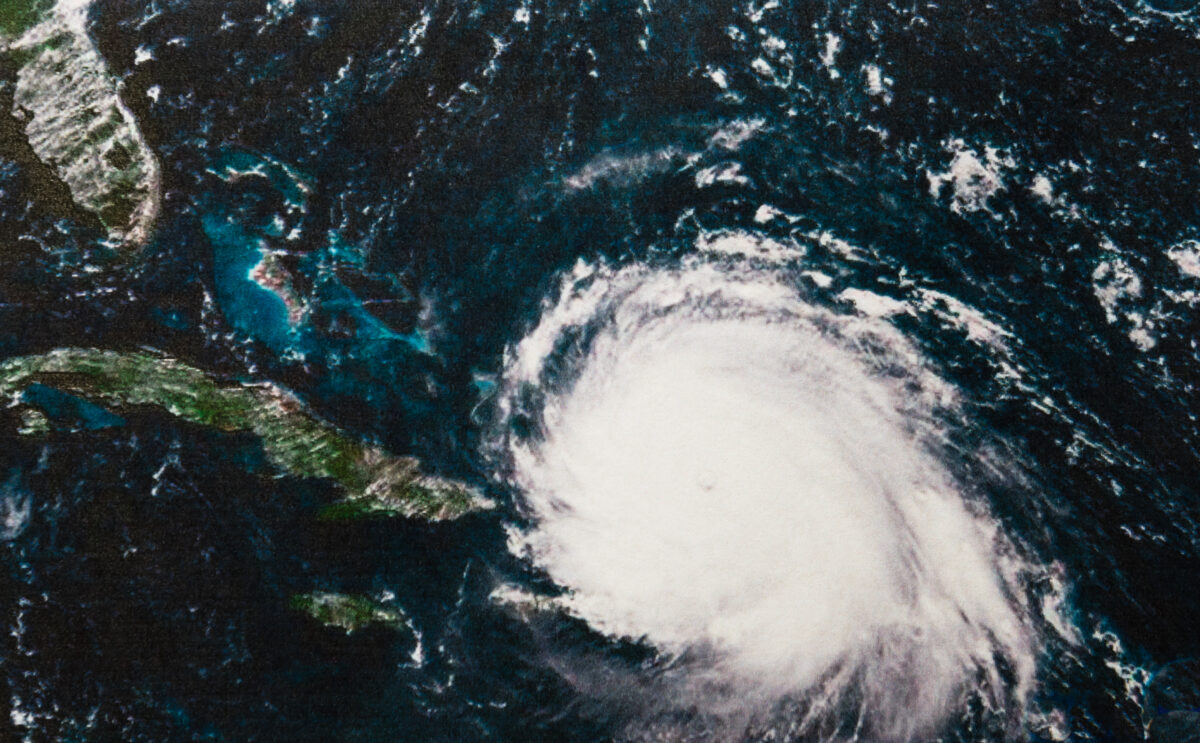
How to Read the Hurricane Cone (and What it Doesn’t Tell You)
Meteorologists use a cone to show the path that a storm is predicted to take. The track of the storm can change, though. As the storm moves, so does the cone. There have been times when my home wasn’t in the cone, and then the next day it was. I’ve also had the opposite happen.
The cone doesn’t predict if you’ll feel any impacts from a hurricane though, as rain, wind, and tornadoes can exist outside of the cone, too. However, the National Hurricane Center is introducing new forecast cone graphics in 2026 that will include the addition of inland watches and warnings, and will help people better prepare.
In addition to the cone, you’ll also want to pay attention to the strength of the storm.
Hurricanes are categorized by their maximum sustained wind speed utilizing the Saffir-Simpson Hurricane Wind Scale.
A tropical storm is defined as a storm with maximum sustained winds of 39-73 mph. Once winds reach higher speeds, the storms are ranked on a scale from 1 to 5 based on the strength of their maximum sustained winds, and Category 3 and higher are considered major hurricanes.
- Category 1: 74-95 mph – Very dangerous winds will produce some damage
- Category 2: 96-110 mph – Extremely dangerous winds will cause extensive damage
- Category 3: 111-129 mph – Devastating damage will occur
- Category 4: 130-156 mph – Catastrophic damage will occur
- Category 5: 157 mph or higher – Catastrophic damage will occur
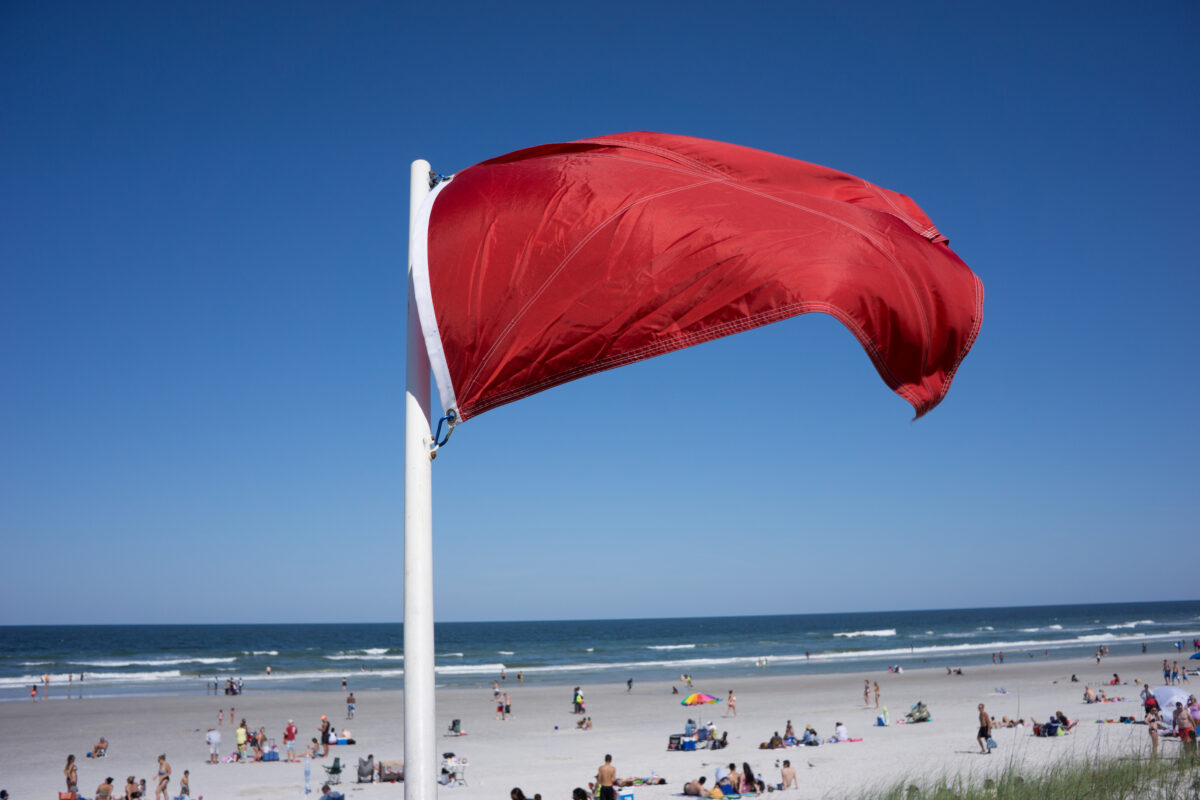
Which Parts of Florida are Most and Least Affected?
Since Florida is surrounded by water on three sides, the entire state is at risk of being affected by a hurricane. That doesn’t mean the entire state is affected with each storm, though. It’s entirely possible to have sunny skies in one part of Florida, while another area is preparing for a hurricane.
Coastal areas are of most concern, as they are located where storms could make landfall. Those areas are most at risk as they could face other impacts from hurricanes such as storm surge and flooding. Inland destinations in Florida can certainly still be affected by hurricanes, but usually have the least risk of rising water. However, there can be massive amounts of rainfall that can cause flooded areas inland as well. Tornadoes and high winds can happen anywhere, too.
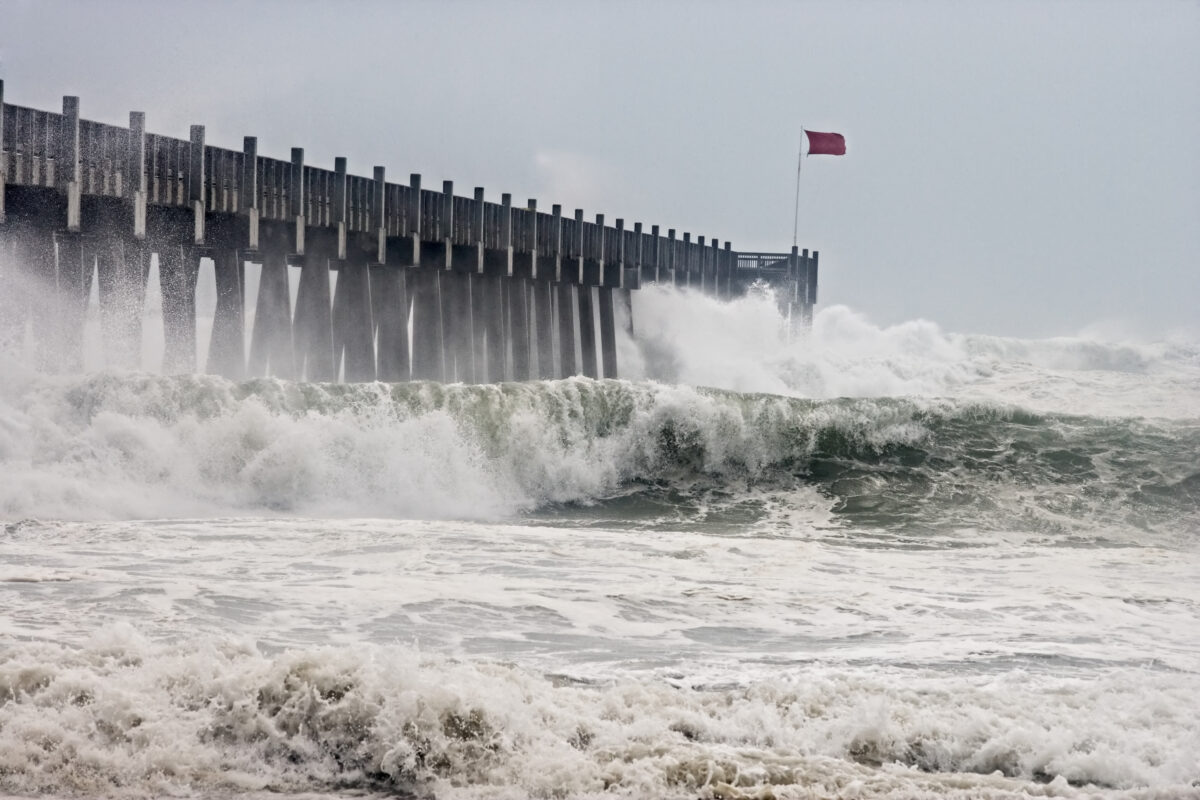
It’s also important to be aware of rip currents before and after a storm. Even when a storm is far away, if the waters are churning in the Atlantic, waves can come from hundreds or thousands of miles away. The dangerous conditions that create rip currents aren’t always obvious from the beach, which is part of what makes them so dangerous.
According to data from NOAA, 10-15% of U.S. fatalities from tropical storms and hurricanes are caused by rip currents. These can occur even when there’s not a hurricane, so it’s something to always be aware of at the beach. However, before and after powerful storms, there’s an increased risk.
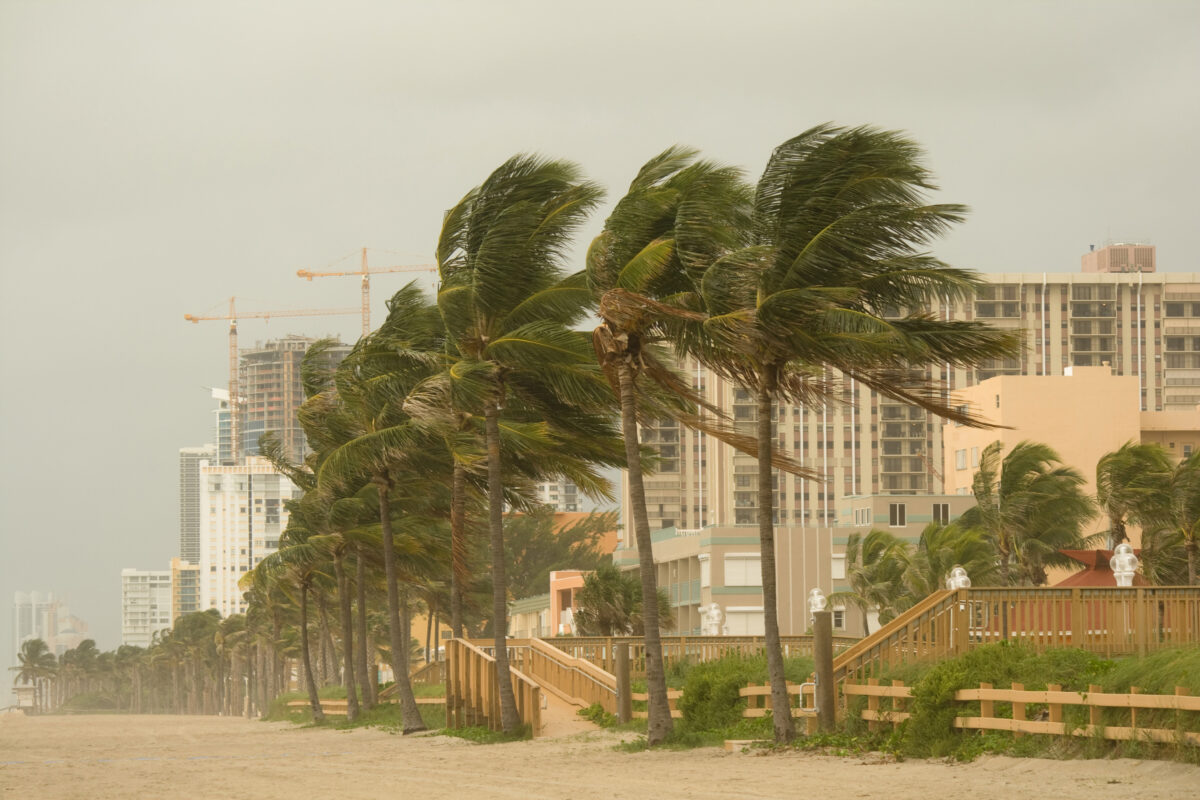
What to Do if a Hurricane Develops While You’re in Florida
First of all, don’t immediately freak out. The thought of a hurricane can be scary, but unlike some natural disasters, you do get some notice. As you would before any trip, check the weather before traveling. If a storm is named for your destination before you depart, you may want to consider waiting until after the storm has passed. Just because a storm is headed toward one part of Florida though, doesn’t mean that it will impact other areas in the state. Make sure you’re looking at weather forecasts for your specific destination. Visit Florida also does a good job of keeping up-to-date information on their website during hurricanes.
If a storm is named while you’re on your trip, you still don’t need to panic. Just start making preparations, just as we Floridians do. Make sure your phone is set up to receive emergency alerts, and monitor weather alerts on local radio and television stations. It’s also very helpful to have a battery-operated weather radio.
If your accommodations are located in an area that looks as if it will be impacted by the storm, you may want to relocate to another area. In some instances, voluntary or mandatory evacuation orders will be issued.
Roads can be congested when people are trying to exit areas that are at risk, so before you hit the road, check out Florida 511 for real-time traffic updates. Their service also offers a free mobile app so you can track conditions while you’re driving as well.
Even if you’re in an area that isn’t directly where the hurricane makes landfall, you could still be impacted by the storm. It’s pretty common for surrounding areas to temporarily be without electricity and cell service, or have trees fall down and block roadways. Many hotels have back-up generators, but don’t feel bad about asking to confirm.
Although we rarely use it, most Floridians have a hurricane supply kit that we put together in preparation for each hurricane season. You may want to put one together for yourself to make sure you have everything you may need during a hurricane. At minimum, fill up your car’s gas tank, charge your phone, and stock up on bottled water and non-perishable food items before the storm. Don’t wait until the last minute, as everyone else is doing the same thing.
Be careful during and after the storm. Remain indoors until the storm has passed. Please don’t try to be a storm chaser and expose yourself to the elements. Even when it appears winds have slowed down, they can quickly pick up and there’s often flying debris. After the storm, many people want to go outside to assess the situation, but wait until it’s safe. If you see a downed power line, always just assume it’s live and stay far away from it.
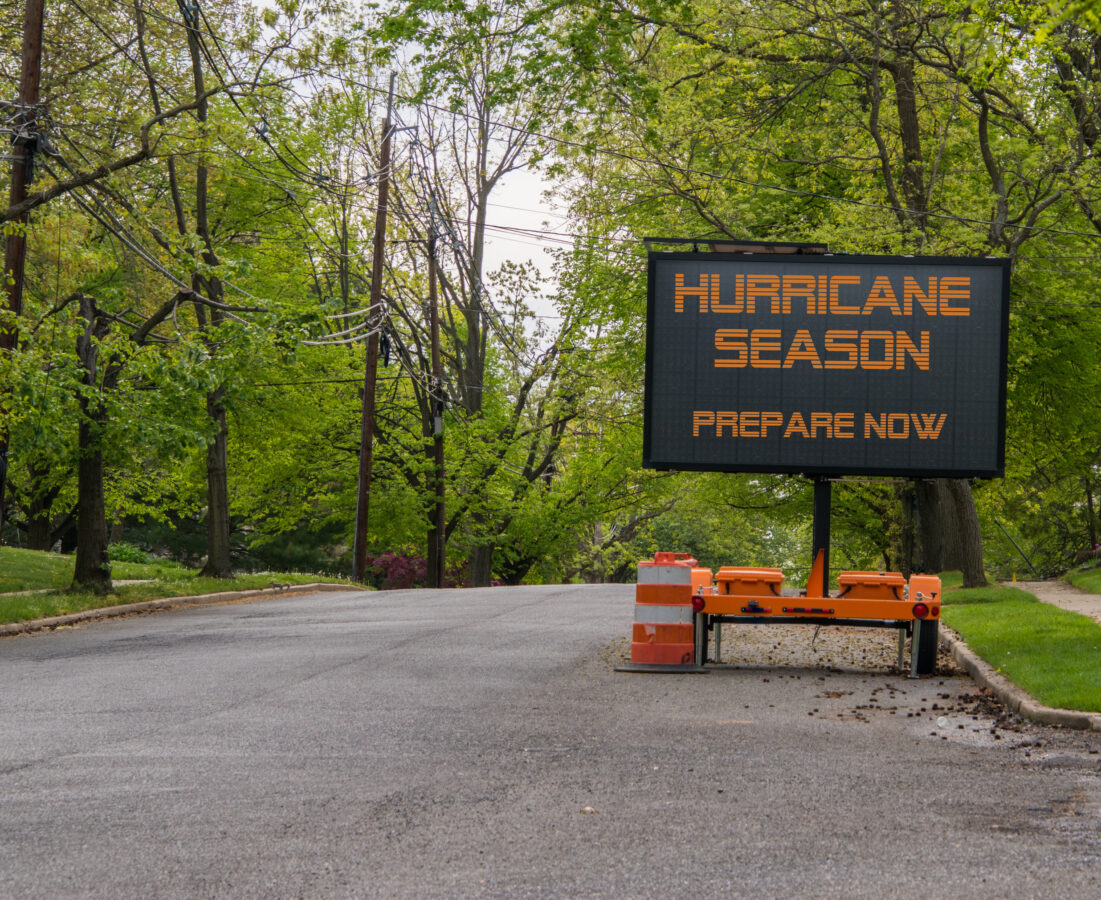
Tips for Booking Smart During Hurricane Season
- Consider getting travel insurance. You’ll need to make sure you do this before there’s actually a named storm and make sure your plan includes coverage for natural disasters.
- Make sure your phone is set up for emergency alerts. Wireless Emergency Alerts (WEAs) are messages that are sent to your phone to alert you of potential danger. You’ll want to ensure that you aren’t opted out of receiving alerts. On most phones, you can check the settings menu.
- Sign up for the FEMA app. The free FEMA app is another way that you can make sure you get weather alerts from the National Weather Service. Another great thing about the app is that you can also get information on nearby shelters if you need to evacuate.
2026 Hurricane Names
- Arthur
- Bertha
- Cristobal
- Dolly
- Edouard
- Fay
- Gonzalo
- Hanna
- Isaias
- Josephine
- Kyle
- Leah
- Marco
- Nana
- Omar
- Paulette
- Rene
- Sally
- Teddy
- Vicky
- Wilfred
The good news is that millions of people visit Florida beaches every year without any issues. It’s important to stay informed, monitor forecasts, and have a plan in place if a storm develops during your Florida beach vacation. However, understanding Florida’s hurricane season will help you prepare and adjust accordingly if needed.