
When Airbnb recently revealed its travel predictions for 2026, it forecasted that Gen Z would be fuelling a trend of short, high-energy international trips. We’re talking ultra-short, with visits to vibrant cities for culture, including music, art, historic sites, and food, combined with the desire to be immersed in nature.
While Airbnb writes that Gen Z is swapping relaxed beach towns for more lively urban experiences, some of the trending cities mentioned offer beach time and plenty of culture. Perhaps most notably, Maceió, Brazil.
Why Maceió?
The capital of the state of Alagoas on the country’s east coast, Maceió has a lot to offer. Its historic center can’t help but put a smile on your face with its candy-colored colonial homes. Plus, there’s vibrant street music, a 19th-century cathedral, and a museum of anthropology and folklore housed in a grand seafront mansion.
But beyond getting your fill of culture and history, you’ll find energetic beachfront parties and plenty of delicious regional fare.
The Beaches
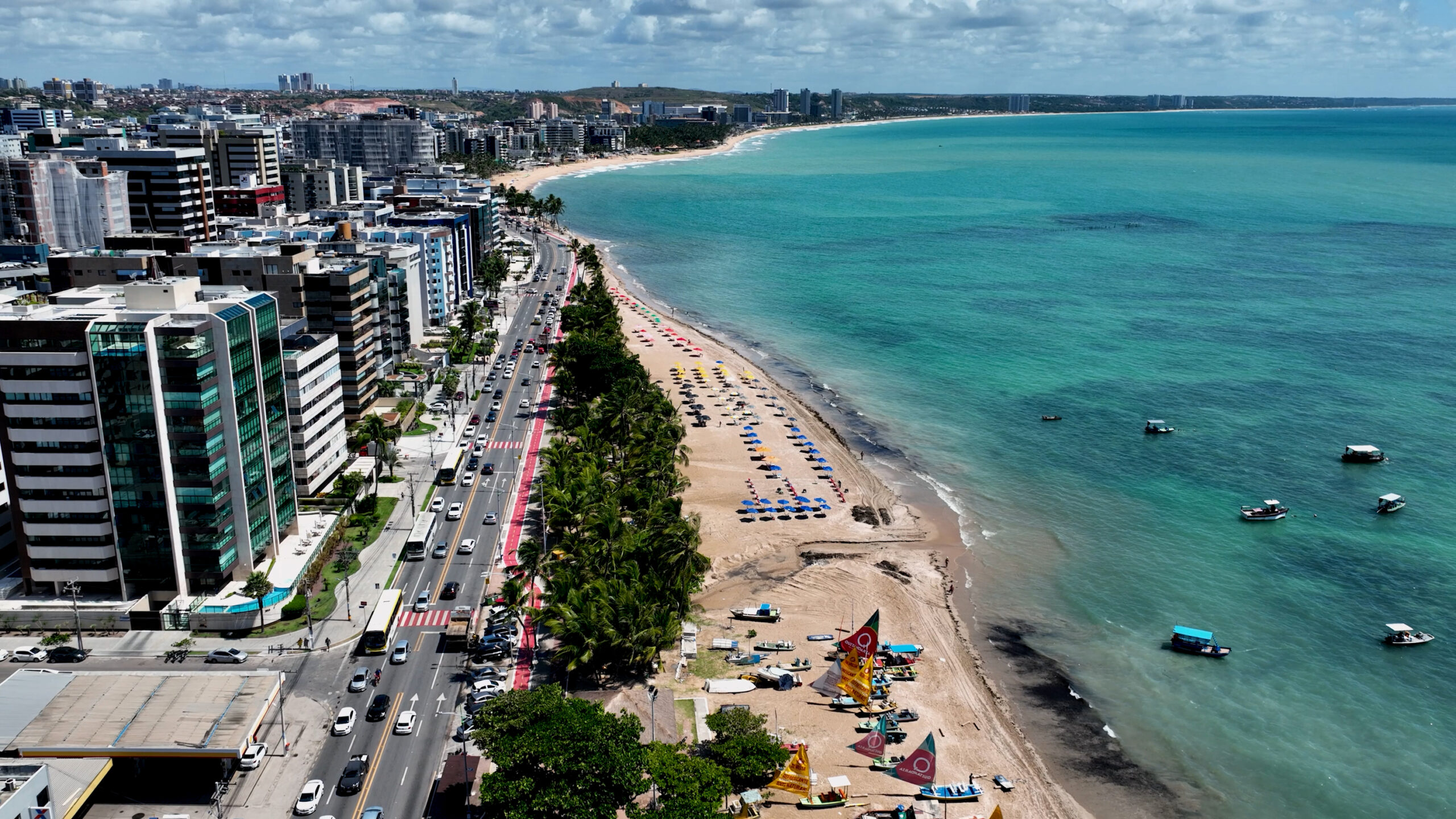
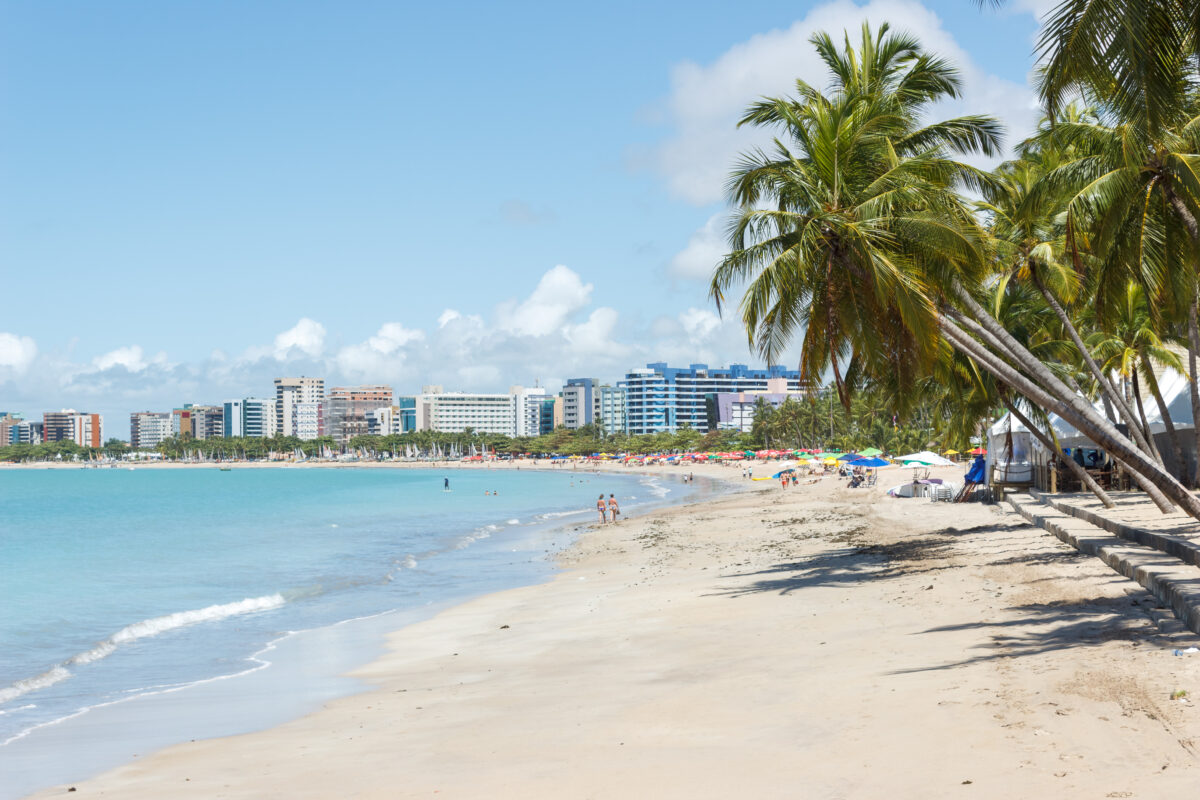
The beaches in Maceió are a sight to behold, with white sands lapped by turquoise waters. You’ll find a mix of lively and more tranquil, hidden stretches that can be uncovered while exploring on an e-bike. Head slightly north to Paripueira or south to Barra de São Miguel for a calmer vibe and stunning natural beauty.
Pajucara is the iconic city beach where one can take a famous jangada (raft) ride to snorkel in shallow natural pools inhabited by an abundance of fish, while Ponta Verde is lined with coconut palms and has a boardwalk along with beachfront vendors selling local crafts. It offers soft sands and calm water as one of the main areas for recreational activities like SUP and kayaking.
The city beaches often host DJs during the high season (October through February), who spin well into the evening. In fact, much of the nightlife is right along the sand, making beach parties popular by day and after dark.
The Food
The cuisine is tasty wherever you go, from the street food vendors and beachside snack bars (barracas) to restaurants that often serve authentic regional specialties. Expect dishes with strong African influences, evident in the beloved acarajé, an Afro-Brazilian street food. The deep-fried fritter is made from seasoned black-eyed peas that are split open and stuffed with a spicy shrimp paste, okra stew, and hot pepper sauce. Abará is another popular snack similar to acarajé, which may include beans or black-eyed peas that are mashed into a paste, then steamed in a banana leaf.
When you’re in need of more than a snack, try the Carne de Sol, sun-dried salted meat (goat or beef), typically grilled and served with coalho cheese and pirão. The Moqueca is a must-try for seafood lovers as a stew made with fish, shrimp, coconut milk, and dendê oil.
How to Get There
Most North American and European travelers fly to one of Brazil’s major hubs, like Rio de Janeiro or São Paulo, and then take a connecting flight to Zumbi dos Palmares International Airport (MCZ), which is Maceió’s main entry point.