


I first visited Peru in 2018 as a backpacker with my sights set on Machu Picchu. Yet, somewhat surprisingly, I ended up spending much of the trip along the country’s Pacific coast. I was traveling with a surfer, which took us from lively beach towns in the north to tiny fishing villages where some of the world’s longest waves are found.
It showed me a completely different side of a country most travelers associate with ancient ruins and Andean mountains. Peru’s coastline stretches from warm, sandy beaches near the Ecuadorian border to desert landscapes, historic surf towns, and the dramatic cliffs of Lima—and some of my favorite memories from that trip happened right beside the Pacific.
For anyone ready to explore beyond the mountains, these are the best beaches in Peru worth visiting.
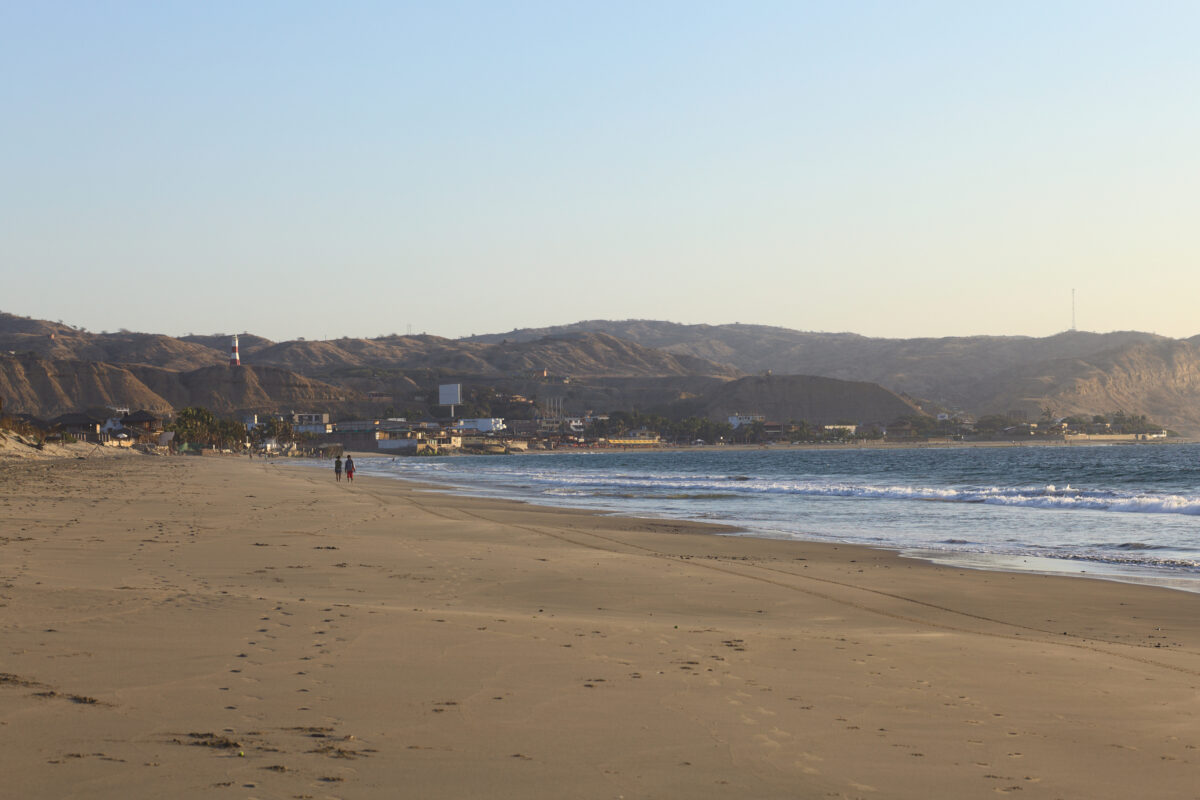
Máncora Beach, Piura
Best for: Surfing and nightlife
I first encountered Máncora as a backpacker—it is, after all, Peru’s most famous beach town, and the one everyone recommended I visit after my adventures in Machu Picchu. Located on the far northern coast, Máncora has warm water and a generally sunny, dry climate, making it one of the most popular places in Peru for a proper beach vacation.
Surfing is a huge part of the culture here, with approachable waves that are great for beginners taking their first lessons. The small town is also packed with ceviche restaurants, casual bars, hotels, and hostels, while activities like kitesurfing and boat excursions offer plenty to do beyond lounging on the sand.
Máncora is also known to be one of the liveliest beach destinations in Peru, hence my visit during my backpacking days. It has quite the social atmosphere, with bars and restaurants buzzing well after sunset. Anyone looking for something quieter doesn’t have to go too far: Las Pocitas, known for its small natural pools that form among its rocks at low tide, is only a couple of miles south.
Punta Sal, Tumbes
Best for: Warm water and laidback beach days
Near Peru’s border with Ecuador, Punta Sal offers the kind of classic beach vacation that’s harder to find farther south along the country’s Pacific coast. The beach stretches for several miles, with pale sand, warm water, and generally gentle waves. Thanks to the warm tropical currents that influence this corner of Peru, the water is particularly inviting—though, as anywhere on the Pacific, conditions can change from day to day.
Punta Sal’s shore is backed by palms, beach houses, and low-rise hotels ranging from simple stays to upscale resort-like properties. It’s developed enough to make a multi-day stay feel stress-free without feeling like a busy beach town. For an even more local feel, nearby Cancas is a fishing community where boats still head out from the beach.
Offshore, humpback whales migrate through during the austral winter and spring, with whale-watching season generally running from July through October. The rocky reefs are also now protected within the Mar Tropical de Grau National Reserve, established in 2024 to conserve some of northern Peru’s incredibly diverse warm-water ecosystems.
Las Pocitas, Piura
Best for: Couples
Las Pocitas feels surprisingly removed from Máncora’s livelier backpacker hub, despite being just next door. Also known as Máncora Chico, this quieter stretch of coast is home to boutique hotels, beachfront restaurants, and private homes, making it a better choice for travelers who want to visit Máncora nearby without having to stay in the middle of its nightlife.
The beach here gets its name from the pocitas, or little pools, that form between rocks along the shoreline as the tide recedes. Pocitas is a great spot for couples: You can spend most of the trip tucked away at a beachfront hotel, then take a quick taxi into Máncora when you want more restaurants, shopping, or nightlife.
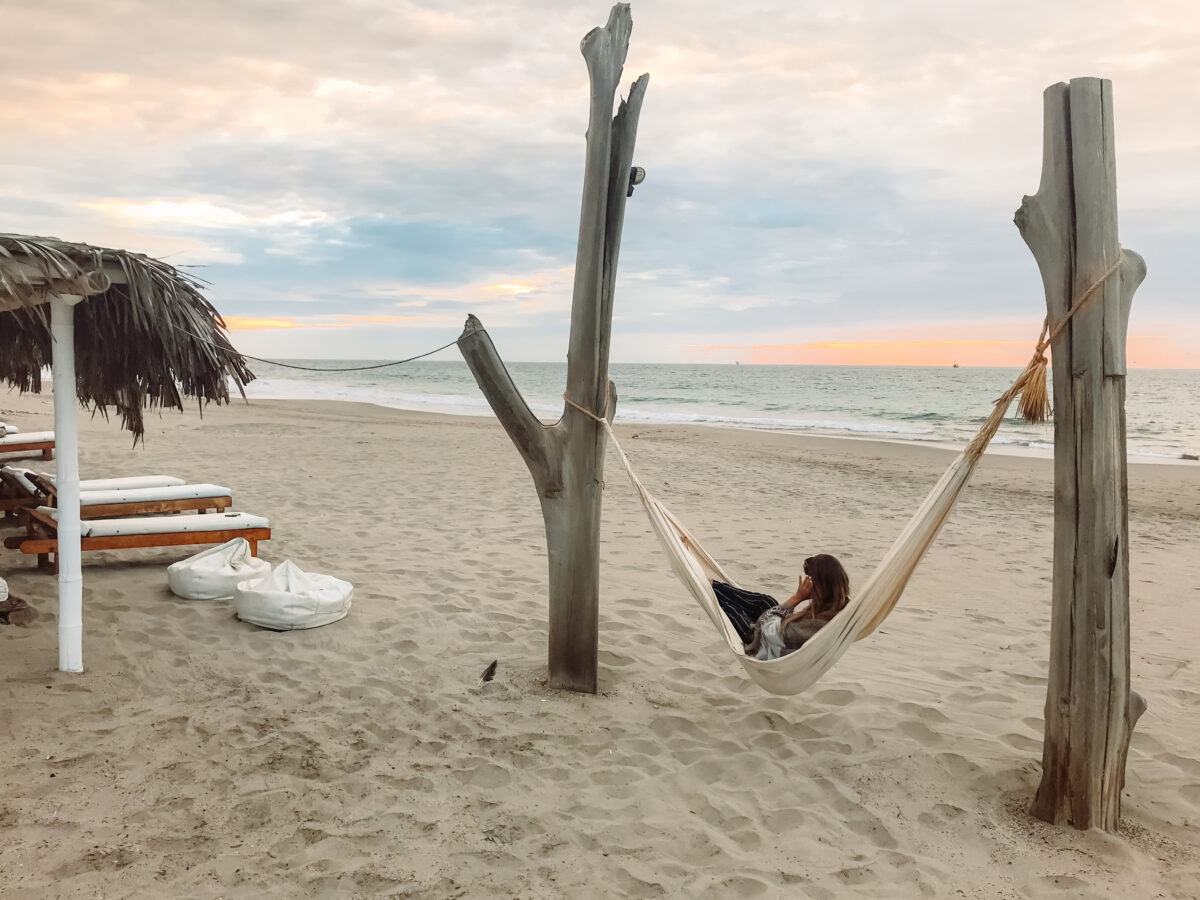
Vichayito Beach, Piura
Best for: A laidback beach escape
I stayed at Villa Sirena, right on Vichayito Beach, several years ago and loved how easy it was to slow down. Days revolved around long walks on the beach, lingering by the water, and watching the sunset rather than checking off a list of attractions. And when you do want more restaurants or nightlife, Máncora is close enough for an easy day trip.
Rather than a busy beach town, the shoreline here is dotted with small hotels, bungalows, and restaurants, making this a great choice for travelers who want to wake up unbothered, just steps from the sand. And when the wind cooperates, you can even give kitesurfing and windsurfing a go.
Playa Roja, Paracas
Best for: Dramatic scenery
About a four-hour drive south of Lima, Playa Roja looks unlike almost any other beach in Peru. Located within the Paracas National Reserve, the beach gets its distinctive rusty-red color from volcanic rock, which creates a dramatic contrast between the reddish shoreline and golden desert cliffs and the deep blue Pacific Ocean.
This is a beach to admire, rather than swim. Access to the shore is often restricted to protect the fragile environment, but viewpoints along the reserve’s visitor route provide sweeping views from above. The reserve is home to an important marine and coastal ecosystem, including sea lions and plenty of seabirds. From the nearby town of Paracas, boat excursions also take visitors to the exciting Ballestas Islands, where you can spot Humboldt penguins, sea lions, and huge colonies of marine birds.
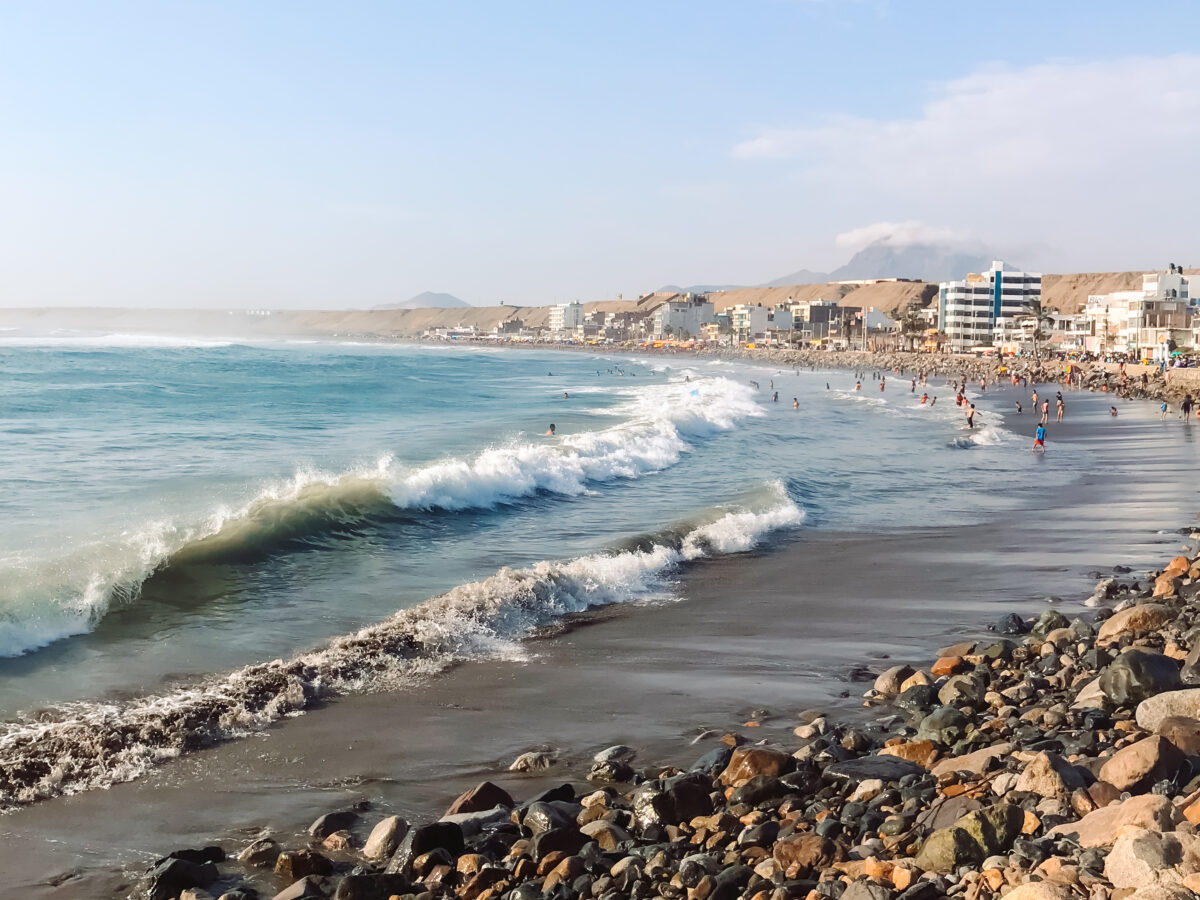
Huanchaco Beach, La Libertad
Best for: Surf culture and history
Huanchaco was one of the most memorable stops on my trip along Peru’s coast. I remember the scenery more than anything: the Pacific stretching out in front of town, dry hills rising behind it, and particularly beautiful sunsets that seemed to light up the entire coastline.
Surfing is a major part of Huanchaco’s identity. The town has hosted international longboard competitions, and surfers share the water with fishermen heading out on their reed boats, a combination that makes the beach feel distinctly different from Peru’s more resort-oriented northern coast.
But Huanchaco isn’t just another surf town. Look along the beach, and you’ll see caballitos de totora—long, curved boats woven from reeds—standing upright in the sand. Local fishermen have used versions of these vessels since pre-Columbian times, and Peru has officially recognized the boats and their traditional use as part of the country’s cultural heritage.
Chicama, La Libertad
Best for: The world’s longest left-hand wave
I first heard about Chicama while staying at a hostel in nearby Huanchaco. The owner offered to drive us out so my partner at the time could surf the “longest left wave in the world,” as locals put it.
Chicama is legendary among surfers for that very reason: When conditions line up, the ocean here produces extraordinarily long left-hand waves. Standing on shore, I understood the hype. I watched as surfers endlessly glided on waves that seemed to keep going down the coast, with no real end in sight.
Chicama, also known as Puerto Malabrigo, is a small coastal town where life revolves largely around the ocean. Serious surfers often plan their days around the swell and wind. You can surf here year-round, although some of its best conditions generally occur from March through October.
Los Órganos, Piura
Best for: Fishing village atmosphere and marine life
Los Órganos is a small, much quieter fishing town a short drive south of Máncora. You can come by for just a beach day, but the real reason to visit lies offshore. Between July and October, humpback whales migrate through the waters off northern Peru to breed and give birth. Los Órganos is one of the region’s main departure points for those whale-watching tours.
Back in town, you can enjoy some just-caught seafood, as in, you might see the fishermen bringing their catch ashore while walking the waterfront. It’s the kind of place to stay if you want your days to revolve around marine life excursions, seafood lunches, and quiet evenings by the Pacific.
Miraflores, Lima
Best for: An urban beach experience
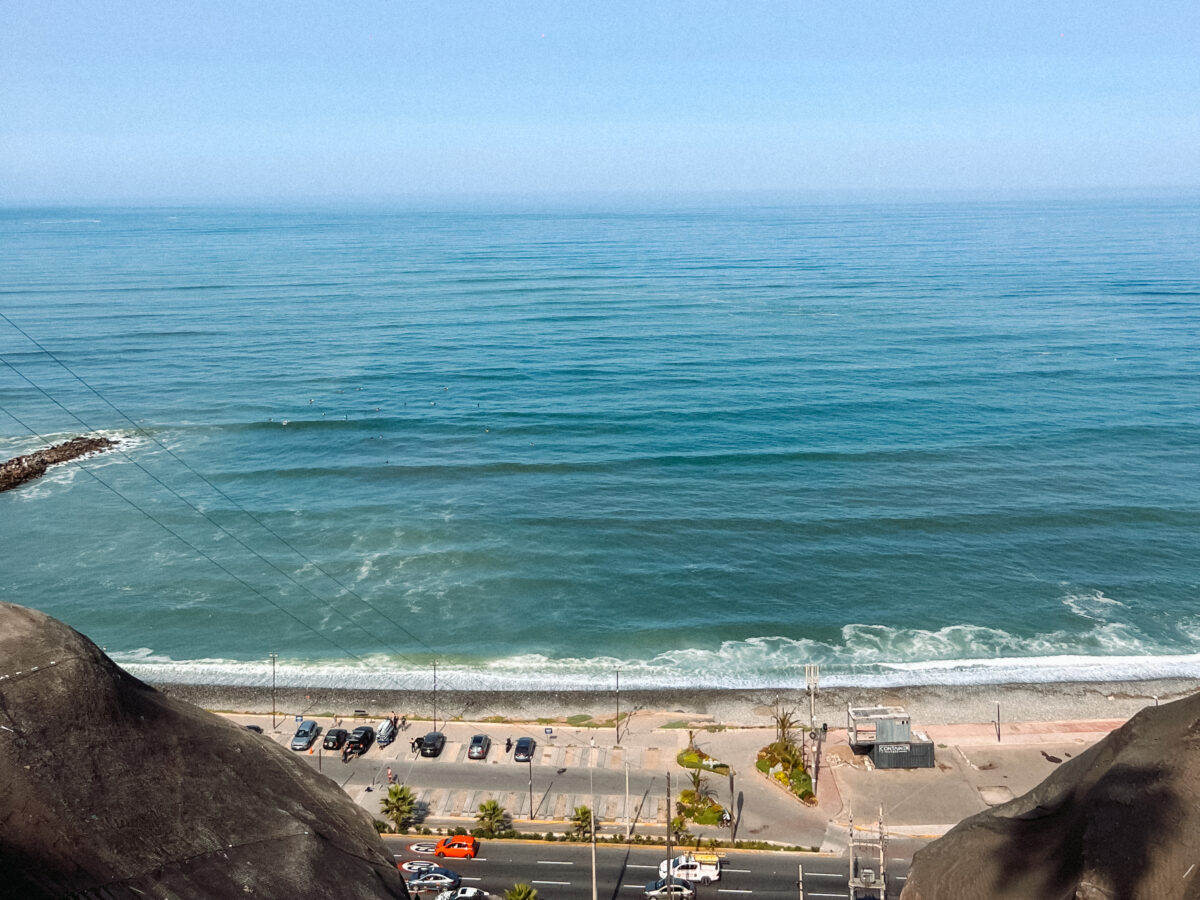
You don’t have to leave Peru’s capital to get a taste of its surf culture. Below the dramatic cliffs of Miraflores, a string of beaches stretches along Lima’s coast, where you’ll see surfers in the Pacific almost any day of the year. Waikiki and neighboring Makaha are particularly popular surf spots, with several schools offering lessons right along the waterfront.
These aren’t the warm, sandy beaches of northern Peru. Their shores are pebbly, and the Pacific is chilly—most visitors spend most of their time admiring the ocean from above. The neighborhood’s malecón, or scenic seaside pathway, runs along the clifftops through parks, bike paths, and viewpoints overlooking the coast.
Come toward the end of the day, to watch the giant Peruvian sun dip into the ocean. Afterward, you’re already in one of Lima’s main dining and nightlife districts.
Zorritos, Tumbes
Best for: Getting off the beaten path
About an hour north of Punta Sal, Zorritos offers another take on Peru’s northern coast. This small town has a long stretch of sandy beach and feels considerably less geared toward international tourism than Máncora farther south. You’ll still find beachfront hotels, restaurants, and a small waterfront promenade, but the atmosphere feels more like a local beach town than a major resort destination.
A short trip inland takes you to Los Hervideros, a collection of rustic thermal pools where naturally heated, mineral-rich water rises through mud from below. Zorritos can also serve as a jumping-off point for exploring more of Tumbes, including the region’s protected mangrove ecosystems closer to the Ecuadorian border.
For travelers deciding between Peru’s northern beaches, I’d put it this way: choose Máncora for restaurants and nightlife, Punta Sal for a polished beach vacation, and Zorritos for a quieter, more local feel.